When to Plant Sugar Snap Peas: A Complete Guide for Best Timing and Growth
Wondering when to plant sugar snap peas for the best harvest? The best time is about 10 weeks before your area’s average first frost date. This timing lets peas grow in cool weather, which they like the most.
Make sure the soil temperature is at least 45°F before planting. Peas need cool soil but not frozen ground to sprout well. You can start planting as soon as the soil thaws and is easy to dig.
Plant sugar snap peas outdoors about 4 weeks before the last frost date in spring. This early start gives them enough time to blossom before summer heat sets in. Peas grow best in temperatures between 55°F and 70°F. So don’t rush planting too late.
Key Takeaways
- Plant sugar snap peas 10 weeks before the first expected fall frost.
- Soil temperature should be about 45°F or higher for sowing peas.
- Direct sow peas outdoors four weeks before your last spring frost.
- Peas prefer cool temperatures between 55°F and 70°F for best growth.
- Wait to plant until the soil is thawed and easy to work.
- Early planting helps peas avoid heat stress and boosts pod quality.
When Is the Best Time to Plant Sugar Snap Peas?
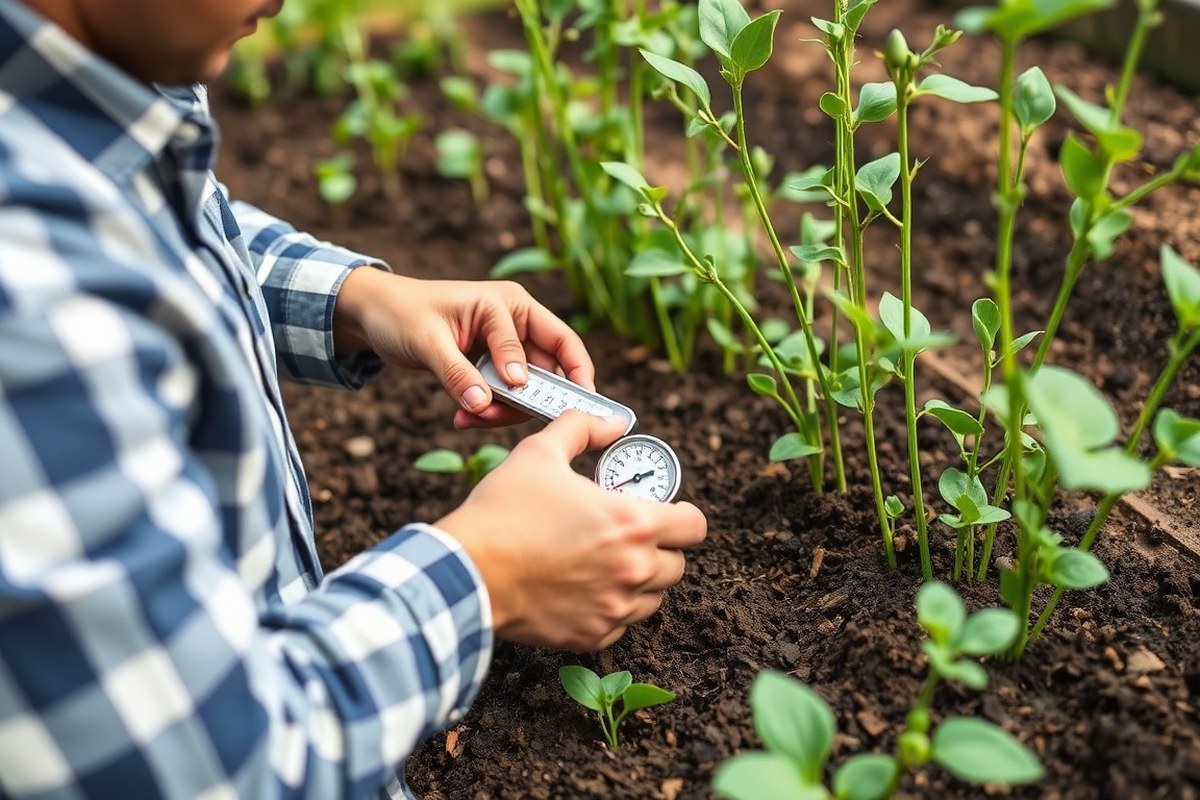
The best time to plant sugar snap peas depends on your zone. Check your USDA hardiness zone. Also, soil temperature matters for planting.
In zones 3 to 6, plant peas in early spring. Wait until soil warms to about 45 °F (7 °C). That’s when you can start safely.
This usually means planting 4 weeks before the last expected frost. The soil should be thawed and dry enough to dig. Planting at this temperature helps seeds sprout faster and reduces rot risk.
In zones 7 to 9, plant sugar snap peas two times. You can plant in early spring or late summer. Late summer planting gives a fall harvest.
Early spring planting should happen as soon as the soil works, generally around March. For a fall crop, sow seeds 10 weeks before frost. This gives plants time to grow in cooler weather.
The first frost date helps you time this. Fall planting often produces sweeter peas because cool temps slow growth and improve flavor.
Start seeds indoors 4 to 6 weeks before last frost. This helps plants get a head start in cold zones. Then transplant outside after frost danger passes.
However, direct sowing is common and works well if soil conditions suit. Avoid planting peas after soil warms past 70 °F. Hot soil stresses plants and reduces how many peas you get. Plant earlier for best results.
Peas thrive in cool weather. So timing your planting to soil temperature and frost dates is key.
How to Prepare Soil and Seeds for Planting
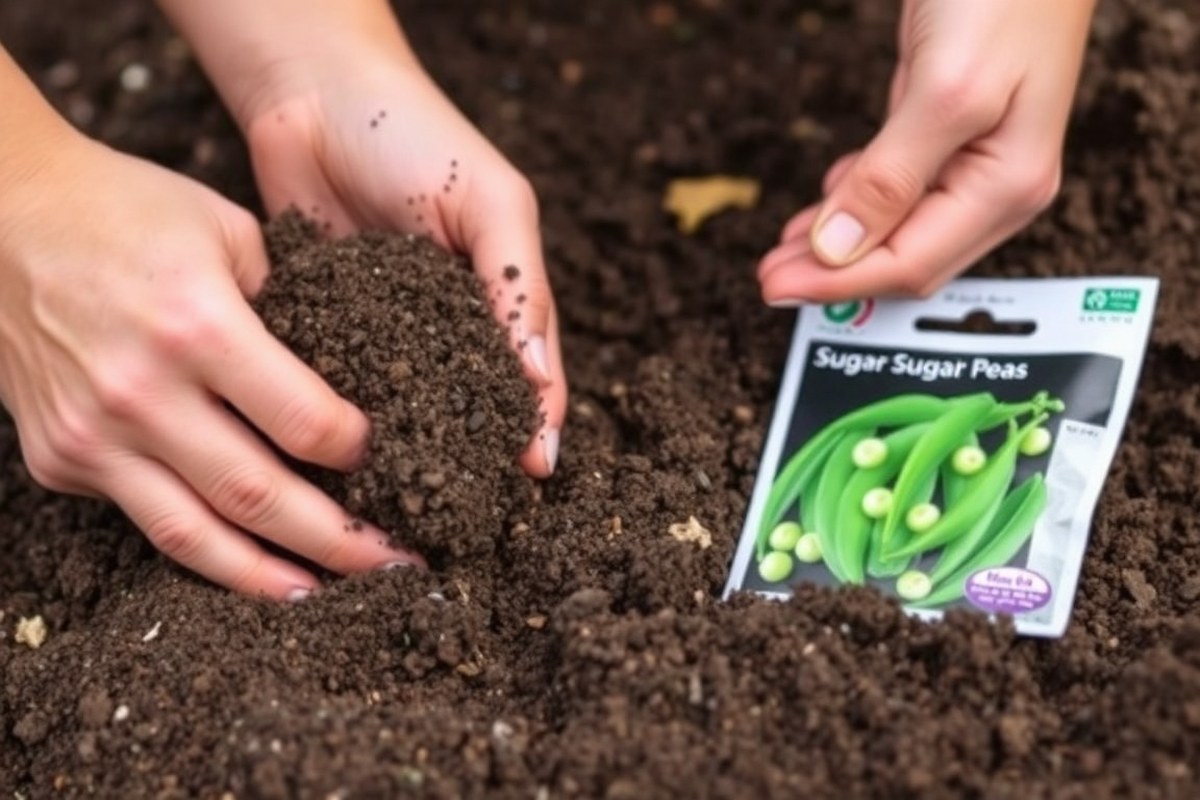
Prepare the soil by loosening and enriching it, then soak seeds overnight before planting. Aim for a soil pH between 6.0 and 7.5 and plant seeds about 1 to 2 inches deep. Space seeds 2 inches apart in rows 18 to 24 inches apart for the best growth.
Improving Soil Fertility and pH
Loosen the soil to at least 8 to 10 inches deep. Add organic compost to improve nutrients and drainage. Sugar snap peas grow well in soils with a neutral to slightly acidic pH, between 6.0 and 7.5.
Test your soil pH with a kit. Soil that is too acidic needs lime to raise the pH level. Lime helps make the soil less acidic.
Apply it according to package instructions. Soil that is too alkaline needs sulfur to lower the pH level.
Sulfur makes the soil more acidic. Follow package directions for best results.
Seed Soaking: When and How
Soak sugar snap pea seeds for 8 to 12 hours before planting. This softens the seed coat and helps seeds germinate 2 to 3 days faster. Use room temperature water and avoid soaking longer than 12 hours to prevent rotting.
After soaking, plant seeds immediately for best results. You can inoculate seeds with rhizobia bacteria to boost nitrogen-fixing and plant health. Follow the inoculant product instructions carefully for best effects.
Planting Depth and Spacing Guidelines
Plant sugar snap pea seeds 1 to 2 inches deep. This depth protects seeds and helps roots grow strong. Use a ruler to measure planting depth.
Space seeds about 2 inches apart within rows. Space rows 18 to 24 inches apart to allow airflow and growth.
Use a finger or small stick to make a planting hole to the depth needed. Cover seeds gently with soil but do not compact it hard. This keeps soil loose enough for young roots to push through easily.
Avoiding Common Soil Preparation Mistakes
Do not plant sugar snap peas in soil that is waterlogged or frozen. Soil should be workable, moist but not soggy. Working soil when too wet can cause compaction and harm root development.
Don’t skip testing your soil pH before planting. Peas can struggle in very acidic or alkaline soils. Avoid planting seeds too deep because that slows germination.
Don’t plant seeds too close together. Close seeds reduce airflow and cause disease.
- Loosen soil 8 to 10 inches deep with a garden fork or tiller.
- Add 2 to 3 inches of compost and mix it thoroughly into the soil.
- Test soil pH and adjust with lime or sulfur as needed.
- Soak sugar snap pea seeds in room temperature water for 8 to 12 hours.
- Create planting holes 1 to 2 inches deep and spaced 2 inches apart.
- Plant soaked seeds immediately and cover gently with soil.
- Space rows 18 to 24 inches apart for good airflow and plant health.
Do not soak seeds beyond 12 hours to prevent rot and poor germination.
Should You Start Sugar Snap Peas Indoors or Sow Directly?
You can start sugar snap peas indoors or sow them directly in your garden. Indoor starting gives a few weeks head start.
But peas grow well planted straight outside. Weigh the extra work against faster harvest when deciding which method suits you.
Indoor Starting Timeline and Requirements
Start sugar snap pea seeds indoors 3 to 4 weeks before frost. Use your last expected frost date to plan planting. This gives seedlings a head start.
Use seed trays or small pots with well-draining soil. Keep soil moist and temperature around 60°F to 70°F for the best germination.
Peas dislike root disturbance, so plant seeds in biodegradable pots if possible. This way, you can transplant whole pots without disturbing roots. Seedlings should be strong before moving outdoors.
Wait until they have 2 to 3 sets of true leaves. This helps peas survive outside better.
Direct Sowing: Best Practices
Sow sugar snap peas directly once soil temperature reaches 45°F to 50°F and stays moist. Plant seeds 1 inch deep and 2 inches apart in rows 18 to 24 inches apart. This ensures enough room for vines and airflow.
Direct sowing fits best with pea’s preference for cool weather. You avoid transplant shock and extra watering indoors. Garden peas can take 60 to 70 days from sowing to harvest when planted this way.
Transplanting Seedlings Outdoors
Harden off indoor-grown seedlings for 7 to 10 days before transplanting. Put them outside for a few hours daily, increasing time each day. This process helps adjust them to sun and wind.
Plant seedlings in prepared soil when outdoor temperatures reach 50°F or higher. Water thoroughly after transplanting to settle soil around roots. Watch for wilting and provide shade if they look stressed.
When Indoor Starting Is Recommended
Indoor starting suits gardeners in cooler climates with short springs. It lets peas grow while soil outside still stays too cold. You get a harvest about 2 to 3 weeks earlier than direct sowing.
Skip indoor planting if you don’t have space or want simpler planting. Most gardeners find direct sowing easier and still productive. Indoor started peas sometimes lag if transplant shock slows growth.
| Factor | Indoor Starting | Direct Sowing |
|---|---|---|
| Start Time | 3-4 weeks before last frost | When soil is 45-50°F, after last frost |
| Seed Depth | Plant in pots, surface to 1 inch deep | 1 inch deep in garden rows |
| Seed Spacing | Thin to 2 inches apart in pots | 2 inches apart in rows 18-24 inches apart |
| Temperature | Keep soil 60-70°F for germination | Soil temps 45-50°F to start outdoors |
| Time to Transplant | 2-3 weeks before last frost, when 2-3 leaves show | N/A |
| Harvest Speed | 2-3 weeks earlier harvest | Standard 60-70 days after sowing |
| Transplant Shock Risk | Possible, needs hardening off | None |
Both methods get you healthy plants. But your choice depends on your garden space and climate.
Indoor starting costs time for care and hardening off. Direct sowing costs less effort but waits for warmer soil.
How Long Do Sugar Snap Peas Take to Grow and Harvest?
Sugar snap peas usually take 50 to 70 days from planting to harvest. Early types like Sugar Ann mature faster, often in just 55 days. Larger vining varieties may need closer to 70 days before you can start picking pods.
Planting time affects when you see pods. But most types reach harvest readiness within roughly two to three months. Bushing varieties tend to produce pods a little earlier than tall, vining types.
For example, Sugar Ann is a reliable early producer at about 55 days. Sugar Daddies mature closer to 70 days.
Watch for pods that look plump and bright green. That means they are ready. Pick them then.
They usually measure 2 to 3 inches long at harvest time. The pods should be crisp and snap easily when bent, not soft or drying out.
A quick way to check readiness is to feel one or two pods on a plant. They should be full but still firm.
Overripe pods turn tough and lose their sweet snap. Picking pods regularly encourages more growth and prevents peas from getting too mature.
The time you spend waiting depends on your pea variety and planting date. Plant early in a cool spring. Your peas will grow well.
They mature on time. Warmer weather or late planting can speed growth.
But heat stress can hurt pod quality. Watch for this risk.
For home gardeners, keeping track with a notebook or calendar helps. Note when you plant peas. Check pods around 50 days.
Early or dwarf types need this. For climbing peas, start checking near 65 days.
Look for bright green, plump pods. Then start picking.
Adjusting Planting Time for Your Climate and Region
Sugar snap peas grow best in cool weather. You should plant them when soil warms to about 45°F (7°C). In cooler zones like USDA 3 to 5, plant early.
Wait until the soil thaws. This ensures good growth. This usually means early to mid-spring, often March to April.
In warm zones 8 to 10, plant in early fall. Or you can plant in late winter. Both times work well.
These peas avoid the hottest summer months, as heat lowers yields. You can plant again in the fall.
Wait until temperatures drop below 85°F (29°C). This gives a second crop before frost.
Microclimates affect planting dates too. A south-facing wall warms soil faster. Raised beds heat up early too.
This lets you plant 1-2 weeks sooner. Unseasonal weather, like a late cold snap, means you must delay sowing. Use a soil thermometer to check temperature instead of guessing.
Fall planting works in places where winters stay mild and soil stays workable. The benefits include less pest pressure and a longer harvest period. Downsides are a risk of early frost or extended wet weather that can rot seeds.
Start fall planting about 8 weeks before the first freeze. This gives peas time to grow. Check your local freeze dates.
You can plant multiple sugar snap pea crops in one year in mild climates. Start spring peas in March, then plant a fall crop in September.
This doubles your harvest without needing extra space. In colder areas, one crop per year works best unless you use protective covers.
Check soil temperature below 2 inches (5 cm) deep before planting for best results.
Choosing the Right Sugar Snap Pea Varieties for Your Garden
Choosing the right sugar snap pea variety shapes your planting time, space, and trellis use. Early maturing varieties let you harvest sooner, sometimes in just 55 days. Taller pea types need trellises, while shorter ones can grow without support.
You can pick a variety based on your garden space. Some are made for containers or small gardens. Choose what fits your available area best.
The table below compares popular sugar snap varieties. It shows days to maturity, height, trellis need, and container suitability.
This helps you pick the right one. This helps you match the variety to your garden setup and timing needs.
| Variety | Days to Maturity | Plant Height (ft) | Trellis Needed | Container Friendly |
|---|---|---|---|---|
| Early Snap | 55-60 | 3-4 | Yes | Yes |
| Super Sugar Snap | 60-65 | 4-5 | Yes | No |
| Petite Snap | 65-70 | 2-3 | No | Yes |
| Golden Sweet Snap | 60-65 | 3-4 | Yes | Sometimes |
| Tom Thumb | 60-65 | 1-2 | No | Yes |
Early Snap is one of the fastest, fruiting in under two months. Taller plants like Super Sugar Snap grow up to five feet. They need a trellis for support.
This keeps them upright and healthy. You may not have enough room for tall plants.
Petite Snap and Tom Thumb stay smaller and don’t need trellises. These are good for tight spaces.
Container growing usually calls for compact varieties like Tom Thumb or Petite Snap. They take less space and can thrive in pots about 12 inches deep. Trellises can be small frame types or netting suited to pots.
Common Planting Mistakes and How to Avoid Them
Planting sugar snap peas too early often means sowing seeds in soil colder than 40°F. This can delay germination for weeks or cause seeds to rot. Planting too late makes peas mature in hot weather.
Hot weather can make pods tough. It also lowers the flavor of the peas.
Seed dormancy is rare in sugar snap peas. But poor seed storage or planting in overly wet soil raises rot risk.
Use fresh seeds and plant in well-drained soil. Avoid heavy watering right after sowing; keep soil moist but not soggy.
Poor emergence and weak seedlings usually come from planting too deep or in compacted soil. Plant seeds about 1 inch deep.
Till the soil lightly to keep it loose. Seeds will sprout faster with good aeration and soil warmth.
- Don’t plant peas near walls or fences to reduce disease risk.
- Aim for soil temperature around 45-50°F for best germination.
- Avoid heavy watering after planting to prevent seed rot.
- Plant seeds 1 inch deep, no deeper to ensure quick sprouting.
- Thin seedlings to 2 inches apart after sprouting to boost air flow.
- Use fresh seeds stored in a cool, dry place to prevent dormancy issues.
Insufficient thinning can hurt airflow and encourage mildew or blight diseases, reducing yield. Thin young plants to prevent crowding. You want strong, healthy vines for the best pod production.
Plant peas too close to old pea crops and you risk Fusarium wilt. This disease and others come from the soil. It spreads more when peas grow nearby.
Rotate crops yearly and keep peas away from dense structures. These steps protect root health and maintain good yields.
Growing Sugar Snap Peas in Containers: Timing and Care
Plant sugar snap peas in containers about two weeks earlier than garden beds. Container soil warms faster, so peas sprout sooner. This timing helps you harvest peas before heat slows growth.
Selecting the Right Container and Soil
Use pots at least 12 inches deep and wide to fit sugar snap pea roots. Dwarf varieties like ‘Tom Thumb’ or ‘Pixie’ suit containers best. Choose a light soil mix with good drainage to avoid soggy roots.
A mix of potting soil and compost works well. Avoid garden soil alone since it can compact and hold too much water. Fresh soil supplies needed nutrients for your peas.
Ideal Planting Times for Containers
Start sugar snap peas in containers when soil reaches 45°F to 50°F. This usually happens two weeks before beds warm in spring. Early planting lets peas grow during cool weather, avoiding late heat stress.
In fall, plant container peas about 8 weeks before your first frost date. That timing gives them enough days to mature before cold weather. Check your local frost date on a gardening website.
Watering and Feeding Container Peas
Water container peas every other day or whenever the top inch of soil feels dry. Pots dry out faster than garden beds, so check soil moisture often. Avoid overwatering because soggy soil leads to root rot.
Feed peas with a balanced liquid fertilizer once peas begin to flower. Feeding supports pod development and plant health. Use half the strength recommended on the fertilizer label for container feeding.
Supporting Vining Varieties in Pots
Use trellises or stakes to support tall sugar snap pea varieties grown in containers. Even dwarf types may climb a bit and benefit from a small support. Secure supports firmly in the pot before planting peas.
Check plants weekly to tie loose vines gently to the trellis. This keeps them upright and improves air circulation around the leaves. Good airflow helps prevent disease and supports healthy growth.
Follow these steps to grow sugar snap peas in containers successfully:
- Choose a pot at least 12 inches deep and wide with drainage holes.
- Mix equal parts potting soil and compost for planting.
- Plant dwarf sugar snap pea seeds when soil temperature reaches 45°F to 50°F.
- Place the container in a sunny spot with 6 to 8 hours of light daily.
- Water the soil every other day or when dry on top.
- Apply half-strength liquid fertilizer once peas start flowering.
- Set up a small trellis or stakes to support pea vines.
- Check plants weekly and tie the vines gently to supports.
Container soil dries faster than garden beds, so water peas carefully. Avoid letting soil dry out completely or stay too wet for healthy roots.
Step-by-Step Action Plan for Planting Sugar Snap Peas
Plant sugar snap peas at the right time for a healthy harvest. Follow these simple steps. They will help you grow peas successfully.
- 2 weeks before last frost: Test your soil’s pH and adjust it to 6.0-7.5. Use a soil test kit and add lime or sulfur based on results.
- 10 days before last frost: Soak pea seeds in water for 6-8 hours. This speeds up germination. Seeds should swell but not burst.
- Last frost week: Sow seeds outdoors in soil prepared well. Plant them 1 inch deep and 2 inches apart. Soil should be moist but not soggy.
- 1-2 weeks after planting: Check for sprouts. Seedlings should appear and stand about 1 inch tall. Thin plants if too crowded.
- 3-4 weeks after planting: Put up stakes or trellises to support pea plants. This keeps vines off the ground.
- 6-8 weeks after planting: Watch for pea pods forming. Pick pods regularly to encourage more growth and protect flavor.
- After harvest: Remove old plants and add compost to soil for next planting cycle. Keep soil ready for fall peas or other crops.
Frequently Asked Questions
Do You Need a Trellis to Grow Sugar Snap Peas?
Some sugar snap pea varieties need a trellis for support while others don’t. Smaller or bush-type peas grow fine without support.
Taller plants climb better with a trellis. This also helps them produce more pods.
Do Sugar Snap Peas Come Back Every Year?
Sugar snap peas are annual plants and don’t come back after harvest. You’ll need to plant fresh seeds each year for a new crop. Saving seeds from your own peas rarely works because they’re often hybrids.
What Not to Plant Next to Sugar Snap Peas?
Avoid planting onions, garlic, or potatoes near sugar snap peas. Those plants can stunt pea growth or attract pests that harm peas. Instead, plant peas near carrots or radishes for better growth.
Do I Need to Soak Sugar Snap Peas Before Planting?
Soaking seeds overnight can speed up germination but it’s not necessary. It helps peas sprout faster, especially in cooler soil. You can plant them dry if you prefer or don’t have time.
When Is the Best Time to Start Snap Peas in the Garden?
Start sugar snap peas as soon as soil temperature reaches about 45°F. That’s usually a few weeks before your last frost date. Peas thrive in cool weather, so earlier planting usually means better yields.
Can Sugar Snap Peas Handle a Light Frost After Planting?
Yes, sugar snap peas can survive light frost if planted early. They tolerate temperatures down to about 28°F for short periods. Protect young seedlings with row covers if a hard freeze is expected.
Key Points to Remember
Plant sugar snap peas early for the best chance at a full harvest. Start with good soil and soak seeds to boost growth. Get your seeds in the ground near your frost dates to avoid common planting mistakes.