How to Grow Tomatoes in Containers: Complete Guide for Big Harvests
How to grow tomatoes in containers starts with picking the right pot and soil. You need a container that holds at least 5 gallons for most tomato types. Use good potting mix and plant tomatoes deep to help roots grow strong.
Pick a sunny spot for your container tomatoes. Make sure they get 6 to 8 hours of sunlight daily.
Tomatoes like warmth, so wait until nighttime temperatures stay above 55°F before planting outside. Keep the soil evenly moist but not soggy to avoid root problems.
Starting with compact or cherry tomato varieties makes growing in containers easier. Smaller plants fit well in pots as small as 3 gallons.
But bigger tomatoes need more room. Supporting tall vines with stakes or cages will keep plants healthy as they grow.
Key Takeaways
- Use a container with at least 5 gallons capacity for most tomato plants.
- Fill containers with high-quality potting soil rich in nutrients.
- Plant tomatoes deep to encourage strong root development.
- Place containers where they receive 6 to 8 hours of full sun daily.
- Plant outdoors only after nighttime temperatures stay above 55°F consistently.
- Water tomatoes regularly to keep soil moist but not waterlogged.
How to Grow Tomatoes Successfully in Containers
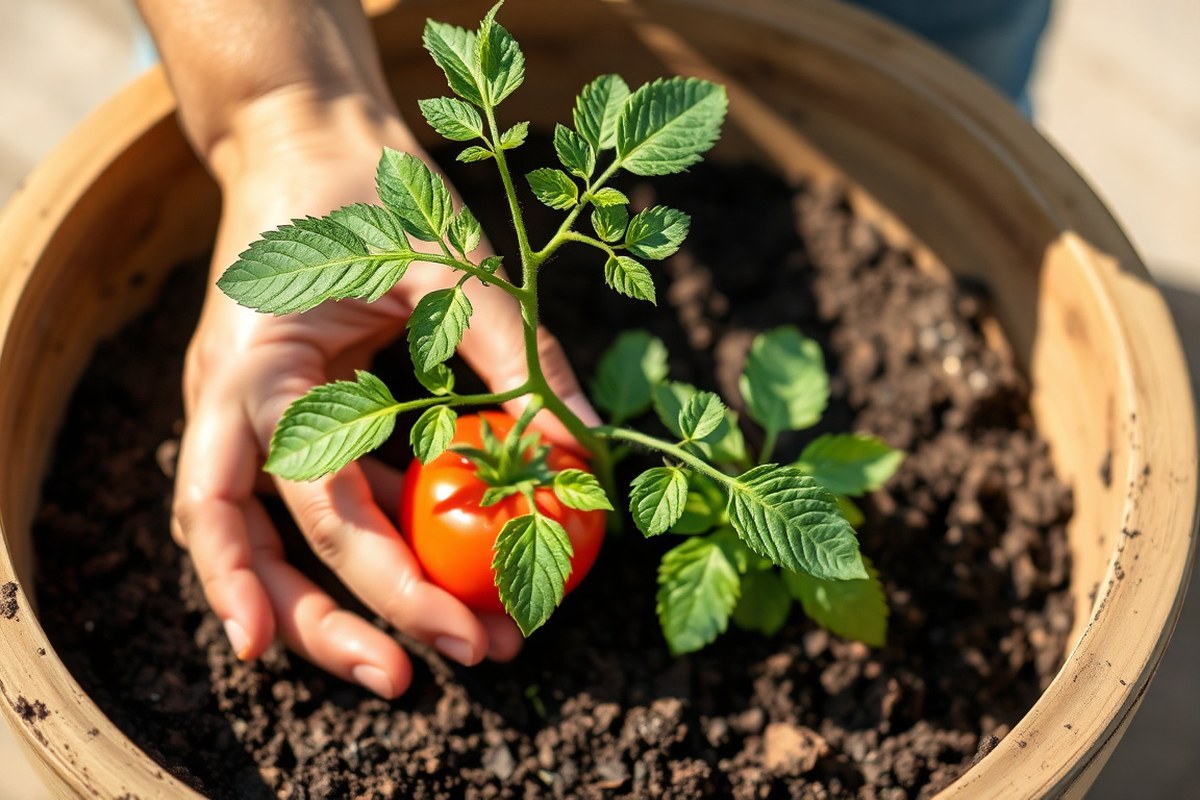
Start by picking a container that fits your tomato type. Small tomatoes do well in 3- to 5-gallon pots. Bigger tomato plants need at least 5 to 10 gallons to have room for roots.
Use quality potting mix, not garden soil. It drains better and holds nutrients that your tomato plants need.
Plant tomatoes deep in the soil so their roots have more space. Place the container where the sun shines at least 6 to 8 hours daily. Tomatoes need steady warmth.
So wait until nighttime temperatures stay above 55 degrees Fahrenheit before you plant outside. This helps keep the plant healthy and growing strong.
Keep tomato plants evenly moist but not soggy. Container soil dries out faster than garden beds, so water often. Check the soil with your finger daily, especially when it’s hot.
Feed your plants regularly because nutrients wash out as you water. Use a tomato fertilizer every two weeks after your plants bloom.
This helps keep the fruit growing well over time. Apply it regularly to support healthy growth.
For tall tomato varieties, choose containers that hold 15 to 20 gallons or more. These plants also need sturdy stakes or cages to keep the vines upright. Small or bushy types do great with less support and smaller pots.
When space is tight, hanging baskets with smaller tomatoes work well. They save room and still produce decent fruit. You can train branches to hang over edges by gently tying weights early on.
Good tomato growth in containers means watching for stress signs. Wilting leaves or dry soil show your plant needs water quickly. Yellow leaves may mean it’s hungry for nutrients.
Spot bugs or leaf spots early to stop problems from spreading. Catch issues quickly to protect your plants. Consistent care gives you juicy, ripe tomatoes even on a small patio or balcony.
Choosing the Right Tomato Varieties for Containers
Choosing the Right Tomato Varieties for Containers
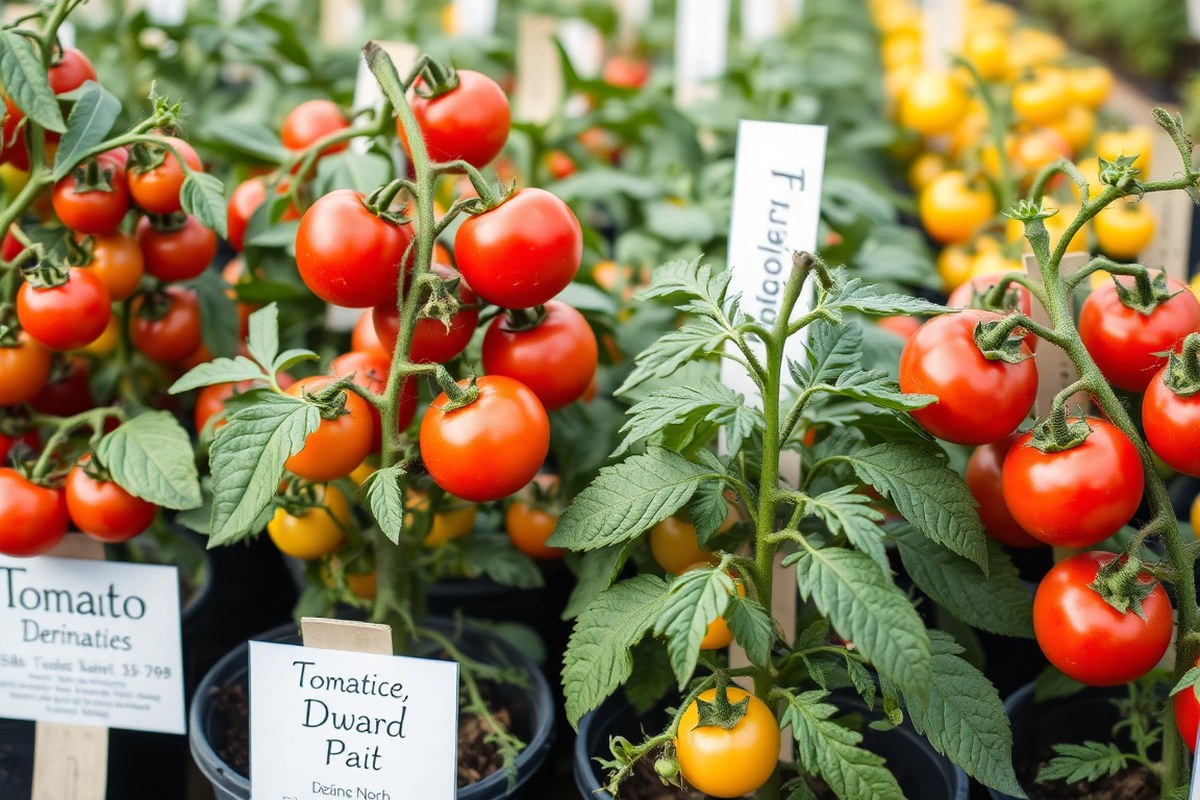
Pick tomato varieties by their growth habit and size to fit your container. Smaller containers need compact or dwarf tomato types. Larger pots can support taller indeterminate tomatoes that keep growing all season.
Compact Variety Options for Small Pots
Compact determinate varieties like Patio V fit well in 5- to 10-gallon pots. These plants grow bushy but stay under 3 feet tall.
They are easy to manage on small patios. Cherry tomatoes also work in 1- to 3-gallon containers if you keep them watered regularly.
These compact varieties mature quickly and don’t require heavy supports. Their contained size means you avoid big root zones and reduce frequent watering needs. They’re best when space is tight and you want fresh tomatoes without fuss.
Tall and Indeterminate Types for Large Containers
Indeterminate tomatoes vine continuously and need at least 15-gallon containers. They often grow over 6 feet tall and require sturdy cages or stakes.
Popular slicer types like Early Girl and Celebrity do well. They need enough soil and support to thrive.
These types produce fruit all season long but need daily watering in summer heat. The large root space lets them absorb more nutrients and water, leading to bigger harvests. However, they need pruning and strong supports to prevent breakage.
Specialty Varieties Suitable for Indoor Growing
Dwarf tomatoes such as Totem or Tiny Tim suit indoor spots or small balconies. These plants fit in 2- to 3-gallon containers.
They grow slowly and stay 1 or 2 feet tall. These varieties are great for gardeners with limited outdoor space or grow lights.
Indoor tomato growing needs consistent light and warmth, about 65°F or above. Small pots dry out fast indoors, so check soil moisture every day. Choose cold-tolerant or quick-ripening varieties to match your indoor climate.
Use a container appropriate for your tomato’s mature size. It reduces water stress and gives better harvests.
Selecting and Preparing Containers for Tomato Plants
Use containers at least 12 inches deep to let tomato roots spread. Bigger pots hold water well and let plants grow larger. Make sure your pots have drainage holes to stop water from pooling.
Recommended Container Sizes by Tomato Type
Small determinate or bush tomatoes need containers holding 5 gallons of soil or about 1.5 cubic feet. These plants stay compact and don’t require as much space. Choose containers that hold about 10 gallons for indeterminate tomatoes.
These plants have big roots that need plenty of space. Using large pots helps support healthy growth.
Indeterminate types grow tall and produce fruit over months. So they need room for roots to spread. Smaller pots dry out too fast for these long-season tomatoes.
You can grow cherry tomatoes in pots as small as 5 gallons. But plants will need more frequent watering.
Pros and Cons of Container Materials
Plastic pots are lightweight, affordable, and keep soil moist longer. They often cost between $5 and $20 for a 10-gallon size. However, they may overheat in hot sun, which can stress roots.
Clay or terra cotta pots let air flow to the roots. They dry out faster, so water often. They also weigh more, making moving plants harder.
Fabric grow bags allow air pruning of roots, which promotes healthy growth. They drain well but need more frequent watering. Wooden planters look nice and insulate soil, but they can rot over time.
Make sure any pot you pick has enough holes for drainage. Drainage keeps water from sitting in the pot and hurting roots. Good drainage is key for happy tomato plants.
Preparing the Soil Mix and Ensuring Drainage
Start by filling your container with a high-quality potting mix designed for vegetables. These mixes usually contain peat moss, perlite, and vermiculite to keep soil light and draining well. Avoid garden soil; it compacts inside pots and holds too much water.
Add fresh soil for each new crop to avoid disease build-up. Fill pots with soil but leave 2 inches clear at the top. That space lets you add mulch on the surface.
Mulch helps keep moisture and stops weeds. Check that drainage holes are free of blockages. Add small rocks or broken pottery at the pot’s bottom to help drainage.
This lets water flow out better and stops soggy soil. Use this method if your pot tends to hold too much water.
When and How to Plant Tomato Seedlings in Containers
Plant tomato seedlings outdoors once night temperatures stay above 45°F (about 7°C). Plant deeply in containers to help roots grow strong and stable. Starting tomatoes indoors helps you get a jump on the season.
You start them inside and move them outdoors later. This method extends your growing time.
Timing for Moving Tomato Plants Outdoors
Move seedlings outdoors after your last frost date. Make sure night temperatures stay above 45°F. This helps protect young plants from cold.
The Royal Horticultural Society suggests planting only when night temperatures are reliably above 50°F (10°C). Cold nights can shock young plants and stunt growth.
A tomato teepee or cover lets you plant early outdoors. You can start up to six weeks before the last frost. This protects plants from cold temps.
These covers protect seedlings from frost down to about 28°F (-2°C). Remove covers when the plants grow larger or when cold snaps pass.
Planting Depth to Promote Healthy Root Growth
Plant tomato seedlings deep enough to bury two-thirds of the stem in the container soil. Roots will grow along the buried stem, making the plant sturdier. This depth helps plants build a better root system and supports faster growth.
Use containers at least 12 inches deep and wide for tomatoes. Ensure they hold at least 5 gallons of soil. This size supports healthy root growth.
Larger pots dry out slower and give roots more space. Smaller containers can stunt your tomato’s growth and cause wilting.
Starting Tomatoes Indoors and Transplanting Later
Begin seeds indoors about 6 to 8 weeks before your area’s last frost date. Make sure seedlings develop several sets of healthy leaves before transplanting. Harden off the plants by exposing them gradually to outdoor conditions for 7 to 10 days.
When transplanting seedlings into containers for outdoor growing, add supports like a tomato cage or stake. Installing supports now avoids disturbing roots later. Repot seedlings into larger containers if they outgrow their starter pots before moving outside.
Steps for Planting Tomato Seedlings in Containers
Follow these steps to plant tomato seedlings correctly and promote healthy root growth:
- Choose a container of at least 5 gallons with drainage holes.
- Fill the container with quality potting soil or multipurpose compost.
- Make a hole deep enough to bury two-thirds of the tomato stem.
- Remove the seedling carefully from its pot without damaging roots.
- Plant the seedling, burying the stem up to the lowest leaves.
- Firm the soil gently around the stem to remove air pockets.
- Water the plant well until soil drains from the bottom.
- Insert a support structure like a cage or stake immediately.
Choosing the Best Location and Light for Container Tomatoes
Tomato plants need 6 to 8 hours of direct sunlight a day. Six hours is the least to grow well.
Eight hours help plants grow stronger and produce more fruit. Find a sunny spot, like a south or southwest-facing balcony or patio.
East-facing locations can work if they offer 6 hours of direct sun. Morning sun is less intense and still helps tomatoes grow well. Avoid shady spots or areas with just filtered or indirect light.
Tomatoes with less than 6 hours of sun often grow leggy. They usually have fewer flowers. This leads to less fruit on your plants.
Tomatoes are warm-weather plants, so sunlight also helps keep soil warm. Warm soil aids root growth and flower set.
In cooler climates, place containers near walls or pavement that absorb heat. In very hot zones, plants might benefit from light afternoon shade to avoid sunburn.
Containers allow you to move tomato plants if sunlight changes during the season. Check sun patterns around your home in the morning and afternoon before choosing a spot. Look for locations clear of shade from trees or buildings.
Put your tomato container where it gets 6 to 8 hours of sun. Avoid shady corners that block sunlight. Make sure the spot has the strongest light possible.
Tomatoes grown in too little light stretch toward the sun, looking spindly. These weak plants have fewer flowers and drop fruit early.
Choose a different spot if your area gets less than 6 hours of sun. Or try a compact tomato type that does better in part sun.
Watering and Fertilizing Tomatoes in Containers
Tomatoes in containers need water almost every day during hot weather. Check the soil’s top inch daily.
When the soil feels dry, water it deeply until water drains out. Avoid shallow watering, it wastes water and stresses roots.
Watch your plant for signs of watering problems. Drooping, yellowing leaves usually mean it’s thirsty.
But wilting can also happen if you overwater. Overwatered soil often smells sour or feels soggy, which can cause root rot.
Water more often in containers under full sun or during heat waves. When it rains a lot, water your tomatoes every two or three days.
Place a saucer under the pot only if drainage is good. Standing water can harm roots and cause disease.
Feeding container tomatoes is key because pots hold limited nutrients. Use a balanced liquid fertilizer every two weeks.
Or mix slow-release fertilizer into soil at planting. Look for a fertilizer with equal N-P-K numbers, like 10-10-10, or one labeled for vegetables.
Too much fertilizer can burn your plant or cause leaf growth without fruit. When leaves turn dark green and curl with flower drop, reduce feeding. Too little fertilizer makes leaves pale and fruit small or bland.
During fruiting, switch to a fertilizer higher in phosphorus to boost tomato development. A formula like 5-10-10 helps produce bigger, tastier tomatoes. Always water before and after applying fertilizer to avoid root shock.
Supporting and Pruning Tomato Plants in Containers
Tomato plants grown in containers usually need some type of support to stay healthy. Indeterminate tomatoes grow tall and vine-like. So they require a tall stake, sturdy cage, or a trellis.
Push a 6-foot stake or tomato cage into the soil early. Do this right next to the plant. This helps avoid root damage later.
Determinate tomatoes, also called bush tomatoes, are smaller and more compact. They benefit from shorter stakes or traditional tomato cages that fit right into the container. These plants can hold themselves up better than others.
They still need support. This stops branches from breaking under the fruit’s weight.
Pruning helps improve airflow, reduce disease risk, and focus energy on fruiting. Indeterminate varieties benefit most from pruning. Pinch off suckers growing between the main stem and branches.
Do this once the plant reaches 12 inches tall. Removing suckers helps the plant focus energy. Use clean pruning shears or pinch with your fingers to avoid damage.
Determinate tomatoes don’t need as much pruning because they have limited growth. You can remove a few lower leaves or damaged branches, but avoid heavy pruning. Too much pruning can reduce yield on these bushier plants.
Prune weekly during growing season to keep plants tidy. Remove yellowing or diseased leaves promptly.
This keeps the plant healthy and improves fruit size and quality. Tools like sharp garden pruners cost about $10 to $20 and last for years with care.
Water and nutrient supply are important when supporting tomatoes in containers. Dry soil stresses the plant and causes wilting even with a cage or stake. Large containers hold enough soil to keep moisture for days.
Use 10 gallons for determinate plants. Use 20 gallons for indeterminate types.
Check plants daily in hot weather. Over or underwatering, poor support, and low nutrients together weaken tomatoes fast. A supported and pruned plant can produce up to 10 pounds of tomatoes.
This happens in a typical container with proper care. Keeping the plant trimmed and stable boosts yields. Neglect causes sagging vines, leaf yellowing, and fewer fruits.
Preventing and Managing Common Problems in Container Tomatoes
Blossom end rot shows as a dark, sunken spot on tomato bottoms. It happens from uneven watering, not a lack of calcium in your soil.
Letting the soil dry out too much then soaking it causes problems. This can also make the fruit crack.
To fix blossom end rot, water consistently and deeply. Use a watering schedule that keeps soil evenly moist but not soggy. Your container dries out fast.
Water twice daily during hot weather. Avoid sudden floods after dry spells to stop calcium uptake issues.
Tomato flowers often drop without making fruit during heat stress. This happens above 85°F or when nights drop below 50°F. Drought or too much cold also causes this. Keep plants well watered and try shading during extreme heat.
Nights are cold. Move containers to a warmer spot or bring indoors.
Fungal diseases like early blight or powdery mildew show as spots or white powder on leaves. Prevent these by spacing pots for airflow and watering early in the day.
Remove any infected leaves right away. Treat with neem oil or fungicide labeled safe for edible plants if you see signs.
Pests such as aphids, whiteflies, or tomato hornworms can damage leaves and fruit. Check plants weekly for pests. Handpick large bugs like hornworms.
Spray insecticidal soap or neem oil for small pests. Avoid broad insecticides that can kill pollinators and beneficial insects.
Allowing containers to drain well and elevating them helps stop root rot and fungal issues. Use large pots so roots don’t crowd.
Repot young plants to bigger containers when roots fill the pot to keep them healthy. Healthy root systems resist disease better.
Never pour a heavy stream of water suddenly on dry soil. Consistent watering prevents most tomato problems.
Harvesting and Extending the Tomato Growing Season in Containers
Tomatoes are ready to pick when fully red. This matches their ripe color. Different varieties may have other ripe colors.
The fruit should feel slightly soft but not mushy. Picking regularly encourages the plant to produce more fruit throughout the season.
Container tomatoes can keep producing until the first frost hits because they are vining plants. You can harvest tomatoes many times. It usually starts 60 to 85 days after planting.
This depends on the variety. Consistent watering and feeding with tomato fertilizer help maintain steady production as well.
Protecting container tomatoes from cold means watching the forecast in fall. When temperatures drop below 50°F, bring containers indoors or into a garage if possible. Cover plants with frost cloths at night.
This shields them from light frost. It helps keep fruiting longer.
Place plants near a sunny wall for warmth when frost is expected. Moving containers indoors is another option. You might also use heat lamps carefully.
But don’t let temperatures rise above 85°F to avoid stress. Removing older leaves can help the plant focus energy on fruit during this stressful time.
Start new tomato plants indoors 6 to 8 weeks before last frost. Move them outside after frost danger passes. This extends the growing season.
This staggered planting can give fresh fruit right as older plants finish. Using larger containers, like 5-gallon pots or more, supports bigger harvests and healthier plants.
Remember, tomatoes need warmth to keep producing. So avoid exposing plants to chilly or wet conditions for long. Watch for signs of stress, like yellowing leaves or dropping flowers.
The plant is struggling when this happens. It might need to be moved or better protected from cold.
Step-by-Step Action Plan for Growing Tomatoes in Containers
Follow these steps to start growing tomatoes in containers with confidence. Each step helps you check your progress.
- Before planting: Choose a container at least 5 gallons with drainage holes. Test by filling it with water; water should drain within a minute.
- Planting day: Use a quality potting mix rich in organic matter. Fill the container halfway, plant the tomato seedling, then fill the rest. The plant should stand firmly without wobbling.
- Week 1: Place the container where it gets 6 to 8 hours of sun daily. Check in the morning if you see sunlight on the leaves.
- Week 2: Water deeply when the top inch of soil feels dry. Test by sticking your finger in the soil up to knuckle depth.
- Week 3: Start fertilizing every 2 weeks with balanced tomato fertilizer. Look for new leaf growth and steady plant color.
- Week 4: Add tomato supports like cages or stakes. Tie stems loosely to avoid damage and check stability after wind or watering.
- Week 6 and onward: Prune suckers and dead leaves weekly. See if airflow improves and plant looks less crowded.
- Harvest time: Collect tomatoes once they’ve turned their full color and feel a bit soft. The fruit should detach easily with a gentle tug.
Frequently Asked Questions
What Size Container Is Best for Growing Indeterminate Tomato Varieties?
Use at least a 15-gallon container for indeterminate tomatoes. This gives their vines room to spread and enough soil to keep them healthy. Smaller pots won’t support their growth well.
Can I Grow Tomatoes Successfully on a Balcony or Patio?
Yes, tomatoes grow well on balconies and patios with enough sun. Containers let you place plants where sunlight reaches daily. At least 6 hours of direct sun helps fruit develop.
How Often Should I Fertilize Tomato Plants in Containers?
Fertilize tomatoes every two weeks during the growing season. Use a balanced fertilizer formulated for tomatoes. Too little fertilizing slows growth, and too much can reduce fruit taste.
What’s the Easiest Tomato Type to Grow in Containers?
Determinate or bush-type tomatoes are easiest for containers. They stay compact and don’t need heavy pruning or large supports. This saves you work and fits small spaces.
Can I Grow Indeterminate Tomatoes in Small Containers If I Prune Them?
No, pruning won’t make small pots enough for indeterminate tomatoes. They need bigger soil volume to support roots and fruit loads. Use a 15-gallon or larger container instead.
How Long Does It Take to Harvest Tomatoes from Container Plants?
Most tomatoes mature between 60 and 85 days after planting. This varies by variety and growing conditions. Keep containers warm and well-watered for steady growth.
Key Points to Remember
Growing tomatoes in containers takes attention but gives you fresh fruit at home. Start with a good container and proper light. Check your plants every few days and enjoy the process.