Can You Grow Pomegranate Seeds? A Complete Guide for Fast, Healthy Trees
Can you grow pomegranate seeds into healthy trees? Yes, you can grow them successfully if you prepare seeds properly and provide the right conditions.
With some patience, you’ll get seedlings that turn into strong trees. The key is to treat the seeds and keep soil warm during germination.
Start by cold stratifying the seeds in your fridge for 30 to 60 days. This process mimics winter and helps seeds break dormancy. Soak the seeds in water for 24 hours.
This softens their hard shell. It also helps them sprout faster.
Keeps soil at 75 to 79 °F (24 to 26 °C) when planting. Pomegranates need this warmth to germinate well. Pay attention to light and moisture, too much water or darkness can stop seeds from growing.
Key Takeaways
- Place pomegranate seeds in the fridge for 30 to 60 days. This cold treatment helps start the sprouting process. It prepares the seeds for planting.
- Soak seeds in water for 24 hours to soften their outer shell before sowing.
- Plant seeds in soil maintained at 75 to 79 °F for best germination results.
- Provide consistent moisture but avoid overwatering during seed germination.
- Ensure seeds get enough light without direct harsh sun until seedlings grow.
- Expect pomegranate seeds to take 1 to 3 months to germinate under proper conditions.
Can You Grow Pomegranate Seeds into Healthy Trees?
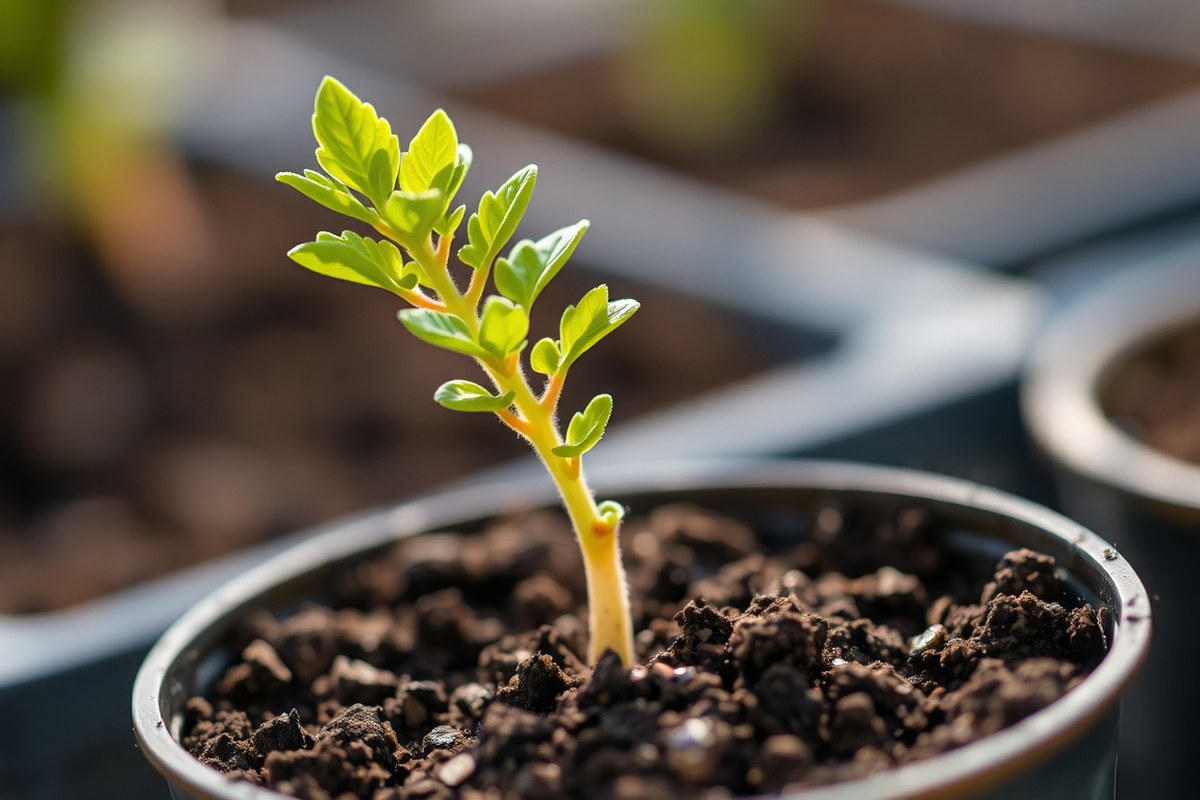
You can grow pomegranate seeds into healthy trees. Seeds have a good germination rate, especially if taken from ripe fruit. Starting them indoors at about 75°F to 79°F helps the best sprouts.
Expect to wait 3 to 7 years for trees grown from seeds to fruit. Variations in climate, soil, and watering will change this timing.
Seed-grown trees may first flower at 1 to 2 years. But fruit quality can be low early on.
Fruit from seed-grown trees often differs from the parent in flavor and appearance. These trees don’t always produce fruit as consistently as those grown from cuttings. However, seed-grown trees tend to be stronger and more disease-resistant over time.
Growing pomegranates from seeds takes more patience compared to cuttings. Cuttings give a quicker and more reliable fruit harvest but need more skill. Seeds cost nothing when you save them from supermarket fruit.
This makes it an easy way to start growing your tree. You don’t have to buy seeds.
How to Prepare and Treat Pomegranate Seeds Before Planting
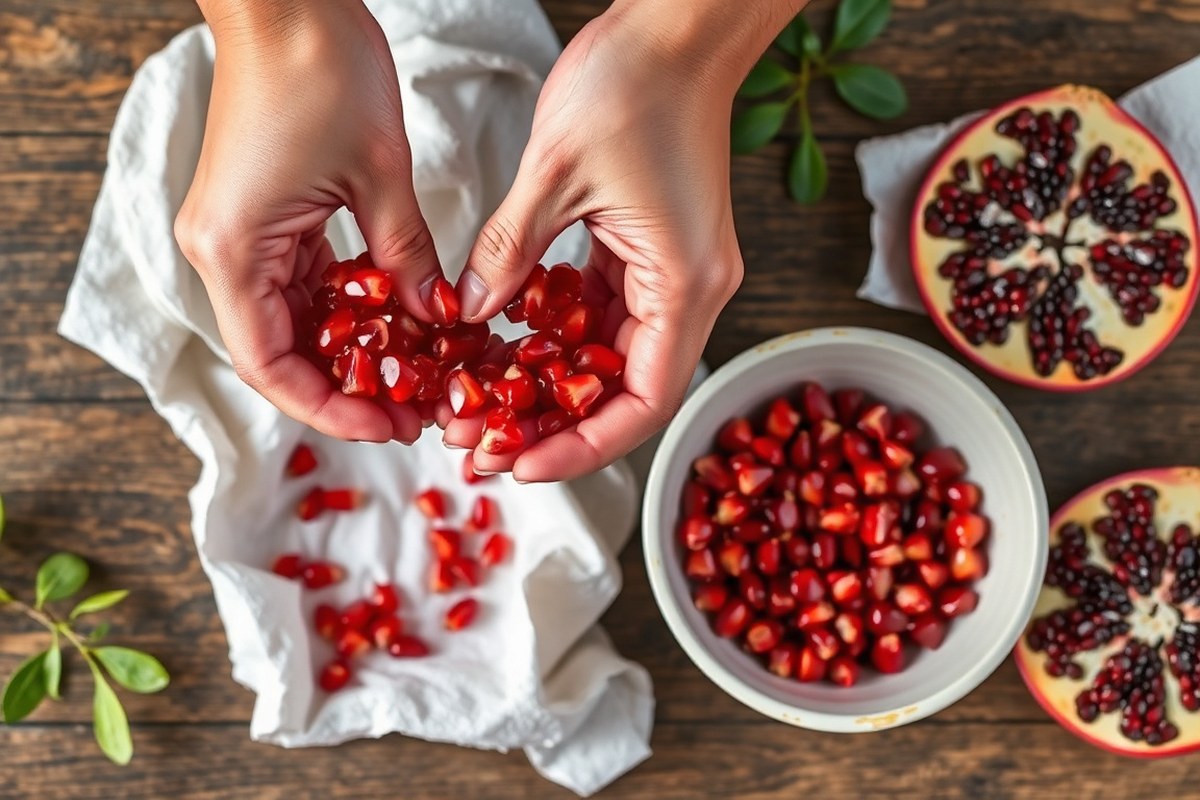
Preparing pomegranate seeds well before planting improves their chances to sprout. You need to clean off all pulp, dry the seeds, and consider soaking them. A short cold treatment can also boost germination, especially in cooler areas.
Cleaning Seeds of Pomegranate Arils
Start by separating seeds from the juicy arils and pulp. Removing all sticky bits prevents mold and decay that block germination.
Rinse seeds under cool running water while rubbing gently. This removes remaining fruit residues without damaging the seed coat.
- Cut open the pomegranate and take out the seeds carefully.
- Place seeds in a fine mesh strainer or bowl.
- Rinse seeds with cool water, rubbing them gently between fingers.
- Soak seeds in a bowl of water for a few minutes to loosen pulp.
- Use your fingers to remove any leftover pulp or stringy bits.
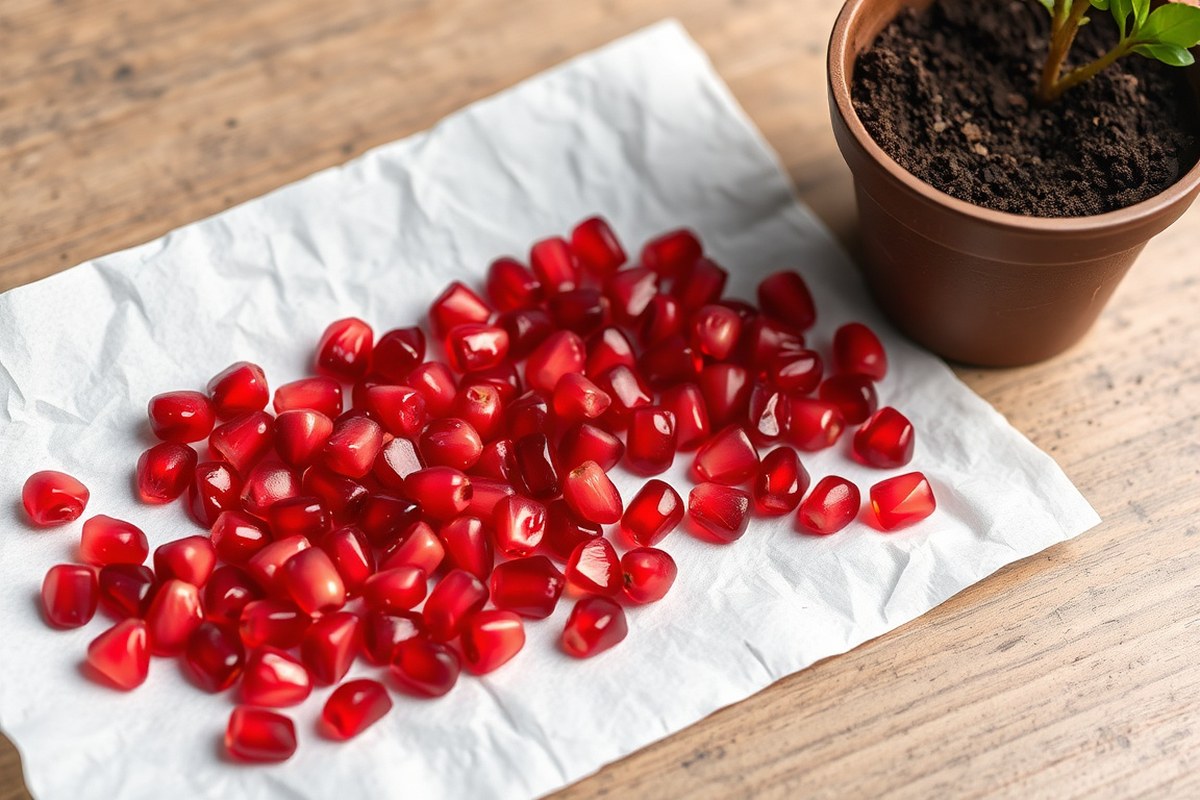
- Drain seeds fully and spread out on a paper towel or clean cloth.
- Let seeds air dry for 24 to 48 hours in a warm room.
Keeping seeds free from sticky pulp avoids fungal growth during germination.
Soaking and Scarification Options
Soaking pomegranate seeds in plain water softens the hard coat. This helps sprouting start faster and may increase germination rates.
Soak seeds in room temperature water for 24 hours before planting. For low germination, soak seeds 10 minutes in 10% hydrogen peroxide. This helps cut down fungi growth on the seeds.
Scarification isn’t usually required. But carefully nicking very hard seed coats with a nail file can sometimes speed germination.
Do not soak seeds longer than 24 hours to avoid rotting inside the seed coat.
Cold Stratification: Benefits and Methods
Cold stratification mimics winter conditions that some seeds need to break dormancy. For pomegranate seeds, this is optional but helps in cooler zones.
To stratify, put clean dry seeds in a sealed bag. Add a slightly damp paper towel inside the bag.
Store it cold for the needed time before planting. Refrigerate them for 30 to 60 days at 35-41°F (2-5°C).
Shorter chilling periods of 1-2 weeks sometimes help if you see poor germination. Seeds can be planted immediately after stratification.
Avoid freezing seeds during stratification since it could kill the embryo inside.
Sowing Pomegranate Seeds: Soil, Depth, and Temperature Needs
Pomegranate seeds grow best in well-draining potting soil with good water retention. Choose soil with a slightly acidic to neutral pH, between 5.5 and 7.5. This mix helps balance moisture and air around the seeds.
Plant seeds about ½ inch deep in the soil. This depth keeps seeds from drying out. It lets them break through easily.
This helps when they start to sprout. Smaller seeds can be planted slightly shallower, about ¼ inch.
Spacing between seeds should be 1 to 2 inches apart. This space prevents crowding, giving seedlings room to grow without competing for nutrients or water.
Keep the soil temperature between 65°F and 75°F for the best germination results. Temperatures below 60°F or above 80°F can reduce sprouting rates. Maintaining warmth helps the seeds sprout within about 7 to 10 days.
| Seed Type | Description |
|---|---|
| True-to-type seeds | Seeds collected from specific fruit varieties producing consistent fruit |
| Hybrid seeds | Seeds from bred varieties aiming for special traits |
| Wild seeds | Seeds taken from wild pomegranate plants found in nature |
Sow seeds right after cleaning the flesh off to boost germination. Use a light cover of potting mix, about ½ inch thick. Water gently to avoid washing the seeds away.
Keep the soil moist and warm. Seeds usually sprout in 7 to 10 days.
Plant in spring after the last frost for best outside results. Seedlings then have the growing season to get strong.
Caring for Seedlings: Water, Light, and Nutrient Requirements
Pomegranate seedlings need bright, indirect light for 6 to 8 hours daily. Put the seedlings on a sunny windowsill. Or use grow lights.
Make sure they get plenty of light each day. Light helps seedlings grow strong and steady.
Avoid direct sun that is intense. Harsh sun can burn young leaves.
Water seedlings when the top inch of soil is dry. Keep soil moist but not soaked to stop root rot.
Usually, water every 7 to 10 days once seedlings grow well. Use a spray bottle or a watering can with a thin spout for gentle watering.
Look for signs of watering trouble. Droopy, yellow, or wilting leaves might mean too much or too little water.
Dry, crispy leaves often show underwatering. Soggy soil and blackened roots point to overwatering.
Start fertilizing seedlings after they grow their first real leaves. This usually happens 4 to 6 weeks after sprouting.
Use a diluted balanced fertilizer, like 10-10-10, at half the recommended strength. Apply fertilizer every 2 to 3 weeks to support healthy growth without burning roots.
- Keep soil moist but avoid puddles or soggy spots
- Provide 6 to 8 hours of bright, indirect light daily
- Water seedlings gently when the soil feels dry one inch down
- Start feeding with diluted balanced fertilizer 4-6 weeks after sprouting
- Watch leaves for drooping, yellowing, or browning as water signals
- Thin seedlings if crowded to prevent competition for water and nutrients
- Maintain indoor temperatures around 65-75°F for steady growth
Seedlings do best with warmth around 65 to 75 degrees Fahrenheit. This temperature helps them grow steadily. Crowded seedlings should be thinned early to stop weaker plants from wasting water and nutrients.
When and How to Transplant Pomegranate Seedlings Outdoors or into Pots
Transplant pomegranate seedlings when they reach 6 to 8 inches tall and have several true leaves. Prepare pots or soil with good drainage and nutrients before moving seedlings. Choose pots that drain well for indoor plants.
Space outdoor pomegranate trees 10 to 15 feet apart. This spacing helps roots grow healthy and lets air move freely.
Signs Seedlings Are Ready to Transplant
Pomegranate seedlings become ready to move when they reach 6 to 8 inches tall. They should have at least two sets of true leaves, not just the initial sprout leaves. These signs show the seedling is strong enough to handle transplanting stress.
At this stage, the seedlings outgrow their small starter pots or trays. Moving them to bigger containers or outside gives roots room to expand and helps steady growth. Don’t rush transplanting before seedlings show these signs to avoid shock or stunted growth.
Preparing Soil and Pots
Use pots with good drainage holes to avoid water buildup at roots. Fill containers with lightweight potting soil mixed with perlite or coarse sand. This mix prevents the soil from compacting and keeps water flowing freely.
For outdoor planting, enrich garden soil with well-rotted compost for nutrients. Choose a spot that drains well and gets full sun most of the day. Loosen soil a foot deep and mix in organic matter to help roots develop easily.
Hardening off is important before transplanting outdoors. Gradually expose seedlings to outdoor air and light over one to two weeks. This helps seedlings adjust without stress or wilting.
Decision: Pot Growing vs Outdoor Planting
You can keep seedlings in pots for a long time. This is helpful if you have little space. Pots also help you control growing conditions better.
Choose pots at least 12 inches wide and deep to allow root growth. Use good-quality potting soil and plan to water regularly since pots dry out faster.
Outdoor planting needs more space but lets trees grow larger and produce more fruit. Plant seedlings 10 to 15 feet apart if you put them in the ground. This stops roots from crowding each other.
It also helps air flow around the plants. Proper spacing reduces disease risk and encourages stronger growth.
Pomegranate trees tolerate both container and ground growing. But pots need more care especially during hot, dry weather.
Transplant outside when frost risk is gone unless you live in a frost-free area. Move pots to sheltered spots if frost or extreme cold threatens seedlings.
- Check seedlings for 6-8 inches height and 2+ true leaves.
- Prepare potting mix with perlite or sand for containers.
- Improve garden soil with compost and loosen to 12 inches depth.
- Slowly expose seedlings to outdoor conditions over 7-14 days.
- Choose container pots at least 12 inches wide for long-term growth.
- Space outdoor seedlings 10-15 feet apart for healthy root spread.
- Plant outdoors only after last frost or in warm climates year-round.
- Monitor potted plants’ moisture and move to protect during cold snaps.
Don’t rush bringing seedlings outdoors; harden them off to prevent shock and leaf drop.
How Long Does It Take for Seed-Grown Pomegranate Trees to Bear Fruit?
Pomegranate trees grown from seed usually begin to bear fruit in about three to five years. Some varieties might start as early as 18 months. But four years is more common.
The timing depends on how well you care for the tree. It also depends on the environment where you grow it. Both affect growth speed and fruiting time.
Seeds take anywhere from one to six weeks to germinate, depending on temperature and moisture. Once seedlings start growing, they need lots of sunlight. Water them properly and use good soil to help them mature.
These steps help your tree grow faster. Warm climates help speed up growth, allowing fruit to develop sooner.
The quality of fruit from seed-grown trees can vary, sometimes differing from the parent tree. This happens because seed-grown trees don’t always inherit the exact traits of their parent plants.
Still, with patient care, you can get tasty fruit. But it may take longer to reach full production.
Good growing conditions like full sun, well-draining soil, and regular watering improve fruit production speed. Trees in USDA Zones 7 to 11 are more likely to bear fruit. They usually start fruiting between year three and year five.
Climate in these zones suits pomegranate growth well. Poor care or colder climates can delay fruiting for seven years or more.
Your seed-grown pomegranate can produce fruit for 10 to 15 years or more with consistent care. Fruit quality and yield usually increase as the tree matures. Make sure to protect young trees from frost and pests to support strong, lasting growth.
Common Problems with Pomegranate Seed Germination and How to Fix Them
Pomegranate seeds often fail to germinate because they are old or not cleaned well. Fresh seeds give the best chance for growth. Seeds covered in juice can rot, so rinse them thoroughly and dry before planting.
Slow germination is also common when the temperature is too low or inconsistent. Seeds need a steady 75 degrees Fahrenheit to sprout within 30 to 45 days. Cold or fluctuating temps cause delays or no sprouting at all.
Seedlings may suffer from fungal diseases like damping-off, which kills young plants quickly. Poor air circulation, wet soil, and overwatering encourage fungi. Seedlings that suddenly wilt or collapse likely face fungal attack.
- Use fresh seeds and rinse off juice before planting.
- Keep the soil consistently moist but not soggy.
- Maintain temperature near 75°F for faster germination.
- Plant in well-draining soil with good airflow around seedlings.
- Avoid overwatering; let the top soil dry slightly between waterings.
- Remove any diseased seedlings immediately to stop spread.
- Use a dilute fungicide spray if fungal symptoms appear early.
To rescue weak seedlings, improve light exposure and reduce watering frequency. Seedlings recovering from fungal infections need gentle care. You can cut back water and place them in a sunnier spot to strengthen.
Prevention works better than cure. Sterilise pots and use fresh, sterile soil.
Avoid overcrowding seedlings to keep air moving freely and reduce disease risk. Healthy seedlings grow strong and have bright green leaves without spots or wilting.
Tips for Growing Pomegranates from Seeds Indoors and in Containers
Yes, you can grow pomegranate seeds indoors with some care. Pick a large pot with good soil. Place it where it gets bright light.
Water your plant carefully to avoid overwatering. Regular feeding and attention will help your tree thrive inside or in containers.
Choosing Suitable Containers and Soil
Select a pot that is at least 12 inches wide with drainage holes. Pomegranates need room for their roots to grow and well-draining soil to avoid waterlogging. Use a potting mix made for fruit trees.
Or add sand and perlite to regular soil. This helps improve drainage.
Heavy or clay soils hold too much water and can cause root rot. Choosing light, alkaline soil mimics their natural chalky habitat and keeps the roots healthy. You can plant several seedlings per pot at first.
But increase pot size as the plants grow. This gives roots more space.
Providing Adequate Indoor Light
Pomegranates need 6 to 8 hours of bright light daily to grow well indoors. A south-facing window often works best, offering indirect sun without too much intense heat. When natural light is low, try a full-spectrum grow light.
It provides enough energy for photosynthesis. This keeps your plants healthy indoors.
Keep your seedling’s light source close but not too hot. 6 to 12 inches from a grow light usually works well.
Rotate the pot every few days so all sides get light evenly. Insufficient light leads to weak, leggy growth and fewer fruits when mature.
Watering and Fertilizing Indoor Trees
Water pomegranate trees when the top 1 to 2 inches of soil dry out. Avoid overwatering since this can promote root rot. The soil should stay moist but never soggy.
Indoor plants usually need watering about once a week. But this depends on room temperature and humidity.
Feed your tree monthly from spring through summer with a balanced liquid fertilizer. This encourages healthy foliage and strengthens the plant for fruit production. Cut back on feeding during fall and winter when the tree’s growth slows.
Make sure pots have drainage to prevent water buildup, or the roots will drown.
Step-by-Step Action Plan to Grow Pomegranate Seeds Successfully
Follow these steps to start your pomegranate tree from seeds and watch it grow strong.
- Before planting: Clean and dry seeds thoroughly to stop mold. You’ll know it worked when seeds look dry and separate easily.
- Day 1: Soak seeds in warm water for 24 hours. Seeds should swell slightly after soaking.
- Day 2: Plant seeds about 1/4 inch deep in well-draining potting mix. Check soil stays moist but not soggy.
- Week 1, 2: Keep the container in a warm, bright place (70-85°F). Seeds should start sprouting within this time frame.
- After 3 weeks: Thin seedlings by snipping the smaller ones to help stronger growth. Look for healthy, upright sprouts.
- After 6 weeks: Begin feeding seedlings with diluted, balanced fertilizer every 2 weeks. Leaves should stay green and lively.
- Month 3: Move seedlings outside or to larger pots. Do this once they have at least 4 true leaves. Roots should be firm but not crowded.
- Ongoing care: Water regularly but allow soil to dry between watering. Watch for pests or diseases to catch problems early.
Frequently Asked Questions
Can You Grow Pomegranate Seeds into a Fruit-Bearing Tree?
Yes, you can grow pomegranate seeds into a fruit-bearing tree. But it takes years and patience. Seed-grown trees may not match the parent fruit variety exactly.
Do Pomegranate Seeds from Supermarket Fruit Grow True to Type?
No, seeds from supermarket fruit usually do not produce true-to-type trees. They often produce hybrids or plants with different fruit traits.
Is It Better to Plant Wild Pomegranate Seeds or Cultivated Seeds?
Wild seeds come from natural plants and may grow hardier trees but fruit quality varies. Cultivated seeds give more reliable fruit traits but sometimes less vigor.
How Long Do Pomegranate Seeds Take to Germinate?
Pomegranate seeds often take 1 to 3 weeks to germinate when kept moist and warm. Soil temperature around 75 to 79 degrees Fahrenheit speeds up germination.
Can Pomegranate Seeds Be Stored Before Planting?
Yes, you can store dry seeds for a few months if kept cool and dry. Fresh seeds generally have better germination rates than stored seeds.
Do Pomegranate Seeds Require Special Treatment Before Sowing?
Rinsing seeds to remove pulp helps prevent mold and encourages germination. Soaking seeds briefly in water can also speed up sprouting.
Final Thoughts
Growing pomegranate trees from seeds takes patience but is definitely worth it. Start with clean seeds, keep them warm and moist, and watch carefully as they grow. Try planting a few seeds today to see how they do in your space.