How to Plant a Vegetable Garden: A Complete Guide with Proven Tips
Knowing how to plant a vegetable garden means starting right with soil and space. The best way begins with picking a sunny spot and preparing the soil well. You want loose soil that’s rich in nutrients and drains water but holds enough moisture.
Clear the area of weeds and debris before planting. Spread 2 to 3 inches of finished compost over the soil. Mix it into the top 6 inches with a garden fork or shovel to add nutrients and improve texture.
Make sure your garden gets at least 6 hours of sunlight daily. Leafy greens like spinach and kale can grow well with 4 to 6 hours of light. Start with a manageable plot around 10-by-10 feet or smaller to keep things simple.
Key Takeaways
- Choose a site with at least 6 hours of direct sunlight daily.
- Clear the area of rocks, weeds, and debris before planting.
- Spread 2 to 3 inches of finished compost and mix it into soil.
- Loosen soil 8 to 12 inches deep to help roots grow well.
- Start with a garden size of about 10-by-10 feet for easier care.
- Pick shade-tolerant vegetables like leafy greens if sunlight is limited.
How to Get Started Planting a Vegetable Garden
Starting your vegetable garden means beginning with the right size and materials. For your first garden, a smaller space of about 4 by 8 feet works well. This size lets you try different veggies without feeling overwhelmed or spending too much.
Choose between planting seeds or using transplants. Seeds are cheaper and offer more variety. But they take longer and need more care.
Transplants give you a head start. They work well for plants like tomatoes. These plants need warm weather to grow best.
Here’s how to plant your vegetable garden step by step. You will want some tools nearby, including a hand trowel, gloves, and water. Follow these steps to get your garden going:
- Clear the space of weeds and debris to give your plants room to grow.
- Loosen the soil using a garden fork or a trowel for better root growth.
- Mark your planting spots about 12 to 18 inches apart for adequate space.
- Decide if you’ll sow seeds or set transplants depending on your veggie type and time.
- Dig small holes to plant seeds or starts. Use the depth suggested on the seed packet or tag. Planting at the right depth helps plants grow.
- Water the newly planted seeds or transplants gently but thoroughly.
- Label each plant to keep track of what you planted where.
- Plan to plant something new every week to keep your garden productive all season.
Start with a manageable garden size. This helps you learn what your plants like. It also shows you what’s hard to grow.
Using transplants can speed up your garden’s growth, especially if you’re short on warm days. Seeds save money but need patience and steady care. Either way, caring for your garden regularly will show you quick results and keep you motivated.
Choosing the Best Location for Your Vegetable Garden
Sunlight Needs for Vegetables
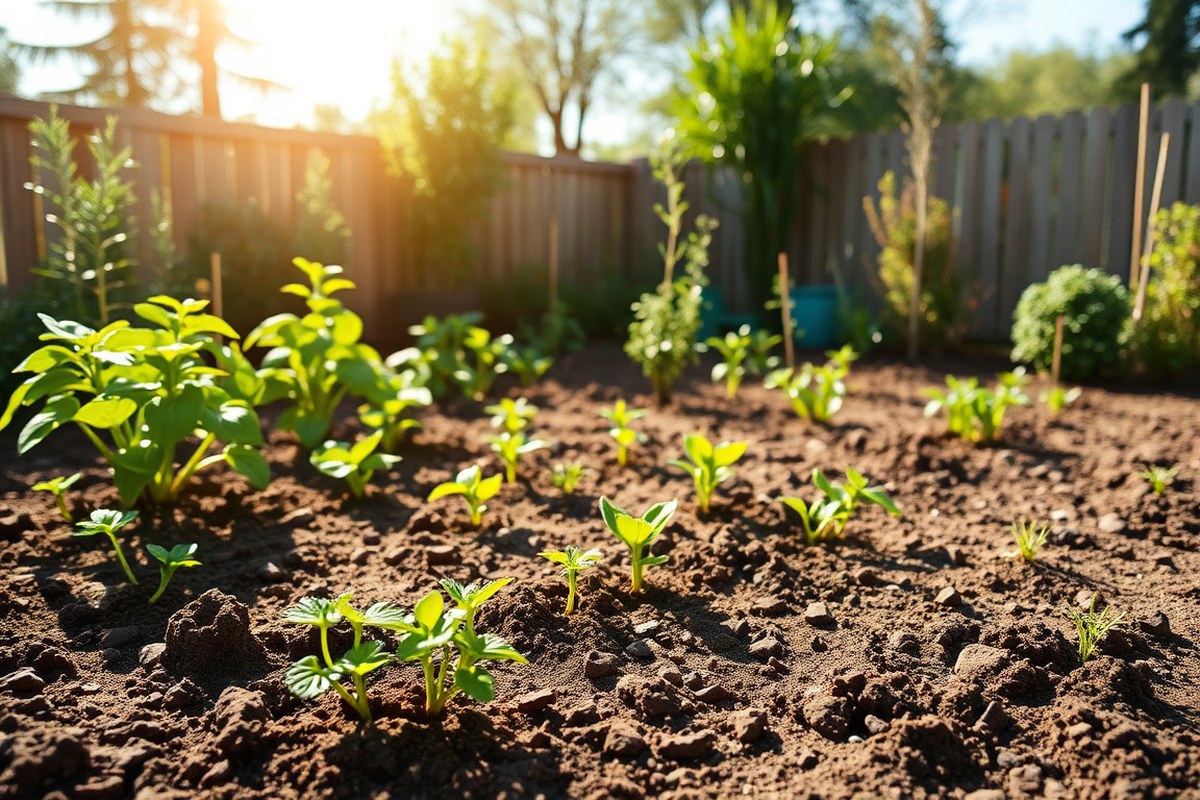
Pick a spot that gets 6 to 8 hours of direct sunlight daily. Most vegetables grow best with this much sun because it fuels strong, healthy plants. You can find some exceptions, like leafy greens, which tolerate less light well.
The angle of the sun changes with seasons. So watch your yard across several days.
Check for shade from trees, buildings, or fences, especially in the morning and afternoon. Choosing full sun means your veggies get consistent energy all day long.
Soil Quality and Testing
Testing your soil gives a clear picture of what your garden needs. You can buy kits at garden centers. You can also send a soil sample to your local cooperative extension service.
Both give helpful soil info for your garden. They’ll tell you the pH level and nutrient content, which is key to healthy plants.
A pH between 6.0 and 7.0 suits most vegetables. Your soil acidity or alkalinity affects nutrient reach.
Nutrients won’t get to plants well if soil pH is off. Knowing this helps you decide whether to add lime or sulfur to balance your soil.
Water Drainage and Moisture
Your vegetable garden should have well-draining soil that doesn’t stay soggy after rain. Poor drainage causes roots to rot and plants to weaken. Test drainage by digging a hole about 12 inches deep and filling it with water.
Drainage matters a lot for your garden. If water drains slower than 4 hours, fix drainage or pick a new site.
Good soil lets excess water run off while keeping moisture available for roots. Mulching also helps retain even moisture.
Space, Protection, and Convenience
Make sure there is enough room to plant and care for your veggies comfortably. Avoid cramped or cluttered areas that limit airflow and sunlight. Consider how easy it is to water your garden often or carry tools.
A spot shielded from strong winds protects plants from breaking or drying out. Nearby water access saves time and effort on daily watering. Also, look out for areas prone to late spring frost; these can delay planting.
Working with Less Ideal Sites
Lack of full sun? Choose shade-tolerant veggies like lettuce or spinach to grow well.
You can add raised beds filled with rich soil to improve poor ground or drainage. Using containers or portable beds helps move plants into better sun spots.
Add 2, 3 inches of finished compost to your soil. Then loosen or till soil 8, 12 inches deep before planting.
These steps improve nutrients and texture even in tough soil. Starting small and watching how the garden does lets you adjust over time.
Make sure to pick a garden spot near a water source to avoid daily long trips. Watering needs are frequent and heavy for most vegetables.
Comparing Garden Types: In-Ground, Raised Beds, and Containers
Each garden type fits different spaces and soil needs. In-ground gardens suit large lawns but need good soil. Raised beds and containers work well in poor soil or small areas.
In-Ground Gardens
In-ground gardens grow vegetables right in your yard’s soil. They work best if you have a large space, at least 10-by-10 feet. The soil should be well-draining and loamy for the best results.
Preparing the soil is key. Remove weeds and till the area to break up clumps. This can take moderate effort but costs less since you use existing soil.
Watch space carefully. Leave 18 to 24 inches for walkways between rows or mounds. Big spaces let you grow more plants but require more work to maintain.
Raised Beds
Raised beds are good if your soil is poor or you want an easier garden. You build a frame and fill it with quality soil and compost. A common size is four-by-eight feet, easy to manage.
This option costs more than in-ground, usually moderate ($$), but it’s easier for beginners. It drains well, so plants grow faster. Raised beds also keep soil warmer in spring.
Make sure the bed is at least 12 inches deep to fit vegetable roots. Leave pathways 18 to 24 inches wide to reach plants easily. Raised beds might need watering more often.
Container Gardens
Containers work well for patios, decks, or balconies where space is tight. Pots and planters let you grow vegetables even without a yard. Choose containers 12 to 24 inches deep for most veggies.
Container gardening is low cost ($) and easy. You control the soil quality, which is great if your ground soil is bad. Frequent watering is needed since containers dry out faster.
This setup works best for quick-growing vegetables like lettuce, radishes, and herbs. Large vegetables like zucchini need bigger pots or large containers. Keep containers in full sun for 6-8 hours daily.
The table below compares these garden types to help you decide:
| Garden Type | Best For | Cost | Difficulty |
|---|---|---|---|
| Raised Beds | Beginners | $$ | Easy |
| In-Ground | Large Yards | $ | Moderate |
| Containers | Small Spaces | $ | Easy |
Choose raised beds if your soil is poor or you want easy setup. Go for in-ground if you have space and decent soil. Containers fit small areas but need more frequent care.
Preparing and Improving Your Garden Soil for Planting
Good soil gives your vegetables the best chance to grow strong roots and healthy leaves. You want the soil loose, crumbly, and rich in compost. Good drainage stops water from pooling near roots.
Pooled water can hurt your plants. Well-drained soil keeps roots healthy.
Start by removing all the weeds. Weeds steal nutrients, water, and sunlight from your vegetables. Clear all weeds from your garden area first.
Use a fork or spade to loosen soil. Dig down about 8 inches deep.
Roots need room to grow deep. But hard soil below 12 inches can stop them.
Spread 2 to 4 inches of compost over your soil. Mix it into the top 6 to 8 inches. This improves soil nutrients and texture.
Compost improves soil texture and adds organic matter and nutrients that plants need. You can also add a slow-release organic fertilizer if your compost doesn’t contain fertilizer.
- Pull out all weeds and remove any old plant debris from the garden area.
- Use a garden fork or spade to loosen the soil 8 inches deep, breaking up clumps.
- Spread 2 to 4 inches of compost evenly across the soil surface.
- Mix the compost well into the top 6 to 8 inches of soil.
- Test your soil’s pH with a kit from a garden center. Adjust if needed.
- Add lime to soil that is too acidic. Lime helps raise the pH to a better level. Spread it evenly and mix into the soil.
- Add sulfur or organic matter if the soil is alkaline. These help lower the pH to a better range. Work them into the soil well.
- Level the soil and prepare planting rows or mounds as needed.
Soil pH affects how plants absorb nutrients. Most vegetables grow best with pH from 6.0 to 7.0.
Change pH slowly and test again after weeks. Avoid planting until the soil feels loose and crumbly.
After planting, water deeply to settle the soil around the roots and remove air pockets. Well-prepared soil lets roots grow straight down.
So your plants stay strong and resist drought better. Hard, compacted soil makes roots grow sideways and weakens plant growth.
When to Plant: Timing Seeds and Transplants for Success
Plant vegetables according to your area’s last frost date. This date tells you when the risk of freezing ends. You can find it online or from local garden centers.
Cool-season vegetables like peas and lettuce grow best in 40 to 75 degrees Fahrenheit. Plant seeds directly in the garden 2 to 4 weeks before last frost. This timing helps them start growing early.
It prepares seedlings for warmer weather. Warm-season crops like tomatoes and peppers need temperatures above 60 degrees.
Both soil and air should be warm. This helps plants grow stronger and faster.
Start warm-weather vegetables indoors 6 to 8 weeks before the last frost. Use biodegradable seed starting pots if you want to transplant seedlings easily. Move young plants outside slowly over 1 to 2 weeks.
Give them more sun and wind each day. This prevents shock and helps plants adjust.
Keep a small calendar near your seeds to mark frost dates. Write down when to sow seeds each year. This helps you plant at the right time.
Decide whether to plant seeds directly or buy transplants depending on the vegetable and season. For example, peas and beans do better sown directly. Tomatoes and peppers usually perform better as transplants you buy or start indoors.
At planting time, soil should be warm and dry enough to work. For tomatoes, soil temperature near 65°F is ideal. Use a soil thermometer to check.
Cold soil or air can cause seeds to rot or slow growth. Plants need warmth to develop healthy roots and leaves. Avoid planting too early in cold conditions.
An example timeline: Start seeds indoors mid-February to early March for warm crops. Plant seeds for cool crops outdoors in early March.
Set out transplants outdoors in late April after frost risk passes. Adjust timing based on your local last frost date.
How to Water Your Vegetable Garden Effectively
Water your vegetable garden early in the morning. This timing helps plants absorb moisture before the heat of the day. Avoid evening watering since it can leave leaves damp and cause diseases like powdery mildew.
You should give your plants about 1 inch of water each week, including rainfall. Spread the water evenly across your garden, aiming for moist, not soggy, soil around the roots. Consistent watering keeps vegetables healthy and growing well.
Use the finger test to decide when to water your garden plants. Insert your finger 1 to 2 inches into the soil close to your plants. Water your plants when the soil feels dry at that level.
- Water early morning to reduce evaporation.
- Apply about 1 inch of water per week, counting rain.
- Use the finger test at 1, 2 inches deep for moisture.
- Use soaker hoses or watering cans for targeted watering.
- Mulch around plants to keep soil moist longer.
- Avoid watering in the evening to prevent disease.
Overwatering makes soil soggy and plants may wilt or have yellow leaves. Underwatering makes leaves turn dry and brittle.
Spot any changes like dryness or sogginess, then change how much you water. Check the soil moisture more frequently to keep your plants healthy.
Mulching can help keep soil moist, reducing how often you need to water. Good drainage is key, so your garden water doesn’t pool. Check sunlight and soil temperature too, since these affect how fast soil dries out.
Essential Care: Fertilizing, Mulching, and Weeding Tips
Use a balanced organic fertilizer every 3 to 4 weeks during your garden’s growing season. Apply fertilizer when the soil is moist to help nutrients reach the roots better. Avoid fertilizing dry soil, as this can burn your plants and waste product.
Spread fertilizer evenly around your plants. Keep it a few inches away from stems. This stops damage to the plants.
Write down the dates of each application to track your feeding schedule. Adjust feeding if plants show signs of poor growth or yellowing leaves.
Mulching around vegetables keeps soil moist and stops weeds. Spread 2 to 3 inches of straw, leaves, or pine needles near plants. Leave 2 inches of space from the stems to avoid rot and allow air flow.
Mulch keeps soil warm on cold nights. It also cools soil on hot days. This helps vegetables grow steady.
Applying mulch is a small effort that saves you a lot of time pulling weeds later. Replenish mulch if it breaks down or washes away during heavy rain.
Weeding regularly keeps your garden healthy and reduces labor over time. Spend 15 to 20 minutes every day or two pulling young weeds. Do it before they take over your garden.
Use hand tools or gloves to pull weeds. Make sure to remove all roots. This helps stop weeds from growing back fast.
Mulch cuts down on many weed problems, but small ones can still pop up. Pull out weeds as soon as you see them. They take nutrients and water from your crops.
Removing them early protects your plants. Staying consistent with weeding and mulching saves you from big weed battles later in the season.
Managing Pests and Protecting Your Garden Organically
Common pests that attack vegetable gardens include aphids, cabbage worms, cutworms, squash bugs, and tomato hornworms. Look for damaged leaves, holes, sticky residue, or tiny bugs on the plants. Early detection helps you manage pests before they damage your crops significantly.
To prevent pests naturally, use companion planting. Marigolds and parsley planted around your vegetables keep many bugs at bay.
Also, keep your garden clean by removing weeds and old plants, which can harbor pests. Healthy soil with plenty of compost helps plants resist insects and diseases better.
- Inspect plants weekly for pest signs or eggs
- Plant pest-repellent flowers like marigolds along the garden edge
- Use neem oil spray every 7 to 14 days for soft-bodied insects
- Handpick large pests like tomato hornworms early in the morning
- Encourage beneficial insects such as ladybugs and lacewings
- Rotate crops each year to confuse soil-dwelling pests
- Remove and bury heavily infested plants promptly
Use organic treatments such as insecticidal soap and neem oil. Both kill pests but don’t harm beneficial insects. Apply insecticidal soap in the early morning or evening to avoid leaf burn.
Neem oil works as both a deterrent and growth disruptor but may require repeated application. Handpicking pests like hornworms will save your plants without chemicals.
Keeping plants healthy involves proper watering, mulching, and feeding with compost. Avoid overwatering as wet conditions encourage fungal diseases and some pests.
Removing plants that stop producing also lowers pest risk. A strong, vigorous vegetable plant can often withstand minor pest attacks without losing productivity.
Don’t spray during the heat of the day or when bees are active to protect pollinators.
Tracking Progress and Knowing When to Harvest
Tracking your vegetable garden’s progress helps you know what you planted and when. Recognizing signs that veggies are ready to pick ensures good flavor and texture. Planting strategically lets you harvest fresh vegetables throughout the season.
Keeping Garden Records
Write down the types of vegetables you plant and their planting dates. Use a simple chart with columns for plant name, seed or transplant date, location, and notes. A basic template might look like this:
Plant Name | Date Planted | Location in Garden | Notes (e.g., germination time, problems)
Update the record weekly with observations like growth rate or pests. This helps plan for next year and avoid repeating mistakes. Keeping records costs nothing but a notebook or spreadsheet and a few minutes each week.
Signs of Vegetable Ripeness
Look for changes in size and color typical for each vegetable before picking. Peppers turn bright red, orange, or yellow; green beans snap easily when mature. Tomatoes feel slightly soft, and cucumbers have a firm, glossy skin.
Some vegetables, like carrots and beets, reveal readiness by size after pulling a test plant. You can also check seed packet guidelines for average days to maturity as a timing reference.
Harvesting too early tastes bitter or starchy. Too late often causes toughness or spoiling.
Extending Your Harvest Season
Plant vegetables in staggered intervals to pick fresh produce for weeks. For example, sow lettuce or radishes every two weeks from early spring through fall. Use season extenders like row covers or cold frames to protect crops from early frost.
Choose a mix of cool-season and warm-season crops to cover more months. Some easy options for multiple plantings include spinach, bush beans, and zucchinis. Keeping soil healthy with regular feeding encourages longer production too.
Your Step-by-Step Action Plan to Start Planting
Follow these clear steps to get your vegetable garden growing well. Each phase will help you check your progress as you go.
- Before planting: Choose a sunny spot and test your soil for nutrients. You’ll know it’s ready when the soil feels crumbly and holds moisture without puddles.
- Week 1: Prepare the soil by loosening it and mixing in compost. Check by digging a small hole. The soil should be easy to work and rich in organic matter.
- Week 2: Plant your seeds or transplants according to their depth needs. After planting, soil around seedlings stays firm but not packed.
- Week 3: Water your garden deeply but less often. Success shows when plants look healthy and soil stays damp below the surface.
- Week 4: Add mulch to keep moisture and reduce weeds. Mulch should cover the soil well but not touch plant stems.
- Week 5 and ongoing: Check for pests daily. Use organic sprays or hand-pick bugs when you spot them to keep plants safe.
- After 6 weeks: Start fertilizing lightly if growth slows. Apply fertilizer near roots, watching plants respond with new leaves or flowers.
- Harvest time: Pick vegetables when they look ripe and firm. Regular picking encourages more growth and keeps plants productive.
Frequently Asked Questions
What Tools Do I Need to Start Planting a Vegetable Garden?
You need a hand trowel for planting and gloves to protect your hands. A watering can or hose is also essential for keeping soil moist. Optional tools like hand pruners help with harvesting and trimming.
Can I Reuse Soil from an Old Vegetable Garden Plot?
Yes, but you should improve it with fresh compost or organic matter. Old soil may lose nutrients or harbor pests.
So refresh it to support healthy plants. Testing the soil can also guide what amendments it needs.
How Deep Should I Plant Vegetable Seeds in the Soil?
Plant seeds about twice as deep as their size for best results. Tiny seeds might need just a dusting of soil.
Larger ones like beans go deeper. Always check seed packets for the best depth.
What Vegetables Are Easiest for Beginners to Grow?
Start with simple plants like tomatoes, leafy greens, and herbs. These veggies tolerate minor mistakes and grow well in various garden setups. Avoid finicky plants until you gain more experience.
Can I Plant Vegetables Near My Existing Flower Beds?
Yes, but ensure the spot gets enough sunlight and space for veggies. Some flowers attract pollinators, which helps vegetable growth. Just keep an eye on watering needs to avoid issues.
How Often Should I Check My Vegetable Garden for Pests?
Inspect your garden at least twice a week. Early detection helps you manage pests organically before damage spreads. Look under leaves and around stems, where pests often hide.
Wrapping Up
Starting a vegetable garden takes clear steps. But the pay-off is fresh food from your own yard.
Choose one vegetable to plant this week and see how it grows. Keep learning and adjusting as you watch your garden develop.