Why Are My Plants Not Growing? 8 Key Causes and How to Fix Them
Why are my plants not growing? Most often, plants slow down because their basic needs aren’t met.
Light, water, nutrients, and space are the main factors that affect plant growth. Without proper care in these areas, your plants can stall or even decline.
Start by checking your plant’s light source. Too little or too much light can stop growth.
South-facing windows often provide good natural light, but some plants prefer shade. Adjust your plant’s position depending on what it naturally needs.
Look for pests or diseases that might stress your plant. Tiny bugs or spots on leaves indicate trouble. Treating these early can save your plant from damage that slows growth.
Avoid overwatering or sitting roots in soggy soil. Water only when the top 1-2 inches of soil feel dry. Using the right fertilizer on a regular schedule can help your plant bounce back and grow strong.
Key Takeaways
- Place sun-loving plants where they get at least 6 hours of direct sunlight daily.
- Only water when the top 1-2 inches of soil feel dry to touch. This helps stop roots from sitting in wet soil. Keeping soil too wet can cause root rot.
- Use a balanced liquid fertilizer diluted to half strength every 2-4 weeks during growth.
- Check for pests or diseases regularly and treat promptly to protect your plant.
- Repot into a slightly larger pot, 1-2 inches bigger in diameter than the root ball.
- Choose a pot no more than 2-3 inches bigger than the roots. A pot too big holds extra water and makes soil soggy. This can harm your plant’s roots.
1. What Causes Plants to Stop or Slow Growing?

Plants need light, water, nutrients, the right temperature, and space for roots. Any issue with these factors often slows or stops plant growth. For example, too little sunlight leaves plants leggy and pale since they can’t make enough energy.
Watering mistakes cause many growth problems. Overwatering can soak soil so roots can’t breathe, which leads to root rot and wilting.
Underwatering leaves plants dry with crispy leaves since roots can’t absorb water. Both stunt growth and weaken the plant.
Poor soil quality often drains plant strength. Soil lacking nutrients or with the wrong pH causes stunted growth and yellow leaves.
Nutrients run out when growing the same plants every year. Soil and fertilizer need refreshing to keep nutrients up.
Plants grown in crowded spaces compete for water, nutrients, and light. This competition slows growth since resources are limited. Also, pest infestations leave holes in leaves and weaken stems, further restricting growth.
Seasonal cycles impact growth speed too. Cooler months bring natural dormancy, so plants grow little or not at all. Drafty windows and cold rooms make plants slow down even in growing season.
After moving or repotting plants, growth often pauses for 2 to 6 weeks. This transplant shock is normal as roots adjust to new soil or environment. During this time, plants need gentle care without extra fertilizer or water.
2. How Does Light Affect Plant Growth and What Are Light Needs?

Plants need the right kind of light to grow well. Light powers photosynthesis, which fuels all plant growth. Different plants need different light levels, from low to high intensity.
Low light means 50 to 250 foot candles, enough for some shade-loving houseplants. Medium light is between 250 and 1000 foot candles, which suits many common indoor plants.
High light, over 1000 foot candles, is needed for sun-loving garden plants and vegetables. Without enough light, plants grow slowly or stretch out looking leggy.
Look for these signs to check if your plant needs more light. Weak growth and long, thin stems often show low light.
Yellowing leaves or pale color can also point to light problems combined with other issues. Plants sitting far from windows or in dark corners usually get too little light.
| Problem | Common Symptoms | Recommended Fix |
|---|---|---|
| Low Light | Weak growth, stretched stems | Increase light exposure |
| Underwatering | Slow growth, wilting | Improve watering consistency |
| Overwatering | Yellow leaves, poor growth | Improve drainage and watering practices |
| Nutrient Deficiency | Pale foliage, weak growth | Establish a feeding program |
| Root-Bound Plant | Stunted growth, crowded roots | Repot into a larger container |
| Seasonal Dormancy | No growth during cooler months | Allow natural rest period |
Move your plant closer to windows that get morning or afternoon sun. This will increase the light your plant receives. More light helps it grow better.
East- or south-facing windows work best for lots of indirect light. Use sheer curtains to soften intense sun instead of blocking it entirely.
Adding grow lights is a good plan for darker rooms or winter months. LED grow lights that cover 12 to 16 hours daily match natural daylight periods well. You can buy a cheap LED panel online for $30 to $70.
Setting it up over your plants works well. LED lights help plants grow faster.
Too much direct sun can burn leaves, so introduce extra light slowly.
Watch how your plant responds after adjusting light. Look for more vibrant leaves and steady, compact new growth. Poor results may mean the plant needs different light or other fixes, like feeding or repotting.
3. How to Identify and Fix Watering Issues That Hinder Growth
Watering your plants too much or too little slows their growth. Both under- and overwatering stress the roots and stop new leaves and stems. Finding the right watering habit keeps your plants healthy and growing well.
Checking Soil Moisture Correctly
To know when to water, check your soil’s moisture often. Use your finger to feel the top 1 to 2 inches of soil. If that layer is dry, the plant likely needs water.
Don’t rely on a timer alone because your plant’s water needs change. Weather, plant size, and pot type affect how fast the soil dries out. Testing with your finger helps avoid watering mistakes.
Establishing a Consistent Watering Routine
Make a simple schedule but always adjust based on what the soil feels like. Most plants grow well with 1 to 2 inches of water weekly from rain or watering. Check soil moisture every few days to decide whether to water.
Use pots with drainage holes to stop water from pooling. Water deeply, so moisture reaches the whole root ball. Light watering only wets the surface and doesn’t feed roots well.
Symptoms of Overwatering Versus Underwatering
Overwatered plants have soft, yellow leaves and wilting despite wet soil. You may see water pooling or soil staying soggy for days. Roots might rot, which traps the plant from taking up nutrients.
Underwatered plants droop with dry, crispy leaves and brown edges. Dry soil often pulls away from the pot’s sides. These plants don’t have enough water pressure to push out new growth.
Improving Soil Drainage and Pot Selection
Good drainage stops overwatering damage. Use soil that drains well but keeps some moisture.
Garden soil outdoors or commercial potting mix indoors works best. Avoid heavy, clay-like soil in pots.
Choose pots with holes to let extra water escape. Avoid containers without drainage to prevent root rot risk. Improve pots slightly to allow water to flow freely out the bottom.
Follow these steps to fix watering issues and support healthy growth:
- Test soil moisture with your finger every few days.
- Water only when the top 1 to 2 inches are dry.
- Water deeply so moisture reaches the root zone.
- Use pots with drainage holes to prevent water buildup.
- Choose well-draining soil suited for your plant type.
- Adjust watering frequency based on season and temperature changes.
- Watch for yellow, wilting, or crispy leaves to spot problems early.
4. Why Soil Quality Matters and How to Improve It
Soil quality directly impacts how well your plants grow. They need balanced nutrients like nitrogen, phosphorus, and potassium to develop strong roots, leaves, and stems. Soil that is poor or too acidic can stress your plants.
Too alkaline soil also causes pale, small leaves. This stress slows their growth.
Testing soil pH and nutrient levels helps you see what’s missing or out of balance. You can buy simple pH test kits at garden centers for around $10 to $20. Send a soil sample to a local extension service for testing.
You can also use a home test kit to check nutrients. Either method gives detailed results. Test your soil every year or two to keep track.
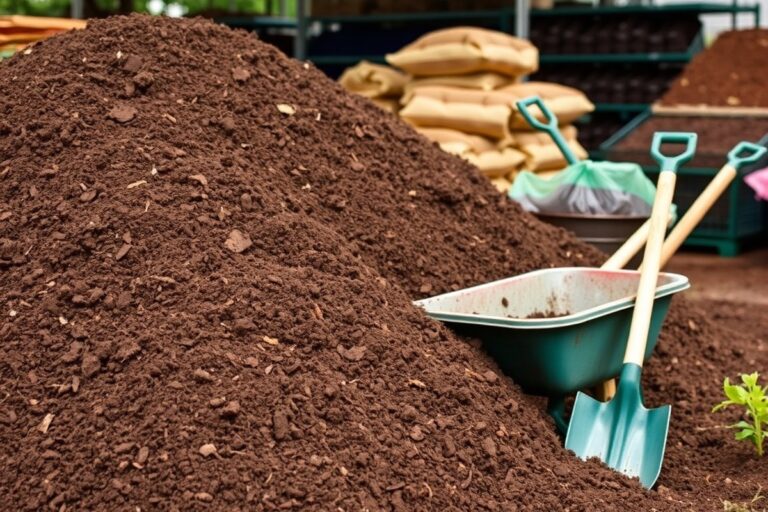
When soil quality is low, adding organic matter improves it most effectively. Compost or rotted manure adds nutrients and improves soil structure. This helps roots breathe and soak up water better.
Both make soil healthier for plants. Poor soil with too much mulch might steal nitrogen from your plants. Poor structure can hold water too long or drain too fast, limiting moisture availability.
- Mix 1 to 2 inches of compost into the top soil. Work it into the top 6 inches for most plants. This improves soil quality and growth.
- Repot plants with fresh soil every 1 to 2 years to refresh nutrients
- Use a balanced liquid fertilizer like 10-10-10 or 20-20-20 for plants. Apply it at half strength every two to four weeks. Do this from spring through early fall.
- Choose a pot slightly bigger than the root ball to avoid rootbound stress
- Avoid heavy mulch that can lock up nitrogen or moisture
Balanced fertilizers feed the plants directly if soil nutrients are low. Mix liquid fertilizer with water as the label says. Use only half the recommended strength to avoid burning roots.
This keeps your plants safe and healthy. Feed only during the active growing season to match plants’ needs. Good soil and nutrients create healthy green leaves and sturdy stems within a few weeks.
Bad soil makes roots struggle, slows growth, and weakens the whole plant. Checking pH and adding compost or fertilizer can fix these issues. Fresh soil and the right pot help your plant bounce back and grow steadily again.
5. Repotting and Root Health: When and How to Do It Right
Repot your plant when growth slows and roots crowd the pot. Rootbound plants can’t grow well or absorb nutrients properly. Choose a pot just 2 inches wider than the old one.
Signs Your Plant Is Rootbound
Rootbound plants have roots that circle tightly inside the pot. You might see roots growing out of drainage holes or on the soil surface. The plant may stop growing or wilt quickly after watering.
The rootball often feels dense and hard when you gently remove the plant from its pot. Leaves may yellow or drop because roots can’t access enough water or nutrients. A rootbound plant’s growth stalls despite good care.
How to Choose the Right Pot Size
Select a pot only slightly larger than the rootball, about 2 inches wider. Using a much bigger pot holds extra soil that stays wet longer. That can cause root rot or slow root growth.
A pot too small keeps the plant cramped and rootbound longer. The right size lets roots spread and grow steadily without drowning or drying out. Pick a container with drainage holes to prevent water buildup.
Step-by-Step Repotting Guide
Follow these steps to repot your plant safely and properly:
- Water the plant lightly 1-2 days before repotting to ease root removal.
- Prepare the new pot with fresh soil and drainage at the bottom.
- Gently remove the plant from its old pot, loosening the soil around the edges.
- Inspect and tease the roots, trimming any that are dead or circling tightly.
- Place the plant in the new pot, keeping the same soil depth as before.
- Fill around the rootball with fresh potting mix, firming it gently.
- Water the plant thoroughly after repotting to settle the soil.
- Place the plant in its usual light spot and avoid fertilizing for 2 weeks.
Don’t repot during dormancy; wait for active growth to avoid stressing roots.
Best Soil Mixes for Repotting
Choose moisture-retaining soil for tropical plants. Avoid garden soil, which can compact and cause poor drainage.
Mixes with peat, perlite, and compost provide good aeration and nutrients. Organic matter improves water retention and supports root growth. Use fresh soil to reduce pests and diseases in repotting.
6. How Temperature and Seasonal Changes Affect Plant Growth
Ideal Growing Temperature Ranges
Most houseplants have a temperature range they like best. Growth slows when temperatures drop below 60°F or rise above 85°F. Tomato and pepper plants, for example, struggle outside this range and may drop flowers.
Knowing your plant’s ideal temperature helps you spot temperature-related growth issues. Avoid placing plants near cold drafts or hot vents to keep growth steady.
Understanding Plant Dormancy Periods
Plants often grow slower or stop entirely during dormancy, usually in fall and winter. This pause conserves energy when days are shorter and light is dimmer. A healthy plant that looks fine but stops growing is likely dormant, not sick.
Plants need less water during dormancy. Avoid watering too much.
Also, don’t fertilize as much because they need fewer nutrients then. Overfeeding or overwatering can harm your plant when it rests.
Adjusting Plant Care for Seasonal Changes
Seasonal shifts mean you should change your care routine. Watering less and stopping fertilizer in fall helps prevent root rot and nutrient buildup. Increase watering and fertilizing again in spring when growth resumes.
- Reduce watering frequency in cooler months
- Stop fertilizing during dormancy (usually late fall to early spring)
- Increase water and fertilizer when days grow longer
- Check indoor temperatures to keep them steady
- Move plants away from cold windows during winter
Adjust lighting to ensure plants get enough light in shorter days. A grow light can help if natural light is too weak.
Acclimating Plants to New Environments
Sudden temperature changes stress plants and slow growth. When moving a plant indoors for winter, do it gradually over several days. This helps the plant adjust without shock.
Watch for leggy growth or leaf drop, signs that your plant isn’t comfortable. Keep temperature and humidity steady to avoid more problems.
7. Identifying and Managing Pests and Diseases That Impede Growth
Common pests like aphids, spider mites, and mealybugs can stunt your plants’ growth. They suck sap and damage leaves, reducing the energy plants need to grow. Watch for leaf discoloration, holes, sticky residue, or tiny moving insects on your leaves.
Diseases caused by bacteria, fungi, or viruses also slow growth. These include root rot, powdery mildew, and leaf spot.
Early signs are wilting, powdery white patches, dark spots, or soft black roots. Detecting these early stops the spread.
Treat pests by wiping leaves with soapy water or using neem oil twice a week. For mild infestations, washing leaves with diluted dish soap works well.
Always test on one leaf first to avoid harm. Severe infestations may need insecticidal soap or a bit of rubbing alcohol on cotton swabs.
Diseases require removing affected leaves and improving airflow. For fungal infections, apply a fungicide labeled safe for edible or indoor plants.
Avoid overwatering and let soil dry between watering to prevent root rot. Isolate sick plants for at least two weeks to stop disease spread.
Below is a table to help identify common pests and diseases, symptoms, and treatments:
| Pest/Disease | Symptoms | Safe Treatment |
|---|---|---|
| Aphids | Sticky residue, curled leaves, clusters of small insects | Spray leaves with soapy water weekly, neem oil for larger cases |
| Spider Mites | Fine webbing on leaves, yellow or bronze leaves | Rinse leaves daily, apply insecticidal soap or neem oil |
| Mealybugs | White cottony clumps on stems and leaf joints | Remove with cotton swab dipped in rubbing alcohol, treat with neem oil |
| Powdery Mildew | White powdery patches on leaf surfaces | Improve airflow, remove infected leaves, apply fungicide |
| Root Rot | Black, soft roots; wilting despite watering | Let soil dry out, repot in fresh soil, reduce watering |
Keep inspecting your plants weekly to catch problems early. Use treatments immediately after you spot pests or diseases. If plants don’t improve or problems spread fast, consult a professional gardener or extension service for advice.
8. How to Set Realistic Expectations for Plant Growth Pace
Plants grow at different speeds depending on their type and environment. Some houseplants, like snake plants, grow slowly over months.
Others, like pothos, show noticeable growth every few weeks. Expecting drastic changes overnight can lead to frustration and wrong conclusions.
Check your plant’s growth by measuring new leaves or stem length every two to four weeks. Note if the new growth looks healthy, firm, and vibrant. Compare it to what is typical for that species.
Seed packets or plant tags often say how fast it should grow. Your plant not growing for months and yellowing leaves show trouble. Wilting also means the plant has issues beyond slow growth.
You cannot safely speed up growth beyond a plant’s natural rate. But you can help it reach its full potential. That means providing light levels close to the ideal for the specific plant.
Place your plant near a bright window unless it prefers low light. Avoid excessive fertilizer, which stresses plants and harms roots.
Plants can adjust to good care and start growing steadily again. They usually won’t grow faster than their normal speed.
Measure your plant’s growth regularly and write down the changes to spot slow growth early.
Use this rule to check if growth is okay or a problem: If leaves turn color or droop or no new growth happens after two months of good care, look for causes. Otherwise, give it time and avoid over-treating. Slow, steady progress often means the plant is simply growing at its own pace.
Step-by-Step Action Plan to Boost Your Plant’s Growth
Follow this plan to diagnose and fix growth problems in your plants. Check your plant’s progress after each step.
- Day 1: Check your plant’s light exposure. Move it to a brighter spot if leaves look pale or leggy. Healthy green leaves show you fixed light issues.
- Day 2: Test soil moisture carefully. Water only when the top inch feels dry. Leaves that perk up within days show watering was the issue.
- Week 1: Inspect soil quality. Add compost or a balanced fertilizer labeled for your plant type. Look for new growth in the next two weeks.
- Week 2: Examine the roots. Leaves circling tightly or smelling bad mean it’s time to repot. Watch for roots filling the pot without signs of rot.
- Week 3: Check for pests and diseases. Remove visible bugs or spots using an appropriate gentle treatment. Healthy leaves returning means pests are under control.
- Week 4: Monitor room temperature. Keep it steady within your plant’s range. Growth should improve with stable warmth.
- After 1 Month: Review and adjust your care routine. Keep notes on what changed and how the plant responds. Consistent progress shows you’re on the right track.
Frequently Asked Questions
Why Is My Plant Growing but Not Producing New Leaves?
Your plant may be putting energy into root or stem growth instead. Check if it’s healthy below soil and getting enough light.
Can Too Much Fertilizer Stop Plant Growth?
Yes, overfertilizing can burn roots and prevent growth. Use a balanced fertilizer at half strength every 2-4 weeks instead.
Why Do Some Plants Stop Growing in Winter Indoors?
Cooler indoor temperatures can slow or halt growth even inside. Avoid drafty windows and keep plants in warmer spots.
Can Pot Size Affect Plant Growth Speed?
Definitely, plants in too small pots get root-bound and stop growing. Choose a pot 1-2 inches bigger than the roots.
How Soon Should I See Growth After Repotting?
Growth often resumes within a few weeks after repotting if roots were healthy. Be gentle to avoid shocking your plant.
Why Are My Indoor Plants Growing Tall but Weak?
They may be stretching for light and not getting enough brightness. Move them closer to windows or add grow lights.
The Bottom Line
Plants slow or stop growing mainly from wrong light, water, soil, or pests. Adjust one thing at a time and watch for changes. Start today with the easiest fix and let your plant surprise you.