How Much Is One Yard of Soil? A Complete Guide to Costs and Ordering
How much is one yard of soil? Typically, it costs between $20 and $50 for standard garden soil.
Prices depend on the soil’s type, quality, and where you buy it. Coast areas often charge $10 to $20 more per yard than inland regions.
A yard of soil refers to a cubic yard in size. It is 3 feet in length, width, and depth. This volume totals 27 cubic feet of soil.
This amount fills a medium garden bed or lawn patch. Knowing this helps you estimate how much soil you actually need.
You should check if delivery fees or special soil types affect the price. Delivery costs can get high if the soil weighs a lot.
Costs also rise when the supplier is far away. Factor these extras in to avoid surprises at checkout.
Key Takeaways
- One yard of soil is a cubic yard: 27 cubic feet in total volume.
- Expect to pay between $20 and $50 for most garden soil per yard.
- Soil prices increase by about $10 to $20 near coastal areas.
- Delivery fees can significantly raise your total soil cost.
- Check soil type carefully; specialty blends often cost more than standard soil.
- Calculate how much soil you need by measuring your garden’s length, width, and depth.
How Much Does One Yard of Soil Typically Cost?

The average price for one cubic yard of garden soil ranges from $15 to $75. The wide range depends on soil type, quality, and your location. Basic fill dirt is the cheapest, while premium blends and compost cost more.
Prices also shift by region because of factors like transportation costs and local demand. Delivery charges or minimum order requirements often add to the base cost. For instance, you could pay $30 for soil plus $50 for delivery in a distant area.
| Soil Type | Price Range Per Cubic Yard | Best Use Case | Key Characteristics |
|---|---|---|---|
| Fill Dirt | $10 – $20 | Grading, leveling, filling deep holes | Unscreened, high clay/rock content, no nutrients |
| Screened Topsoil | $30 – $50 | Lawn top-dressing, base for garden beds | Sifted to remove debris, moderate organic matter |
| Garden Mix (50/50) | $45 – $75 | Raised beds, vegetable gardens, planting | Blend of topsoil and compost, high nutrient density |
| Pure Compost | $40 – $65 | Soil amendment | Rich organic matter, improves soil health |
Many factors affect soil prices beyond type and quality. Local supply can influence costs, as can seasonal availability. Delivery fees vary based on distance, weight, and minimum order rules.
A 1-yard order of screened topsoil costs about $40. Delivery may cost $80 if you’re far from the supplier. These fees can double your total price.
Bagged soil at garden centers costs 3 to 4 times more per cubic yard. This is true for small projects. Bulk soil is cheaper in comparison.
Bulk buying saves money but needs space and a way to handle large amounts. Look at local suppliers first.
Compare their soil types and prices. Include delivery fees to know total cost upfront.
What Exactly Is a Yard of Soil and How Is It Measured?
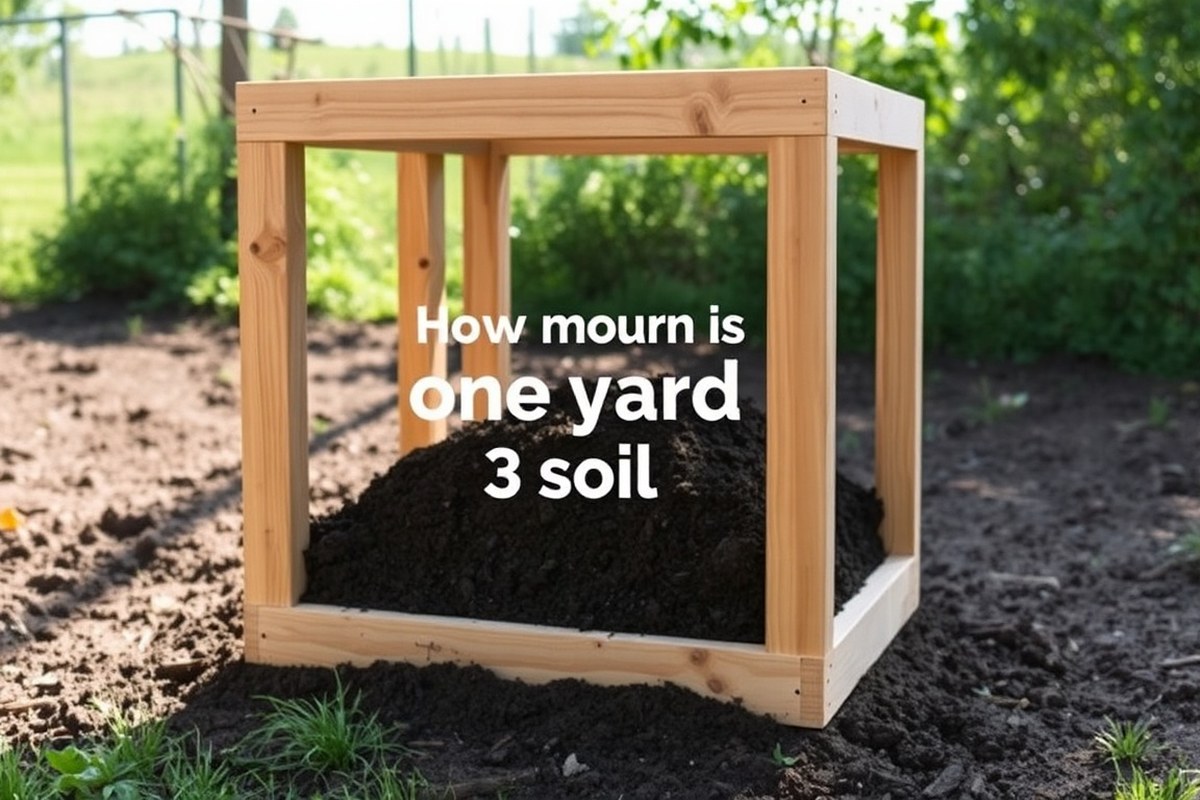
One yard of soil means a cubic yard. It is a volume measure, equal to 27 cubic feet. Knowing this helps you buy the right amount for your garden.
Understanding a Cubic Yard of Soil
A cubic yard is a block measuring one yard on each side. Since one yard equals three feet, each side is three feet long. So, the soil volume measures 3 feet wide, 3 feet deep, and 3 feet long.
Volume is length times width times depth. Multiply 3 feet by 3 feet by 3 feet. This equals 27 cubic feet.
That is the volume in one cubic yard. This basic math tells you the total space one yard of soil takes up.
People often confuse cubic yards with flat area size. One yard measures volume, not surface area. So, you can’t just guess how far soil will spread without thinking about depth.
Converting Cubic Feet to Yards
Converting volume from cubic feet to cubic yards helps know how much soil to buy. One cubic yard equals 27 cubic feet.
To find cubic yards, divide total cubic feet by 27. This gives you the yardage you need.
A garden bed that measures 3 by 2 by 1 feet has 6 cubic feet volume. Divide 6 by 27 to find 0.22 cubic yards. This shows how much soil to buy.
Use these steps to convert cubic feet to cubic yards before ordering soil:
- Measure the length, width, and depth of your soil area in feet.
- Multiply these three numbers: length × width × depth to find cubic feet.
- Divide the cubic feet by 27 to get cubic yards.
- Round up slightly to ensure enough soil coverage.
- Compare the cubic yards to bag sizes if buying bagged soil.
Tip: Always order a little more soil than calculated to fill any settling or uneven ground.
How One Yard Covers Garden Area
One yard of soil covers about 108 square feet when spread 3 inches deep. This depth works well for a layer of topsoil or garden soil. To figure coverage for different depths, use this chart:
| Soil Depth | Coverage Area (sq ft) |
|---|---|
| 3 inches (0.25 feet) | 108 sq ft |
| 6 inches (0.5 feet) | 54 sq ft |
| 9 inches (0.75 feet) | 36 sq ft |
| 12 inches (1 foot) | 27 sq ft |
You can also calculate your own coverage area. Divide 27 cubic feet by the soil depth in feet. For example, 27 ÷ 0.25 = 108 square feet at 3 inches deep.
How to Calculate the Exact Amount of Soil You Need
Start by measuring the length, width, and depth of your planting area in feet and inches. Use the right formula to calculate the volume in cubic yards. Add extra soil to cover settling and compaction over time.
Measuring Length, Width, and Depth
Start by measuring the garden bed’s length and width in feet. Next, check the depth you want for the soil layer in inches. This depth tells you how much soil is needed to fill the bed.
Write down each dimension clearly. Split your oddly shaped garden bed into smaller rectangular sections to measure.
Measure each section’s length and width separately in feet. That will make the calculation more accurate.
Calculating Volume Then Converting to Yards
To find the volume, multiply length by width by depth. Keep the depth in inches for this step. Use the formula:
Multiply length by width, then by depth in inches. Divide that result by 324 for the cubic yards of soil needed.
This converts your garden bed’s volume into cubic yards of soil. Round up to avoid running short.
For example, a 15×10-foot bed with 4-inch soil depth calculates as (15×10×4)/324 = 1.85 cubic yards. Ordering 2 yards is safer.
Here is a step-by-step process to get your soil volume:
- Measure the length and width of your garden bed in feet.
- Measure the desired soil depth in inches.
- Multiply length × width × depth.
- Divide the result by 324 to convert cubic feet and inches to cubic yards.
- Round the number up to the nearest whole yard.
- Add extra soil for settling (see next section).
Adjusting for Soil Compaction and Settling
Soil compresses after delivery, especially loose topsoil or compost mixes. It can settle by 10% to 20% or more during the first few weeks. Adding extra soil ensures you end up with the right depth after settling.
Multiply your soil volume by 1.1 or 1.2 to cover settling. For example, if you need 2 yards, order about 2.2 to 2.4 yards.
Be aware that adding too much soil can cause drainage problems. Avoid ordering much beyond 20% more.
People often forget to convert depth into inches. They also sometimes forget to round up the amount. Some skip adding extra for soil settling, which is important.
Using online soil calculators can help reduce these errors. Just input your measurements and it handles the math.
Differences Between Bulk Soil and Bagged Soil Options
Buying soil in bulk usually costs less per cubic yard than buying it in bags. Bulk soil comes with delivery options but requires more space and equipment to handle. Bagged soil offers convenience and easy transport but often at a higher price per volume.
Cost per Cubic Yard Comparison
Bulk soil generally costs between $20 to $60 per cubic yard, depending on type and quality. Bagged soil costs more per cubic yard due to packaging.
The smaller quantities also raise the price. This makes it pricier than bulk soil.
The table below shows typical cost ranges and bag counts needed to equal one cubic yard:
| Soil Type | Bulk Price per Yard | Bag Size | Bags per Yard | Approximate Bagged Price per Yard |
|---|---|---|---|---|
| Topsoil | $40.00 | 0.75 ft³ | 36 bags | $90 to $150 |
| Mulch (lighter) | $20 to $45 | 1 ft³ | 27 bags | $80 to $160 |
Bagged soil costs more because it includes packaging and distribution expenses. Bulk soil saves you money if you buy a lot.
You’ll need enough space to store it. This option works well for large projects.
Weight and Transportation Factors
One yard of topsoil weighs about 1,800 pounds. Mulch weighs 600 to 800 pounds per yard.
Bulk soil delivery trucks handle these heavy loads. But you need machinery or strong help to unload.
A single bag of soil is lighter and easier to carry. But you need many bags for big jobs. That means multiple trips or a large vehicle.
Most soil bags weigh 40 to 50 pounds. This weight is easy for one person to handle. However, it’s less good for covering large areas.
You should factor transportation ease against how much soil you need. For smaller garden beds, bags may offer flexibility. For yards or large landscapes, bulk delivery cuts down transport trips and effort.
When to Choose Bagged or Bulk
Buy bulk soil if your project is large and you have space. You’ll also need helpers or machines to unload and spread it.
This choice fits big jobs well. The per-yard savings add up when ordering one cubic yard or more.
Choose bagged soil if your space is tight and the amount is small. It’s also good for quick, easy use.
This option offers convenience. Bagged soil works well for container gardens, flower beds, or patch repairs.
Delivery options also differ: bulk soil often comes with delivery fees but arrives in large loads. Bagged soil you can buy at stores or have delivered. But expect higher cost and more handling effort.
Types of Garden Soil and How They Affect Price
Garden soil comes in several types like topsoil, compost, and garden mix. Each type has its own use, quality traits, and price range. Knowing these differences helps you pick the best soil for your project.
Topsoil is the upper layer of earth, usually 4 to 8 inches deep. It’s rich in organic matter and minerals, good for improving lawn areas or general planting.
Prices for topsoil usually range from $20 to $40 per yard. Costs vary based on your region and the supplier.
Compost is decomposed organic material that adds nutrients to your soil. It costs between $25 and $50 per yard. Compost is best for enriching vegetable gardens, flower beds, and any soil needing a nutrient boost.
| Type of Soil | Average Cost per Yard | Best Uses |
|---|---|---|
| Topsoil | $20, $40 | Lawn renovation, general planting |
| Compost | $25, $50 | Vegetable gardens, flower beds |
| Garden Blend | $25, $50 | General gardening, raised beds |
| Potting Mix | $30, $60 | Container plants, seedlings |
Garden blend soil often mixes topsoil and compost with added fertilizers. It costs about $25 to $50 per yard and suits new garden beds or raised beds.
Potting mix costs more, usually from $30 to $60 per yard. It is light and drains well, perfect for pots and seedlings.
Look for dark color and a crumbly texture when assessing soil quality. A good soil smells earthy, not sour or musty.
High organic content usually means richer soil and a higher price. But it also improves water retention and plant growth.
Prices can shift with your location and the season. Heavy rains can increase the weight of delivered soil, raising transport costs.
Some suppliers offer screened soil with fewer rocks and debris. This cleaning service often adds to the total cost.
Check soil in person before buying. Bags or piles can hide poor quality or unwanted debris.
How Delivery Fees and Hidden Costs Impact Your Total Price
Delivery fees for one yard of soil usually add $30 to $120. The cost depends a lot on how far the supplier must drive. Many places ask for a minimum order of 2 to 3 yards before they deliver.
If you order less than 3 yards, expect extra fees called small-load or short-load fees. Those can add $50 to $150 to your bill. Buying soil in bigger amounts often lowers your price per yard and cuts fees.
Spreading the soil around your yard isn’t included in delivery. Labor for that can cost between $75 and $150 an hour. This is for workers to wheelbarrow soil or spread it with hand tools.
Watch for other costs like sales tax, soil testing, or fees for special soil amendments. They pop up when you want soil customized for a particular garden or lawn condition.
- Delivery fees range from $15 to $150 based on distance and load size
- Minimum delivery orders usually start at 2 to 3 cubic yards
- Small-load fees apply to orders under 3 yards and can reach $150
- Soil spreading services cost between $75 and $150 per hour
- Tax, testing, or special soil treatments may add extra charges
- Picking up soil yourself avoids delivery fees but needs a big vehicle
Distance and quantity both shape delivery costs. Longer trips and smaller buys cost you more per yard. Calling ahead lets you confirm fees, minimums, and spread rates.
You can save by picking up soil yourself if you have a truck or trailer. This sidesteps delivery and small-load fees but means you load and unload soil. For small projects, small bags might be easier despite higher unit costs.
Common Mistakes When Buying Soil and How to Avoid Them
Ordering too little soil means you might run out mid-project. You could face delivery delays and extra fees if you order more later. Over-ordering leaves you with extra soil to store or discard, which costs time and space.
Measure your area before ordering soil. Add 5 to 10 percent extra for settling. This helps avoid running out or having too little.
Low-quality soil can hurt your plants and waste money. Avoid soil that smells sour or looks clumpy and dusty. Good soil should feel loose and slightly damp, with no large sticks or debris.
Test a small sample by smelling it and squeezing it in your hand. It should crumble easily and smell earthy, not rotten.
Avoid mixing incompatible soils like heavy clay with sandy types unless you know the right ratios. Using fill dirt as topsoil can cause drainage problems and nutrient shortages.
Fill dirt often costs less but contains fewer nutrients and won’t support plant growth well. Use fill dirt only for leveling or fill, not planting directly.
- Check soil texture and smell before buying
- Order slightly more than your calculated need
- Keep soil covered and dry if delivery is delayed
- Store soil on a tarp to avoid contamination
- Use compost or organic matter to improve poor soil
- Test soil pH if unsure about plant compatibility
- Avoid mixing undrained fill dirt with garden soil
When soil arrives late, keep it under cover and on a dry surface. Wet or muddy soil can clump and lose quality quickly.
Prepare your beds by removing weeds and loosening the ground so the soil integrates well. Add mulch or compost afterward to protect the soil and retain moisture.
Soil prepared with organic matter lasts longer and holds nutrients better. You might pay $10 to $70 per yard for quality topsoil. But good soil reduces the need for frequent replacements.
Soil testing kits cost less than $20 for small projects. They help you find problems early. Testing saves time and money later.
Avoid shortcuts like using untreated fill dirt without mixing. It often causes drainage and nutrient problems in your garden.
Tips for Saving Money When Buying One Yard of Soil
Buying soil in bulk often cuts the price per yard. Suppliers usually offer discounts starting at several cubic yards. Ask about bulk rates before buying if you need a large garden bed.
You can save money by negotiating delivery fees. Picking up soil yourself lowers costs more.
Choosing the right soil type also impacts the cost. Some soils, like basic topsoil, cost less than specialty mixes with compost or fertilizers.
You can improve cheaper soil by adding your own amendments. This usually costs less than paying for premium soil.
Timing your purchase matters a lot. Local nurseries and garden centers often hold sales in spring and fall.
Shopping right before or after the main planting season may get you better deals on soil. Check for seasonal offers or clearance events.
- Compare prices between local nurseries, garden centers, and big home stores.
- Use a soil calculator online to order only the amount you need.
- Ask about discounts for larger orders or repeat customers.
- Consider picking up soil yourself if delivery fees seem high.
- Buy basic soil and add compost or fertilizer later.
- Watch for seasonal sales in spring and fall at local outlets.
- Check if online retailers offer bulk soil with free or low-cost delivery.
Local garden centers sometimes have better pricing than big retailers. They may also provide personalized advice on soil mixes. Don’t hesitate to ask if they can match competitors’ prices or waive small delivery fees.
Always check bulk soil before buying it. Look for too many rocks or debris that lower quality.
Adding organic matter like homemade compost improves soil cheaply. You can mix this into lower-cost soil to get good planting results. Mulching and regular soil care also keep your garden thriving without extra soil purchases.
Step-by-Step Action Plan for Buying One Yard of Soil
Follow these steps to get the right amount of soil without wasting money or effort.
- Before you start: Measure your garden area using a tape or ruler. Check your math by multiplying length, width, and depth in feet to get cubic feet.
- Day 1: Decide what soil type you need based on your plants. Confirm prices for bulk and bagged soil at local suppliers or nurseries.
- Day 2: Convert your soil volume from cubic feet to cubic yards by dividing by 27. This tells you how many yards you need.
- Day 3: Compare delivery fees and hidden costs. Call suppliers to ask about extra charges and minimum delivery amounts.
- Day 4: Order a little extra soil, about 5, 10% more than calculated. This covers settling and slight measurement errors.
- Day 5: Prepare the delivery area for easy access. Clear obstructions to reduce unloading time and possible fees.
- After delivery: Spread the soil evenly without compacting. Check if the quantity matches your order and report discrepancies immediately.
Frequently Asked Questions
How Much Does a Cubic Yard of Soil Weigh?
A cubic yard of soil can weigh up to 3,000 pounds. This weight varies with soil type and moisture. So delivery vehicles must handle heavy loads safely.
Can I Mix My Own Soil to Reduce Costs?
Yes, mixing your own soil can cut costs if you have cheap materials. You’ll need compost, sand, and loam for a balanced garden soil mix.
How Long Does a Yard of Soil Last in My Garden?
A yard of soil can last multiple seasons if used wisely. Its longevity depends on garden size, plant type, and how often you add mulch or compost.
What Is the Best Time of Year to Buy Soil?
Spring and fall are the best times to buy soil. These seasons fit well with planting schedules and often have better prices or promotions.
Does Weather Affect Soil Delivery and Price?
Yes, weather impacts soil delivery and pricing, especially after heavy rains. Wet soil weighs more, which can increase delivery costs and delay timing.
Can I Return Leftover Soil After a Project?
Returns depend on supplier policies, but many won’t accept used soil. Plan your purchase carefully to avoid leftover soil you can’t return.
The Bottom Line
You can buy one yard of soil knowing the cost, type, and amount needed. Measuring carefully avoids surprises and extra expenses. Start by measuring your garden area today to find the right soil volume.