What Does Soil Mean: A Complete Guide to Its Meaning, Types, and Importance
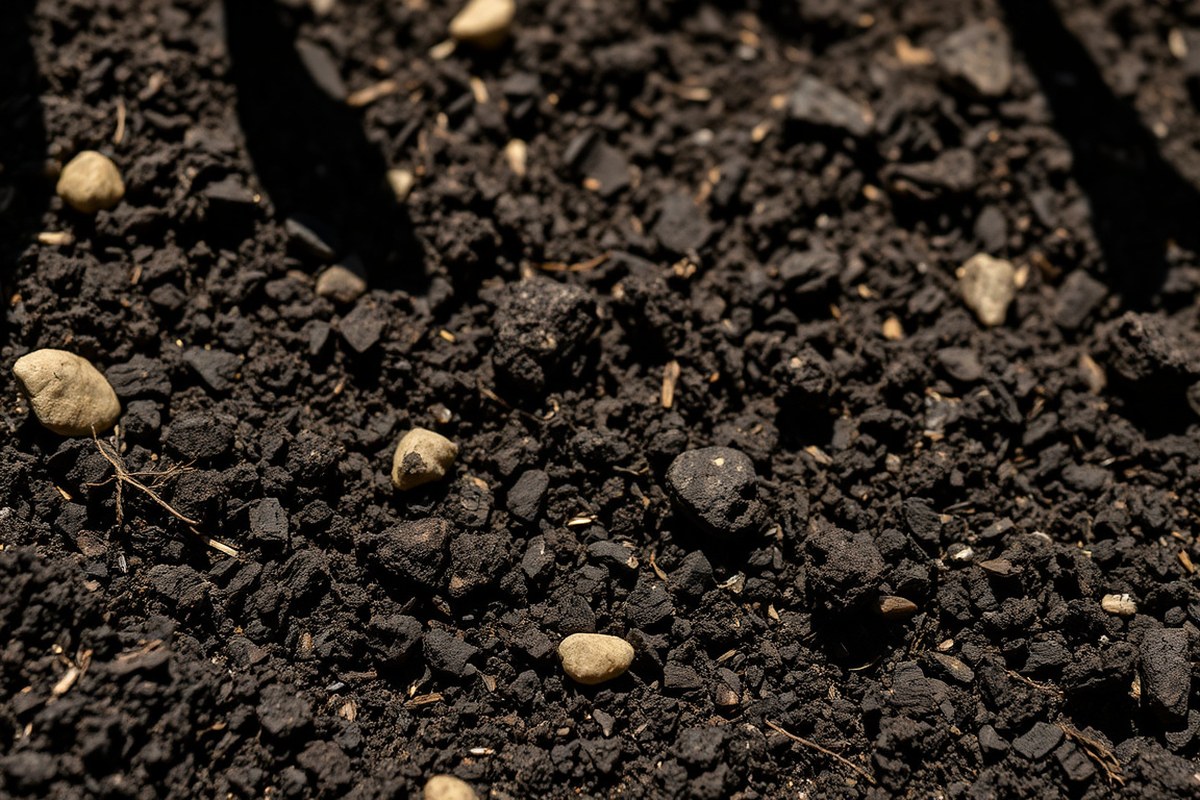
What does soil mean? Soil is the loose material covering the earth’s surface. It supports plant life by holding water and nutrients plants need.
Soil is more than dirt. It is a living, dynamic layer full of minerals, organic matter, air, and water.
Soil forms slowly over hundreds or even thousands of years from rocks breaking down. It contains tiny particles and nutrients that plants absorb. Healthy soil is important for growing food, cleaning water, and supporting ecosystems.
Start by feeling your local soil texture, it can be sandy, clay, or loamy. Watch out for soil that feels watery or hard. These conditions may harm plant growth.
The soil might need care to help plants thrive. Soil is the foundation of life. Caring for it keeps your garden and environment strong.
Key Takeaways
- Soil is a mixture of minerals, organic matter, air, and water supporting plants.
- Soil forms very slowly, taking 100 to 1,000 years to develop from rock.
- About 50% of soil is mineral, and less than 5% is organic matter.
- Only half of soil water is available to plants for growth.
- Healthy soil improves food growth and maintains ecosystems.
- Soil texture affects water drainage and nutrient holding capacity.
What Does Soil Mean? Defining Soil Clearly

Soil means much more than just dirt or ground. It is a natural body made up of minerals, organic matter, water, and air. The Soil Science Society of America defines soil as a mix.
This mix supports plants and other living things. It plays a key role in nature.
About 45% of soil is minerals, mainly tiny bits of weathered rock like sand. Organic matter, such as decayed plants and animals, makes up less than 5%. The empty spaces in soil hold air and water.
Air takes up about 20% to 30% of the space. Water fills roughly the same amount.
This mix of components makes soil a living system. It provides nutrients and water to plants and serves as their support. Soil is very important for growing food.
Nearly 95% of global food needs soil to grow. That shows how much we depend on soil.
Soil is complex because its mineral size and organic content vary by location. These differences affect how soil holds water and supports roots. Soil can be damaged by pollution and poor land use.
This damage lowers soil’s ability to grow food. It also hurts the support it gives ecosystems.
Understanding soil means recognizing it as a rich, dynamic resource. It’s alive with tiny organisms and constantly changing. You should think of soil as a resource needing care.
It’s not just dirty earth to walk or dig through. Caring for soil helps keep it healthy.
How Is Soil Formed and How Long Does It Take?

Soil forms naturally by breaking down parent material near the surface. This material is usually bedrock or loose deposits. Weathering causes the breakdown over time.
Rocks slowly crumble due to temperature changes and water. Wind and living things like roots and microbes also break rocks down. These processes release minerals and build tiny particles that mix with organic matter, starting soil formation.
Turning parent material into soil takes a long time. It often requires between 100 and 1,000 years. Soil layers grow slowly.
Top horizons gain organic material. Layers below change much more slowly.
Some soil layers stay stable for millions of years. This happens especially in deep layers that lost some minerals.
Several key factors influence soil formation: climate, living organisms, relief (land shape), and time. Chemical changes happen as rainwater moves minerals through the soil. Organisms like bacteria transform organic material.
Translocation moves soil particles physically up or down. This shifts minerals and changes the soil’s structure. All these actions together create the soil we see and use.
Keep in mind, soil forms very slowly. So protecting existing soil from erosion is important to preserving it for the future.
What Are the Different Soil Horizons and Soil Profile Layers?
Soil horizons are layers in soil that differ in appearance and composition. Each horizon forms distinct features like color, texture, and nutrient content. Recognizing these layers helps you understand soil health and guide garden or environmental work.
O Horizon: Organic Surface Layer
The O horizon is the top layer made mostly of organic matter. It consists of decaying leaves, plants, and animal material. This layer is dark and full of nutrients.
Sometimes, it can be thin. Some soils may not have this layer at all.
This layer supports many living organisms like earthworms and fungi that break down organic material. It traps moisture and helps prevent erosion. Gardening or farming benefits when this horizon is intact and healthy.
A Horizon: Topsoil Rich in Organic Matter
The A horizon lies just below the O horizon. It is a mix of minerals from broken rock and organic material from above. This layer is often dark brown, indicating high organic content and fertile soil.
The A horizon contains about 45% mineral particles. It has 5% organic matter. Air and water take up the rest.
It supports most plant roots and is important for growing crops or plants. Soil testing usually focuses on this layer to check fertility.
Checklist to examine the A horizon:
- Look for dark brown or black color, showing organic richness
- Check soil texture: mix of sand, silt, and clay
- Observe moisture retention and drainage
- Notice soil structure: crumbly or compact
- Smell for healthy earth or rotten odors indicating imbalance
Checking these signs can help you improve soil by adding organic matter or adjusting water use.
B Horizon: Subsoil with Accumulated Minerals
Below the topsoil, the B horizon collects minerals like iron and clay leached from upper horizons. This subsoil is often denser and lighter in color than A horizon. It stores nutrients but has less organic matter.
The B horizon is key for holding nutrients that plants absorb over time. Its mineral content influences soil color and fertility. Digging here can reveal harder layers that may affect root growth and water movement.
C Horizon: Weathered Parent Material
The C horizon consists of weathered rock fragments and unconsolidated materials. It lies beneath the B horizon and shows less soil development. This layer slowly breaks down to provide minerals to upper horizons.
It often contains coarse rocks and has little organic matter. The C horizon is important because it forms the base for soil formation. Its composition varies, affecting soil texture and drainage above.
R Horizon: Bedrock Underneath
The R horizon is solid bedrock beneath all soil layers. It does not contain soil but influences soil type by breaking down over time. Bedrock depth can vary widely from a few centimeters to several meters.
This layer limits how deep roots can grow and affects underground water movement. Knowing where the bedrock is helps plan construction and deep planting. It’s usually identified through digging or soil profile pits.
What Is Soil Made of? Components and Their Roles
Soil is mostly made of minerals with a smaller amount of organic matter. Minerals usually make up around 45% of the soil volume. Organic matter, like decayed leaves and roots, typically ranges from 1% to 5% in most soils.
Air and water fill the spaces between soil particles. Each usually takes up about 25% of the volume.
The mineral part includes weathered rock fragments and tiny particles like sand, silt, and clay. These minerals give soil its texture and structure. Organic matter helps soil hold nutrients and water.
It feeds soil microbes. This also helps plants grow better.
| Soil Component | Typical Volume (%) | Role |
|---|---|---|
| Minerals | 45% | Provide structure and supply nutrients |
| Organic Matter | 1, 5% | Improves water retention and feeds microbes |
| Water | 25% | Supplies moisture for plants and organisms |
| Air | 25% | Provides oxygen for roots and soil life |
A good balance of these parts matters for healthy soil. Minerals hold the soil in place but need organic matter to keep nutrients and moisture available.
Water moves through and fills pores but too much or too little harms plants. Air in soil allows roots and microbes to breathe.
In some soils, like peat, organic matter can take up most of the volume. These soils hold a lot of water but need careful management to support plants.
Earthworms and roots mix organic materials deeper into soil, improving its quality over time. Checking these components can help gardeners know how to improve their soil’s health.
What Types of Soil Exist and How Do They Differ?
Soil types differ mainly by texture, drainage, and nutrient content, affecting what plants can grow well. You identify them by feeling how soil behaves when moist and by looking at particle sizes. Gardeners and farmers favor loamy soil because it balances nutrients, water retention, and airflow well.
Sandy Soil: Texture and Drainage Properties
Sandy soil has large particles that do not stick together. It drains water quickly, so it dries out fast but doesn’t hold nutrients well.
Plants needing good drainage like cacti or some vegetables do better here. But you may need to add organic matter to improve fertility.
When moist, sandy soil forms no ball and single sand grains stick to fingers easily. Its loose texture lets air reach roots easily.
It can cause water stress if not watered right. Proper watering is key to avoid drying out plants.
Clay Soil: Characteristics and Challenges
Clay soil has very fine particles that pack tightly. It holds water well but drains slowly, which can suffocate roots and cause waterlogging. Young plants and those that need less water may struggle.
Moist clay soil is sticky and forms a strong ball or ribbon when squeezed. It holds nutrients well but can get hard and cracked.
When dry, you need to water carefully. Mixing in sand or organic matter helps keep it usable.
Loamy Soil: Ideal Balance for Agriculture
Loamy soil combines sand, silt, and clay with extra organic material. This soil mix holds water and nutrients but drains well. It’s very fertile for most crops and garden plants.
Many gardeners prefer this type of soil. It is easy to work with and promotes healthy root growth.
Loamy soil feels moist and sandy to the touch. It makes a ribbon about one inch long.
The soil is coherent but not sticky. Its rich organic content supports many plants, reducing the need for chemical fertilizers.
Peaty Soil: Organic Rich and Acidic Tendencies
Peaty soil has high organic matter and is usually dark and spongy. It is acidic and holds moisture well, which suits acid-loving plants like rhododendrons or azaleas. However, many common crops do poorly in peaty soils without pH adjustment.
It tends to stay wet and cold, slowing plant growth in cool climates. Adding lime can help balance its acidity. But improving drainage might be necessary in very wet areas.
Chalky Soil: Alkaline Conditions and Plant Effects
Chalky soil contains calcium carbonate and is alkaline in pH. It often feels coarse and stony. Many plants dislike alkaline soils because nutrients like iron become less available.
Adding sulfur or organic matter can reduce alkalinity over time. Plants like lilacs and clematis tolerate these conditions better. But most vegetables need soil amendments to thrive.
Different soils suit different plants. So pick soil types or amendments based on what you want to grow.
| Texture Grade | Behavior of Moist Bolus | Feel and Use |
|---|---|---|
| Sand | No coherence. Single grains stick to fingers. | Drains fast, poor nutrients, good for drought-tolerant plants. |
| Loamy Sand | Just coherent, very sandy touch. Ribbon length 1 inch. | Good drainage with some moisture retention, better fertility. |
| Clayey Sand | Sticky when wet, slight coherence. | Holds more water, can be sticky, needs organic matter. |
| Fine Sandy Loam | Coherent, sand audible when handled. | Balanced moisture and air, great for garden soil. |
| Light Sandy Clay Loam | Strongly coherent. | Holds water well but can be heavy, good for crops. |
Test soil texture by moistening a small handful and trying to form a ball. It helps you guess soil type fast.
Why Is Soil Important for Plants and Ecosystems?
Soil holds water and nutrients that plants need to grow. Roots spread through soil to reach these water and mineral supplies. Soil structure controls how easily water and air can move through it.
Roots get the air they need. They also absorb water and nutrients this way. For example, soil with stable aggregates sized between 0.5 and 2 millimeters helps water flow well while keeping nutrients available.
Besides supporting plants, soil plays a big role in ecosystems by cycling nutrients. Microbes and small animals in soil break down dead plants and animals.
This process makes nutrients that plants can use. This nutrient cycling keeps the ecosystem balanced and helps plants stay healthy over time.
Soil also filters water, trapping pollutants before they reach groundwater or rivers. It stores water for plants, especially during dry periods, helping them survive. Soil plays a role in Earth’s carbon cycle.
Microbes break down organic material there. This can release or store carbon, which changes the climate.
Many animals live in soil, from tiny bacteria to animals like mice and groundhogs. These creatures help mix and aerate the soil, aiding plant growth.
Soil gives us raw materials like clay and sand for building. These materials are key for making structures.
What Threatens Soil and How Can It Be Protected?
Soil faces many problems from human actions and nature. Overuse, deforestation, and poor farming strip away nutrients and leave soil bare. This causes erosion, reducing soil’s ability to hold water and support plants.
Pollution adds harmful chemicals like pesticides and heavy metals to soil, killing beneficial organisms. Unsustainable land use damages soil structure. Building on fertile land harms its quality.
Excessive tilling also lowers soil fertility. This leads to lower crop yields and weaker ecosystems over time.
Protecting soil means stopping these harmful practices and restoring healthy conditions. You can build soil health by minimizing disturbance and adding organic material. Cover crops and crop rotation help keep nutrients balanced and soil covered from wind or rain.
- Avoid tilling soil unless necessary; no-till farming preserves soil structure.
- Plant cover crops in off-seasons to protect and feed soil.
- Add compost or mulch to keep soil moist and boost nutrients.
- Use terraces or contour plowing on slopes to slow erosion.
- Test soil regularly to guide proper fertilizer use and avoid excess.
- Limit use of chemical pesticides and herbicides; switch to safer alternatives.
- Protect natural areas and nearby wetlands to support healthy soil ecosystems.
Good soil conservation takes time and care. It may mean changing how you garden or farm.
But the benefits pay off with stronger plants and less water runoff. Avoiding damage costs less than fixing soil once it’s gone.
Healthy soil supports crops, filters water, stores carbon, and sustains life. Protecting it ensures future food security and a stable environment. Africa’s Sahel shows what happens without soil care.
Farmland can be lost, causing famine risks. It also leads to environmental damage.
How Can I Identify and Test Soil at Home?
You can quickly identify soil type and quality with simple, hands-on tests at home. These tests help you understand soil texture, moisture, pH, and nutrients. No advanced tools are needed, just your hands and some basic kits.
Performing a Soil Texture Test by Feel
Crushing a small handful of soil reveals its texture and drainage traits. This tells you if the soil is sandy, silty, clayey, or loam, ideal for most gardens. Follow these steps to test your soil texture:
- Collect about 10 to 20 grams of soil from your garden surface.
- Remove any stones, roots, or debris from the sample.
- Moisten the soil slightly, just enough to form a ball but not too wet.
- Roll the soil ball between your fingers to feel its grittiness or smoothness.
- Try to form a ribbon by pressing the soil between your thumb and forefinger.
- Note how long the ribbon lasts before breaking, long ribbons suggest clay.
- Classify the soil: gritty means sand, silky means silt, sticky means clay.
Too much water will change feel and give false results. Keep soil lightly moist.
Examining Soil Color and Moisture Indicators
Soil color can show organic content and moisture level. Dark soils often have more organic matter, supporting healthy plants.
Dry soil looks pale or dusty and might lack nutrients or water. Moist soil feels cool and holds shape better.
Look closely to judge if soil stays moist after a few days of no rain. Consistently dry soil may mean poor water retention.
Using Simple Kits for pH and Nutrient Testing
You can buy cheap kits to check soil pH and nutrients. They test for nitrogen, phosphorus, and potassium levels.
These are key for plant growth. These kits cost around $10 to $30.
Testing pH is important as it affects nutrient availability to plants. Most garden plants prefer pH between 6 and 7.5.
Follow kit instructions closely for best results. Usually, you mix soil with water first. Then, dip strips or add drops and compare color changes.
Store test kits properly, or reagents may expire and give wrong readings.
Step-by-Step Action Plan to Understand and Care for Your Soil
Follow these steps to explore your soil and protect it in your garden or yard. You’ll learn how soil supports life right where you live.
- Day 1: Dig a small hole about 1 foot deep to look at soil layers. See colors and textures change with depth.
- Day 2: Collect some soil samples from different spots. This helps you spot soil differences in your area.
- Week 1: Test soil using a simple kit or homemade methods. Check pH, texture, and moisture to know soil health.
- Week 2: Start adding organic matter like compost to one test spot. Healthy soil feels crumbly and smells earthy.
- Week 3: Plant a small garden or pot plants in your tested soil areas. Watch plant growth as a soil health sign.
- Month 1: Observe changes in soil and plants. Better soil holds moisture and feeds plants well.
- Ongoing: Avoid compacting soil by walking heavily. Use mulch to protect soil surface from erosion.
- Ongoing: Check soil regularly for pests and signs of erosion. Adjust care to protect the soil from damage.
Frequently Asked Questions
What Role Does Soil Play in Controlling Climate?
Soil stores vast amounts of carbon. It helps reduce greenhouse gases in the air. This makes it important in slowing climate change.
Can Soil Pollution Affect Fish Safety?
Yes, pollution of soil and sea can make food unsafe. Contaminants pass from soil to water and then to fish. This harms both ecosystems and food producers.
How Much of Soil Is Made Up of Water?
Soil contains 20-30% water. Only about half of this water is usable by plants. The rest is held tightly or drains away.
Why Does High Sodium Harm Soil Structure?
High sodium levels (>6% exchangeable sodium) cause clay to break up. This makes soil particles separate and move in wet soil. It harms soil texture and plant growth.
What Is a Petrocalcic Soil Layer?
It is a hard layer formed by lots of calcium carbonate. This layer acts like rock inside the soil. It can limit root growth and water movement.
Why Do We Set Soil Depth at 200 Cm?
Soil classification often ends at 200 cm deep. This depth marks the lower boundary for rooted plant growth. Beyond this, material is considered subsoil or bedrock.
Wrapping Up
Soil is a living, changing mix that supports plants and life around you. Start observing your soil with simple tests and care steps today. Small actions help soil stay healthy for years to come.