How Is Soil Made: A Complete Guide to Formation and Key Factors
How is soil made? Soil forms through the breakdown of rocks and the buildup of organic material.
This process involves weathering, living organisms, water, and air mixing with minerals from rocks. Over time, these elements create layers that make soil suitable for plants and other life.
The first step is weathering, where rocks break down into smaller pieces. Then, plants, fungi, and microbes add organic matter while creating air pockets and helping water move. This living activity shapes healthy soil by cycling nutrients and supporting growth.
You should watch how soil forms slowly, about 1 inch every 100 to 1,000 years. Protecting soil means avoiding erosion and keeping it covered with plants or mulch. Healthy soil filters water, stores carbon, and supports most of our food supply.
Key Takeaways
- Soil forms from weathered rock combined with decayed plants and animals.
- Minerals make up about 45% of soil volume, providing structure.
- Water and air fill soil pores equally, each about 25% of volume.
- Microbes and fungi in soil recycle nutrients critical for plants.
- Soil forms very slowly; 1 cm takes 100 to 300 years to develop.
- Protect soil by minimizing disturbance and preventing erosion.
How Is Soil Made? Basic Components and Process

Soil forms through a slow process that starts with rock breaking down. The main ingredients of soil are minerals, water, air, and organic matter.
These mix over hundreds to thousands of years to create fertile earth. Typically, it takes 200 to 1000 years to form one centimeter of soil.
The process begins when rock fragments into tiny mineral particles. Water, air, and temperature changes cause the rock to crack and crumble. This is the first step.
Then minerals react with water in a process called hydrolysis. Hydrolysis changes minerals into clay minerals. Clay minerals help build good soil structure.
As minerals break down, living organisms like fungi, bacteria, and insects get involved. They mix organic matter, dead plants and animals, into the soil. This organic material makes up about 5% of soil but greatly boosts its fertility.
Soil also develops layers over time. The topsoil contains most organic matter and air, which plants need for growth.
Below that, subsoil holds more minerals but less organic matter. These layers form through continuous interaction of climate, rock type, organisms, landscape, and time.
To see soil form naturally, you’d watch these steps happen very slowly. Rock breaks down, minerals mix with water and air, organisms add organic material, and layers develop. This process is complex and creates soil’s special features.
It helps soil stay healthy for plants and animals. Soil properties come from these ongoing reactions.
Breaking Down the Rock: Weathering Processes Explained

Soil starts as parent material, which is the original rock or mineral base. It can be volcanic ash, weathered rock, or sediments left by air and water. This parent material has to break down before it can become soil.
Weathering is the process that breaks down the parent material. It happens in stages using physical and chemical forces. Temperature changes, water, wind, and gravity slowly crack and wear down rocks into smaller pieces.
Physical weathering breaks rock by freezing and thawing. It also happens from rubbing actions like wind. Flowing water can cause physical weathering by rubbing against rock.
These forces cause rock to split and crumble. Over time, solid rock fractures into gravel, sand, and smaller mineral particles.
Chemical weathering changes the minerals inside the rock. Water reacts with carbon dioxide from air to dissolve minerals slowly.
This process releases nutrients that plants will use later. Chemical weathering works best where there is moisture and temperature changes.
Both types of weathering often happen together, speeding the breakdown process. The size of the particles formed by weathering affects soil texture and water-holding ability. For example, more clay means finer soil with higher water retention.
The minerals from parent material control what nutrients the soil has. So, soils formed from volcanic ash often hold more nutrients than those from sandstone. This mineral content guides how well plants grow in that area.
Breaking down parent material takes time, sometimes decades or more. It’s the important first step to create the mineral particles you see in soil. Without weathering, soil wouldn’t have the base materials needed to support life.
Always consider local climate effects. Extreme cold or wet conditions speed weathering and soil formation differently.
The Role of Living Organisms in Soil Formation
Living organisms play key roles in forming soil by breaking down organic matter and cycling nutrients. Plants, microbes, fungi, and animals each add or change soil components in different ways. Their activity helps transform dead material into rich nutrients that other plants need.
Microorganisms Breaking Down Organic Matter
Microorganisms like bacteria and fungi decompose dead plants and animals. They turn tough organic material into simpler compounds that soil can use.
This process releases nutrients such as nitrogen, phosphorus, and potassium. Without microbes, these nutrients would stay locked in dead matter.
The speed of decomposition depends on soil moisture, temperature, and the types of microbes present. Warm, moist soils usually break down organic material faster.
Plants’ Role in Adding Organic Inputs
Plants add organic matter to soil with fallen leaves and roots. Dead stems also contribute to the soil’s organic content.
These parts help keep soil healthy. This material feeds microorganisms and builds humus, the dark, nutrient-rich part of soil.
Plant roots also absorb nutrients dissolved in soil water. They release sugars into the soil that feed microbes nearby.
Adding mulch from plants or cover crops improves soil nutrients fast. This also helps the tiny creatures that live in soil.
It works best in poor soils. This takes weeks to months depending on conditions.
Soil Animals Improving Structure and Nutrient Cycling
Soil animals like earthworms and insects move soil layers around. They make spaces that let air and water move through.
This helps plants grow better. This improves soil structure.
Earthworms eat organic debris and leave nutrient-rich casts behind. These casts are easier for plants to absorb than raw organic matter.
Animals also spread microbes through soil, increasing decomposition rates. Their movement helps balance soil ecosystems.
- Earthworms create tunnels that improve drainage and root growth.
- Insects like beetles break leaf litter into smaller pieces.
- Burrowing animals aerate soil, which supports microbial life.
- Animal droppings return nutrients in a plant-available form.
- Soil animals help mix organic and mineral layers.
Without these animals, soil can become compacted or lack nutrients, slowing plant growth.
Fungi and Their Symbiotic Soil Relationships
Fungi break down tough plant parts like cellulose and lignin that other microbes cannot. This helps release nutrients locked in woody debris.
Many fungi form partnerships with plant roots, called mycorrhizae. They extend root reach, improving nutrient and water uptake.
This symbiotic relationship boosts plant growth, especially in poor soils. Fungi also protect roots from some diseases.
How Climate and Topography Affect Soil Formation
Climate shapes how fast soil forms and what type appears. Warm, wet climates speed up weathering and organic decay, creating thick, rich soils. Cooler or dry climates slow soil development and often produce thinner, less fertile layers.
Rainfall amount affects soil moisture, which controls plant growth and chemical reactions. Heavy rain can wash nutrients away, leaving sandy or leached soils. Low rainfall may cause salty buildup or very dry soil that limits life.
Topography also influences soil in many ways. Steep slopes cause water runoff that stops soil from building up. Flat or gently sloping land holds water and sediment, helping soil grow deeper over time.
Elevation changes temperature and moisture levels, which affects soil types. Higher elevations tend to have thinner soils due to cooler temperatures and shorter growing seasons. Valleys often collect richer, thicker soil from surrounding slopes.
Soil types change depending on the mix of climate and land shape. For example:
| Climate | Topography | Resulting Soil |
|---|---|---|
| Humid, warm | Flat land | Thick, nutrient-rich soil with good water retention |
| Humid, warm | Steep slope | Thin soils with low organic matter due to runoff |
| Dry, hot | Flat land | Saline, sandy soils with poor water retention |
| Dry, hot | Valley bottom | Slightly richer soil with more moisture holding capacity |
To predict how soil forms in your area, check climate data like average temperature and rainfall. Then, note the land’s slope and elevation. Use these steps:
1. Measure or find the average yearly rainfall in inches or millimeters.
2. Note mean annual temperature in degrees Fahrenheit or Celsius.
3. Assess land slope: flat (0-5%), gentle (5-15%), steep (>15%).
4. Identify elevation relative to nearby terrain.
These factors tell you the soil’s likely thickness, fertility, and moisture. Thick soils with lots of organic material form in warm places. They need moderate to high rainfall and flat ground to develop well.
These conditions help soil build up rich organic matter. Thin or poor soils often develop on steep or dry sites.
Changes in climate, like droughts or heavy rain events, alter soil water levels. This can reduce soil fertility or cause erosion, changing how soil looks and behaves over years. Protecting soil means understanding both climate and topography because they control soil’s quality and lifespan.
Understanding Soil Horizons: Layers in the Soil Profile
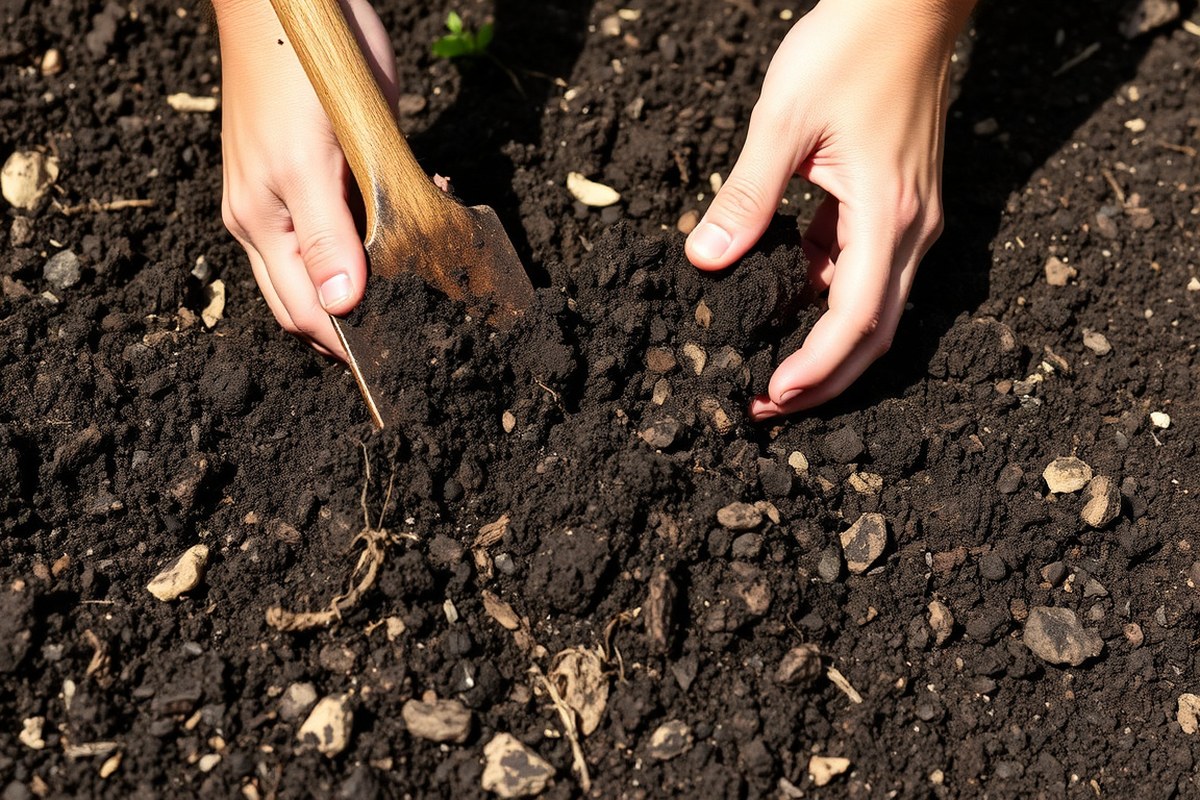
Soil horizons are the distinct layers you see when you dig into the ground. They form over many years as organic matter, minerals, and rock break down and mix. These layers show how soil forms over time.
They help you learn about soil’s fertility. You also see how well soil drains water.
Topsoil: The Fertile Upper Layer
The topsoil layer, also called the A horizon, is usually dark and rich in organic matter. It contains decomposed leaves, plant roots, and many nutrients that plants need. This layer is where most biological activity happens, including worms and microorganisms breaking down materials.
Topsoil stores water and nutrients plants need to grow. It takes about 1,000 years to make 1 cm of it. Protect topsoil by avoiding heavy machines on it.
Subsoil: Minerals and Reduced Organic Content
Below the topsoil lies the subsoil, or B horizon. This layer has fewer organic materials but contains minerals leached down from above. This layer is thicker and holds fewer nutrients than topsoil.
It stores water and nutrients for roots deep in the soil. It is denser than the layer above.
Subsoil varies based on landscape and climate. In some areas, it contains clay or iron compounds that affect its color and texture. This soil layer has fewer living things than topsoil does.
It helps topsoil by holding important minerals and water. These support plant growth over the long term.
Parent Material and Bedrock Layers
Underneath the soil horizons, you find the parent material in the C horizon. This layer consists of weathered rock fragments and sediments that slowly break down to form soil. It shows the soil’s origin and affects its properties, such as texture and mineral content.
The bedrock layer, known as the R horizon, lies beneath the parent material. It isn’t soil but solid rock that provides the foundation for the soil above. Over thousands of years, weathering of bedrock supplies minerals and shapes the developing soil layers above.
| Soil Horizon | Composition | Role |
|---|---|---|
| O (Organic) | Decaying plant material | Feeds organisms and adds nutrients |
| A (Topsoil) | Minerals, organic matter, roots | Supports plants, holds nutrients and moisture |
| E (Eluvial) | Leached minerals, light color | Loss of clay and organic matter |
| B (Subsoil) | Accumulated minerals, less organic matter | Stores nutrients and water |
| C (Parent material) | Weathered rock fragments | Source of soil minerals |
| R (Bedrock) | Solid rock | Provides soil foundation |
Don’t mix soil layers when digging a garden hole. Keep horizons intact to preserve soil health and structure.
Types of Soil and Their Parent Materials Compared
Soil forms from parent materials like rock or sediment that break down over time. Different parent materials create distinct soil types with unique textures and traits. The main minerals in soil are sand, silt, and clay.
Each one affects how soil holds water and nutrients. These particles shape the soil’s texture.
Sand particles are the largest, allowing good drainage but less nutrient retention. Silt is finer and holds more water.
Clay particles are tiny and keep water tightly, sometimes causing poor drainage. Knowing the mix of these particles helps identify soil type and best use.
| Soil Type | Parent Material | Texture (Sand/Silt/Clay %) | Key Traits |
|---|---|---|---|
| Loam | Weathered rock, mixed sediments | 40% sand, 40% silt, 20% clay | Balanced drainage and nutrient holding, ideal for growing |
| Sandy Soil | Weathered sandstone, loose sediments | >70% sand | Fast drainage, low water and nutrient retention |
| Clay Soil | Shale, clay-rich rock | >40% clay | Slow drainage, holds water and nutrients tightly |
| Silty Soil | Fine sediments, river deposits | >50% silt | Smooth texture, good water retention, prone to compaction |
| Peaty Soil | Organic matter over wet areas | High organic content, variable sand/clay | Acidic, retains moisture, low mineral nutrients |
| Chalky Soil | Calcium-rich limestone | Variable sand/silt/clay | Alkaline, can cause nutrient lock-up |
Loam soil ranks as the best for farming, mixing 40% sand, 40% silt, and 20% clay. It keeps enough water without drowning roots and drains well to keep air flowing. Some soils drain water very fast, like sandy soil.
Others, like clay soil, hold too much water. That can change how plants grow.
The parent rock shapes the minerals found in soil. For example, feldspars from igneous rocks add calcium, sodium, or potassium, essential nutrients for plant growth. Big pieces of rock or gravel come from broken bedrock.
They add structure and support to the soil. These bits help the soil stay loose.
Texture impacts how hard it is to work the soil and how well plants grow. Soils from more permeable materials drain faster and form quicker. Clay soils develop slower because they hold onto water.
They also stay tightly packed, which slows growth. This makes clay soil less quick to form.
How Long Does It Take for Soil to Form Naturally?
Soil forms very slowly, often taking hundreds of years to develop. Under natural conditions, it can take 100 to 500 years to create just one inch (2.5 centimeters) of topsoil. In some favorable environments, forming one centimeter may take between 200 and 1,000 years.
Several factors affect this slow pace. Climate has a big effect on soil formation. More rain speeds up rock weathering.
Moderate temperatures help organic matter break down faster. Dry or cold places slow soil formation.
These places have less water. Few living things work there.
The type of rock matter and how much plant and animal life is present also matter. Softer rock breaks down faster, helping soil form quicker. Living organisms add organic material, making soil richer and deeper over time.
Water, wind, and gravity also carry and add materials to the soil, slowly building it up. Soil layers are called soil horizons. Each horizon takes time to form.
Particles separate and organic matter builds up. This slow layering means soil is easy to damage and very hard to replace once lost.
For gardeners and environmental enthusiasts, this means protecting existing soil is important. Avoid disturbing soil too much or letting erosion wash it away. Taking care of your soil is best.
Natural soil forms very slowly. Don’t wait for new soil to appear.
Human Impact and How to Protect Soil Health
Human actions can change soil formation and health. They remove topsoil, add pollutants, or disturb soil structure. These changes affect how soil works and grows plants.
Protecting soil means using smart steps like crop rotation, adding organic matter, and avoiding compaction. Healthy soil looks crumbly and smells earthy.
You might find worms or roots in it. These signs show soil supports living things.
Common Causes of Soil Degradation
Farming without rest breaks or cover crops wears down soil and removes nutrients. Heavy machines crush soil, reducing air and water flow for roots. Construction and deforestation remove soil and cause erosion, washing soil away before it can rebuild.
Pollution from chemicals can kill soil microbes, harming the natural cycle that breaks down organic matter. Overgrazing by animals strips plants and exposes soil to wind and water erosion. The loss of soil organisms means less aggregation, which leads to harder, compacted soil.
Sustainable Soil Management Practices
Adding cover crops like clover protects and feeds soil between planting seasons. Composting returns nutrients and microorganisms to the soil, improving its structure and fertility. Reducing tillage keeps soil layers intact and protects soil life from disturbance.
Mixing plant leftovers and manure into soil feeds microbes. These microbes help build soil’s structure. This process helps soil stay healthy.
Using earthworms or supporting native soil organisms helps break down organic waste and loosen the soil. Rotate crops and avoid bare soil to reduce erosion and nutrient loss.
- Plant cover crops during off-season
- Add compost or well-rotted manure yearly
- Avoid driving heavy machinery on wet soil
- Use crop rotations to vary nutrient use
- Leave roots or plant residues in the soil
- Encourage earthworms by avoiding chemical pesticides
Avoid driving tractors on wet fields to prevent soil compaction that chokes roots.
Indicators of Healthy Soil to Look For
Crumby, loose soil that holds moisture yet drains well usually means good soil health. Earthworms and insects crawling around show active soil life, helping organic matter break down quickly. Healthy soil smells earthy rather than sour or musty, a sign of well-aerated soil.
Look for rich dark color, which means plenty of organic material mixed with minerals. Soil cracks and cakes when dry. It might smell bad too.
This usually means soil is compacted or has low life. Test soil by poking a finger into it.
Healthy soil feels soft and has many root channels. This shows good soil health.
Step-by-Step Action Plan to Observe Soil Formation
Begin by watching soil form in your backyard or a local natural area. This plan helps you spot key changes over weeks or months.
- Day 1: Select a small outdoor spot with bare rock or compacted soil. Mark the area to track changes clearly.
- Week 1: Note surface changes like moss, lichen, or small plants growing. These show early life helping break down rock.
- Week 2: Add some organic matter, like fallen leaves or grass clippings, near your test site. Watch how it changes the soil layer.
- Month 1: Check for signs of soil layers forming, like darker topsoil above lighter material. Soft soil means organisms are active.
- Month 2: Measure soil moisture with a simple probe or by feel after rain. Consistent moisture supports soil development.
- Month 3: Take photos from the same angle to compare growth of plants and soil depth. Look for thicker and richer soil areas.
- After 3 Months: Test the soil by digging a small hole to check texture and smell. Healthy soil feels crumbly and earthy.
Frequently Asked Questions
What Are the Main Minerals Found in Soil?
The main minerals in soil come from weathered rock. They usually include sand, silt, and clay grains that affect soil texture and drainage.
How Do Microbes Help Form Soil?
Microbes break down organic material and cycle nutrients in soil. They improve soil structure and support plant roots for better growth.
Why Does Soil Need Air and Water?
Air in soil helps roots breathe and microbes survive. Water dissolves nutrients so plants can absorb them through their roots.
How Does Soil Protect Plants?
Soil acts like a filter, cleaning water and supporting roots. It stores nutrients and water that plants need to grow strong.
What Is Soil Organic Matter Made Of?
Organic matter includes decomposed plants, animals, and microbes. It improves soil fertility and helps it hold water and nutrients.
Why Is Soil Formation Slow?
Soil forms slowly because rock breaks down gradually and organic matter builds up. It can take 100 to 1,000 years to form just one inch of topsoil.
Wrapping Up
Soil forms through many small steps over time with help from rock, climate, and living things. You can watch soil start to grow right outside your door. Try tracking soil changes in one place and see nature’s work firsthand.