How to Plant Tomatoes: Complete Guide for Best Growth and Harvest
How to plant tomatoes is the first question for many new gardeners. Start by planting seedlings in full sun after the last frost date. Bury two-thirds of the stem for stronger roots and water deeply once planted.
Choose a spot where the soil stays above 60°F and nights don’t dip below 50°F. This warmth helps the plant settle and grow better. Tomatoes need at least 6 to 8 hours of direct sunlight daily to produce well.
Make sure the soil is rich and drains well. Adding organic matter before planting improves growth. Use compost or aged manure to boost nutrients and moisture retention.
Space your tomato plants about 18 to 24 inches apart to allow good air flow. This helps prevent diseases. Also, rotate your tomato spot every few years to avoid diseases in the soil.
Key Takeaways
- Plant tomatoes outdoors 1 to 2 weeks after your last frost date.
- Choose locations with at least 6 to 8 hours of direct sunlight daily.
- Bury tomato seedlings deeply, covering two-thirds of the stem.
- Ensure soil temperature reaches at least 60°F before planting.
- Use rich, well-drained soil mixed with organic matter.
- Rotate tomato planting spots every 3 to 4 years to reduce disease.
When and Where to Plant Tomatoes Outdoors
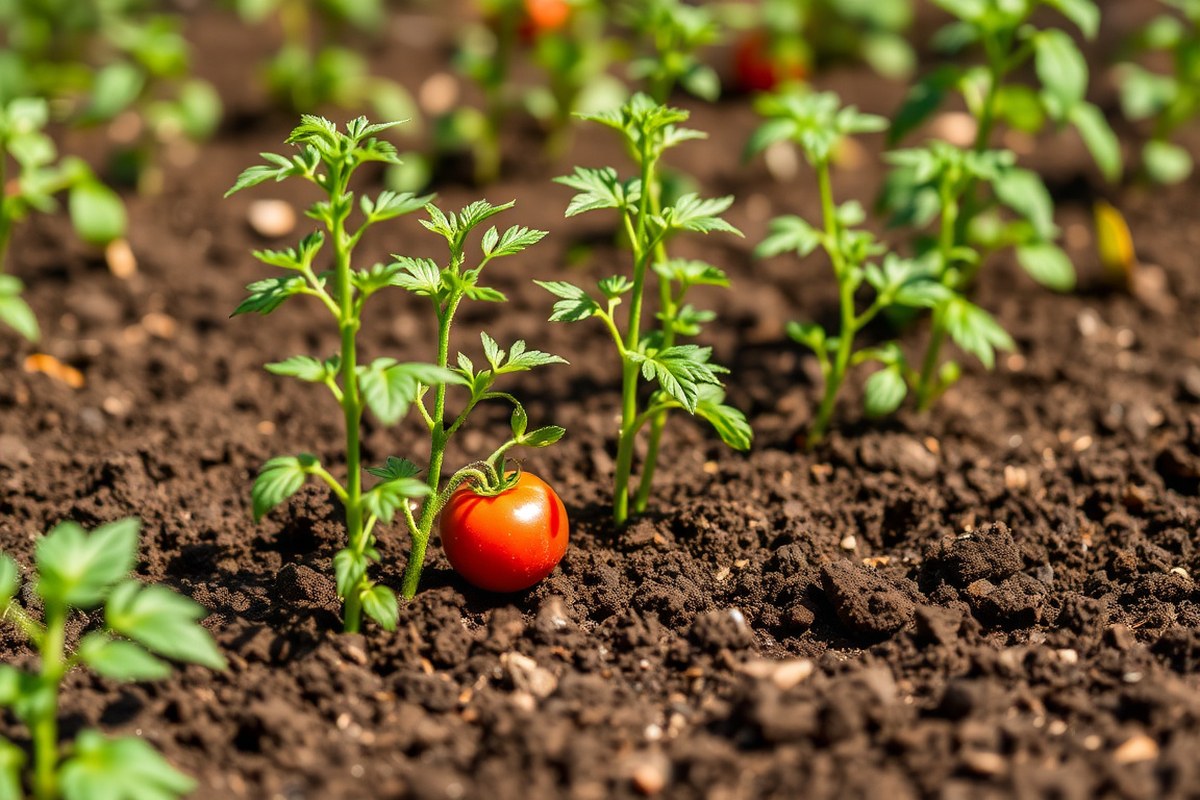
Plant tomatoes outdoors 1 to 2 weeks after your last frost date. Before planting, wait until soil temperatures reach around 60°F (15.5°C). Also, night air temperatures should stay above 50°F (10°C) to avoid frost damage.
Check soil temperature about 10 cm deep for a few mornings in a row. Use a soil thermometer or a probe to test. Plant your seedlings once the soil reaches 60°F or higher.
Tomatoes need at least 6 hours of direct sun daily. But 8 hours is better.
Choose a spot that gets full sun most of the day. Avoid shaded areas, as tomatoes won’t grow well with too little light.
Look for a sheltered location protected from strong winds. This shield helps keep the soil warm and prevents damage to the plants. Place seedlings where they won’t compete with tree roots for water and nutrients.
In warmer places like the south, plant after the last frost. Wait until the soil gets to about 16°C (61°F).
This temperature is best for planting. Cooler climates may require picking early-maturing tomato varieties to ensure fruit ripens before frost returns.
Keep track of your area’s average last frost date through local extension services or gardening apps. Plant your seedlings only when there’s no risk of frost for at least a week. Frost can kill young tomato plants quickly.
Once planted, try to keep the soil moist but not soggy. Well-drained soil in the sunny spot will help roots grow healthy and support a bountiful harvest. Using compost and organic material can boost soil fertility right before planting.
Choosing Tomato Varieties and Starting from Seed or Seedlings

Picking tomato varieties means thinking about growth habits and how long they take. Also, consider how you plan to use the tomatoes.
You can start tomatoes from seed indoors or buy seedlings to plant out. Each option fits different gardeners and situations.
Differences Between Determinate and Indeterminate Tomatoes
Determinate tomatoes grow like bushes and reach about 3 to 4 feet tall. They stop growing after fruit sets.
Most of the harvest comes in a short period. These tomatoes work well in containers or small gardens because they don’t need tall support.
Indeterminate tomatoes keep growing and producing fruit all season long. They can reach 6 feet or more and need stakes or cages.
These tomatoes are good if you want fresh fruit over a long time. They need space for bigger plants though.
Determinate types are great for canning or sauces due to their concentrated harvest. Indeterminate types offer fresh tomatoes for salads or slicing throughout the summer.
Starting Tomato Seeds Indoors Step-by-Step
Start tomato seeds indoors six to eight weeks before your area’s last frost date. Use seed-raising mix and sow seeds about ¼ inch deep. Keep the soil warm, between 75 and 90 degrees Fahrenheit, to speed up germination.
Put seeds where it’s bright or use a grow light for 14 to 16 hours each day. Keep the soil moist but not soaking. Once seedlings develop their second set of leaves, thin and transplant them into larger pots.
Harden off seedlings by slowly exposing them outside for 7 to 10 days before planting. This reduces transplant shock and helps plants adjust to the sun and wind.
How to Choose Tomato Varieties for Your Climate and Space
Pick varieties based on your garden space and how you want to eat the tomatoes. Cherry tomatoes and small determinate types fit well in containers or limited spaces. They’re easier to manage and yield plenty of bite-sized fruit.
Large indeterminate varieties need more space and support but produce fruit all season. In cooler climates with a shorter growing season, start seeds indoors early. Warmer areas allow you to buy seedlings or sow seeds later in spring.
Heirloom varieties offer unique flavors but need gentle care. Commercial hybrids often resist diseases better and produce reliably. Check your seed or seedling packet to match the variety to your climate and planting time.
Watch your last frost date so you start seeds at the right time. This helps avoid losing seedlings to cold.
Preparing Soil and Planting Tomato Seedlings Deeply
Start by mixing plenty of compost into your soil to improve texture and nutrients. Plant tomato seedlings deeply to encourage stronger roots. This helps your plants take up more water and nutrients, producing better tomatoes.
Soil Quality and Amendment Preparation
Good soil sets the foundation for tasty, healthy tomatoes. Add lots of compost or worm castings to raise organic matter. This feeds the soil microbes your plants need.
Test soil if possible. Without testing, work in a balanced fertilizer such as 10-10-10 a couple weeks before planting. This ensures tomatoes start with essential nutrients.
Avoid peat-based products; use peat-free compost to maintain soil health. Also, pick soil that drains well. Pooling water can harm roots.
How to Plant Tomatoes Using the Deep Planting Method
Deep planting means burying most of the tomato seedling stem underground. This triggers roots to grow along the buried stem, strengthening the root system.
Plant only seedlings with their first true leaves developed to handle transplanting stress. Pot these seedlings in 8cm containers filled with moist compost before moving outdoors. Follow these steps to plant seedlings deeply for strong roots:
- Dig a hole about twice as deep as the seedling’s root ball.
- Mix a handful of compost into the hole to add nutrients.
- Position the stem horizontally or at an angle in the hole.
- Cover the stem with soil, leaving just the top leaves above ground.
- Press soil gently to remove air pockets and support the plant.
- Water the plant deeply at the base to settle the soil.
- Apply mulch around the base to retain moisture and prevent weeds.
Tips to Prevent Soil-Borne Diseases When Planting
Plant tomatoes in a spot where related crops haven’t grown for the past few years. This rotation avoids diseases common to tomatoes, potatoes, and peppers.
Mulch helps keep soil from splashing onto leaves, cutting disease spread. Use straw or grass clippings as mulch to keep fruit clean.
Use well-draining soil to prevent root rot caused by waterlogged conditions. Avoid planting too close together so air circulates well around plants.
Best Spacing and Support Strategies for Healthy Tomatoes
Space tomato plants between 18 and 36 inches apart based on type. Indeterminate varieties need more space and sturdier supports. Determinate types, which stay compact, can go closer together and may not require staking.
Supports keep plants upright, reduce disease by improving airflow, and make harvesting easier. Choose your support based on tomato size and growth habit. How you install supports matters to avoid damaging roots and stems.
| Support | Best For | Notes |
|---|---|---|
| Single stake, 1.8 m | Indeterminate varieties like Grosse Lisse, Tommy Toe | Drive 30 cm into the ground beside the plant. Tie loosely every 6-8 inches with soft ties. |
| Wire cage | Bush (determinate) varieties such as Roma | Supports side branches without tying. Requires sturdy steel cages usually 3-4 feet tall. |
| String trellis | Rows of vine types | Run wire above row, hang string to each plant, tie stems loosely as they grow. |
Push stakes or cages firmly into the soil early. Make sure they go 12 to 14 inches deep. Do this before the plants get big.
Avoid roots by digging a shallow hole first and placing support carefully. Tie stems loosely every 6 to 8 inches for support.
Use soft materials like garden twine or cloth strips. This prevents damage as plants grow.
Container tomatoes need spacing around 18 inches apart or more if pots are large. Use smaller cages or stakes, installed right at planting time, to prevent damage. Prune lower leaves and keep plants vertical to improve airflow in tight spaces.
Watering Techniques and Fertilizing Schedules for Tomatoes
Tomato plants need about 2 gallons of water per week each. Start this around two weeks after transplanting and increase the amount as plants grow bigger.
Water more often on hot days. But always focus on keeping soil moist, not soaked.
Use drip irrigation or a soaker hose to water at the soil, avoiding wet leaves. Watering the foliage can cause fungal diseases like blight. Aim to water in the morning so leaves dry quickly if they get wet.
Feed tomatoes every 2 to 3 weeks starting two or three weeks after planting. It should have more phosphorus and potassium. Balanced formulas with less nitrogen help prevent too much leafy growth that steals energy from fruit.
Adjust watering and feeding based on plant size and weather. Small plants need less water and fertilizer early on.
Increase as plants grow, and reduce feeding if growth slows or plants yellow. During rainy spells, cut back watering to prevent root problems.
Avoid overhead watering, especially late in the day, to prevent mold and fungal issues.
Pruning, Training, and Maintaining Tomato Plants for Higher Yields
Start pruning tomato plants once they reach 1 to 2 feet tall. Remove suckers while they are small, under 3 inches long, to improve airflow and fruit quality. Proper pruning and training encourage healthier plants and better yields.
Pruning Techniques for Determinate Tomatoes
Determinate tomatoes grow as compact bushes and stop growing at a certain height. Only prune lightly to remove dead or crowded leaves. Avoid heavy pruning since these plants stop growing once they set fruit.
To keep determinate plants healthy, remove suckers below the first flower cluster. This helps focus the plant’s energy on ripening fruit. Prune when the plant reaches 1 to 2 feet tall.
How and When to Prune Indeterminate Tomatoes
Indeterminate tomatoes grow tall and produce fruit all season long. Start pruning after plants reach 1 to 2 feet in height. Pinch off suckers under 3 inches long as they appear between main stems and branches.
Prune these suckers regularly to improve sunlight penetration and air circulation. This practice helps fruit ripen 1 to 2 weeks earlier. Remove lower leaves once the first flower cluster sets to reduce disease risk.
Training and Topping Methods to Maximize Yield
Training tomato vines onto stakes or trellises keeps plants off the ground. Use stakes that are 6 to 8 feet tall and 0.5 by 2 inches wide. Pound stakes about 12 to 24 inches deep, at least 2 inches away from plants.
Topping means cutting off the main stem when vines grow tall. Usually, vines reach around 5 to 6 feet before topping. This helps control the plant’s size.
This stops vertical growth and focuses energy on ripening existing fruit. Topping is best done late in the growing season.
Train vines by tying them gently to stakes or trellises. Use soft ties or strips of cloth to avoid damage. This keeps vines upright and organized.
Secure vines every 8 to 12 inches as they grow. This prevents damage from wind and supports heavy fruit loads.
- Wait until tomato plants are 1 to 2 feet tall before pruning.
- Pinch off suckers while they are under 3 inches long.
- For determinate tomatoes, remove suckers below the first flower cluster only.
- For indeterminate tomatoes, prune suckers regularly throughout the season.
- Place stakes 6 to 8 feet tall beside each plant. Push them deep, about 12 to 24 inches into the soil. This anchors stakes firmly for support.
- Tie vines loosely to stakes every 8 to 12 inches as they grow.
- Top indeterminate plants at about 5 to 6 feet tall late in the season.
- Remove lower leaves once fruit trusses start to reduce disease risk.
Identifying and Preventing Common Tomato Diseases and Pests
Blossom end rot shows as a black, sunken spot on the fruit’s bottom. It happens when plants can’t absorb enough calcium due to uneven watering or very acidic soil. Water your tomatoes regularly.
Add mulch to keep soil moisture steady. This helps prevent dry soil problems.
Early blight is another common tomato disease with yellow lower leaves that develop brown spots. Removing affected leaves helps stop the spread. Mulch around your plants.
Water at the base only. Avoid wetting leaves to stop fungal growth.
Cracked fruit often follows heavy rain after a dry period. Keep your watering consistent to prevent this. Picking tomatoes early before storms also helps protect them from damage.
Heat above 95°F or cool nights below 55°F cause flowers to drop without setting fruit. You can gently shake flower clusters around midday to encourage pollination during mild weather. Rotate crops to prevent diseases like late blight.
This disease grows when tomatoes or potatoes share soil. Avoid planting these crops in the same spot every year.
Common pests include aphids, whiteflies, and tomato hornworms. Aphids and whiteflies cluster on leaves and stems. Use insecticidal soap or introduce ladybugs to control them safely.
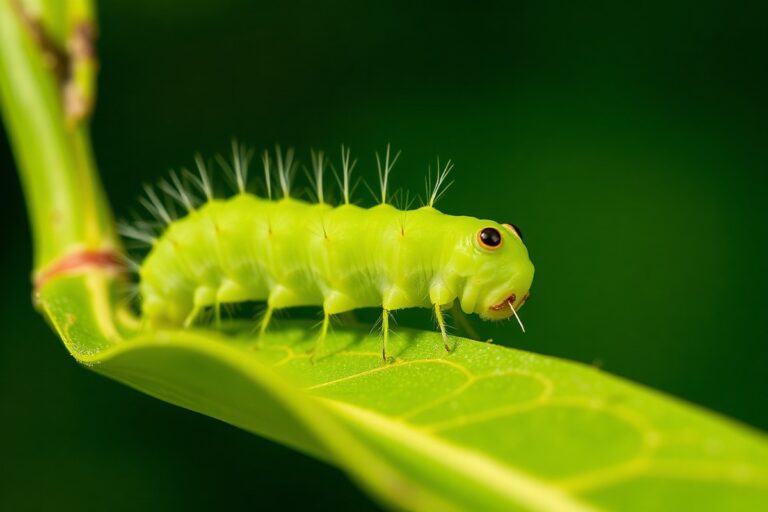
Tomato hornworms are large green caterpillars that can strip plants quickly. Handpick and remove them as soon as you spot them.
Good garden sanitation practices prevent pests and disease build-up. Remove dead leaves and fallen fruit regularly. Clean your tools and avoid working with wet plants, which spread fungi easily.
Crop rotation means moving tomatoes and related plants each year. Do not plant peppers or potatoes there again soon. This prevents soil disease build-up.
Rotating helps break disease cycles in the soil. This practice costs nothing but takes a bit of planning, saving you trouble down the line.
Consistent watering, proper spacing, and mulching keep plants healthy and less vulnerable. Avoid overcrowding to improve air circulation and reduce disease risk. Healthy plants grow better fruit, saving you money on replacements or treatments.
Harvesting, Storing, and Using Homegrown Tomatoes
Tomatoes are ripe when their color is even and bright. They can be red, orange, yellow, or pink. The color depends on the tomato variety.
Check the tomato for firmness by pressing lightly. It should feel a bit soft but not mushy. Avoid tomatoes that feel too hard or very soft.
Pick tomatoes at the “breaker stage” when half is green and half colored. They can ripen indoors without losing their flavor. This stage helps you harvest early.
To harvest tomatoes correctly, gently twist each fruit off the vine instead of pulling or cutting. Twist tomatoes off the plant to avoid damaging it. This keeps your tomato plant healthy.
Healthy plants give you more tomatoes later. Hold the tomato gently in your hand.
Turn it until it comes off easily. Don’t yank or pull hard to avoid injury.
Store ripe tomatoes at room temperature, out of direct sunlight, to keep their flavor intact. Avoid refrigerating tomatoes unless they are fully overripe. Only refrigerate to store tomatoes longer than a week.
Cold can affect their texture and taste. Cold temperatures can make tomatoes grainy and dull their taste.
Let green tomatoes ripen indoors on a counter. Keep them at about 65°F to 75°F. They usually take two to four weeks to ripen.
Pick all green tomatoes if frost or cold weather is coming. This lets them ripen safely inside. Cold weather can kill tomato plants.
Ripen tomatoes faster by placing them in a paper bag with a ripe banana. The banana releases ethylene gas, which speeds up ripening.
This works well indoors. This process helps green tomatoes ripen more quickly without spoiling their flavor.
Handle tomatoes gently during harvest to prevent bruising and slow their spoilage.
Green tomatoes past mature size can be used in cooking. Try fried green tomatoes or chutney. They taste good and add variety to your meals.
This gives you a way to use tomatoes that won’t ripen before cold weather. For the freshest taste, pick tomatoes while they are fully ripe and evenly coloured. But saving a few green ones to ripen inside can extend your harvest.
Step-by-Step Action Plan for Growing Tomatoes
This plan guides you through planting, caring, and harvesting your tomatoes. Follow each step for healthy plants and tasty fruit.
- Week 1: Choose a sunny spot with well-draining soil. Healthy tomatoes need at least six hours of sun daily.
- Week 2: Prepare the soil by mixing in compost or aged manure. Test soil moisture by squeezing a handful; it should feel damp, not muddy.
- Week 3: Plant your tomato seedlings deep, burying two-thirds of the stem. Check that new leaves appear after two weeks.
- Week 4: Space plants 24 to 36 inches apart for good airflow. Measure between plants to avoid crowding and disease.
- Weeks 5-6: Set up stakes or cages early. Supporting plants reduces stress and fruit damage near harvest time.
- Throughout Growing Season: Water deeply once or twice weekly, keeping soil moist but not soggy. Mop up dry leaves and spread mulch to keep moisture even.
- Mid to Late Season: Prune suckers below the first flower cluster. Look for stronger main stems and more fruit growth after pruning.
- Harvest Time: Pick tomatoes when their color is fully developed and skin feels slightly soft. Taste a ripe tomato to confirm sweetness.
Frequently Asked Questions
Can You Plant Tomato Seeds Directly Outdoors?
You can plant seeds directly outdoors after the last frost. Use soil that’s warmed to 60°F (15.5°C) for better germination rates.
How Deep Should Tomato Seedlings Be Planted?
Bury tomato seedlings two-thirds of the stem deep. Tomatoes can grow roots along buried stems for stronger plants.
Is Crop Rotation Necessary for Tomato Plants?
Yes, rotate tomatoes every 3 to 4 years to avoid soil diseases. This keeps the soil healthy and reduces pest problems.
Can I Plant Tomatoes in Containers?
You can plant tomatoes in 5-gallon buckets with drainage holes. Choose determinate varieties for containers since they grow about 3 feet tall.
How Many Tomato Plants Should I Grow per Square Foot?
Plant tomatoes about 12 inches apart, giving each plant space. This spacing helps air flow and reduces disease risk.
Why Does My Tomato Plant Have Too Many Stems?
Tomato plants usually have 1 to 3 main stems depending on support. More stems can cause crowding and lower yield.
The Bottom Line
Growing good tomatoes takes consistent attention and the right care. Start by planting your seedlings deep in rich soil today. Watch your plants closely and enjoy fresh tomatoes from your garden soon.