How to Plant Herbs: Essential Steps for Successful Home Gardens
Knowing how to plant herbs means starting with healthy seedlings or seeds in the right soil. You want soil that drains well and lets roots breathe without staying soggy. Most herbs need at least 6 hours of sunlight to grow big and strong.
Choose containers with drainage holes to keep roots from sitting in water. Space outdoor herbs 4 to 6 inches apart to give them room.
This helps each plant grow well and avoid crowding. Indoors, use pots at least 8 to 12 inches wide to avoid crowding.
Pinch young basil when it grows 6 to 8 inches tall. This helps the plant grow bushier and fuller. Watch herbs that wilt or turn yellow.
These signs mean they may need more sun or less water. These simple steps help herbs thrive and give you fresh flavors year-round. === TAKEAWAYS===
Key Takeaways
- Use soil that drains well and has a pH near 6.0 to 7.5. This helps herbs grow strong and healthy.
- Give herbs at least 6 hours of full sunlight every day. Or use grow lights for 12 to 16 hours daily.
- Use containers 8 to 12 inches wide with drainage holes for indoor herb gardening.
- Space outdoor herbs 4 to 6 inches apart to prevent crowding and disease.
- Pinch back tender herbs like basil when they reach 6 to 8 inches tall.
- Water woody-stemmed herbs only when the top 2 inches of soil feel dry.
How to Plant Herbs for Healthy Growth

Herbs grow best in a sunny spot with well-draining soil. They need at least 6 hours of direct sunlight each day to develop strong flavors. Choose containers that are 8 to 10 inches wide with drainage holes to prevent water buildup.
Space your herbs 4 to 8 inches apart depending on their size and growth habits. Too close causes crowding, and too far wastes space. Keeping soil moist but not wet helps roots settle without risking rot.
Follow these steps for healthy herb planting that saves effort and boosts growth.
- Choose a spot that receives no less than 6 hours of full sun daily.
- Select soil that drains well and has a pH level from 6.0 to 7.5.
- Select containers 8 to 10 inches in diameter that have drainage holes.
- Plant herbs following tag spacing instructions, usually 4 to 8 inches apart.
- Place seedlings or seeds at the recommended depth, ensuring soil is moist but not soggy.
- Water gently after planting to settle soil without flooding it.
- Watch for crowding and thin seedlings to the proper spacing once they sprout.
- Check sunlight and water daily to keep herbs happy and pest-free.
Good spacing lets air circulate and reduces fungal diseases. Containers smaller than 8 inches dry out too fast. So pick a size that holds enough soil.
Avoid garden soil in pots since it holds too much water and can harbor pests. Instead, use a commercial potting mix designed for herbs.
Placing plants in a sunny window or outdoor garden spot ensures enough light. You can use grow lights indoors but aim for 12 to 16 hours daily. With proper soil, light, and spacing, your herbs will grow bushy and flavorful.
Choosing Which Herbs to Plant First
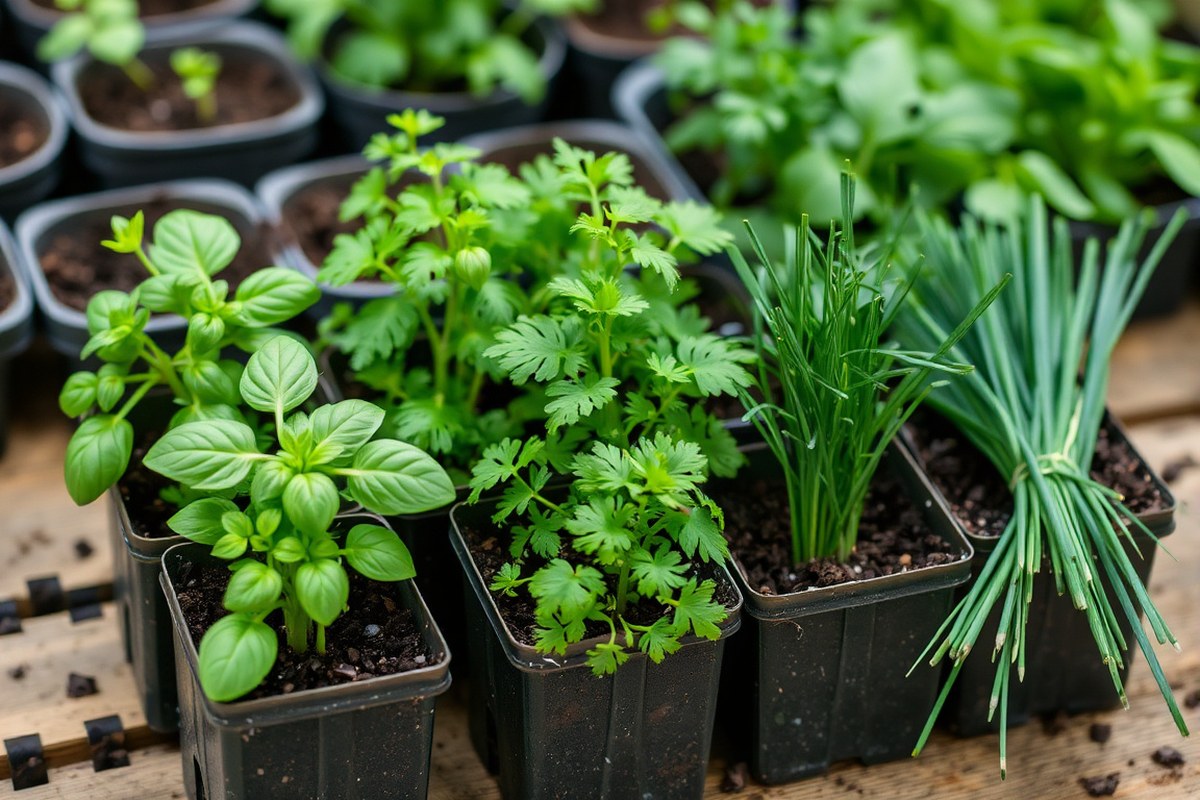
Start with easy-to-grow herbs that fit your space and cooking style. Leafy herbs like basil and parsley sprout fast.
They taste great fresh and are good choices. They thrive indoors or out with a little sun and regular watering.
Mixing annual and perennial herbs works well. Group them by water needs. Also group by growth habits.
Annuals like cilantro and dill grow quickly and flower once before dying. Perennials such as thyme and oregano come back year after year but take longer to establish.
| Herb | Life Cycle | Notes |
|---|---|---|
| Basil | Annual | Loves heat; dies at first frost |
| Cilantro | Annual | Prefers cool weather; bolts in heat |
| Dill | Annual | Tall and feathery |
| Parsley | Biennial (grown as annual) | Flowers and fades in year two |
| Chives | Perennial | Returns each spring |
| Thyme | Perennial | Low and woody |
| Oregano | Perennial | Spreads moderately |
Herbs like rosemary and lavender do best in sandy, well-draining soil with less water. You can amend potting mix with sand to improve drainage.
Mint grows fast but spreads aggressively. So plant it in its own container to avoid crowding other herbs.
Expect perennial herbs to take a full year to get large enough for steady harvests. Annuals mature and produce sooner but only last through one growing season. Start plants when they are 6 to 8 inches tall.
This helps strong growth. It also boosts flavor.
Group herbs by water needs to avoid overwatering or underwatering and keep plants healthy.
Preparing Soil and Containers for Planting Herbs
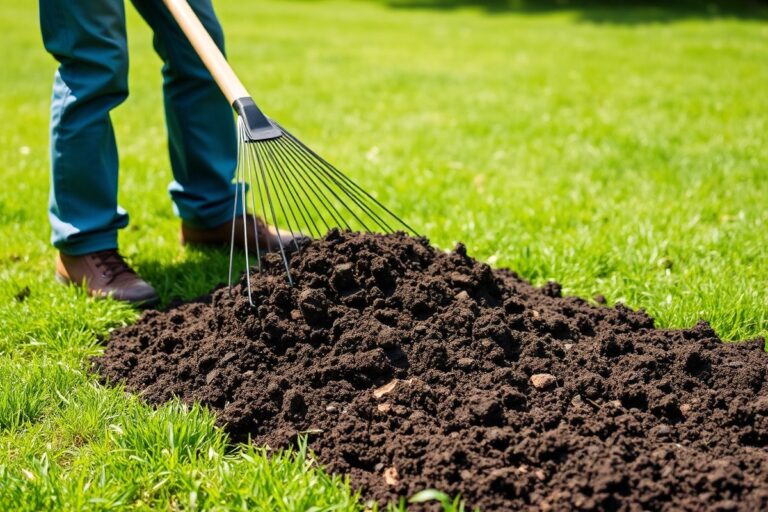
Herbs grow best in soil that drains well and has some organic matter. For in-ground gardens, mix compost or aged manure into the soil before planting. This gives nutrients and improves soil texture, helping roots spread easily.
Use a quality potting mix when growing herbs in containers. Avoid using garden soil for better results.
Potting soil holds moisture but still drains well. Add a gritty material like vermiculite if you want extra drainage, especially in heavier soils.
Drainage is critical. Every container needs holes at the bottom to let excess water out. Without this, roots can sit in water and rot.
Pots like terracotta or fabric dry faster. They suit herbs that prefer drier soil conditions.
Choose containers at least 6 to 8 inches wide for each herb. This gives roots enough space to grow without crowding. Window boxes or grow bags save space but check them often because they dry out quickly.
For outdoor raised beds, remember these need good soil too. Fill them with a mix of garden soil and compost or manure. Raised beds drain water better than soil in the ground.
They still need organic matter added. This helps keep your herbs strong and healthy.
When you add amendments like compost, work the soil to a depth of about 8 inches. This loosens hard soil and helps roots reach nutrients. Fill containers almost to the top, leaving about an inch open.
This space helps watering without spilling. It also lets roots breathe better.
Drainage issues show up as yellow leaves, wilting, or bad smells from soil. Fix by adding drainage material or repotting with fresh soil. Paying attention to these steps helps herbs grow strong and flavorful.
When and How to Plant Herb Seeds, Starts, and Cuttings
Decide if you want quick results or to grow from scratch before planting herbs. Seeds take longer but cost less and offer more variety. Starts and cuttings give you a jump start with established growth and easier care.
Planting Seeds: Timing and Technique
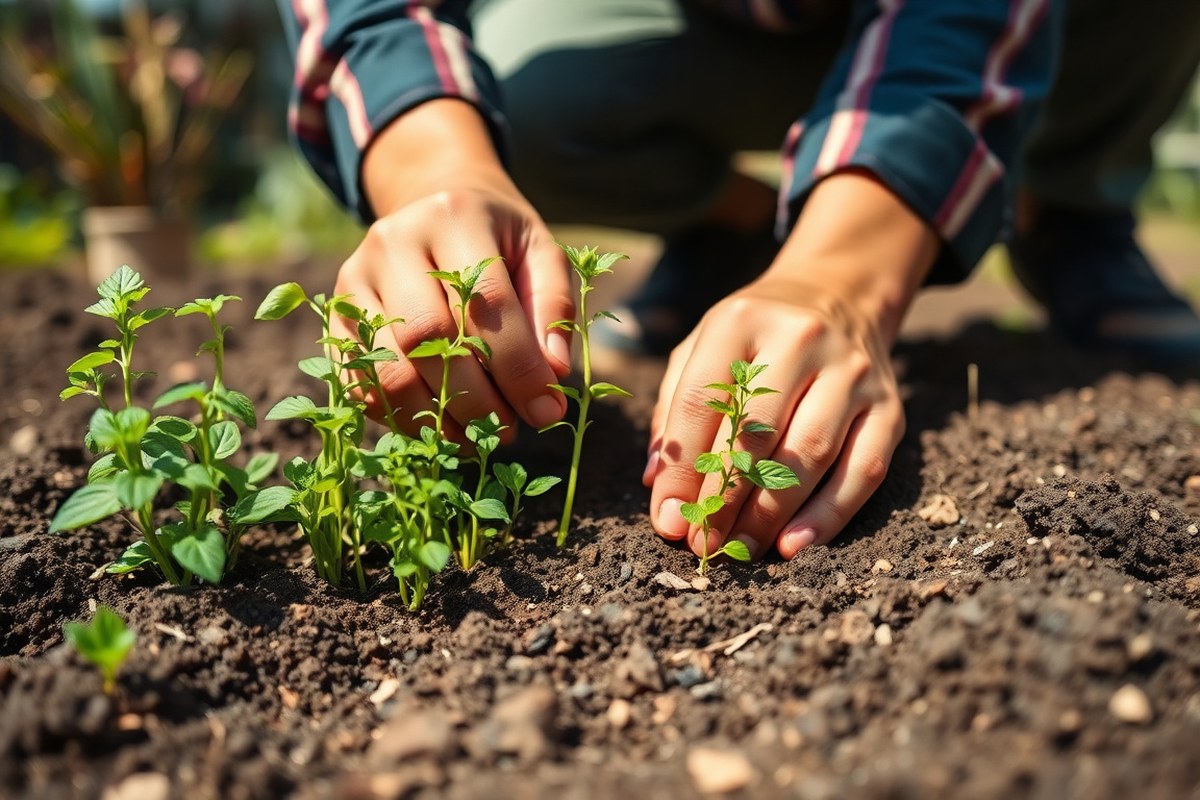
Follow the seed packet’s timing carefully for best results. Most herbs should be sown indoors 6 to 8 weeks before your last frost date. After the last frost, transplant seedlings outdoors at the same depth they grew indoors.
Space bigger herbs at least 18 to 24 inches apart because they get bushy. Smaller herbs like chives or parsley can be closer. Keep the soil moist and avoid placing seeds deeper than twice their size.
Starting from Nursery Plants (Starts)
Buying starts from a nursery gives you instant herbs for your kitchen or garden. Plant outdoors after the last frost at the nursery pot depth to avoid shock. Harden off the plants by gradually exposing them to outdoor conditions for a week.
This method suits perennial herbs like rosemary or lavender, which can be slow from seed. Starts will cost $3 to $6 each but save months of growing. Frequent pinching of leaves early on helps build bushy plants with more harvestable leaves.
Propagating Herbs Using Stem Cuttings
Use stem cuttings from healthy herbs like basil or thyme. Cuttings grow well with rosemary or mint too. You can use these to start new plants.
Cut a 4- to 6-inch stem just below a leaf node with clean scissors. Remove the lower leaves, leaving a few pairs at the top.
Place the cutting in water or moist potting soil. Roots usually form in 2 to 3 weeks if kept in bright, indirect light. Transplant cuttings into pots once roots reach 1 to 2 inches long.
Here’s a quick guide to sun needs for common herbs to help plan your planting location.
| Sunlight Available | Herbs That Fit |
|---|---|
| 6+ hours | Basil, rosemary, thyme, oregano, sage, lavender, dill |
| 4 to 6 hours | Mint, parsley, cilantro, chives |
| Under 4 hours | Not ideal; consider a grow light |
Matching sunlight with herb type helps plants grow strong and flavorful. You can use this to decide where each herb goes in your garden or windowsill.
Spacing, Light, and Watering Needs for Growing Herbs
Herbs generally need at least 6 hours of sunlight daily and specific watering to grow well. Spacing also matters to avoid crowding and support air flow. Adjust your routine between woody and tender herbs for best results.
Herb Sunlight Requirements
Most herbs thrive with 6 to 8 hours of direct sunlight daily. Mediterranean herbs like rosemary and thyme need full sun for strong growth.
Some herbs like chervil and parsley need 4 to 6 hours of sun. They can survive with less but won’t thrive without it.
Indoor herbs require a south-facing window or grow lights providing 6 or more hours of light. Less light can stress plants and reduce leaf flavor and size.
Watering Guidelines by Herb Type
Tap water works fine. But letting it sit for 24 hours improves it by removing chlorine.
Tender herbs need more frequent watering, sometimes daily during summer heat, especially in pots. Woody herbs like rosemary and sage prefer less water and dryer soil.
Check soil moisture often, especially in containers. Overwatering can cause root rot, while underwatering stunts herb growth. Use the finger test: water when the top inch feels dry.
Water herbs early in the day to reduce fungal risks and let soil dry before nightfall.
Recommended Plant Spacing
Give herbs enough room so leaves don’t touch and roots have space. Close plants risk mildew and poor airflow.
Refer to spacing guides that vary by herb size and growth habits. Use the table below for common herbs.
| Herb | Spacing |
|---|---|
| Basil | 12 inches |
| Cilantro | 3 to 9 inches |
| Chervil | 3 to 9 inches |
| Chives | 12 to 18 inches |
| Dill | 6 to 12 inches |
| Lavender | 18 to 24 inches |
| Mint | 3 to 9 inches |
Adjust spacing in containers where roots have less room. Crowding causes stress and weak plants. Thin crowded seedlings early to keep strong growth.
Adapting Herb Planting for Indoor vs Outdoor Gardens
Growing herbs indoors is possible by choosing the right pots and lighting. Use containers that are 8 to 12 inches wide with good drainage, like terra-cotta or ceramic. Place your herbs on a sunny, south-facing windowsill.
Use LED grow lights for 12 to 16 hours each day. This helps mimic natural sunlight for your plants.
Some herbs tolerate lower light better than others. Mint and parsley do well indoors with less natural light if you use grow lights. Herbs such as chives and cilantro also handle shade but prefer some brightness to thrive.
To protect delicate herbs indoors, create microclimates by grouping them together in a larger container. This helps maintain humidity and makes watering easier. You can move your plants indoors or outdoors as the temperature changes.
This helps reduce stress on your herbs. It keeps them healthier in shifting weather.
Outdoor gardeners with small spaces should plant herbs in containers sized at least 8 inches wide. This space supports root growth and avoids crowding.
Plant in spring after frost danger passes. Place containers where herbs get at least 4 to 6 hours of sunlight.
Using well-draining soil is key both indoors and outdoors. Choose a light, nutrient-rich mix designed for herbs or vegetables.
Poor drainage leads to root rot and weak plants. So add perlite or sand to improve soil texture.
Small indoor herb gardens often do well with a few tools. Try humidity trays to keep air moist. Use timers on grow lights for consistent light.
Humidity trays keep moisture levels stable, especially in dry homes. Timers automate lighting schedules, ensuring your herbs get consistent light without daily attention.
Low-light indoor herb gardens often rely completely on artificial grow lights. LEDs tend to be energy efficient and inexpensive to run. Basic grow lights for small herb gardens usually cost between $20 and $50.
This amount covers good options that support healthy plant growth. Choose one that fits your space and budget.
Common Herb Planting Mistakes and How to Fix Them
Overwatering is a common herb growing mistake that causes root rot and weak plants. Herbs need well-drained soil that dries out slightly between waterings.
Check the top inch of soil with your finger. When the soil feels moist, wait before watering again.
Poor spacing crowds herbs, limiting airflow and sunlight. This makes your plants vulnerable to diseases and stunts their growth. Follow spacing guidelines carefully.
Basil needs 6 to 12 inches between plants. Larger herbs like rosemary should be 12 to 24 inches apart.
Another frequent error is harvesting herbs late or too harshly. Pick leaves early in the morning when oils peak for the best flavor.
Avoid cutting all new growth at once. Snip up to one-third of the plant at a time to keep it productive.
- Water only when the soil feels dry an inch deep
- Space herbs according to their size needs
- Harvest in the morning before heat lowers essential oils
- Pinch or prune regularly to encourage new growth
- Stop herbs from flowering if you want fresh leaves
To fix overwatering, improve drainage using pots with holes or mix sand into soil. For spacing, thin seedlings or transplant crowded herbs to more room.
Regular pruning stops herbs from flowering and becoming bitter. These small fixes help your herbs thrive and stay tasty for cooking.
Timing and Techniques for a Continuous Herb Harvest
Harvest herbs early in the morning after the dew dries but before heat builds. Pinch or cut just above leaf pairs to keep strong growth and flavor.
Stop harvesting at least 4 to 6 weeks before frost. So herbs can harden off for winter.
Best Times of Day to Harvest
Morning harvesting captures the herbs’ highest essential oil levels, giving you better flavor. Wait until leaves are dry, so you avoid mold during storage. Avoid hot afternoons since heat can cause herbs to lose taste quickly.
Choose sunny days without heavy dew. Picking herbs at the right time helps them stay fresh longer.
It also lets you preserve their flavors better. Late afternoon harvests often lead to quick wilting and weaker aroma.
Succession Planting for Steady Supply
Plant herbs every two to three weeks to ensure fresh herbs all season. This works well with fast-growing herbs like basil and cilantro.
Keep removing flower buds from your herbs. It slows down seed production and extends leaf growth.
Succession planting keeps your kitchen stocked without over-harvesting one patch. It also spreads out your work evenly through the season.
So you don’t get overwhelmed. For perennial herbs like chives, cutting back regularly encourages fresh shoots.
- Choose herbs suited to your growing zone and season.
- Start new seeds or transplants every 2 to 3 weeks.
- Remove flower buds as soon as they appear.
- Harvest no more than one-third of any plant at a time.
- Cut just above a node with leaves to promote new growth.
- Rotate your harvesting spots between herb plants for balance.
- Keep soil moist and fertilized for sustainable growth.
Pre-Winter Harvesting and Plant Care
Cease harvesting 4 to 6 weeks before your first local frost date to reduce plant stress. This helps herbs build strength to survive cold weather. For perennial herbs, cut back foliage to about 3 inches to prevent damage.
Bring containers indoors or provide mulch to protect roots during winter. Avoid heavy pruning too close to frost; it leaves plants vulnerable. Plan ahead by checking frost calendars for your area to time harvesting and care properly.
Stopping harvest too close to frost can harm the plant’s chance to survive winter.
Step-by-Step Action Plan for Planting Herbs
Follow these steps to get your herb garden started and growing well. Check your progress at each stage to make sure your herbs thrive.
- Day 1: Choose 2-3 herbs that match your cooking needs and grow well in your climate. Use seed packets or plant tags as guides.
- Day 2: Prepare pots or garden beds with well-draining soil mixed with compost. Soil should feel loose and moist but not soggy.
- Week 1: Plant seeds twice as deep as their size. Put starts or cuttings into the soil. Water gently to settle the soil.
- Week 2: Check for sprouting seedlings or leaf growth. Keep soil moist but avoid water pooling around roots.
- Week 3: Thin seedlings to avoid crowding. Space them as suggested on seed packets or plant labels for best air and light flow.
- Week 4: Move containers or outdoor plants to sunny spots. They need at least 6 hours daily. Adjust watering to suit temperature changes.
- Every week after: Harvest small leaf bunches regularly to encourage bushier plants. Watch for pests or diseases and remove damaged leaves.
Frequently Asked Questions
What Tools Do I Need to Plant Herbs Successfully?
You need basic gardening tools like a trowel, gloves, and watering can. Using sharp scissors helps when trimming or propagating herbs. These tools make planting and care easier and more precise.
Can I Plant Herbs in Any Type of Soil?
Not all soils work well for herbs. They prefer well-draining soil with a pH of 6.0 to 7.5. If your soil is heavy clay or sandy, add compost or organic matter before planting.
Is It Better to Start Herbs from Seeds or Purchased Plants?
Both methods work well but have pros and cons. Seeds give you more variety and are cheaper, but take longer. Starts grow faster and produce harvestable leaves sooner.
How Often Should I Fertilize My Herb Garden?
Fertilize herbs lightly every 4 to 6 weeks during the growing season. Too much fertilizer leads to weak flavors in herbs. Use a balanced, diluted liquid fertilizer for best results.
Can I Mix Different Herbs in One Container?
Yes, but choose herbs with similar light and water needs. Planting basil and parsley together works well. Avoid crowding them to allow steady airflow and growth.
How Do I Protect My Herbs from Cold Weather?
Move potted herbs indoors or to a sheltered spot before frost. Cover outdoor herbs with frost cloth for short cold spells. Some herbs like rosemary tolerate cold better than basil or cilantro.
The Bottom Line
Growing your own herbs can be simple and rewarding with the right start. Begin by picking herbs that you love to cook with.
Watch your plants closely during the first weeks. Act fast if they need care.