How to Get Rid of Wood Boring Beetles 8 Proven Methods for Effective Removal
How to get rid of wood boring beetles starts with stopping their access to moist wood. These beetles thrive when wood moisture is above 14 percent.
So drying out wood is key. Keeping wood dry below 13 percent makes it a poor home for beetles.
Next, you want to kill beetles and larvae inside the wood. Heat treatments raise wood temperature to 140 or 150 degrees Fahrenheit.
It usually takes a few hours at this heat to work well. Freezing infested wood at 0 degrees Fahrenheit for at least seven days also kills them.
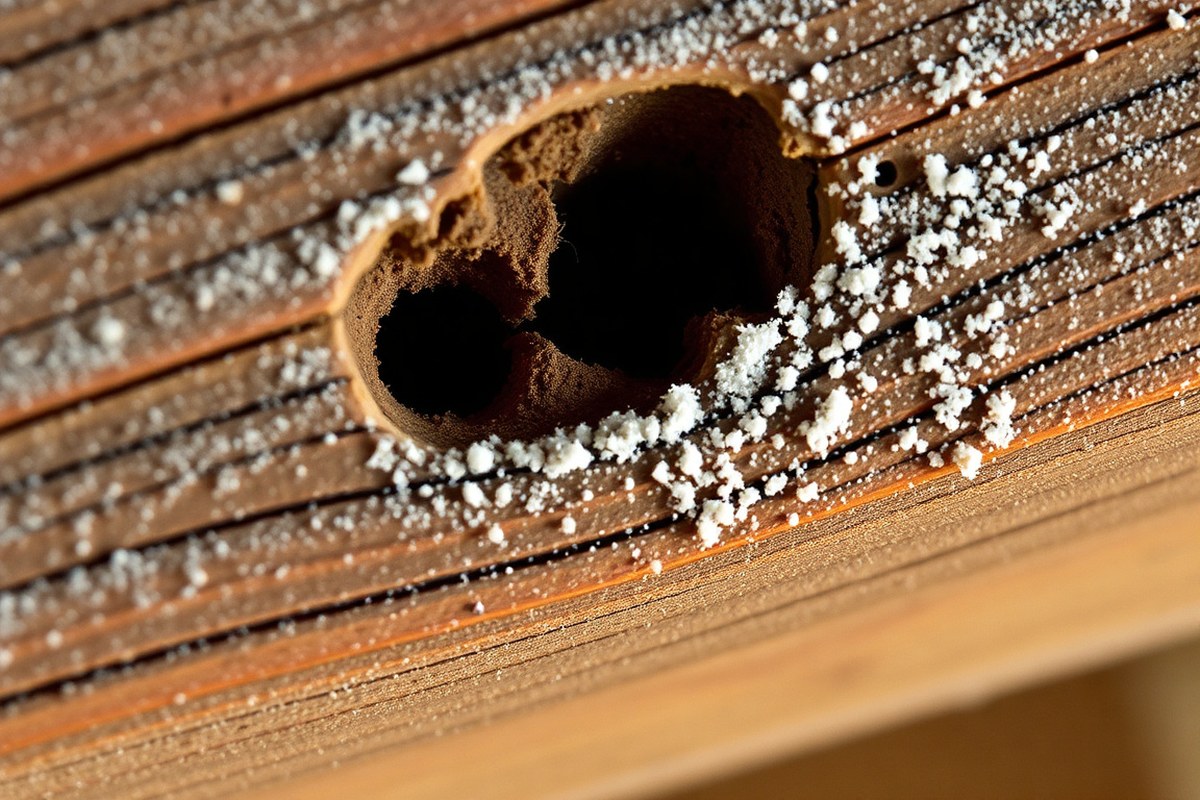
After that, use chemical or borate treatments to reach deep into the wood and protect it. Look for fine white powder or exit holes to check beetle activity.
These signs help you know if beetles are still inside. Acting fast stops more wood damage and saves your structure.
Key Takeaways
- Keep wood moisture levels below 14% to discourage beetle development.
- Heat infested wood to 140, 150°F for 2, 4 hours to kill beetles.
- Freeze small infested wood items at 0°F for at least seven days.
- Apply borate treatments to kill larvae and protect wood from reinfestation.
- Check wood for fresh white powder to identify active beetle infestations.
- Store wood in shaded, well-ventilated areas to keep it dry and unattractive.
1. How to Get Rid of Wood Boring Beetles Effectively
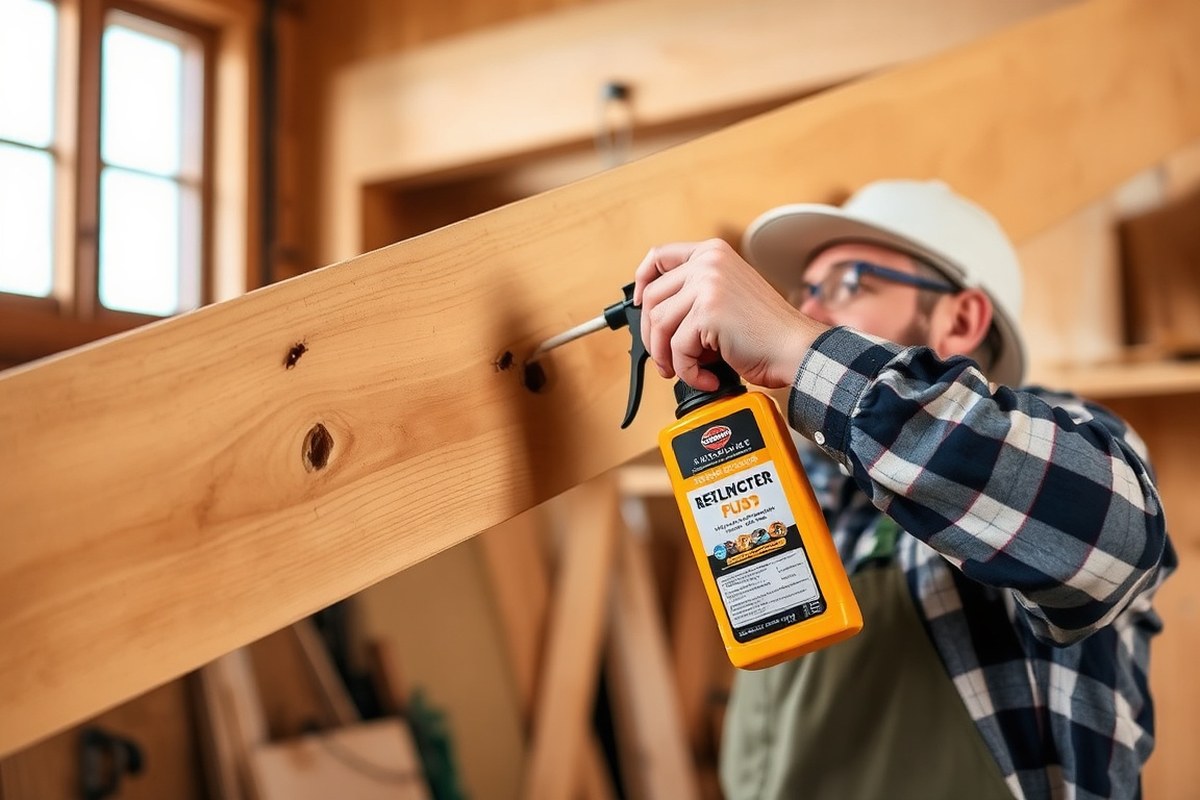
Getting rid of wood boring beetles takes the right methods to kill every stage. Heat or freezing treatments kill adults, larvae, and eggs thoroughly. Chemical treatments like borates reach deep into wood to stop beetles and protect from future attacks.
You should choose treatments based on the damage and where beetles live. Removing heavily damaged wood is best if possible.
Combine moisture control with treatment because beetles need damp wood to survive. Keeping wood dry helps prevent new infestations.
Follow this step-by-step process for best results:
- Confirm the infestation is active. Look for fresh exit holes and piles of powdery dust.
- Remove and replace heavily damaged wood. This removes beetles and prevents spread if possible.
- Apply a borate treatment like Bora-Care. This penetrates wood deeply and kills beetles inside.
- Use heat treatment to raise wood temperature to 133°F for 30 minutes. This kills beetles at all life stages.
- Alternatively, freeze smaller wooden items at 0°F for 3 to 7 days. Freezing is effective for all beetle life stages.
- Lower wood moisture below 14% to discourage beetles. Use dehumidifiers or improve ventilation in damp areas.
- Seal cracks and remove untreated, old wood near structures. This reduces beetle entry points and food sources.
- Repeat chemical or heat treatments as needed over 1 to 3 months. Check wood regularly for new signs of beetles.
Costs vary widely. Borate treatments can cost $15 to $80 for DIY materials.
Professional heating may cost more, but quickly kills all life stages. Freezing works well for furniture but requires freezer space for several days.
Treated wood should show no new holes or powder after a month. Beetle activity stops when wood is dry and treated.
Avoid using only one approach unless the infestation is tiny. Combining removal, chemical treatment, and moisture control gives the best chance of total beetle removal.
2. Signs and Identification of an Active Beetle Infestation
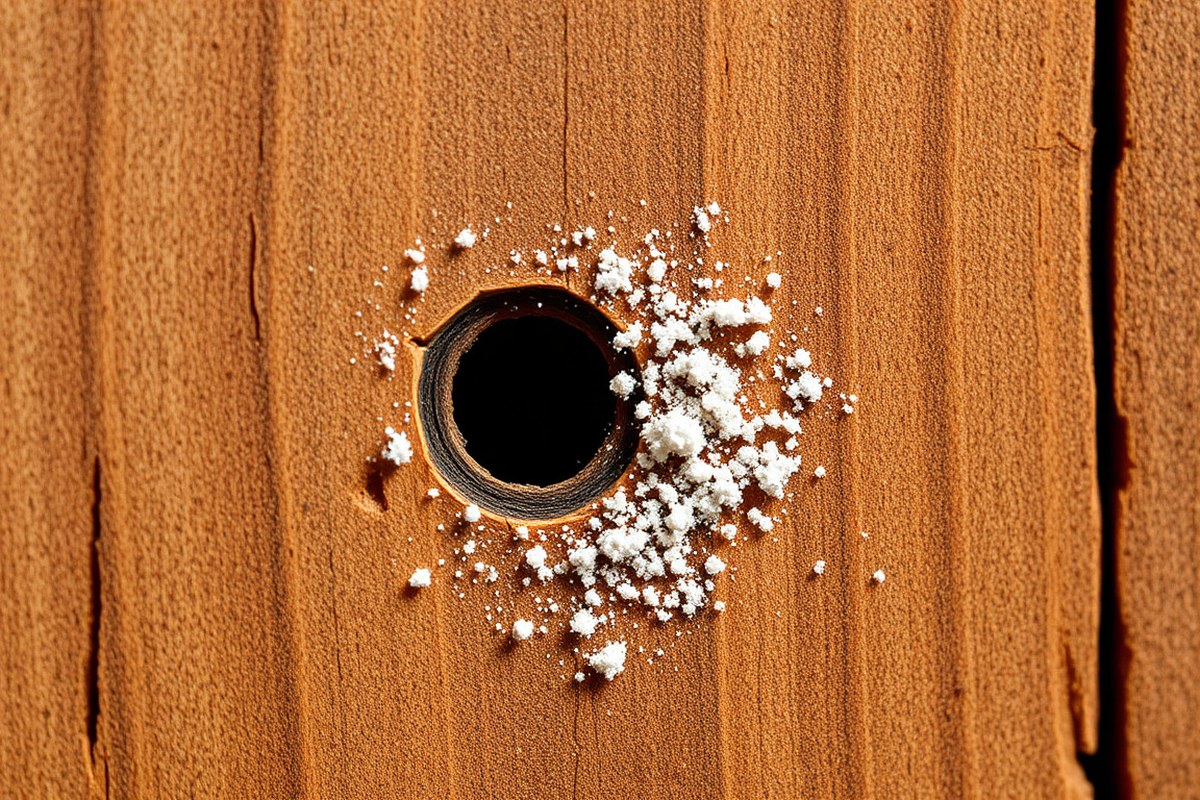
Spotting wood-boring beetles means looking closely for tiny holes and wood dust. Signs like fresh holes and powder show the infestation is active. You can tell beetle holes apart by size, shape, and the type of wood dust nearby.
Exit Hole Characteristics and Size Ranges
Wood-boring beetles leave exit holes as they chew their way out of wood. These holes vary by beetle type and help you identify them. Checking the hole size can pinpoint the beetle species causing damage.
Here’s a quick size guide for common wood beetles:
- Powderpost beetle: holes about 1/32 to 1/16 inch wide, round shape
- Furniture beetle: holes 1/16 to 1/8 inch, round shape
- Old house borer: largest holes, 1/4 to 3/8 inch, oval shape
- Smaller holes usually mean less structural damage
- Match hole size with wood type for better ID accuracy
Look for tiny piles of sawdust or wood dust under the holes. That dust often falls from these exit points after beetles leave.
Types of Frass and What They Mean
Frass is the wood dust or pellets beetle larvae push out while feeding. Its texture and color help identify the infestations. Knowing frass types improves confidence you’ve found wood borers.
There are three common frass types:
- Powderpost beetle: fine, talc-like white or light powder
- Furniture beetle: coarser, small gritty pellets
- Old house borer: largest, barrel-shaped coarse pellets
- Fresh frass usually means active larvae inside
- Dry or old frass can mean a finished or inactive infestation
Frass piles near exit holes show recent activity. Clean or vacuum the area weekly to track new dust.
Using Moisture Meters to Detect Active Infestations
Moisture in wood plays a big role in beetle survival and activity. Beetles avoid wood below 13% moisture. Testing wood moisture helps confirm if beetles are still thriving.
Tools like moisture meters cost between $20 and $100 and give quick readings. Take several measurements in suspect wood to check moisture levels.
- Readings above 14% moisture often mean active beetles
- Read moisture in spring or summer for best accuracy
- Lower readings mean treating moisture sources will help
- Measure near exit holes and other damaged spots
- Use readings to decide when a treatment is needed
Always test several locations to rule out dry wood patches that won’t support beetles.
Don’t rely on exit holes alone, test moisture to find active beetles hidden inside wood.
3. Understanding Beetle Life Cycle and How It Affects Treatment Timing
Larvae can live inside wood for one to five years before emerging. Adults come out when ready to mate and lay eggs. Different beetle species change this timing, which affects treatment schedules.
Egg and Larva Development Periods
Females lay eggs in cracks or tunnels inside wood. After hatching, larvae bore deep into wood, feeding and making galleries. They stay inside consuming wood for months or even several years.
The larval stage lasts from 1 to 5 years depending on species. Some species’ larvae can live up to 20 years, but most commonly it’s shorter. This long feeding period causes the most damage to your wood.
Pupa and Adult Emergence Timing
The larvae create a tiny hole as they near adulthood to help adults escape. Larvae then pupate inside the wood before adults emerge. Adult beetles leave the wood to mate and lay eggs, restarting the cycle.
Most adults emerge after the larval feeding period ends, usually between one and five years. Adults lay eggs on or inside wood surfaces, depending on the species. Timing treatments to target just before adult emergence improves effectiveness.
Species with Long vs Short Infestation Cycles
Some beetles, like powderpost species, have shorter life cycles around one to three years. Others, like certain woodborers, may take five or more years to mature. The longer the cycle, the harder it is to spot active larvae.
For shorter cycles, expect adult beetles and fresh exit holes annually. Longer cycles delay visible signs but increase deep wood damage. Adjust treatments and monitoring based on your beetle species’ typical timing.
4. Heat and Freezing Treatments to Kill Beetles and Larvae
Heat and freezing treatments kill wood boring beetles by reaching lethal temperatures for hours or days. Heat needs to reach 140°F inside wood for a few hours. Freezing small wood should last at least 72 hours at 0°F. These methods kill all beetle stages without chemicals when done properly.
Heat Treatment Temperature Standards and Exposure Times
Heat treatments need to raise the wood’s inside temperature to 140 or 150°F. Hold that heat for 2 to 4 hours. This kills beetles and larvae inside the wood.
For thinner wood or smaller items, 120, 140°F for up to 24 hours works well. The heat kills all life stages, including eggs and deep larvae.
Small wood or furniture pieces without paint or fabric can be heated in an oven. Use 120° to 140°F for about 6 hours to kill beetles.
Commercial treatment heats wood packaging at 133°F for 30 minutes to meet global rules. Wood thickness changes how long you heat it.
Freezing Protocols for Small Wooden Items
Freezing only works on small wood items you can place in a freezer. Set the temperature at 0°F or below and leave the wood for at least 72 hours. This duration kills all beetles and larvae while avoiding damage to the wood itself.
Freezing does not work for larger structural wood or dry lumber in the home. Items containing glue or paints may suffer if frozen.
So test carefully or avoid this method for delicate furniture. Small wooden artifacts and antiques often benefit most from freezing.
Limitations and Safety Precautions for Heat/freezing
Heat treatment can harm wood with fabric, fur, glue, or paint. This method is not safe for those materials. Avoid heat treatments if the wood has these coverings.
Overheating can also warp or crack wood if not done carefully. Use a thermometer to check the core temperature and adjust time accordingly.
Freezing can cause small cracks or warping in sensitive wood if humidity fluctuates during thawing. Avoid freezing very large wood pieces since it’s ineffective and impractical. Neither method prevents reinfestation so follow up by controlling moisture and sealing cracks.
5. Chemical and Borate Treatments for Wood-Boring Beetles
Insecticides designed for wood pests remain a quick way to kill wood-boring beetles and larvae. These chemicals work fast on contact but must be applied with care to avoid harm. Look for products labeled specifically for wood-boring beetles, often containing permethrin or bifenthrin.
Apply insecticide sprays to all affected bare wood surfaces using a pump sprayer. Spray evenly until the wood is damp but not dripping. Make sure you wear gloves and eye protection.
Use a mask too. This helps avoid breathing fumes or touching chemicals.
Borate-based treatments like Bora-Care or Tim-bor soak deep into unfinished wood. They kill larvae feeding under the surface and stop beetles from laying eggs. Treat wood at least twice if thicker than 2 inches to ensure full penetration.
Brush or spray borate evenly on clean, dry, bare wood. Avoid applying over paint or finish because borates cannot penetrate sealed surfaces. Allow the wood to dry completely before handling or covering it again.
Borates work slowly, usually needing several months to fully protect wood. They also prevent damage by deterring reinfestation and controlling fungi. You can use borates safely indoors and outdoors, especially for structural or framing wood.
Wear gloves and eye protection when handling borate treatments. Keep pets away until the product dries fully to avoid skin irritation.
A drawback of insecticides is their toxicity and limited residual effect once dried. Borates are less toxic but need more time and clean surfaces to work well. Don’t use insecticide sprays inside finished furniture or places with regular human contact.
Use insecticide sprays to kill active beetles. Add borate treatments for larvae inside wood. Combining both gives best results.
Reapply after several months and check wood regularly for new signs of infestation. This two-step approach gives you better control over both adults and young beetles.
6. Controlling Moisture and Environmental Factors to Prevent Infestations
Wood-boring beetles survive best in wood with moisture above 14%. Keeping wood moisture below this level, ideally near 13%, limits their survival chances. You can measure moisture with a wood moisture meter.
It costs about $20 to $50. The meter gives quick, reliable readings.
Check crawl spaces and basements first since moisture collects there. Use a dehumidifier to keep humidity around 45 to 50%, which discourages beetles.
Proper ventilation helps too. Open vents or install fans to let moist air escape and dry air come in.
Store lumber off the ground in dry areas to keep moisture down. Before bringing furniture or decor inside, inspect for tiny holes that signal beetle presence. Kiln-dried wood reduces infestation risk, but keeping moisture low helps prevent reinfestation over time.
Remove or replace heavily infested wood quickly. Moisture allows larvae to penetrate deeper.
So dry wood only lets them damage the surface. Low moisture also helps treatments work better and keeps beetles from coming back.
In damp crawl spaces, check for leaking pipes or poor drainage. Fix these to stop moisture buildup.
Using vapor barriers on soil in crawl spaces can reduce humidity further. Regularly monitor moisture and humidity to catch changes early.
Changing the environment helps reduce moisture problems in wood. Fix leaks and improve airflow. Dehumidifiers and repairs cost $100 to $500.
These efforts protect your wood’s integrity and lower beetle risk. Watch for signs of new holes or dust to catch problems before they grow.
7. Safe Removal and Replacement of Severely Damaged Wood
Wood that is too damaged to save usually feels soft or crumbles easily when pressed. Beetle damage with holes or tunnels deeper than 1/4 inch calls for replacement.
Also, replace if the wood starts losing its shape or strength. You must assess structural wood carefully, as weakened framing can cause bigger problems later.
Removing infested wood means cutting out the damaged sections using a saw. Wear gloves and a dust mask to avoid inhaling mold spores or beetle dust. Seal removed pieces in heavy plastic bags to stop beetles from spreading before disposal.
- Cut wood at least 2 inches beyond visibly damaged areas
- Handle removed wood outside and away from the home
- Seal or wrap infested wood for transport to landfill or burn
- Clean nearby surfaces to remove dust and beetle fragments
- Check remaining wood for hidden damage and repeat if needed
Choose replacement wood less likely to attract beetles, such as kiln-dried hardwoods. Pressure-treated lumber also resists beetle attacks because chemicals repel larvae. Avoid untreated softwoods in damp places since beetles prefer moist environments.
After installing new wood, keep it dry and well-ventilated to prevent future infestations. Regular inspections help catch problems early, especially in basements and crawl spaces.
Replacing wood can cost between $5 and $15 per square foot. The price depends on the material used and how hard it is to reach.
8. When to Call a Professional Pest Control Expert
Call a professional if you spot multiple exit holes or fine sawdust piles. These signs suggest a growing infestation that DIY methods may not stop. If beetles show up in main wood supports, call an expert.
They spread fast to many rooms. You need help quickly to stop damage.
Professional companies heat your home or damaged areas first. They keep the heat at 120°F (49°C). The heat stays for many hours.
This temperature kills beetles and larvae hidden deep inside wood. They use big heaters and fans to keep the heat steady.
Doing this yourself is tricky and unsafe. Professionals have the right tools and experience.
Choosing the right pest control company matters, too. Look for one with licensed technicians and local pest association members.
Experienced companies explain their methods clearly and offer written estimates. They should also inspect your home before treatment and share prevention tips afterward.
A single infested board might just need surface treatment or replacement. But widespread damage requires whole-house fumigation or professional heat treatment. Prices run from a few hundred dollars for small jobs.
Bigger infestations can cost thousands to treat. Cost depends on damage size and home area.
Keep an eye out for sudden wood crumbling or new exit holes after treatment. These signs mean the problem may persist or return, requiring follow-up work. A reliable company offers follow-up inspections or guarantees to cover these cases.
Don’t try warming your house alone. Temperatures must stay steady and safe for hours to work.
Step-by-Step Action Plan to Get Rid of Wood-Boring Beetles
Follow these clear steps to start eliminating wood-boring beetles from your home and furniture. Each phase helps you track progress and adjust next actions.
- Before you start: Inspect wood areas carefully for holes and dust. Confirm active infestation by seeing fresh exit holes and new frass.
- Day 1: Reduce moisture by fixing leaks and improving ventilation. Check that surfaces feel dry after 48 hours.
- Day 2: Apply a borate treatment to affected wood. Wait one week, then look for reduced beetle holes or new debris.
- Week 2: Use heat or freezing treatments based on item size. Ensure temps stay in range for 24-48 hours to kill larvae and adults.
- Week 3: Remove and replace any wood too damaged to treat. Check replacement wood for beetle signs before installing.
- Week 4: Monitor treated areas for new holes or dust every few days. Continue moisture control to keep wood dry.
- After 1 month: Decide if pest control professionals are needed. Call experts if beetle activity persists despite treatments.
Frequently Asked Questions
What Kills Wood Borer Naturally?
Borate treatments derived from borax kill wood borers naturally. Keeping wood moisture below 14% also prevents their growth by creating a hostile environment.
What Kills Wood-Boring Beetles?
Chemical insecticides and borate treatments kill wood-boring beetles effectively. Heat treatments can also kill larvae inside the wood quickly.
Can You Treat Borer Yourself?
Yes, you can treat borers yourself with borate treatments or insecticides. Costs usually range from $15 to $80 for materials depending on the infestation size.
What Is the Most Effective Way to Get Rid of Powderpost Beetles?
The most effective way is to lower wood moisture below 14%. This stops beetle development, combined with borate insecticide treatments to kill existing larvae.
Dealing with Wood-Boring Beetles?
Start by identifying active infestations and matching treatment to the damage level. Moisture control is key along with pesticide or heat treatments for success.
Can Wood Finishes Prevent Wood-Boring Beetles?
Some finishes like PenaShield® can protect wood by repelling beetles and preventing moisture buildup. Regular sealing helps reduce infestations over time.
The Bottom Line
Getting rid of wood-boring beetles takes steady effort with the right methods. Starting with moisture control and borate treatment helps most homeowners see results fast. Keep checking for new signs and call a pest pro if beetles stick around.