

How Much Is 1 Yard of Dirt? Cost, Weight, Coverage & Buying Tips
Wondering how much is 1 yard of dirt? It usually costs between $15 and $50 per cubic yard. The price changes mostly by the type of dirt and your location.
Fill dirt is plain soil without any organic material. It usually costs $10 to $25 per yard. This makes it a cheaper option for many projects.
A yard of dirt means a cubic yard, which is 3 feet long, wide, and deep. That’s 27 cubic feet of material piled up. Knowing this helps you estimate how much you’ll need and how big your project can be.
Before buying, check if you need fill dirt, topsoil, or a special mix. Delivery fees can add $50 to $150, so consider that too. Start by measuring your area to avoid ordering too much or too little.
Key Takeaways
- A yard of dirt equals 27 cubic feet in volume. Its dimensions are 3 feet long, 3 feet wide, and 3 feet tall. This measurement is a standard for dirt quantity.
- Fill dirt costs about $10 to $25 per cubic yard, making it the cheapest option.
- Topsoil and specialty blends cost more, often up to $50 per cubic yard.
- Delivery fees may add $50 to $150 to your total dirt price.
- Knowing the volume helps you order the right amount and avoid waste.
- Fill dirt weighs about 2,000 pounds per cubic yard, useful for hauling plans.
How Much Does One Yard of Dirt Cost?
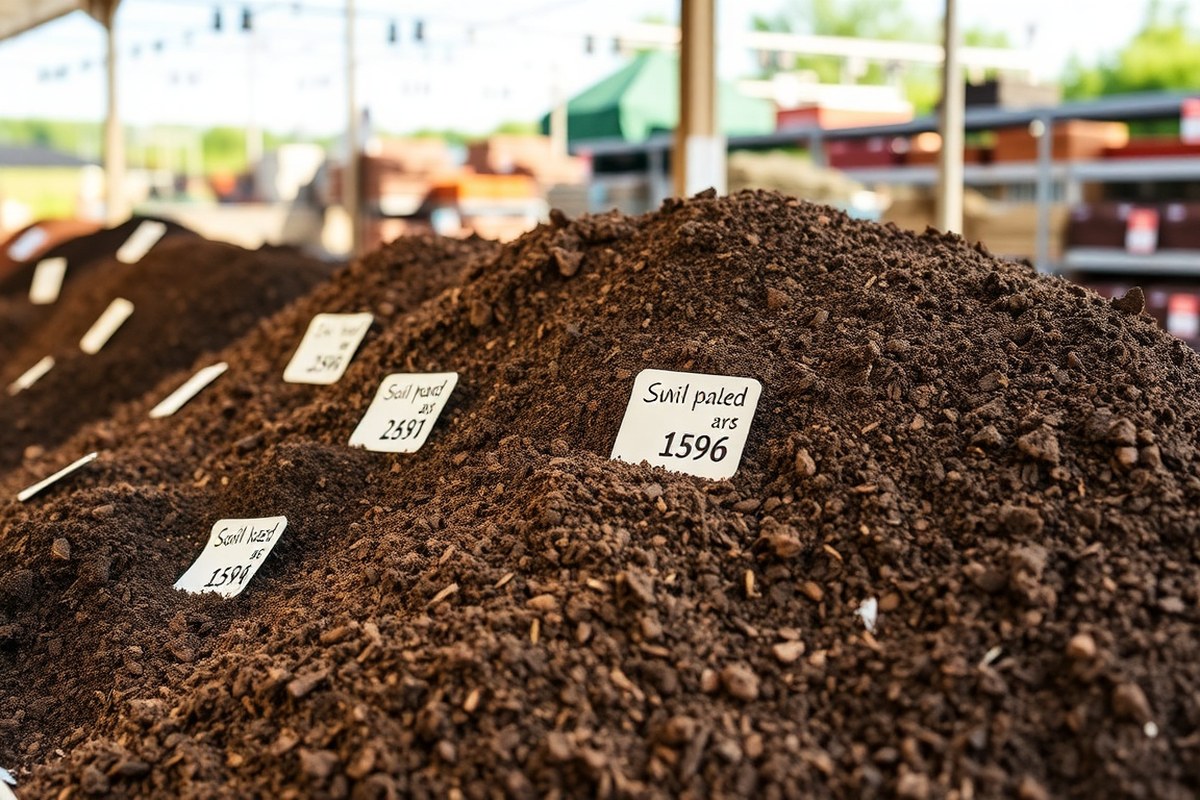
One cubic yard of dirt usually costs between $5 and $55 depending on type. Fill dirt costs $8 to $15 per yard. It is basic dirt with rocks or clay.
This makes it less expensive than other soils. Topsoil costs $15 to $55 per yard.
It is richer and screened for gardening. This makes it better for lawns and plants.
Garden mixes and screened topsoil can cost from $30 up to $75 per cubic yard. These blends often contain compost or finer materials for planting flowers and vegetables. Specialty soils like sand or mulch cost $25 to $50.
They help with drainage or landscaping. These are not usually for planting.
Prices depend a lot on your location. Urban areas or places far from supplies often add delivery fees and fuel surcharges.
These extras usually raise total costs to $75 to $200 for a single-yard drop. Ordering more yards at once often lowers your per-yard fee.
Beyond material costs, watch for transport charges and extra handling fees. Some sellers charge for dump fees or require minimum orders for delivery. Schedule delivery during business hours to avoid extra fees.
Pick a drop-off spot near your project. This helps reduce delays and costs.
What Exactly Is a Yard of Dirt?
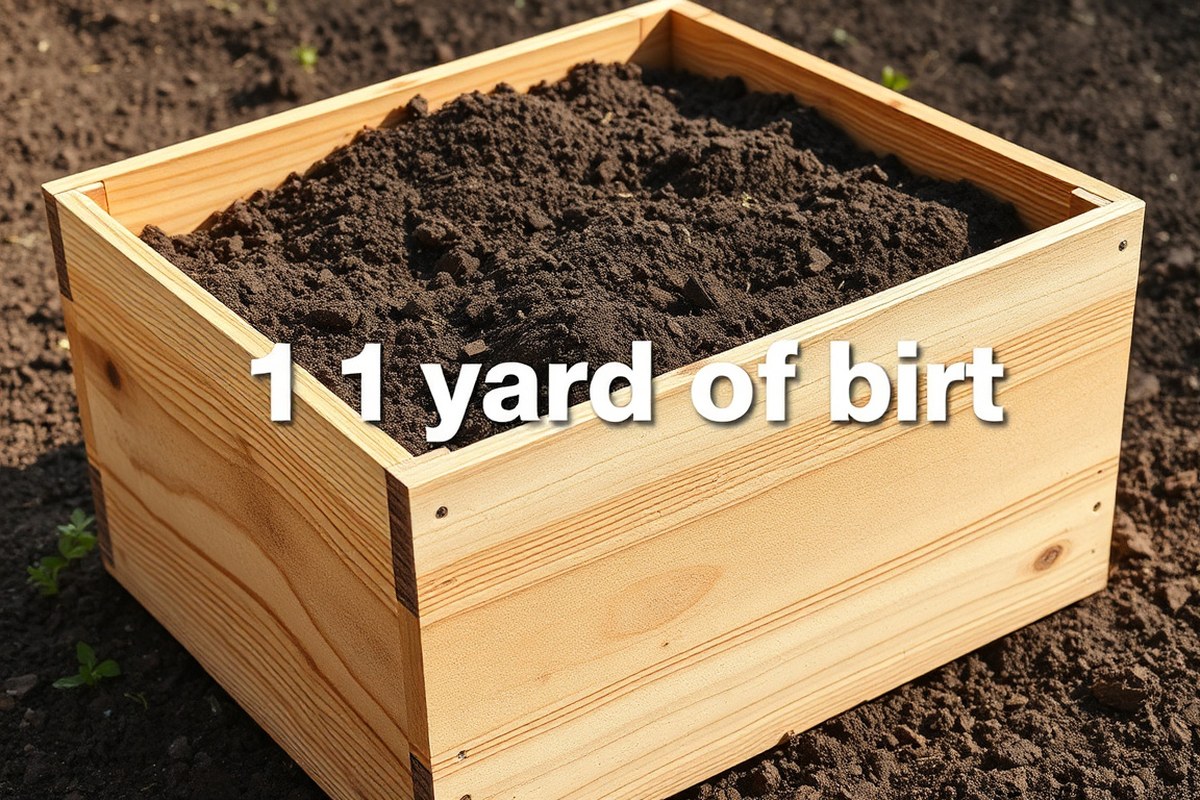
A yard of dirt means one cubic yard of space in volume. It makes a cube with each side 3 feet long. 3 feet times 3 feet times 3 feet equals 27 cubic feet total.
This cubic yard holds about 201 gallons of soil, which helps you picture its size. For example, a yard of dirt fills about two hundred gallons. This is like filling a large fish tank twice.
It helps to picture the size. This volume lets suppliers price and deliver dirt accurately for your project needs.
Knowing the cubic yard’s size makes it easier to measure how much dirt you need. Say your garden bed measures 9 feet by 3 feet by 1 foot. Multiply 9 × 3 × 1 to get 27 cubic feet.
This equals one cubic yard of dirt. Dirt is measured by volume because weight varies with moisture and soil type.
Don’t guess the dirt you need. Measure your area’s length, width, and depth. Calculate cubic feet, then divide by 27 to find cubic yards.
How Much Does a Yard of Dirt Weigh?
One cubic yard of dirt usually weighs between 2,000 and 3,000 pounds. This weight depends on dirt type and moisture. A cubic yard of moist topsoil or fill dirt weighs about 2,200 pounds.
This weight is an average estimate for such soil. It helps to know for projects involving soil.
Here’s a rough weight guide by soil type. Topsoil and garden soil weigh 1,600 to 2,100 pounds per cubic yard. This range helps estimate how heavy soil will be.
Fill dirt, which includes subsoil and clay, often weighs 2,200 to 3,000 pounds. Clay alone can reach up to 3,000 pounds, especially when wet.
Moisture significantly changes dirt weight. Dry dirt can be lighter, closer to the low end of these ranges.
Wet soil may add hundreds of extra pounds per cubic yard. Heavy wet soil might spike the weight up to 3,000 pounds or more, so plan accordingly.
Weight affects hauling and delivery. A cubic yard can weigh about 1 to 1.35 tons. Truck capacity limits how many yards you can safely carry.
For example, a typical pickup truck bed handles roughly 2,000 pounds. So you might carry less than one full cubic yard of heavy wet clay.
Here’s how to figure safe loads: know your truck’s max payload. Ask the supplier for approximate soil weight and moisture content. Soil that feels damp or clumpy weighs more than dry soil.
Expect heavier loads with higher moisture content. Adjust your plans for the extra weight. When loading, spread dirt evenly and avoid stacking too high to maintain vehicle balance and safety.
Heavy loads can cause extra wear on tires and suspension. Driving slower and avoiding sharp turns helps prevent accidents.
Also, confirm local transport rules about weight limits and permits. Overloading can lead to fines and unsafe road conditions.
How Much Area Does One Cubic Yard of Dirt Cover?
One cubic yard of dirt covers more or less area based on depth. It covers about 324 square feet at 1 inch deep.
At 2 inches, it covers around 162 square feet. At 3 inches, the coverage is close to 108 square feet.
Coverage by Depth and Area
The coverage area changes because the volume stays the same while depth increases. To find out coverage, divide 324 square feet by your depth in inches. This gives you the area one cubic yard can cover.
Use this to plan your dirt amount better. For example, spreading 1 cubic yard at 3 inches deep covers about 108 square feet.
At 1 inch deep, one cubic yard covers about 324 square feet. This area is like a small bedroom. The dirt stretches far at thin layers.
For a 6-inch depth, coverage drops near 54 square feet. This depth works well for raised garden beds. It also suits heavy soil improvement projects.
Recommended Depths for Common Projects
For lawn topdressing or light grading, 1 to 3 inches of dirt is common. Three inches works well for new planting beds, providing enough soil for roots without overdoing it. Raised beds need 6 to 12 inches of soil to grow plants well.
In-ground vegetable gardens also require this soil depth for success. Proper depth helps plants grow healthy roots.
Spreading dirt too thin at less than 1 inch won’t improve your garden much. For lawns, about 2 inches of topsoil provides nutrients and softens the ground. Vegetable beds call for 6 inches or more to support deeper roots and retain moisture well.
Accounting for Soil Settling and Compaction
Soil tends to settle and get compact after spreading it out. This happens more with loose or mixed soil types. Keep this in mind when planning soil amounts.
Settling can reduce thickness by about 10 to 20 percent. So add a little extra dirt to hit your target depth. For instance, plan for about 3.5 inches of dirt to end with 3 inches after settling.
Compaction is more common in heavy traffic areas or where soil is wet when spread. Soil that settles too much might need more soil added later. Light tilling can help loosen compacted soil.
Both help keep your garden soil healthy. Avoid piling dirt too thickly at first. Spread it evenly and allow it to settle before adding more.
Types of Dirt and Their Price Differences
Dirt types differ in their uses and prices. Fill dirt is cheap and good for leveling. Topsoil costs more and supports plants well.
Specialty blends mix in compost or screening and cost the most. Choosing depends on your project needs and budget.
Fill Dirt: Properties and Uses
Fill dirt mostly contains subsoil with little organic matter. It’s heavy and dense, weighing about 2,700 pounds per cubic yard. Contractors use it to raise or level land before construction.
This soil type costs around $10 to $25 per yard. Fill dirt is cheaper because it doesn’t support plant growth well. Use it under patios, driveways, or to fill holes, not for garden beds.
Topsoil: Quality and Cost Variations
Topsoil has more organic matter than fill dirt, making it better for plants. It weighs about 2,000 pounds per cubic yard but varies by moisture content. Good topsoil is screened to remove rocks and debris.
Prices range from $20 to $50 per yard depending on screening and organic content. Screened topsoil costs more since it’s cleaner and finer. Use topsoil for lawns, garden beds, and planting areas to promote growth.
Specialty Soils and Blends Explained
Specialty soils include compost blends and garden mixes. They often contain compost, peat, or manure for extra nutrients. These soils are lighter.
Garden mix weighs about 1,755 pounds per yard. Compost weighs about 1,215 pounds per yard.
Expect to pay $40 to $50 per cubic yard for these blends. They improve soil quality quickly but cost more. Use them in vegetable gardens, flower beds, or where plants need a nutrient boost.
| Material | Density (lb/ft³) | Lb per yd³ | Tons per yd³ |
|---|---|---|---|
| Fill dirt | 100 | 2,700 | 1.35 |
| Topsoil | 75 | 2,025 | 1.01 |
| Screened topsoil | 70 | 1,890 | 0.95 |
| Garden mix | 65 | 1,755 | 0.88 |
| Compost | 45 | 1,215 | 0.61 |
The table shows each dirt type’s weight and density differences. Knowing this helps you plan delivery and usage better. Lighter soils let you spread more volume per load.
Check soil quality before buying, especially if the price seems too low.
How to Calculate How Many Cubic Yards You Need
Measure the project space in feet first. This helps find cubic yards needed.
Multiply length, width, and depth to get volume in cubic feet. Then divide that number by 27 to convert to cubic yards.
Measuring Length, Width, and Depth
First, use a tape measure to get the length and width of the area in feet. For depth, measure how deep you want the dirt in feet or inches. It’s best to take several depth readings across the area to check for uneven ground.
Write down your measurements carefully. Consistent and accurate measurements help avoid ordering too much or too little dirt.
Applying the Cubic Yard Formula
Multiply the length, width, and depth measurements in feet to find the volume in cubic feet. Then divide that total by 27 because one cubic yard equals 27 cubic feet. For example, if your project is 12 feet long, 8 feet wide, and 0.5 feet deep, calculate (12 × 8 × 0.5) ÷ 27 = 1.78 cubic yards.
Use this formula for any shape that roughly approximates a rectangle. For irregular shapes, break the area into smaller sections and add their volumes.
Adjusting for Soil Compaction and Project Type
Dirt settles and compacts after delivery. So add 10 to 15 percent extra volume to your total.
This adjustment helps prevent running short after the soil compresses. Different soil types compact differently, so adjust this percentage accordingly.
Also, if the ground is uneven or sloped, measure the highest and lowest points. Use the average depth or calculate separate volumes for each area.
Add extra dirt to cover low spots. Build up high spots as needed.
Here are clear steps to calculate your cubic yard needs:
- Measure the length of your project area in feet using a tape measure.
- Measure the width in feet across the area you’ll fill.
- Measure the depth in feet or inches, spotting any uneven sections.
- Multiply length × width × depth (all in feet) to get cubic feet.
- Divide the cubic feet by 27 to convert to cubic yards.
- Add 10 to 15 percent to account for soil settling and compaction.
- Round up to the nearest quarter yard when ordering dirt.
Buying Dirt: Bulk vs Bagged and Delivery Tips
Buying bulk soil usually costs less per yard than bagged soil. Bulk dirt runs between $10 and $50 per cubic yard. But delivery fees of $50 to $150 can add up fast.
Bagged soil costs about $2.50 per bag, so one cubic yard is near $90. This makes bulk soil smarter for bigger projects.
Bulk dirt fits in most pickup beds, so you can pick it up yourself. One cubic yard weighs roughly 2,100 pounds, which fits in a standard truck. Delivery might be better if you need many yards or can’t haul soil in your vehicle.
Delivery adds cost but saves time and effort. Schedule deliveries during dry weather to avoid muddy messes and stuck trucks.
- Buy bulk soil if you need 2 or more cubic yards to save money overall.
- Pick up soil yourself to skip the $100+ delivery fee, suitable for small loads.
- Confirm the truck can safely carry your soil load before pickup.
- Order bulk soil during dry weather to simplify delivery and keep your yard clean.
- Ask about minimum delivery amounts; some providers require 3 yards or more.
- Check the type of soil to match your project. Bulk offers more volume for less money.
- Compare delivery fees and bulk price versus bag prices based on how much you need.
Delivery fees strongly affect the cost per yard of bulk soil. For example, $25 per yard soil plus a $100 delivery fee makes one yard cost $125. Ordering three yards costs $40 each plus $125 for delivery.
This might be cheaper per yard than buying bags. Consider the total cost when deciding.
You can ask suppliers for exact delivery fees and minimum quantities. Knowing these details helps decide between bags, bulk pickup, or bulk delivery for your job.
Common Mistakes When Ordering Dirt and How to Avoid Them
Ordering too much or too little dirt often happens from guessing the size of your project. Not accounting for uneven ground or settling can lead to shortfalls. Always measure the area in length, width, and depth before calling suppliers.
Double-check your calculations and add about 10% extra for settling or compaction. A cubic yard covers roughly 27 cubic feet.
So convert your measurements to cubic feet first. This simple math helps avoid costly overorders or multiple deliveries.
Confirm your total cubic yards with the supplier before delivery to avoid surprises.
Transporting dirt also brings its issues. A yard of soil weighs about 2,100 pounds, which can exceed your vehicle’s payload.
Overloading trucks risks damage or fines. Use appropriate vehicles or hire a delivery service with equipment that matches your load.
Here’s a checklist to avoid common ordering and transport mistakes:
- Measure your project space carefully in feet and convert to cubic yards
- Add 10% for settling or uneven ground to your calculated volume
- Specify dirt type clearly (topsoil, fill dirt, etc.) to match your need
- Ask the supplier to confirm your order volume before delivery
- Check your vehicle or delivery service can handle 2,000+ pounds per yard
- Schedule delivery during daylight for easier unloading and inspection
- Inspect the dirt on arrival for quality and volume before signing off
Verifying order volume lets you catch errors in the supplier’s estimate. If the load looks smaller than expected, ask them to measure or weigh it on-site. Reject short loads to avoid paying twice for missing dirt.
Loading and unloading safety matters, too. Dirt shifts during transit and can cause unbalanced loads.
Secure the load with tarps or netting to prevent spills on the road. Make sure helpers keep clear during dump unloading to prevent injuries.
Step-by-Step Action Plan for Ordering Dirt
Use this plan to buy the right amount and type of dirt for your project. Follow each step to avoid extra cost and delays.
- Before you start: Measure your project area carefully to find the total cubic yards needed. Double-check the numbers to avoid ordering too much or too little.
- Day 1: Choose the type of dirt based on your landscaping or gardening needs. Pick topsoil when planting in gardens or flower beds. Use fill dirt to level uneven ground around your yard. Choose sandy soil for areas needing better drainage and root growth.
- Day 2: Contact local suppliers for bulk and bagged prices. Ask about delivery fees. Compare offers to find the best deal close to your location.
- Day 3: Order slightly more dirt than calculated (about 10% extra) to cover settling and compaction. This helps avoid running short and having to reorder.
- Delivery day: Clear space at your site for the delivery truck and specify the drop-off location. Confirm delivery timing to ensure someone is there to guide the driver.
- After delivery: Spread and level the dirt promptly to prevent erosion and settling issues. Check the volume delivered matches what you ordered.
- Week 2: Monitor the soil as you build or plant on it. Adjust by adding amendments or more dirt if you notice low spots or poor drainage.
Frequently Asked Questions
How Much Does Delivery Typically Add to the Cost of a Yard of Dirt?
Delivery can add $50 to $150 to your dirt cost. It depends on distance and supplier policies in your area.
Can I Reuse a Yard of Dirt That I Already Purchased?
Yes, you can reuse dirt if it’s clean and free of debris. Reusing saves money and reduces waste in your garden or project.
What Tools Do I Need to Spread a Yard of Dirt?
A shovel and a wheelbarrow help move and spread dirt effectively. Renting a soil rake can also make spreading smoother.
How Long Does It Take to Spread One Yard of Dirt?
Spreading one yard can take 30 minutes to an hour for one person. It varies on dirt type and area size.
Does Moisture Content Affect the Weight of a Yard of Dirt?
Yes, wet dirt weighs more than dry dirt by several hundred pounds. Keep this in mind when hauling or calculating load limits.
Can I Use a Yard of Dirt for Growing Vegetables?
Only if it’s topsoil or garden soil with organic material. Fill dirt lacks nutrients and isn’t suitable for plant growth.
Final Thoughts
You now know how much one yard of dirt costs and the right type to buy. Start by measuring your project and contacting local suppliers today. Getting these basics right saves you time and money on your landscaping.




2 Comments