How Much Dirt Do I Need: A Complete Guide with Accurate Calculations
How much dirt you need depends on the area’s size. It also depends on how deep you want to fill. Measure both for an accurate amount.
You can figure this by measuring the length, width, and desired dirt depth in inches. Convert those measurements into cubic yards to know the exact volume of dirt required.
Add about 15% extra dirt to your total volume to account for settling and compaction. This helps avoid running short once the dirt settles under its own weight or after irrigation. Think about the kind of dirt you need.
Use fill dirt for bulk and topsoil for plants. Choose the right type for your project.
Start by measuring your project area carefully, including slopes or uneven spots. Accurate measuring prevents mistakes and ordering too much or too little dirt. Planning ahead saves you both time and money on the delivery and cleanup.
Key Takeaways
- Calculate volume in cubic yards using length, width, and depth in inches.
- Add at least 15% extra dirt for settling and compaction.
- Use fill dirt for bulk filling and topsoil for plant growth.
- Measure slopes or irregular shapes with extra care for accuracy.
- Expect fill dirt to shrink 15% to 30% after placement.
- Order 5% to 10% more dirt to cover waste or spills.
How to Calculate the Amount of Dirt You Need
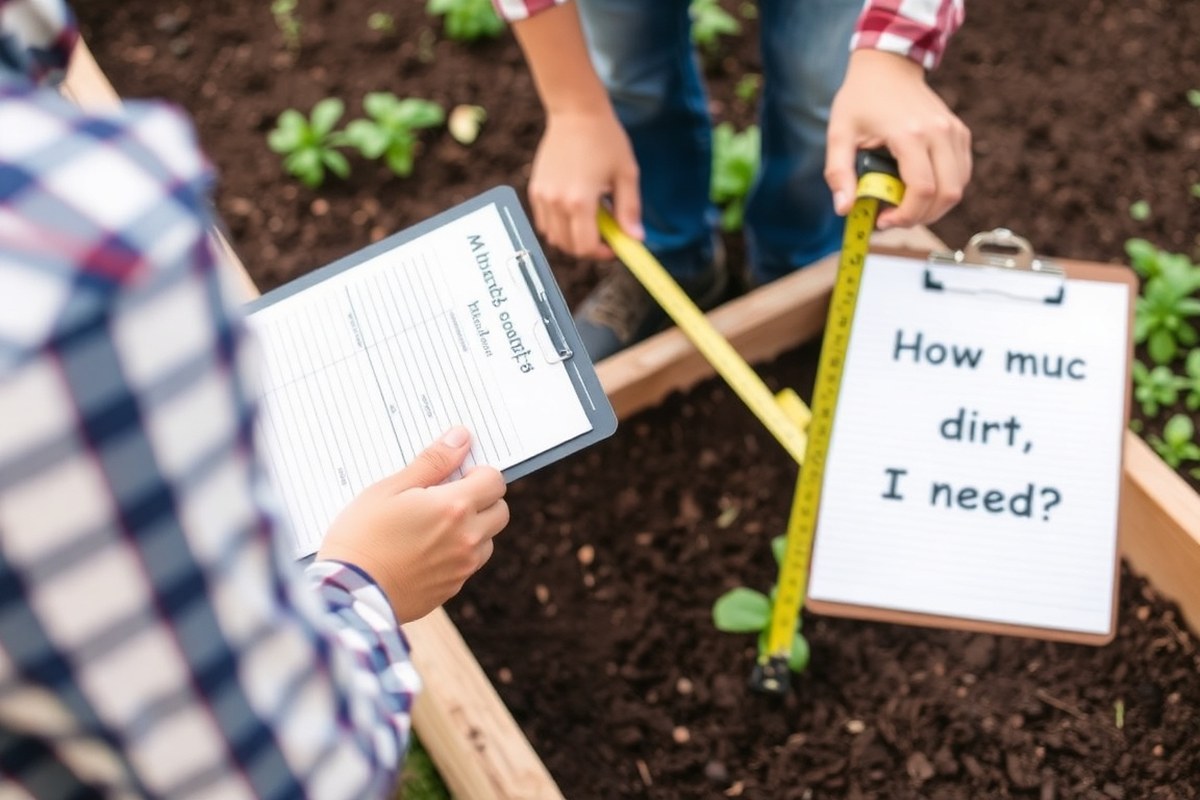
To figure out how much dirt you need, first measure your area’s length, width, and depth. Multiply these three numbers in feet. Then divide by 27.
This converts cubic feet to cubic yards. This gives you the volume of dirt you need for your project.
Step 1: Measure Length and Width
Start by measuring the length of the area where you’ll place the dirt. Use a tape measure to get an accurate reading in feet. Next, measure the width of the same area in feet too.
These two measurements show the area’s size. Knowing this helps you buy the right amount of dirt. For example, a 10-foot by 15-foot patch creates 150 square feet of area.
Step 2: Determine Depth in Feet
Depth is how thick your layer of dirt needs to be. To get depth in feet, divide the inches by 12. For instance, 6 inches becomes 0.5 feet (6 ÷ 12 = 0.5).
Use the finished depth you want. This is how deep your soil bed or fill layer should be. This lets you calculate the right volume without under- or ordering too much dirt.
Step 3: Calculate Volume in Cubic Yards
Multiply your length, width, and depth, all in feet, to find the volume in cubic feet. Then divide this number by 27 because one cubic yard equals 27 cubic feet. This gives you the dirt volume in cubic yards, the unit used for ordering.
For example, a 10-foot by 15-foot area at 6 inches deep: convert 6 inches to 0.5 feet. Then multiply 10 × 15 × 0.5 = 75 cubic feet. Divide 75 by 27 equals about 2.78 cubic yards.
Follow these steps to get an accurate amount of dirt for your project:
- Measure the length of the area in feet.
- Measure the width of the area in feet.
- Convert the depth from inches to feet by dividing by 12.
- Multiply length × width × depth (all in feet) to get cubic feet.
- Divide cubic feet by 27 to convert to cubic yards.
- Round up the cubic yards to order a bit extra for settling or waste.
Types of Dirt and How They Affect Your Order
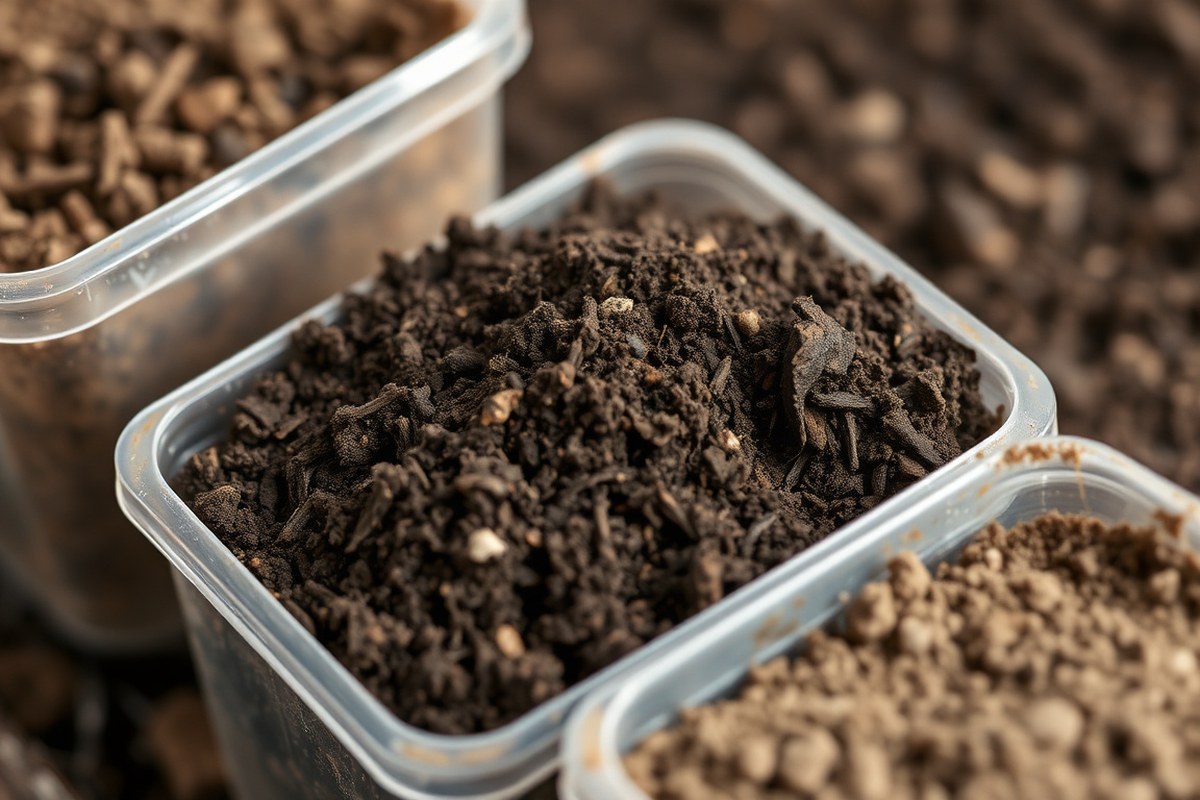
Fill dirt, topsoil, and specialty soil mixes differ in how much they weigh, compact, and cost. Fill dirt is dense and heavy but less expensive.
Topsoil is lighter, richer in organic matter, and better for growing plants but costs more. Choosing the right type depends on your project and how much dirt you’ll actually need.
Fill Dirt Characteristics and Uses
Fill dirt is mostly subsoil with minimal organic material. It’s used to build up ground levels, fill holes, and support structures. Because it compacts heavily, it creates a stable load-bearing surface.
Its weight ranges from 2,000 to 2,600 pounds per cubic yard. Moisture and soil type cause this variation. This density means it shrinks 15, 30% when compacted.
Fill dirt costs between $8 and $25 per cubic yard. This price makes it a budget-friendly choice.
Topsoil Characteristics and Uses
Topsoil is loose and rich in organic matter, typically 2, 10% organic content. It’s best for lawn establishment, gardens, and surface layers. Since it compacts poorly, it stays loose and allows roots to grow well.
Topsoil weighs around 2,200 to 2,600 pounds per cubic yard. It’s lighter than fill dirt but heavier when moist. Prices range from $20 to $60 per cubic yard, reflecting its higher quality.
Apply topsoil as a finishing layer over fill dirt. Spread it 4 to 6 inches thick for best plant growth.
Soil Mixes and Specialty Products
Specialty mixes blend compost, sand, and soil to fit specific gardening needs. These blends vary in density.
Compost-heavy mixes can be as light as 1,600 pounds per cubic yard. They encourage plant health with added nutrients and good drainage.
Use these mixes for raised beds and gardens that need nutrient-rich, well-draining soil. Costs vary widely depending on the mix’s content and supplier. Mixing your own is possible but requires care to balance drainage and nutrients.
Below is a comparison showing typical properties and uses of different soil types. This table helps you pick the right soil based on your project’s needs.
| Property | Fill Dirt | Topsoil | Compost/Garden Blend |
|---|---|---|---|
| Organic Matter | Minimal (often none) | High (2, 10%) | High (varies) |
| Primary Use | Structural grade-up, foundation backfill | Planting, lawn establishment, garden beds | Raised beds, nutrient boost, drainage improvement |
| Compaction | Compacts to stable load-bearing surface | Compacts poorly; stays loose for roots | Loose, light compaction |
| Weight (lbs/cubic yard) | ~2,500 (varies 2,000, 2,600) | 2,200, 2,600 (dry to moist) | ~1,600 |
| Cost per Cubic Yard | $8, $25 | $20, $60 | Varies widely |
Mixing dirt types is common, especially layering fill dirt under topsoil for garden beds or lawns. Fill dirt bulk fills and compacts well, while topsoil supports healthy plants. Avoid mixing them blindly within one layer, or you’ll risk poor drainage and uneven settling.
Order about 15% more fill dirt than the finished volume to allow for compaction and settling.
Adding Extra Dirt for Settling, Compaction, and Waste
Always order 10-20% more dirt than your calculated volume. This extra dirt allows for settling, compaction, and waste during your landscaping project. Without this buffer, your project may come up short or look uneven.
Typical Buffer Percentages by Project Type
For general fill dirt, add a 15% buffer to the calculated amount. Topsoil settles less, so a 10% buffer usually works well. When filling deep areas or using heavy clay, add at least 20% more.
Adding 10-20% extra dirt accounts for differences in dirt type and project depth. You can use a 15% buffer as a good average. This gives you a margin for compaction without overspending.
How Dirt Settles After Delivery
Dirt compacts naturally after it’s spread, especially with foot traffic or rain. Fill dirt often settles more than topsoil due to its heavier weight and inorganic content. Expect about 10-20% volume shrinkage as the dirt settles over days or weeks.
The soil shrinks after you use it. At first, your pile looks thick. Over time, it thins out.
Not adding extra dirt means you have to order more later. Settled dirt can also create low spots that affect drainage or planting.
Consequences of Underordering Dirt
Running short on dirt delays your project because you’ll have to reorder and wait for delivery. Truckloads usually have a $150 minimum charge.
So ordering small extra loads can increase costs. The best fix is to add the buffer before you order.
Without extra dirt for compaction, your lawn might have bare spots. Your grade lines may also look uneven.
These problems often require extra work and dirt to fix, costing more time and money. Avoid this by planning for a slight dirt surplus.
- Order 15% extra for fill dirt, 10% for topsoil as a rule of thumb.
- Increase your buffer for deep fills or heavy clay soils.
- Confirm your area measurements to avoid underestimating volume.
- Use a soil calculator that adds compaction buffer automatically.
- Consider irregular shapes and slopes when calculating volume.
- Contact your supplier about minimum delivery fees on extra loads.
- Place your order with the buffer included to prevent delays.
How to Measure Irregular and Sloped Areas Accurately
Measuring an uneven or sloped area takes more care than flat surfaces. You need to find the average depth by checking several spots. This helps you avoid ordering too little or too much dirt.
Breaking the space into smaller, easier parts works best. For slopes or irregular shapes, grid the area into 10-foot by 10-foot squares. Measure depth at each corner of the squares to get good samples.
- Mark the length and width of your project area with stakes or spray paint.
- Divide the area into 10-foot by 10-foot squares on your marking, creating a simple grid.
- Measure the dirt depth needed at each corner of every square using a tape measure.
- Write down each depth measurement in inches, noting the spot it came from.
- Find each square’s average depth by adding all four corners. Then divide the total by four. This gives the average depth.
- Change the average depth from inches to feet by dividing by 12. For example, 6 inches divided by 12 equals 0.5 feet.5 feet).
- Multiply the square’s area (100 square feet) by the depth in feet. This calculates the cubic feet for each square.
- Add the cubic feet from all squares together. Then divide this sum by 27 to get total cubic yards.
For example, add corner depths of 2, 4, 6, and 8 inches. This totals 20 inches. Dividing by four gives 5 inches, which is about 0.42 feet.
Multiplying 100 square feet by 0.42 feet equals 42 cubic feet. Divide that by 27 for about 1.56 cubic yards for that square. Repeat this for each square, then total for your entire area.
Average depth matters because dirt compacts and fills differently depending on location. A slope from 2 to 10 inches averages about 6 inches.
Don’t use the deepest 10 inches for your estimate. Take more measurements if slopes are steep or irregular.
Remember to check truck access if slopes exceed 10%, especially with heavy loads. This method takes longer but is more accurate. It helps you avoid buying too much dirt.
Understanding Dirt Weight and How Moisture Affects Delivery
You should expect about 2,000 to 2,700 pounds per cubic yard of dirt. Different types and moisture levels change this weight. Wet dirt can weigh 15 to 25 percent more than dry dirt.
Knowing the weight helps you avoid delivery issues. Trucks have weight limits, and going over can cause extra fees or delays. Suppliers often charge less per yard for a full truck load.
Two smaller trucks usually cost more per yard. Ordering a full load saves you money overall.
Communicate with your supplier about both volume and weight. Ask them how wet the dirt usually is. This avoids surprises when the truck arrives or weighs in.
| Dirt Type | Typical Weight Per Cubic Yard (lbs) | Weight Increase from Moisture |
|---|---|---|
| Fill Dirt (Dry) | 2,200 | , |
| Fill Dirt (Wet) | 2,530 to 2,750 | 15, 25% |
| Topsoil (Dry, Loose) | 1,800 to 2,200 | , |
| Black Dirt | 2,200 | Up to 25% |
| Compacted Fill Dirt | 2,400 to 2,800 | Varies |
Each truck type carries different amounts. Tandem trucks haul about 10 to 14 cubic yards safely, depending on weight. A pickup truck carries only 1 to 2 yards based on the material’s heaviness.
Weight limits depend on where you live but usually max out. Most places limit dump trucks to 10 to 16 cubic yards.
This ensures the truck stays safe and legal on roads. Planning dirt weight lets you order the right truck and avoid extra trips or overweight fines.
Always confirm dirt moisture and total weight with your supplier before scheduling delivery to avoid fees.
How Much Dirt Different Projects Require: Raised Beds, Lawns, and Leveling
For a 4×8 raised bed, you’ll want about 1 to 1.5 feet deep of good soil. That equals roughly 32 to 48 cubic feet, or about 1.2 to 1.8 cubic yards. In metric, that is 0.9 to 1.3 cubic meters of soil, enough for healthy root growth and moisture retention.
Lawn topsoil depth often ranges from 3 to 6 inches. Lawns need at least 4 inches (about 0.33 feet) of topsoil to thrive. To cover 1,000 square feet, multiply 1,000 by 0.33 feet to get 330 cubic feet.
Divide by 27 for cubic yards, which is about 12.2 cubic yards. In metric, that’s close to 9.1 cubic meters of soil.
Leveling a yard varies by how much you raise the low spots. For example, raising a 20-by-30-foot area by 6 inches equals 20 × 30 × 0.5 ÷ 27, or 11.1 cubic yards.
Use fill dirt for the base, then add 2 to 3 inches of topsoil. For metric, that volume is about 8.5 cubic meters.
Calculating dirt volume takes just a few clear steps. Start by measuring length, width, and depth, then use the fill dirt formula or simple multiplication. Here’s how:
- Measure the project area length in feet or meters.
- Measure the width in the same units.
- Decide the depth of dirt needed (raised bed: 1 to 1.5 feet. Lawn: 0.25 to 0.5 feet; leveling: depends on grade).
- Multiply length × width × depth for total cubic feet or meters.
- To convert cubic feet to cubic yards, divide by 27. Use cubic meters directly if you want metric. This lets you measure soil or dirt accurately.
- For yard leveling, calculate fill dirt first, then add topsoil thickness as a second layer.
- Add 10 to 15 percent extra dirt for compaction and settling.
Using two layers helps you save money. Fill dirt goes under since it costs less and compacts well. Topsoil goes on top to support plants.
Don’t skip extra soil to avoid shortchanging your project. Adding too little leaves bumps; too much wastes your budget.
Common Mistakes When Ordering Dirt and How to Avoid Them
Ordering too little dirt is a frequent mistake that can stall your project. Compaction and settling cause dirt volume to shrink after delivery.
Expect about 10 to 15 percent less dirt by volume once settled. So order extra to avoid returning for more.
Ignoring how you measure can lead to buying too much or too little dirt. Multiply your area in square feet by depth in feet. This gives cubic feet.
Divide cubic feet by 27 to get cubic yards. Add 5 to 10 percent extra to your total amount.
This covers spillage. It also accounts for dirt sticking to tools.
- Measure your project area carefully using a tape and notes.
- Add 10 to 15 percent extra for compaction and settling.
- Include 5 to 10 percent more for waste during delivery and spread.
- Check site accessibility for delivery trucks to avoid delays.
- Plan for at least one flat-fee delivery to save cost.
- Talk to your dirt supplier about how much settling you should expect.
- Reserve a safe area to unload and store dirt until use.
Delivery logistics often get overlooked. Trucks need clear access and space to dump dirt safely.
A tight driveway or overhead wires can block deliveries, causing extra trips or fees. Clear the path ahead and confirm spot size with your supplier to avoid surprises.
Ordering a single, larger load usually costs less than multiple small deliveries. Flat fees between $50 and $150 make extra trips pricier. Accurate measurements avoid buying extra dirt you don’t need.
This saves you money. It also keeps your work area cleaner.
Tips for Ordering, Delivery, and Storage of Dirt
One cubic yard of dirt weighs about 2,500 pounds, or 1.25 tons on average. A full-size pickup truck typically holds around 2 cubic yards. So one truckload can carry roughly 5,000 pounds of loose dirt.
You need more than this. Scheduling a dump truck delivery costs less and is easier than multiple pickups.
Plan your delivery for a dry day with no rain in the forecast. Dirt can compact or get muddy, which makes unloading and spreading harder. Clear a spot onsite for the truck to dump the load.
Make sure it is safe. Don’t block access or harm landscaping.
- Decide delivery size based on project needs and truck capacity
- Confirm minimum order quantities with the supplier, often 1 cubic yard or 1 ton
- Coordinate delivery timing to avoid site congestion and bad weather
- Make sure the delivery driver knows your site access and unloading area
- Have tools and workers ready to spread dirt soon after delivery
- Check local rules on dirt piles and erosion before delivery
Store dirt on a level surface away from structures and drains. Cover the pile with a tarp or plastic sheeting to shield it from rain. Wet dirt can form clumps and become hard to work with, which slows your project.
Avoid over-ordering dirt to prevent long onsite storage. Excess dirt may dry out or erode, leading to wasted material and extra cleanup.
Order only what fits your truck or scheduled delivery to avoid extra costs and mess.
Step-by-Step Action Plan
Follow these steps to order the right amount of dirt. They help you avoid mistakes and save money.
- Before you start: Measure the area accurately, including slopes and irregular shapes. Use a tape and basic geometry to get your volume.
- After measurement: Find out what kind of dirt your project needs. Use topsoil for garden beds. Choose fill dirt if you need to level ground. Check product specs or ask your supplier.
- When calculating volume: Add extra 10, 20% dirt for settling and compaction. This prevents falling short after the first use.
- Before ordering: Convert volume to weight if needed, factoring in moisture. This helps with delivery estimates and truck loads.
- When placing the order: Confirm dirt type, weight, and total amount with the supplier. Ask about delivery timing and storage tips.
- After delivery: Spread the dirt evenly and allow time for settling before any heavy use. Check if the area looks level and stable.
- After 1, 2 weeks: Inspect for any spots needing more dirt. Have extra on hand just in case to fill low areas.
Frequently Asked Questions
Will 1 Yard of Dirt Fit in a Pickup?
One yard of dirt usually fits in a full-size pickup bed once. Material type affects fit because heavy soil settles and compresses. Weight limits matter more than volume for that truck.
How Much Will a 40 Lb Bag of Top Soil Cover?
A 40 lb bag covers about 5 square feet at 2 inches deep. Use multiple bags for bigger areas or deeper planting beds.
How Much Will 1 Yard of Dirt Cover?
One yard generally covers 100 square feet at about 3 inches deep. Adjust depth or area size based on your specific project needs.
How Much Do 10 Yards of Dirt Look Like?
Ten yards is roughly the size of a large garden or small driveway area. It’s about a little over half a standard dump truck load.
Can I Mix Topsoil and Fill Dirt in My Garden?
Yes, mixing is common. Use fill dirt for volume and topsoil on top for nutrients and planting.
What’s the Best Way to Store Extra Dirt on Site?
Store dirt on a tarp to keep moisture in and prevent erosion. Cover piles if rain or wind might scatter the soil.
Wrapping Up
Knowing how much dirt to order helps your project run smoothly. Take time to measure and plan carefully. Now, take your tape and start measuring your space today.