How Deep Should You Plant Narcissus Bulbs: A Complete Guide for Best Blooms
Wondering how deep should you plant narcissus bulbs for best results? Plant them about 6 to 8 inches deep, roughly three times their height. This depth gives the bulbs good insulation and encourages strong root growth.
Check how tall your bulb is to decide the planting depth. For instance, a 2-inch bulb should go about 6 inches below the surface. Make sure the pointed side points upward for smooth shoot growth.
Planting at the right depth protects bulbs from harsh temperature changes and animal disturbance. It also balances moisture levels so bulbs get enough water without rotting. Start by loosening the soil and clearing debris to improve drainage.
Make sure the soil stays loose around the bulb to allow roots to expand. Cover the planting area with mulch to keep moisture steady and suppress weeds. Proper depth and care help your narcissus bulbs bloom beautifully every spring.
Key Takeaways
- Plant narcissus bulbs 6 to 8 inches deep, about three times their height.
- For a 2-inch bulb, 6 inches deep is the ideal planting depth.
- Always plant bulbs with the pointed end facing up for healthy shoots.
- Loosen soil before planting to improve drainage and root growth.
- Planting deep protects bulbs from frost and animal disturbance.
- Too shallow planting risks drying out or poor root development.
What Is the Ideal Depth for Planting Narcissus Bulbs?
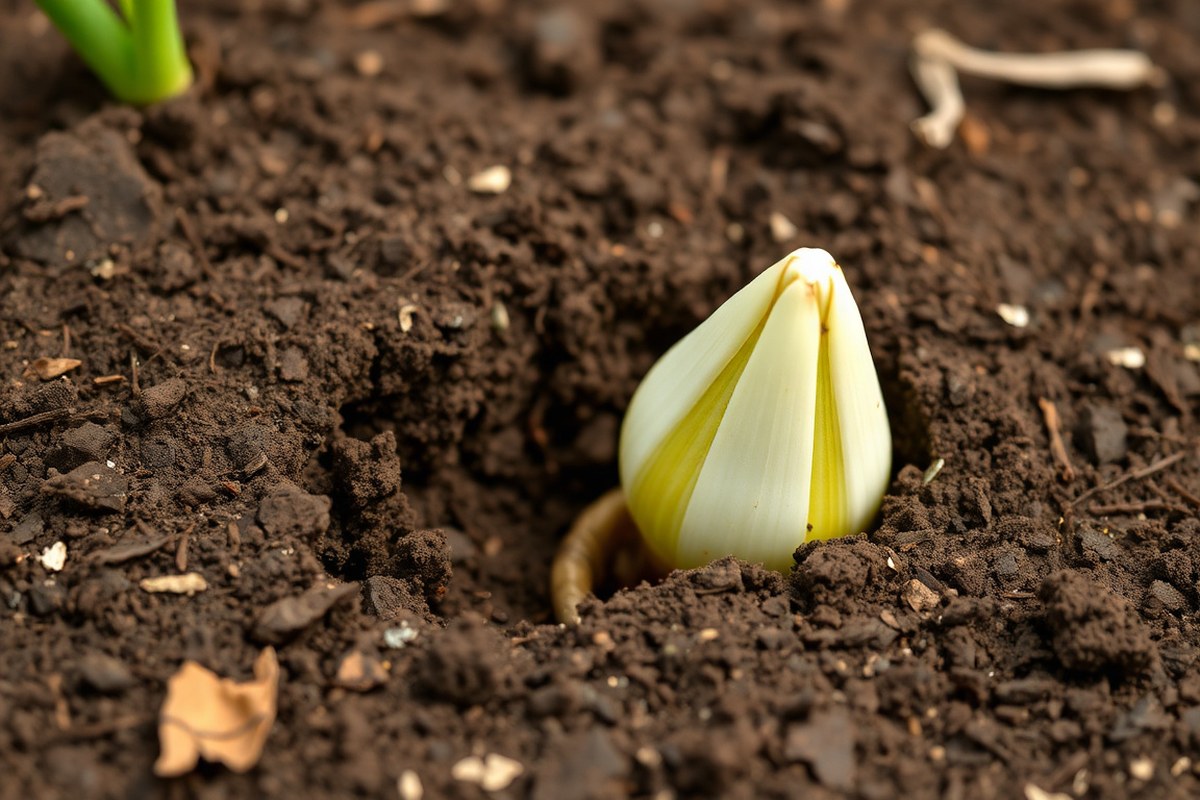
Plant narcissus bulbs 6 to 8 inches deep for most types. This depth equals about three times the bulb’s height. For a 2-inch bulb, set it 6 inches deep.
Measure your bulb’s height first. Then dig a hole two to three times that size. This helps the bulb settle right.
It helps protect bulbs from temperature swings and keeps roots stable. Larger bulbs need the deeper end of the range, around 7 to 8 inches.
Small bulbs under 3 centimeters (about 1.2 inches) go shallower, around 4 to 6 inches. Medium bulbs between 3 and 5 centimeters get planted 6 to 7 inches deep. Big bulbs over 5 centimeters need to go 7 to 8 inches deep.
This protects them from frost. It also supports heavy flowers.
Here’s a simple example: Your bulb is about 2.5 inches high. Multiply that by 3, and you get 7.5 inches. Dig a hole 7 to 8 inches deep for the bulb.
This gives it space to grow. It also keeps the bulb steady. For a smaller bulb at 1 inch, plant roughly 3 to 4 inches deep.
Different narcissus varieties do affect depth a bit. Miniature types with small bulbs need less soil cover. So about 3 to 5 inches works.
Standard daffodils usually require 6 to 8 inches. Trumpet varieties, with bigger bulbs, may need 7 to 9 inches deep for the best support.
Using the right depth stops bulbs from popping out. It also helps bulbs sprout well. You avoid shallow or too deep problems.
Always plant the pointy end facing up. This simple step ensures your narcissus bulbs can sprout and grow strong come spring.
How Do Bulb Size and Variety Affect Planting Depth?
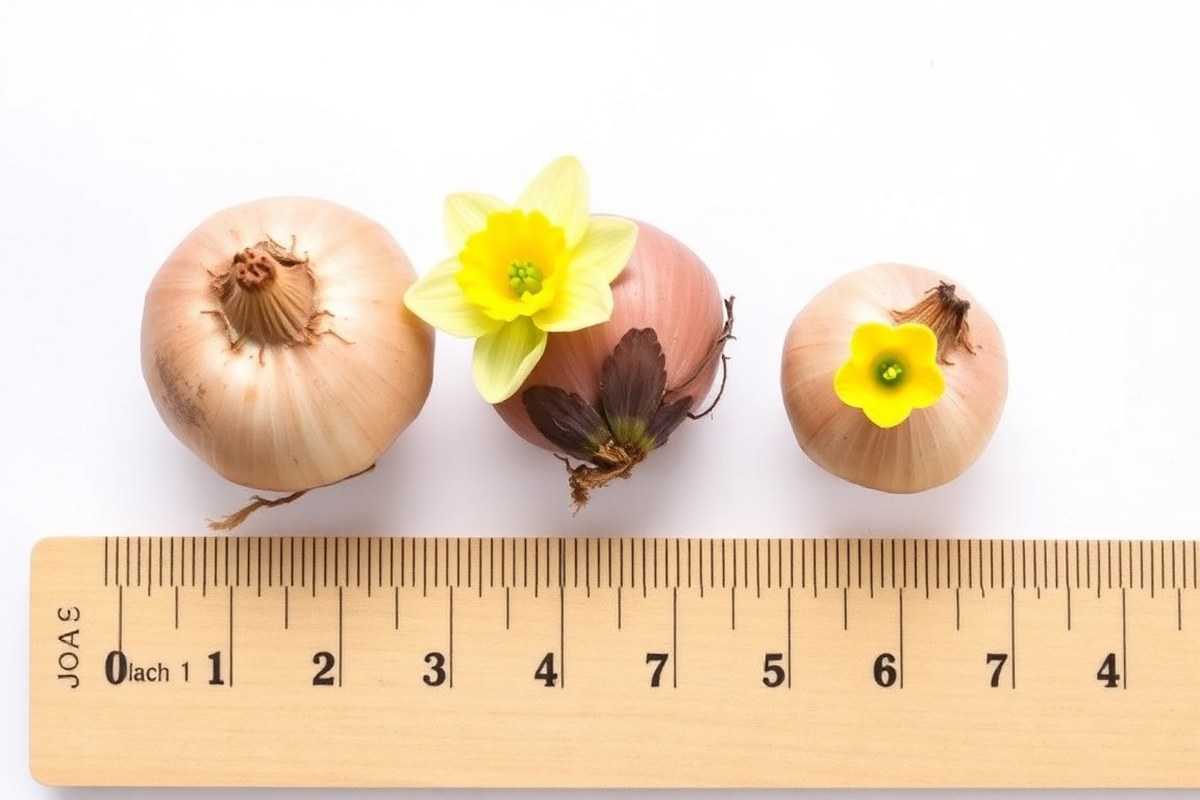
Bulb size changes how deep you plant narcissus bulbs. Smaller bulbs go shallower while larger bulbs need more depth for good root support. Depth also varies by variety, such as miniature, standard, or large trumpet types.
Miniatures usually measure less than 1 inch across. They do best when planted about 4 inches deep. Standard bulbs, around 1.5 to 2 inches wide, thrive at 6 inches deep.
Large trumpet types can be over 2 inches wide. Plant them 6 to 8 inches deep. This depth protects bulbs and supports strong stems.
| Bulb Size Category | Typical Diameter | Recommended Planting Depth | Suggested Spacing Between Bulbs |
|---|---|---|---|
| Miniature Narcissus | Less than 1 inch | 4 inches (10 cm) | 3 inches (7.5 cm) |
| Standard Narcissus | 1.5 – 2 inches | 6 inches (15 cm) | 4-6 inches (10-15 cm) |
| Large Trumpet Narcissus | Over 2 inches | 6-8 inches (15-20 cm) | 6 inches (15 cm) or more |
Spacing generally matches bulb size too. Smaller types sit closer together while big trumpets need room for strong stems and leaves.
Your soil type affects how deep you dig. But start with these sizes to avoid bulbs drying out or rotting.
Certain types, like rock-garden miniatures, like tighter spaces and shallower depths. Giant narcissus varieties with thick stems need the deepest planting and wider spacing. Planting different types in the same bed?
Adjust depths and spacing. Give each bulb enough room and nutrients.
Plant bulbs with the pointed end facing up. Check that soil is loose. Set soil to the proper depth for healthy growth.
Planting at the right depth helps roots grow strong and flowers stay healthy in spring. Dig holes about twice the bulb height deep.
For really large bulbs, this could mean up to 8 inches deep. Miniatures don’t need as much depth but avoid planting too shallow to prevent frost damage.
How to Adjust Planting Depth Based on Soil Type and Climate
How Soil Texture Changes Planting Depth
Sandy soil dries out fast and lets water drain quickly. Plant narcissus bulbs a bit deeper here, around 6 inches, to keep moisture near the bulb.
Heavy clay holds water and drains slowly, which can cause bulbs to rot. Plant bulbs about 4 to 5 inches deep.
This keeps moisture from getting too high. It helps avoid bulb rot and damage.
Loam soil is well balanced between sand and clay. Plant bulbs about twice their height deep.
This is usually 5 to 6 inches deep. Stick to this range for best growth.
Adapting Depth to Climate Zones
In warmer zones like USDA 8 and 9, plant bulbs shallower. Keep them 4 to 5 inches deep.
This helps avoid overheating bulbs. The soil warms faster here, helping bulbs grow without sitting too deep and cold.
Cooler zones need deeper planting to protect bulbs from freezing. Around 6 inches deep or more works well in colder USDA Zones 4 to 7.
Bulbs in mild zones can sprout too soon if shallow. Early sprouts risk damage from late frosts.
Plant a bit deeper to prevent this. Deeper planting delays growth until it’s safer.
Moisture and Drainage Effects
Well-draining soil helps prevent bulb rot by avoiding waterlogged conditions. Bulbs need moist soil that drains freely, so avoid overly wet spots.
In soil that holds too much water, planting less deep helps bulbs avoid soggy conditions. This reduces the chance of rotting during wet winters.
Dry soil needs bulbs deeper so they reach cooler and more moisture-retentive layers. This helps the bulbs survive heat and drought stresses.
How to Adjust Based on Soil and Climate
Test your soil by digging down a few inches to check moisture and texture. This helps you decide if you need to go deeper or shallower than usual.
Dig holes that are twice the bulb’s height in loose, drained soil. Adjust by an inch or two for sandy or clay soils as needed.
Keep bulbs firm and dry before planting. Plant them pointy end up, spacing them about 3 inches apart to encourage healthy roots.
What Are the Best Practices for Planting Narcissus Bulbs in Containers vs. Ground?
You can plant narcissus bulbs both in containers and directly in the ground. The depth and soil prep vary between these two options.
Planting depth in containers is shallower. The ground allows deeper placement and greater temperature insulation.
Comparing Depth and Conditions for Planting
Plant narcissus bulbs about 6 to 8 inches deep in garden soil. Ground soil allows loosening 12 to 18 inches deep for good root space and moisture retention. In containers, plant bulbs 4 to 5 inches deep.
Pots limit vertical space and soil volume. This depth fits most containers well.
Garden soil absorbs temperature changes slower, protecting bulbs from frost heave. Containers warm up and dry out faster, so drainage and watering need careful attention. Soil in containers usually drains well due to potting mix but can risk root overheating.
Preparing Soil for Ground Planting
Loosen garden soil 12 to 18 inches deep before planting narcissus bulbs. This gives roots room to grow and improves drainage to prevent rot.
Mix in compost or organic matter if soil feels heavy or clay-like. Avoid planting into compacted or soggy soil.
Space bulbs 4 to 6 inches apart in the garden. This spacing gives them proper airflow. It also gives bulbs room to grow.
After planting, water once to settle soil around the bulbs. Well-prepared soil holds moisture yet drains excess water well.
Preparing Containers for Narcissus Bulbs
Choose a container that is 8 to 10 inches deep. Make sure it has drainage holes. These holes stop water from building up.
Fill it with a well-draining potting mix that holds moisture without becoming soggy. Avoid garden soil in containers as it compacts and retains too much water.
Plant bulbs 4 to 5 inches deep, making sure their pointed side faces up. Space bulbs close but not touching, about 3 to 4 inches apart inside the pot. After planting, water lightly to settle the mix but avoid saturating it.
Step-by-Step Container Planting
Fill your container with potting mix first. Leave 1 to 2 inches free at the top. This space helps with watering and growth.
Press the soil down gently without compacting it too much. Create holes 4 to 5 inches deep and place bulbs pointy side up in each hole.
Cover bulbs with soil, firming lightly to keep them secure. Water once to settle the potting mix. Then place the container outside.
Choose a spot with partial sun. Check soil moisture regularly, watering when the top inch feels dry to prevent drying.
Ongoing Care Differences
Bulbs planted in the ground enjoy stable soil temperatures and steady moisture, needing less frequent watering. Container bulbs need more moisture care. Pots dry out faster and can overheat in sun.
Keep an eye on soil moisture regularly. Move containers to shaded areas during hot weather.
Both settings benefit from watering after planting and during dry spells. Avoid waterlogged soil anywhere, as narcissus bulbs rot in soggy ground.
Ground bulbs stay planted year-round. Containers can be moved indoors if frost is extreme.
What Are the Risks of Planting Narcissus Bulbs Too Shallow or Too Deep?
Planting narcissus bulbs too close to the surface risks frost damage. Freezing and thawing or heavy rain may push bulbs above soil. Bulbs near the surface dry out fast, hurting growth and flowers.
Planting bulbs too deep also causes problems. Shoots have trouble pushing up through the soil. This risks weaker plants or delayed blooms.
The bulb uses stored energy to push growth upward. Bulbs planted very deep may run out of energy before sprouting. This results in fewer or smaller flowers that don’t open well.
Depth affects how much energy the bulb spends to sprout. When planted right, the bulb conserves enough carbohydrate reserves to develop strong leaves and blooms. Too deep means energy loss; too shallow means risk of damage or drying out.
- Bulbs popping out usually occur from freeze-thaw cycles or soil frost heaving
- Shallow planting risks winter freeze damage and drying of bulbs
- Deep planting causes exhaustion of bulb energy before sprouting
- Poor bloom size or lack of flowers signals wrong planting depth
- Rot can occur if deep soil holds too much moisture around the bulb
- Energy reserves in the bulb determine sprout success and flower size
Plant bulbs about three times as deep as their height. This depth protects bulbs from cold and moisture extremes. It also lets the shoot use stored energy efficiently to grow strong and bloom well.
Don’t plant narcissus bulbs too shallow or deep. The right depth protects them from freezing and energy loss.
How Do You Correct Planting Depth Mistakes and Prevent Future Issues?
Correcting planting depth mistakes helps your narcissus bulbs bloom well each year. You can check in late fall or during the bulbs’ dormant period to avoid disturbing growth.
When bulbs are too shallow, they may pop out or get frost damage. Too deep planting can delay sprouting or stop it altogether.
Follow these steps to fix planting depth issues in fall or early spring, before shoots appear. Quick fixes stop bulbs from surfacing and soil prep improves future success. Use a small spade or trowel to avoid harming nearby roots.
- Check bulb depth by gently digging around suspected spots. Dig a few inches of soil to find the bulb without pulling it out.
- Assess planting depth. The bulb’s tip should be 4 to 6 inches (10 to 15 cm) under soil. Too close to the surface means replanting is needed.
- Lift shallow bulbs carefully by loosening soil around them. Avoid damaging roots or scales on the bulb.
- Prepare soil by loosening the area and mixing in compost or well-rotted manure. This helps drainage and supports growth.
- Replant bulbs deep enough with the pointed end facing up. Cover with soil, gently tamping it to hold bulbs in place.
- Water lightly to settle soil but avoid overwatering. Excess water can cause bulbs to rot.
- Cover surfaced bulbs temporarily with leaf mulch if you notice pop-outs in early winter. This helps insulate them until you replant.
- Wait to replant deeply if bulbs are too deep but sprouted poorly. Dig up in early dormancy before shoots fully develop next fall.
Checking bulbs after planting costs little but takes time and care. You prevent lost blooms and frost damage by planting at the right depth early.
For quick fixes, mulching provides temporary protection. When bulbs need replanting, the soil should be loose and well-drained to promote healthy root growth.
How to Prepare Soil and Plant Narcissus Bulbs for Optimal Depth and Growth
Preparing the soil properly helps narcissus bulbs grow strong roots and healthy flowers. You need to loosen the soil deeply. Dig holes the right size.
Place bulbs carefully, space them well, and water the area. Doing these steps carefully sets you up for success.
Loosening Soil and Improving Drainage
Loosen soil about 12 inches deep before planting narcissus bulbs. This depth helps roots spread and prevents water from pooling around bulbs.
Good drainage is key. Mix in coarse sand or compost to help drainage. Use this if your soil holds water or is heavy clay.
Digging Holes to the Correct Depth and Size
Dig holes deep enough for bulbs to sit 6 inches down. Match the hole depth to the bulb size. Wide holes are easier for roots to spread.
A 7-inch deep hole works well for medium bulbs. Make it 4 to 5 inches wide for enough space.
Planting Bulbs Pointed End Up
The pointed end of narcissus bulbs should always face up toward the soil surface. It helps the shoot grow up and the roots grow down.
Planting bulbs upside down can stop growth. Roots may not grow right if the bulb is upside down.
Spacing and Covering the Bulbs
Space bulbs 3 to 6 inches apart to avoid crowding but still encourage clumping over time. At least 4 inches spacing works well for most varieties.
Cover bulbs gently with soil, firming slightly to remove air pockets without crushing the bulbs. This helps roots make good contact with soil.
Watering and Mulching After Planting
Water bulbs deeply right after planting to settle soil and start root growth. Use about 1 inch of water per square foot.
Apply a 2-3 inch layer of mulch like shredded leaves or bark over the soil. Mulch helps keep soil moist and temperature steady. Follow these steps on planting day to prepare soil and plant your narcissus bulbs:
- Loosen soil to 12 inches deep with a garden fork or spade.
- Mix in compost or sand if drainage is poor.
- Dig holes about 6 inches deep and wide enough for each bulb.
- Place bulbs with pointed end facing up in each hole.
- Space bulbs 3 to 6 inches apart for best growth.
- Cover bulbs gently with soil and lightly firm it.
- Water deeply to settle the soil around the bulbs.
- Apply mulch 2 to 3 inches thick to conserve moisture.
When Is the Best Time to Plant Narcissus Bulbs for Best Depth Results?
Plant narcissus bulbs in fall for the best results. In most U.S. Regions, plant them between late September and early November. This timing lets bulbs settle and grow roots before winter freezes the soil deeply.
In warmer areas like the South, you can plant bulbs later, even in December. Cooler northern regions need earlier planting, sometimes by late September, to allow enough root growth. Plant bulbs at the right time to keep them safe from freezing.
This helps bulbs go deep enough in the soil. It also supports strong spring blooms.
Spring planting is possible but needs preparation. You need to pre-chill bulbs for 8 to 12 weeks. The ideal temperature is between 35°F and 48°F (2°C to 9°C).
Keep them cool during this period. This simulates winter conditions and wakes bulbs from dormancy. Without pre-chilling, bulbs may fail to bloom or produce weak flowers.
Adjust planting depth slightly depending on the season. Fall-planted bulbs usually go two to three times their height deep.
For spring plantings, put them a bit shallower, closer to two times the bulb height. Cold soil slows root growth, so shallower depth helps roots find warmth faster.
Good root establishment depends on this timing and depth balance. Too deep in spring, and bulbs might rot or stay dormant too long.
Too shallow in fall, and freezing temperatures risk damaging roots. Timing also controls when flowers appear: fall planting leads to timely spring blooms.
Make sure pre-chilled bulbs stay moist and cool but not wet to prevent rot during storing.
Step-by-Step Action Plan for Planting Narcissus Bulbs
Follow these steps to plant your narcissus bulbs at the right depth and ensure good growth.
- Before planting: Choose healthy bulbs and loosen soil to about 12 inches deep. The soil should drain well to avoid rot.
- Day 1: Dig a hole three times the bulb’s height. For an average bulb, that’s about 6 inches deep.
- Day 1: Place the bulb pointy side up in the hole. Cover with soil gently but firmly.
- Day 1: Water the area lightly to settle the soil around the bulb.
- Week 1: Check for soil moisture weekly. Keep the soil cool and lightly moist, not soaked.
- After flowering: Let the foliage die back naturally before removing it. This feeds the bulb for next year.
Frequently Asked Questions
How Deep Should You Plant Narcissus Bulbs in Rocky Soil?
Plant narcissus bulbs a bit shallower in rocky soil to avoid drainage issues. Try 6 inches deep instead of the deeper 8 inches generally recommended.
Can Planting Narcissus Bulbs Too Deep Delay Blooming?
Yes, planting bulbs too deep can delay blooming by making them work harder to reach sunlight. Stick to the 6 to 8 inches depth to avoid slower growth.
Do Narcissus Bulbs Planted in Pots Need Different Depths?
No, plant narcissus bulbs as deep in pots as in soil. The depth should be about 6 to 8 inches.
This helps them grow well. Good pot drainage is more important than depth differences.
Can Mulch Affect the Effective Planting Depth of Narcissus Bulbs?
Mulch does not change how deep to plant bulbs but adds insulation. Plant bulbs correct depth first, then mulch on top to keep soil temperature stable.
Does Narcissus Bulb Planting Depth Change in Warmer Climates?
Yes, plant slightly shallower, around 6 inches deep, in warmer climates to prevent rotting. Detail soil drainage well to protect bulbs.
How Does Soil Dryness Impact Narcissus Bulb Planting Depth?
Dryer soils might require deeper planting, near 8 inches, to protect bulbs from drying out. Adjust depth based on how dry or moist your garden soil is.
Key Points to Remember
Plant your narcissus bulbs about 6 inches deep for the best blooms and healthy roots. Use well-draining soil and keep moisture balanced. Start planting in the fall, and watch for strong growth next spring.