
How to Care for a Lily Plant: Complete Guide with Expert Tips and Proven Methods
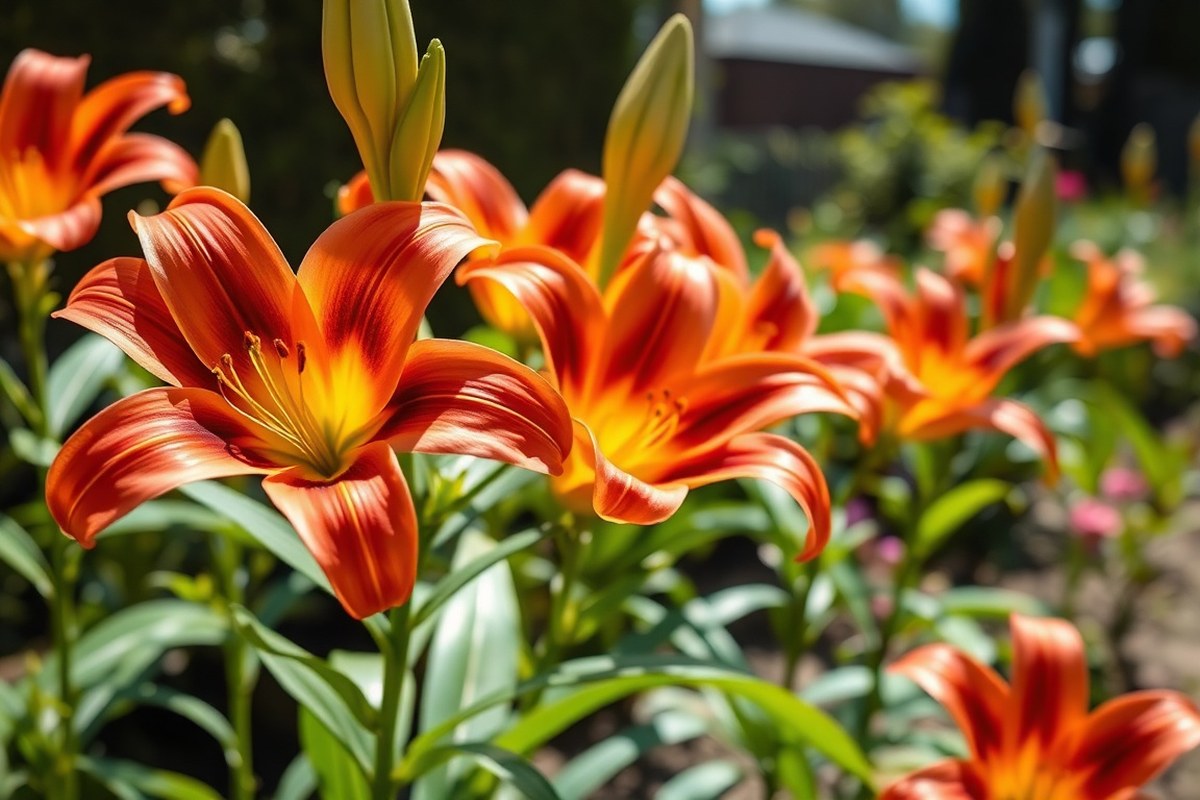
Caring for a lily plant means helping it grow strong and bloom well. Plant bulbs at the right depth and time for a good start. Water regularly but avoid soaking; lilies prefer moist, well-drained soil.
Lilies need at least six hours of sunlight daily to keep stems strong. Use fertilizer with extra phosphorus to encourage longer-lasting flowers. Watch for pests and diseases to maintain plant health.
Well-drained soil is key to prevent root rot in lilies. Mulch around the plants to retain moisture and reduce weeds. Check soil moisture by touch, it should feel damp but not wet.
Remove dead flowers to boost more blooms and stop seed growth. Support tall lilies with stakes to keep them upright. Treat aphids or fungal spots early to avoid damage.
Key Takeaways
- Plant lily bulbs 6 inches deep or three times their height for best results.
- Choose a planting time 2-4 weeks before your area’s first autumn frost.
- Water your lilies thoroughly once or twice weekly based on rain amounts.
- Give lilies at least 6 hours of direct sunlight daily for sturdy growth.
- Use bulb fertilizer high in phosphorus to encourage strong, vibrant blooms.
- Stake tall lilies early with soft ties to prevent stem damage.
Essential Steps to Care for a Lily Plant
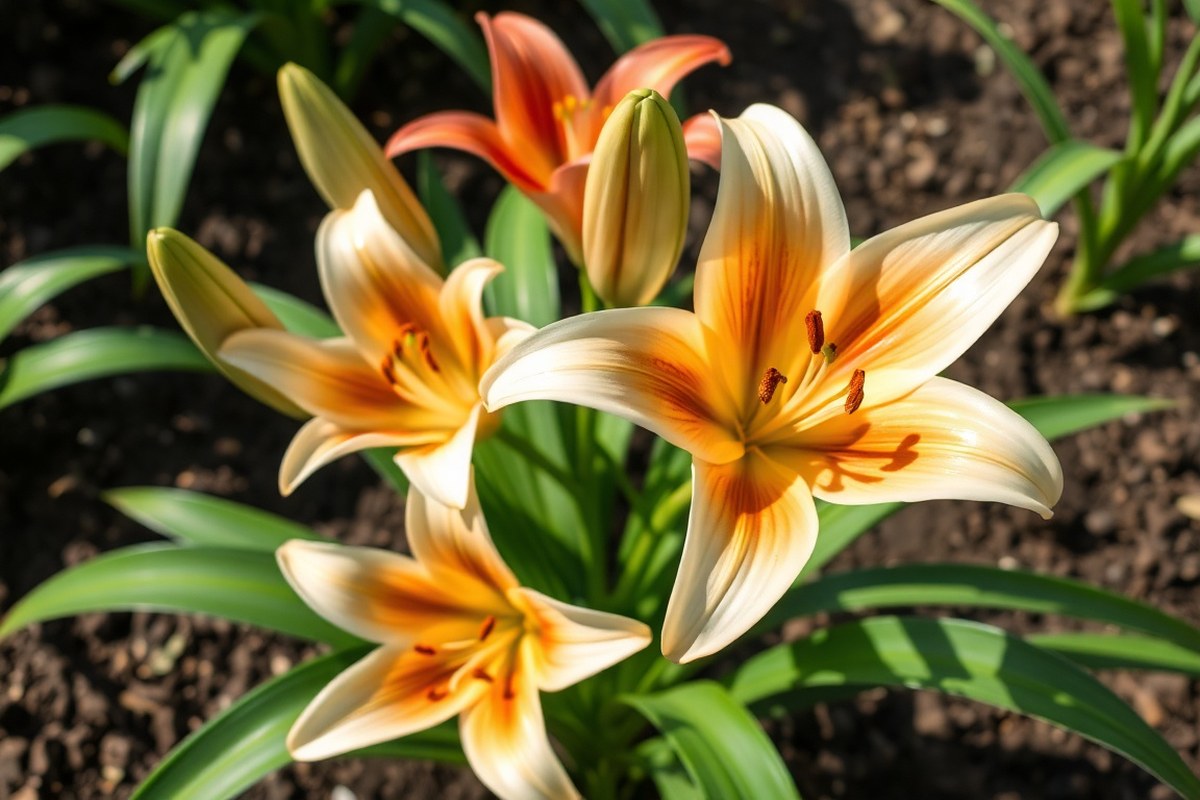
Lilies grow best with well-drained, neutral pH soil and plenty of sunlight. They prefer full sun but tolerate partial shade. Plant bulbs 6 to 9 inches deep for best growth.
Space them 8 to 12 inches apart. This gives roots room to spread out well.
Water lilies regularly to keep the soil moist but not soggy. Check soil moisture every two weeks and add water if it feels dry. Overwatering can cause bulb rot, so ensure good drainage to avoid puddles.
Fertilize lilies in early spring when shoots appear and again when flowers bloom. Use a slow-release fertilizer designed for bulbs to supply steady nutrients. This feeding supports strong stems and large, vibrant flowers.
Remove faded flowers to prevent seed formation and redirect the plant’s energy toward bulb growth. Deadhead lilies as soon as you see the blooms start to fade. This step helps extend the flowering period and keeps plants looking tidy.
Support tall lilies over 3 feet tall with stakes to prevent bending or breaking. Drive stakes into the ground early, then loosely tie stems as they grow. Avoid tight ties that can damage the stems and cause stress.
Prune leaves only after they turn yellow and die back completely, usually in late fall. This lets the plant store nutrients in its bulb for the next growing season. Don’t cut green leaves too soon or the bulbs will weaken.
Lilies tolerate a range of temperatures. But planting time and depth should adjust to your climate.
In warmer areas, place bulbs deeper, closer to 9 inches down. Cooler zones do better with a shallower depth around 6 inches.
Choosing and Planting Lily Bulbs Correctly
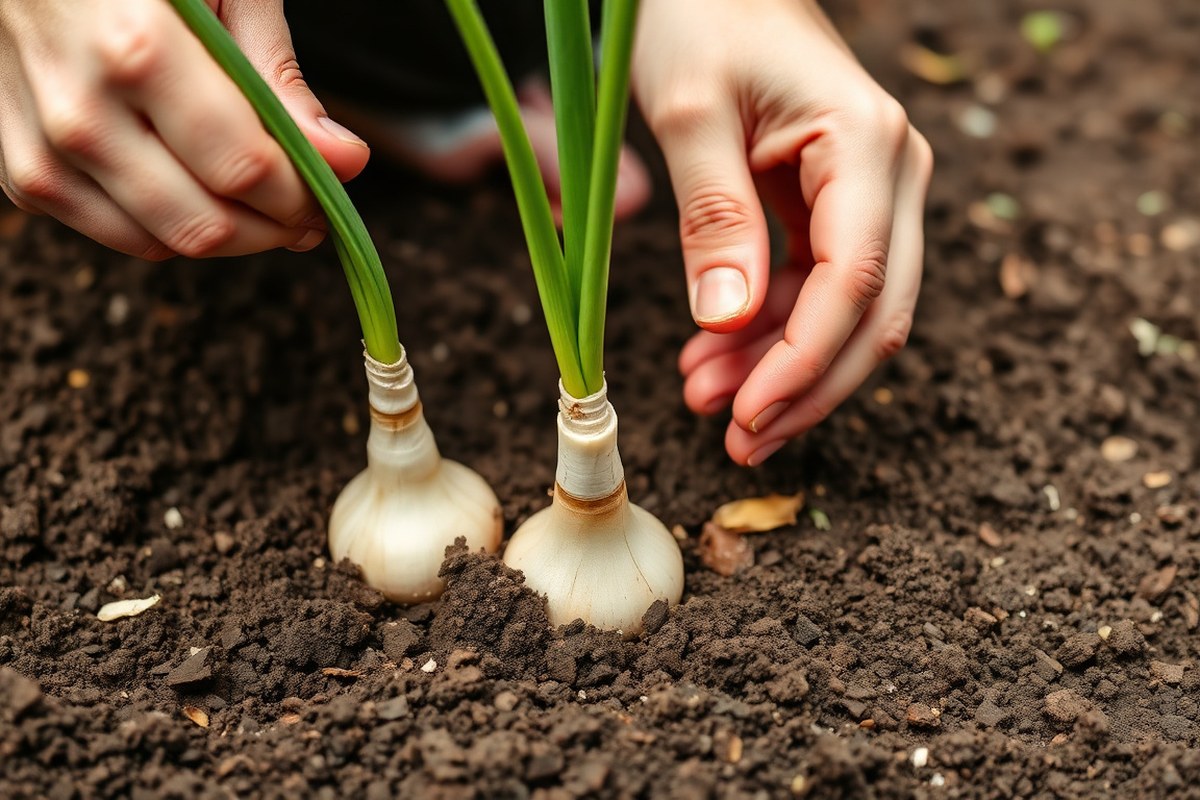
Plant lily bulbs either in early spring or fall, depending on your zone. Dig planting holes about three times deeper than the bulb’s height. Space bulbs 6 to 12 inches apart for proper growth and airflow.
Seasonal Timing for Planting Bulbs
Most gardeners plant lily bulbs in early fall to let roots establish before winter. Cooler climates may wait until early spring to avoid freezing soil damage. Timing depends on your region’s frost dates and particular lily variety.
Fall planting often leads to better blooms the next season. Sprouting bulbs need time to grow roots in cool, moist soil. Starting early helps lilies develop strong stems and flowers.
How to Prepare Soil for Lily Planting
Start by loosening soil 12 to 15 inches deep with a shovel or rototiller. Lilies like rich, well-draining soil that stays moist but not soggy. Mix in compost or aged manure to improve nutrients and drainage.
Check soil pH; lilies prefer neutral soil around 6.5 to 7. Add sand or organic matter if soil is clay-heavy. Well-prepared soil supports healthy roots and reduces rot risks during wet seasons.
Planting Bulbs in Containers vs Garden Beds
Choose containers at least 6 inches deep with drainage holes to avoid standing water. Put four to six bulbils in the pot. Plant them about 1/2 inch deep.
Space each about one inch apart. Use a high-quality, well-draining potting mix for best results.
Garden bulbs need more room to grow. Space them 6 to 12 inches apart. This helps them get big.
Plant bulbs pointy side up and cover to roughly three times their height. This depth protects them from temperature swings and drying out.
The planting depth and spacing guide below helps you plan:
| Lily Bulb Height | Planting Depth | Spacing (Garden) | Spacing (Container) |
|---|---|---|---|
| 2 inches | 6 inches | 6-8 inches | 1 inch |
| 4 inches | 12 inches | 8-12 inches | 1 inch |
| 6 inches | 18 inches | 10-12 inches | 1 inch |
Follow these steps to plant your lily bulbs correctly:
- Prepare soil by loosening it 12-15 inches deep and mix in compost.
- Dig holes three times deeper than bulb height for good root protection.
- Place bulbs pointy side up to avoid stem damage and give shoots room.
- Space bulbs 6-12 inches apart in garden; 1 inch apart in containers.
- Cover bulbs with soil and press gently to remove air pockets.
- Water the planting area gently to settle soil and begin root growth.
- Label locations to help with later care like staking or fertilizing.
Planting bulbs too shallow can dry them out; too deep delays sprouting.
Sunlight and Water Requirements for Optimal Growth
Lilies usually need 6 to 8 hours of sunlight daily to look their best. Different types of lilies have different sun needs, so check your variety. Water them about an inch each week while growing.
Keep the soil moist. Avoid letting it get soggy.
Sunlight Needs for Major Lily Types
Some lilies thrive in full sun, meaning they need at least 6 hours of direct sunlight. Other types can do well with partial sun or light shade. Choosing the right spot helps avoid weak stems and poor flowering.
Asian lilies are happy in full sun. Oriental lilies like morning sun with afternoon shade. Easter lilies often grow indoors or in partial sun in milder climates.
| Lily Type | Sunlight Needed | Notes |
|---|---|---|
| Asiatic | Full sun (6-8 hours) | Best in sunny spots to prevent legginess |
| Oriental | Partial sun (4-6 hours) | Prefers some afternoon shade to protect blooms |
| Trumpet | Full sun to partial shade | Plant early in spring for best results in colder zones |
| Easter Lily | Partial sun or indoor light | Often grown indoors, can handle mild outdoor conditions |
Picking a site with the right sun level ensures your lilies look strong and bloom well. Too much shade leads to thin stems and fewer flowers. Too much hot sun can fade blooms too fast.
Watering Frequency for Different Climates
Lilies like soil that stays moist but not soaked. About one inch of water per week works well during their active season. Keep in mind your local climate; hot, dry areas may need extra watering.
In cooler or humid regions, watering every 7 to 10 days may be enough. Dryer places might need watering every 3 to 4 days to avoid dry soil. Check the soil surface, if it feels dry an inch below, it’s time to water.
Adjusting Watering in Growth Stages
Start watering more often once shoots appear in spring. Lilies need extra water while they grow leaves and form buds. Reduce watering after flowering to let the plant prepare for rest.
Overwatering makes the bulbs rot, and underwatering causes dry, wilted leaves. Water slowly to soak roots without flooding the area.
Mulching helps keep the soil moisture steady. It also cuts down watering trips.
Fertilizing Lilies for Strong Blooms and Growth
Use a fertilizer with an NPK ratio of about 5-10-5. This helps lilies grow strong roots. It also supports bright, healthy flowers.
The higher middle number means more phosphorus, which supports flowering. Avoid fertilizers with too much nitrogen since that can promote leafy growth instead of blooms.
Start fertilizing in early spring when you see new lily shoots. Apply a balanced granular fertilizer around the base. But keep it away from stems and leaves to avoid burning.
Wait to feed lilies until the blooms fade. Then give them a second feeding. This helps bulbs build energy for next season.
You generally need about 1 tablespoon of fertilizer per plant at each feeding. Sprinkle it evenly around the soil surface near the plant’s drip line. Water it in well so nutrients reach the roots and don’t just sit on top.
Usually, you fertilize twice each growing season. Space these feedings six to eight weeks apart. This timing helps lilies grow well.
This schedule helps your lilies sustain blooming without exhausting the bulbs. Too much fertilizer can harm lily growth.
Especially avoid heavy feeding late in the season. It can weaken plants and reduce flowers next year.
Look for bulb food labeled 3-8-8 if you want lily-specific fertilizer. This formula helps with flowering. It also supports overall plant health.
These fertilizers typically cost about $12 to $15 per pound, enough for many plants. You can find them at garden centers or online easily.
In shady or poor soil conditions, you might need a lighter dose or more frequent feedings. But most lilies do fine once or twice a season under full sun.
Remember to keep soil moist and well-drained, so the fertilizer works well. Excess fertilizer where lilies don’t get enough water can stress the plants instead of helping them.
Supporting Tall Lily Plants and Managing Growth
Lilies that grow taller than 3 feet usually need staking. Check your lily variety’s mature height in its growing instructions. When your plant grows 3 feet or taller, use stakes.
Stakes keep stems upright and prevent bending or breaking. Wind and rain can easily damage unsupported stems.
Start by placing a small, sturdy stake in the soil when you plant the bulbs. This stake works as a marker for your plant. You can swap it for a taller stake later.
That way, it fits the plant as it grows. Put the taller stake in when you see buds.
This helps avoid messing with roots later. Adding it too soon might disturb the plant.
Use materials like bamboo stakes, metal rods, or wooden dowels. These should be 4 to 6 feet long to match most tall lily stems.
Tie the stem loosely to the stake with soft garden ties, twine, or strips of cloth. Avoid tight knots, which can cut or damage the stem.
- Insert stakes 8 inches away from the stems to protect bulbs and roots.
- Place the stake deep enough, around 12 inches, for firm support.
- Use soft ties that won’t cut into the stem as it grows.
- Check ties regularly and loosen them if they get tight.
- Remove stakes after the lilies finish blooming to prevent stem damage.
Support keeps blooms standing tall, which improves air flow and flower visibility. Tall lilies with big blooms often flop without stakes. Flopping damages stems and harms the plant’s shape.
Stakes help keep the plant looking neat and healthy. Place supports before strong winds or storms, which can break unsupported stems quickly.
Be gentle when tying the stems. Wrap ties with enough slack for the stem’s growth and movement. Don’t tie stems where leaves grow closely.
Ties there can pinch or crush the stem. That hurts growth and weakens the plant. Regularly inspect the stakes and adjust as needed to avoid wounds or split stems.
Don’t wait for the stem to bend before staking. Early support prevents breakage and stress on your lilies.
Identifying and Treating Common Pests and Diseases
Check your lilies often for pests like aphids, lily beetles, and slugs. These bugs can chew leaves, suck sap, and weaken your plant. Early detection helps stop damage before it spreads.
Diseases also affect lilies. Botrytis, or gray mold, attacks leaves, stems, and flowers, especially in humid spaces without air flow.
Lily mosaic virus causes mottled leaves and stunts growth. Removing old stems and debris in fall lowers infection risk.
| Pest or Disease | Signs to Spot | Natural Control | Chemical Control |
|---|---|---|---|
| Aphids | Clusters on stems, sticky residue, curled leaves | Spray water or neem oil weekly | Insecticidal soap or systemic insecticides |
| Lily Beetles | Red beetles, chewed leaves and buds | Handpick daily, attract birds | Pyrethrin-based insecticides |
| Slugs and Snails | Holes in leaves, slime trails | Beer traps, copper barriers | Slug baits with iron phosphate |
| Botrytis (Gray Mold) | Brown spots, fuzzy gray mold on stems/flowers | Good spacing, remove debris, improve airflow | Fungicides with chlorothalonil or copper |
| Lily Mosaic Virus | Mottled/yellowing leaves, stunted growth | Remove infected plants promptly | No chemical cure; clean tools thoroughly |
Natural treatments work best when combined with good garden habits. Use neem oil sprays every week for aphids and other small pests.
For slugs, beer traps attract them out at night, then discard. Handpicking lily beetles is time-consuming but very effective early on.
Chemical options provide quick relief but use them carefully. Choose products labeled for lilies and follow all directions.
Avoid chemical sprays on hot days. Always space lilies 6 to 8 inches apart for airflow to reduce disease.
Mulching lilies with 2 to 4 inches of organic material cuts weeds and keeps moisture steady. This also helps keep pests like slugs away. Remove old stems every fall to stop pests and diseases hiding through winter.
Propagating Lilies: Bulbs, Seeds, and Division
You can propagate lilies by dividing bulbs, growing from seeds, or using bulb scaling. Dividing bulbs is the easiest and fastest method to multiply your plants. Seeds and scaling take longer but allow you to try different lily varieties.
Dividing Lily Bulbs Safely
Dividing lily bulbs boosts plant health and gives you more lilies. It’s best done in fall or early spring before growth starts. You should label the varieties with plant markers to avoid confusion later.
Use these steps to divide and replant your lily bulbs:
- Dig carefully around the bulb cluster to avoid damaging them.
- Gently pull bulbs apart if they separate easily or use a clean knife.
- Check bulbs for damage or rot and discard unhealthy ones.
- Prepare new planting holes about 6 to 8 inches deep with well-drained soil.
- Place bulbs with their pointed ends up in the hole.
- Cover bulbs with soil and water thoroughly after planting.
- Label the location with a plant marker for tracking and future care.
Divided bulbs take 1 to 2 growing seasons to bloom fully again. Keep the ground moist but not soggy to help the bulbs settle. In clay soils, add sand or gravel under bulbs to improve drainage.
Growing Lilies from Seed
Lilies grown from seed take more time but create new varieties. Seeds form if you let flowers mature without deadheading. These seeds need patience because germination can take 3 months to a year.
Follow these steps for seed sowing to start lilies from seed:
- Collect ripe seeds from dried seed pods in late summer or fall.
- Fill seed trays or pots with a porous seed-starting mix.
- Press seeds lightly into the soil’s surface without burying them deeply.
- Water gently to keep soil moist but not soaked.
- Place trays in a cool spot, ideally between 55, 65°F (13, 18°C).
- Wait 3 to 12 months for seeds to sprout; be patient.
- Once seedlings have roots and small leaves, transplant them individually.
Seedlings need several years before they bloom, unlike bulbs. Keep seeds moist and protect them from pests during germination. Seed-grown lilies often show varied flower colors and types.
Bulb Scaling Propagation Method
Bulb scaling lets you multiply lilies quickly without seeds. It involves removing bulb scales, which grow into new bulbs under the right conditions. This method is helpful if you want many new plants from one bulb.
Here’s how to propagate lilies by bulb scaling:
- Carefully peel off healthy outer scales from a mature lily bulb.
- Dust the scales with a fungicide to prevent rot.
- Place scales in a plastic bag with slightly damp peat moss or vermiculite.
- Keep the bag in a warm, dark place at about 70°F (21°C).
- Check regularly for tiny bulblets forming at the scale base after 4 to 6 weeks.
- Once bulblets appear, plant them in pots with light, well-draining soil.
- Grow bulblets for 1 to 2 years until they are large enough to plant outside.
This method needs patience and clean tools to avoid infection. Bulb scaling gives you many new lilies without waiting for seeds. Use it when you want to multiply prized lily types faster.
Seasonal Care and Winter Preparation for Lilies
Adjust your lily care through the seasons to help them thrive and bloom well. In spring, plant bulbs if you haven’t yet. Fertilize lilies once shoots appear to support growth.
During summer, continue fertilizing and deadhead spent flowers to encourage more blooms. Watch for yellowing leaves and trim them to keep plants tidy. By late summer and into fall, stop fertilizing and prepare for winter.
- Cut back yellow or dying lily leaves once they have faded. Leave about 2 inches of stem above the ground. This helps the bulbs stay healthy.
- After the first hard frost, cut lily stems down to ground level to prevent frost damage.
- Put a thick layer of mulch like straw or pine needles around plants. This protects lily bulbs during cold winter months. Leaves can also work as mulch.
- Plant new lily bulbs a month before the first fall frost. Or wait until after the last frost in spring. This timing helps bulbs grow well.
- Remove weak or damaged bulbs in late winter or early spring before new growth starts.
- Mulch again in late fall and early winter to prevent frost heaving and moisture loss.
The goal of cutting back foliage after it yellows is to let the plant rest. Leaving dead leaves can invite pests or disease next season. Mulch keeps lily bulbs warm in cold weather zones.
It stops the ground from freezing and thawing a lot. This protects bulbs from damage.
Don’t cut green foliage early. Wait until it yellows naturally to feed the bulbs stored energy.
For winter protection, mulch about 3 to 4 inches deep around bulb sites. Use materials like pine needles or loose leaves for good airflow. Avoid compacted or wet mulch that can cause rot.
Spring care starts with uncovering bulbs carefully after winter and removing dead mulch. Check bulbs for firmness.
Soft or shriveled ones won’t grow well and should be discarded or divided. Healthy bulbs mean strong lilies with big flowers in the growing season ahead.
Step-by-Step Action Plan for Healthy Lilies
Follow these simple steps to keep your lily plants strong and blooming beautifully all season long.
- Before Planting: Choose firm, healthy bulbs and plant them in well-drained soil about 6 inches deep. You’ll know they’re planted right when the soil stays loose and moist.
- Week 1: Water the bulbs gently but thoroughly after planting. Check that water soaks in without puddles forming.
- Weeks 2-4: Place your lilies where they get 6 to 8 hours of sunlight daily. Watch new shoots emerge and stand upright.
- Month 2: Begin fertilizing once shoots appear, every 4 to 6 weeks with a balanced fertilizer. The leaves should look green and healthy.
- When Stems Grow Tall: Stake tall lilies to keep them from falling over. Stakes should be firm but not damage the stems.
- Throughout Growing Season: Keep checking for pests like aphids and treat quickly with insecticidal soap. Healthy leaves with no sticky residue means treatment worked.
- Late Season: Remove faded flowers to encourage bulbs to store energy for next year. The plant will stop blooming but leaves stay green.
- Before Winter: Cut back leaves when yellow and mulch bulbs to protect from frost. Mulch stays thick and soil feels cooler but not frozen.
Frequently Asked Questions
How Often Should I Water My Lily Plant During the Growing Season?
Water lilies deeply once a week during dry periods. Avoid overwatering by waiting until the top inch of soil feels dry before watering again.
Can I Grow Lilies Indoors, and How Do I Care for Them There?
Yes, lilies can grow indoors if placed in a bright spot. Use well-drained potting soil, water when the top soil dries, and provide good air circulation.
What Type of Mulch Works Best Around Lily Plants?
Organic mulches like shredded bark or compost work best. Mulch helps retain moisture and keeps soil temperatures steady for better growth.
How Do I Deadhead Lily Flowers Properly?
Cut spent blooms just above the first leaf cluster. This focuses energy on bulb growth and helps produce bigger flowers next season.
Are Lilies Toxic to Pets, and What Precautions Should I Take?
Yes, lilies are toxic, especially to cats. Keep plants out of reach or avoid growing them indoors if you have curious pets.
What Is the Best Way to Store Lily Bulbs over Winter?
Store lily bulbs in a cool, dry place with good airflow. Avoid dampness to prevent rot and plant them in fall for the next season.
Wrapping Up
Caring for lilies takes attention but pays off with bright, strong blooms. Pay close attention to water and sunlight needs early on. Start planting your bulbs this week to enjoy their beauty next season.


