How Long Can Flowers Sit Out of Water: Timelines, Tips & Reviving Methods
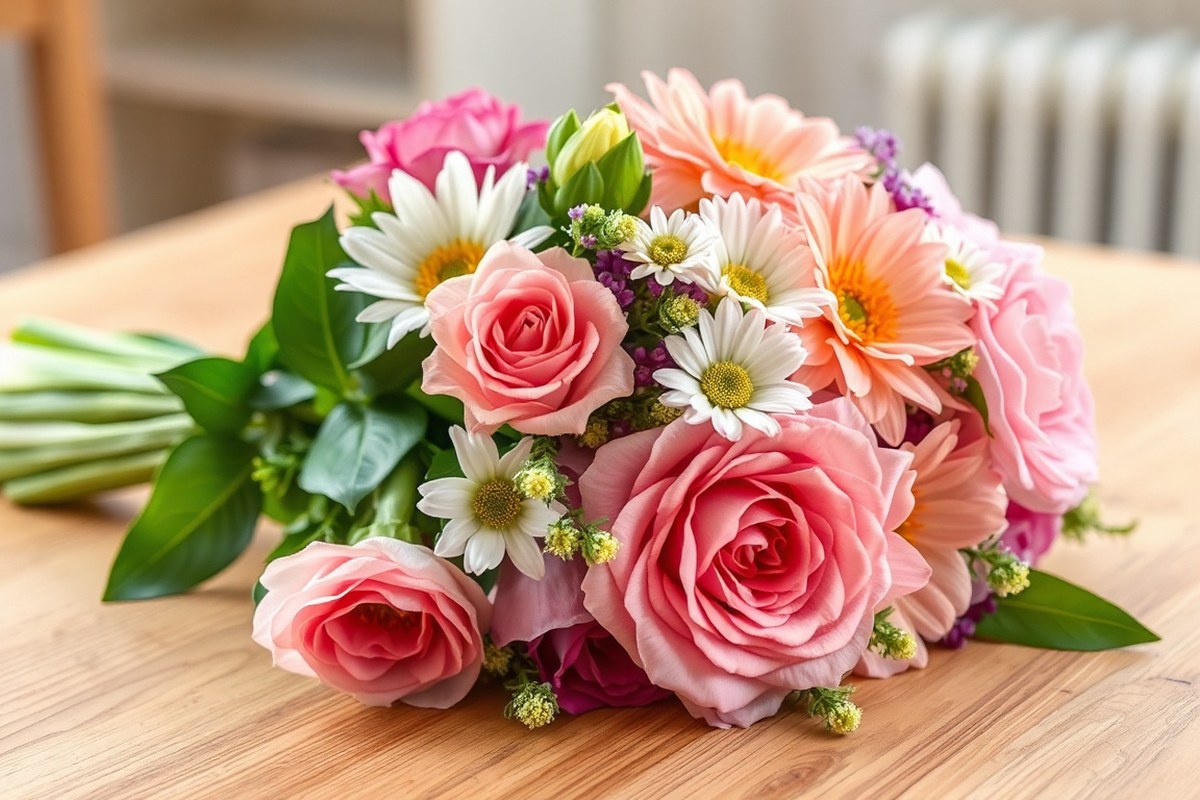
How long can flowers sit out of water before they start to wilt? Most cut flowers only last about 1 to 4 hours without water at room temperature. Leaving cut flowers out longer traps air in their stems.
This stops water from reaching the petals. They start to droop without water flow.
Some hardy flowers like carnations can survive up to 24 hours if kept cool and humid. But delicate types such as hydrangeas may begin to shrivel within 30 minutes. Quick action helps prevent damage and keeps bouquet freshness longer.
Always place cut flowers into fresh water right after cutting or receiving them. Adding a floral preservative helps stop bacteria.
It also keeps your flowers fresh longer. Watch for bending or dry stems, they signal the flowers need water fast.
Key Takeaways
- Most cut flowers need water within two hours. Leaving them dry longer causes damage.
- Hardy flowers like carnations can survive 12 to 24 hours without water if cool.
- Delicate flowers such as hydrangeas wilt severely after just 30 minutes without water.
- Place flowers immediately into fresh, cool water with floral preservative.
- Look for drooping petals or dry stems as signs to rehydrate flowers instantly.
- Air blocks in stems stop water uptake. So keep flowers in water to avoid drying out.
How Long Can Cut Flowers Last Without Water?
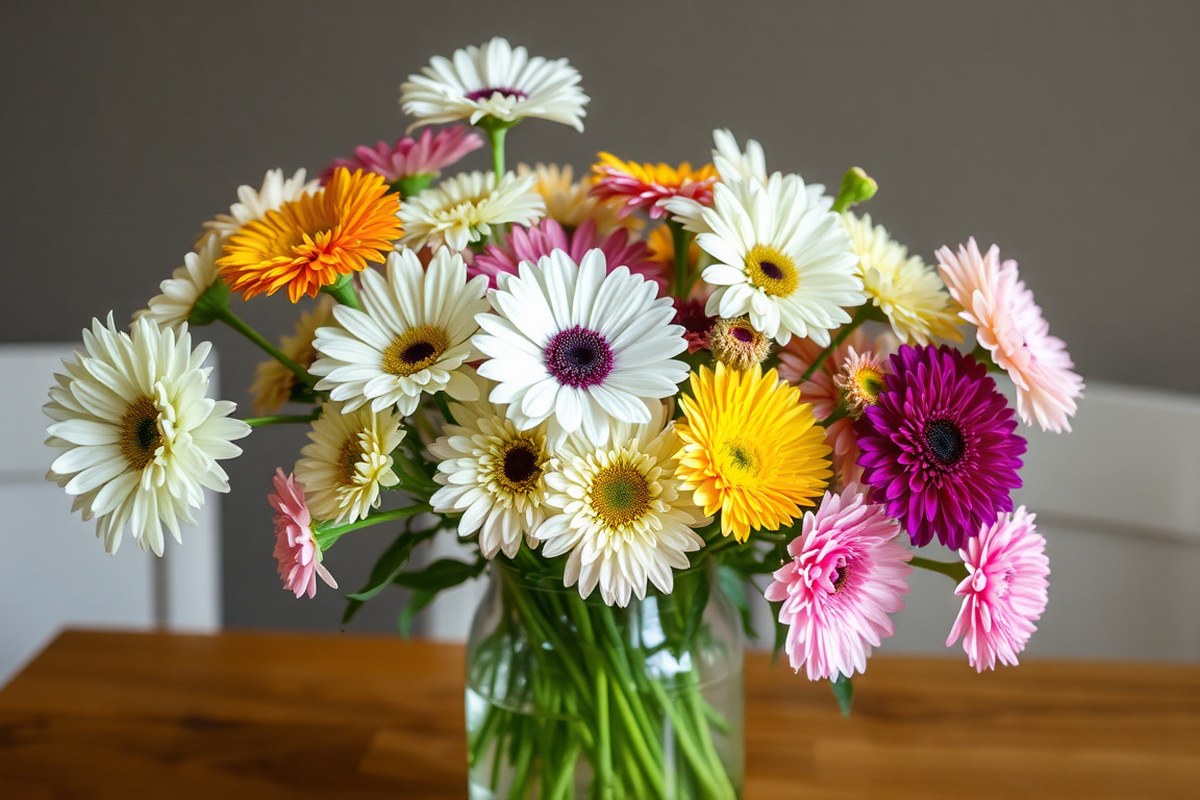
Cut flowers usually last between 2 to 6 hours without water at room temperature (about 68°F). Roses, for example, can stay fresh for 6 to 8 hours in moderate conditions.
Most common flowers like lilies and tulips start wilting after 1 to 4 hours. This happens because air blocks form inside their stems without water.
Some tougher flowers like carnations and chrysanthemums last longer without water. They can survive for 12 to 24 hours if it stays cool and moist. Avoid putting them in drafty places to keep them fresh.
Hydrangeas are far more sensitive and start to droop in as little as 30 minutes. The longer flowers stay dry, the more likely their damage becomes permanent.
Most cut flowers should stay in water within 1 to 2 hours at room temperature. After 24 hours without water, very few flowers remain fresh unless stored perfectly. Water keeps flower stems open and stops wilting early.
Which Flowers Tolerate Being Without Water Longer?
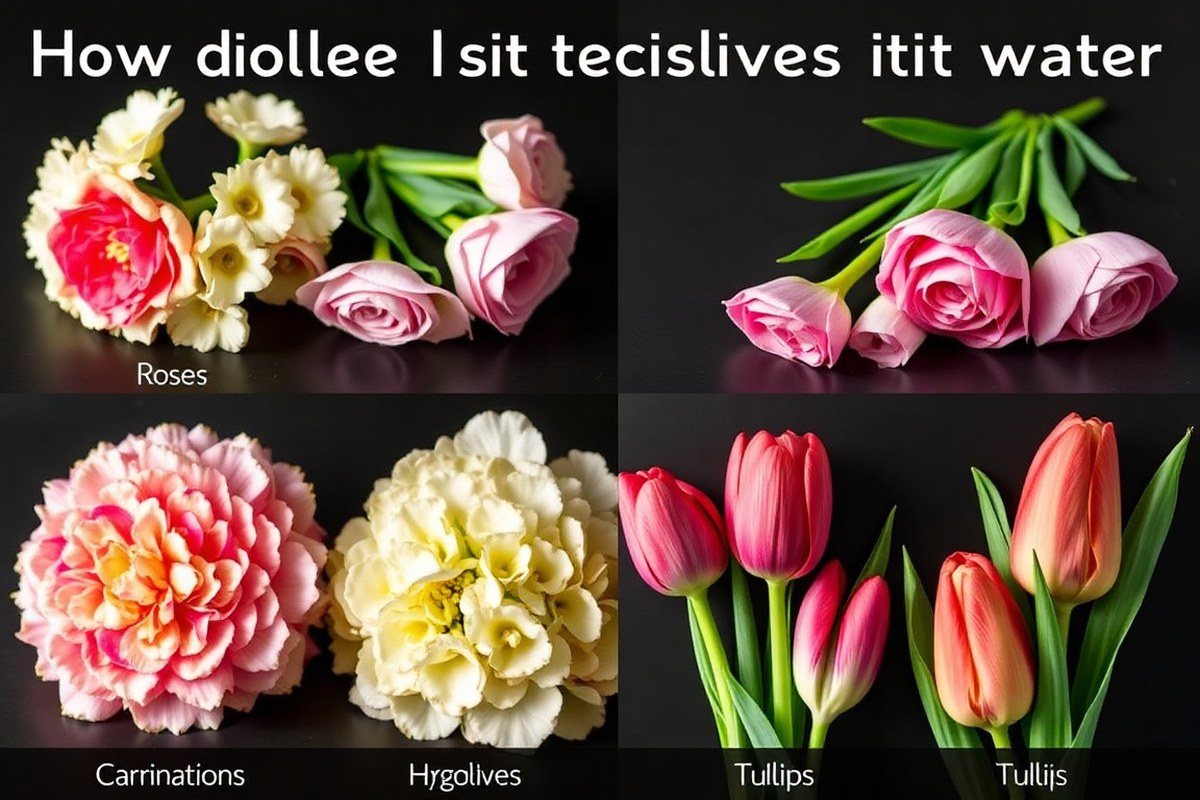
Some flowers survive longer without water because of their stem and petal structures. Hardy flowers usually have thicker, woodier stems that hold moisture better. Delicate blooms like tulips wilt fast.
Their stems lose water quickly. The petals are thin and fragile.
Tropical flowers, such as orchids and anthuriums, last longer due to adaptations that slow water loss. These flowers last 12 to 24 hours without water. They have waxy petals.
Their stems are strong. Baby’s breath, or Gypsophila, stays fresh over 24 hours.
It has woody stems. It loses water slowly.
| Flower | Out-of-Water Tolerance | Stem Type | Petal Type | Hours Without Water |
|---|---|---|---|---|
| Gypsophila (Baby’s Breath) | Very Hardy | Woody | Thin but Low Transpiration | 24+ |
| Orchid | Hardy | Strong, Moisture-Retaining | Waxy | 12-24 |
| Anthurium | Hardy | Thick, Moisture-Retaining | Waxy | 12-24 |
| Tulip | Sensitive | Thin, Quick Water Loss | Delicate, Thin | 3-6 |
| Snapdragon | Sensitive | Thin | Soft | 3-6 |
Tough woody stems store water and resist drying out. Thin, hollow stems pull moisture away faster. Waxy petals reduce evaporation, helping blooms stay fresh without water.
For long trips without water, choose hardy flowers. Baby’s breath and orchids work well. They handle dryness better.
Wrap blooms gently in breathable paper to slow moisture loss during transport without water.
Flowers that wither fast need quick hydration and cooler temperatures. Hardy flowers resist wilting by sealing moisture. Knowing flower types helps you plan for water limits.
This is key for outdoor weddings. It also helps at crowded events.
How Environmental Conditions Affect Flower Survival
How Temperature Accelerates Wilting
Higher temperatures speed up water loss in flowers. Warm air makes flowers use water faster, causing leaves and petals to dry out.
Flowers left out in temperatures above 75°F start wilting much quicker. To keep flowers fresh longer, keep them in cooler spots between 50°F and 65°F.
Extreme heat dries flowers fast. It can happen in an hour.
Cars and heaters cause this. Cold temperatures below 40°F can also harm some flowers, causing wilting fast.
Role of Humidity in Flower Survival
Higher humidity slows down flower dehydration by reducing water evaporation. Flowers in rooms with 50% to 70% humidity hold moisture longer.
You can boost humidity by misting flowers lightly or placing bowls of water nearby. Avoid over-misting, as too much water can promote mold on petals.
Dry air below 30% humidity pulls water from flowers fast. Petals can shrivel in 30 to 60 minutes.
Impact of Direct Sunlight
Sunlight heats flowers and speeds up water loss significantly. Sun can make flowers wilt quickly. Delicate types like tulips or hydrangeas go bad in 15 to 30 minutes.
Place flowers in shaded or indoor areas away from windows with direct sun. Sunlight shining through glass can still heat up flowers and cause fast wilting.
For gifts or events, keep bouquets out of sunlight. This helps keep them fresh.
Effects of Air Movement on Dehydration
Dry air movement, like from fans or air vents, draws moisture out of flowers. This causes them to dry and limp faster than still air.
Gentle airflow and moderate humidity work best. Avoid placing flowers directly in front of heating vents or strong fans to slow down drying.
Windy conditions dry flowers fast. Cover them to stop water loss from petals and leaves.
Practical Tips by Situation
At home, set flowers in a cool room with indirect light and moderate humidity. Misting a few times a day helps keep petals hydrated.
For storage or transport, use water tubes or wrap stems with a wet cloth. Keep the environment below 65°F and out of direct sun for longer survival.
Place flowers in shade if out less than two hours. Spray lightly with water to keep them fresh. This way, delicate blooms stay firm until their water source is restored.
Steps to Revive Flowers Left Out of Water Too Long
Your cut flowers can recover if they’re dry for too long. Cut the stems underwater. Soak them in warm, acidic water.
Keep them in a cool, dark spot to rest. These steps reopen water channels and refresh the flowers for longer-lasting freshness.
Recutting Stems Properly
Cutting stems again clears any air bubbles blocking water intake. Use a clean, sharp knife or scissors to avoid crushing the stem.
Cut an inch off the stems at a 45-degree angle underwater. This stops air from entering the stem.
Remove leaves that would sit below the waterline to stop rot and bacteria growth. This keeps water clean and helps flowers drink better. Make fresh cuts every few days to maintain water flow and prolong flower life.
Using Warm and Acidic Water
Warm water between 100°F and 110°F (38°C to 43°C) opens flower vessels wider than cold water. Add a commercial floral preservative to keep the water’s pH acidic, around 3.5 to 4.0. Acidic water improves water absorption and slows bacterial growth.
Soak your freshly cut stems for 20 to 30 minutes in this warm, treated water. Avoid using plain sugar or homemade mixtures unless designed for cut flowers. Clean water and the right pH protect delicate petals and stems during revival.
Ideal Recovery Environment
Place the soaked flowers in a cool, dark room around 35°F to 37°F (2°C to 3°C). This slows metabolism and moisture loss so flowers recover better. Keep them away from direct sunlight and drafts to avoid sudden temperature shocks.
Let the flowers rest without moving for 2 to 4 hours. For very wilted flowers, rest them overnight.
Don’t store flowers in sealed containers without ventilation. A stable, cool environment gives blooms the best chance to regain strength.
Here is a step-by-step outline to revive flowers left out of water:
- Use a sharp, clean tool to recut about one inch off each stem underwater.
- Remove any foliage that will sit below the waterline in your vase or container.
- Fill a clean vase with warm water between 100°F and 110°F and add floral preservative.
- Immediately place the cut stems into the warm, acidic water.
- Keep flowers in a dark, cool space set around 35°F to 37°F.
- Soak and rest flowers for 2 to 4 hours to revive them. Overnight soaking works best for strong revival.
- After soaking, display flowers away from heat and direct sunlight to maintain freshness.
How Transport and Storage Impact Flowers Without Water
Cut flowers usually survive only a few hours without water during transport. Most cannot last overnight without water and still look fresh. Keeping stems moist and cool during this time extends their life.
Before transport, soak flower stems in water for at least an hour. Wrap stems in damp paper towels or floral foam to hold moisture. Cover the flowers loosely with plastic to reduce air drying but avoid crushing petals.
Temperature control is important for keeping flowers fresh. Refrigerate flowers between 34°F and 38°F to keep them fresh. Use a cooler with ice packs in your car if needed.
This helps maintain their quality during transport. Avoid direct sunlight and hot car interiors, as heat speeds up wilting.
Transport flowers upright to prevent stem damage. You must stack bouquets gently.
Avoid putting heavy pressure on them. Moving flowers quickly into water after arrival is key to a longer vase life.
Longer trips require more careful preparation. For trips longer than an hour, use insulated boxes with ice packs.
Keep the flower stems wrapped in hydration tubes to protect them. You can buy hydration tubes at floral supply stores for about $1 each.
For short trips, a damp towel and plastic sleeve usually work fine. Keep flowers out of drafts, heat vents, and direct sun inside the vehicle. Avoid letting flowers sit on a hot dashboard or near windows.
Always keep cut stems moist with wet wraps during transport to reduce water loss and wilting.
Flowers like roses and carnations are more sensitive to dehydration. They need extra cooling and careful wrapping.
Hardy flowers might hold up a little longer. But all benefit from proper hydration before and after transport.
Delivery drivers often spray flowers lightly with water to boost humidity. Timing the delivery for early morning or late evening avoids hot daytime temperatures that accelerate wilting. This practice helps flowers arrive fresher and last longer with you.
Common Mistakes When Keeping Flowers Out of Water
Many flowers wilt fast when left out of water. This happens due to common mistakes. You can fix these easily.
Not cutting or recutting stems before leaving flowers dry blocks water intake and speeds wilting. Skipping this step means the stem ends close up, stopping water from reaching the flower.
Poor wrapping also harms flowers. Stems that stay in air dry out very fast.
Using the right wrapping keeps stems moist and shields flowers from heat and wind. Without it, flowers lose water through their leaves and petals, causing drooping and color loss.
Here are frequent errors and how to fix them:
- Not recutting stems before drying: Trim 1 inch at a 45-degree angle with clean scissors.
- Not sugar-loading stems: Soak flowers 12 hours in water with commercial flower food containing sucrose.
- Don’t skip a cool water bath after adding sugar. Submerge flowers fully for 30 to 60 minutes. This helps them rehydrate well.
- Leaving dense leaves on stems: Remove lower leaves to reduce water loss through stomata.
- Always wrap stems properly to keep moisture in. Use a damp paper towel and secure it with plastic. This keeps flowers fresh longer.
- Exposing flowers to direct sunlight or heat: Keep bouquets shaded and cool while out of water.
Flowers with soft stems like gerberas or hydrangeas wilt faster without water. So support and dampness really help. Sturdy flowers such as carnations hold up longer.
But still need careful wrapping and hydration before dry periods. Good wrapping feels cool and slightly damp around the stems, not dry or brittle.
When petals curl or stems droop, flowers lost too much water. They might not fully recover after this.
Scientific Reasons Why Flowers Wilt Out of Water
Water uptake stops when flowers dry out because air blocks the stem vessels. The xylem tissue transports water from the stem to the petals. Air bubbles stop water flow and cause flowers to wilt.
Air gets into the xylem when a stem is cut and left out of water. The cut cells dry quickly, trapping air and blocking water movement.
That’s why trimming an inch off the stem under water is essential. It removes these air bubbles and reopens the water channel.
When you cut the stem underwater, hold the knife at a 45-degree angle. This angle gives a bigger surface for water to enter. It also keeps air out of the vessels.
Ragged or crushed cuts harm the xylem. This damage blocks water flow, even when submerged.
Turgor pressure keeps flower cells firm and petals upright. Without water, cells lose pressure and collapse, causing drooping and wilting. This loss begins within 1 to 4 hours after cutting if flowers stay dry.
Temperature plays a big role. A 10-degree Fahrenheit rise doubles water loss roughly.
Hotter air pulls moisture from flowers faster, speeding wilting. Keeping flowers cool slows down evaporation and helps them last longer.
A bouquet at 80°F loses water twice as fast as at 70°F. Temperature plays a big role in water loss. This means wilting can start after one or two hours instead of several. In warm rooms, flowers dry out fast unless they get water quickly.
Blocked stems, air bubbles, and warm temperatures all combine to stop water uptake. Even if flowers stand in water, damaged stems or trapped air can leave them thirsty. Handling and cutting stems carefully help keep water flowing and flowers fresh longer.
Tips for Keeping Flowers Fresh When No Water Is Available
Keeping flowers fresh without water can be tricky but doable for a few hours. Moist wrapping keeps flowers hydrated before placing them in water. Use these methods to protect your flowers during transport or short waits.
Moist Wrapping Techniques
Wrap flower stems in a damp cloth or paper towel to keep moisture close. Then cover the wrapped stems with plastic wrap or a bag to lock in humidity. This stops stems from drying out and helps flowers stay crisp longer.
Moist wrapping works best when flowers are not in water for up to two hours. Avoid soaking the wrapping too much. A lightly damp cloth keeps moisture balanced without causing mold or rot.
- Dampen a clean cloth or paper towel with cool water.
- Wrap the base of each flower stem lightly, avoiding excess wetness.
- Cover the wrapped stem area with a plastic bag or cling wrap.
- Secure the plastic wrap with a twist tie or rubber band to seal moisture in.
- Keep the rest of the flower above the wrapping dry to avoid wilting.
- Store wrapped flowers in a cool place away from direct sunlight.
- Check the cloth every hour and re-dampen if it feels dry.
- Remove wrapping before placing flowers in water to avoid mold.
Keep stems wrapped moist but don’t soak. Too much water causes mold and stem rot.
Optimal Storage Temperatures
Keep flowers cool to slow water loss and wilting. Ideal storage is between 33°F and 40°F (1°C, 4°C). Most home refrigerators work well if flowers don’t touch the cold walls directly.
Cool air also helps flowers breathe better and lasts longer outside water. Avoid heat or direct sun, which speed dehydration. You can place wrapped stems in a fridge drawer with airflow to keep them fresh.
Mist and Airflow Management
Gentle misting helps keep petals hydrated but can also increase mold risk if overdone. Use a fine spray no more than once per hour. Avoid heavy spraying on leaves or stems, which hold water and rot.
Good airflow helps flowers stay dry on leaves while keeping stems moist. Place flowers where air moves gently. Avoid sealed containers unless you use moist wrapping to keep humidity in.
Step-by-Step Action Plan for Keeping Cut Flowers Fresh Without Water
Use these steps to protect flowers when water isn’t available. Follow them closely to keep flowers alive longer and revive them if needed.
- Before transport: Trim flower stems at a 45-degree angle. This helps flowers absorb water better later.
- During transport: Keep flowers cool and shaded in a breathable wrap. Check that petals don’t get crushed or bruised.
- Within the first hour without water: Mist flowers lightly with water spray. This adds moisture without soaking delicate parts.
- After 2 hours out of water: Place flowers in a cool, humid spot if possible. Avoid direct sunlight or heat sources.
- Before rehydrating: Recut stems under water to open water channels. Remove any leaves that will sit below the water line.
- When ready to revive: Submerge flowers in lukewarm water for 30 minutes. Watch for signs of new turgidity in petals and leaves.
- Daily after revival: Change water, trim stems, and keep flowers away from heat or drafts. Healthy flowers last longer this way.
Frequently Asked Questions
How Long Can Flowers Sit Out of Water Before They Start Wilting?
Flowers usually begin wilting after 1 to 2 hours without water at room temperature. Flowers wilt faster in warm or dry air.
Keep them cool. Do this if you can’t water flowers right away.
Can Flowers Still Absorb Water After Sitting Out Too Long?
Once flowers have been dry for over 2 hours, they may struggle to absorb water. Air blocks their stems. So recut stems underwater to help restore water flow if possible.
Do Cut Flowers Lose Fragrance When Left Out of Water?
Yes, flowers can lose some scent after several hours without water. They may also dry out petals, which reduces their fragrance and freshness noticeably.
Is It Okay to Place Flowers in a Vase with Cold Water Right After Being Dry?
Use lukewarm or room temperature water first, not cold. Warm water opens flower stems better than cold water.
It helps flowers take up water after they dry. Use warm water immediately after the flowers dry out.
How Can I Prevent Flowers from Wilting During Transport Without Water?
Use flower tubes or wrap stems with moist paper towels to keep flowers hydrated. Avoid hot places and try to deliver them within two hours maximum for best freshness.
Will Flowers Kept in a Dark Room Last Longer Without Water?
Darkness slows down their metabolism but doesn’t stop wilting without water. Flowers last only slightly longer in dark, cool conditions compared to warm, light spots.
Wrapping Up
Cut flowers can only survive a few hours without water before wilting starts. Misting and cool storage help stretch this time. Try trimming stems and soaking them quickly to bring flowers back to life.