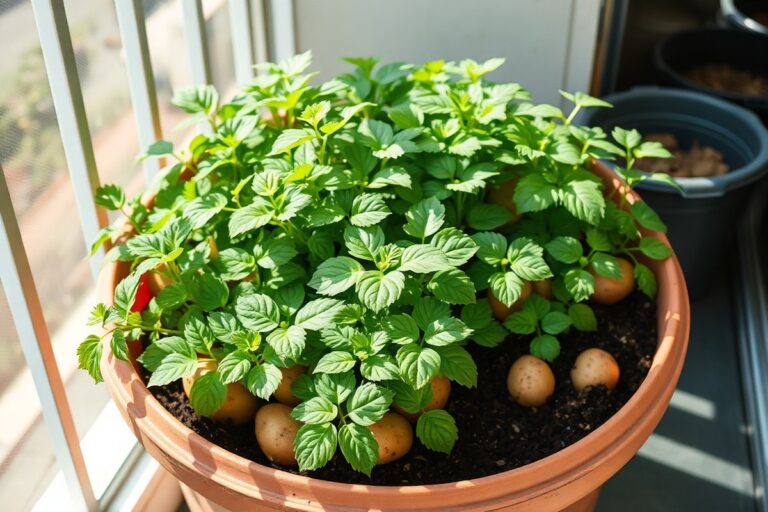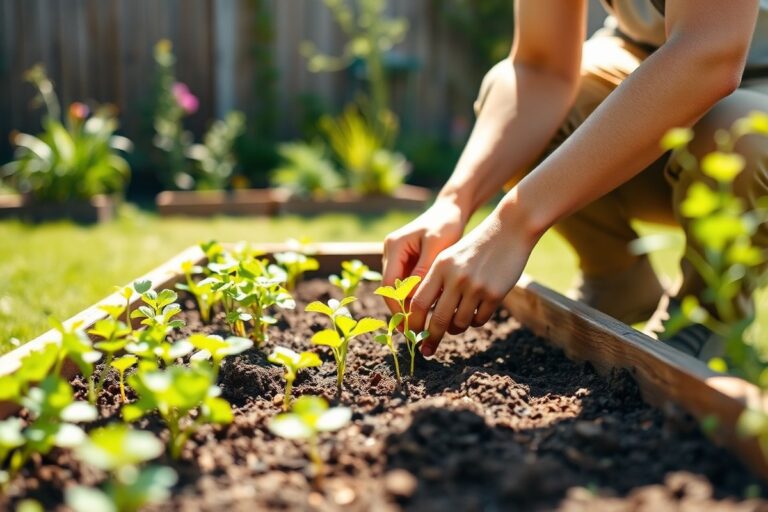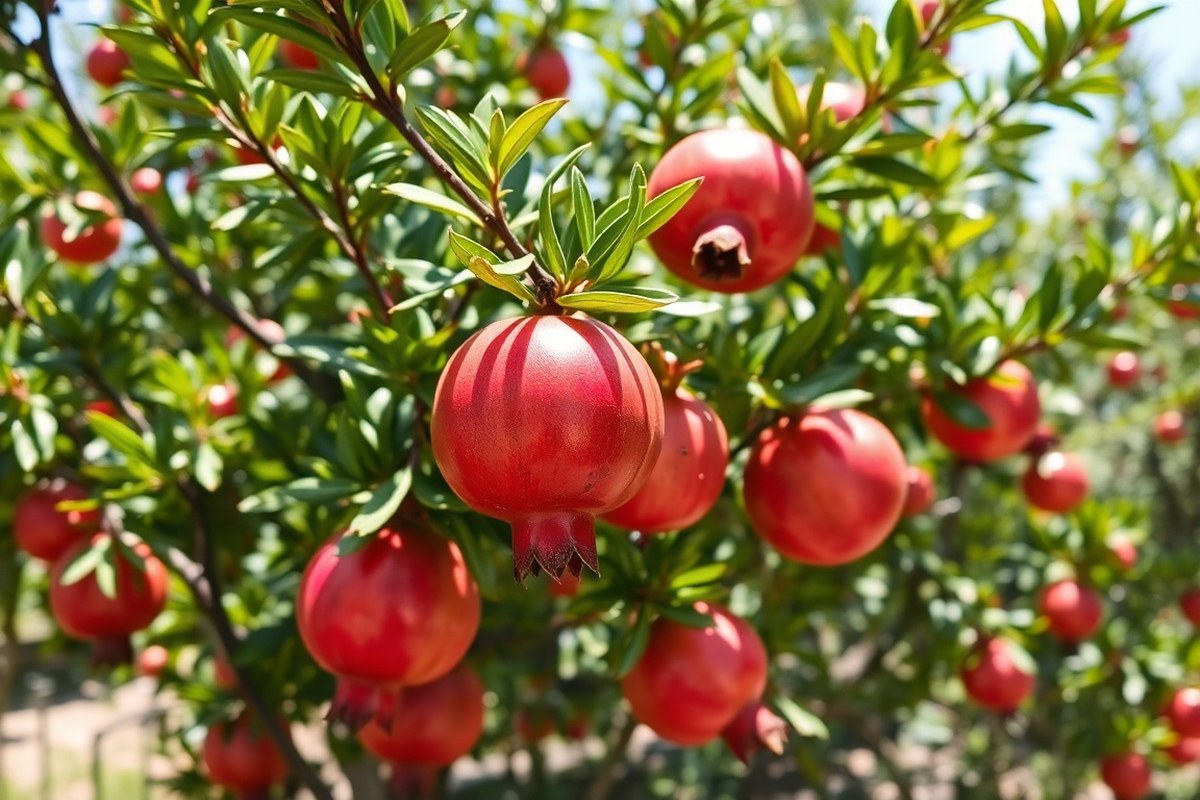
How to Cultivate Pomegranate: A Complete Guide for Healthy Trees & Fruit
Learning how to cultivate pomegranate starts with picking the right spot and variety. Pomegranates love warmth and sunshine.
So choose an area that is hot and dry most of the year. These trees need well-draining soil to avoid root rot and poor growth.
Plant your pomegranate where it can get at least six hours of full sun daily. Space trees about 15 feet apart so they have room to grow and produce fruit. Water young plants deeply but sparingly; mature trees handle drought well.
Starting with good soil prep pays off. So loosen the planting area and mix in organic matter.
Avoid planting pomegranates in cold zones below USDA Zone 8 because they might not fruit. This setup helps you grow healthy trees with tasty, juicy fruit.
Key Takeaways
- Choose a warm location with full sun to help the tree thrive and fruit.
- Plant pomegranates at least 15 feet apart for good air circulation and growth.
- Use well-draining soil mixed with organic matter to support healthy roots.
- Water new trees deeply but less often; mature trees need less water overall.
- Avoid cold climates below Zone 8 to ensure fruit set and tree survival.
- Pick heat-loving varieties suited for your area’s temperature range.
Choosing the Right Pomegranate Variety for Your Climate
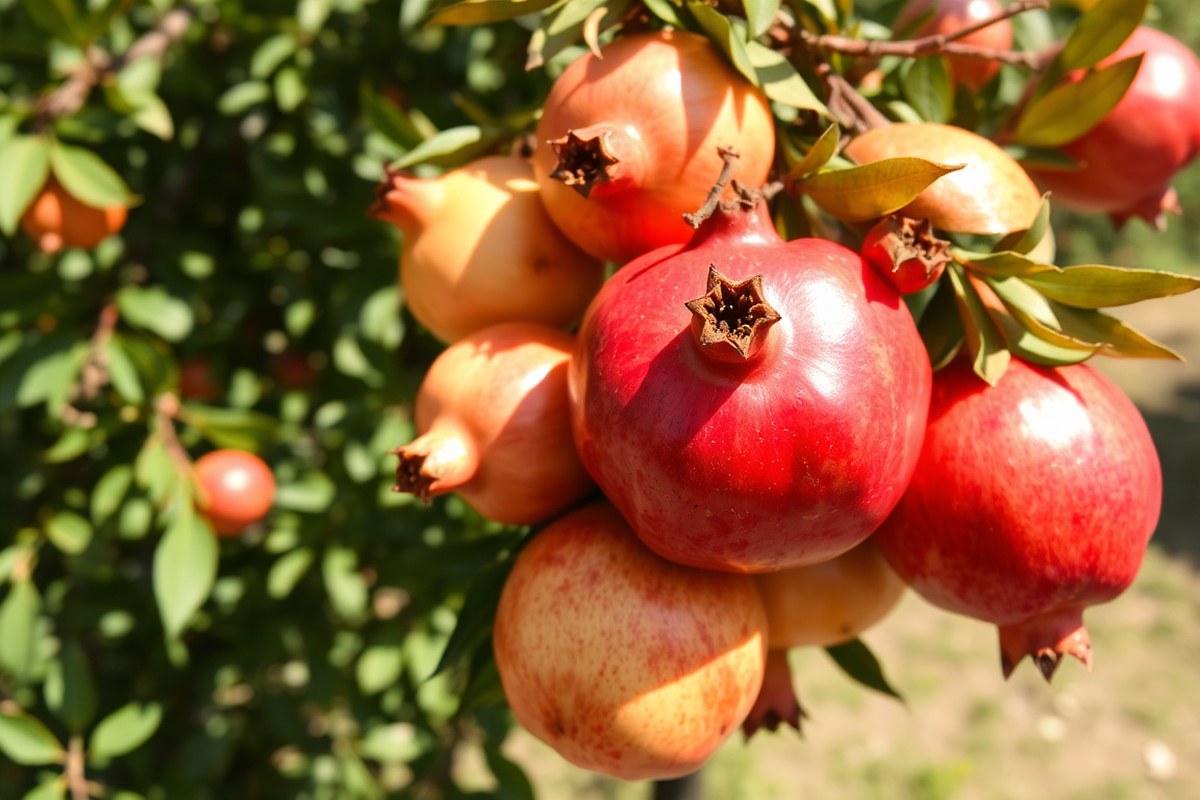
Pomegranate trees grow best in USDA zones 7 to 10. Some varieties survive in zones 6 or 11 too. Warm climates like Arizona, California, and Texas suit most types well.
Cooler zones need extra care for pomegranate trees. Plant near a south-facing wall or use moveable containers. Bring pots inside during winter to protect them.
You can grow nearly all pomegranate varieties in containers. Dwarf types, like the ‘Nana’ variety, stay around 3 to 4 feet tall and wide. Pomegranates in pots are easier to manage.
Big cultivars can reach 20 feet tall and wide. They need larger pots and lots of space.
Fruit color, size, and taste vary by variety. For example, some produce deep red fruit with a sweet-tart taste. Others yield lighter-colored, milder fruit.
Pick a variety that matches your climate and taste. This choice helps you get a better harvest. You avoid poor fruit size or set problems this way.
| Variety | USDA Zones | Mature Size | Fruit Characteristics | Container Suitability |
|---|---|---|---|---|
| Nana (Dwarf) | 7, 10 | 3, 4 feet tall and wide | Small fruit, sweet | Yes, perfect for containers |
| Common Garden Types | 7, 10 | 10, 20 feet tall and wide | Large fruit, deep red, sweet-tart | Yes, if pot is 10+ gallons |
| Cold-Hardy Varieties | 6, 7 | 8, 12 feet | Medium size, sometimes less sweet | Better in-ground or large containers |
For container growing, use a pot at least 10 gallons for large types. Smaller pots work fine for dwarf cultivars. Make sure the pot drains well to avoid waterlogging.
Place the tree where it gets at least 6 hours of sun. Full sun helps pomegranates grow strong. This helps fruit develop good color and flavor.
Warm zones let you plant pomegranates outdoors with less worry about frost. Cooler zones risk frost damage below 12°F, which kills buds and stops fruit from forming. Move container pomegranate trees indoors during cold spells.
This prevents freeze damage to the plant. It also helps the tree produce better fruit next year.
Picking the Ideal Location and Preparing the Soil

Choose a planting site with at least six hours of full sun daily. Pomegranate trees need strong sunlight to produce fruit well.
Avoid places that get shadows during the day. Don’t plant near buildings or big trees where sun is blocked.
The soil should drain well. Pomegranate roots fail in soggy soil, so avoid low spots with poor drainage. Heavy clay soil needs a raised bed.
Make it 6 to 12 inches high to help water drain. Gentle slopes for air drainage reduce frost damage and root rot risks.
The ideal soil pH ranges from 5.5 to 7.5. You can test your soil pH cheaply with kits from garden stores. Amend very acidic or alkaline soil by mixing in lime or sulfur as needed.
Sandy soils drain fast but hold fewer nutrients. Add organic matter or compost to sandy soils to retain moisture and nutrients.
- Plant on a sunny spot with wind protection, like near a fence or building.
- Raise clay soil beds 6 to 12 inches for better drainage.
- Mix compost in sandy soils for moisture and nutrients.
- Check soil pH and adjust to 5.5, 7.5 before planting.
- Protect young trees with a windbreak or garden fabric in cold areas.
- Plant after the last spring frost, when nights stay above 50°F.
- Water newly planted trees deeply but avoid waterlogging.
Shield your trees from strong wind because it dries leaves and can cause breakage. Use fences, hedges, or temporary screens for protection.
Young trees also benefit from frost covers when night temperatures drop near freezing. Watch local weather forecasts and cover plants during late cold snaps.
Don’t plant pomegranates in spots where water collects or drains poorly. Roots will rot quickly.
Preparing soil and site takes effort upfront but helps your tree thrive for years. Look for firm soil that crumbles easily and feels crumbly but not sticky.
A location with good air circulation prevents diseases yet buffers damaging winds. Set your tree up with ideal sunshine, soil, and shelter for a strong foundation.
Planting Pomegranate Trees: Steps and Spacing Recommendations
Planting Pomegranate Trees: Steps and Spacing Recommendations
Plant pomegranates after the last spring frost for best results. Use shallow planting, with roots just below soil level. Space trees well to ensure good fruit and airflow.
Preparing the Hole and Soil
Dig a hole twice as wide as the root ball but no deeper than the roots. This gives room for roots to spread and avoid deep planting. The soil should drain well to prevent root rot.
Remove weeds and debris from the area around the hole. Loosen the soil at the bottom to help the roots grow deep. Avoid adding fertilizer directly to the hole at planting.
Planting Bare-Root or Container Trees
Soak bare-root tree roots in water for 30 minutes before planting. This helps rehydrate the roots and reduce transplant shock. Container-grown trees can go straight into the ground.
Set the root ball so its top is 1 to 2 inches below soil surface. Avoid planting too deep as this can harm the tree. Carefully fill soil around the roots, pressing gently to remove air pockets.
- Soak bare-root roots in water for 30 minutes.
- Dig hole twice as wide, no deeper than roots.
- Place tree with root ball top 1, 2 inches below ground.
- Fill soil around roots, firm gently but do not compact.
- Water soil thoroughly to settle it around roots.
- Create a shallow basin around trunk for watering.
- Mulch 2, 3 inches deep, keeping mulch 1, 2 inches from trunk.
Spacing Guidelines for Different Growing Setups
Plant backyard trees about 15 feet apart for good fruit production. This space keeps air moving and lowers disease risk. Commercial orchards typically use 18 feet spacing both ways.
Closer spacing reduces fruit size and airflow but fits more trees. Space wider for bigger varieties or areas with humid climates. Smaller spaces work for ornamental or container trees only.
First Watering and Mulching
Water immediately after planting to settle soil and reduce air gaps. Use enough water to soak deep into the root zone. Avoid overwatering, which can drown young roots.
Apply 2 or 3 inches of mulch around the tree, extending near the drip line. Keep mulch a couple of inches from the trunk to prevent rot. Mulching controls weeds and keeps soil moist for roots.
Watering Needs Throughout the Growing Season
Young pomegranate seedlings need more frequent watering than mature trees. Water your pomegranate trees every 1 to 2 weeks during dry times. Keep the soil moist but avoid making it soggy.
Check the soil often to adjust watering as needed. Make sure water reaches at least 6 inches deep so roots grow strong and healthy.
Mature pomegranate trees tolerate drought but benefit from steady watering for better fruit. Water deeply every 7 to 14 days during dry spells. Make sure to soak the soil 12 to 18 inches down.
This helps the roots get enough moisture. This helps fruit develop fully and improves size and sweetness.
Increase watering when trees flower and fruit grows. Deep water once a week during these stages to avoid stressing the tree. Stop watering if soil stays wet for several days.
Too much water can cause root rot. Root rot hurts tree growth and fruit quality.
Check your tree for signs it needs water or has too much. Dry, cracked soil and dropping leaves mean under watering.
Wilting leaves or yellowing from the base up may show overwatering. Adjust watering based on weather and soil moisture.
Keep soil well drained to avoid standing water near roots. Use a mulch layer to hold moisture and regulate soil temperature. This reduces watering frequency and supports healthy root system development.
Water costs vary mostly by how much irrigation your setup uses and local rates. Using a drip system or soaker hose works well for most gardeners. Water deeply for a few minutes to hydrate the tree.
This method saves water and prevents waste. You’ll save water and boost fruit quality this way.
Fertilizing and Nutrient Management for Healthy Growth
Use an organic fertilizer or compost to feed your pomegranate tree. Organic options release nutrients slowly, supporting long-term soil health.
Apply about 1 pound of 10-10-10 organic fertilizer per young tree. Do this in late winter and again in early summer.
Fertilize young trees three times a year: early spring, late spring, and summer. Use 1 ounce of fertilizer for each foot of tree height.
Increase the amount as your tree grows taller. A mature tree may need up to 3 pounds twice a year for best growth.
Spread the fertilizer evenly in a circle around the tree. Start a few inches away from the trunk before spreading.
This ensures nutrients reach the roots safely and prevents fertilizer burn. Gently water the area after applying to help nutrients soak into the soil.
- Apply fertilizer in February, May, and September for seedlings.
- Use compost layers around the base instead of synthetic feedings.
- Keep mulch several inches away from the trunk to avoid rot.
- Reduce fertilizer once the tree is established, about 3 years in.
- Remove suckers around the base to focus nutrients on main stems.
- Watch for yellow leaves as a sign of nutrient deficiency.
Watch young plants for signs of nitrogen, potassium, or phosphorus deficiency. Yellow leaves or poor growth usually means the tree needs more nutrients. Cut back on fertilizer if leaves turn brown or edges look burnt to avoid overfeeding.
Don’t pile fertilizer against the trunk to prevent root damage and disease.
Pruning Techniques to Promote Fruit and Manage Size
Prune pomegranate trees in late winter or early spring while dormant. Remove dead or weak branches, and shape the tree to control size and airflow. Thin fruits so they are about 6 inches apart.
It boosts fruit size. This also stops branches from breaking during heavy crops.
Pruning Young Trees After Planting
Prune new pomegranate trees lightly to help form a strong structure. In the first year, cut the main stem back.
Cut it to about 10 to 12 inches above the soil. This encourages healthy branching and avoids excess height that young trees cannot support yet.
For single-trunk trees, keep the main stem short. Make it about one foot tall. Encourage strong branches near the top.
To get a multi-trunk form, let three to six stems grow from the ground. This adds extra resilience in frost-prone areas.
Annual Maintenance Pruning
Trim your tree each spring before new growth begins. Use clean, sharp pruning shears to remove dead, damaged, or diseased branches. This keeps the tree healthy and helps light reach all parts of it.
Cut branches back to about 10 inches long. Remove suckers from the base and unwanted shoots in the center. For trees in containers, prune more heavily to maintain a manageable shape and size.
Fruit Thinning for Better Size and Quality
Thin fruit clusters to about 6 inches apart when you notice heavy fruit set. Leaving too many pomegranates causes smaller fruits and may lead to broken branches. Removing excess fruit early helps the remaining fruits grow larger and ripen better.
Thin fruit once flowers turn into small fruits. Do it before they grow too large. Watch for clusters of three or more fruits and keep only the strongest or best-placed ones.
Shaping Single-Trunk and Multi-Trunk Forms
Shape single-trunk trees with a short, sturdy trunk. Top it with five to six scaffold branches spread evenly.
This form suits tidy yards and makes floor maintenance easier. Remove any competing suckers and weak branches to keep the tree balanced.
Multi-trunk trees have between three to six trunks growing from the ground. This shape suits humid or freeze-prone areas.
If one stem dies, train another sucker to replace it. Arrange lateral branches enough to support fruit weight without crowding.
- Choose dormant season (late winter or early spring) to prune.
- For young trees, cut the main stem to 10, 12 inches tall after planting.
- Remove dead, diseased, or damaged branches each year.
- Trim suckers that grow from the base or clutter branches regularly.
- Thin fruit so remaining ones are spaced about 6 inches apart.
- Shape single-trunk trees with 5, 6 strong scaffold branches.
- Allow multi-trunk trees 3, 6 trunks from ground level in frost-prone zones.
- Prune container pomegranates more often to keep proper size and form.
Propagation: Growing Pomegranates from Seeds and Cuttings
You can grow pomegranate plants from seeds or hardwood cuttings. Seeds take longer to bear fruit and may not match the parent plant. Cuttings root faster and keep true to the original tree’s traits.
Starting from Seeds
Harvest seeds from ripe pomegranate fruits or buy seeds from a store. Seeds must be cleaned and dried before planting to prevent mold or decay. Plant seeds in well-draining potting soil indoors where temperatures stay around 70°F. Keep the soil moist but not wet to encourage sprouting.
- Remove seeds carefully from the fruit and rinse off pulp.
- Dry seeds on a paper towel for 1, 2 days in the shade.
- Fill small pots with seed-starting mix that drains well.
- Plant seeds about ½ inch deep in the soil.
- Water gently to moisten soil and cover pots with plastic wrap.
- Place pots in a warm, sunny window or use grow lights.
- Remove plastic once seedlings appear, then water when soil dries out.
- Transplant seedlings to larger pots after 3, 4 months.
Seed-grown plants take several years to produce fruit. The plants may vary from the parent tree in fruit quality or size.
Propagating Using Hardwood Cuttings
Cuttings come from dormant pomegranate wood that grew last season. They root faster and grow true to the parent plant’s type.
Choose healthy 8 to 10-inch-long branches about ¼ to ½ inch thick. Prepare cuttings during late winter when the plant is dormant, such as February or March.
Use rooting hormone powder on the cut end before planting to improve root growth. This step boosts success rates significantly.
Rooting and Early Care
Plant cuttings in a well-drained mix outdoors or in pots where they get partial shade. The soil should stay moist but not soggy.
Cuttings generally take 6 to 8 weeks to root. During this time, keep temperatures between 65°F and 75°F and avoid direct hot sun.
Healthy roots let you know the cutting is ready to grow. Signs include fresh green shoots and firm stems.
Identifying and Managing Common Pomegranate Pests and Diseases
Pomegranate leaves and fruit often attract pests like leaf-footed bugs. These bugs drill into fruit and leaves, spreading fungal diseases. You might also see fungal problems like Alternaria fruit rot, which thrives after heavy rain.
Fungal infections cause fruit to turn brown, soft, or rotten quickly. Keep the area around your tree clean and remove any fallen fruit.
You can spray fungicides labeled for pomegranates if infections worsen. But start with natural controls.
Pomegranates do not usually deal with many pests, so stress signs can be confusing. Yellowing leaves or dropping fruit may mean your tree is stressed, not attacked.
Check the soil moisture and nutrient levels first. Dry soil or lacking fertilizer often causes these problems.
Apply water deeply and less often to avoid fungal diseases and root stress.
- Inspect leaves regularly for discolored or spotted areas.
- Handpick leaf-footed bugs or use insecticidal soap for small infestations.
- Clear fallen fruits and leaves to reduce disease risk.
- Water deeply but avoid overwatering, especially after rain.
- Apply fungicide early if you see mold or dark spots spreading.
- Test soil if leaves turn yellow or fruits drop prematurely.
- Seek expert advice if pests or diseases spread rapidly.
Natural controls like insecticidal soaps work best against bugs without harming pollinators. You may need a chemical insecticide for severe cases, following the label instructions carefully. Using too much water or fertilizer can cause yellow leaves.
It may also make fruit drop. Adjust watering and feeding to fix this.
Call a professional if you see large scale damage or if fungal problems return despite treatment. Early detection and action prevent bigger trouble. Remember, maintaining good air flow and clean soil is key to limiting pests and diseases.
Harvesting Pomegranates: When and How to Pick Fruit
Pomegranates show clear signs when they’re ripe. Their skin changes to the expected color for the variety, like deep red for ‘Plantation Sweet.’ The fruit should feel heavy and firm but not hard.
Trying a fruit from the tree before picking helps confirm if the juice tastes sweet enough. The fruit won’t get sweeter after picking, so taste tests are important.
Picking too early causes sour fruit and may prompt dropping or splitting later. Watch for cracking skin as a warning. If you notice cracking, pick fruits soon to avoid waste.
Regular harvesting also lowers the risk of fruit splitting. Pomegranates often ripen at different times on the same tree. So plan to check your tree every week to ten days from late summer to fall.
Handle fruit gently to prevent bruising and damage. Use pruning shears or scissors to cut fruit from the woody stem.
Pulling or twisting the fruit can hurt the tree branches and cause future fruit loss. Hold the fruit in your hand while cutting, so it doesn’t fall and bruise.
- Check the skin color closely and confirm it matches the ripe shade for your variety.
- Feel the fruit to ensure it is heavy and firm without soft spots.
- Taste a sample pomegranate to verify sweetness before mass picking.
- Use pruning shears to cut fruit from the stem, not by pulling or twisting.
- Support the fruit with your hand while cutting to avoid dropping.
- Harvest ripe fruits every 7 to 10 days during the season to prevent splitting.
- Store picked fruits in a cool, dry place. Avoid stacking to prevent bruising.
Harvesting too often isn’t needed unless many fruits ripen simultaneously. Frequent checks keep fruit fresh and reduce losses to pests or weather. Avoid leaving mature fruit on the tree for long after ripening.
Once picked, pomegranates store best between 41°F and 50°F for a few weeks. Avoid washing before storage because moisture speeds decay.
Growing Pomegranates in Containers: Potting and Care Tips
Choose a container at least 15 to 25 gallons for fruiting pomegranates. It should have multiple drainage holes to prevent waterlogging. Smaller pots, like 10 gallons, work for dwarf varieties but need frequent watering.
Use a soil mix that drains well yet holds moisture. Combine equal parts potting soil, perlite or coarse sand, and organic compost. This mix keeps roots moist without letting water stand.
Water container pomegranates when the top 2 inches of soil feel dry. They dry out faster than ground plants.
So check soil moisture every 2 to 3 days in summer. Feed them monthly with a balanced fertilizer higher in potassium for good fruit development.
Prune container trees to keep them manageable and encourage fruit. Remove dead or crowded branches in late winter before new growth starts. Pinch back new shoots during growing season to maintain size.
Container pomegranates need protection from frost below 32°F. Move pots indoors or to a heated garage when cold weather hits. If moving indoors isn’t possible, wrap pots with insulating material and cover the tree with frost cloth.
- Choose a 15-25 gallon container with drainage holes
- Use well-draining soil with equal parts potting mix, perlite, and compost
- Water when top 2 inches feel dry, check soil frequently in summer
- Feed monthly with a potassium-rich fertilizer
- Prune in late winter and pinch back shoots in summer
- Bring pots indoors or insulate them when temperatures drop below freezing
Keeping pomegranates in pots lets you grow them if winters are cold. Indoor moves during frost protect roots and help the tree survive. With regular watering and careful pruning, container-grown trees produce good fruit in small spaces.
Troubleshooting Common Growing Issues and Mistakes
Seeing flowers without fruit means the blooms aren’t setting properly. Pomegranate flowers need to be perfect, with a round base, to form fruit.
Check that pollination is happening and avoid pruning right before flowering, as it can reduce blooms. Feeding with balanced fertilizer after flowering also helps the tree set fruit better.
Fruit splitting or rot usually comes from uneven watering or fungal infections. Keep soil evenly moist, especially as harvest nears, to lower splitting risks. Applying mulch helps keep moisture consistent.
Rot can be caused by fungi like Alternaria, which infects fruit once it cracks. You may spot leaf or fruit spots from fungi too. Removing damaged fruit and cleaning fallen debris limits spread.
Yellow leaves might signal zinc deficiency, which stunts growth and fruiting. Spray foliar zinc after fruit set if tests show zinc lack. It helps improve leaf color.
It also boosts fruit quality. Avoid overwatering since it can cause root trouble and leaf drop. Regularly check soil moisture to keep it steady but not soggy.
Prune in late winter, right after leaves fall off. This helps new fruiting wood grow. It also prevents losing fruit buds by mistake.
Common pruning mistakes cut back too much or at the wrong time, lowering your yield. Pruning during active growth cuts off flowers that could become fruit. Trim only in late winter after leaves drop.
Focus on removing dead or weak branches while keeping strong fruiting ones. Watch out for winter damage; cold snaps can kill buds outside their hardiness zone. Cover young trees or use a frost blanket during cold weather to protect them.
Here’s a quick checklist to troubleshoot your pomegranate tree: First, confirm flowers have round, bell-shaped bases. Keep soil moisture steady with daily checks near harvest. Spray zinc if leaf yellowing appears after fruit set.
Prune properly in late winter, avoiding heavy cuts in spring. Lastly, clean fallen leaves and fruit to stop diseases.
Uneven watering harms pomegranates most, add mulch and check soil moisture regularly near harvest. Staying consistent prevents many common problems.
Step-by-Step Action Plan for Growing Pomegranates
Follow these steps to start and maintain a healthy pomegranate tree. Each step helps you check your progress as you grow.
- Before planting: Choose a sunny location with well-drained soil. Test soil drainage by digging a hole and filling it with water. It should drain within a few hours.
- Day 1: Plant your pomegranate tree or cutting following spacing guidelines. The soil should feel moist but not soggy after planting.
- Week 1 to 3: Water your tree deeply twice per week. Check soil moisture by touching the top few inches. It should feel damp, not wet or dry.
- Month 1: Apply a balanced fertilizer with equal parts nitrogen, phosphorus, and potassium. Look for steady new leaf growth as a sign of nutrient uptake.
- Month 3: Start light pruning to shape the tree and remove any dead branches. Healthy growth from pruning points shows it worked.
- Month 6: Watch for pests like aphids and diseases like leaf spots. When you see damage, use organic treatments and watch the tree closely.
- Month 12 and beyond: Check the fruit skin for rich color. Tap the fruit and listen for a hollow sound. Harvest when both signs appear. Taste a sample fruit to ensure sweetness before picking the whole batch.
Frequently Asked Questions
What Temperature Can Pomegranate Trees Survive Down To?
Pomegranates can survive temperatures as low as 12°F. They’re hardy but fruit set is unlikely in areas cooler than USDA Zone 9. Protect young trees in colder spots for best results.
How Long Does It Take for Pomegranate Seeds to Grow Fruit?
Pomegranate seeds sprout easily, but fruit appears after 3 to 5 years. The tree is usually mature at around 5 years when it produces the best harvest. Be patient if you start from seed.
Can Pomegranate Trees Grow in USDA Zone 7?
Pomegranates can grow in USDA Zone 7 but may not fruit well. These trees do best in Zones 7 to 10, with warmer zones giving better yields. Consider cold protection in cooler zones.
How Big Do Pomegranate Trees Get at Maturity?
Mature pomegranate trees reach 10 to 20 feet high and 6 to 15 feet broad. You may shape them as single trunks or multi-trunk bushes to manage size. The growing area affects how large they become.
How Much Vitamin C Does One Pomegranate Provide?
One pomegranate provides over 40% of your daily vitamin C needs. Eating fresh fruit or drinking its juice boosts your antioxidant intake. It’s a tasty way to stay healthy.
Do Pomegranate Trees Lose Their Leaves in Winter?
Yes, pomegranate trees are deciduous and lose leaves in winter. This helps them survive colder months before new growth returns in spring. Expect bare branches in cold seasons.
Final Thoughts
Growing pomegranates takes patience and attention to their specific needs. Start by choosing the right spot and following the simple care steps. Check your tree regularly, and enjoy fresh fruit from your own garden.