Do Fleas Live on Clothes? What Actually Works to Kill Them Fast
Fleas can crawl on your clothes but don’t live there long. Without skin contact, fleas survive on clothing for only 24 to 48 hours. They need blood meals, so clothes are just a temporary stop.
Fleas jump up to 8 inches high to reach you. They often land on dirty or worn clothes, which is why you might find them there. Fleas hitch rides on clothes but won’t make them a permanent home.
Fleas don’t bite easily through clothes. If you notice bites, they usually come from direct contact with your skin. Washing or drying clothes quickly is the best way to kill fleas.
Wash clothes in cold water for at least 10 minutes. Drying on a hot cycle for 30 minutes also kills fleas. Clean clothes often during flea season or after pet contact to avoid trouble.
Key Takeaways
- Fleas rarely live more than 48 hours on clothes without blood access.
- Washing clothes in cold water for 10 minutes kills most fleas.
- Drying clothes on a hot cycle for 30 minutes kills fleas effectively.
- Fleas jump onto clothes but don’t lay eggs there in normal conditions.
- Regular washing of pet bedding lowers flea presence on fabrics.
- Check pockets and cuffs where fleas hide before washing clothes.
Can Fleas Actually Live on Clothes Long-Term?
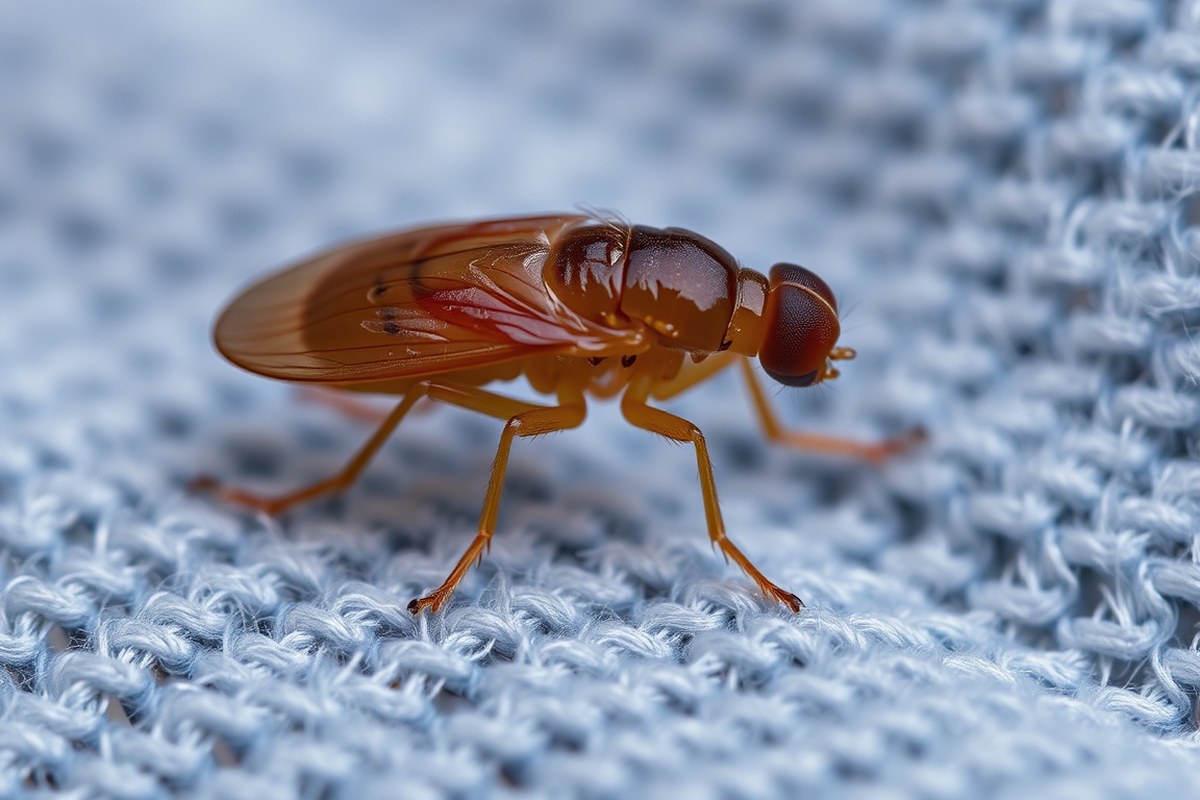
Adult fleas do not live or breed on clothes long-term. They mostly stay on warm-blooded hosts like pets, where they feed and reproduce. Clothing may carry adult fleas briefly, but it’s not a permanent home for them.
Flea eggs, larvae, and pupae can appear on clothes but prefer different environments. Eggs often fall off the host onto carpets, bedding, or pet areas.
Larvae feed on organic debris, which clothes usually lack. So they don’t develop well there.
Fleas might lay eggs on clothing, especially if worn near an infested pet. However, these eggs rarely hatch into larvae on fabric alone. Larvae need moderate temperatures to grow well.
They feed on skin flakes found in carpets. You won’t find larvae living on clothes.
Flea pupae can stay dormant for weeks or months, waiting for the right conditions. They sometimes hide on clothes. But usually, these stages are in carpets or pet bedding.
Pupal fleas wait until a host comes close. They then quickly become adult fleas. These adults jump onto you or your pets.
Fleas on clothing are mostly temporary hitchhikers, not a main infestation source. They survive on clothes for about 24 to 48 hours without access to skin.
This short window means clothes alone won’t host a flea colony. But they can spread fleas to new spots.
Flea infestations heavily depend on the environment, not your wardrobe. Over 90% of fleas live off the host. They are in stages like eggs, larvae, or pupae.
These stages hide in carpets and furniture. Treating these hotspots is important because fleas need these areas to complete their life cycle.
Keeping clothes clean and washing them regularly helps reduce flea eggs or larvae on fabric. Washing with detergent, using hot water, and drying on high heat kill all flea stages. This prevents fleas from hitching rides and spreading inside your home.
How Fleas End Up on Clothes and How Long They Survive

Fleas get on clothes mainly by jumping from pets or infested areas. They survive on fabric only for a short time without a host. Fleas can travel on clothes briefly but don’t stay long.
How Fleas Transfer to Clothing
Fleas often jump onto your clothes when you pet or hold an infested animal. They also cling to fabrics if you sit or lie on flea-infested furniture or carpets. Fleas hide in clothing seams and folds, especially if disturbed.
Here are common flea transfer scenarios:
- Petting or carrying a flea-infested dog or cat
- Sitting on sofas or chairs with fleas
- Lying on carpeted floors that hold flea eggs and larvae
- Wearing clothes left in a flea-infested closet or storage area
- Contact with other infested people or pets
How Long Fleas Survive on Clothes
An adult flea without a host usually lives only a few days on clothing. They can survive up to two weeks if no blood meal is available. The flea’s life depends on temperature, humidity, and access to hosts.
Under warm, sheltered indoor conditions, fleas live longer indoors but not on clothes. Without a host, they quickly weaken and die.
Flea eggs and larvae may survive longer in fabrics like carpets. But adults don’t stay long on clothes.
Can Fleas Travel on Clothing to Other Places?
Fleas can hitch a ride on clothes when you move from one place to another. This allows them to spread to your home or visit new locations. However, they don’t stay on clothes forever, so quick washing helps limit this risk.
A flea’s jump distance is about 8 inches. So it relies on clothes to travel longer distances. Still, adult fleas need a host soon to avoid starvation.
Use hot water and high heat drying to remove fleas from clothes.
Factors Affecting Flea Survival on Fabric
Humidity and temperature greatly affect how long fleas survive on clothes. Warm, humid conditions help fleas live longer. Dry or cold environments shorten flea survival on fabric.
Without a blood source, fleas weaken fast. Clothes alone don’t provide enough warmth or food to support them. Fleas quickly leave or die off if they cannot find a host nearby.
Can Fleas Bite Through Clothes? What to Expect
Fleas can bite through clothing, but how easily they do depends on the fabric. Thin materials offer less protection, while thicker clothes slow fleas down. Their biting chances rise where fabrics are thinner or fit loosely against the skin.
How Fleas Bite Through Fabrics
Fleas use a sharp mouthpart called a proboscis to pierce skin and draw blood. Thinner or loosely woven fabrics let this needle-like mouthpart get through. Thicker, tightly knit fabrics create a stronger barrier that fleas struggle to penetrate.
The bite feels like a small, itchy red spot that appears quickly after the flea feeds. Fleas hold on to clothing fibers easily. Fabrics give them a better grip than skin.
This helps them stay on your clothes longer. This helps them hold steady while biting.
Common Bite Areas Through Clothes
Fleas usually bite where clothes are snug but thin. Common spots include ankles, waist, and under sleeves. These areas give fleas easier access to your skin.
These spots have thinner fabric. Fleas often jump up from floors or rugs to reach them.
Areas with folds, like pant cuffs or sock tops, are also vulnerable. The flea can squeeze in and bite through these thinner, stretched fabrics. Outside of tight spots, thick jeans or jackets offer more protection.
How to Tell If Fleas Bit Through Clothes
Bites often line up in groups or clusters, especially near thin fabric edges. Flea bites are smaller than mosquito bites, with a red spot surrounded by irritation. They become itchy within minutes or hours and may look like tiny pimples.
Check your skin right after removing clothes that were outside or near pets. Flea bites under clothes can be hard to see.
The fabric may hide some redness. Itchiness is a good sign you have bites.
Precautions to Reduce Flea Bites Through Clothes
Wear thick, tightly woven fabrics when in flea-prone areas. Long pants tucked into socks or boots create a secure barrier. This limits flea access and reduces the chance of bites on ankles and feet.
Shaking clothes outdoors before wearing can also dislodge fleas. Washing clothes in hot water after exposure helps kill any hitchhiking fleas. This step is quick and effective and costs nothing besides your time.
What Happens When Clothing Isn’t Enough
Clothes aren’t foolproof. Fleas might still bite through or crawl under loose garments like sweaters or thin shirts. This is common indoors where fleas from pets or carpets wait to jump on skin.
Combine protective clothing with home flea control for best results. This way, you limit bites and reduce flea chances overall. Treat pets and clean living areas to keep fleas off you and your clothes.
Effective Methods to Kill Fleas on Clothes and Fabrics
Washing clothes in hot water kills fleas and their eggs. Use water at 130°F (54°C) or higher. This temperature works best for removing fleas completely.
Use the highest heat setting your clothes can handle safely. Drying on high heat after washing adds extra protection by killing any remaining fleas or eggs.
Washing alone may not kill all fleas if the water temperature is too low. Drying your clothes for at least 20 minutes on high heat ensures any survivors are eliminated. Avoid relying only on air drying or low temperatures, as fleas can survive those conditions.
| Method | Details | Effectiveness | Notes |
|---|---|---|---|
| Hot Water Washing | Temperature at or above 130°F (54°C) | Highly effective at killing fleas and eggs | Check care label to prevent damage |
| High Heat Drying | Dry for 20 minutes or more on highest safe setting | Kills any fleas or eggs left after washing | Works well combined with hot water washing |
| Bleach and Chemical Additives | Occasionally used with hot water wash | Can kill fleas but may damage fabrics | Not recommended for delicate or colored clothes |
| Natural Treatments (e.g., vinegar rinse) | Supplementary option, less proven | Limited effectiveness for flea eggs | Better for preventing eggs than killing adults |
| Spot Treatments (E.g., sprays) | Use on non-washable fabrics | Moderate effectiveness | Follow label instructions closely, avoid skin contact |
Bleach and other chemical additives may kill fleas but can weaken fabric fibers. Use them only on white, sturdy clothes and never mix with hot water if unsure.
For delicate or non-washable items, consider spot treatments with flea sprays made for fabric. Always test on a hidden part first.
Focus on laundering clothes regularly during flea infestations. Hot water wash followed by high heat drying works best. For items that cannot handle heat, spot clean carefully and isolate them to avoid spreading fleas.
Preventing Fleas from Hitching a Ride on Your Clothes
To stop fleas from jumping on your clothes, keep them clean. Dress smart by wearing long sleeves and pants outside. Also, take good care of your pets to reduce fleas.
Fleas often hop on fabric near pets or shady spots. You can cut risk by keeping pets treated and choosing the right clothing.
Using Flea Repellents Safely on Clothing
Permethrin spray is a common flea repellent for clothing. It kills and repels fleas on contact, adding a protective barrier.
You can buy it online or at outdoor stores. The price usually ranges from $10 to $20 per spray bottle.
Treat your clothes by hanging them outdoors. Spray evenly from about 6 to 8 inches away.
Let items dry completely for several hours before wearing or storing. Avoid spraying on children’s clothes or directly on your skin.
Don’t use permethrin spray on your pet’s fur; it’s for clothes only.
How to Wear Clothes to Minimize Flea Contact
Wearing long pants and long-sleeved shirts helps block fleas from biting your skin. Light-colored clothes make it easier to spot fleas early on. Tucking pants into socks reduces gaps where fleas can crawl in.
Avoid sitting or leaning on areas where fleas gather, like shaded grass or carpeted floors. Change your clothes after visiting risky places. Wash them in hot water over 130°F. This kills fleas and their eggs quickly.
Keeping Pets from Transferring Fleas Onto Clothes
Pets are the main source of fleas on clothes. Keep your pets clean by bathing them weekly with flea shampoo. Use a flea comb regularly to remove fleas and eggs from their fur.
Use vet-recommended flea preventatives on your pets year-round. Check pet bedding often and wash it in hot water to remove fleas and larvae. When pets visit, avoid close contact if they are untreated or recently outdoors.
- Keep pets regularly treated with flea preventatives from your vet.
- Wash pet bedding weekly in water at 130°F or hotter.
- Wear long sleeves and pants in flea-prone outdoor areas.
- Spray clothes cautiously with permethrin, letting them dry fully.
- Avoid sitting on furniture or floors that may have fleas.
- Check clothes and shoes after outdoor activities for any stray fleas.
- Launder clothes in hot water within two days of exposure.
- Completely groom pets after they come indoors from outside.
Can Fleas Infest Closets, Bedding, and Nearby Storage?
Fleas can live in closets, bedding, and nearby storage if these places offer dark, undisturbed spaces. Flea larvae often settle in pet bedding or carpets where dust and flea dirt gather. These larvae feed on organic debris, which you’ll find in fabric fibers around your home.
Closets with clothes left a long time can hold flea eggs. This is especially true if pets have been near them. Flea larvae can also survive there for a while.
Fleas lay eggs on pets. But loose eggs fall off and hatch in places with skin flakes or pet hair. A seldom-used closet with pet bedding or blankets is a good spot for them to develop.
In pet beds or your own bedding, flea eggs and larvae are common. Flea larvae stick to dark areas filled with dust or detached pet hair. Flea eggs and larvae can live for weeks or months indoors.
They feed on flea dirt left by adult fleas. This keeps them alive in hiding spots.
Nearby storage, like boxes or fabric piles, can harbor flea life too. Any dark space where organic debris collects may support their growth. Fleas avoid bright light and like dark, quiet corners.
They need warmth and some moisture for their eggs to hatch. These spots help new fleas grow.
Cleaning these areas helps cut down flea infestations. Wash bedding and blankets on the hottest safe setting. Usually, above 130°F kills flea eggs and larvae.
Check care labels so you don’t damage fabrics. Adding bleach safely to white fabrics increases effectiveness but test colors first.
For closets, vacuum thoroughly every few days to remove hairs, eggs, and flea dirt. Empty your vacuum immediately outside after each use to keep fleas from spreading. Store off-season clothes in sealed plastic bags to block flea access.
Apply insect growth regulators (IGRs) to carpets and storage areas. IGRs stop flea eggs and larvae from developing. This helps prevent new fleas from hatching.
Many home flea sprays contain IGRs but always follow label instructions carefully. Repeat treatments might take weeks because eggs can hatch later.
Ignoring these secondary flea habitats lets the problem continue. Flea larvae in bedding or closets can hatch into new fleas. This causes bites even after you treat your clothes.
Keep these places clean to avoid re-infestation. Cleaning, vacuuming, washing fabrics often, and targeting hidden spots will reduce flea survival chances.
Common Mistakes When Treating Clothes for Fleas and How to Fix Them
One big mistake is washing clothes on a cold, short cycle. Flea eggs, larvae, and adults die at water temperatures above 130°F (54°C). Use hot water for the fabric if it can handle heat.
Run a full wash cycle that lasts at least 30 minutes. This helps kill fleas on your clothes. Dry clothes in a hot dryer for 30 minutes or more to kill any remaining fleas.
Another slip-up is treating only visible flea bites or adults. Fleas have four life stages: eggs, larvae, pupae, and adults. Laundry kills all stages, but resting fleas in nearby areas can cause reinfestation.
Make sure to spray flea spray on clothes, suitcases, and bags before packing. This reduces risk of bringing fleas into your home or car.
- Use hot water (130°F or higher) and a full wash cycle.
- Dry clothes on high heat for at least 30 minutes.
- Spray flea repellent on packed clothes and bags before trips.
- Don’t skip treating pet bedding or upholstery near your clothes.
- Isolate freshly treated clothes to avoid cross-contamination.
- Repeat laundering if fleas return after treatment within 7 days.
- Inspect clothes and storage areas regularly during an infestation.
Cross-contamination happens when you place clean clothes near infested ones. Keep treated clothes separate until you’re sure fleas are gone.
Fleas can survive days to weeks on clothing, so quick cleaning matters. Follow up treatments every week help stop hatchlings from reinfesting clothes.
Sometimes fleas survive if you use a gentle wash or skip the dryer. Washing suspect clothes again helps if fleas return after the first wash. Check pet beds, carpets, and closets to find hidden flea sources.
Using flea spray along with laundering covers all flea life stages and areas. It takes time and care. But thorough treatment stops fleas from hitching a ride on your clothes.
When to Call a Professional for Flea Infestations Involving Clothing
Call a professional when flea problems get worse despite your efforts. Fleas may hide deep in fabrics or carpets when they come back. Also, seek help if multiple family members or pets suffer persistent bites.
Professionals do more than home cleaning or sprays. They use insecticides and insect growth regulators (IGRs) made for severe flea infestations. These products stop fleas from maturing and multiplying, something typical home treatments often miss.
Experts spray or fog your home with safe chemicals. These chemicals treat fleas in clothes and fabrics. Some use heat treatments, which kill fleas and eggs quickly by raising indoor temperatures above 120°F. These methods reach deep into fabrics and cracks where fleas hide.
Expect a professional visit to take a few hours or more, depending on your home’s size. They usually tell you to remove or cover food and unplug electronics. Wash and bag all clothes beforehand to reduce fleas and eggs on fabrics during treatment.
Before the pro arrives, vacuum carpets, floors, and upholstered furniture thoroughly. Dispose of vacuum bags outside to avoid fleas returning. Clear clutter and wash pet bedding to make treatment easier and more effective.
While professional flea removal costs vary, expect $150 to $300 per treatment for most homes. You might need a follow-up visit after two weeks to catch new flea hatchlings. These treatments reduce fleas faster and more completely than DIY options.
Prepare by washing clothes in hot water and vacuuming your home thoroughly before treatment.
Step-by-Step Action Plan to Rid Fleas from Your Clothes
This plan helps you remove fleas on clothing and stop them from coming back. Follow each step carefully and watch for fewer bites or fleas.
- Day 1: Collect all your clothes and bedding for washing. Check pockets and seams for any bugs before washing.
- Day 1: Wash clothes in hot water, at least 130°F. Hot water kills fleas and eggs on contact.
- Day 1: Dry clothes on the highest heat safe for the fabric. Drying heat finishes killing fleas.
- Day 2: Vacuum closets and storage areas thoroughly. This removes any fleas or eggs hiding near stored clothes.
- Week 1: Isolate cleaned clothes in sealed bags or containers. Keep them separate to avoid re-infestation.
- Week 2: Inspect clothes and bedding for new fleas. Repeat washing if you still see fleas or bites.
- After 2 weeks: Treat pets with vet-recommended flea products. This prevents new fleas from jumping onto your clothes.
- After 3 weeks: Run regular vacuuming and laundering schedules. This keeps fleas from getting a hold again.
Frequently Asked Questions
Can Fleas Live on Clothes for More Than a Day?
Fleas can live on clothes up to 48 hours without a host. They need to feed on a host soon to survive longer.
Do Fleas Lay Eggs on Clothes or Only on Pets?
Fleas rarely lay eggs directly on clothes or people. They prefer pet fur or nearby areas like bedding for egg-laying.
Can Flea Eggs Hatch on Clothes and Cause Re-Infestation?
Flea eggs don’t usually hatch on clothes. They hatch in carpets or pet beds where larvae find food.
Is It Safe to Use Bleach on Clothes to Kill Fleas?
Yes, mixing bleach with water kills fleas on clothes effectively. Always follow fabric care tags to avoid damage.
Can Flea Larvae or Pupae Survive on Clothing Seams?
Flea larvae and pupae mainly thrive in carpets, not on clothes. Clothing is too dry and lacks organic debris for them.
Do Flea Bites on Your Skin Mean Fleas Are Living on Your Clothes?
Flea bites mean fleas are nearby but not necessarily on your clothes. They move to skin only to feed briefly.
Key Points to Remember
Fleas do not live on clothes long-term, but they use them to travel. Focus on thorough cleaning and pet care to stop fleas. Start by washing all clothes on hot to be safe and get ahead of fleas now.