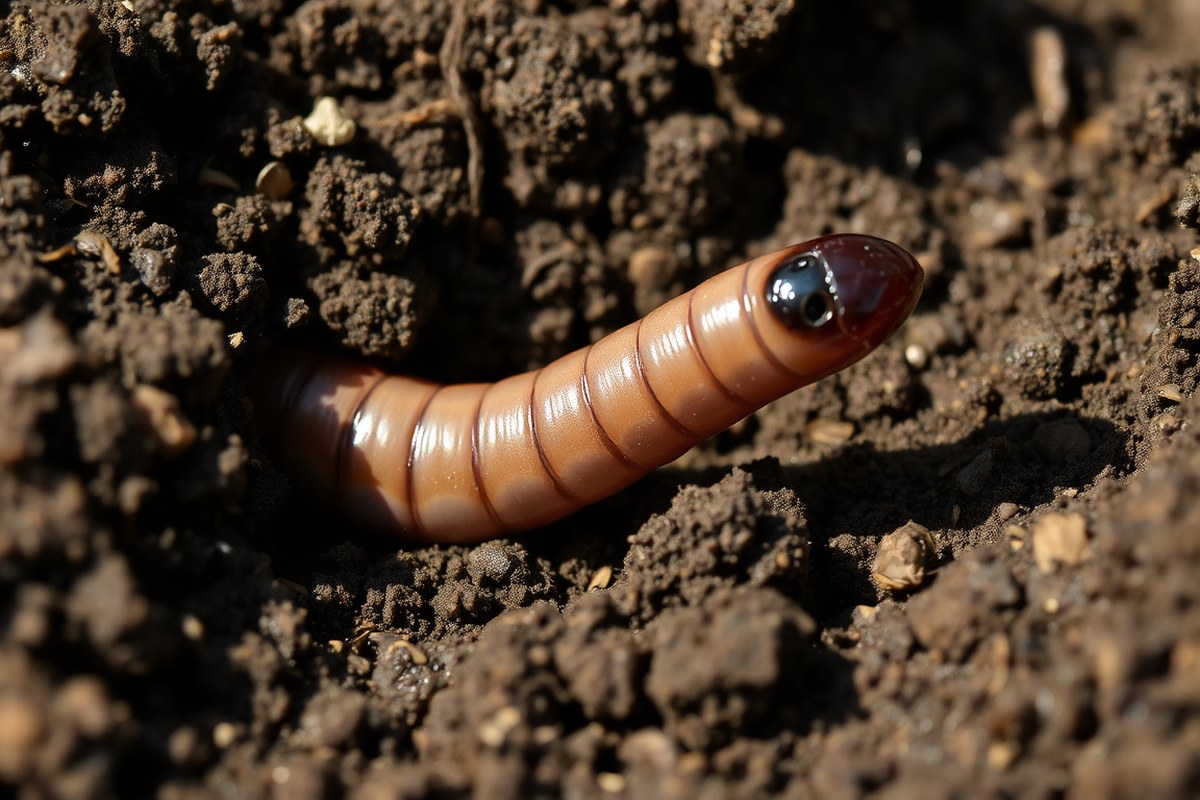
Do Worms Breathe? How They Breathe and Stay Alive Through Skin Respiration
Do worms breathe? Yes, they do, but not the way people do.
Worms absorb oxygen directly through their skin, a process called cutaneous respiration. This method works only when their skin stays moist enough to let oxygen pass through.
Their skin must be damp but not soaked, or they can’t breathe well. You want soil that feels like a wrung-out sponge, wet but with air spaces.
Moisture lets oxygen dissolve on their skin surface. So blood vessels pick it up easily.
Worms don’t have lungs or gills like many animals. Instead, oxygen moves through their skin and into their blood, where special pigments carry it around. They really depend on the environment’s moisture and air to stay alive.
Key Takeaways
- Worms breathe through their skin, not lungs or gills.
- Keep the soil moist but not waterlogged, like a wrung-out sponge.
- Oxygen dissolves in the moisture on their skin for gas exchange.
- Damp soil allows worms to absorb oxygen and release carbon dioxide.
- They rely on haemoglobin in their blood to transport oxygen.
- Too little moisture makes it hard for worms to breathe properly.
How Do Worms Breathe Through Their Skin?

Worms get oxygen by absorbing it through their skin, a process called cutaneous respiration. Their skin needs to remain damp and slippery to absorb oxygen properly.
The slimy mucus covering worm skin helps oxygen dissolve in water first. Then oxygen passes through the thin, permeable skin and enters tiny blood vessels beneath. Carbon dioxide flows out the same way, completing the gas exchange.
Oxygen moves by diffusion from the air or soil moisture into the worm’s bloodstream. The hemoglobin in the blood then carries oxygen to the worm’s cells. This skin-based breathing makes worm skin very delicate and sensitive to drying out.
Moist skin acts like a gas exchange surface, allowing oxygen to pass easily. Dry skin stops oxygen from dissolving and moving into the worm’s blood. This can quickly suffocate the worm because it stops breathing effectively.
Earthworms evolved with thin, moist skin specially designed to absorb oxygen from the environment. They do not have lungs or gills. So, maintaining a moist outer layer is essential for them to survive and carry out respiration.
Do Worms Have Lungs or Other Respiratory Organs?

Earthworms do not have lungs or gills. They lack any specialized respiratory organs like mammals or fish. Instead, they breathe entirely through their skin.
Their skin must stay moist for air to pass through it. Oxygen moves directly into their blood vessels under the skin. At the same time, carbon dioxide exits the body the same way.
Underneath the skin lies a dense network of tiny blood vessels called capillaries. These vessels form their closed circulatory system, carrying oxygen-rich blood through the worm’s body. This system allows earthworms to transport gases efficiently without lungs.
Because worms depend on skin for breathing, their bodies stay thin and soft. This structure increases surface area to absorb enough oxygen from the environment. That’s why you rarely see thick-skinned worms, they couldn’t get enough air.
Keep worm bedding moist but not soaking wet to help them breathe easily through their skin.
Without lungs or gills, worms rely on their circulatory system to move oxygen. Their blood flows in vessels rather than around organs freely. This setup supports gas exchange through the skin and delivers oxygen where it’s needed.
Worms do well in soil with enough air pockets. Compact or dry soil blocks oxygen from reaching their skin. Worms can suffocate fast if their skin can’t get oxygen.
Their skin does not pull oxygen well from water or packed dirt. This lack of oxygen makes it hard for worms to survive.
Why Is Moisture important for Worm Breathing?
Earthworms need their skin to stay moist so oxygen can pass through. Oxygen dissolves in the thin moisture layer on their skin and moves into their blood vessels. When the skin dries out, oxygen can’t get through and the worm suffocates.
Too much water is also a problem because waterlogged soil lacks oxygen. When soil fills with water after heavy rain, oxygen gets trapped and worms can’t breathe easily.
This is why worms come to the surface after rain. They seek air because their skin needs moisture but also oxygen.
The right soil moisture balances these needs well. Soil should be 70 to 80% moist, like a wrung-out sponge. This moisture keeps worms’ skin wet.
It also leaves air pockets so they can breathe. This moisture level supports gas exchange and helps worms survive deep in the soil for months.
- Keep soil damp but not soggy, around 70, 80% moisture.
- Water worms gently to avoid flooding their tunnels.
- Watch out for hot, dry days that can dry their skin fast.
- Use mulch to retain soil moisture and protect worms.
- Check soil by squeezing; it should feel damp but not slimy.
Mucus secreted by the worm’s skin also helps hold moisture. This slimy coating keeps oxygen and carbon dioxide moving through the skin efficiently.
Warmer temperatures reduce oxygen levels dissolved in the moisture. So cool, damp soil creates the best breathing conditions.
Good soil moisture keeps oxygen moving through the worms’ skin to tiny blood vessels below. These capillaries then carry oxygen to the worm’s cells and remove carbon dioxide. Without enough moisture, this gas exchange drops, harming the worm’s survival and activity.
Can Earthworms Breathe Underwater or in Saturated Soil?
Earthworms can breathe underwater for a while because their skin absorbs oxygen dissolved in water. The oxygen level underwater is much lower than in air. So worms can survive but only temporarily.
After heavy rain, worms come to the surface. The air has more oxygen there. They need that oxygen to breathe.
Soil gets soaked when water fills tiny air spaces. This makes it hard for worms to get air. Their breathing gets tough.
These air pockets normally hold oxygen, which worms absorb through their skin. Waterlogged soil makes worms struggle to breathe.
They try to escape to the surface. There, they can find air.
Worms living in areas with frequent flooding have adapted to survive submerged up to several days. Still, if water remains for too long with low oxygen, worms risk drowning. To help worms, don’t overwater your garden.
Improve soil drainage too. This keeps air pockets open for them.
How the Worm’s Circulatory System Supports Respiration
Earthworms have a closed circulatory system that carries oxygen and carbon dioxide. This system includes dorsal and ventral blood vessels connected by lateral hearts.
The worm has many tiny capillaries near its skin. These capillaries help it exchange gases well and fast.
Oxygen from the environment moves through the worm’s moist skin and enters these capillaries. Inside their blood vessels, oxygen binds to hemoglobin, a special protein.
Unlike humans, worm hemoglobin floats freely in blood plasma. But it carries oxygen just as well to every cell in the body.
Oxygen travels to the worm’s cells to help make energy. Carbon dioxide leaves the cells and enters the blood. It moves through capillaries and passes out through the skin where less carbon dioxide exists.
Capillaries play a important role here, acting as tiny exchange sites between blood and skin. They deliver oxygen-rich blood deep into tissues while removing carbon dioxide.
The capillaries are tightly packed near the skin surface. This closeness helps gas exchange stay quick and steady.
The worm’s blood circulation helps maintain this flow. So oxygen moves inward and carbon dioxide flows outward without interruption. Moisture loss dries the worm’s skin.
Dry skin slows gas exchange badly. Good blood flow and hemoglobin keep oxygen moving well. Without them, worms can’t get enough oxygen or remove waste gas.
Keep soil moist but not too wet around worms. This lets them breathe and carry oxygen properly through their skin.
Environmental Conditions That Affect Worm Breathing
Worms rely on soil conditions that keep their skin moist and allow air to reach them. Several factors like moisture, temperature, and soil structure drive how well worms can breathe. Proper care of these environmental elements keeps worms healthy and active.
Optimal Soil Moisture Levels
Worms need damp soil because their skin must stay moist to absorb oxygen. Soil moisture between 70% and 90% usually works best for worm breathing. Worms struggle to get air if soil dries out or stays too wet.
In worm bins, watch for worms climbing toward the surface. This often means the bedding is too dry or too wet and lacks airflow.
Keep moisture balanced to help oxygen dissolve on worm skin. This oxygen layer helps worms breathe easily.
Temperature Ranges for Healthy Respiration
Worms are cold-blooded. So they rely on their environment to stay at a safe temperature.
Ideal temperatures range from 55°F to 77°F for normal worm activity and breathing. Outside this range, worms may try to escape or slow down their metabolism to survive.
High heat over 85°F can dry out soil quickly, reducing oxygen levels. Cold below 40°F can slow worm breathing and movement.
Worms move deeper or closer to the surface to control temperature. This movement also helps them breathe better.
Impact of Soil Aeration and Texture
Air pockets in soil create oxygen-rich zones that worms need for healthy respiration. Well-aerated soil allows oxygen to dissolve into moisture that covers worm skin. Compact soil or saturated clay reduces oxygen and can suffocate worms.
Loamy or sandy soils with a crumbly texture provide good air flow. You can improve compacted soil by mixing in coarse materials like shredded leaves or wood chips. Proper soil structure supports worm tunnels that also aerate the ground and help worms breathe.
Role of Organic Matter and Bedding
Worms eat organic matter. This food keeps soil moist and full of air pockets. Rotting leaves and compost form loose mix.
It holds dampness and lets air pass through. This environment matches natural soil in worm habitats.
Good bedding material supports worm respiration by absorbing excess moisture and preventing dense, soggy conditions. Change worm bin bedding often. This prevents bad smells and low oxygen that stress worms.
How to Avoid Common Environmental Pitfalls
Too much water can drown worms by filling air pockets and reducing oxygen dissolved in soil. Avoid overwatering your garden or worm bin.
Moisture should feel like a damp sponge, not soaked. Poor airflow leads worms to gather at the surface seeking air.
Compacted soil or thick bedding traps carbon dioxide and blocks air circulation. Turn soil or bedding gently every few weeks to break up clumps and add fresh air.
Avoid extreme temperatures. Shade garden beds or move worm bins indoors when it’s hot or cold.
Here’s a quick table showing key environmental factors and their effects on worm breathing:
| Factor | Optimal Range | Effect on Worm Breathing |
|---|---|---|
| Soil Moisture | 70% to 90% | Moist skin absorbs oxygen; too wet or dry suffocates worms |
| Temperature | 55°F to 77°F | Supports normal respiration and movement |
| Soil Texture | Loamy or sandy, crumbly | Allows air pockets and oxygen flow |
| Organic Matter | Fresh, decomposing plant scraps | Maintains moisture and aeration in bedding |
| Aeration | Regular turning or loose soil | Prevents compaction and increases oxygen availability |
Maintaining these conditions helps worms breathe naturally through their moist skin. It keeps them active and ready to digest organic waste or enrich your garden soil.
Signs of Worms Struggling to Breathe and Survival Tips
Worms show clear signs when they struggle to breathe. Watching their behavior and physical state can warn you about oxygen shortages. Taking quick steps can help them survive in your soil or worm bin.
Behavioral Indicators of Oxygen Stress
Worms move less or stop moving when oxygen is low. They often try to escape the soil surface or come out of their bin. This behavior means they are searching for air or better conditions.
Another sign is clumping together near the soil surface or around air pockets. They might also become sluggish and respond slowly to touch. These behaviors show they struggle to get enough oxygen.
Physical Signs of Breathing Difficulty
Worms with poor respiration look pale or dull instead of shiny and moist. Their bodies may appear flattened or thinned out. This happens because their muscles weaken without sufficient oxygen.
You might also notice worms produce less casting material. Castings signal healthy digestion and activity. A decreased output suggests the worms are stressed or unhealthy.
Immediate Actions to Help Worm Survival
Boost airflow quickly by loosening compacted soil or stirring worm bedding carefully. Adding dry, shredded cardboard or newspaper can improve air spaces in a worm bin. Avoid overwatering, which fills air gaps and blocks oxygen flow.
Moving worms to fresh, moist but not soggy bedding gives them a better breathing environment. Keep the temperature between 55 and 77°F to help worms stay active and breathe well.
- Gently aerate soil or bedding without harming worms
- Remove excess water or drain saturated areas
- Add dry organic material to improve air pockets
- Keep the environment cool and shaded, avoiding heat stress
- Check for mold or foul smells, which harm worm health
- Slowly move worms too far from stressful areas
Each step helps increase oxygen levels and reduce worm stress fast. Acting quickly improves worms’ chances to recover.
Preventative Care Strategies
Mix organic materials in soil or worm bins to keep spaces open for air. Turn or fluff worm bin bedding regularly but gently. This avoids compact layers that reduce oxygen flow.
Keep moisture balanced, wet enough to help skin breathing, dry enough to prevent flooding. Monitor temperatures, especially in summer heat or cold winter zones. Adding carbon-rich materials like leaves or paper prevents bad odors and promotes breathing.
How to Maintain Ideal Conditions for Worm Respiration
Keeping worm skin moist and the air fresh lets worms breathe well. You want damp bedding with good airflow to avoid suffocating them. These steps help you keep worms happy and healthy in your bin.
Regular Moisture Monitoring
Check your worm bin moisture once a week. Use your hand or a spray bottle to keep the bedding damp, not soggy. Worm skin needs moisture for oxygen to pass through easily.
When the bedding feels dry, mist it lightly with water. If the bedding feels too wet or smells bad, add dry bedding. It soaks up water and fixes the smell.
Ensuring Proper Ventilation
Worms need fresh air to avoid deadly carbon dioxide buildup. Make small holes in your worm bin’s lid or sides for airflow. This ventilation keeps oxygen in and harmful gases out.
Do not seal the bin tightly or block holes with plastic or thick bedding. Good airflow stops conditions that stress or poison worms.
Choosing the Right Bedding Materials
Select bedding that holds moisture without drowning worms. Shredded newspaper, cardboard, and coconut coir work well. These materials keep air pockets open for breathing.
Fresh leaves or aged compost add nutrients but avoid too dense or clay-like soil. Dry bedding added during high moisture times balances the mix.
- Shredded newspaper or cardboard for absorbency
- Coconut coir for moisture retention and air flow
- Dry leaves for light texture
- Aged compost to provide food and improve structure
- Avoid clay soil or overly dense materials
- Mix dry and moist materials regularly
Change or add bedding every few months. This keeps it fresh. It also helps worms breathe better.
Balancing Temperature and Humidity
Worms breathe best at 55°F to 77°F (13°C to 25°C). Keep the bin out of direct sun or freezing cold. Extreme temps dry out skin or slow respiration.
Humidity should stay between 70% and 90%. Use a hygrometer to check if needed. Too dry air or overheating means more frequent misting and moisture checks.
Routine Inspection and Maintenance
Look inside your bin twice a week for signs of dryness, bad smells, or stuck worms. Smelly or wet spots can mean poor airflow or excess moisture.
Stir bedding gently every two weeks to open air pockets. Remove uneaten food to prevent mold or toxins that disrupt breathing. Replace bedding materials as needed to keep balance.
Don’t let your worm bin get too wet or sealed tight. This kills worms fast.
Step-by-Step Action Plan to Keep Worms Breathing Well
Follow these steps to ensure your worms get enough air and moisture. Watch for signs that show your actions are working.
- Before you start: Choose loose, well-drained soil or compost that holds moisture but isn’t soggy. Check that it feels damp like a wrung-out sponge.
- Day 1: Add a small amount of water and mix it into the soil. The soil should stay moist but not wet. Test by squeezing a handful gently.
- Week 1: Turn or aerate the soil or compost weekly. This adds oxygen and stops compaction. Notice if worms move around more freely.
- Week 2: Keep adding organic material like shredded leaves or fruit scraps. This keeps the soil alive and helps moisture stay stable. Worms will be active near new food.
- Week 3: Avoid overwatering. Let the top layer dry slightly between waterings to prevent waterlogging. Check worms running away or surfacing; that signals too much water.
- After 4 weeks: Use a soil moisture meter or test by touch weekly. Stay in a range where the soil feels damp but drains well.
- Monthly: Remove compacted layers or dense waste buildup. This improves air flow and soil health. Worms should be evenly spread through the soil instead of gathered on top.
Frequently Asked Questions
Can Worms Survive If Their Skin Dries Out?
No, worms need moist skin to breathe. Dry skin means they can’t absorb oxygen and will suffocate quickly.
Do Worms Ever Hold Their Breath to Survive Danger?
Worms don’t hold their breath. Instead, they rely on moisture around them to keep breathing through their skin.
How Do Worms Get Oxygen If They Burrow Deep Underground?
Worm tunnels let air reach them. Their moist skin then absorbs oxygen from that air.
Do Earthworms Breathe Faster in Warm Weather?
Yes, warmer temperatures speed up their metabolism and breathing. They need more oxygen when active.
Can Worms Get Oxygen from Compost Heat?
Compost heat helps bacteria but doesn’t supply oxygen for worms. Worms need air in the compost to breathe.
Does Soil Type Affect How Well Worms Breathe?
Yes, loose, well-aerated soil has more oxygen. Heavy clay soil limits airflow and can make breathing tough for worms.
Wrapping Up
Worms breathe through their skin, so moisture and air are key. Keep their soil moist but not soggy to help them survive. Check your soil often and adjust watering to protect your worms’ health.