How Big Do Pepper Plants Get: A Complete Guide to Varieties and Growth
Wondering how big do pepper plants get? Most pepper plants reach 3 to 4 feet tall when mature. Some bell pepper plants grow very tall with the right care.
They can reach up to 5 feet high when given space. Strong, healthy plants need room to grow and proper watering.
Height depends largely on the type of pepper and its growing conditions. For example, serrano peppers stay smaller, around 2 to 3 feet tall. You should begin by choosing the right variety and provide steady watering to avoid stunted growth.
Pepper plants start small, about 12 to 18 inches tall before planting. Keeping an eye on water levels and sunlight helps them reach full size. Overwatering or drought can reduce their height and fruit production.
Key Takeaways
- Bell pepper plants usually grow 2 to 4 feet tall, with some hitting 5 feet.
- Serrano pepper plants average 2 to 3 feet tall and need less space.
- Proper watering is key; stress can cut plant height by about 20%.
- Start with healthy seedlings around 12 to 18 inches before transplanting.
- Space pepper plants 18 to 24 inches apart for healthy growth and airflow.
- Container size directly influences how tall and wide pepper plants grow.
Typical Size Ranges for Common Pepper Varieties
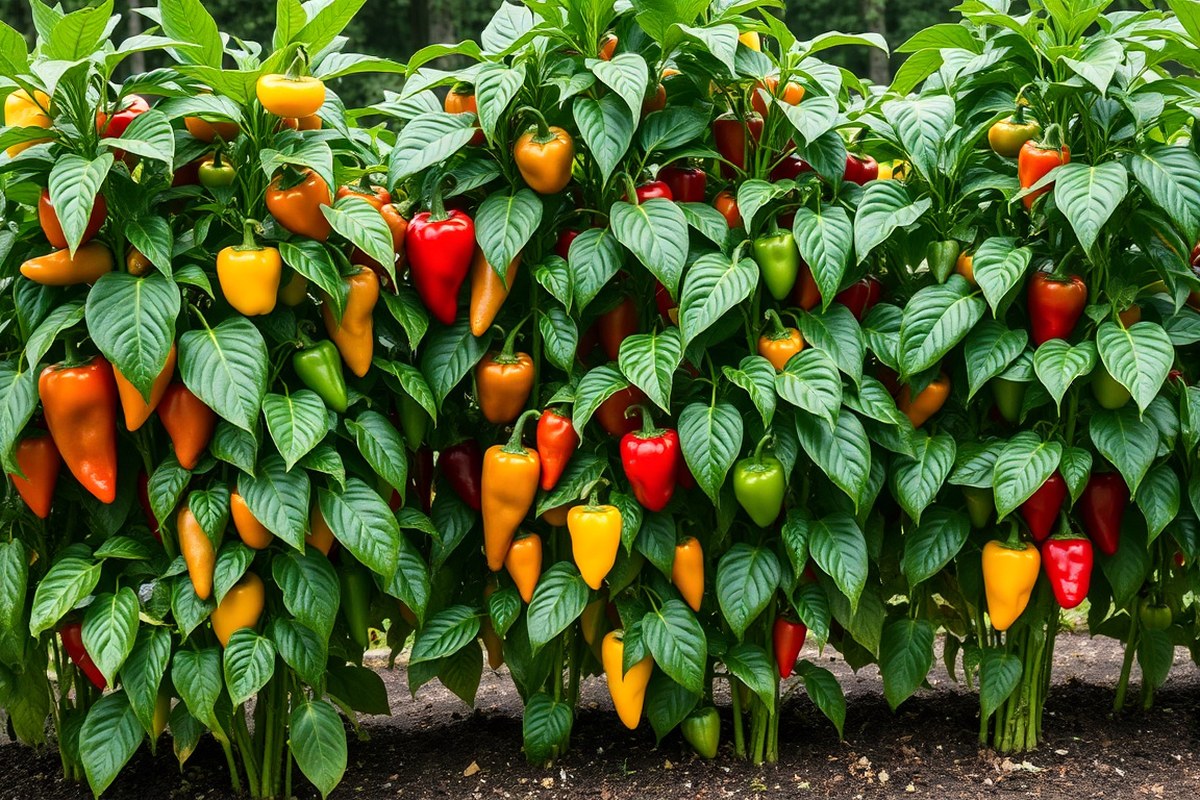
Pepper plants come in a range of sizes, depending on the variety. Some stay small and compact, while others grow tall and spread wide. Knowing the typical size helps you plan your garden space.
You can also choose the right container if growing peppers in pots. This helps your plants grow well.
Most common sweet and hot peppers grow between 2 and 3 feet tall. Compact or patio types stay under 2 feet. Bell peppers are often taller because their large fruits weigh down the stems.
Hot peppers like habaneros grow taller with warm conditions and big containers. Below is a table showing typical size ranges for popular pepper varieties.
| Pepper Type | Typical Height | Width or Spread | Growth Notes |
|---|---|---|---|
| Compact patio/ornamental peppers | 12 to 20 inches | Small spread | Short internodes, small pods, good for containers |
| Jalapeño, shishito, banana, frying peppers | 24 to 36 inches | Moderate spread | Repeated harvest encourages branching |
| Bell peppers and poblanos | 24 to 48 inches | 1 to 2 feet wide | Large fruit can cause stems to lean |
| Habanero, Scotch bonnet | 30 to 48 inches | Moderate to wide spread | Long warm seasons and large pots increase height |
| Big Bertha bell pepper | Up to 5 feet | Wide spread | Vigorous variety needing staking |
| Pinot Noir Sweet Bell pepper | 18 to 24 inches | Compact spread | Dwarf variety, good for containers |
Bell peppers usually grow 2 to 4 feet tall and about 1 to 2 feet wide. Larger plants like Big Bertha need support since fruit weight tips branches. Compact bell peppers like Pinot Noir grow only one to two feet tall.
They fit well in small gardens or on patios. These peppers don’t take much space.
Hot peppers vary more in height and shape. But most stay under 4 feet unless in ideal conditions.
Changes in container size, warmth, and growing season length affect pepper size. Keeping plants pruned and harvesting often can keep them bushy without pushing height much. With the right spot and care, pepper plants can grow bigger or stay compact.
You decide based on your garden space and taste preferences. This choice affects your harvest size.
How Growing Conditions Affect Pepper Plant Height
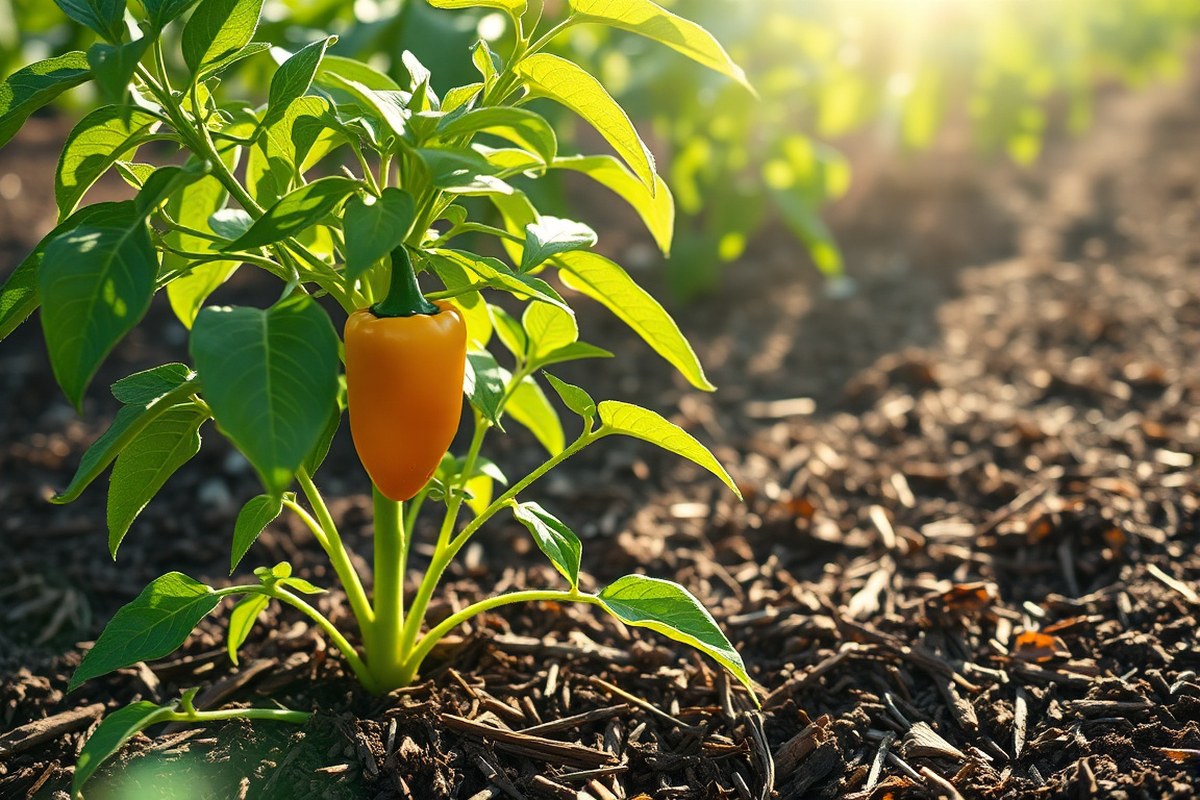
Pepper plants grow best in full sun, needing at least 6 to 8 hours daily. More light helps them develop strong stems and plenty of fruit. Your plants look thin and stretched when they need more light.
Soil quality is a major factor for plant height. Rich soil with good compost boosts growth by supplying essential nutrients.
Use a soil mix with plenty of organic matter or 100% compost if you have enough. Avoid heavy, compacted soil that drains poorly and stunts roots.
Temperature affects stem growth and the plant’s overall size. Daytime temperatures between 75 and 85 °F support the fastest, healthiest growth.
Cooler nights slow stems and reduce height. Try to protect plants from cold drafts and sudden temperature drops.
Watering regularly keeps plants from stressing out and encourages upward growth. Pepper plants like soil that stays moist but not soggy.
Water deeply when the top inch of soil dries. Too little water causes stunted growth, while too much water risks root rot.
Fertilizer, especially nitrogen, influences whether plants grow tall or just leafy. Use balanced feeding with moderate nitrogen to support steady growth and flower production. Watch for leaves that are very green with few flowers.
This means too much nitrogen. The stems will be tall and weak. Adjust fertilizer accordingly.
Give your pepper plants full sun every day. Water them evenly. This helps prevent weak, leggy growth.
How Container Size and Planting Depth Influence Growth
Pepper plants do get smaller when grown in containers. That’s because pots limit root growth, which sets plant size. Choosing the right container size and planting depth helps peppers grow healthy and reach their potential.
Recommended Container Sizes for Pepper Plants
Use at least a 3-gallon pot for small patio peppers. For bigger plants, especially bell peppers, a 5-gallon container works best. It gives roots plenty of room to spread, supporting taller, leafier plants with more fruits.
Larger containers hold more soil, keeping moisture and nutrients steady. Peppers in pots smaller than 3 gallons often struggle to grow tall or produce much fruit.
You can sometimes fit three pepper plants in one 12-inch wide pot. But space might be tight.
- 3-gallon pot for small pepper varieties
- 5-gallon pot for full-season bell peppers
- 12-inch diameter pots can hold 2-3 smaller plants
- Ensure containers have good drainage holes
- Use quality, well-draining potting soil
- Place containers in full sun for best growth
Planting Depth Guidelines
Plant pepper transplants slightly deeper than their nursery pots. This helps stabilize the plant and encourages extra roots along the buried stem. Deep planting also supports nutrient uptake and keeps the plant upright.
Make a hole in the soil about 1 inch deeper than the root ball. Place the plant gently in the hole, then fill around the base with soil. Pat lightly to remove air pockets but don’t crush the roots or stem.
A good planting depth means the soil covers the root crown but not the first leaves. Avoid planting too deep, stems that are buried too far may rot. Shallow planting can cause the plant to tip or dry out faster.
Effects of Root Space on Plant Height
Roots need space to grow well, so larger containers support taller pepper plants. Limited root room restricts water and nutrient uptake, which keeps plants smaller. Peppers grown in 5-gallon pots can average 2 to 4 feet tall under good conditions.
Small pots dry out quickly and heat up, stressing roots. This slows growth and may reduce fruit size. Containers holding about 3 gallons of soil can keep small peppers alive.
These containers usually grow shorter pepper plants. Small varieties do better than big ones in them.
Remember, even with big pots, container peppers usually stay smaller than those in the ground. Roots need space and depth to grow well in pots.
This helps peppers reach their full size. Pot size affects how big your peppers get.
Typical Growth Timeline and When Pepper Plants Reach Full Size
Peppers usually take about 70 to 90 days from transplant to reach full height. Starting from seed indoors adds 6 to 8 weeks before transplanting. Total growing time ranges from 100 to 130 days or more.
It depends on the pepper variety and growing conditions. You should expect some variation based on these factors.
Seedlings grow slowly at first. They reach about 6 inches tall within two to three weeks after sprouting.
Plants keep growing taller until they begin flowering, usually 6 to 8 weeks after transplant. After the first flowers appear, height growth slows considerably.
Most pepper plants stop major vertical growth once the fruit starts to develop. Full-sized plants typically reach 3 to 4 feet tall. But some types grow shorter or taller.
For example, Thai peppers grow only 1 to 2 feet tall. Carmen peppers can climb to 7 feet or taller. So size depends a lot on the variety.
First flowers usually appear about 60 days after transplanting. Peppers need warm temperatures, at least 70°F during the day, to bloom and set fruit. After flowering begins, fruits develop over 30 to 60 days.
Small peppers appear soon after the flowers open. This shows the plants shift from growth to making fruit. Watching this helps you know your peppers are developing well.
Plant size also depends on light and nutrients. A well-fed pepper plant grows faster and taller early on. Plants growing too tall may produce fewer peppers.
Height takes energy away from fruit production. Keep plants balanced for better yield. Balancing fertilizer and pruning helps you size your plant while still getting plenty of peppers.
Growing peppers in pots? Choose a pot 12 inches or larger. This size gives roots room and helps plants grow fully.
Crowded roots can slow growth and limit height. Expect steady growth for 6 to 8 weeks after transplanting.
Flowers usually show by week 8, then fruit by weeks 12 to 14. Plan your garden timing around this schedule.
Pruning and Staking: Managing Height and Plant Shape
Pruning can keep pepper plants shorter and fuller by removing extra growth. Staking supports tall plants to prevent breakage and helps fruit develop well. Managing both helps you grow more peppers in less space.
Pruning Methods for Size Control
Pinch off the growing tip when your pepper plant reaches 12 to 18 inches. This stops upward growth and encourages side branches to form. Cut off lower leaves and small branches near the bottom.
This helps the plant focus energy on the main stems. It also directs energy to growing fruit.
Use clean, sharp scissors or just your fingers to prune. Avoid cutting more than 20% of the plant at once to prevent stress. Prune your plant every two to three weeks during the growing season.
This keeps the plant’s shape balanced. It also makes the plant easier to manage.
When and How to Stake Pepper Plants
Start staking when pepper plants grow taller than 18 inches or start to lean. Put a sturdy stake 6 to 8 inches from the plant base. Make sure the stake goes deep enough to hold firm.
This keeps the plant steady through wind and watering. Use soft garden ties to attach the main stem to the stake.
Space the ties about every 6 to 12 inches along the stem. This supports the plant without damaging it.
Here are staking essentials to follow:
- Use 3- to 6-foot stakes made of wood or metal.
- Place stakes firmly, avoiding root damage.
- Tie loosely to allow stem growth and movement.
- Check ties weekly; adjust as the plant grows.
- Remove stakes after harvest to avoid stem damage.
Good support prevents branches from snapping under the weight of peppers. It also improves air circulation, lowering disease risks.
Balancing Height and Fruit Production
Pruning redirects the plant’s energy from growing tall to making more peppers. Cut off extra growth when the plant grows many leaves but few fruits. Watch for this especially after feeding the plant fertilizer.
This helps the plant focus on fruit production. Avoid over-fertilizing with nitrogen since it encourages leaves, not fruit.
To maximize fruit production without letting the plant get too tall:
- Pinch main stem tips at 18 inches to stop vertical growth.
- Remove small flower buds early to boost bigger pepper growth.
- Keep removing lower shoots that won’t produce fruit.
- Water evenly and avoid stressing the plant.
Don’t prune during extreme heat; your plant will struggle to recover quickly.
Common Growth Problems That Affect Pepper Plant Size
Your pepper plant might stay short due to a few common issues. Root restriction happens when the roots circle tightly inside a small pot. This keeps the plant from growing bigger.
Move your plant to a pot one size larger. You can also plant it in the ground. This helps fix the problem.
Yellow lower leaves on a short plant mean cold soil. It could also mean too much water or low nutrients. Good drainage helps avoid wet roots.
Keep soil warm and feed your plant a balanced fertilizer with enough nitrogen. Nitrogen encourages strong leaf and stem growth, which can boost height.
A thin pepper plant leaning toward light likely needs more sun. Pepper plants need at least 6 hours of direct light daily. Grow indoors?
Raise the grow light closer to your plant. Or use a stronger bulb. Otherwise, the plant stretches trying to reach for light and stays weak and short.
Heat stress also affects pepper height. Plants may bolt too soon, producing flowers early and limiting size. Try to keep temperatures between 70°F and 85°F. Hot weather?
Give plants shade during the afternoon. Water them regularly to reduce stress.
Plants from one seed packet can vary in size. Differences in soil, water, light, or nutrients cause this.
Check these closely to keep conditions steady. Even a slight change can cause one plant to grow taller and another to stay compact.
Here’s a quick checklist to troubleshoot: Check pot size and root growth. Ensure well-draining soil and avoid soggy conditions. Feed with a fertilizer rich in nitrogen every few weeks.
Provide 6 hours of direct sunlight or strong grow light. Protect from extreme heat or cold. Each fix improves your plant’s chance of reaching its ideal height and strength.
Spacing and Layout: Planning Garden Space for Pepper Plants
Spacing pepper plants correctly helps them grow well and stay healthy. Plants need room for their roots and leaves to spread and get sunlight. Good spacing also improves air flow, lowering the chance of diseases.
Space affects how tall and wide pepper plants grow. Crowding plants makes them compete for water and nutrients.
That can stunt their size and cut down how many peppers you get. Too much space wastes garden room without giving you many more peppers in return.
| Garden Type | Space Between Plants | Space Between Rows |
|---|---|---|
| Outdoor Garden | 18 to 24 inches | 24 to 36 inches |
| Greenhouse | 12 to 18 inches | 30 to 36 inches |
| Raised Bed | 14 to 18 inches | 18 to 24 inches |
Use tighter spacing like 12 inches between plants when growing in greenhouses. This space works because temperature and humidity are controlled.
Outdoor peppers do better with 18 to 24 inches apart to avoid crowding. Rows need 24 to 36 inches for tools and airflow.
Plant peppers 18 inches apart with rows 30 inches wide for most home gardens. This setup balances space and good harvest size. You’ll see the plants spread 1.5 to 2 feet wide and grow up to 3 feet tall.
Keep soil moist and watch for crowded leaves blocking sunlight. Adjust spacing if you notice stunted growth or fungal spots.
Selecting Pepper Varieties Based on Desired Plant Size
Choosing pepper varieties based on plant size helps you fit them into your garden or containers. Small varieties suit tight spaces and patios. Larger types need more room but often yield bigger fruits.
Compact and Dwarf Pepper Varieties
Compact peppers usually grow 6 to 20 inches tall. They fit well on small patios. They’re also great for containers.
Ornamental peppers fall into this category and usually stay under 12 inches. They add color and charm but produce small, often very spicy peppers not ideal for cooking.
Dwarf varieties need less root space and less pruning, saving time and effort. They usually produce a steady but modest harvest and avoid becoming unruly in a limited garden. Choosing these peppers works well when space is tight or when growing indoors with limited light.
Pinch off growing tips regularly on compact peppers to keep them bushy and healthy.
Medium-Sized Versatile Garden Peppers
Many popular peppers fall into the medium size range, growing between 2 and 3 feet tall. Bell peppers, poblanos, and some habaneros often reach this height with sturdy stems.
These plants fit in raised beds or larger containers. They balance size and yield well.
This size is good for gardeners with some space. They want a big harvest without big plants.
Medium plants usually don’t require trellising but will benefit from staking to prevent breakage. They also adapt well to different climates and care routines.
Large and Vigorous Pepper Varieties
Large peppers like giant bell or some habaneros grow over 4 feet tall. They can reach 13 feet in perfect conditions.
These vigorous plants need deep soil or very large containers to support their root systems. They produce large, heavy fruits that make up for fewer total peppers per plant.
These big plants often benefit from staking or trellising to manage their height and weight. They’re best suited for spacious gardens or greenhouses with a long growing season. Growing these varieties requires more patience and space but rewards with impressive yields.
Step-by-Step Action Plan for Managing Pepper Plant Size
Follow these steps to grow healthy pepper plants that fit your garden space.
- Before Planting: Choose varieties that match your space needs. Check seed packets or nursery tags for expected plant size.
- At Planting: Use the right container or garden bed size. Make sure planting depth matches seedling guidelines to avoid stunted growth.
- Week 2-3: Start staking or setting up supports early. This keeps plants upright as they grow taller and prevents breakage.
- Week 4-6: Prune lower branches and crowding leaves. You’ll see better airflow and stronger plant structure soon after.
- Ongoing: Monitor spacing, watering, and sunlight regularly. Healthy peppers grow to expected size without issues.
- Mid-Growth: Adjust staking if plants outgrow supports. Add mulch to retain soil moisture and reduce stress.
- Harvest Time: Pick peppers when mature to avoid slowing plant growth. Healthy plants can keep producing new fruit.
Frequently Asked Questions
How Big Do Bell Pepper Plants Get in Home Gardens?
Bell pepper plants typically reach 2 to 4 feet tall at home. Some varieties like Big Bertha can grow very tall. With good care and enough space, they reach up to 5 feet tall.
Can Pepper Plants Grow Taller in Commercial Farming?
Yes, commercial pepper plants can grow over 13 feet tall. Intensive watering and pruning practices help achieve this unusual height.
Do Pepper Plants Grow Faster Indoors or Outdoors?
Pepper plants usually grow faster outdoors with full sun and warmth. Indoors, their height depends mostly on light and temperature conditions.
Will Pepper Plants Grow Bigger from Seeds or Transplants?
Transplants usually produce bigger plants faster than seeds. They get a head start, so they reach full size sooner.
Can Pepper Plant Size Affect Fruit Quantity?
Larger plants often produce more fruit because they have more branches. But overcrowding makes fruits smaller and lowers yield.
How Long Does It Take a Pepper Plant to Stop Growing?
Most pepper plants stop growing after 70 to 90 days. That’s when they shift energy to fruit ripening.
Key Points to Remember
Pepper plants grow to sizes you can manage by picking the right varieties and caring well. Start by checking your garden space and choosing plants that fit. This will make growing peppers easier and more enjoyable.