Do Petunias Grow Back Every Year? Complete Guide for Successful Regrowth
Do petunias grow back every year? The short answer is: it depends. Petunias are technically perennials but act like annuals in many gardens.
They may not survive cold winters. They won’t come back the same each spring.
In warm areas with no frost, petunias last 2 to 3 years. They regrow every season. Cooler zones with freezing temperatures usually kill the plants by winter.
To enjoy petunias year after year, protect them from cold. Or treat them as annuals and replant.
Start by noting your local climate zone and temperature ranges. Petunias don’t like temps below 40°F and can die if the frost hits.
Bring pots inside before cold weather to keep petunias longer. You can also grow new plants from cuttings each year.
Key Takeaways
- Petunias often die in areas with freezing winter temperatures.
- In frost-free zones, petunias can survive 2 to 3 years as perennials.
- Bring potted petunias indoors before temperatures fall below 40°F.
- Maintain petunias with 6-8 hours of direct sunlight daily for best growth.
- Consistent watering and fertilizing help petunias grow back healthily.
- Use grow lights indoors for 10 hours daily if overwintering petunias inside.
Do Petunias Grow Back Every Year?

Petunias usually grow as annual plants. They complete their life cycle in one season. They bloom, produce seeds, and then die off when the weather gets too cold.
Petunias planted in spring usually won’t return the next year. They finish their cycle within one growing season.
Technically, petunias are perennial in their natural warm habitat. In mild climates like USDA zones 9 to 11, petunias can survive winters. They may regrow for 2 to 3 years easily.
In colder zones, frost kills most petunias. So they need replanting or special care to live on.
The typical lifespan of garden petunias depends on where you live. In cold zones with frost, you can expect petunias to last only one season before dying.
In frost-free or warm urban areas, petunias live longer. They might come back without needing new plants.
How Climate Zones Affect Petunia Survival and Regrowth
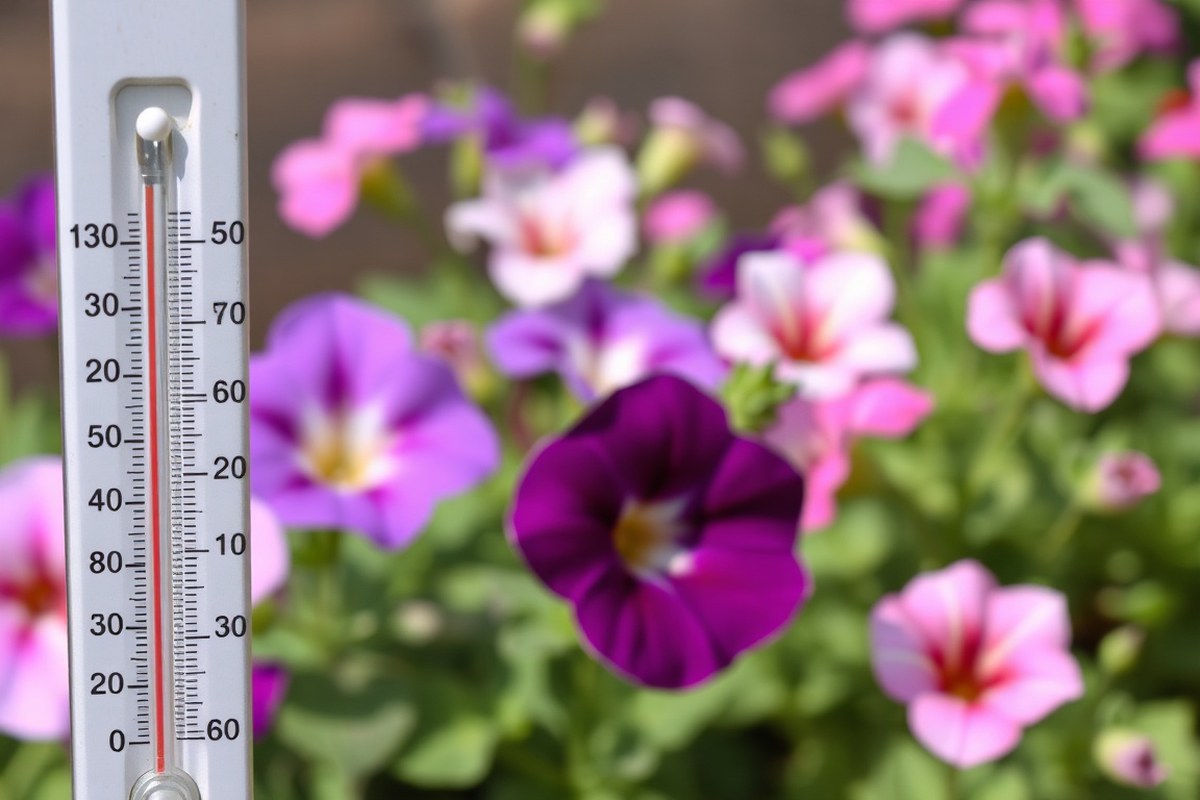
Petunias usually survive the winter only in USDA zones 9 through 11. These zones have average winter temperatures above freezing, which petunias tolerate well. In colder zones, frost damages or kills petunias, so they rarely grow back.
Some petunia varieties handle cold better than others. Choosing these can help petunias regrow if you live on the edge of a frost zone. In cold climates, petunias grow as annuals.
You must replant each year. You can also bring them indoors to save them.
| USDA Zone | Average Winter Temp (°F) | Petunia Winter Behavior | Regrowth Likely? |
|---|---|---|---|
| 10 to 11 | Above 30°F | Petunias survive winter, enter dormancy | Yes, regrow naturally |
| 9 | 20 to 30°F | Petunias may survive mild freezes | Possible with protection |
| 6 to 8 | 0 to 20°F | Frost kills petunias | No, treated as annuals |
| 5 and below | Below 0°F | Petunias won’t survive winter outdoors | No, must replant annually |
Petunias stop flowering and go dormant if winter temperatures stay just above freezing. They will lose leaves but can bounce back in spring. However, temperatures below freezing cause cell damage, killing the plant.
A useful way to check if petunias will survive is to monitor local frost dates. Your petunias probably won’t come back next year with frost after bloom. Covering plants during cold snaps can reduce frost damage.
Watch the nighttime lows carefully: petunias die quickly once temperatures drop below 32°F.
Warm or mild climates don’t just preserve the petunia’s roots. These zones let the plant rest and come back stronger. Cold zones require more effort, like moving pots indoors or growing from seed each season.
Dormant vs Nondormant Petunias: What Gardeners Need to Know
Petunias fall into dormant or nondormant types. Dormant petunias lose their leaves and rest during winter. Nondormant petunias keep growing with some care.
Characteristics of Dormant Petunias
Dormant petunias stop growing and shed leaves when cold hits. They enter a resting phase to survive winter low temps. You’ll see brown or slim stems and no flowers in this phase.
These types need cooler but frost-free spots around 40°F to 50°F (4°C to 10°C) indoors. The soil should stay just barely moist, not wet. Keeping them too warm or wet can cause rot or die-off.
Commonly, dormant petunias are saved by pruning back to a few inches. Then, you store them away for several months before growth starts again. This takes patience but can bring the same plants back next year.
Features of Nondormant Petunias
Nondormant petunias keep their green leaves and some flower buds with winter care. They don’t need complete rest but may slow growth at cooler temps. You’ll notice some blooming indoors or under lights.
These petunias do well in brighter windows or with grow lights 6 to 8 hours daily. The temperature should stay around 60°F to 70°F (15°C to 21°C). They need regular watering but never soggy soil.
Unlike dormant types, don’t prune too hard in fall. Just trim dead parts occasionally to maintain health. They keep photosynthesizing, which helps them flower come spring.
Choosing Care Based on Petunia Type
First, identify your petunia type by watching its winter habit. Dormant types lose leaves and look lifeless. Nondormant ones hold leaves and sometimes flower in mild indoor conditions.
If yours goes dormant, prune it back to 3 to 4 inches in fall. Place it in cool, dim spots with minimal watering till spring. For nondormant types, keep them in well-lit rooms, water regularly, and avoid chilling temperatures below 50°F.
Choosing the right care method helps your petunias survive winter and grow back strong. Wrong care like overwatering dormant plants or chilling nondormants can kill them. Tailor your winter strategy to your petunia’s nature for best results.
How to Overwinter Petunias Indoors Successfully
Timing to Move Petunias Indoors
Bring your petunias inside before the first frost hits. This usually means moving them indoors in early fall, around late September or early October. Waiting too late risks damage from cold temperatures below 40°F.
Watch outdoor temperatures daily in your area. Once nights start regularly dipping below 50°F, it’s time to act. Petunias hate cold drafts and sudden freezes, so prevent shock by moving them early.
Setting Up Proper Indoor Conditions
Petunias need bright, indirect light for about 10 hours daily to thrive indoors. Position them near a south-facing window or use a grow light. A simple LED grow light costing $20-$40 from garden stores is enough.
Maintain temperatures between 60 and 70°F. Avoid places near heaters or cold drafts, like close to doors or vents. Steady warmth helps petunias stay healthy and keep growing over winter.
Winter Watering and Fertilizing Guidelines
Water your petunias once the soil’s top inch is dry by touch. Indoor plants usually need watering every 5 to 7 days. Avoid overwatering to prevent root rot, and empty saucers to stop water buildup.
Feed petunias with a balanced fertilizer every six weeks. Choose one labeled for flowering plants, diluted to half strength. This gentle feeding supports steady growth without overwhelming the roots in low light.
- Check local weather forecasts to choose the right day before frost.
- Carefully dig up container or garden petunias to avoid root damage.
- Choose a spot indoors with bright, indirect sunlight or set up grow lights.
- Place petunias away from heaters, drafts, and cold doorways.
- Water when soil feels dry about one inch deep, avoiding soggy soil.
- Apply half-strength balanced fertilizer every six weeks during winter.
- Rotate pots weekly for even light exposure and growth balance.
- Monitor closely for pests and remove wilting leaves promptly.
Propagation Methods to Ensure Petunias Return Next Season
Petunias don’t reliably grow back every year unless you plant them anew or help them propagate. You can grow new petunias by starting seeds indoors or taking cuttings from existing plants. Each method helps you keep your favorite petunias going in your garden for seasons ahead.
Taking and Rooting Cuttings
Cuttings create exact copies of your petunias. So the new plants have the same color and shape.
This is especially useful for hybrid petunias that don’t grow true from seed. Take softwood cuttings from healthy new growth late in the summer for best results.
Follow these steps to root your petunia cuttings:
- Choose stem tips with no flowers, about 3-4 inches long.
- Cut just below a leaf node using a sharp, clean knife or scissors.
- Remove the lower leaves, leaving two or three sets at the top.
- Dip the cut end in rooting hormone powder to encourage root growth.
- Plant the cutting in a container filled with moist, well-draining potting mix.
- Place the container in bright, indirect light with temperatures around 65-75°F.
- Keep the soil moist but not soggy, misting if needed to maintain humidity.
- Roots usually develop within two to three weeks, then transplant outdoors.
Make sure to avoid direct sunlight on cuttings to prevent drying out.
Collecting and Sowing Petunia Seeds
Petunias can self-seed in your garden, but this often produces plants that look different. The offspring might have altered colors or growth habits, especially with hybrids. Collect seeds from mature seed pods late in the season.
Save them if you want to grow petunias again next year. Take care when gathering to avoid damaging the seeds.
For good seed germination, keep soil moist and loose. Compact soil or heavy mulch can prevent seeds from sprouting well. Late summer seed setting with moist soil usually leads to early growth the next season.
Check your garden for random seedlings in spring and thin to keep stronger plants.
Starting Seeds Indoors for Spring Planting
Starting petunia seeds indoors lets you get an early start before the growing season. Begin sowing seeds about 6 to 8 weeks before your last expected frost date. This timing usually falls in late winter or early spring for most US climates.
Use seed-starting trays with a fine, moist seed-starting mix. Press seeds lightly onto the surface without covering them, as petunia seeds need light to germinate. Keep the trays in a warm spot around 70°F. Expect germination in 7 to 10 days.
When seedlings have two or more true leaves, transplant them into larger pots. Harden off plants outdoors gradually before planting them into the garden in May or June.
Don’t forget to raise airflow around seedlings to reduce mold problems.
Essential Care Tips for Encouraging Petunias to Regrow
Petunias need regular watering to stay healthy and encourage regrowth. Water them once or twice a week, depending on the weather and soil dryness. Check your containers or hanging baskets daily.
Water when soil feels dry to touch. This keeps petunias healthy and happy.
Fertilizing your petunias supports longer blooming and stronger growth. Use a slow-release fertilizer with a balanced ratio like 10-10-10. Apply it every four to six weeks.
This helps feed your petunias steadily. You can also use liquid fertilizer every two weeks.
Dilute it to half strength first. This helps your plants absorb nutrients faster.
Deadheading means removing spent flowers by pinching or cutting them off. This stops the plant from producing seeds and encourages more blooms.
You can deadhead petunias using your fingers or clean scissors after flowers fade and dry. It only takes a minute or two per plant.
- Water petunias deeply once or twice weekly, more often in hot weather.
- Check soil moisture daily in pots to avoid drying out.
- Apply slow-release granular fertilizer every 4-6 weeks for steady feeding.
- Feed liquid fertilizer every 14 days to boost growth during bloom.
- Remove dead flowers regularly by pinching or clipping to promote more blooms.
- Prune back leggy growth to keep plants full and bushy.
Keep soil evenly moist, not soaked, since petunias dislike soggy roots. Avoid overwatering, which can cause root rot or fungal diseases. Deadheading removes old flowers from your petunias.
It stops decay and helps prevent pests. This keeps your plants healthier.
By following these steps, your petunias will stay vibrant and produce more flowers. You’ll notice more blooms and healthier leaves within a couple of weeks. Missing these care steps can hurt your petunias by mid-season.
You may see fewer flowers and weaker plants. Keep up with watering, feeding, and deadheading.
When Petunias Fail to Return: Common Problems and Solutions
Petunias often fail to return after winter because they can’t survive frost. These plants die quickly if temperatures drop below 32°F. In colder zones, they usually don’t come back unless you protect them or start new plants.
Frost damage on petunias looks like blackened or dark brown leaves and stems. The plant may wilt and turn mushy a few days after a freeze. Check your petunias for these signs in early spring to know if they survived.
Common care mistakes also cause petunias to fail at regrowing. Overwatering or underwatering weakens them before winter.
Lack of mulch or shelter leaves roots exposed to freezing air. Poor soil drainage can cause root rot, making the plant die sooner.
- Leaves black or limp a few days after frost means frost damage
- Keep soil moist but not soggy to avoid root issues
- Apply 2 to 3 inches of mulch around plants to protect roots
- Reduce watering frequency as temperature drops to prevent root rot
- Trim back dead growth in early spring to encourage new shoots
- Cover plants with frost cloth or bring pots indoors on freeze nights
To fix frost damage, prune dead stems soon after frost passes. Cut back to healthy green growth to help the plant focus on new growth. Mulching helps insulate roots against cold, which keeps the plant healthier over winter.
You can improve regrowth by adjusting watering and feeding. Water petunias only when the top inch of soil is dry.
Avoid wet soil in cooler months to prevent root rot. Add balanced fertilizer in early spring to support new blooms.
Choosing Petunia Types That Can Regrow in Your Garden
Petunias are mostly tender perennials with cold intolerance below 28 °F (-2 °C). This means they can regrow where temperatures don’t freeze. To pick petunias that come back easier, look at their growth habit and cold hardiness.
Trailing petunias tend to be perennial and have a sprawling, mounding form. They like wider spacing, about 40 cm apart, because they spread out more. Compact or upright petunias grow up, not out.
They need close spacing. Space them 15 to 20 cm apart. These types are annual in most places and don’t survive harsh winters well.
| Petunia Type | Growth Habit | Cold Tolerance | Planting Spacing | Best Use |
|---|---|---|---|---|
| Trailing (Perennial) | Sprawling, mounding | Above 28 °F (‑2 °C) | 40 cm apart | Flower beds, hanging baskets |
| Compact (Annual) | Upright, bushy | Above 28 °F (‑2 °C), usually annual | 15-20 cm apart | Containers, small garden spots |
| Upright (Annual) | Taller, upright | Similar to compact, annual | 15-20 cm apart | Borders, garden beds |
Trailing petunias offer more chance to regrow in mild climates. Plant these in beds or baskets with enough room to spread.
Compact petunias fit well in tight spots or containers but usually need replanting each year. Keep soil moist and avoid frost to help petunias survive.
Protect petunias from freezing temperatures as they will not tolerate frost below 28 °F (-2 °C).
Choose trailing petunias for plants that come back. Plan for mild winters.
Compact types make quick color in containers but don’t last as perennials unless overwintered indoors. Wider spacing helps trailing types grow fuller and stronger for regrowth next season.
Step-by-Step Action Plan for Regrowing Petunias
Follow these steps to help your petunias come back next season. Each step gives a clear action and how to check if it worked.
- Late Summer: Start cutting back spent blooms to encourage new growth. You’ll see fresh shoots appearing within two weeks.
- Early Fall: Decide if you will overwinter your petunias indoors or treat them as annuals. Healthy, firm stems mean they’re ready to move indoors.
- Before Frost: If bringing indoors, trim plants by one-third and plant in pots with fresh soil. Check for strong, green leaves after one week inside.
- Winter Months: Keep petunias in a bright, cool spot and water moderately. New buds or healthy leaves show successful overwintering.
- Late Winter: Pinch back leggy growth to encourage fuller plants. New side growth signals good progress.
- Early Spring: Move plants outside gradually. Look for steady growth and fresh blooms as signs of readiness.
- Spring Planting: Transplant petunias back into the garden with well-drained soil and full sun. Successful planting means new flowers in 3 to 4 weeks.
Frequently Asked Questions
Do Petunias Grow Back Every Year?
Petunias generally do not grow back every year because they are annual plants. However, in warmer climates, some varieties can survive and regrow if cared for properly.
How Do I Save Petunias for Next Year?
To save petunias for next year, bring them indoors before the first frost. Keep them in a sunny spot and water sparingly to encourage dormancy.
What Is the Lifespan of Petunias?
Petunias usually live for one growing season outdoors. With indoor care or in mild climates, they can live multiple years.
Why Are Orange Petunias Illegal?
Orange petunias are illegal in some areas because they often carry genetically modified traits. These modifications can be restricted due to regulations.
What Are the Downsides of Petunias?
Petunias can attract pests like aphids and require regular deadheading to keep blooming. They also prefer full sun and may wilt in heavy heat.
Are Petunias Annual or Perennial Plants?
Petunias are technically perennials in mild climates but usually treated as annuals. Most gardeners plant new ones every year for the best flowers.
Before You Go
Petunias don’t naturally grow back every year in most climates. You need to care for them carefully or overwinter them indoors. Cut back your petunias before frost arrives.
Move the plants indoors to keep them alive. This way, you may enjoy them again next year.