How to Prune a Rubber Tree: Step-by-Step Guide for Healthy Growth
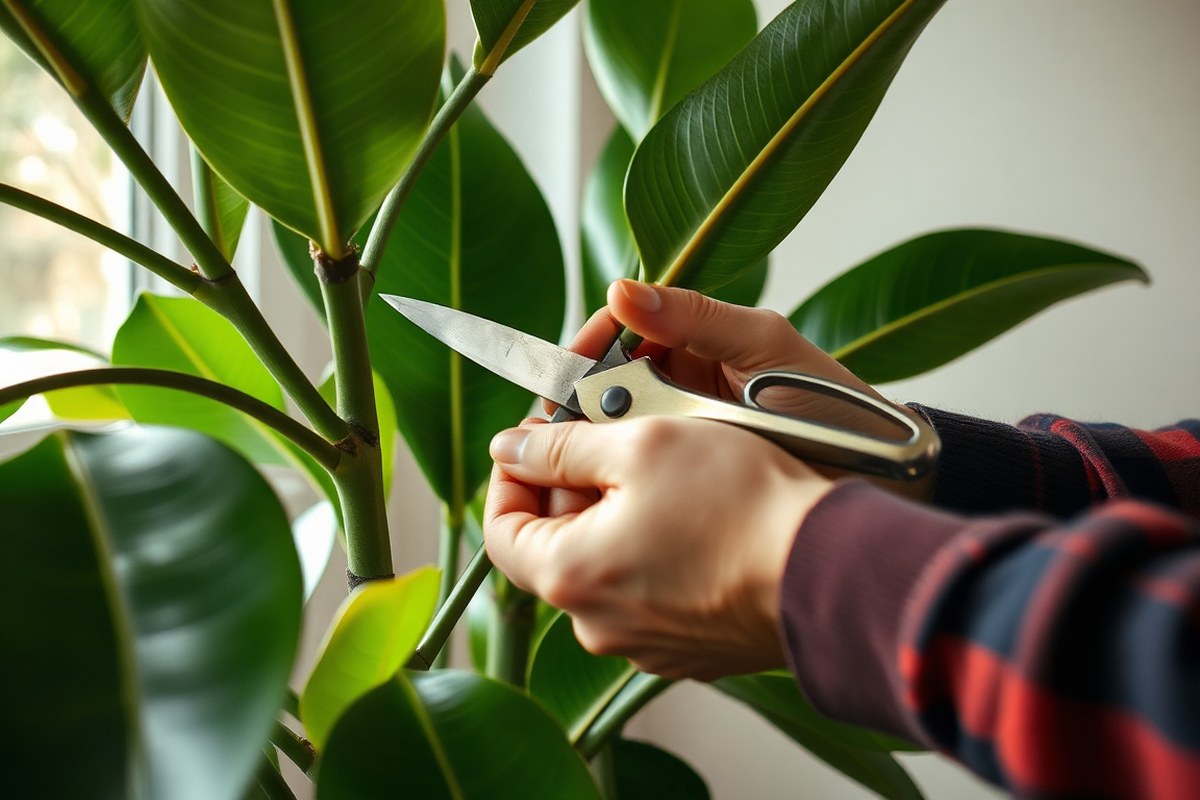
Knowing how to prune a rubber tree helps keep it healthy and attractive. The best way to prune is to cut the top growth. Do this when your plant reaches about 4 to 5 feet tall.
This keeps your rubber tree healthy and balanced. This encourages a bushier shape and keeps the height under control.
Start pruning during spring or early summer when the tree grows actively. Use sharp shears and gloves to protect yourself from the sticky sap. Clean your tools well to avoid spreading any disease.
Check your rubber tree every 2 to 3 weeks after pruning to catch any problems early. Prune majorly only once every 1 to 2 years to shape your plant properly.
Minor trimming is fine in fall or winter. But avoid big cuts during that time.
Key Takeaways
- Prune rubber trees when they reach 4 to 5 feet for a bushier look.
- Use sharp shears, gloves, and clean tools for safe pruning.
- Best prune in spring or early summer for active growth.
- Check your plant every 2 to 3 weeks after pruning.
- Major pruning only once every 1 to 2 years to maintain shape.
- Keep pruning minor in fall or winter to avoid stress.
How to Prune a Rubber Tree Correctly
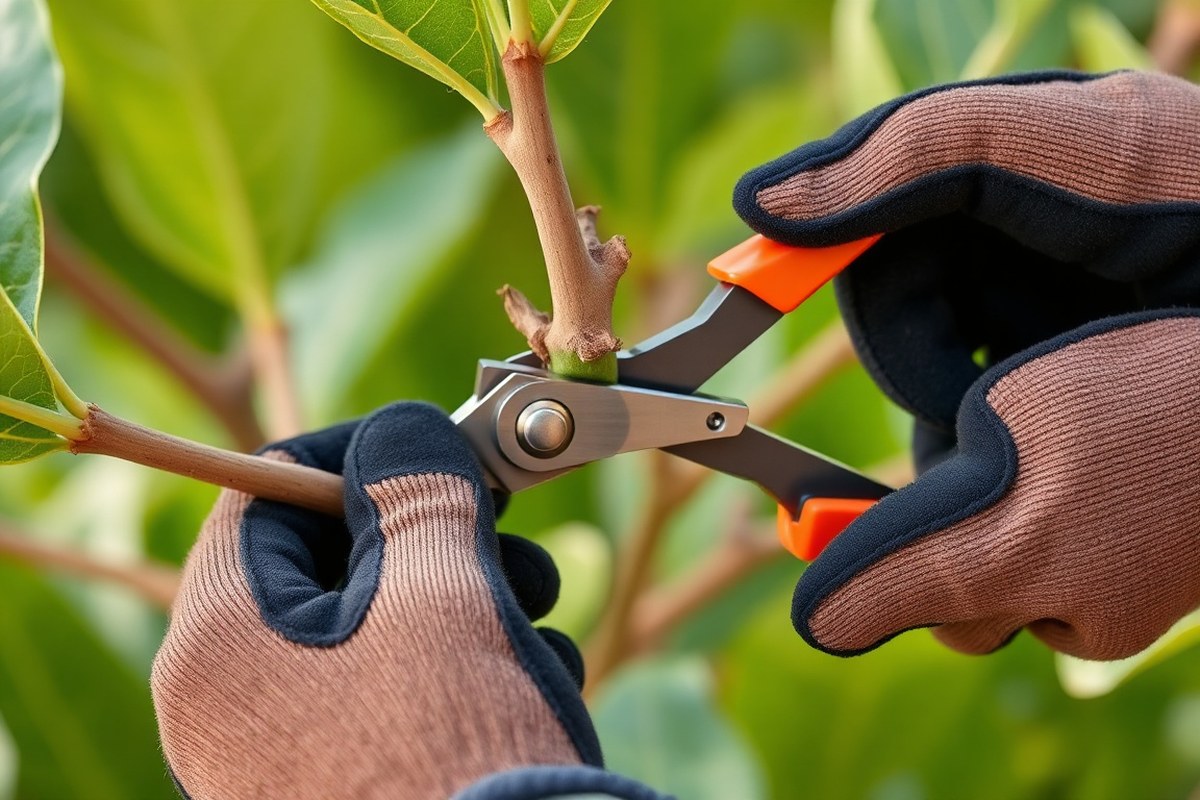
Pruning your rubber tree encourages fuller growth and controls height. Cutting at the right spot helps the plant branch out and fill in empty spaces. Use sharp shears and steady hands for clean, precise cuts that heal fast.
Follow these steps to prune your rubber tree effectively. Pay attention to where you cut to encourage healthy regrowth. Choose branches that are sparse or overly long if you want a bushier plant.
- Identify leggy or sparse branches that need trimming. Look for thin areas where leaves are far apart or branches that grow too tall.
- Cut just above a leaf node on the side of the stem. This spot lets new branches sprout from that node, making your plant bushier.
- Remove side branches gradually to shape the plant thicker. Keep doing this until it looks as full as you want.
- Trim tall, spindly stems down to a healthy node to reduce height. This step prevents your plant from becoming too leggy and encourages side shoots.
- Make your cuts at a slight angle with sharp pruning shears. This avoids damaging the stem and promotes quick healing.
- Discard any dead or unhealthy branches completely. Dead branches do not regrow and can attract pests.
- Check your rubber tree every 2 to 3 weeks after pruning. Look for new growth and prune again if more shaping is needed.
Pruning thickens your rubber tree’s crown by directing energy to several new shoots. Focusing on cutting above leaf nodes makes these shoots appear faster. Avoid heavy pruning outside of active growing season to prevent stressing your plant.
Best Time and Frequency to Prune a Rubber Tree
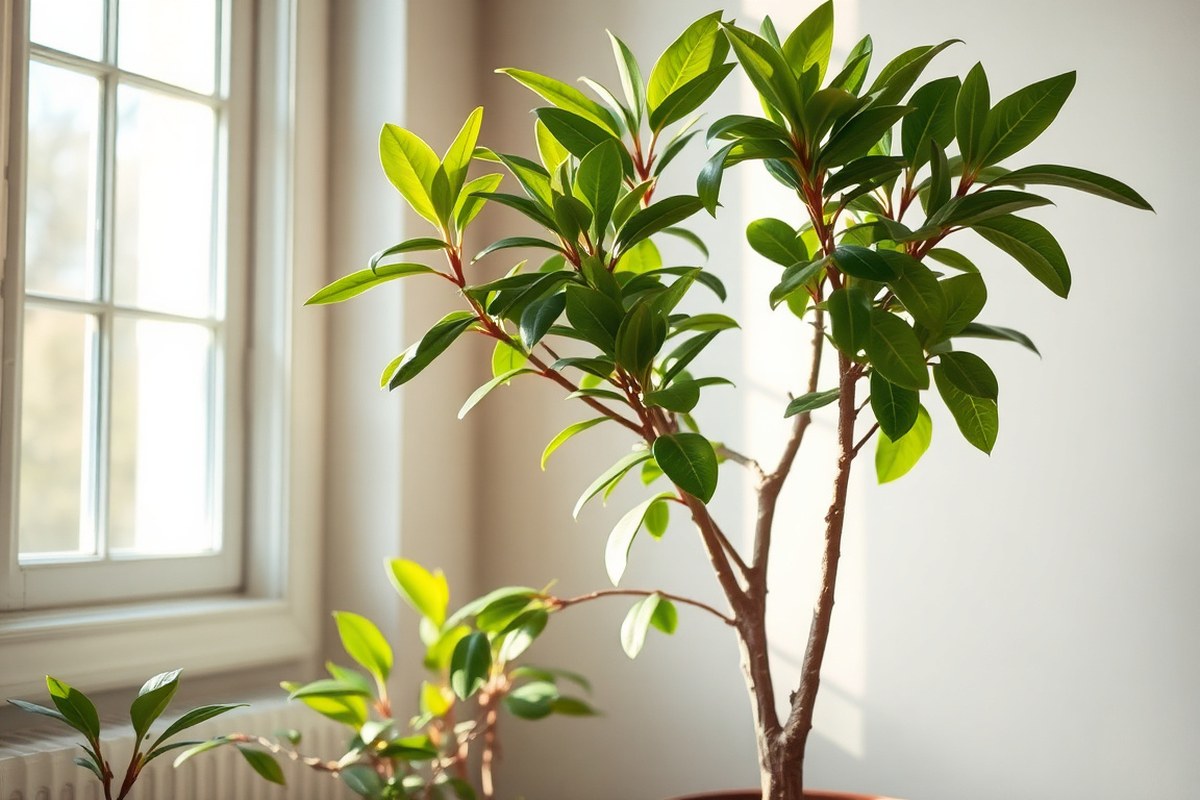
The best time to prune a rubber tree is in spring or early summer. During this period, the tree is growing actively, so cuts will heal faster. Pruning then encourages fresh, healthy growth and helps shape the plant effectively.
Pruning your rubber tree once or twice a year usually works well. This schedule lets you manage its size and shape without stressing the plant.
Make major cuts during the active growing months. Do light trimming only as needed the rest of the year.
Pruning in winter or fall is possible but should be very gentle. Your rubber tree is mostly dormant then. So heavy pruning can slow recovery or damage the plant.
Trim just small branches or remove dead growth if needed. But avoid major reshaping until spring.
Use clean, sharp tools to make cuts clean and reduce infection risk to your tree.
You can also trim uneven or overgrown areas in spring to promote uniform growth. Watch your tree’s progress after pruning and adjust your routine if it struggles. Healthy pruning keeps your rubber tree looking full and balanced all year round.
Essential Tools for Pruning Rubber Trees and How to Prepare Them
To prune a rubber tree safely, you need sharp shears or scissors. Wear gloves for protection. Also use a disinfectant to clean your tools.
Using the right tools stops damage and disease. Preparing tools by cleaning and disinfecting prevents infections that may harm your plant.
Types of Pruning Shears and Uses
Pruning shears are designed to handle thicker branches cleanly. They cut without tearing, which helps your tree heal faster. You can use household scissors for young rubber trees.
They work well on thin, flexible stems. But they aren’t good for thicker, older branches.
The table below compares common pruning tools for rubber trees. Choose the one that fits your tree’s size and toughness of branches.
| Tool | Best For | Pros | Cons |
|---|---|---|---|
| Pruning Shears | Thick branches | Sharp, clean cuts, less tearing | More expensive, requires maintenance |
| Household Scissors | Young plants, thin stems | Cheap, easy to find, sharp enough | Not for thick branches, risk of crushing stem |
| Garden Snips | Small branches or leaves | Precise trimming, lightweight | Not for thick branches |
Sharp pruners reduce damage and keep stems from ripping, which is important for your tree’s health. Regularly sharpening and cleaning shears helps maintain good cuts.
Gloves to Protect from Sap and Injuries
Rubber tree sap can irritate your skin and feels sticky. Wearing gloves prevents irritation and keeps your hands clean. Canvas work gloves or rubber dishwashing gloves work well for pruning.
Gloves also protect against scratches from sharp edges on branches. Pick gloves that fit well for better control.
This helps you handle pruners carefully. It also prevents accidental cuts.
How to Properly Disinfect Tools
Disinfecting your pruning tools prevents spreading diseases between cuts. Start by wiping off any sap or dirt with a dry cloth.
Next, use a disinfectant like 70% isopropyl alcohol. Or mix bleach with water at one part bleach to nine parts water.
Soak or thoroughly wipe tools with the disinfectant and let them dry before use. Clean your tools before pruning your rubber tree.
Then clean again after pruning. This stops infections from spreading to other plants.
Keeping tools clean also prolongs their life and keeps pruning efficient. Avoid disinfectants that harm your blades over time. Rinse tools with water and dry them well after using a disinfectant.
How to Shape Your Rubber Tree Through Pruning
Shaping a rubber tree relies on pruning to guide its size and form. You control height and spread by cutting specific branches to encourage growth where you want it. Proper shaping helps the tree look balanced and keeps it healthy over time.
Creating a Bushy Shape
Cut the top of your rubber tree at about 4 to 5 feet. This helps the plant grow fuller.
Each cut branch usually grows two or more new shoots, making the plant thicker. This helps your tree fill out sideways instead of growing tall and thin.
Prune back the vertical leaders by trimming off the top leaves. This shift redirects the plant’s energy to side branches for a bushier look. Repeat this every 1 to 2 years to keep the shape dense and healthy.
Maintaining a Tall, Slim Form
Leave the growing tips mostly alone for a tall, slim tree. This keeps its shape narrow.
Prune only dead or weak side branches to clean up the form. This lets the plant grow upward without adding width.
To slowly control height, use a smaller pot about 8 inches wide. Avoid heavy pruning this way.
A smaller root space slows vertical growth naturally, helping maintain a slimmer profile. Be patient, this method works gradually.
Balancing Branch Distribution
Evenly spaced branches give your rubber tree a balanced appearance and steady growth. Aim to prune in a way that keeps the plant wide enough without being lopsided. Remove dead or crowded branches to improve airflow and light inside the tree.
Try this approach to keep branch growth balanced:
- Check all sides of the plant when pruning
- Cut branches that cross or block others
- Encourage new growth shots evenly around the main stem
- Trim leaves or small branches that crowd the center
- Step back regularly to see the tree’s overall shape
These steps help your rubber tree stay attractive and avoid uneven growth. Balanced pruning also keeps branches strong and healthy over time.
How to Care for Your Rubber Tree After Pruning
After pruning, your rubber tree needs careful watering to avoid stress. Water it thoroughly but less often, letting the top inch of soil dry out between waterings. Overwatering during recovery can cause root issues, so balance moisture carefully.
Keep your plant in bright, indirect light during the 2 to 3 weeks after pruning. Avoid moving it to a darker spot because it needs light to heal new growth areas. Direct sunlight can be harsh, so indirect light helps without burning leaves.
Do not fertilize your rubber tree immediately after pruning. Hold off on feeding for about three months to let the plant focus on healing. After recovery, go back to your normal fertilizing routine.
Use balanced houseplant fertilizer every 4 to 6 weeks. Do this during growth seasons only.
Your rubber tree usually takes around 2 to 3 weeks to show signs of recovery. New leaf growth or shoots mean it is healing well. It can take up to 3 months for full shape return.
This is especially true after heavy pruning. Expect slower growth at first.
Temperature and humidity should stay steady during recovery, ideally around 65-75°F and moderate humidity. Sudden changes in environment or placing it near heaters or air conditioners can add stress. Consistency helps your rubber tree bounce back faster and stay healthy.
Don’t rush to reduce light or increase watering after pruning. Steady conditions ease your rubber tree’s recovery.
Propagating Rubber Tree Cuttings from Your Pruning
Yes, you can propagate new rubber tree plants using cuttings from your pruning. Taking healthy branches and rooting them in soil or water helps you grow more plants. This saves money and keeps your collection full.
Selecting Healthy Cuttings
Choose branches that are strong and free from damage or disease. Look for stems at least 6 inches long with several leaves attached. Avoid anything weak, yellowed, or too woody.
Cut sections from lower branches or recent vertical growth. These tend to root easier than old, hard wood. Make clean cuts using sterilized tools to prevent infection.
Preparing Cuttings for Rooting
Cut just below a leaf node where roots will form naturally. Remove the lower leaves, leaving only two or three at the top. This reduces water loss as roots develop.
Use rooting hormone powder on the cut end to help stimulate root growth. Plant the cutting in a well-draining potting mix. Moisten the soil but do not waterlog it.
- Cut a 6- to 8-inch stem from the healthy part of the plant.
- Remove the bottom leaves carefully, leaving 2 to 3 leaves on top.
- Dip the cut end into rooting hormone powder.
- Fill a small pot with well-draining soil mix made for cuttings.
- Insert the treated end about 1 to 2 inches deep into soil.
- Water the soil so it is moist but not soggy.
- Cover the pot with plastic or a clear bag to keep humidity high.
- Place the pot in bright, indirect light at around 70 to 75°F.
Post-Propagation Care Tips
Keep the soil moist but avoid soaking it to prevent rot. Remove the plastic cover once you see new growth after 3 to 4 weeks. This shows roots have formed.
Move the new plant to a spot with indirect light and avoid direct sun. Wait about two months before transplanting it into a larger pot. Check for strong roots by gentle tug before repotting.
| Condition | Ideal Range |
|---|---|
| Temperature | 70, 75°F (21, 24°C) |
| Light | Bright, indirect sunlight |
| Humidity | High, around 70%, 80% |
| Soil moisture | Consistently moist but not soggy |
- Do use sterilized tools to prevent disease spread.
- Don’t let soil dry completely while rooting.
- Do keep cuttings out of direct sunlight to avoid wilting.
- Don’t plant cuttings in heavy or clay soils that hold water.
Avoiding Common Pruning Mistakes and How to Fix Them
Pruning your rubber tree too much can shock the plant and slow growth for weeks. Cutting off more than a third of the branches risks extensive sap loss and leaf drop. Pruning too little keeps the tree crowded.
This blocks light. It causes yellow leaves. You want to find the balance to keep your tree healthy and shapely.
Excessive sap bleeding happens when cuts are too big or made during the wrong season. It can weaken your rubber tree and attract pests. To reduce sap flow, make smaller cuts and avoid pruning during the cold months below 50°F. You can seal cuts with pruning sealant.
Wait until sap stops flowing. Latex paint also works well.
- Don’t remove more than 1/3 of branches at once
- Use clean, sharp tools to make smooth cuts
- Prune during warm months (above 50°F) to minimize sap flow
- Apply pruning sealant on large cuts to prevent pests
- Check regularly for yellow leaves and adjust trimming frequency
- Remove damaged or dead branches only if you’re unsure
- Give your tree extra water and indirect light after heavy pruning
Yellow leaves after pruning may mean you pruned too little. The tree might also need more care.
Boost humidity and keep the soil moist but not soggy. Giving your tree extra indirect light helps it recover faster.
To fix heavy pruning damage, cut back any ragged edges to clean, healthy tissue. Don’t prune again until new growth looks strong and stable. You’ll avoid stress by sticking to moderate pruning and watching your plant’s signals closely.
When to Choose Professional Help for Rubber Tree Pruning
Call a professional when your rubber tree is very large or has thick branches. Cutting big branches often needs special tools and climbing gear. Professionals can prune safely without hurting themselves or the plant.
Check if the branches are over one inch thick. That size usually means pruning is beyond basic trimming.
Also, if the tree looks diseased or damaged badly, a pro should handle it. They know how to remove affected parts without spreading problems.
Consider safety first when pruning large rubber trees. Wear gloves and eye protection to avoid sap contact, which can irritate skin.
Avoid pruning above shoulder height unless you have steady ladders or platforms. When you’re unsure about your balance or tool use, hire a professional.
Better to wait and get help than risk injury or harming your rubber tree.
Assess your pruning skills honestly. You can trim a few leaves or small branches on your own. Pruning that shapes the tree or cuts many branches at once stresses the plant.
It takes more energy for the rubber tree to recover. Give your plant rest after heavy pruning. Professionals know techniques to reduce shock and encourage quick healing.
Professional pruning can cost between $50 and $150 or more. The price depends on the size of the job and where you live. Expect higher costs for larger trees or urban areas.
The price covers equipment, experience, and disposal of large cuttings. This investment protects your plant’s health and your own safety.
Call an expert if your tree drops leaves after pruning or has big branch damage. Fungal infections on bark or leaves also mean you need professional help.
A certified arborist or plant specialist can diagnose and treat these conditions properly. Don’t ignore these warnings because improper pruning can worsen plant health.
Step-by-Step Action Plan for Pruning Your Rubber Tree
Follow these steps to prune your rubber tree with confidence. You will help it stay healthy and look great.
- Before you start: Gather sharp, clean pruning shears and gloves. Check tools for safety and cleanliness.
- Choose the time: Prune in early spring or summer. Look for new growth to appear after pruning as a sign of success.
- Initial cut: Remove any dead or damaged leaves and branches first. Look for healthy green sections after trimming.
- Shape the tree: Cut the tree to control its height. Remove about one-third of the plant’s height. This helps keep the tree’s desired shape. New shoots should start forming where you cut.
- Dispose of clippings: Throw away or compost the cut branches promptly. This reduces the risk of pests or disease.
- Water and feed: Give your tree water and light fertilizer after pruning. Healthy leaf growth means you did it right.
- Watch your plant: Check weekly for signs of stress or new growth. Adjust care if leaves yellow or drop.
Frequently Asked Questions
How Do I Know Which Branches to Prune First on My Rubber Tree?
Start by removing any dead or damaged branches first. This stops disease and clears space for new growth. Next, cut branches crossing or growing inward to keep the tree healthy and open.
Can Pruning Make My Rubber Tree Grow Faster?
Pruning can help by removing weak parts and encouraging new shoots. It redirects the plant’s energy to stronger branches and fresh leaves. Regular pruning in spring can boost growth speed.
How Much of the Rubber Tree Should I Prune at Once?
Avoid cutting more than 20-30% of your plant at one time. Heavy pruning shocks the tree and slows growth. Small, frequent trims work better for shaping and health.
What’s the Best Way to Clean Pruning Tools for Rubber Trees?
Use rubbing alcohol or a bleach solution to disinfect your shears before pruning. Clean tools prevent infection and spread of disease between plants. Wipe tools between cuts for best results.
Can I Prune My Rubber Tree If It Has Pests?
It’s best to treat pests before pruning. Pruning a pest-infested tree spreads bugs and weakens the plant more. Use appropriate insect treatments first, then prune when the tree is healthy.
How Can I Encourage My Rubber Tree to Grow Bushier After Pruning?
Cut off the top growth to stop vertical shoots. This helps the tree send out side shoots, making it fuller and bushier. Regular trimming and balanced pruning keep the shape even.
The Bottom Line
Pruning your rubber tree improves its health and appearance. Start by picking the best time this season to cut it back. Your tree will thank you with fresh, strong leaves.