Why Do I Have so Many Ants? Causes, Species Guide & Proven Solutions
Why do I have so many ants everywhere in my home and yard? Ants swarm and invade when they find food, water, or shelter easily. They follow scent trails and communicate to bring more ants along.
You will see many ants if your house has what they need. Crumbs or pet food attract them inside your home. Ants will keep coming back for these food sources.
To stop them, clean up spills promptly and seal trash cans tightly. Watch ant trails during daylight for 10 to 20 minutes.
Look closely to see where they are coming from. This will help find their entry points.
Some ants build nests near your home under stones, wood, or pavement cracks. Fix gaps in doors and windows to block their entry. Removing these access points helps reduce ant numbers quickly.
Key Takeaways
- Clean up food spills and crumbs right away to prevent ant attraction.
- Seal trash cans tightly and keep pet food stored securely indoors.
- Watch ant trails during daylight for 10 to 20 minutes to find nests.
- Fix cracks and gaps in walls, doors, and windows to block ant entry.
- Keep firewood and debris at least 20 feet away to avoid nest sites.
- Look for loose soil mounds or sawdust near the house as nest signs.
Why Are There so Many Ants Around My Home?
Ants show up in big numbers because your home or yard meets their basic needs. They look for food, water, and shelter. Birds often drop seed in the yard.
Pet water bowls and damp mulch help ants build colonies. These spots attract ants to thrive.
Indoors, ants follow scents to tiny crumbs or sticky spills you may not notice. They can detect even faint traces of food.
So crumbs under the fridge or juice drops on the counter attract them. Cracks around doors, windows, and pipes let them slip inside easily.
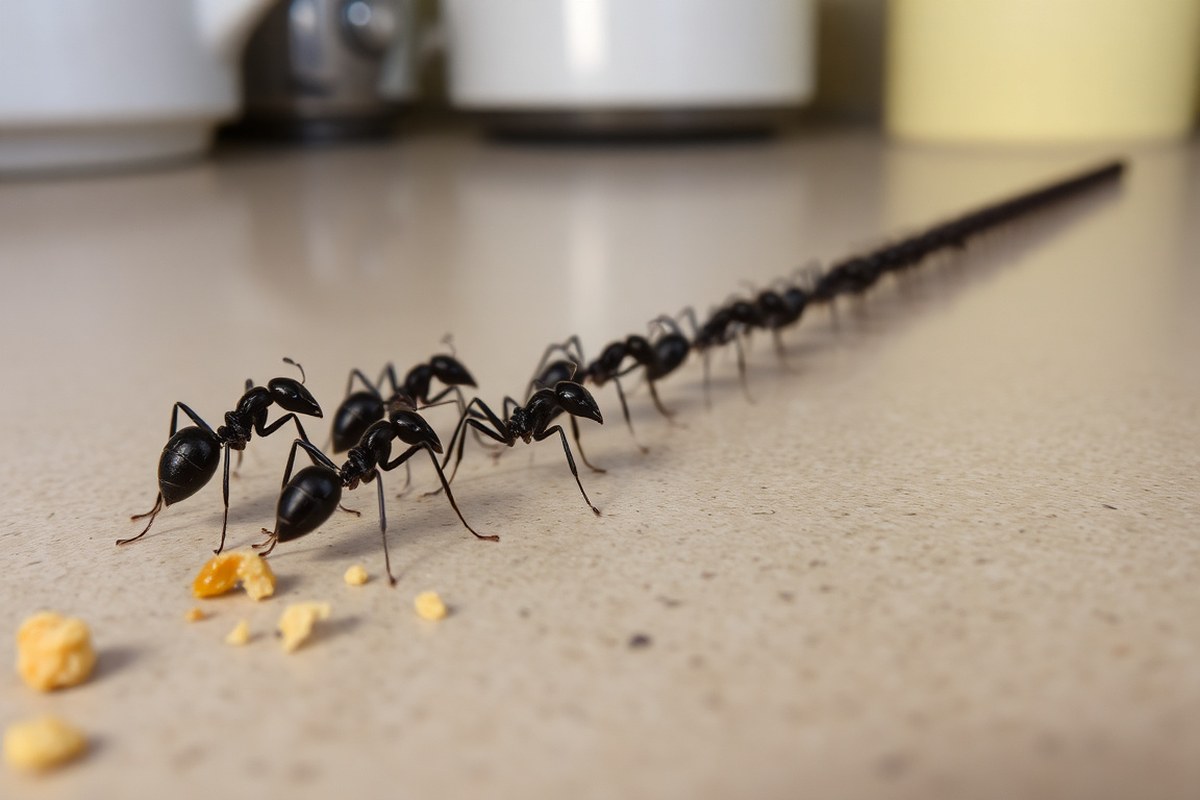
Ants use chemical trails to recruit others quickly. One ant finds food, then leaves a scent trail back to the nest.
This trail guides hundreds more ants right to the source in just minutes. You often see long ant trails because those paths work well.
Warm and moist weather makes ants more active. After rain, they need new shelter or extra food. So you might notice more ants around.
Wet soil, shady plants, and wood piles in your yard are inviting. Ants use these to make nests. They prefer these spots during certain times.
Removing food and water sources helps cut ant numbers. Clean up spills, store food in sealed containers, and fix leaks or standing water outdoors. Sealing cracks around your home stops ants from entering.
It blocks their easy access points. This keeps them from foraging indoors.
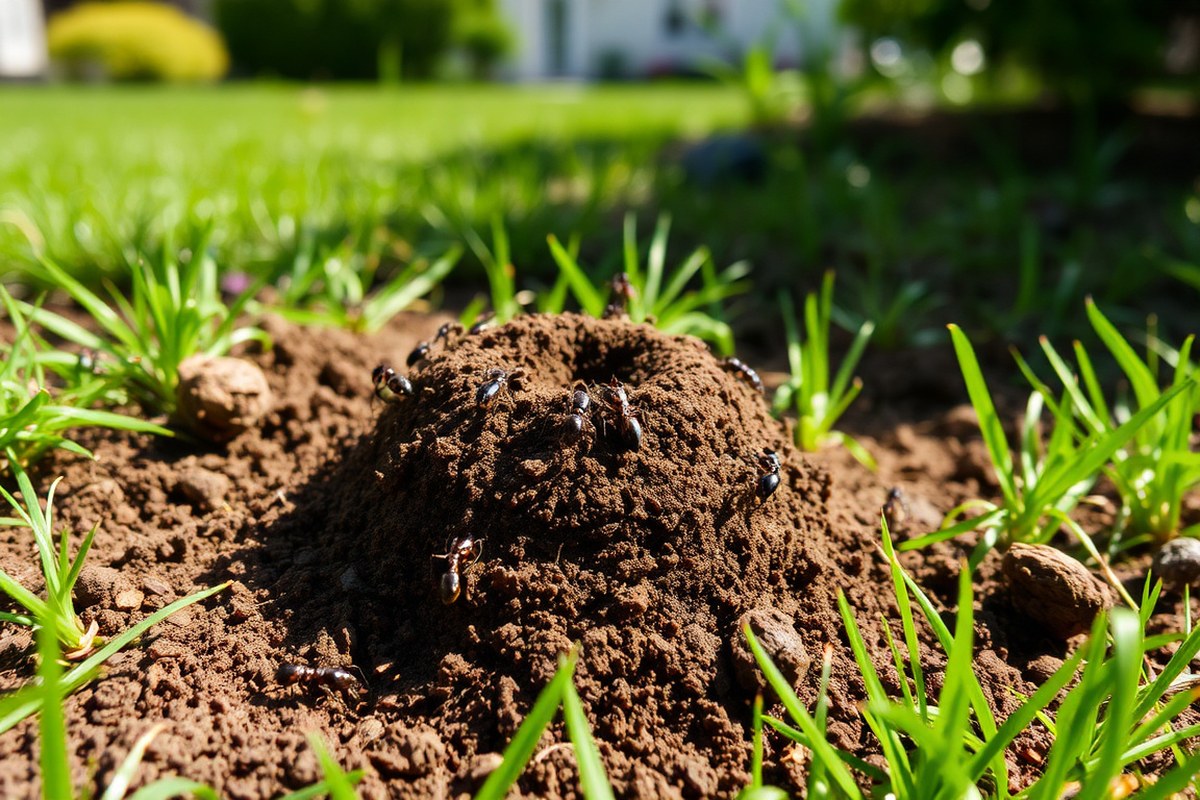
Ant colonies grow faster when the environment stays friendly to them. Overly wet soil, fallen leaves, and rotting wood all offer shelter and nesting spots. Watch for large ant mounds or winged ants inside your house.
These signs mean their colony is well established. Controlling them becomes tougher then.
Identifying Common Ant Species and Their Nesting Habits
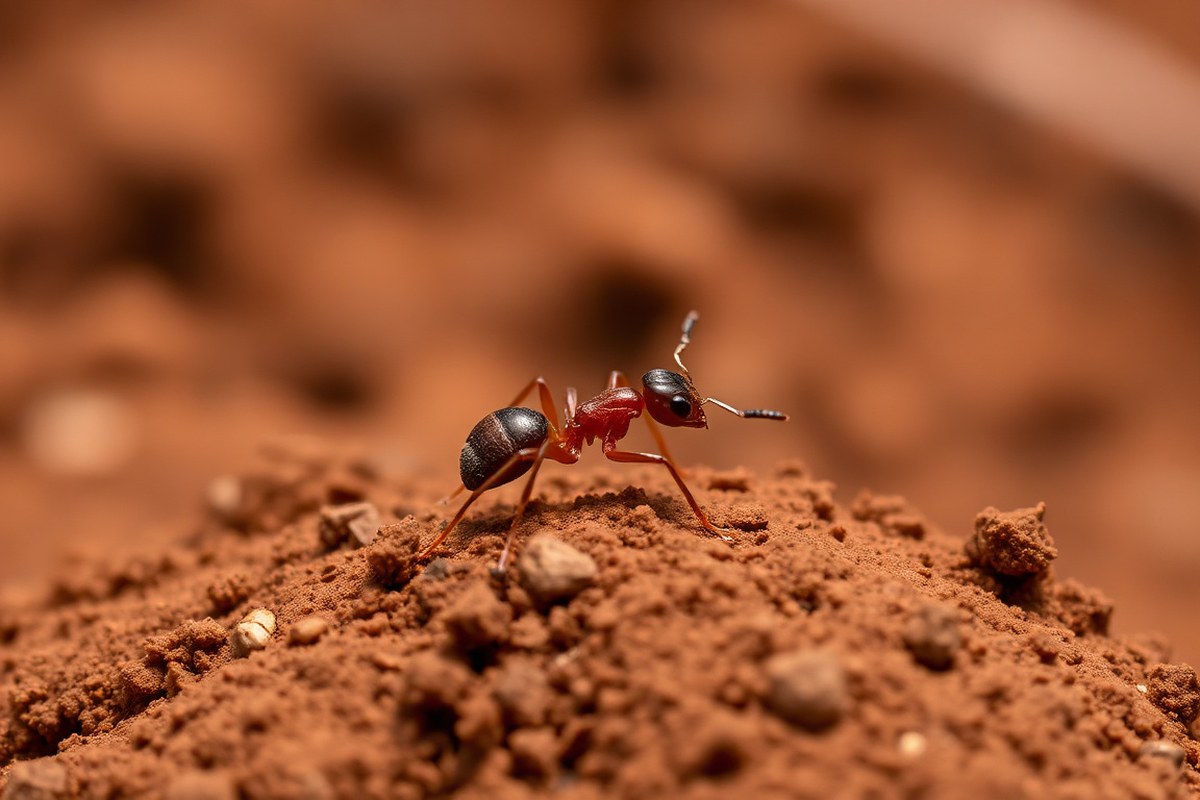
Identifying the type of ants around your home helps you control them better. Different species have unique looks, behaviors, and preferred nesting spots. Some ants only annoy you, while others may bite or damage wood.
Here’s a quick guide to common ant species, what they look like, and where they nest. Knowing their nesting habits helps you find and treat their colonies effectively.
| Ant Type | Appearance and Behavior | Nest Locations and Warning Signs |
|---|---|---|
| Pavement ants | Small brown to black ants, 2.5 to 4 mm, follow busy trails | Under paving stones, slabs, or wall edges; look for trails on sidewalks |
| Fire ants | Reddish-brown with darker abdomens; swarm quickly and aggressively | Loose dome-shaped soil mounds in sunny open areas; sting can be painful |
| Carpenter ants | Large black or red ants, often two-toned; forage at night | Nest in damp or rotting wood; sawdust-like debris and hollow sounds signal damage |
Ants like pavement ants build nests where they find shelter beneath hard surfaces. Fire ants prefer bare, sunny soil where they raise their dome-shaped mounds.
Carpenter ants look for moist wood, which can cause house damage. Watch for ant trails near plumbing or wood showing moisture stains inside your home.
Check ant trails carefully near windows and baseboards; it often shows where nests hide.
Identifying the specific ant species matters because each has different habits and risks. Fire ants can sting and hurt, especially near kids’ play areas.
Carpenter ants may silently damage your house by nesting inside wooden beams. Pavement ants are mostly nuisances but still need treatment to stop their trails indoors.
When tackling an ant problem, match control methods to the species and nesting location. For example, fire ant mounds need direct baiting outdoors.
Carpenter ants may require checking inside walls. Not spotting the right nest can waste time and money, allowing ants to keep coming back.
How Ants Find Food, Water, and Entry Points Indoors
Ants follow scent trails to find food and water indoors. They look for steady supplies in your house. That leads them inside through entry points.
They are drawn to crumbs, spills, and moisture sources near kitchens and bathrooms. Sealing cracks and keeping areas clean helps block their way inside.
Food Items That Attract Ants the Most
Ants are especially attracted to sugary and greasy foods left out in the open. Even tiny crumbs from bread, cereal, or pet food can invite them inside. They also seek out protein sources like meat scraps and oily residues on dishes or counters.
Outdoor cooking and open trash cans can provide extra food for ants near your home. Removing fallen fruit and cleaning up plant debris reduces their interest in your yard. The more you limit food exposure indoors and outdoors, the less likely ants will stick around.
Common Ant Entry Points in Houses
Ants enter homes through small holes, cracks, and gaps around doors and windows. They also come through cracks in the foundation or walls and openings near plumbing or wiring. Areas where vegetation touches the home’s exterior can create hidden paths inside.
Tracking ant trails back often reveals the exact entry spots. Roof vents, gaps around pipes, and even damaged weather stripping are common. Rain and moisture may push ants indoors, especially where roofs collect water or have flat sections.
Effective Sealing and Cleaning Tips
Start by sealing obvious cracks and gaps with caulk or weather stripping. Check door thresholds and window frames closely. You can also use foam sealant for larger openings and install door sweeps where needed.
Cleaning well removes scent trails and food sources that keep ants coming back. Wipe counters, sweep floors, and take out trash daily. Fix leaks and drips inside and outside your home.
Remove any standing water spots around the house. This stops ants from getting moisture they need.
- Seal cracks along baseboards, behind appliances, and near plumbing
- Install door sweeps and weather stripping on exterior doors
- Keep counters wiped and floors swept, especially in kitchens
- Store food in sealed containers
- Fix any leaking faucets, pipes, or outdoor hoses
- Trim plants and grass away from your home’s exterior walls
- Take out trash regularly and use tight-fitting lids
Doing these steps consistently can cut ant visits in days. Ants may keep trying to enter if you miss even small gaps or leave crumbs behind. Watch for lingering trails and reseal or clean again where needed to stay ahead.
Environmental and Seasonal Factors Causing Ant Population Surges
Ant activity peaks in summer because warmer soil and air boost their metabolism. As temperatures rise above 70°F, ants become more active in foraging and expanding nests. Ants get a burst of energy to build colonies.
They use it to find new food sources. This happens during the growing season.
Soil and lawn conditions matter because ants look for soft, well-drained soil to build nests. Moist soil near your foundation or garden beds is perfect for ants like Argentine ants. Ants like damp spots around plants or under patios.
These areas stay cool and shielded from sun. The ground stays moist and safe there.
Outdoor shelter like piles of leaves, wood, or mulch encourages large ant colonies. These areas protect nests from extreme weather and predators. Leaving shelters near your house lets ants multiply.
They will send workers indoors to find food. Remove these shelters to stop ants.
Methods to Locate and Confirm Ant Nests on Your Property
Find ant nests by following their trails back to their starting points. Ants leave scent trails that guide others to food and home. Look for clusters of ants and soil disturbances near cracks or plants.
Tracking Ant Trails to Identify Nest Location
Start by spotting active ant trails, usually lines of ants walking together. Watch where the ants disappear into the ground or a crack in walls. Wipe a small part of the ant trail with soapy water.
Watch closely to see where the new ants come from. This helps find their entry point.
This small test helps reveal their nest entrance or the food source. Follow the emergent ants carefully, noting the direction they come from. The trail might lead underground near plant roots.
It could also be inside wall spaces outdoors or indoors. Be sure to check all likely spots.
Ants build underground tunnel networks that connect to many entry points. Tracking sometimes takes several minutes or more, depending on trail length. Repeat this a few times for confirmation before acting.
Recognizing Visible Signs of Ant Colonies
Look for fresh piles of loose soil or small openings in the ground. Active nests produce these as ants move dirt while digging tunnels. You might also see ants clustered heavily around cracks, baseboards, or garden soil.
Damage to plants or sticky residue on leaves can signal ants encouraging sap-sucking pests. Ants near plant roots may affect soil health and compete with your garden plants. Don’t ignore visible mounds that appear after rain or watering, as they could be active nests.
Signs such as ant eggs or droppings inside the home confirm a colony nearby. You may notice ants marching in single file toward food or water sources, indicating active foraging.
Distinguishing Active Nests from Old Mounds
Not all soil mounds mean thriving nests. Old mounds look dry and undisturbed, often cracked or overgrown with grass. Active nests have fresh soil that seems loose and may have small ants moving nearby.
Test a mound by gently tapping near it and watching for defensive ants, which means activity. Fire ants vary from 1.6 to 6 millimeters and aggressively defend their nests, so be careful.
Wiping the ant trails helps show if ants still use that entrance. It also shows if the trail is abandoned.
This helps you decide your next step. Visible ants around a mound or hole usually means the nest is active and growing.
- Observe ant direction and behavior on trails closely
- Wipe one section of trail to find fresh activity
- Check soil for loose dirt or fresh mounds
- Look for ant clusters at cracks, baseboards, or soil
- Note any plant damage or sticky residues outdoors
- Tap mounds lightly to see if ants respond
- Confirm nests by presence of ants, eggs, or droppings
Be cautious when inspecting nests, especially fire ants, because they can bite or sting. Use gloves and avoid direct contact with large clusters.
Safe and Effective Strategies for Reducing Ants Indoors and Outdoors
Natural deterrents like cinnamon, cayenne pepper, and citrus essential oils can keep ants away. Sprinkle ground cinnamon or cayenne pepper along ant trails and entry points. Mix a few drops of citrus oil with water.
Spray it around doors and windows. Also spray outdoor seating areas. These methods are safe around kids and pets.
They cost only a few dollars. You just need a container of spice or oil.
Keeping your yard clean can reduce ant numbers over time. Remove debris, fallen leaves, and wood piles where ants like to nest. Control other insects like aphids on plants because ants feed on their honeydew.
You can use insecticidal soaps or introduce ladybugs to keep those insects in check. These steps make your yard less attractive to ants and cut their food sources.
Chemical insecticides might be needed when ants keep coming back. Choose products specifically made for ants to avoid harming other insects and pets. Apply insecticide outdoors, focusing on ant trails and nests, and never spray directly indoors.
Use baits rather than sprays inside, which ants carry back to the colony. For fire ants or large infestations, a professional pest control service is safer and more effective. Follow all label instructions carefully to protect your family and the environment.
Common Mistakes in Ant Control and How to Avoid Them
Many homeowners spray visible ants or scattered mounds and stop there. This misses the main colony, letting ants recover and multiply quickly. Spraying repellent insecticides near bait also keeps ants from carrying poison back home, making treatment fail.
Some try bug bombs or general sprays, but these only disperse ants temporarily. The colonies remain hidden and rebuild fast.
A better approach is using slow-acting bait placed where ants travel. Ants carry the bait to the nest, reaching many in the colony.
Ant bait works if placed properly. Avoid spots exposed to rain or direct sunlight.
Placing bait on surfaces where ants walk, like baseboards or near cracks, helps. Keep food, water, and sugary spills clean to improve bait attraction.
- Don’t spray insecticide directly over bait stations or trails
- Seal cracks and crevices where ants enter or nest
- Place bait near ant trails and entry points, not randomly
- Use slow-acting bait so ants share it inside the nest
- Keep kitchen counters clean and dry to avoid attracting ants
- Replace bait every 7 to 10 days if ants stop feeding
Introducing natural predators like ground beetles in your yard can help too. For carpenter ants, professional control may be needed to stop wood damage. Persistent problems after home treatment often mean a large colony.
The colony can also be hidden well, making it hard to reach. In these cases, you need expert help to solve the issue.
When to Call a Professional for Persistent or Large Ant Infestations
Calling a professional makes sense when your ant problem keeps coming back or gets too big. Experts have tools and knowledge to find nests and treat them for good. Knowing what to expect and asking the right questions helps you pick a reliable service.
Indicators for Professional Intervention
Watch for signs that DIY methods don’t work anymore. Ants coming back after baiting and cleaning means the nest may still be alive.
Seeing coarse, sawdust-like bits indoors can mean wood damage. Winged ants inside also show a problem.
Here are clear signs to call a pest control professional:
- Ant activity lasts more than one to two weeks despite treatment
- Ants appear in multiple rooms or outside areas simultaneously
- Visible structural damage like sawdust or damaged wood
- Massive numbers of ants indoors or outdoors
- Failure to locate or control the colony yourself
- Recurring infestations after repeated DIY efforts
Delaying professional help can lead to faster colony growth and possible property damage. Professionals act fast and apply treatments targeting the right species and nest locations.
Typical Steps in Professional Ant Management
When hired, the expert starts with a thorough inspection inside and outside your home. They find the type of ants and locate nests by following trails and signs. This step helps them choose the best treatment method.
Most treatments include baits, sprays, or dust applied to nests and ant entry points. Professionals use products stronger than store-bought options but safe when handled right. Follow-up visits check if treatments worked and if any new nests formed.
Treatments usually take a few hours to apply, but results may show in days. Treatment costs vary.
Expect to pay $150 to $300 for a usual home job. The size of the problem and your area affect the price.
Questions to Evaluate Pest Control Providers
Checking questions helps you find a pest service that fits your needs. Ask what inspection methods they use and how they identify ant species. Knowing this tells you if they understand your problem fully.
Ask about their plans. Check how many visits you get. Also, see if they promise results.
Treatment safety is key, ask about the products and any risks for pets or children. Also, check if they offer ongoing prevention tips for your home and yard.
Compare prices but avoid choosing only by cost. A cheap or overly expensive quote can signal poor service or unnecessary upselling.
- How do you identify the ant species and locate nests?
- What treatment methods do you use and are they safe?
- How many visits are included and is follow-up available?
- Do you offer a service guarantee or warranty?
- Are your treatments safe for pets and kids?
- Will you provide tips to prevent future infestations?
- What is the estimated total cost for this service?
Don’t hire a service without a clear treatment plan and inspection process. It helps avoid wasted money and ongoing ant problems.
Step-by-Step Action Plan to Cut Down Ants Now
Follow this plan to spot, stop, and reduce ants quickly inside and outside your home. Watch for fewer ants in 1 to 2 weeks.
- Before you start: Clean up all food crumbs and spills. Check that trash lids fit tight to remove food sources.
- Day 1: Seal any cracks or gaps around doors and windows with caulk. Look for ants moving inside those spots.
- Day 2: Place ant bait stations where you see trails or nests outdoors. Check every two days for bait consumption.
- Week 1: Cut back tree branches and plants touching your house. Ants often use these as bridges inside.
- Week 2: Use a garden-safe insecticide at the base of your home’s foundation. Watch for less ant activity outdoors.
- Week 3: Remove standing water and fix leaks around your home to dry out ant-friendly spots.
- After 4 weeks: Keep monitoring ant trails and replace bait stations if needed. You should see fewer ants moving in.
Frequently Asked Questions
Why Do Ants Come Back After I Clean My Floors?
Ants leave scent trails to guide their colony even after cleaning. Wiping with vinegar can break these trails and reduce returns.
Can Ants Cause Damage to My House Structure?
Some ants like carpenter ants may damage wood by nesting in damp timber. Check for sawdust-like debris near wooden frames as a warning sign.
Can I Use Natural Remedies to Repel Ants Effectively?
Natural remedies like peppermint oil can deter ants for a while. Diatomaceous earth also works but usually not for long.
These methods often don’t provide lasting ant control. Combine them with regular cleaning for better results.
Why Do Ants Seem More Active After It Rains?
Rain increases soil moisture, making conditions better for nesting ants to forage. You might see more ant trails as they search for dry food and shelter.
Do Ants Bring Other Pests into My Home?
Ants often protect aphids or scale insects outdoors for their honeydew. This can increase pest problems near your garden or house plants.
How Long Does It Take to Get Rid of a Large Ant Infestation?
Removing a big colony can take weeks or months with consistent efforts. Persistent follow-up treatments and sealing entry points speed up the process.
Wrapping Up
Ants come in looking for food, water, and shelter. Taking simple steps stops them from settling inside. Start by sealing entry points today to protect your home.