

When to Water Money Tree: How to Know the Perfect Time and Methods
Watering a money tree at the right time helps keep it strong. Check the top 2 inches of soil; only water when it’s dry.
This usually happens every 7 to 10 days in spring and summer. In cooler months, water less often, around every 14 to 21 days.
Push your finger about an inch or two into the soil to check moisture. When that soil feels dry, give the plant a good soak. Water slowly until you see it draining from the pot’s holes.
Avoid overwatering by letting excess water drain fully. Empty any standing water from the saucer within 30 minutes after watering. Standing water often leads to root rot, which can kill money trees.
Use room temperature water to avoid shocking the roots. Also, adjust watering depending on humidity and indoor temperature. These factors can make your money tree need water more or less often.
Key Takeaways
- Water only when the top 2 inches of soil are dry.
- Use your finger to check soil dryness before watering.
- Water thoroughly until about 20% drains out the bottom.
- Empty excess water from the saucer quickly to prevent rot.
- In winter, water less often, about every 14 to 21 days.
- Maintain room temperatures between 65 and 75°F for best growth.
How to Tell When Your Money Tree Needs Watering
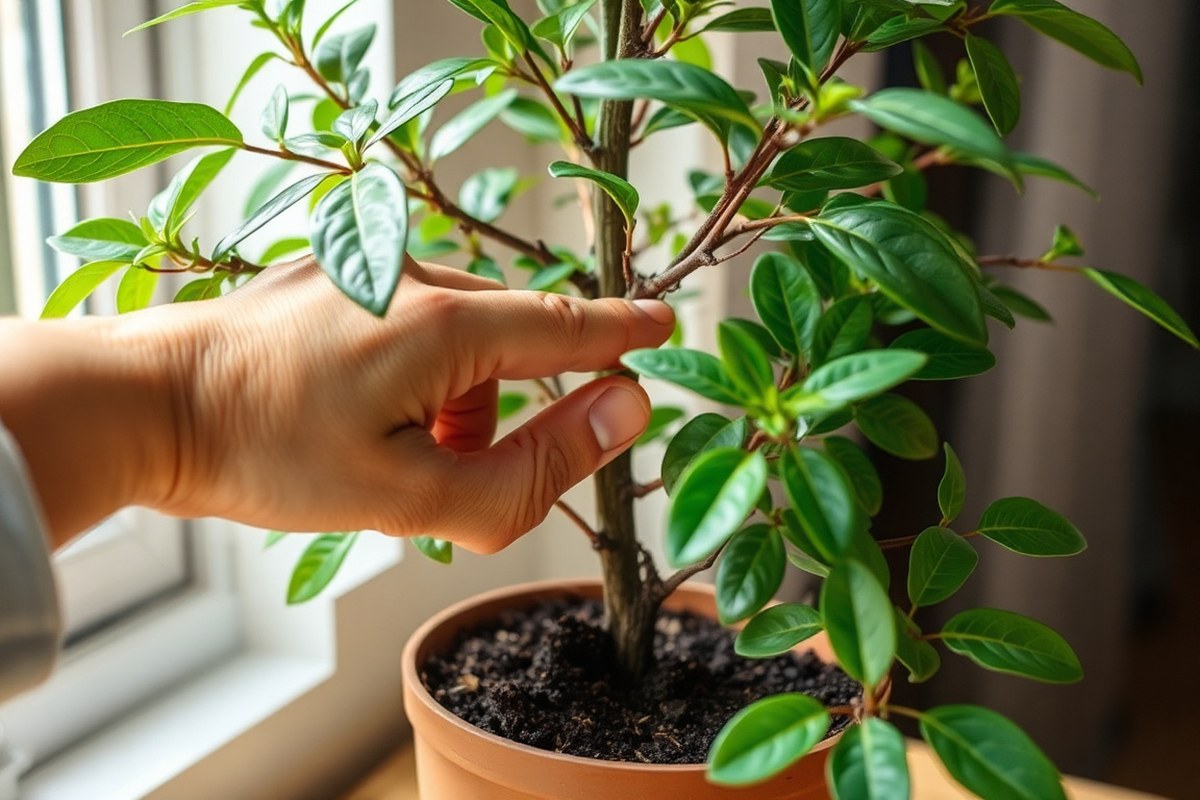
To know when to water your money tree, check the soil first. Push your finger about 2 inches into the soil. When soil feels dry this deep, your plant needs water.
Soil moisture is the best sign to decide watering time. Don’t water on a set schedule without checking the soil. This keeps you from overwatering, which can cause root rot.
Look at the leaves for clues too. Wrinkled or drooping leaves mean the plant needs more water. Healthy leaves are firm and have a deep green color.
- Check soil moisture by poking your finger 2 inches deep.
- Water only if this soil layer feels dry.
- Watch for drooping or wrinkled leaves as water signals.
- Stop watering if the soil still feels moist.
- Use a moisture meter for an accurate soil reading.
- Empty pots’ saucers after watering to avoid sitting in water.
- Note that leaves curling or fading may also show water stress.
Using a moisture meter costs about $10 to $20 at garden stores. It helps avoid guesswork. You stick it in the soil and read a dial or digital screen.
Check moisture before watering every 7 to 10 days in spring and summer. In fall and winter, check soil every 14 to 21 days. Water less then because the plant uses less.
Your money tree may need water more often in bright light or warm rooms. Soil dries faster in these spots. Leaves showing water stress mean check soil moisture quickly.
Don’t wait for your usual schedule. Watch soil and leaf signals closely.
This keeps your money tree healthy. It helps your plant thrive.
Best Practices for Watering Your Money Tree

Water your money tree deeply but carefully to keep roots healthy. Use a pot with drainage holes to avoid standing water, which causes root rot. Make sure water drains freely to prevent soggy soil and root damage.
Bottom watering is a good method for thorough hydration without overwatering. Place the pot in a shallow tray with water. Let it soak for about 15 minutes.
The water will reach the soil from the bottom. This method helps roots grow deeper by encouraging them to reach down for water.
Watering slowly and thoroughly until it drains out helps flush salts and keeps soil evenly moist. Use enough water to soak the soil completely. Usually, water until 20% runs out the drains.
This ensures the roots get enough moisture. Then let your plant drain completely before putting it back in its spot.
- Check soil moisture by sticking your finger about 1 inch into the soil.
- When the soil is dry that deep, water your money tree.
- Pour water slowly over the soil surface, aiming to soak deeply.
- Stop watering when water starts dripping through the drainage holes.
- Allow excess water to drain completely before setting the pot back down.
- For bottom watering, place the pot in a tray with 1 inch of water.
- Let the pot absorb water for 10 to 15 minutes, then remove it.
- Empty any leftover water from the tray to avoid root damage.
Never let your money tree sit in standing water. Roots will rot fast if they stay soggy.
Seasonal Changes: Adjusting Watering in Winter vs Summer
Your money tree needs less water in winter because temperatures drop below 65ºF (18ºC). Slower growth means it uses less water. Watering every 2 to 4 weeks is common for indoor money trees during colder months.
Your plant grows faster in summer with temperatures between 65 and 75ºF (18 to 24ºC). Warmer air speeds up soil drying, so water your plant more often. Before watering, test soil moisture about 2 inches below surface instead of sticking to a fixed watering plan.
Indoor climate matters a lot. Humidity under 50% means your money tree loses moisture faster. You must water more often in dry air to keep roots moist enough.
Use a humidity meter when your home feels dry. This is important in winter when heaters run. Tracking humidity helps you care for your plant better.
Balancing watering and feeding is key. Stop fertilizing during winter’s slower growth to avoid stressing roots.
Begin feeding again in early spring when temperatures rise and watering goes up. Use a springtime feeding schedule aligned with watering frequency to support healthy growth.
Water deeply during winter but less often. Only water when soil feels dry 2 inches deep. This helps avoid overwatering mistakes.
In summer, increase frequency but keep soil drainage good to prevent root rot. Humid climates need fewer waterings than dry ones, which require smaller but more frequent watering.
Adjust watering by watching soil moisture, not just the calendar. Keep your home at 65 to 75ºF with humidity over 50%. Then, expect to water your plant every 1 to 2 weeks in warm months.
Cooler temps mean watering every 3 to 4 weeks. Less than 50% humidity may need more frequent watering. Adjust according to your home’s conditions.
Avoid overwatering in winter. Excess moisture with cold roots invites root rot and yellow leaves.
Let soil dry almost completely at root level between waterings during winter. Watch for drooping leaves signaling underwatering, especially during dry indoor air.
Following these steps keeps your money tree healthy year-round. Adapt based on your room’s temperature and humidity and your plant’s soil dryness. Pay extra attention to soil moisture in winter.
Check carefully instead of watering out of habit. This prevents overwatering your plant.
Comparing Watering Methods: Top, Bottom, and Ice Cubes
Watering a money tree works best when you match the method to its needs. Top watering is common and easy.
Bottom watering can help revive a dry plant. Using ice cubes or misting is less effective and can even harm the plant.
Top Watering Explained
Top watering means pouring water directly onto the soil surface. You stop when water drains from the pot’s holes to avoid overwatering. This method wets the entire root zone.
Check the top 2 inches of soil to decide when to water. Water only when that soil layer feels dry to the touch. Pour evenly around the base of the trunk to ensure full coverage.
Top watering is simple and lets you control how much water the soil holds. It suits most indoor plants, including money trees, because the roots grow near the soil surface.
Bottom Watering Benefits and Drawbacks
Bottom watering means setting the pot in a shallow tray filled with water. The soil soaks up water from below. This way, roots get moisture without overwatering.
This helps revive a plant that has dried out too much. You soak the water into the root ball without disturbing the soil.
It may take 15 to 30 minutes to absorb enough water. Then lift the pot and let excess water drain.
However, bottom watering usually won’t hydrate the top layer quickly. So watch for soil dryness there.
This method reduces the risk of overwatering at the soil surface. But it doesn’t replace the need to check the soil moisture regularly. Use it only occasionally for thirsty or recovering plants.
Watering with Ice Cubes: Myths vs Facts
Using ice cubes to water money trees is popular but not recommended. Some say you can place 2 to 6 ice cubes on a 5-inch money tree. Do this once a week.
The ice slowly melts to water the plant. This idea tries to limit how much water the plant gets.
Ice cubes can chill roots, which may stress the plant and slow growth. Ice cubes don’t wet the soil evenly. The top may dry out while cold water drips down.
This can stress the roots and affect growth. This uneven watering can harm delicate roots.
Water your money tree only when the top 2 inches of soil feel dry to touch. Use water that’s room temperature and apply it evenly over the soil’s surface. Avoid watering with ice cubes since they might not evenly hydrate the roots and give inconsistent results.
Is Leaf Misting Helpful or Harmful?
Misting sprays a fine mist on the leaves, adding moisture to the air. While this can increase humidity briefly, it doesn’t hydrate the root system. Money trees mostly need soil moisture, not frequent leaf misting.
Too much misting can leave water on leaves for hours, promoting mold or fungal issues. In dry homes, it’s better to raise humidity with a humidifier rather than relying on misting. Regular watering is key.
Below is a quick comparison of watering methods for your money tree:
| Watering Method | How to Do It | Pros | Cons |
|---|---|---|---|
| Top Watering | Pour water evenly on soil surface until drainage | Easy, controls water amount, wets all roots | Risk of overwatering if done too often |
| Bottom Watering | Place pot in water for 15, 30 mins, then drain | Good for reviving dry plants, avoids surface overwatering | Slow soil surface wetting, needs soil moisture check |
| Ice Cubes | Put 2 to 6 cubes on soil weekly | Easy portion control | Chills roots, uneven watering, can stress plant |
| Leaf Misting | Spray mist lightly on leaves occasionally | Briefly raises humidity | Does not water roots, can cause mold if overdone |
Top watering with room temperature water gives you the best control. Bottom watering can rescue thirsty plants but needs care.
Avoid ice cubes and don’t rely on misting. Check the soil often to know your money tree’s real needs.
Common Watering Mistakes and How to Avoid Them
Ignoring your money tree’s changing needs leads to common watering mistakes. Overwatering is the biggest problem because the tree’s caudex stores water. So it doesn’t like soggy soil.
Underwatering happens when soil gets too dry. Sometimes, you follow a fixed schedule without checking. This can let the soil dry out too much.
Watering by clock ignores soil dryness. Temperature, light, and pot type change drying speed. So, fixed schedules often miss this.
If the room is over 60°F, your money tree might need water every 14 to 21 days. This depends on conditions around the plant. A strict routine doesn’t account for air flow or humidity changes.
These affect how fast soil dries. That means soil might dry faster or slower than normal.
- Don’t water again until the top 1-2 inches of soil feel dry.
- Check soil moisture about every week to guide watering time.
- Use pots with drainage holes to avoid water buildup.
- Water enough to let excess drain, but don’t leave the tree sitting in water.
- Adjust your routine for winter’s cooler temps and less light.
- Place the tree where it gets bright, indirect light to balance moisture needs.
Fixing overwatering starts by stopping watering and letting the soil dry. Gently remove the tree from its pot and check the roots.
Healthy roots are firm and white; brown, mushy roots mean root rot. Trim away damaged roots with clean scissors.
Replace old soil with fresh, well-draining mix that has peat and perlite. Repot the tree in a clean pot with drainage holes.
After repotting, water only lightly and wait a week before watering fully. Keep the tree somewhere warm and bright, but not in direct sun.
Too much water can cause root rot quickly; always check soil before watering.
Preparing Your Money Tree Before Repotting with Watering
Water your money tree two to three days before repotting to make the process easier. This pre-watering helps the root ball stay intact and slide out without breaking. It also supports healthier roots during transplant.
When to Start Watering Before Repotting
Start watering your money tree about two days before you plan to repot. This timing moistens the soil just enough without making it soggy. Letting the soil settle with moisture makes the roots more flexible and easier to handle.
Watering too early dries the roots before repotting. Watering too late keeps the soil wet and heavy.
A couple of days hits the sweet spot. Plan repotting on a day you can inspect the root ball carefully.
Ideal Soil Moisture Levels for Transplant
Keep the soil moist but not saturated when repotting your money tree. The soil should feel damp to the touch but not drip water. This moisture level helps the roots hold together while still allowing air flow.
Overly wet soil can cause roots to stick to the pot and break during removal. On the other hand, dry soil results in brittle roots that tear easily. A balance supports an easier, safer transplant and better root recovery afterward.
Avoiding Overwatering Pre-Repotting
Don’t soak your money tree with water right before repotting. Excess water leaves the roots sitting in wet soil. This can lead to root rot or slowdown in nutrient uptake after transplanting.
Instead, water just enough for light soil dampness. Monitor the plant for brown leaf tips, a sign of overwatering problems. You want roots that stay moist and can still breathe well.
This helps your plant grow strong and healthy. Avoid letting the roots dry out or get soggy.
Follow these steps to prepare your money tree for repotting with proper watering:
- Check soil moisture two or three days before repotting. Use your finger or a moisture meter to test it. This helps you know if the soil is ready.
- Water the plant lightly if the soil feels dry, aiming for evenly moist soil.
- Avoid watering heavily to prevent soggy soil that sticks to the root ball.
- Remove any excess water from the pot saucer to stop roots from sitting in water.
- On repotting day, test the soil moisture again to confirm dampness.
- Gently loosen the soil around the edges of the pot before sliding out the root ball.
- Repot into fresh soil promptly to reduce root exposure and stress.
Influence of Pot, Soil, and Environment on Watering Needs
The type of pot you use has a big effect on watering your money tree. Clay pots breathe, so soil dries faster, making you water more often.
Plastic pots hold moisture longer. So water less and check soil moisture to avoid soggy roots.
Pot size changes how quickly soil dries. A small pot dries faster, needing water every week or so in bright light. A large pot holds more soil and water.
You can water every two or three weeks. This works well in lower light or cooler rooms.
Soil mix matters a lot. Use well-draining soil with peat, sand, or perlite to let excess water escape. Heavy or compact soil holds water too long, causing root rot.
Check soil dampness a few inches deep before watering. Soil may still feel wet after a week. This is common in warm months.
Lighting influences how fast your money tree uses water. Bright, indirect light dries soil quicker, so water about once a week during summer. Water less often in low light.
Sometimes this means every two or three weeks. The plant uses less moisture then.
Humidity also changes watering needs. NC State Extension says money trees like humid air near 50% or higher. Dry air makes soil dry faster and may stress roots.
Mist leaves or use a humidifier in dry rooms. This helps soil hold water longer. It also means you water less often.
Check all these factors together before setting a watering routine. A money tree in a small clay pot needs water more often. Bright light and dry air dry it faster.
A large plastic pot in shade and humidity needs less water. Use a soil moisture meter or check soil with your finger weekly.
This helps you avoid fixed watering schedules. It guides your watering better.
Using Water Quality and Hydration Tools for Better Care
Use filtered or distilled water for your money tree to avoid chemicals. A moisture meter helps check soil dryness at root depth. Other hydration tools like humidifiers keep humidity steady and support plant health.
Best Water Types for Money Trees
Filtered water or distilled water works best for money trees. These water types lack chlorine, fluoride, and salts that can build up in the soil. Tap water often contains these, which may harm roots over time.
Rainwater is another good option if you collect it safely and store it clean. Avoid hard water with lots of minerals for your money tree.
It can leave white residue on leaves and soil. This buildup can stress the plant over time.
Room temperature water avoids shocking the roots. Cold water might slow growth or stress the plant. Watering with water around 65, 75°F helps keep roots comfortable.
How to Use a Moisture Meter
Insert the probe of a moisture meter into the potting mix near the root zone. Wait a few minutes to get an accurate reading. The meter will show if the soil is dry, moist, or wet.
Water your money tree when the meter reads dry to low moisture. This helps avoid overwatering and root rot. Check the moisture at least once a week during regular watering.
A good moisture meter costs $10 to $30 and lasts years. Clean the probe after each use to avoid inaccurate readings. Avoid pushing the meter too deeply, which can break roots or give false results.
Other Helpful Hydration Tools
A cool-mist humidifier placed 3 to 4 feet from the money tree adds needed humidity. Money trees prefer 40, 60% relative humidity to stay lush. Pebble trays filled with water and stones under the plant also increase moisture near leaves.
Hygrometers measure humidity levels in your room or near the plant. Use one to track if your money tree’s air is too dry or just right. These devices cost around $10 to $20 and often show temperature too.
Water quality test strips can help you track chlorine or mineral content. They show when tap water might need filtering. These strips cost $10 to $15 and offer quick feedback for better care.
Avoiding Harmful Tap Water Effects
Tap water often contains chlorine and fluoride, which can harm money trees. Let tap water sit in an open container for 24 hours to let chlorine evaporate. This simple step reduces chlorine but not fluoride.
Using a water filter pitcher reduces both chlorine and minerals. This prevents buildup in the soil that can affect root health. Replace filters according to manufacturer instructions for best results.
Hard water leaves white mineral deposits on soil and leaves. These deposits make nutrient absorption harder for roots. Flush the soil with filtered water once a month to clear excess minerals.
A moisture meter is the best tool to stop underwatering or overwatering your money tree.
Step-by-Step Action Plan for Watering Your Money Tree
Follow this plan to keep your money tree healthy and avoid watering problems. Watch for changes in soil and leaves as signs.
- Before You Water: Check the top 1-2 inches of soil. Water only if it feels dry to touch.
- Day 1: Water the tree evenly until water drains from the pot’s bottom. This signals the soil is moist enough.
- Week 1: Observe leaf firmness and soil moisture. Firmer leaves and moist soil mean watering is right.
- Week 2: Use a moisture meter to measure soil wetness. Adjust your watering frequency based on readings.
- Month 1: Adjust watering for the season. Water less during winter and more in summer for best results.
- Month 2: Consider water quality. Use filtered water if your tap water is hard or chlorinated to prevent leaf damage.
- Ongoing: Avoid common mistakes: don’t water on a fixed schedule without checking soil moisture first.
Frequently Asked Questions
How Often Should You Water Your Money Tree If the Soil Stays Moist?
Only water your money tree when the top 2 inches of soil dry out. Keep an eye on soil moisture and water less if it stays damp. Too much water makes roots rot and can hurt the plant.
Can You Water a Money Tree Right After Repotting It?
Avoid watering immediately after repotting; water 3-4 days before repotting instead. This helps reduce transplant shock and makes repotting easier.
How Does Humidity Affect Watering Needs for a Money Tree?
Higher humidity means your money tree needs less frequent watering. Watch the soil dryness instead of a set schedule to avoid overwatering.
Is Distilled or Tap Water Better for Watering a Money Tree?
Tap water is usually fine unless very hard or chlorinated. Let tap water sit overnight to dissipate chlorine before using it.
What Happens If You Skip Watering a Money Tree for Too Long?
Leaves droop and brown if the plant goes without water too long. Check the soil and water quickly once the top 2 inches feel dry. This helps stop damage before it starts.
Can You Underwater a Money Tree and Fix It Easily?
Yes, you can revive it by watering thoroughly when soil dries out. Consistent watering helps bring leaves back and prevents drying out.
Wrapping Up
Water your money tree only when the top soil feels dry and leaves look healthy. Keep adjusting watering to fit the season and environment. Start by checking your soil moisture today to give your tree the care it needs.





2 Comments