How to Keep Deer Out of Garden: 8 Proven Strategies That Really Work
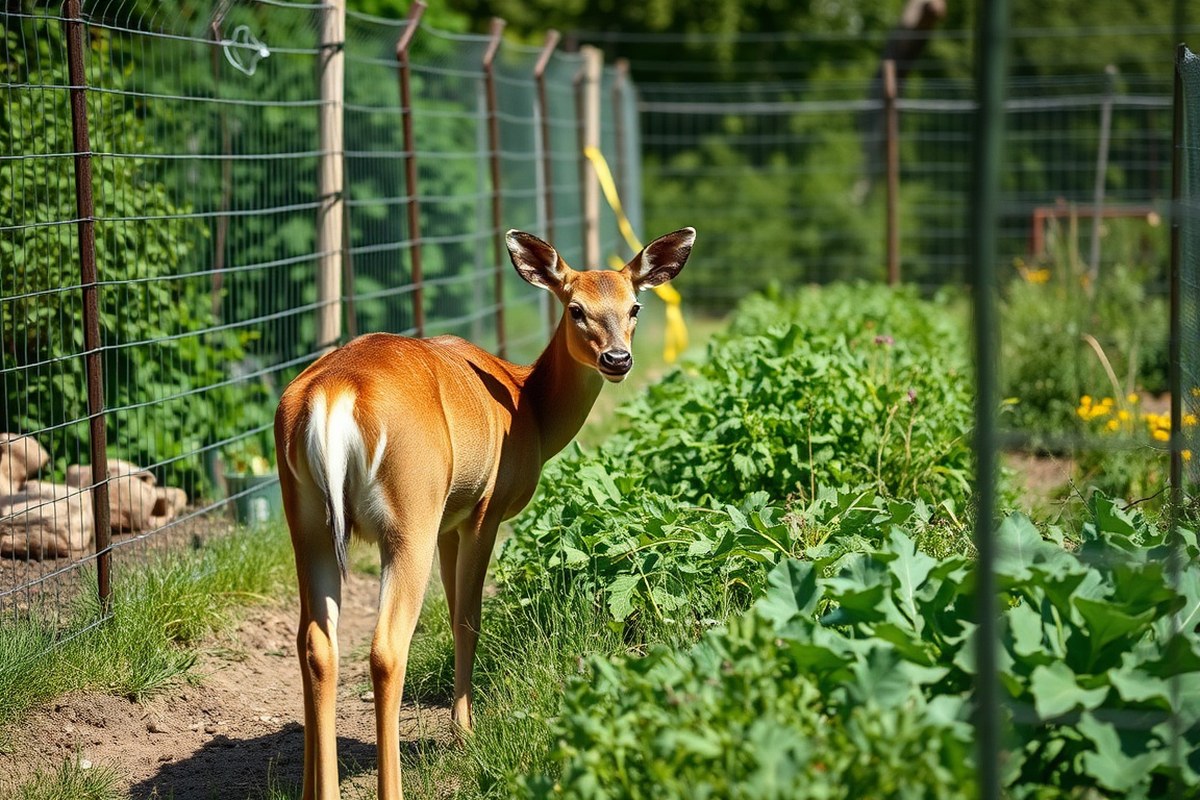
How to keep deer out of garden is a tough question for many. The best answer is to use physical barriers combined with smart planting. A fence at least 8 feet tall blocks most deer from jumping into your garden.
Deer can easily leap 7 feet or higher when they want your plants. So shorter fences only cut down casual visits but don’t stop hungry deer. Burying the fence 6 to 12 inches helps stop them from pushing underneath.
Start by placing your garden at least 50 feet from woods or dense brush. Deer prefer moving along edges.
So distance makes them more exposed and less willing to risk feeding. Also, keep deer-resistant plants around your garden edges to act as a natural shield.
Key Takeaways
- Install fences 8 feet or taller to reliably block deer from your garden.
- Bury fences 6 to 12 inches to prevent deer from pushing underneath.
- Place your garden 50 to 100 feet away from thick woods or brush edges.
- Use deer-resistant plants at least 6 feet from garden edges as a natural barrier.
- Shorter fences of 5 to 6 feet only reduce casual deer browsing.
- A 6-foot wire mesh around raised beds helps keep most deer out.
1. Effective Fence Options to Keep Deer Out

To keep deer out of your garden, fences need to be at least 8 feet tall. Deer easily jump 7 feet or more, so shorter fences won’t stop them. Tall vertical fences provide solid protection, especially for vegetable gardens with ongoing deer pressure.
When a tall fence isn’t practical, you can use angled or double fences. These create a confusing landing zone for deer, making them less likely to jump over. However, they require more space and careful corner planning to avoid gaps where deer could enter.
DIY deer fences often use wire mesh or nylon netting. The netting should be UV rated and easy for deer to see. These materials help keep deer away effectively.
You need strong posts spaced evenly to keep the mesh tight. Avoid loose fencing because deer can slip through or push it over.
Fence installation calls for straight posts dug at least 2 feet into the ground for stability. Use tension wire at the top and bottom of the fence to keep it firm. Leave no gaps along gates or corners, they’re favorite routes for deer.
Cost varies by fence type, height, and labor. Installing an 8-foot deer fence costs about $27 per linear foot. This price covers both materials and professional labor.
It gives a good estimate for budgeting. Double fences cost more overall due to extra materials and land use.
| Fence Type | Best Fit | Buyer Checklist | Tradeoff |
|---|---|---|---|
| Tall Vertical Deer Fence | Vegetable gardens with high deer pressure | Finished height (8 ft minimum), mesh visibility, UV rating, post spacing | More costly and visually noticeable |
| Angled or Double Fence | Sites where tall fences aren’t practical | Footprint size, corner layout, gate continuity, local regulations | Consumes more space, still needs upkeep |
| Individual Cage or Tree Guard | Young trees and high-value plants | Diameter, material durability | Limited area coverage, not for entire garden |
Plan your fence so no plants lie within 6 feet of edges. This keeps vulnerable plants safer from deer. Careful layout reduces damage risks.
Deer tend to browse near edges first. Place your garden away from thick cover to reduce deer visits.
Open areas make deer feel less safe. This simple step helps protect your plants.
Electric fences offer near-complete protection for large areas but involve higher costs and maintenance. Strong, tall fences, set up well, provide dependable results. They are easier to maintain long term.
This option suits many gardeners starting out. Watch out for gaps and weakened posts that let deer slip inside.
2. Using Deer-Resistant and Repellent Plants

Some plants naturally deter deer by taste or smell. You can use these plants to fence your garden with nature rather than fences. Proper placement increases their effectiveness against hungry deer.
Top Deer-Resistant Flowers and Shrubs
While no plant is completely deer-proof, several flowers and shrubs do well as natural repellents. These plants have aromas or textures deer typically avoid. Adding them around your garden lowers chances of deer damage.
- Lavender, fragrant and tough, it grows well in many gardens
- Marigold, its scent repels deer and attracts pollinators
- Boxwood, dense evergreen shrub deer find unappealing
- Salvia, aromatic flowers deer prefer to avoid
- Yarrow, tough, with bitter leaves that repel deer
- Russian Sage, fragrant with woody stems discouraging browsing
Using a mix of these plants adds variety and keeps deer guessing. Perennials like lavender last years, reducing maintenance and costs.
Using Pungent, Thorny, and Hairy Plants
Strong-smelling plants, like herbs, can help repel deer. Plants with furry or hairy leaves also feel unpleasant to them. Thorny plants, however, are less reliable since deer manage to eat many thorny species.
Herbs such as garlic, chives, horseradish, and asparagus offer natural pest control and reduce deer interest. These plants work best when placed close to favorites deer like. Their smell masks more tempting food.
Don’t rely on thorns alone, they won’t stop deer from diving in.
Using hairy-leaf plants adds another unpleasant texture. Lavender’s foliage is soft but coarse, which helps. Dense mints might discourage deer by smell and touch too.
Strategic Garden Placement Tips
Place deer-resistant plants on the garden edges facing deer paths or nearby woods. This outer ring acts as a first line of defense. Mixing repellent plants among more vulnerable ones confuses deer.
- Plant aromatic herbs like lavender and chives near garden entrances
- Use dense shrubs like boxwood along fence lines or hedges
- Surround high-value vegetables with pungent plants such as garlic
- Try container plantings of deer-resistant herbs on decks or patios
- Group plants with different scents and textures to vary the barrier
Season matters because some herbs die back in winter. Replace or add fresh plants in spring for continuous protection. You can supplement with sprays during vulnerable periods.
3. How Scent and Spray Repellents Work and Application Tips
Deer repellents can work well when applied properly. Both commercial and homemade options have their strengths. Rotating different scents helps keep deer from getting used to one smell.
Commercial vs. Homemade Repellents
Commercial sprays like Deer Out Concentrate and Havahart are tested and effective. They usually include active ingredients deer dislike but are safe for garden use. You must follow the product’s label to avoid harming plants.
Homemade repellents often use chili spray or thyme oil mixtures. These contain natural scents deer avoid and are safe when diluted correctly. Making your own spray saves money but may need more frequent application.
How to Apply and Rotate Repellents
Applying repellents regularly is key for good results. Sprays should cover leaves, stems, and buds on the plants you want to protect. Switching between different smells every two weeks stops deer from getting used to one scent.
Apply repellents in the early morning or late afternoon to avoid heat damage. During growing seasons, reapply every 7 to 14 days and after heavy rain. Rotate commercial and homemade sprays to keep the scent fresh and effective.
- Choose a commercial or homemade repellent safe for your plants and pets.
- Test the spray on a few leaves to check for any damage.
- Spray the repellent evenly on plants you want to protect.
- Apply repellents early in the morning or late afternoon.
- Reapply every 7 to 14 days and after rain or watering.
- Switch to a different repellent brand or homemade recipe every two weeks.
- Keep notes on which repellent you last used and when to rotate next.
Safety and Environmental Considerations
Use repellents labeled as safe for pets and humans. Avoid capsaicin-based sprays if you want to protect pollinators. Many commercial repellents are pollinator-friendly and designed for garden use.
Always follow label instructions carefully to prevent harm to your plants. Homemade sprays should use mild ingredients, like diluted garlic and soap. Store repellents away from children and pets to avoid accidental exposure.
4. Motion-Activated Devices: Sprinklers and Lights
Motion-activated sprinklers spray water when deer come near your garden. The sudden burst startles deer and makes them run away. These devices work best placed at garden edges, especially near likely deer paths.
Motion-activated lights also startle deer at night by flashing bright light. The surprise discourages deer from wandering into your garden. These lights also help you see better when working in your garden after dark.
Set these devices 5 to 10 feet from your garden’s edge. Aim for spots where deer usually come in. This helps catch their attention early.
Angle sprinklers to cover the main deer trails without soaking nearby desirable plants. Move the devices every few weeks to stop deer from getting used to them.
- Position devices near deer paths and garden edges
- Adjust sprinkler angles so water reaches deer, not plants
- Move devices regularly to maintain surprise effect
- Use motion-activated lights for areas frequently visited at night
- Check weatherproof ratings to choose devices that handle local climate
- Install devices where power or batteries are easily accessible
Most motion-activated sprinklers and lights are weather-resistant and need little upkeep. Battery-operated models cost between $30 and $80. Plug-in types usually run $50 to $100.
The main problem is deer may ignore devices over time. This happens if you keep the devices in one place. Moving them often helps keep deer alert.
These devices work best in smaller gardens or as part of a bigger deer control plan. Heavy rain or freezing temperatures can limit sprinkler use and affect sensor performance. Motion-activated water and light systems work well to scare deer.
They are a humane way to protect your garden. Most gardeners find them quite effective.
5. Invisible Barriers and Simple Physical Deterrents
Using fishing line as an invisible barrier can help keep deer away from your garden. Deer see the thin line and get confused or hesitant to cross it. This barrier works best around small to medium garden areas and costs less than heavy fencing.
Start by choosing fishing line with a 10-15 pound test strength. This strength holds up well and won’t stand out. That helps confuse deer.
They won’t see the barrier easily. Use wooden or tall garden stakes for this.
String the line around the perimeter. Keep it at waist height or slightly lower.
- Set stakes evenly around your garden about 3 to 4 feet apart.
- Tie the fishing line to the first stake, keeping it low and taut.
- Run the line around the garden, wrapping it tightly on each stake.
- Space multiple lines 6 to 8 inches apart, stacking 3 or 4 lines vertically.
- Check the line often for sagging or breaks and tighten or replace as needed.
- Move the line slightly every few weeks to prevent deer from getting used to it.
- Consider hanging shiny objects like old CDs on the line to add a reflective deterrent.
Strong-smelling soap chunks placed near vulnerable plants can also deter deer. The scent irritates their sensitive noses, making them avoid the area. Choose unscented or lightly scented soap to avoid affecting your garden’s smell too much.
Rocks make physical barriers near plants or paths. Stacked rocks are especially good at blocking deer. They make plants harder to reach.
A low rock wall or piled stones works well. It creates a small obstacle for deer. Most deer don’t like going near it.
Keep in mind that soap can wash away in rainy weather. Fishing line barriers require regular upkeep to stay effective.
These simple barriers are affordable and easy to set up. But they work best combined with other strategies. Use soap and rocks alongside the fishing line to create a confusing, uncomfortable space for deer.
Remember, these methods won’t stop determined deer like a tall fence would. But they reduce deer visits noticeably on a budget.
6. Garden Layout and Maintenance to Reduce Deer Visits
6. Garden Layout and Maintenance to Reduce Deer Visits
Placing your garden far from woods or thick brush helps lower deer visits. Deer use those areas as cover and travel routes. So being at least 50 feet away can reduce pressure.
When you can’t move your garden, plant taller shrubs or hedges. Place them along the edges nearest to the woods. They act as visual barriers to block deer view.
Keeping the garden clean means removing fallen fruit, weeds, and dense low spots. Deer like places with easy shelter and food scraps.
Trim edges around your beds and keep pathways clear to make your garden less inviting. This also helps you spot deer trails early and act fast.
Plant deer-resistant species like lavender, Russian sage, or lamb’s ear around the garden perimeter. These plants give off smells deer dislike. Their texture also keeps deer away.
This helps protect the plants inside the garden. Don’t plant deer favorites like hostas or tulips near garden edges.
These plants attract deer like a bright signal. Keep them further inside the garden instead.
- Choose garden sites at least 50 feet from deer cover like woods or hedgerows.
- Plant deer-resistant shrubs or grasses around the outer edges to block sight and smell.
- Keep grass and weeds trimmed short near garden beds to remove deer hiding spots.
- Clean up fallen fruit, leaves, and garden waste promptly to limit food sources.
- Use raised beds or terraces where possible to add barriers deer dislike jumping over.
- Place any deer-attracting plants well away from your main garden area.
Raising garden beds 12 to 18 inches helps, since deer less often jump up to feed. You can also add low fences or rock borders to block deer. These obstacles help keep deer from getting in.
They work well with taller plants. Remove any thick brush close to your garden edges. Deer hide in there and come out at dawn or dusk.
Spot deer paths nearby? Place repellent plants or barriers right on those trails. This can stop deer before they reach your garden.
Keeping this garden layout neat needs steady care all year. Deer eat more during spring and fall, so watch then. Stay consistent to keep deer away.
Gardens kept tidy and well-planned usually suffer fewer bites and breaks. Deer pressure goes down with these good habits. This means healthier plants overall.
7. Protecting Trees, Seedlings, and High-Value Plants from Deer
You can protect young trees and valuable plants with tree guards or cages. These protect trunks from nibbling and rubbing deer, especially in fall when damage peaks. Guards made from plastic or wire mesh work well for this purpose.
Tree guards need to be about 5 feet tall or reach the lowest branches. This height stops deer from eating leaves and twigs. Check guards every 4 to 6 weeks to make sure they aren’t harming growth or getting damaged.
Row covers also help shield garden plants from deer. Cover raised beds or rows with fabric. Make sure to secure the edges tightly.
This keeps deer from slipping underneath. Raised beds that lift plants 18 to 24 inches off the ground improve row covers’ effectiveness.
| Protection Type | Material | Height | Use Case | Maintenance |
|---|---|---|---|---|
| Tree Guard | Plastic or wire mesh | About 5 feet or to lowest branches | Protects young tree trunks from nibbling and rubbing | Check every 4, 6 weeks; adjust for growth |
| Cage | Metal or wire mesh | 5 feet or taller for saplings | Encloses small trees to stop browsing | Inspect monthly for damage and stability |
| Row Cover | Fabric netting or bird netting | Varies, covers plants completely | Shields vegetable or flower rows; protects from deer and rabbits | Check weekly; secure edges firmly |
| Raised Bed with Hoop Frame | Wood or stone bed, metal frame with netting | 18, 24 inches off ground by bed plus frame height | Lifts plants, keeps them away from low browsing animals | Inspect biweekly for wear and tears |
Raised beds alone won’t stop deer. But they help when combined with row covers or fencing.
The 18 to 24 inch lift from the ground reduces deer access to seedlings. Add clip-on hoop frames with bird netting to keep deer out completely.
Maintenance matters a lot. Guards and cages may loosen or get damaged from weather or deer pressure.
Checking monthly or every few weeks lets you fix or replace them before plants suffer damage. Clips and ties may need tightening as trees grow.
8. Combining Strategies and When to Seek Professional Help
Combining fence, repellents, and motion-activated devices works best to keep deer out. Use several methods together to reduce deer visits quickly and effectively. Call professionals if damage persists, especially on large or tricky properties.
Best Practices for Combining Deer Deterrents
Start with a sturdy fence that matches your garden size and budget. Pair it with scent or spray repellents to confuse deer smells. Adding motion-activated sprinklers or lights helps scare deer before they get close.
Rotate repellents every few weeks since deer can get used to one type. Plant deer-resistant greenery near vulnerable spots for extra protection. This mix makes your garden less attractive and harder for deer to enter.
- Use an 8-foot tall fence or electric fencing with 8 wires spaced about 6.5 feet
- Apply repellents regularly, especially after rain, for steady coverage
- Set motion-activated sprinklers or lights near garden edges
- Change repellent types and scents to avoid deer habituation
- Plant deer-resistant species around high-value plants and garden borders
- Maintain garden tidiness to reduce appealing hiding spots and food sources
Expect to see fewer deer visits within one to two weeks of combining methods. Effectiveness improves over the growing season if you keep up maintenance and mix strategies.
When DIY Methods Aren’t Enough
Call for help if deer keep breaking in despite your efforts. Signs include repeated browsing on the same plants or new damage after fence repairs. Large orchards or hilly terrain may also overwhelm home solutions.
Check if your DIY fence is high or strong enough, especially after heavy snow or storms. If repellents and scare devices fail to deter hungry or bold deer, you need stronger measures.
Persistent deer damage often means your current defenses aren’t enough. Time to rethink or seek expert advice.
- Visible deer tracks or droppings inside the garden
- Signs of nibbling on multiple plants regularly
- Damaged fence sections or easy deer access points
- Local deer population increase or changes in behavior
- Large land area that DIY methods can’t fully cover
Professional Help and Safety Considerations
Electric fencing works well when installed safely and correctly. Professionals can design systems that suit your land and follow local rules.
They ensure safe clearances from play areas and pets. Add warning signs where needed.
Hiring a wildlife-control expert costs from $1,000 to $5,000 depending on property size and complexity. Professional exclusion fencing lasts longer and reduces deer damage more than DIY attempts.
- Consult pros for uneven or forested terrain
- Ensure electric fencing meets state regulations
- Use warning signs to inform family and neighbors
- Ask about maintenance and monitoring services
- Check licensing and insurance before hiring
Follow all manufacturer guidelines for electric fences to keep people and pets safe.
Your Step-by-Step Plan to Keep Deer Out of Your Garden
Follow this plan to protect your garden from deer damage. Check each step’s result before moving on.
- Before planting: Choose deer-resistant plants for your garden beds. Watch if deer avoid those areas after planting.
- Week 1: Install a tall fence or use physical barriers around key plants. Confirm deer do not jump in or reach your plants.
- Week 2: Apply scent or spray repellents on vulnerable plants. Reapply after rain and check if deer stop nibbling.
- Week 3: Set up motion-activated sprinklers or lights near deer entry points. Observe for any decrease in deer visits.
- Month 1: Protect young trees and seedlings with tree guards or netting. Look for signs of damaged bark or leaves to assess success.
- Month 2: Improve garden layout by clearing brush and keeping grass short. Notice if deer paths become less obvious or used less.
- Ongoing: Rotate repellents and check fence integrity monthly. Adjust methods if deer pressure increases or damage returns.
- If damage continues: Contact local wildlife experts for advice or professional help. Consider permits if removal or relocation is needed.
Frequently Asked Questions
What Height Fence Do I Need to Keep Deer Out of My Garden?
You need a fence at least 8 feet tall. Deer can jump over shorter fences easily. So taller barriers work best to keep them out.
Can I Use Soap Bars to Repel Deer Effectively?
Soap bars only work in a small area around them. They repel deer by scent but won’t protect a large garden well.
How Does Garden Cleanliness Help Deter Deer?
Keeping your garden clean removes food and cover deer seek. This means less attraction and fewer visits by deer.
Are Motion-Activated Sprinklers Safe for All Types of Plants?
Yes, sprinklers spray water and don’t harm plants. They’re great for night use to startle deer out of your garden.
What Kind of Plants Attract Deer the Least?
Deer-resistant plants like daffodils and lavender attract them less. Keep these plants at least 6 feet from garden edges.
Can Ultrasonic Devices Stop Deer from Visiting the Garden?
Ultrasonic devices can deter deer by emitting high-pitched sounds. They work best combined with other methods for more success.
Before You Go
Protecting your garden from deer takes steady effort and a mix of methods. Start now by securing your plants physically and trying repellents. Watch your garden closely and adjust methods until deer stay away for good.