What Is Holly: A Complete Guide to Its Types, Care, and Christmas Meaning
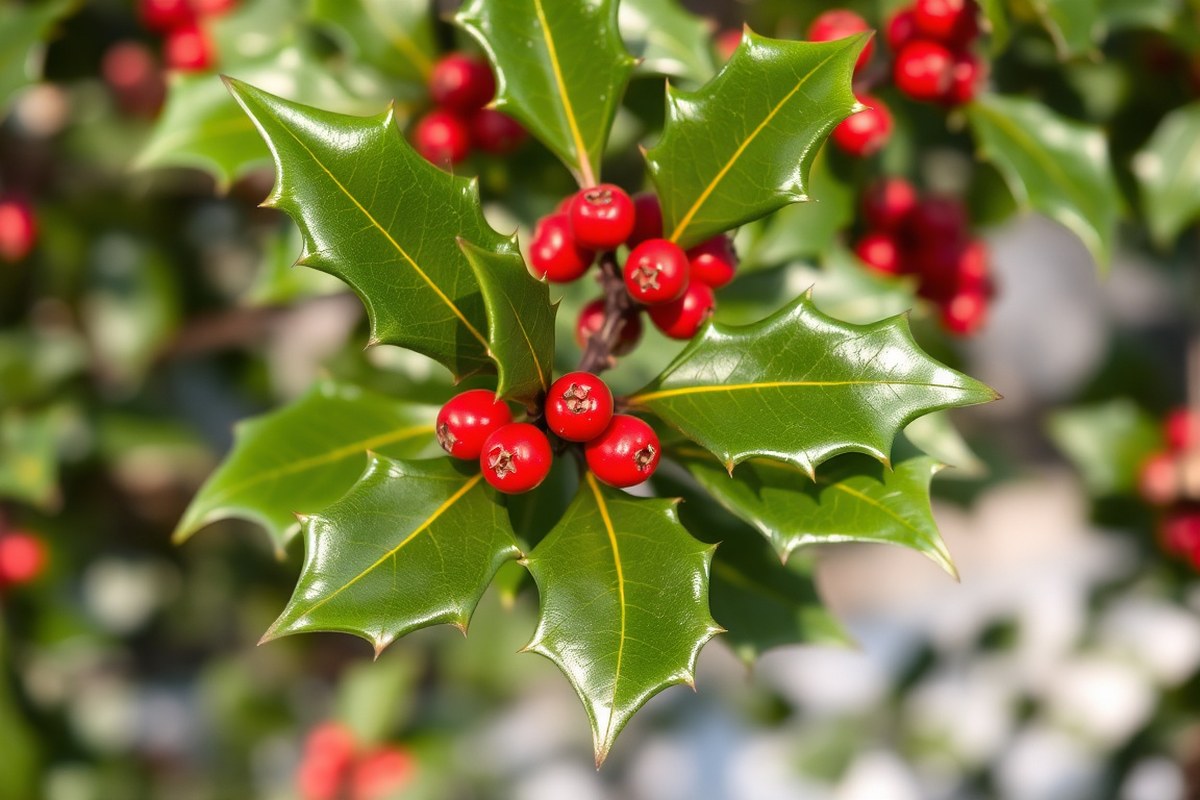
What is holly? Holly is a type of plant known for its glossy, spiky leaves and bright red berries.
It belongs to the genus Ilex, which includes more than 400 different species across the world. People often recognize holly as a classic winter decoration, especially around Christmas.
Holly plants can grow as small shrubs or tall trees. Some species live for over 100 years, making them a long-lasting part of your garden.
They grow slowly, typically adding only 6 to 12 inches per year. So patience is key when planting holly.
Most hollies prefer well-drained soil and some sunlight. Plant holly about 5 feet apart for smaller types. Larger trees need up to 25 feet of space.
Give them enough room to grow well. This helps keep them healthy and thriving in your yard.
Key Takeaways
- Holly belongs to the Ilex genus with over 400 species worldwide.
- Commonly, holly has shiny spiky leaves and red berries.
- Most hollies grow slowly, about 6 to 12 inches per year.
- Plant small hollies at least 5 feet apart for healthy growth.
- Larger holly trees need up to 25 feet of space between them.
- Many holly species can live for over 100 years.
What Exactly Is Holly? Botanical Definition and Characteristics

Holly is a plant that belongs to the genus Ilex and the family Aquifoliaceae. It includes over 500 species that appear as evergreen trees or shrubs. These plants keep their leaves year-round, providing constant green color through all seasons.
Holly has glossy, blue-green leaves with sharp, spiny edges. These edges vary depending on the species you have.
The leaves often have a tough texture, which helps them withstand cold and dry weather. Small white flowers bloom in spring, followed by bright red berries that many birds find attractive.
Holly grows as small shrubs or tall trees reaching 50 feet. Sizes vary a lot among different types. Some holly plants have column-shaped or pyramidal shapes.
Others grow rounded or even weeping. This variety allows you to find a holly that fits different garden spaces and styles.
The berries, leaves, and evergreen nature make holly stand out in gardens and natural settings. Holly keeps its bright green leaves and colorful berries in winter.
This adds interest when other plants lose their leaves. That’s why hollies are popular for landscaping and seasonal decoration.
Holly grows best in full or part sun conditions. It adapts well to climate zones 3 through 10. Plant hollies where they get a few hours of sunlight daily.
Sunlight helps keep them healthy and strong. Their hardiness and low maintenance make hollies a common choice for both beginners and experienced gardeners.
Which Holly Species Are Most Common and How Do They Differ?

There are over 400 holly species worldwide. Most popular for gardens and Christmas are American, English, and Yaupon hollies. These species differ in leaf shape, berry color, and growth habits.
English holly (Ilex aquifolium) is the classic Christmas holly. It has spiny, glossy leaves and bright red berries.
Native to Europe, this plant grows as a medium tree or shrub. It can reach 15 to 40 feet tall.
American holly (Ilex opaca) resembles English but with duller leaves and thicker bark. It also grows as a tree, commonly 15 to 30 feet tall. Its berries are bright red too, and it tolerates warmer U.S. Climates.
| Species | Leaf Traits | Berry Color | Growth Form | Native Region |
|---|---|---|---|---|
| English Holly (Ilex aquifolium) | Glossy, spiny edges | Red | Tree/Shrub (15-40 ft) | Europe, NW Africa, SW Asia |
| American Holly (Ilex opaca) | Duller, less glossy, spiny | Red | Tree (15-30 ft) | Eastern U.S. |
| Yaupon Holly (Ilex vomitoria) | Small, smooth edges | Red | Shrub or Small Tree (up to 25 ft) | Southern U.S. |
| Chinese Holly (Ilex cornuta) | Large, glossy, spineless | Red or Black | Shrub or Small Tree | Asia |
Yaupon holly grows as a shrub or small tree, usually under 25 feet tall. It has smaller leaves with smooth edges and bright red berries.
This makes it a good option for hedges. Chinese holly offers a spineless leaf, often with black berries for a different look.
Berry colors mostly appear red but can sometimes be dark, like the Chinese holly’s black berries. Most hollies need male and female plants nearby to create berries. So check the plant type when buying if berries are important to you.
Plant hollies at least 5 feet apart to allow room for healthy growth and air flow.
Why Is Holly Traditionally Associated with Christmas?
Why Is Holly Traditionally Associated with Christmas?
Holly became a Christmas symbol because of its bright red berries and spiny green leaves. These features stood out during winter, making holly a natural festive decoration. Its use also ties back to old myths and changing religious meanings over centuries.
Pagan and Pre-Christian Origins
Long before Christmas, holly mattered to Druids and Romans. They used holly in winter festivals to bring protection and good luck. Its evergreen leaves stood for life lasting through cold months.
Holly’s spiny leaves made it a natural symbol for defense. People hung it on doors to keep evil spirits away. This practice links to the Old English word “holegn,” meaning “to prick.”
Christian Symbolism and Stories
Christian traditions adopted holly and gave it new meanings by the Middle Ages. The pointed leaves came to represent Christ’s crown of thorns during the crucifixion. Meanwhile, the red berries symbolized drops of Jesus’s blood.
Evergreen holly leaves also became linked to eternal life and resurrection. This changed holly from a garden plant into a symbol of spiritual hope. Churches used it in decorations, spreading the idea across Europe.
Folk Traditions and Carols
Folk customs reinforced holly’s Christmas role with stories and songs like “The Holly and the Ivy.” These carols tied holly’s bitter leaves and bright berries to Christian faith. Singing them helped people remember the plant’s symbolism each winter.
In some places, holly was brought indoors to bless the home. It sat beside mistletoe and ivy, joining a group of plants representing life and protection. These customs mixed older pagan ideas with Christian beliefs.
Holly in Modern Christmas Celebrations
Today, holly is a staple in holiday décor worldwide. You’ll find its branches on wreaths, garlands, and centerpieces to add color and texture. Shops sell holly for about $5 to $15 per bunch during the season.
Its sharp leaves and red berries now just signal Christmas visually. People use holly to represent the season’s warmth and tradition without focusing on original stories. Still, many enjoy the plant’s old meanings tucked into their holiday displays.
What Are the Growth and Lifespan Characteristics of Holly Plants?
Holly plants grow quite slowly, usually adding just a few inches per year. It can take up to 10 years for a holly bush to reach mature height. Some slower-growing varieties may take even longer to fill in your garden or landscape.
The lifespan of holly plants ranges widely. Many can live close to 100 years under the right conditions. Their long life makes them a steady, lasting part of your yard or garden.
- Growth timeline: about 6 to 12 inches per year
- Mature size: 6 to 15 feet tall in gardens. Up to 50 feet in the wild
- Longevity: often 50 to 100 years with proper care
- Preferred USDA zones: 5 to 9 for American holly. Zones 7 to 11 for warmer-climate hollies
- Best climate: Temperate regions with well-drained, slightly acidic soil
- Space needs: Up to 25 feet between large tree-like hollies
- Shade and shelter: Moderate winter wind protection helps survival
American holly grows well in USDA zones 5 through 9. It can handle cold temperatures down to 20°F. Hollies that like warmer weather grow best in zones 7 to 11.
They may have trouble surviving colder zones. To give your holly the best chance, plant it in loamy, well-draining soil with some acidity.
These plants can reach 15 feet or more tall in gardens. Wild hollies sometimes exceed 50 feet. Choose smaller holly varieties if you have little space.
Or prune them often to keep size down. Large hollies need plenty of space. Plant them 20 to 25 feet apart to prevent crowding.
How to Plant and Care for Holly in Your Garden
Planting holly is simple if you pick the right spot and soil. Water it well but avoid soggy ground. Give holly some sun and prune it to keep a nice shape.
Choosing a Planting Site
Look for a place with moderate sunlight, like morning sun and afternoon shade. Holly does best with at least four hours of direct sun. Too little sun can lower berry production in female plants.
Make sure you have space for holly to grow without crowding other plants. To get berries, plant male and female hollies close for pollination. Read the plant tags to confirm their sex and match them up.
Soil Preparation and Planting
Holly prefers well-draining soil with a slightly acidic pH from 5.0 to 6.5. Avoid heavy clay that keeps water around the roots. Loosen the soil and work in organic matter like compost.
You can plant holly in spring or fall to help roots settle before extreme temperatures. Dig a hole about twice as wide and the same depth as the root ball. Place the plant in the hole so its top roots sit level with the soil surface.
- Choose a healthy holly plant or start from seed in early spring.
- Make a hole that’s twice as wide and deep as the roots.
- Mix compost into your garden soil to improve drainage and nutrients.
- Place the holly, making sure roots aren’t crowded or bent.
- Backfill the hole gently but firmly, avoiding air gaps.
- Water the plant deeply to help roots settle in.
- Add a 2- to 3-inch mulch layer around the base, keeping it away from the trunk.
Don’t plant holly too deep or you risk root rot. Match the soil and root ball height.
Watering and Fertilizing
Water holly regularly during the first year after planting to keep soil moist but not soaked. A deep weekly watering is better than shallow frequent watering. Established plants need less water unless there’s a dry spell.
Fertilize holly once a year in early spring. Use a balanced slow-release fertilizer or one designed for acid-loving plants. Avoid heavy feeding which can harm the roots.
A checklist for watering and fertilizing:
- Keep soil moist during establishment, about 1 inch of water weekly.
- Use mulch to retain moisture and reduce weeds.
- Apply fertilizer in March or April after the last frost.
- Skip fertilizer in late summer or fall to avoid new growth sensitive to cold.
Pruning and Seasonal Care
Trim holly to control size and shape, especially if used for hedges. The best time to prune is late winter to early spring before new growth starts. This timing avoids stressing the plant and supports healthy regrowth.
Remove dead or damaged branches anytime you spot them. You can also lightly prune after flowering to keep plants tidy. Avoid cutting back into old wood without leaves; holly may not regrow there.
Pruning steps to maintain holly:
- Inspect the plant for dead or broken stems during winter.
- Cut back unwanted growth with clean, sharp shears.
- Shape the plant gradually to avoid stressing.
- Clear fallen leaves and debris from around the base to prevent pests.
Never prune holly during early winter; fresh cuts might get frost damage.
What Are the Common Pests, Diseases, and Problems Affecting Holly?
Holly plants are quite tough and resist most pests and diseases. Still, a few problems can arise, especially from root knot nematodes or fungal infections. Spotting these issues early helps you keep your holly healthy and looking good for years.
The table lists common holly pests and diseases. It shows signs of each problem.
It also explains how to manage them. It helps you check your plant and act fast without guessing.
| Problem | Identification | Treatment |
|---|---|---|
| Root Knot Nematodes | Swollen roots, poor growth, leaf yellowing | Improve soil drainage, remove affected plants, apply nematicides |
| Leaf Scorch | Brown, dry leaf edges, especially in hot or windy spots | Water regularly, mulch base, protect from wind |
| Leaf Spot Diseases | Small discolored spots on leaves, sometimes with yellow halos | Prune affected leaves, improve air flow, use fungicides if severe |
| Scale Insects | Sticky residue on leaves, small bumps on stems and branches | Wipe off with soapy water, introduce natural predators, apply horticultural oil |
Leaf scorch often looks like your holly leaves dry out from the edges. It shows mainly in summer heat or dry winds.
Water deeply once a week and add 2 to 3 inches of mulch around the plant. This keeps roots cool and moist.
Root problems usually cause general decline in the plant’s health. You may see yellowing or stunted growth, without any pests on leaves. Root knot nematodes cause swollen roots.
Testing your soil or consulting a local extension office can confirm this. Nematodes found?
Replace the soil or use nematicides carefully. For heavy infections, you might need professional help.
Most holly troubles stay mild with good care. Pruning dead or diseased parts improves air flow and looks better. For fungal leaf spots and scale insects, horticultural oils or fungicides give control.
Use these early in the season and follow label instructions. Problems spread or get worse after treatment?
Call a licensed arborist. They can diagnose and suggest treatments that protect your whole garden.
How Are Male and Female Holly Plants Different and Why It Matters
Holly plants have distinct male and female individuals. Only females grow red berries, and they rely on males nearby for pollination. Recognizing which plants are male or female helps you get berries on your holly bushes.
Appearance of Male Flowers
Male holly flowers have small, white blooms with noticeable stamens sticking out. These stamens hold the pollen needed to fertilize female flowers. You won’t see any berries on male hollies since they don’t produce fruit.
In spring, look closely for clusters of tiny flowers showing pollen. Male flowers have a more open, fuzzy look due to the stamens compared to female blossoms.
Appearance of Female Flowers and Berries
Female holly flowers are similar in size but have slimmer, less noticeable stamens. After pollination, these flowers develop into the bright red berries hollies are known for. Seeing red berries on your holly means the plant is female.
The leaves on both types look alike, waxy and spiny edged. So flowers and berries are the best way to tell the sex. Female flowers are more closed and less fluffy than male flowers.
Pollination and Berry Formation
For female hollies to produce berries, pollen must move from male flowers to female flowers. This usually happens with help from insects like bees during spring bloom. Without male plants, female hollies won’t set fruit.
Planting one male holly can pollinate 10 to 20 female hollies nearby. A good match means both bloom at the same time. Blooming at different times prevents proper fruit development on hollies.
Choosing Plants for Berry Production
Buy a male holly along with female hollies if you want berries in your garden. Always check plant tags because some nurseries sell only female plants if you want berries. Males produce no berries but are essential for pollination.
Try to pick male and female hollies from the same species or variety. This helps ensure their flowers open simultaneously, boosting pollination success. Space plants so pollinators can easily visit both males and females.
Is Holly Toxic and What Are the Safety Considerations?
Holly berries are poisonous to humans and many pets. Eating just a few berries can cause nausea, vomiting, and stomach pain.
The leaves also carry toxins. So avoid letting kids or animals chew on any part of the plant.
Birds rely on holly berries as food during winter, though. Their digestive systems handle the toxins differently. So the berries often survive to spread seeds.
But dogs, cats, and other pets should never eat holly berries. Eating the berries can cause serious symptoms. Keep holly berries out of their reach.
Keep holly out of reach from children and pets by planting it away from play areas. When decorating for holidays, keep real holly out of reach. Use artificial berries to stay safe.
Avoid real holly near pets and children. Watch young kids closely around any plants with bright berries, as they can look tempting.
When someone swallows holly berries, call poison control immediately. You need quick advice from professionals. Don’t wait or try home remedies first.
The number is 1-800-222-1222 in the U.S. Watch for stomach cramps, dizziness, or diarrhea and tell professionals what and how much was eaten. For pets, call your vet or an animal poison helpline promptly.
Wear gloves when pruning holly to avoid skin irritation from the spiny leaves. Wash your hands afterward to keep toxins off your skin and away from your face.
The vibrant berries and sharp leaves can cause small cuts. So care helps avoid infection.
Store fresh holly decorations where children and pets cannot reach them to prevent accidental ingestion.
Step-by-Step Action Plan for Growing and Using Holly
This plan helps you grow healthy holly and use it safely. Follow each step and check your plants as you go.
- Before Planting: Choose male and female holly plants for berries. Confirm you have both by checking the flowers or buying from a nursery that labels them.
- Week 1: Plant your holly in well-drained soil with partial shade. Look for soil that isn’t soggy or waterlogged. Choose a place that gets some sun and some shade each day. This mix helps holly plants grow well.
- Month 1: Water regularly but do not overwater. The top inch of soil should be slightly dry before watering again.
- Month 3: Mulch around the base to keep moisture and stop weeds. Make sure mulch doesn’t touch the stems to avoid rot.
- Month 6: Check plants for leaf spots, scale insects, or mites. Use natural insecticidal soap if you see pests early.
- Month 12: Prune to shape and remove dead branches in late winter. Healthy branches will snap cleanly and have green inside.
- Year 2 and Beyond: Harvest holly sprigs in winter for decoration. Handle berries carefully and keep away from kids and pets.
Frequently Asked Questions
How Fast Does Holly Grow Each Year?
Holly grows slowly, adding about 6 to 12 inches annually. This slow rate means it takes time to fill in a garden or hedge.
Can Holly Survive Temperatures Below Freezing?
American holly is hardy down to 20°F, or about -7°C. It works well in USDA zones 5-9. So cold winters won’t easily damage it.
How Much Space Should I Leave Between Holly Plants?
Small holly varieties need about 5 feet of space between plants. For larger, tree-like types, leave up to 25 feet to avoid crowding.
Are There Holly Species Native to North America?
Yes, several holly species grow natively in North America. American holly (Ilex opaca) is one popular example with bright red berries.
Can Holly Live for Hundreds of Years?
Some holly trees can live more than 600 years. An English holly in Spain holds this record for age and size.
Why Do Some Holly Plants Have Berries but Others Do Not?
Female holly plants produce berries only if near a male plant for pollination. Growing both sexes is necessary to get berries.
Wrapping Up
Holly is a hardy and beautiful plant that adds charm to your garden and holidays. Knowing how to care for it and handle it safely makes it more rewarding. Start by picking the right plants and giving them good soil and water.