Can I Put a Storage Container on My Property? A Complete Guide for Homeowners
Can I put a storage container on my property? Yes, you can.
Many homeowners use them for extra storage, workshops, or garden sheds. They offer a secure and weatherproof space for tools, equipment, or seasonal items.
However, placing one depends heavily on local rules and permits. These regulations vary by city or county and can include size restrictions, placement rules, and time limits. Checking these rules helps you avoid costly fines and forced removal.
Before putting a container on your land, check zoning laws carefully. These rules control where and how long you can keep the container. Some areas limit containers in residential neighborhoods or require a permit for long-term use.
Start by contacting your city or county office to ask about permits. You’ll want to know about size limits, setbacks, and any long-term usage rules. Following these steps helps avoid headaches later and keeps your project legal.
Key Takeaways
- Check your local zoning laws before placing a storage container.
- Get the right permits if you plan to keep the container over 30 days.
- Expect setback requirements of 5 to 10 feet from property lines.
- Consider container sizes that fit typical residential spaces, like 10ft by 8ft.
- HOA rules may restrict container placement more than city codes do.
- Long-term storage containers often require building permits and inspections.
Can I Legally Put a Storage Container on My Property?

You can generally put a storage container on your private property. But it depends on local rules.
The container’s approval depends on your zoning and its intended use. Storage containers for temporary storage often face fewer restrictions than those used as living or workspaces.
Most places require a permit for containers used over 30 days. You need permission if you keep it longer. Using a container just for storing tools or garden equipment might be allowed with minimal paperwork.
Using a container as an office, workshop, or home adds more rules. Permit requirements become stricter.
Local laws check container size, distance from property lines, and neighborhood look. These factors affect approval.
Many cities require you to set the container back several feet from your lot boundaries. You might also need to hide the container behind fences or landscaping to reduce visual impact.
The main advice is to talk to your city or county zoning office. Get their approval first.
Containers used short term and just for storage usually get easier approval. Long-term or converted containers usually need permits and must meet building codes to be legal.
Costs vary from no fees to several hundred dollars. It depends on size, time, and permit needs.
Improper placement without permits risks fines and having to remove the container. Planning ahead saves money and keeps your property compliant.
How Do Zoning Laws and Property Codes Affect Container Placement?
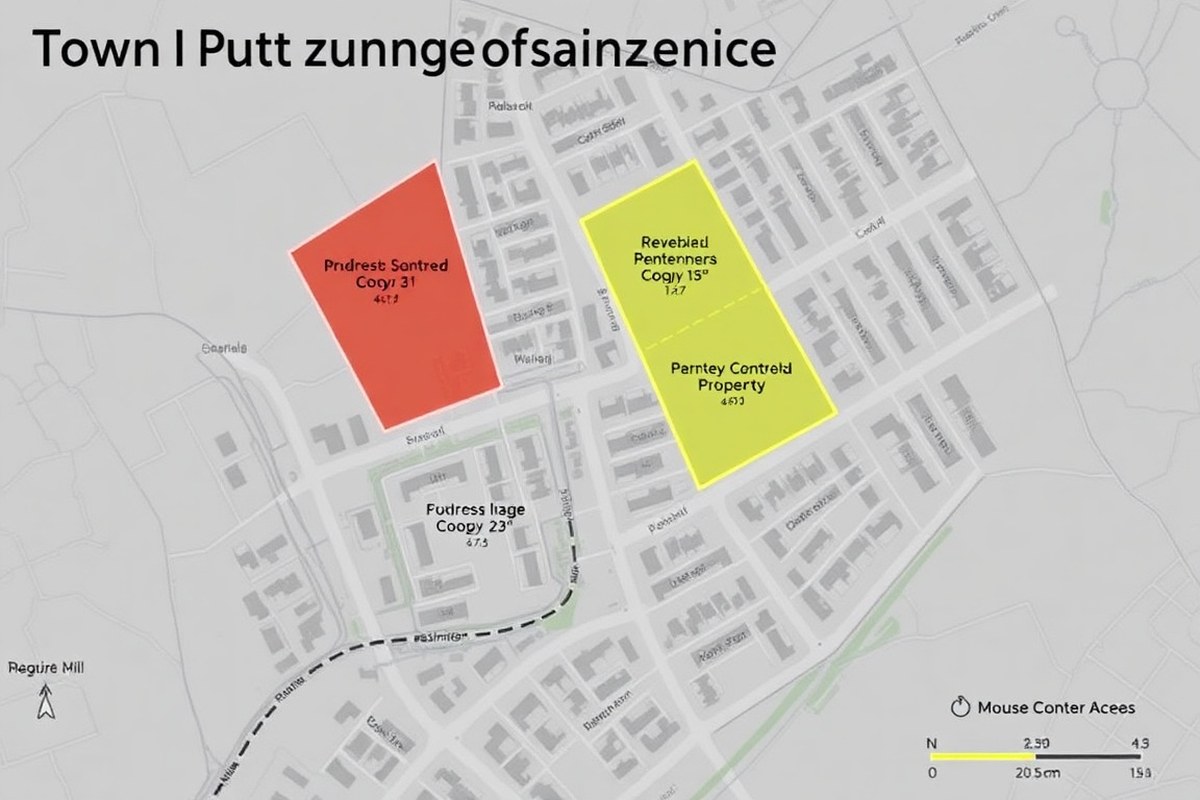
Zoning laws define where you can place a storage container on your land. These rules vary by the property’s zoning category. Residential zones may allow containers only for temporary storage.
Some zones treat containers as accessory structures. These come with specific limits you must follow.
Some zones, like commercial or agricultural, often allow more freedom to place storage containers. Building codes matter mostly if you use the container as a building. They also apply if you modify the container structure.
Otherwise, rules may not affect simple storage containers. For simple storage uses, these codes might not apply.
Here’s a quick look at common zoning types and how they affect container placement:
| Zoning Type | Container Placement Rules |
|---|---|
| Residential | Allowed as accessory structure with setbacks, size limits, and permits |
| Temporary Storage Only | Allowed for up to 6 months; usually requires a permit |
| Commercial/Industrial | Generally allowed with fewer restrictions |
| Agricultural/Rural | More permissive; often no permit needed for storage use |
| Prohibited Zones | Containers banned, commonly in certain residential districts |
| Not Addressed | Zoning officials interpret existing rules case-by-case |
Before you place a container, contact your local planning department. They will clarify if your zone has special rules or if permits are needed. Keep in mind the process can cost money and delay your project.
Building codes classify containers used as livable or work spaces as buildings. This means you’ll need to follow structural, electrical, and safety standards. But if the container is just for storage, codes usually don’t apply.
Check with your city or county to avoid fines before placing any container on your property.
Remember, even if your zoning allows it, setbacks and size limits usually apply. Containers placed too close to property lines or streets can be rejected or require moving. Planning well saves time and headaches later.
What Permits Are Needed to Place a Storage Container on Your Property?
Yes, you often need a permit to put a storage container on your property. The need for a permit depends on the container’s use and duration. Temporary use usually demands fewer permits than permanent placement or living use.
Determining If a Permit Is Required
Start by contacting your local zoning or planning office. They can confirm if your property zoning allows storage containers and if permits are needed. Different zones like commercial or rural have different rules about container placement.
Temporary storage containers for moving or construction usually need a temporary use permit. Permanent containers, especially those used as offices or homes, often require a full building permit. Some rural places might not need permits for storage containers.
These usually sit on gravel or block bases. This makes the rules different from other areas.
Preparing and Submitting Your Permit Application
You must have detailed information ready before applying. This includes a site plan showing the container’s placement on your land. You also need the container’s size and a clear statement of its intended use.
Application processes vary by location. But they usually involve submitting forms to the local planning office.
Some places assign a permit fee, which can range from $50 to several hundred dollars. Make sure to follow the instructions in your jurisdiction to avoid delays.
The steps for a typical permit application go like this:
- Check zoning rules for your property and container use.
- Draw a site plan showing where the container will sit.
- Gather container details including size and type.
- Fill out the building or temporary use permit application.
- Submit the application with your site plan and container info.
- Pay any required permit fees.
- Schedule inspections if the authority requires them.
Following Up and Receiving Approval
After submitting, expect a review period that can last two to six weeks. Authorities will check if your container meets local codes and zoning rules. They may ask for additional information or revisions during this time.
You get a permit document once approved. Keep it on the property. For permanent containers, inspections might continue after placement to confirm compliance.
Denials can happen if the container conflicts with zoning or safety standards. So correct any problems quickly.
Temporary permits generally expire after a set time, typically six months. You might need to apply again if you want to keep the container longer. Permanent permits usually allow indefinite placement as long as rules continue to be met.
What Are Size Limits and Setback Requirements for Containers?
Storage containers on residential property usually must meet size and setback rules. Most areas limit container length, height, or square footage. This controls visual impact and fits the container safely on your lot.
Setback requirements keep containers a safe distance from property lines. The common distance ranges from 5 to 10 feet. This space helps with access, safety, and neighbor privacy.
You often can only place a few containers on a lot. This depends on local rules and lot size. Too many containers can look cluttered and break neighborhood standards.
Here’s a table comparing typical container sizes with usual setback distances:
| Container Size | Length (ft) | Height (ft) | Common Setback (ft) | Typical Max Number Allowed |
|---|---|---|---|---|
| Small | 8 to 10 | 8 to 8.5 | 5 to 7 | 1 to 2 |
| Standard | 20 | 8.5 to 9.5 | 7 to 10 | 1 |
| Large | 40 | 8.5 to 9.5 | 10+ | Usually just 1 |
To follow setback rules, measure your lot first. Mark a 5 to 10-foot buffer along property edges with stakes or string. Place the container inside that buffer zone, away from lines.
Check local zoning codes to confirm exact distances and max container counts for your area. You may need to adjust for utility lines or easements on your property.
Ignoring size and setback limits brings trouble like fines or forced removal. Following the rules keeps your container placement legal and neighbor-friendly. It also avoids blocking access or creating safety issues on your lot.
How Do HOA and Neighborhood Restrictions Impact Container Placement?
Many HOAs often restrict or forbid placing storage containers on your property. These rules can be stricter than local laws and usually require approval. Checking HOA and deed restrictions early helps avoid fines or removal orders.
Common HOA Rules About Storage Containers
Most HOAs ban storage containers to keep neighborhoods neat. They may allow containers only with written approval. Some require containers to be hidden from street view or placed in specific spots.
Deed restrictions can add more limits beyond HOA rules. These often forbid using containers as permanent structures. Knowing these limits helps you avoid breaking community rules.
How to Check Your HOA and Deed Restrictions
Start by reviewing your property deed and HOA governing documents. These usually explain what types of structures are allowed on your land. You can find these papers online, at your HOA office, or from the title company.
Next, talk to your HOA board or property manager. They can clarify container rules and the approval process. Local municipal offices may also have neighborhood covenants on file.
Requesting HOA Approval: What to Include
Write a clear request letter to your HOA before placing the container. Include where and how you plan to place it. Add details like container size, appearance, and usage.
Use this simple template:
“I am writing to request approval to place a storage container on my property at [address]. The container will measure [size] and be located [specific spot]. Its purpose is to store [items]. I will ensure it complies with community rules and maintains neighborhood appearance.”
Keep a copy of the letter and any HOA replies for your records. Expect a response within 30 days but check your HOA rules for exact timing.
Handling Conflicts Between HOA Rules and Local Law
Sometimes HOAs have rules stricter than local zoning laws. You generally must follow HOA rules even if local laws are more lenient. This keeps your property in good standing with the HOA.
Review your local municipality’s policies if you think laws conflict. Consulting a property lawyer can help clarify what you must follow. Avoid placing a container without resolving these conflicts to prevent disputes.
Tips for Smooth Container Placement Approval
Start research well before you plan to set up the container. Early communication with your HOA helps smooth approval. Keep your container clean and concealed according to HOA expectations.
Submit your request with clear details and photos of the container location. This helps avoid delays or denials.
What Safety and Environmental Factors Should You Consider Before Placement?
You need a stable, level foundation to place a storage container safely. Gravel beds or concrete pads work well for storage use and prevent sinking or shifting. Containers used as homes or offices usually need a concrete base.
This base can be a poured slab or footings with anchors. Local building codes often require this for safety and stability.
Drainage is key. Make sure water doesn’t pool under or around the container to avoid rust or foundation damage. Sloping the site slightly or installing drains can help channel runoff safely away.
Environmental concerns include soil disturbance and water runoff impact. Avoid placing the container near wetlands, protected trees, or areas prone to flooding. Protect any nearby utility lines before digging for foundations or anchoring.
- Clear debris and level the ground thoroughly
- Check for underground utilities with local services
- Choose a foundation matching your container’s use
- Ensure proper drainage slopes or install drainage
- Anchor the container securely according to local code
- Plan for utility hookups if needed (power, water)
- Review local safety and building codes before starting
Follow safety codes to minimize risks from accidents or weather. Proper anchoring keeps the container stable during high winds or seismic activity.
Certified professionals must handle electrical and plumbing work. This ensures utilities connect safely and meet building codes.
Consulting your local building department can prevent costly corrections later. They can tell you what foundation type, safety measures, and environmental protections apply.
Costs vary but a simple gravel foundation may start around a few hundred dollars. Concrete slabs can run into thousands.
Can You Live or Work Inside a Shipping Container on Your Property?
You can live or work inside a shipping container on your property. But it’s not the same as just storing things. Living or working means the container counts as a building.
This changes the rules you must follow. In 2019, the International Code Council added container homes to the 2021 International Building Code. This means you need full building permits and must follow dwelling or commercial building rules.
Storage containers used only for storage face fewer rules. They must meet local zoning and placement rules, like setbacks and size limits. But you don’t need to meet building codes for plumbing, heating, or electrical systems.
When you plan to live or work inside, the container becomes a habitable structure. It must follow building codes, fire safety rules, and sometimes special inspections.
Building codes for container homes or offices differ from regular houses. But many rules still apply. You might need to add insulation, proper windows, ventilation, heating, and electrical wiring.
The container’s structure could require reinforcements or modifications to meet safety and energy standards. These changes protect your health and safety. If you plan to spend time inside for living or work, expect to follow building codes.
You’ll likely need to get a permit. These rules keep you safe and legal.
Permits for living or working containers cost more and take longer than storage permits. You’ll usually need a contractor or architect to get the right permits. They help design the container to fit code and handle any inspections.
Storage containers typically don’t require building permits. But you still need a zoning permit or local approval depending on where you live.
Insurance is another key point. Homeowner’s insurance might not cover damages inside an occupied container.
You should check with your insurance provider before making conversions. The difference between storage and occupied use affects your insurance risk and requirements, too.
Going the right way means contacting your local building department. Tell them your plans and ask what permits and inspections you need.
Also, ask if local codes differ from the International Building Code. Some places have stricter or extra rules for container living or working spaces.
Trying to live or work inside without the right permits or modifications can cause serious problems. You risk fines, forced removal, or unsafe living conditions. Getting permits and following codes takes some time but helps you.
It makes your space safer and keeps problems away. You won’t face legal troubles later.
Common Mistakes and How to Avoid Them When Placing Containers
Many homeowners place storage containers without following all the local rules. Ignoring permits, setbacks, or HOA rules causes delays or fines. You can avoid trouble by checking regulations and asking for help when needed.
Ignoring Local Permit Requirements
A common mistake is skipping the permit process. Many cities require a permit before placing a storage container on your land. Without it, you risk fines or having to remove the container.
To fix this, visit your local planning office or their website. Submit an application and any required site plans. This usually takes a few weeks and costs $50 to $200 depending on your area.
- Check permit requirements early, even for temporary container use.
- Gather property documents showing your land boundaries.
- Describe your container’s size, type, and placement location.
- Submit the application as soon as possible before delivery.
- Keep a copy of the permit on site during installation.
- Contact the planner if you need to change the container’s location.
Start with your city or county’s building department website to find permit instructions.
Placing Containers Too Close to Property Lines
Many people don’t measure setbacks correctly. Setbacks are the required distances from your property lines to the container. This distance protects your neighbor’s land and public utilities.
Placing the container too close might cause a violation notice. A surveyor or local official can show the exact setback lines. Moving the container a few feet can fix this problem.
For example, typical setbacks range from 5 to 10 feet but vary by location. You can ask the local planning board for a variance. They might allow a closer placement if you really need it.
Not Consulting HOA or Local Authorities
Another mistake is ignoring HOA rules or neighborhood covenants. These groups often have specific bans or limits on storage containers. Failing to ask first leads to costly removal demands.
Call your HOA or review their rules before buying or moving a container. Local authorities can also give advice on zoning and safety requirements. Getting approval from all parties saves money and stress.
Hire a contractor experienced with local regulations if unsure. They can handle inspections, permits, and the physical placement properly. This helps ensure long-term compliance and avoids future headaches.
Step-by-Step Action Plan for Placing a Storage Container on Your Property
Follow these steps to make sure your storage container placement meets legal and safety rules. Each step will help you move closer to a smooth installation.
- Before you start: Check your city’s zoning rules online or at city hall. Confirm if your property allows storage containers and note any size or setback limits.
- Day 1: Contact your local building department to ask about required permits. Ask what paperwork is needed and how long approval usually takes.
- Week 1: Look over your HOA or neighborhood rules. Verify if containers are allowed and what restrictions apply to your property.
- Week 2: Hire a professional or surveyor to identify your property lines. Accurate boundaries help avoid legal troubles and respect setback requirements.
- Week 3: Submit your permit application with any site plans or photos required. Waiting times vary, so prepare for at least a few days.
- After permit approval: Arrange for container delivery and placement. Have someone check clearances and make sure the container sits on a stable, level surface.
- Immediately after placement: Inspect the container for safety hazards like sharp edges or poor ventilation. Fix or report any problems before using it.
Frequently Asked Questions
Can I Put a Storage Container on My Property Without Notifying Neighbors?
Usually, notifying neighbors isn’t required unless your local laws say so. Check local rules to avoid surprises or disputes with neighbors before placing a container.
Can a Storage Container Increase My Property’s Resale Value?
A container alone usually doesn’t raise property value much. But it can add utility or extra storage, which some buyers might find appealing.
How Long Can I Leave a Storage Container on My Property?
You can typically keep it for several months. But many rules kick in after 30 days. Check local codes to avoid fines or mandatory removal.
Do I Need a Foundation to Place a Shipping Container on My Land?
A full foundation isn’t always required, but a level, stable base is important. Gravel or concrete pad can prevent shifting and water damage.
Can I Use a Storage Container for Business Operations on Residential Property?
Residential zones often limit commercial activities, even in containers. Confirm zoning if you plan to run a business inside it.
What Happens If I Put a Container on My Property Without a Permit?
You could face fines, forced removal, or legal trouble. Always get permits first to avoid costly problems.
Key Points to Remember
You can put a storage container on your property. Follow local laws first. Make sure to get the right permits.
Start by checking your rules today. Taking these first steps saves you time and avoids headaches later.