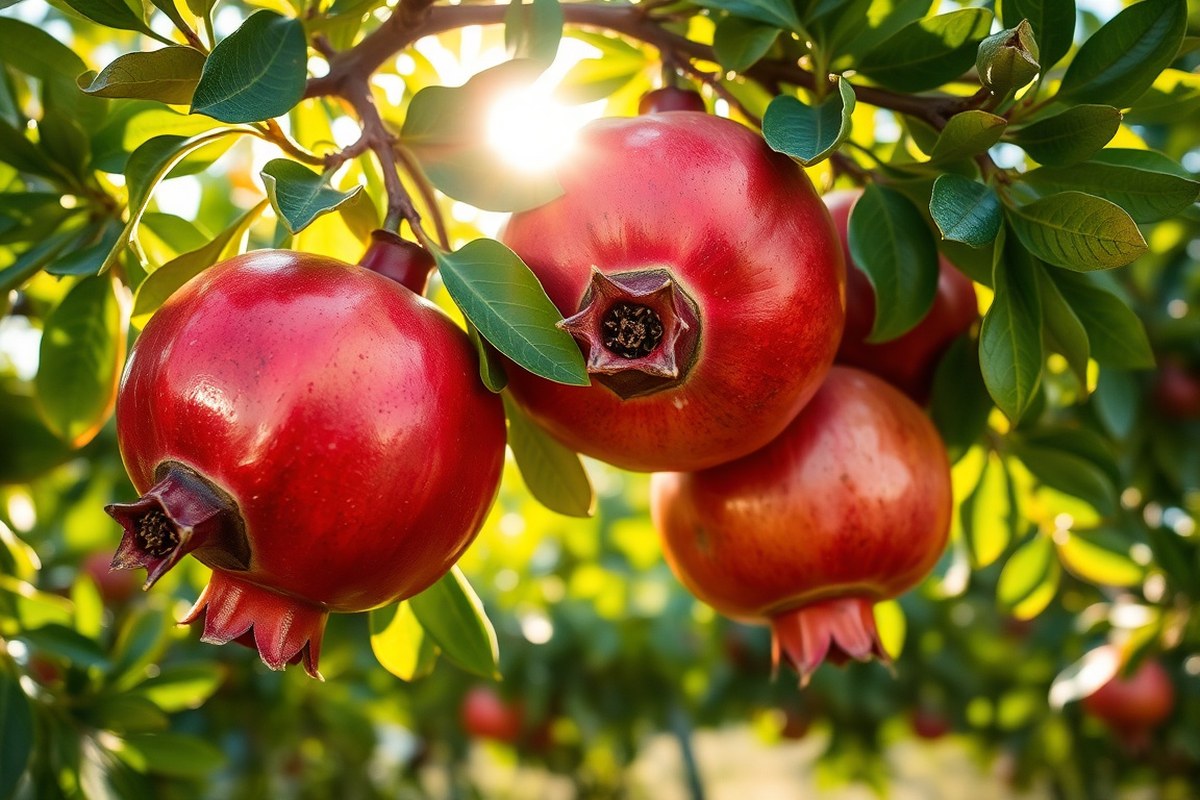
When Do Pomegranates Come in Season: A Complete Regional and Seasonal Guide
When do pomegranates come in season? In the United States, their prime time is usually September through December. Most fresh pomegranates come from California.
Fall and early winter are best months. That’s when you can buy or enjoy them.
The main type grown here, called Wonderful, appears around October and lasts until January. The fruit takes five to seven months to ripen. This happens after blooming.
That’s why pomegranates are a fall treat. Watching for these months will help you find the freshest, best-tasting fruit.
Pomegranates need cool winter hours to flower well, between 150 and 200 hours below 45°F. The plant needs a cold rest period, called dormancy. This helps time fruit development.
The fruit grows as the weather warms up. Knowing this helps explain why pomegranate harvests mainly start in late summer but peak in fall.
Key Takeaways
- Prime U.S. Pomegranate season runs from September through December.
- The Wonderful variety, 80% of U.S. Crops, peaks October to January.
- Fruit ripens about 5 to 7 months after trees bloom in spring.
- Creamy arils appear when pomegranates have a deep red, glossy skin.
- Keep whole pomegranates refrigerated for up to three months.
- Cool winter chill hours below 45°F are essential for fruiting.
When Do Pomegranates Come into Season Across Major Regions?
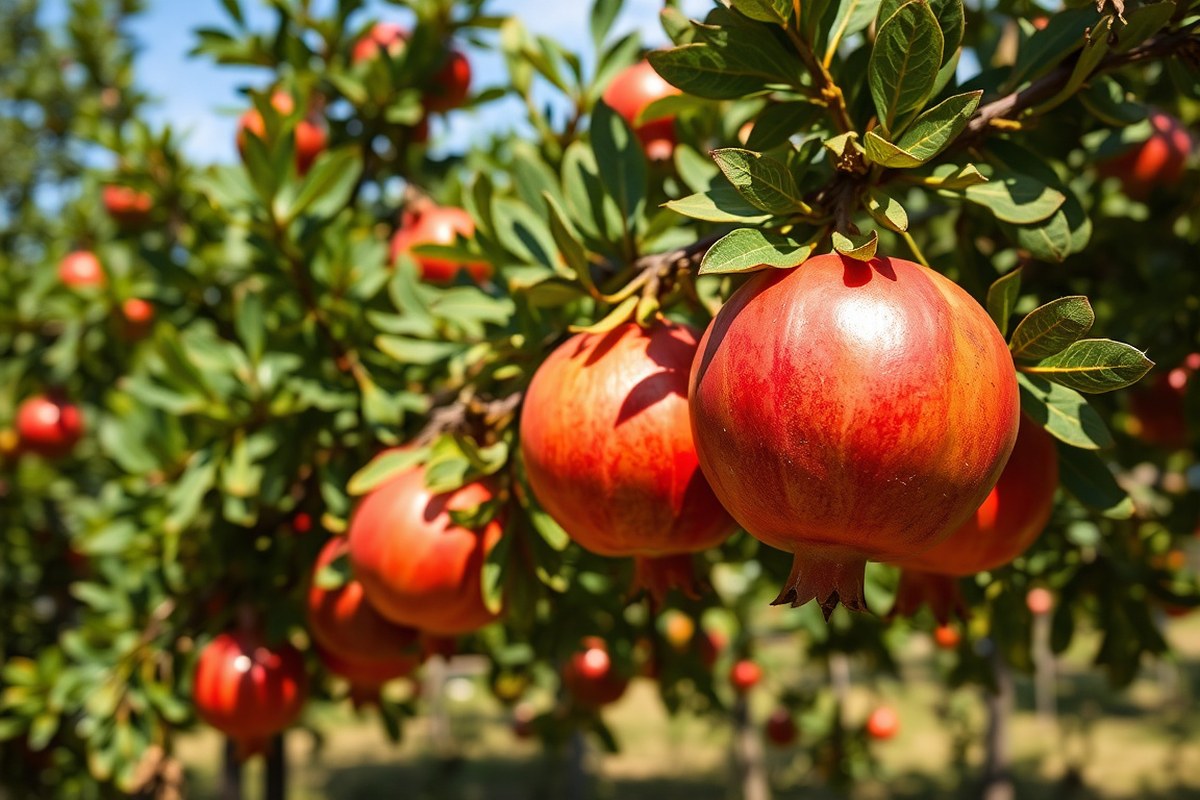
Pomegranates come into season at different times across the world. In the United States, the season generally starts in late September and lasts through December.
Peak months in California and Arizona are October and November. Georgia and Florida peak a bit later, from September to January.
Europe and the Middle East typically see pomegranate harvest from September to November. Countries like Israel, Turkey, and Iran harvest earlier in fall. They benefit from their warm and dry climates.
This helps the fruit ripen sooner than in cooler places. Meanwhile, the Southern Hemisphere has an opposite cycle, with pomegranates peaking from March through May.
| Region | Start Month | Peak Season | End Month |
|---|---|---|---|
| California, USA | Late September | October to November | Mid December* |
| Arizona, USA | Early October | October to November | Early December |
| Georgia, USA | September | September to October | Late October |
| Florida, USA | November | November to January | January |
| Israel | September | September to October | October |
| Turkey & Iran | September | September to November | November |
| Southern Hemisphere | March | March to May | May |
Most U.S. Pomegranates come from California, where the harvest is the longest. Arizona and Texas have slightly shorter seasons but still peak in fall months.
Shops and markets may offer pomegranates after the peak, through January. But size and ripeness vary.
In Europe and the Middle East, harvesting is earlier than in the Southern U.S., focusing on September through November. The Southern Hemisphere flips the calendar. Their pomegranate season runs from spring to early summer.
This timing gives fresh fruit while Northern markets have less. Customers get fruit when supplies are usually low.
How Climate and Environment Influence Pomegranate Season Timing
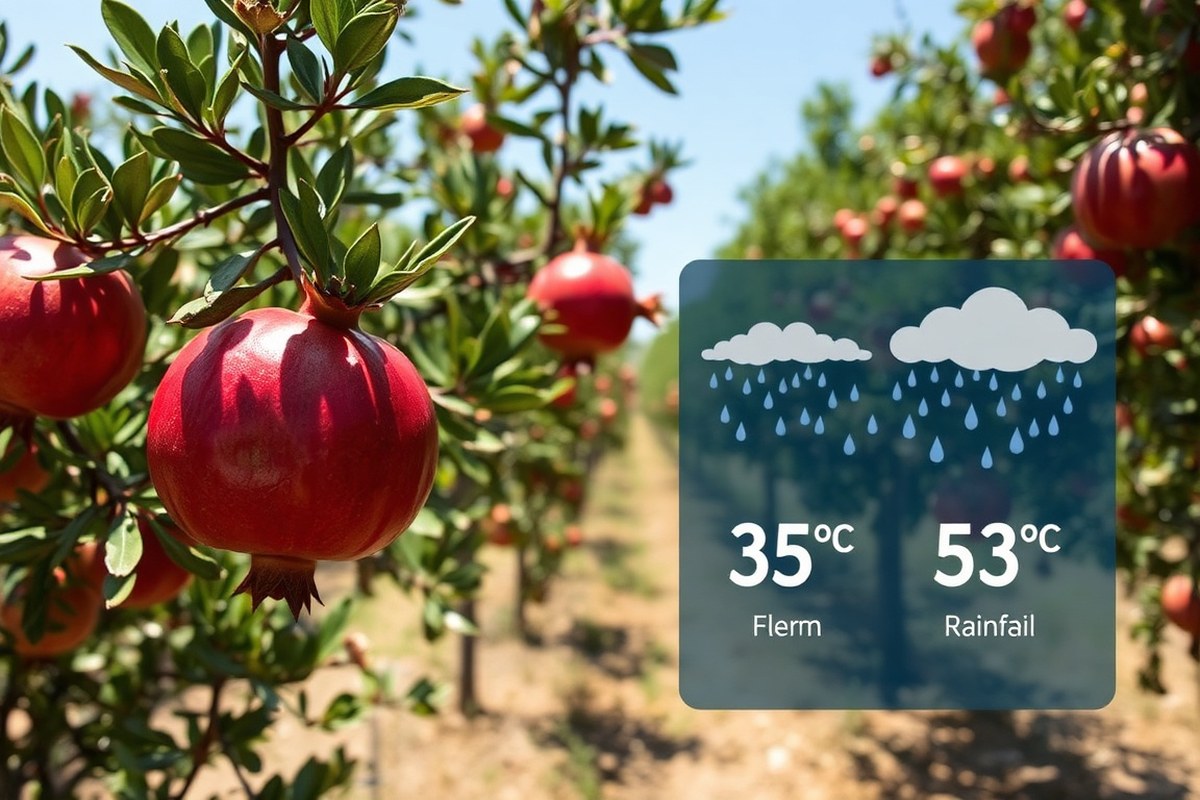
Pomegranate season depends heavily on climate factors like temperature, winter chilling, and rainfall. These elements shape when trees flower, fruit matures, and how long harvest lasts. Each factor affects how fresh pomegranates taste at harvest.
You should know how each works. This helps you get fruit at peak flavor.
Optimal Temperatures for Growth and Ripening
Pomegranate trees thrive in warm weather, especially between 95°F and 100°F during the growing season. Temperatures around 95°F to 100°F boost fruit development and deepen the red color of the seeds. Growth slows if highs fall below about 77°F. Fruit quality can drop if it gets hotter than 100°F for several days.
The tree can handle winter cold to about 10°F when dormant. Freezing during flowering harms the plant. It also damages growth stages.
For example, a cold snap below 28°F in spring often kills blooms and delays harvest. That makes choosing your growing region and local microclimate important.
Chilling Hours Shape Flowering and Fruit Set
Pomegranates require 150 to 200 hours of temperatures under 45°F during winter dormancy. This chilling period is necessary for the tree to flower well. Insufficient cold leads to poor flowering and a bad harvest.
Mild winter places like parts of Florida or Arizona may lack enough chill hours. This can hurt fruit production. Growers there might have yearly challenges.
Growers there pick varieties that tolerate low chill, but timing still shifts. Checking local temperatures helps you guess when flowers will bloom.
It also shows if the season will begin early or late. Tracking helps plan your harvest.
Rainfall Volume and Timing Effects
Rain helps keep soil moisture balanced for healthy fruits. Too much or too little rain can affect fruit quality. It also changes when you can harvest.
Pomegranates favor a Mediterranean climate with wet winters and dry summers. Excess rain during fruit maturation can cause fruit splitting and reduce shelf life.
Growers in dry areas often water their trees carefully. This mimics natural rain patterns and supports steady growth. It helps flowering and fruit set go smoothly.
Heavy rains late in the season tend to push harvest earlier or cause damage. That’s why California and Arizona control irrigation closely in fall.
Impact of Extreme Weather on Harvest Schedule
Sudden cold snaps during flowering kill blossoms and delay the season by weeks. Heat waves can hasten ripening but also cause smaller fruit or sunburn scars. Drought stress often shrinks fruit size and reduces juice yield.
Storms and wind can physically damage branches or loosen fruit before it’s ready. In recent years, unexpected weather has made pomegranate seasons less predictable. Planning for these events means picking at the first signs of ripeness to avoid losses.
Pay close attention to weather forecasts during bloom and harvest time. This helps you protect fruit from sudden cold or storms. You can act before damage happens.
Typical Pomegranate Growth and Harvest Timeline from Bloom to Picking
Pomegranates take about 5 to 7 months to ripen after they bloom. This long growth cycle means you mostly harvest the fruit in fall. From flowering to harvest, each stage is essential for good fruit quality and size.
Flowering and Fruit Set Periods
Pomegranate trees bloom in spring, usually between March and April in many regions. The tree’s flowers are self-fertile, but fruit set depends on good pollination. Poor pollinator activity during bloom often lowers how many fruits develop.
Fruit set begins shortly after flowers are pollinated. When pollinators like bees are active, more fruits will form. Without enough pollination, fewer fruits grow, reducing harvest size.
Fruit Development Duration
After fruit sets, the pomegranate takes 5 to 7 months to grow. It stays on the tree during this time.
Warm weather speeds up growth, but fruits still require this long period to ripen. During this time, seeds develop inside, and the fruit’s skin thickens and colors deepen.
Extremely hot temperatures above 105°F during early summer can hurt fruit set and lower yield. The fruit stays on the tree for about 150 to 180 days.
Then it is ready to be picked. This slow growth ensures the seeds become juicy and flavorful.
Harvest Window and Peak Picking
Pomegranates are ready for harvest in fall, from September through November depending on location. The fruit reaches peak flavor only if allowed to fully mature on the tree. Picking too early gives less sweet, less colorful fruit.
The harvest period lasts several weeks because fruit ripens gradually. Growers pick mature fruit by hand over this time. Consumers see the best quality pomegranates during this window, especially in major growing areas.
Here is a simple timeline chart covering each main stage from bloom to harvest:
| Stage | Approximate Months From Bloom | Key Notes |
|---|---|---|
| Blooming | Month 0 | Spring flowers appear in March-April |
| Fruit Set | 0 to 1 month | Depends on pollination success |
| Seed and Fruit Development | 1 to 5-7 months | Seeds mature, rind thickens, color develops |
| Harvest | 5 to 7 months | Fruits picked fully ripe in fall |
Following this timeline helps growers know the best time to pick. Picking too early can reduce taste. Leaving fruit too long risks damage from weather or pests.
Recognizing Ripe Pomegranates: Signs of Peak Flavor and Quality
Ripe pomegranates show more than just deep color on their skins. Their surface usually looks smooth and taut, without cracks or shriveled spots. The typical shade varies by variety, ‘Wonderful’ fruits turn deep red to burgundy. ‘Mollar de Elche’ show fiery red with purple hints.
Weight helps tell ripeness, too. A mature pomegranate feels heavy because of juicy seeds inside.
When you hold it, that weight should surprise you, given the fruit’s size. Lighter ones often have drier seeds that taste sour or bland.
- Look at color to tell the variety. ‘Ambrosia’ is pink to coral-red. ‘Early Red’ has a bright red shade.
- Look for smooth, firm skin without soft spots or cracks.
- Pick up the fruit and see if it feels heavy for its size.
- Tap or gently knock the skin; a ripe pomegranate gives a metallic, hollow sound.
- Avoid fruits with green patches that mean they’re not fully ripe yet.
- Check the crown (the top), it should be whole and dry, not shriveled or open.
Ripe pomegranates often make a metallic, hollow sound when tapped. This happens because juicy seeds fill the inside tightly. Underripe fruits sound dull when tapped.
Also, the crown or calyx on top looks dry and closed when the fruit is ripe. An open or damp pomegranate may be past its prime or not ripe.
Varieties like ‘Early Red’ are easier to spot early on because they brighten weeks sooner. ‘Wonderful’ ones give you a clear burgundy shade when ready. The key is to combine checks: skin color, weight, sound, and crown condition. Choosing fruit by these signs gives you the freshest taste that season offers.
Storage Methods to Keep Pomegranates Fresh After Harvest
Whole pomegranates last about one week at cool room temperature. Their thick rind keeps them safe from spoiling quickly.
For longer storage, put the whole fruit in the fridge. It can last up to two months cold.
Pomegranate seeds and juice spoil faster but freeze well. Keep them in airtight containers or freezer bags to avoid freezer burn.
Frozen seeds and juice keep well for up to six months. They maintain most of their flavor and nutrients during this time.
Freezing changes the texture of seeds, making them softer after thawing. Juice holds up better but may need stirring since it can separate.
You should eat fresh seeds within a week if refrigerated. Otherwise, freeze them soon after extracting for best quality.
Follow these steps to store pomegranates and seeds properly:
- Choose pomegranates that feel heavy and firm without cracks or bruises.
- Keep whole fruits at room temperature for up to 7 days in a cool, dry place.
- Transfer whole pomegranates to the refrigerator for storage up to 2 months.
- Remove seeds by cutting the pomegranate and separating the arils carefully.
- Store seeds and juice in airtight containers or freezer bags to reduce freezer burn risk.
- Freeze seeds or juice flat in the bag to save space, labeling with date.
- Thaw frozen seeds or juice in the fridge a few hours before use for best texture.
- Use refrigerated seeds within 5 to 7 days for freshest taste and crunch.
Do not store whole pomegranates in warm or humid areas. It shortens shelf life and encourages mold.
Differences in Season Timing Among Popular Pomegranate Varieties
Pomegranates mostly come into season from September to December. The ‘Wonderful’ variety dominates U.S. Production, with an early-to-mid season harvest. Other types like ‘Mollar de Elche’ ripen earlier or have distinct flavors.
‘Wonderful’ Variety Season and Traits
The ‘Wonderful’ pomegranate starts harvesting in September. It continues through November, making it early to mid-season. This variety has deep red skin and bright red, juicy seeds.
Its flavor is sweet yet tart, popular for eating fresh or juicing. Most U.S. Growers, especially in California, focus on ‘Wonderful’ due to its long shelf life. Supermarkets stock ‘Wonderful’ well into winter to keep supply steady.
Early-Ripening Varieties
Varieties like ‘Mollar de Elche’ ripen a little earlier than ‘Wonderful’. Their season often begins in late August or early September. They provide fresh pomegranates sooner, often with softer skin and milder taste.
‘Mollar de Elche’ has light pink seeds and a sweeter flavor than ‘Wonderful’. These early varieties help extend the season’s start, especially in warmer climates. You’ll find them in specialty stores before other types appear.
Specialty and Regional Varieties
Beyond ‘Wonderful’ and early types, later-ripening varieties extend harvest to December. These varieties tend to have darker seeds and richer taste. Their peak comes after the main ‘Wonderful’ season fades.
Regional varieties might have shorter seasons due to climate limits. For example, some growers in cooler areas see harvests limited to September. These choices impact flavor, availability, and local sales timing.
Here’s a comparison of popular varieties, their season length, and features:
| Variety | Harvest Start | Harvest End | Seed Color | Flavor | U.S. Production Share |
|---|---|---|---|---|---|
| Wonderful | September | November | Bright Red | Sweet-tart | Over 90% |
| Mollar de Elche | Late August | September | Light Pink | Sweeter, milder | Minimal |
| Later-ripening Varieties | October | December | Dark Red | Rich, strong | Limited |
Knowing variety differences helps you expect flavor and timing. If you want earlier fruit, pick ‘Mollar de Elche’.
For the U.S. Market, ‘Wonderful’ offers wide availability and consistent flavor. Later varieties add options well into winter.
How Regional Growing Practices Affect Pomegranate Season Length
Pomegranate season length depends a lot on how growers manage irrigation and pruning. In California, farmers use drip irrigation to give trees steady water without overdoing it. This helps pomegranates ripen evenly from September through November.
Light pruning helps new growth. This new growth can produce more fruit. However, it may spread out the harvest.
Arizona’s hot, dry climate causes pomegranates to ripen faster, usually from October to December. Growers water less often but soak deeply. This stresses trees just enough.
It helps fruits form earlier. Pruning there is more aggressive. It keeps trees smaller and easier to pick.
Farmers can harvest sooner and more times. This fits well for smaller farms aiming for early markets.
In Texas, pomegranate season starts later. It runs from October to January. The exact dates vary a lot.
Farms rely on a mix of irrigation methods like sprinklers or drip, depending on water availability. Larger farms might stagger irrigation and pruning to spread out their harvest and manage labor better. Smaller farms tend to pick in fewer rounds, focusing on peak ripeness over volume.
Smaller farms usually pick all their fruit quickly to sell fresh and avoid storage costs. This means they need precise pruning and steady irrigation to hit the peak window perfectly. Big farms harvest in waves.
They have to plan water use carefully. They also cut back branches at the right time. They get fruit at different ripeness stages.
But this means more workers are needed. The extra work costs more money.
Watering on a set schedule helps a lot. It stops fruit from splitting. It also keeps ripening even for better quality.
Pruning out old wood helps air flow. Thinning the canopy lets in more light. This makes fruit color and sugar improve.
Farmers watch weather all the time. Rain or heat can speed up fruit ripening. They adjust plans to pick on time.
Using Pomegranate Juice and Availability Outside the Fresh Fruit Season
Pomegranate juice is available year-round, unlike fresh pomegranates. Juice is often bottled and pasteurized to preserve it for months.
This process keeps the antioxidants stable. So you still get health benefits even when the fresh fruit is out of season.
Quality varies by brand and extraction method. Freshly squeezed juice has more vibrant flavor but shorter shelf life. Store-bought juice may lose some aroma but retains key antioxidants like punicalagins and vitamin C. These compounds help fight inflammation and support heart health.
To get the best juice year-round, look for cold-pressed or 100% pure pomegranate juice. Pasteurized versions last 6 to 9 months unopened.
After opening, keep juice in the refrigerator and use it within 5 days. Avoid juices with added sugars as they reduce health value.
Juice is a convenient option when fresh pomegranates cost more or aren’t available. You can add it to smoothies, salad dressings, or cook with it. This way, you maintain a steady intake of antioxidants regardless of season.
Choose juices stored in dark bottles or cartons to protect antioxidants from light damage.
While juice provides many benefits, it lacks the fiber you get from fresh seeds. Eating fresh helps with digestion and fullness. Still, pomegranate juice stands as a practical, tasty way to supplement your diet during off-season months.
Step-by-Step Action Plan to Enjoy Pomegranates at Their Best
Follow these steps to buy, store, and enjoy pomegranates while they’re fresh and tasty. Each step helps you get the most flavor and keep the fruit fresh longer.
- Before pomegranate season starts: Check your local farmers markets or stores for upcoming availability. This helps you plan your shopping and avoid missing the peak season.
- At season start: Pick pomegranates feeling heavy for their size. Look for smooth, shiny skin without cracks. These features mean they’re ripe and full of juice.
- Right after purchase: Keep pomegranates somewhere cool and dry. Eat them within a few days. This helps them stay fresh longer. Use a plastic bag in the fridge for longer storage, up to a month.
- Once ready to eat: Cut open the pomegranate on a cutting board to avoid stains. Look for bright red, plump seeds that burst with juice.
- Post-season: Keep pomegranate juice or freeze seeds to enjoy outside the fresh fruit season. This keeps the flavor handy year-round.
Frequently Asked Questions
When Do Pomegranates Usually Become Available in Stores?
Pomegranates generally appear in stores from late September through January, following their harvest season. Availability lasts beyond peak season.
Storage and imports help. You can find fresh pomegranates for months.
How Can Weather Variations Affect Pomegranate Harvest Dates Each Year?
Weather changes, such as warmer or cooler temperatures, can delay or speed up harvest times. Pomegranate trees need warm, dry weather.
Cooler summers can delay the season. This might push harvest later than normal.
Are Pomegranates Harvested All at Once or over Several Weeks?
They are typically picked over several weeks as the fruits ripen at different times. This staggered harvest ensures the best-tasting pomegranates reach the market consistently during the season.
Do Pomegranates Have a Different Season in Northern vs. Southern Climates?
Yes, northern areas often have shorter seasons and earlier harvesting than southern regions. For instance, in cooler climates like Canada, pomegranates peak earlier than in warmer states like Arizona.
How Do Storage Conditions After Harvest Influence Pomegranate Shelf Life?
Proper cool, dry storage can keep pomegranates fresh for up to two months after picking. Avoid moisture and high temperatures to prevent spoilage and preserve flavor.
Can Pomegranates Be Grown Successfully Outside Traditional Season Zones?
They can grow in non-traditional zones but often with a shorter or less predictable season. For best fruit, growers prefer climates with long, hot summers and mild autumns.
Final Thoughts
Pomegranates come into season mainly in fall and early winter, varying by region and climate. Knowing when and how to pick or store them helps you enjoy their flavor longer. Start by checking local sources so you don’t miss the freshest fruit this year.