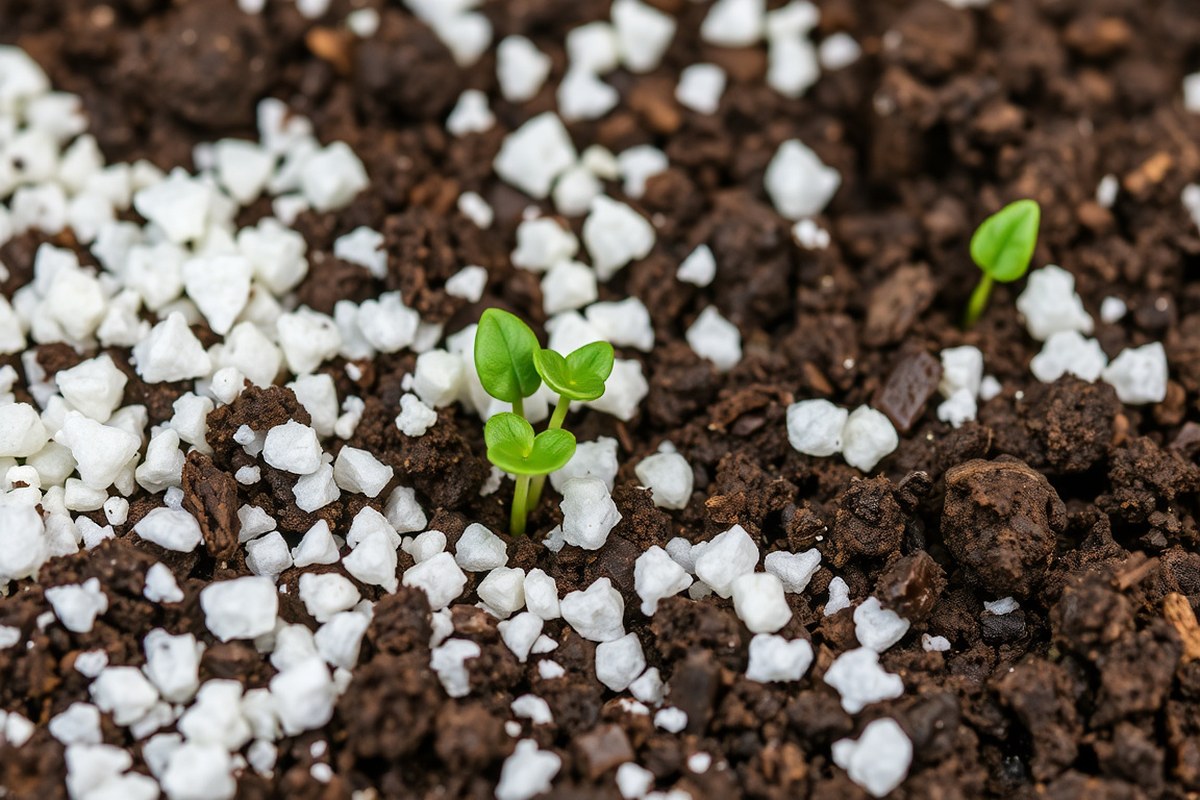
What Is Perlite Used for? 8 Essential Uses and Tips for Gardeners
What is perlite used for in gardening and beyond? Perlite is mainly used to improve soil drainage and aeration. It helps plants grow better by keeping soil loose and letting roots breathe.
Perlite is volcanic glass heated until it expands like tiny popcorn. This makes it light and porous, perfect for mixing into potting soil. It also helps water drain well without drying out too fast.
You can mix perlite into heavy clay soil. Work it in about 6 to 8 inches deep. This helps to lighten the soil.
Adding 10 to 20 percent perlite to potting mixes works well for most indoor plants. It’s a simple way to boost soil health and plant growth.
Key Takeaways
- Mix perlite into top 6 to 8 inches of clay soil to improve drainage.
- Add about 10-20% perlite to potting soil for indoor plants.
- Use expanded perlite, heated around 900°C, for best results.
- Perlite helps keep soil loose, letting roots get more oxygen.
- It reduces excess water buildup, avoiding root rot and fungal issues.
- Choose pure perlite, not blends with fertilizers, for better control.
What Is Perlite Used for in Gardening and Beyond?
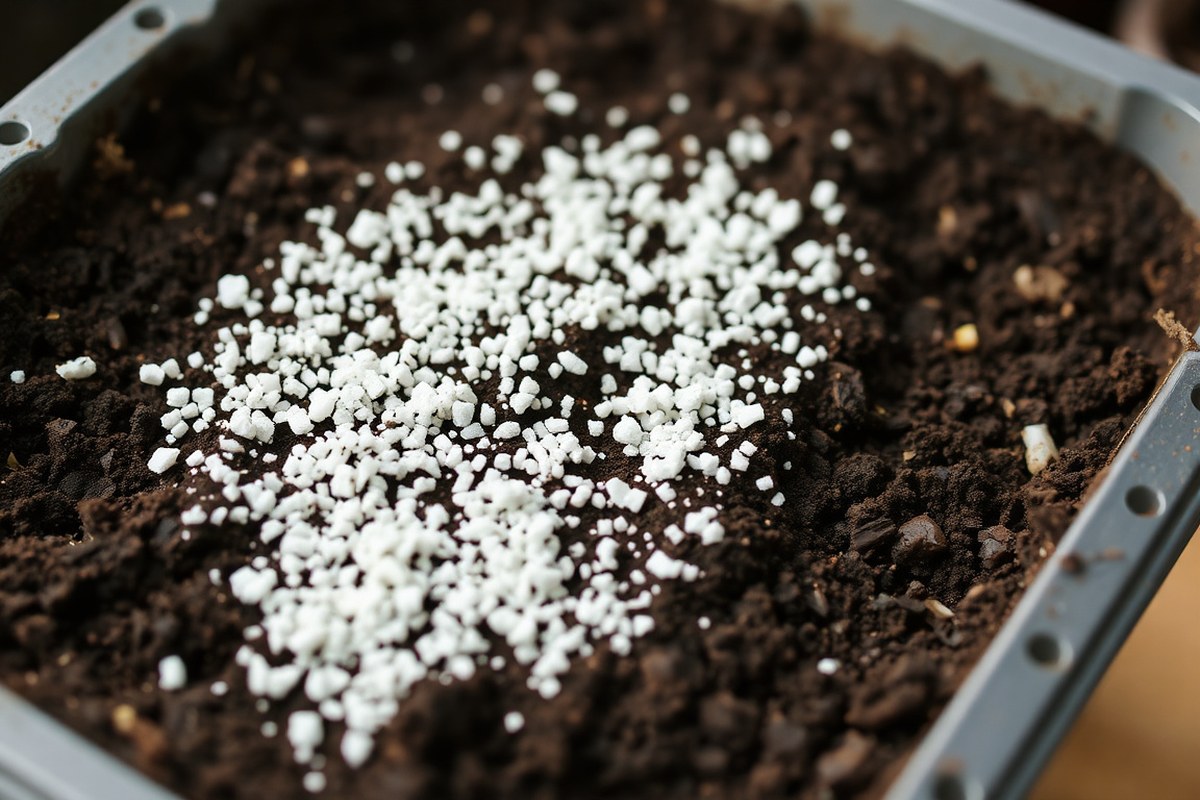
Perlite is mainly used in gardening to improve soil aeration and drainage. Adding perlite to potting soils or garden beds helps keep the soil loose. This prevents compaction and allows roots to get enough oxygen and water.
Seed starting and propagation also benefit from perlite. Fine perlite holds just enough moisture while allowing airflow around young roots. This reduces damping-off disease and promotes healthy seeds and cuttings.
Hydroponic growers use perlite as a soilless medium. Its lightweight, porous nature makes it ideal for water and nutrient retention without suffocating roots. In hydroponics, perlite supports plants while maintaining moisture balance.
Outside gardening, perlite has other uses like insulation and lightweight concrete. Construction-grade perlite reduces heat transfer and lightens building materials. Industrial-grade perlite filters impurities in liquids due to its porous structure.
Perlite is favored as a soil amendment because it’s lightweight and chemically inert. It won’t break down or change soil pH. Typically, mixing at least 25 percent perlite into potting soil improves drainage and root growth.
Choosing the right perlite grade depends on use. Fine perlite works well for starting seeds, while medium grade suits houseplants and vegetables. Coarse perlite provides maximum drainage for succulents and cacti mixes.
How Perlite improve Soil and Plant Growth
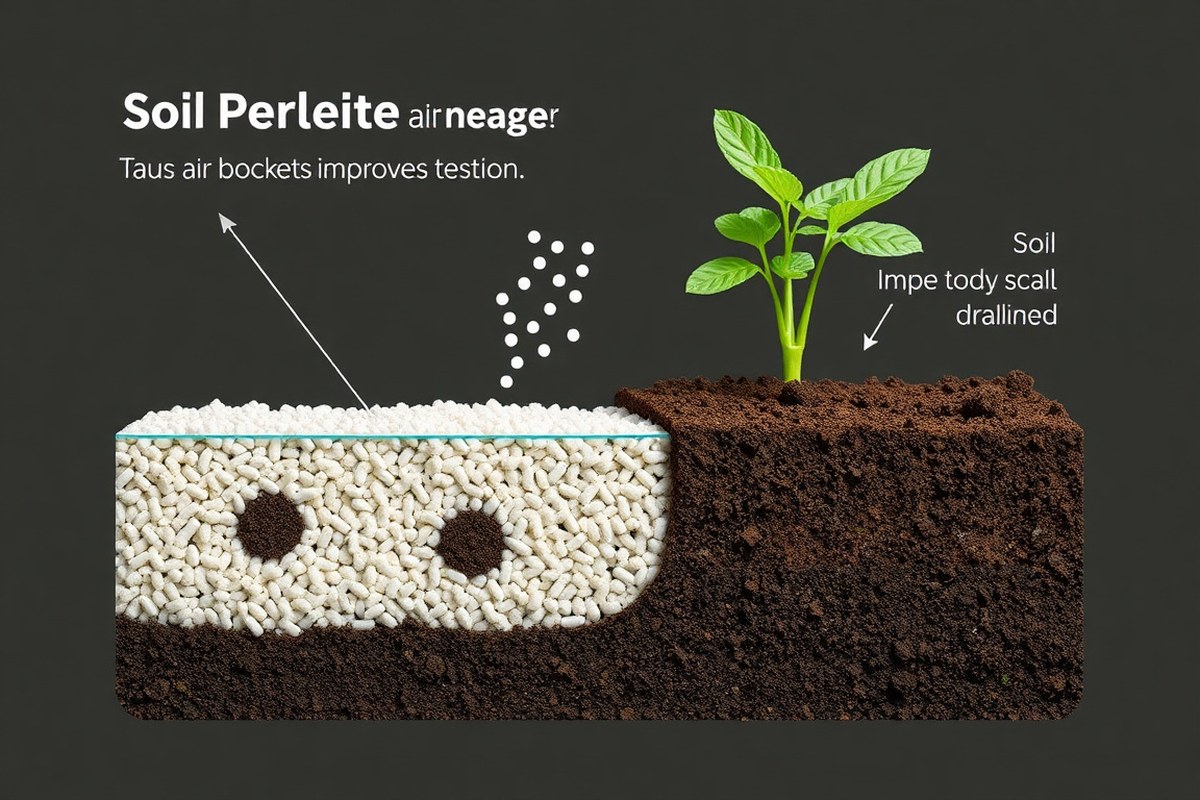
Perlite changes soil by making it lighter and more porous. It stops soil from packing down too tight, allowing air to move through easily. This air space helps plant roots get oxygen, which they need to grow strong and healthy.
Water moves better in soil with perlite. Its tiny cavities hold just enough moisture for plants to use. They also let extra water drain away quickly.
This helps keep the soil balanced and healthy. This balance stops the soil from staying soggy.
It protects roots from drowning. It also prevents them from getting too dry.
Perlite also cuts down on root rot risk by keeping soil from holding too much water. It drains excess moisture but keeps enough around so roots don’t dry out. For succulents, add coarse perlite to your soil mix.
It helps improve drainage and air flow. This keeps roots safe from fungal diseases.
Mix about one-third perlite into your soil to improve drainage and air flow around roots.
Choosing the Right Perlite Type and Grade for Your Plants
Perlite comes in three common grades: coarse, medium, and fine. Each grade has different particle sizes that suit various plant needs. Choosing the right grade helps you control soil drainage and moisture better.
Coarse Perlite Uses and Benefits
Coarse perlite particles are larger than ½ inch. This grade offers the most aeration and drainage because of its high porosity. It helps heavy or dense soil drain quickly and keeps roots from sitting in water.
This makes coarse perlite ideal for plants that hate soggy roots, like orchids and succulents. Improving airflow helps mature roots and wet container soil. You can do this by adding aeration materials.
This stops the soil from staying too wet. Using coarse perlite prevents root rot in these plants.
Medium and Fine Perlite Applications
Medium perlite has smaller, balanced particles between coarse and fine. It provides steady drainage while holding some moisture. This grade is popular for potted plants and garden containers.
It suits plants you keep indoors or outdoors. Most people use this type around the house.
Fine perlite particles are the smallest and lightest. They work well in seed starting trays and propagation.
Fine perlite holds moisture better, helping fragile seedlings absorb water without drowning their roots. It also creates a loose yet moist environment for young plants.
Applying fine perlite in mixtures offers gentle moisture control but limits heavy drainage. It’s not ideal for mature plants since it can retain too much water for them.
How to Select Perlite Based on Plant Type
Match your perlite grade to plant needs by considering drainage and moisture needs. Here’s a checklist to guide your choice:
- Use coarse perlite for mature, drought-tolerant plants needing sharp drainage.
- Choose medium perlite for general potted plants and mixed containers.
- Pick fine perlite for delicate seedlings and propagation trays.
Adjust the amount of perlite mixed with soil depending on your plant’s needs. A common ratio is 1 part perlite to 1 part soil. This ratio works well with medium perlite for most houseplants.
The table below shows approximate particle sizes and their best uses:
| Perlite Grade | Particle Size | Best Use | Key Benefit |
|---|---|---|---|
| Coarse | > ½ inch | Orchids, succulents, heavy soil | Offers sharp drainage and high aeration |
| Medium | Between coarse and fine | Potted plants, general container soil | Balances drainage and moisture retention |
| Fine | Smallest, lightest particles | Seed trays, propagation, seedlings | Supports moisture retention for delicate roots |
Each perlite type offers trade-offs. Coarse perlite drains well but holds less water.
Fine perlite holds moisture but can reduce drainage. Medium perlite balances these traits for most garden uses.
How to Use Perlite in Potting Mixes and Seed Starting
Use perlite in potting mixes by blending it with soil at the right ratio. For general potting, mix one part perlite with two or three parts soil. You can also use 100% perlite by itself for rooting cuttings and seed starting.
Basic Perlite Potting Mix Recipe
Mix one part perlite with two or three parts regular potting soil. This blend improves air flow and drainage for indoor plants. It keeps soil loose and moist without drying out fast.
To prepare the mix, moisten the perlite and soil slightly before planting. Choose fine-grade perlite for small plants or seeds.
It holds moisture better and creates less air space. This helps support young roots gently.
- Measure one part perlite for every two or three parts potting soil.
- Pour both ingredients into a large container or wheelbarrow.
- Blend the materials thoroughly with your hands or a garden trowel.
- Add a bit of water to lightly moisten the mix, not soak it.
- Check that the mix feels loose, light, and crumbly.
- Use the mix immediately for potting or seed starting.
Using 100% Perlite for Cuttings
Perlite alone works well for rooting plant cuttings because it drains fast and prevents rot. This technique suits many houseplants and succulents. The sterile, lightweight medium keeps moisture around cut stems while providing air access to roots.
Fill a container with moistened perlite, then insert the cuttings. Keep the perlite damp but not wet by misting or bottom watering. Use fine or medium perlite grades for this purpose, depending on the cutting size.
Adjusting Mix Ratios for Succulents or Moisture-Loving Plants
Succulents and cacti need a grittier mix with sharper drainage. Use a ratio of one part perlite to one part soil or sand. Adding coarse sand alongside soil and perlite improves drainage and prevents root rot.
Add perlite to about 10-20% of the soil for moisture-loving plants. Ferns and similar plants benefit from this mix. It improves drainage but keeps soil damp enough.
This amount helps keep the mix airy without letting it dry too quickly. Adjust based on your plant’s water needs and your local humidity.
Perlite’s Role in Hydroponics and Soilless Cultivation
Perlite is popular for hydroponic growing. It won’t change the nutrient solution or affect its pH. This means your plants get a pure, consistent supply of nutrients every time.
This lightweight, sterile medium drains well and offers excellent aeration. It holds some moisture but drains excess water fast.
So roots get oxygen and avoid rot. Coarse-grade perlite works best for hydroponics as it provides good airflow and root support.
To use perlite in hydroponics, fill your container or tray with cleaned, wet perlite. Then add your nutrient solution carefully so it soaks but doesn’t flood the medium. You want the roots to stay moist and have air gaps around them.
Many growers mix perlite with other inert materials like coco coir or rockwool in soilless blends. This balances moisture retention and airflow while keeping the medium stable. For example, mix 50% perlite with 50% coco coir for propagating cuttings or leafy greens.
Perlite also works alone as a hydroponic growing medium. It suits aquaponics or aeroponics setups where moisture reaches roots via water or mist. Its sterility and ease of handling make it a go-to option for cleaner indoor growing.
Always rinse perlite thoroughly before use to remove dust that can clog your hydroponic system.
The air space created by perlite helps roots breathe, which improves plant growth. Its light weight makes it easy to move or adjust your hydroponic system. Since perlite doesn’t break down, you can reuse it several seasons if kept clean.
Some issues appear if perlite gets too wet or compacted, causing roots to drown. Keep the medium loose and drain excess liquid regularly. With proper care, perlite supports healthy roots and steady plant growth without soil risks.
Comparing Perlite with Vermiculite, Pumice, and Diatomaceous Earth
Perlite improves soil aeration and drainage, while vermiculite holds more water. Pumice is heavier and better for long-term soil structure.
Diatomaceous earth (DE) mainly controls pests and holds moisture but isn’t a good drainage substitute. Choosing the right amendment depends on your plants’ water and air needs.
| Property | Perlite | Vermiculite | Pumice | Diatomaceous Earth (DE) |
|---|---|---|---|---|
| Water Retention | Low (holds 6% water, good drainage) | High (absorbs and retains much water) | Medium (holds water, drains well) | Medium (more moisture-retentive than perlite) |
| Aeration | High (improves oxygen in soil) | Low to medium (fewer air spaces) | High (creates good air pockets) | Low (not used for aeration) |
| Weight | Lightweight | Heavier than perlite | Heavier than perlite but lighter than sand | Lightweight powder |
| Common Uses | Potting mixes, seed starting, aeration | Water-loving plants, seed starting mixes | Long-term soil amendment, bonsai, succulents | Pest control, soil amendment, moisture retention |
| Pros | Improves drainage and aeration; sterile | Boosts moisture retention; soft texture | Durable; balances drainage and retention | Natural pest control; holds some moisture |
| Cons | Dust irritates lungs; floats in soil | Less aeration; can compact over time | Heavier; can be costly; moderate water hold | Not for drainage; dusty; limited aeration |
Mixing perlite with vermiculite offers a balance of drainage and moisture. For example, 70% perlite and 30% vermiculite works well for many plants.
Pumice suits plants needing steady moisture without sogginess, like succulents. Use DE mainly for pest control, not as a soil texture change.
Do not replace perlite with DE if you need better soil aeration. Instead, combine DE and perlite to handle both pest issues and drainage needs. If your plants prefer wet roots, lean more on vermiculite or pumice over perlite.
Watch out for dust when handling any of these materials. Wear a mask in dry, dusty conditions.
Common Mistakes When Using Perlite and How to Avoid Them
Adding too much perlite can dry out your soil and reduce nutrients. Use about 10-30% perlite in your potting mix to keep soil balanced and loose. Overdoing it might make it hard for roots to stay hydrated and absorb minerals.
Perlite dust can irritate your lungs and eyes if inhaled or touched. Wear a dust mask and goggles when handling dry perlite, especially indoors or in windy conditions. You can also dampen perlite slightly before use to reduce dust spread.
Soil imbalances from perlite come from poor mix ratios or layering. Mix perlite evenly into the top 6-8 inches if you work with dense clay soil. Avoid adding perlite only on the surface to prevent uneven water flow and root stress.
- Use a 1:1:1 ratio of compost, topsoil, and perlite for healthy growth
- Add both perlite and sand to improve drainage in heavy soil
- Mix perlite thoroughly, not just sprinkling on top
- Wear a dust mask and goggles when handling dry perlite
- Dampen perlite lightly to reduce airborne dust
If your soil drains too quickly, reduce perlite content or add more organic matter. Watch if plants wilt often, which can signal water loss. Adjust your mix gradually, watching plant response over a few weeks.
Perlite is a natural volcanic glass that helps with soil aeration and drainage. Used right, it creates air pockets for roots without overcrowding the soil. Handle it safely and mix it properly for the best gardening results.
Safe Storage, Handling, and Environmental Impact of Perlite
Store perlite in a dry, cool place away from moisture. Keep it sealed in a sturdy bag or container to maintain quality. Handle it carefully to avoid dust release and use protective gear.
Storage Conditions to Preserve Perlite Quality
Perlite absorbs moisture quickly, which can reduce its effectiveness. Store it indoors in sealed bags or containers to keep it dry. A dry environment prevents clumping and preserves its lightweight texture.
Temperature doesn’t need tight control since perlite handles heat well. Keep storage away from extreme cold or heat sources to avoid damage to packaging. Avoid storing perlite near chemicals or fertilizers that might contaminate it.
Proper Handling and Protective Measures
Wear a dust mask when handling perlite to protect your lungs from fine particles. Gloves help keep hands clean, and safety goggles shield your eyes from dust. Pour slowly and gently to minimize airborne dust clouds.
Use perlite outdoors or in well-ventilated spaces where dust can disperse safely. Avoid breathing in dust since it can irritate the respiratory system. Wash your hands after use and change clothes if dusty to prevent spreading.
Environmental Considerations and Responsible Sourcing
Perlite is mined from volcanic glass, a nonrenewable natural resource. Mining and processing have minimal environmental impact compared to many other minerals. The rapid heating and expansion sterilizes perlite, making it sterile and non-toxic for gardeners.
Buying from suppliers who follow responsible mining practices can reduce environmental harm. Consider leftover perlite recycling or reuse in your garden to minimize waste. Avoid using perlite near groundwater sources to prevent any disruption to ecosystems.
Always wear a properly fitted dust mask when working with perlite to avoid inhaling fine particles.
Step-by-Step Action Plan for Using Perlite in Your Garden
Follow these steps to get the most from perlite in your gardening projects. Check results at each stage to see your plants thrive.
- Before you start: Choose the right perlite grade for your plants. Look for finer grades for seed starting and coarser for potting mixes.
- Day 1: Mix perlite into your soil or potting mix at about 10-30% by volume. The mix should feel loose and drain well.
- First week: Water your plants as usual and watch for better drainage and less waterlogging. Reduced soggy soil is a good sign.
- Week 2: Check seeds for fast germination and strong seedlings. These signs show good air and moisture balance from perlite.
- Week 4: For hydroponics, monitor roots for healthy white color and no rotting. Adjust perlite levels if roots look unhealthy.
- Monthly: Inspect potting mixes for compaction. Add fresh perlite during repotting to keep soil airy and light.
- Ongoing: Store unused perlite in a dry place to prevent moisture absorption. Keep it sealed to avoid dust.
Frequently Asked Questions
What Is Perlite Used for in Seed Starting?
Perlite helps keep seed starting mixes light and airy. It improves drainage and prevents seeds from rotting in soggy soil.
Can Perlite Improve Drainage in Clay Soil?
Adding perlite to the upper 6 to 8 inches of clay soil improves drainage. This allows roots to breathe better and stops water from pooling.
Is Perlite Suitable for Cactus and Succulent Soil?
Perlite is ideal for cacti and succulents because it boosts drainage. Use about 10-20% perlite mixed with cactus soil for best results.
How Does Perlite Affect Soil Aeration?
Perlite creates air space in soil, improving oxygen flow to roots. This promotes healthier root growth and stronger plants.
Can Perlite Reduce Soil Compaction?
Perlite reduces soil compaction by keeping soil particles loose. This is especially helpful in heavy or dense soils.
Why Is Perlite Heated to High Temperatures During Production?
Heating perlite to about 900°C expands it, creating small air pockets. This gives perlite its lightweight, porous structure useful for gardening.
Final Thoughts
Perlite is a simple, effective way to improve soil and help plants grow strong. Start using it in your mixes to boost drainage and air flow. Try it today and notice the difference in your garden’s health.