
How to Dry Flowers Properly: A Complete Guide with Proven Methods
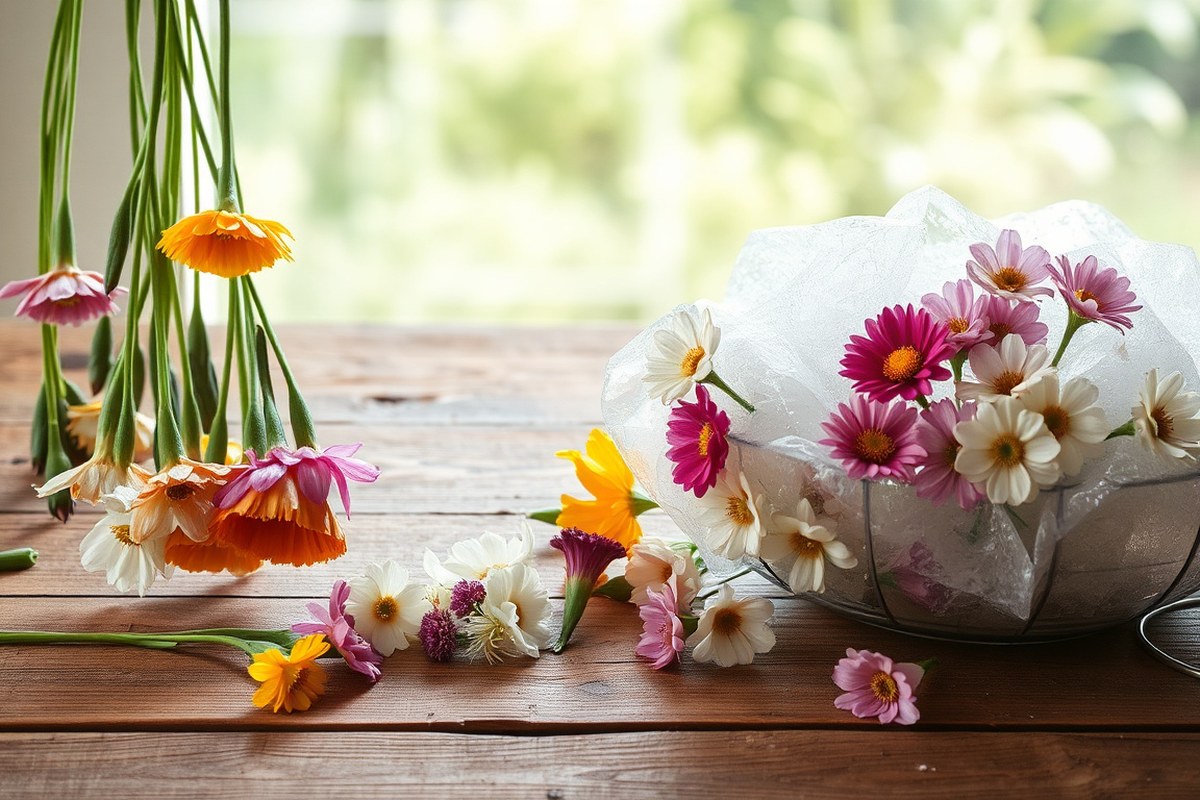
Learning how to dry flowers properly means locking in their beauty for years. You start by picking fresh, fully open blooms and removing extra leaves. Then, hang them upside down in a warm, dry spot with good air flow to dry.
Drying flowers this way usually takes one to three weeks, depending on their thickness. Avoid humid or dark places to prevent mold and fading. Keep flowers spaced out with 6 inches from the ceiling.
This helps air flow evenly around them. Good air circulation stops mold and drying problems.
Watch for limp petals or dark spots while drying. These signs mean moisture is stuck inside. Moisture can cause mold or rot in dried flowers.
Move the flowers if needed to a better-ventilated spot. This simple care keeps your dried flowers looking fresh and crisp for display.
Key Takeaways
- Choose flowers when they are fully open but not past their peak.
- Hang flowers upside down in a warm, dry spot for best drying results.
- Space flowers at least 6 inches apart and away from the ceiling for airflow.
- Check flowers regularly to catch any signs of mold or wilting.
- Use silica gel to dry flowers faster, usually within 2 to 4 days.
- Store dried flowers in a dark area to preserve their color and shape.
How to Dry Flowers Properly: Step-by-Step Techniques
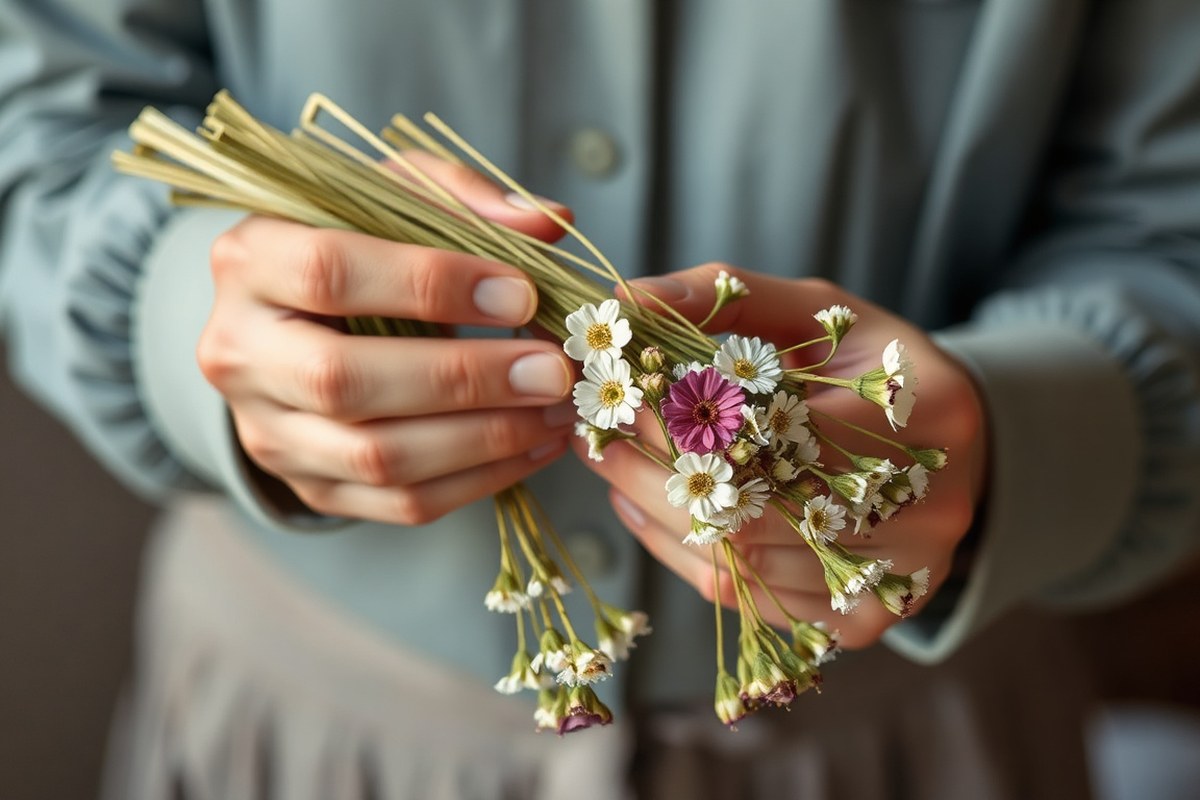
Drying flowers is simple once you know the main methods and how to prepare blooms properly. They generally need to be clean, dry, and trimmed before starting. Different techniques suit different flower types and deadlines.
Here are four popular ways to dry flowers. They vary in speed and effort. So pick one based on your time and the flower’s thickness.
- Air Drying (Hanging Upside Down): Remove unwanted leaves and trim stems to about 6 inches. Bundle flowers and tie the stems tightly with string. Hang the bunches upside down in a warm, dark place with good air circulation. Keep them spaced apart, at least 6 inches below the ceiling. Check after 1-3 weeks; flowers should feel crisp and dry. This method is cheap and works well for thin-stemmed blooms but takes the longest time.
- Silica Gel Drying: Put your prepared flowers in an airtight container. Cover them completely with silica gel crystals. Make sure the flowers are buried well inside the gel. Use shallow plastic containers just big enough for the flowers. Leave them for 2-4 days for thin blooms and 5-7 days for thick ones. When the gel turns pink, it means moisture is absorbed. So replace it if needed. This method dries flowers quickly. It keeps their color better than air drying. You will need to buy silica gel to do it.
- Oven Drying: Preheat your oven to a low temperature, about 140°F (60°C). Arrange flowers on a baking sheet lined with parchment paper, making sure petals don’t touch. Put flowers in the oven for 12 hours. Check on them every few hours. Turn petals gently to dry evenly on all sides. Oven drying is quick but needs attention to avoid burning or crisping petals too much.
- Pressing Flowers: Prepare flower by trimming stems and removing moisture. Place the flower between two sheets of absorbent paper, such as parchment or newspaper. Press the papers inside a heavy book or flower press. Add more books on top for extra weight. Wait 2-4 weeks for the flowers to flatten and dry. Pressing works best for flat displays and crafts but won’t keep the 3D shape.
Trimmed stems and removed foliage reduce the risk of mold during drying. A dark, well-ventilated spot reduces fading and rot. The faster drying methods cost more but save weeks of waiting.
The slower ones need space and patience but no expenses. The shape and color retention vary by method. So choose based on what you want to keep.
Which Flowers Dry Best and How to Choose Them
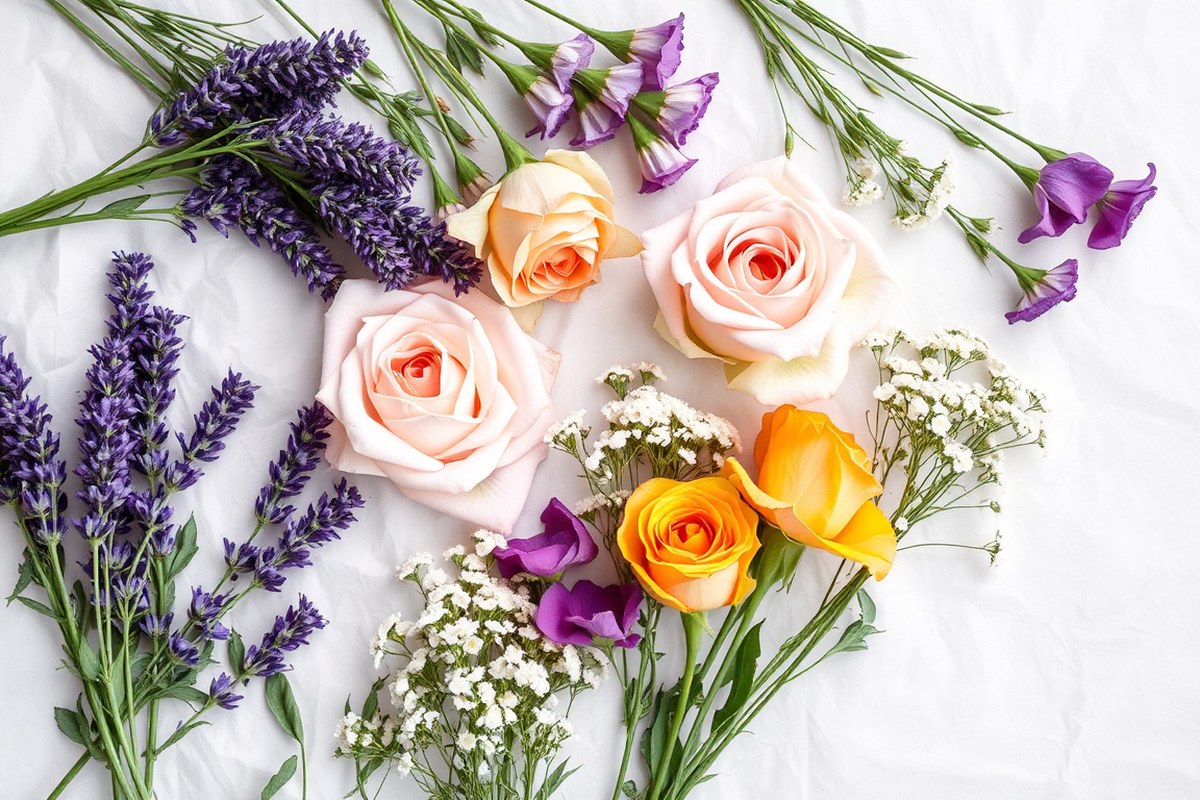
Some flowers dry better than others because of their shape, size, and petal thickness. Sturdy flowers with fewer petals are easier to dry without losing their shape or color.
Smaller blooms also dry faster and hold color well. Large, delicate flowers need more care to avoid petal loss.
You can dry store-bought flowers or mixed bouquets. But fresh garden flowers give the best results.
Avoid flowers that show signs of browning or mold. Pick flowers after morning dew evaporates to reduce moisture, which can cause mold during drying.
| Flower | Best Method |
|---|---|
| Roses | Air dry, silica gel, or glycerin |
| Lavender | Air drying |
| Hydrangeas | Air drying (dry on the plant first) |
| Strawflowers | Air drying |
| Peonies | Silica gel or glycerin |
| Zinnias & Sunflowers | Oven or silica gel |
| Pansies & Daisies | Pressing |
Choosing flowers at the right stage is key. Pick most blooms about half open; fully open flowers can lose petals during drying.
Drying in dry, airy rooms helps colors stay vibrant. Keep flowers away from hot or humid places like kitchens or bathrooms.
Make sure flowers are completely dry before storing, or they can develop mold.
Small flowers like lavender dry quickly with simple air drying. Big or thick flowers like peonies need silica gel or glycerin to avoid shriveling. You can partially dry thick blooms in a microwave first, then finish drying by hanging them.
Air drying large amounts of durable flowers is easy and costs nothing but space and time. It takes several warm, dry days to dry flowers fully by air. Checking flowers daily helps catch any wilting or damage early.
How Environment and Timing Affect Flower Drying
Drying flowers works best when you start with the right environment and timing. Lower humidity speeds drying by letting moisture escape from petals faster. Humidity above 60% keeps flowers damp longer.
This increases mold and browning risk. To avoid this, pick a dry, sunny day for harvesting.
Mid-morning is ideal, once dew has evaporated but before afternoon heat. This timing helps flowers hold their shape and color as they dry.
Temperature affects drying speed and flower quality, too. Rooms around 60 to 70 degrees Fahrenheit work well. Too hot, and petals might shrivel or become brittle.
Too cool, drying slows, increasing mold risk. Light also matters during drying. Keep flowers out of direct sunlight.
Bright light can bleach petals and fade colors. Place flowers in a dark or dim spot.
Make sure fresh air circulates well. This keeps colors bright and stops warping.
Pick flowers mid-morning on a dry day. Remove extra leaves before drying. Use sharp scissors to make clean cuts.
Hang or lay flowers where humidity is 50 to 60 percent. Temperature should stay between 60 and 70 degrees. This helps flowers dry evenly.
Avoid direct sunlight and allow 1 to 4 weeks to dry naturally. Check blooms weekly for softness or spotting. Gently handle dry flowers to avoid breaking.
Store fully dry flowers flat in a dark, dry place. This keeps them looking good for up to three years.
Common Problems When Drying Flowers and How to Fix Them
Mold and browning happen when flowers stay damp too long or dry too slowly. Flowers drying in a humid spot or packed too tight trap moisture. This trapped moisture causes mold growth.
Use a dry, well-ventilated place with low humidity to fix this. Spread flowers out so air can move around.
This stops moisture from building up. Checking flowers every 30 minutes during drying stops dampness from causing problems.
Flowers that become brittle or lose petals dry too much or dry too fast. Overdrying makes petals fragile and fall apart easily. Spray a light coat of unscented hairspray on flowers after drying.
It helps petals hold shape and stick together. Handle dried flowers gently and keep them out of direct sunlight to avoid damage.
Fading colors often come from too much heat, sunlight, or improper drying methods. Bright colors like purple, pink, and orange fade less. But slow air drying in a cool, shady spot preserves color best.
Avoid oven drying if color matters most, since it weakens petals and dulls hues. Try flash drying for better color hold.
Leave flowers in a sunny car trunk for a few hours. Then finish drying them fully.
- Dry flowers in a low-humidity room with good airflow.
- Check flowers regularly every 30 minutes during air drying.
- Spray unscented hairspray to keep petals from falling off.
- Handle brittle flowers with care to prevent breakage.
- Avoid direct sunlight to limit color fading.
- Replace drying papers after three weeks to prevent dampness.
- Try flash drying in a sunny car trunk to keep colors vivid.
Stems or leaves with mold need a quick rinse in mild bleach. After rinsing, let them dry completely before use. Color fading can sometimes improve.
Keep flowers out of light and in a cool spot. This helps slow down color loss. Brittleness is common with silica gel drying.
So store those flowers in airtight containers to protect them long-term. Different flower types will react differently.
Delicate flowers may need shorter drying times to avoid falling apart. Sturdy blooms can handle longer drying without damage.
How to Store Dried Flowers to Preserve Color and Shape
Dried flowers keep their color and shape best in cool, dry places away from sunlight. Sunlight can bleach their colors and make petals brittle. Avoid places with high humidity like bathrooms or kitchens.
Moisture can cause dried flowers to mold or decay. Keep blooms in dry spots only.
Store dried flowers in sealed containers such as glass jars, plastic boxes, or airtight bags. This protects them from dust and damage while keeping pests out. You want flowers for display?
Use shadow boxes or sealed glass frames. They stop dust and hold flowers steady.
Handle dried flowers gently to avoid breaking petals or stems. These flowers are fragile.
So limit touching and keep them where pets and kids can’t reach. Avoid overcrowding storage containers; allow space so air circulates and petals don’t get crushed.
Properly stored dried flowers can last anywhere from one year to a lifetime. Mounting flowers inside sealed frames or preserving them in resin extends their life the most. Lightly dust flowers with a soft brush to keep them clean.
You can also blow off dust with low-pressure compressed air. This avoids any damage.
For storing dried flowers, choose a cool, dry, and dark spot. This helps keep them looking good. Make sure the spot has low humidity.
Put flowers in airtight containers or sealed frames; handle only when needed. Be gentle; avoid areas with high humidity or direct sun. This way, you preserve color and shape effectively.
Keep dried flowers away from moisture to avoid damage. Direct sunlight fades their color and ruins their shape. Store them where it’s dry and shaded.
How to Use Silica Gel to Dry Flowers Step-by-Step
Silica gel drying is a good way to preserve flowers. It keeps their color bright. It also helps keep their shape well.
First, make a bed of silica gel in a container. Then carefully bury your flowers inside it.
It takes about 24 hours for most flowers to dry. But checking them carefully helps you avoid surprises.
Preparing and Layering Silica Gel
Begin with a clean, airtight plastic container. Pour about 1.5 inches of silica gel crystals onto the bottom. Spread the gel evenly to form a solid base for your flowers.
Place your flowers on top carefully, one at a time. Spoon more silica gel around and over each flower, covering petals and leaves completely. Work gently to prevent crushing the delicate blooms.
- Pour 1.5 inches of silica gel into your container.
- Place your flowers on the layer without overlapping.
- Spoon silica gel gently over each flower until fully covered.
- Fill in any gaps between petals with more gel carefully.
- Cover the container loosely with its lid, leaving a tiny gap.
Timing and Checking Dryness
Most flowers need about 24 hours to dry completely in silica gel. Some smaller flowers may dry faster, around 3 to 4 hours.
But most benefit from a full day. Keeping the lid slightly cracked helps excess moisture escape as they dry.
Look for dryness by gently touching a discreet spot on the flower. It should feel firm but not brittle or moist. Check that the petals hold their shape and color without dark spots.
Overdrying can cause blooms to become crunchy and fragile. So don’t leave flowers in the gel for longer than needed. Adjust the drying time if your flowers are bigger or thicker.
Removing and Cleaning Dried Flowers
Remove flowers with care since silica gel crystals are heavier than sand and could crush petals. Use tweezers or a small brush to lift each flower out gently.
Brush off excess silica gel with a soft paintbrush to avoid leaving residue. This helps you keep the flower’s natural look and softness.
Save used silica gel by spreading it on a cookie sheet to dry out. Store it in an airtight container for reuse, which saves money and waste.
Microwave and Oven Drying: Fast Methods with Safety Tips
You can dry flowers fast using a microwave. Control the heat and timing carefully. This prevents burning or over-drying.
Each method suits different flower types and sizes. Follow safety tips to prevent damage to flowers and avoid fire risks.
Microwave Drying Settings and Procedure
Microwave drying works best on low to medium power settings. Thin flowers, like daisies, need just short bursts at low power.
Thicker flowers require longer times at medium power. Always check flowers in short intervals to avoid overheating.
Set the microwave power just above defrost for delicate blooms. Use medium or high power for dense flowers with many petals. Keep drying time under 8 minutes total.
Watch flowers closely to avoid damage. Stop every 30 seconds to 1 minute to check dryness.
- Trim flowers, removing stems and leaving only the blossom and calyx.
- Place flowers between two paper towels on a microwave-safe plate.
- Set microwave to low (just above defrost) for delicate flowers or medium power for thick petals.
- Microwave in 30-second bursts, checking after each to prevent scorching.
- For thicker flowers, raise power to medium and microwave up to 8 minutes total.
- Remove flowers once dry but still pliable, not crispy.
- Let flowers cool for a few minutes before handling to avoid breakage.
Oven Temperature and Arrangement
Use your oven’s lowest setting, between 100 and 150°F (40 to 65°C). Spread flowers on a baking sheet in a single layer to dry evenly. Trim stems and remove leaves that could trap moisture or cause mold.
Keep oven door slightly open for airflow and even heat circulation. Check flowers every 30 minutes, gently turning if needed. Drying can take several hours depending on flower size and thickness.
Heat Safety and Ventilation
Heat can damage flowers or cause fire if not monitored. Leave your oven door ajar to prevent overheating and promote air movement. Never leave drying flowers unattended during the process.
Allow flowers to cool completely before moving or storing. Use an oven thermometer if your oven does not have accurate low-heat settings. These steps help keep flowers vibrant and reduce fire risk.
Pressing Flowers: When and How to Get Flat Dried Blooms
Pressing flowers is a simple way to dry blooms flat and keep their colors. It takes about two to four weeks, much longer than some quick-dry methods.
You will need some heavy books or a flower press. Get absorbent paper and flowers with flat petals too.
Gathering and Preparing Flowers for Pressing
Choose flowers that have a single row of petals and flat faces. Examples include violets, daisies, pansies, and single-petal roses. Trim stems and leaves close to the bloom to fit well between your papers.
Pick flowers in the morning when they are fresh and dry. Avoid blooms with thick petals, as they take longer to press and may not flatten well.
Layering Flowers Between Papers
Use plain white printer paper, parchment paper, or blotting paper to absorb moisture. Place one flower per sheet to prevent sticking and crushing. Gently flatten petals without folding or overlapping them.
Layer flowers carefully inside your book or press between two sheets of these absorbent papers. Make sure flowers lie completely flat and are spaced out evenly.
Applying Pressure and Drying Duration
Stack several heavy books on top or use a wooden flower press tightened with screws. The pressure helps flatten blooms and remove moisture evenly. Check the flowers after two weeks to see if they feel dry and papery.
Keep the setup in a dry, warm spot with good airflow. Avoid direct sunlight on your drying flowers.
Leaving them for up to four weeks gives more vibrant colors. Avoid opening too often or flowers may wrinkle.
- Gather flat-faced flowers and trim stems short.
- Place flowers one by one on absorbent paper.
- Cover them with another sheet of paper.
- Arrange flowers carefully to avoid overlap.
- Insert layers inside a heavy book or flower press.
- Add weight or tighten press firmly.
- Store in a warm, dry spot out of sunlight.
- Leave undisturbed for 2 to 4 weeks until fully dry.
Using plain printer or parchment paper works better than newspaper, which can stain flowers.
Step-by-Step Action Plan to Dry Flowers Today
Follow these steps to dry flowers with good results. Each step helps you see if your flowers are drying properly.
- Before you start: Pick fresh flowers with no bruises. Choose blooms that are just opening for best drying.
- Day 1: Remove excess leaves and hang your flowers upside down in a dry, dark spot. Check that air can flow well.
- Day 7: Feel the petals gently. They should feel dry but not brittle. If not, give them more time.
- After 2 weeks: Test color and shape. Flowers should keep their hue and not crumble when touched.
- Once dry: Store flowers in an airtight container with silica gel packets to keep moisture out.
- As needed: Use a soft brush to clean dust off dried flowers carefully.
- Next creative use: Press or arrange flowers gently before crafting to avoid breaks.
Frequently Asked Questions
How Do I Prevent Flowers from Turning Brittle After Drying?
Avoid direct sunlight and store dried flowers carefully. Use a gentle sealant like hairspray to keep petals flexible.
Can I Dry Flowers with High Moisture Content Successfully?
High-moisture flowers take longer and risk mold during drying. Use silica gel for best results to reduce mold chances.
What’s the Best Container for Drying Flowers with Silica Gel?
Use an airtight container to trap moisture and speed drying. Check gel color regularly and replace it when it’s pink.
How Can I Restore Flattened Petals After Pressing Flowers?
Slightly mist petals with water and reshape by hand very gently. Let them dry flat again to keep form.
Can I Dry Flowers Directly in Water?
Drying flowers directly in water will rot them. Instead, cut stems and hang flowers upside down in air.
How Do I Keep Dried Flowers from Attracting Pests?
Store dried flowers in sealed containers or closets to block pests. Adding a small sachet of dried lavender may help repel insects.
Before You Go
Drying flowers can keep your blooms alive for months without wilting. Start by picking the right flowers today and hang them properly. Enjoy crafting with your dried flowers soon.


