How to Propagate String of Pearls Plant: A Complete Guide for Beginners
How to propagate String of Pearls plant depends mostly on stem cuttings. Take healthy 3- to 5-inch cuttings and remove the lower leaves gently. This method works well because each exposed node can grow roots and new shoots.
Start by cutting just below a leaf node to expose growth points. Be careful not to damage the stem or the leaves when trimming. Proper cuts help your cutting root faster and avoid infections.
Let the cuttings dry for a day or two before planting to prevent rot. You can place them on moist soil or in water until roots develop. This step improves the chances of successful rooting.
Keep your cuttings in bright, but indirect light and use warm temperatures. String of Pearls plants don’t do well in cold or very hot conditions during propagation. Avoid direct sun, which can burn fragile cuttings.
Key Takeaways
- Choose healthy 4-6 inch stems for cuttings below a leaf node.
- Remove bottom leaves to expose nodes before rooting.
- Place cuttings in bright, indirect light to encourage rooting.
- Keep temperatures warm and avoid cold drafts or heat spikes.
- Water the parent plant 1-2 days before cutting to reduce stress.
- Root cuttings take between 3 to 5 weeks to develop roots.
How to Propagate String of Pearls Step-By-Step
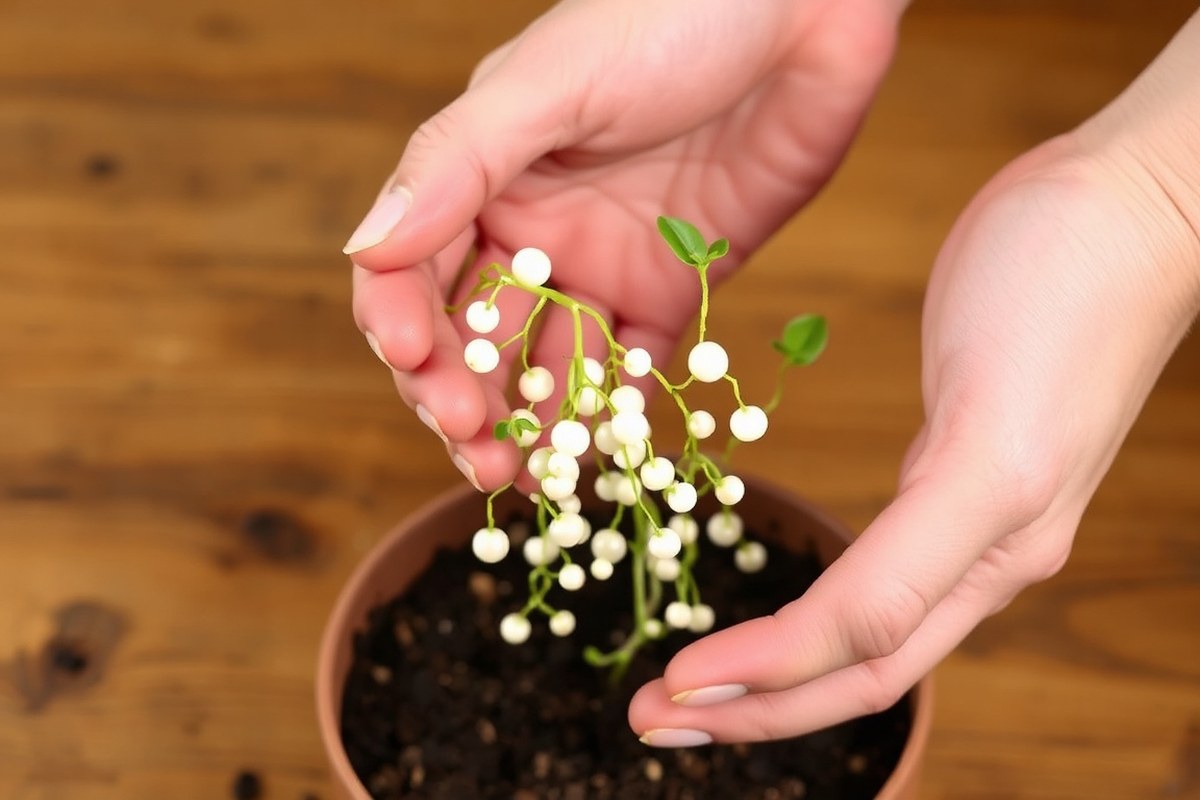
Propagating String of Pearls is simple and rewarding. You start by taking healthy stem cuttings about 4 to 6 inches long. Prepare the cuttings by removing leaves from the bottom.
Let them dry for a day. Then plant or root them in water.
Selecting Healthy Stems for Cuttings
Choose stems that look fresh and firm with no signs of damage. Cut stems that are 4 to 6 inches long. Each should have several leaf nodes.
Make sure the nodes are spaced well. These nodes are where roots will grow, so having multiple is helpful.
Use sharp, clean scissors to make a cutting just below a leaf node. Avoid stems that feel soft or have brown spots to improve propagation success.
Preparing Cuttings: Leaf Removal and Drying
Remove the leaves from the bottom inch or so of each cutting. This exposes the nodes and prevents leaves from rotting in the soil. Handle the cuttings gently so you don’t break any stems.
Lay the cuttings on a paper towel or clean surface for 1 to 2 days. Letting them dry forms a callus over the cut ends, which helps prevent rot once planted. Skip this step only if you plan to root the cuttings in water.
Planting and Rooting Setup
Use well-draining succulent soil for planting the cuttings. Insert each cutting 1 to 2 inches deep so the exposed nodes are below soil level. This encourages root growth.
You can also root cuttings in water by placing the cut end into a jar. Change water every couple of days to keep it fresh. Choose the method that fits your setup and patience level.
Initial Watering and Placement
Water the soil lightly right after planting to keep it moist but not soaked. Too much water can cause rot at this stage. In water propagation, just maintain fresh water levels.
Put the cuttings in bright, indirect light. Avoid direct sun, which can dry the plants out or cause leaf damage. Check moisture often and water only when the top 1 to 2 inches feel dry.
- Cut 4-6 inch stems from a healthy String of Pearls plant.
- Remove leaves from the bottom 1 inch of each cutting.
- Let cuttings dry on a clean surface for 1-2 days to form calluses.
- Fill pots with well-draining succulent soil or prepare a jar of clean water.
- Insert cuttings 1-2 inches deep in soil or place cut ends in water.
- Water soil lightly; change water every 2-3 days if rooting in water.
- Place cuttings in bright, indirect light away from direct sun.
When Is the Best Time to Propagate String of Pearls
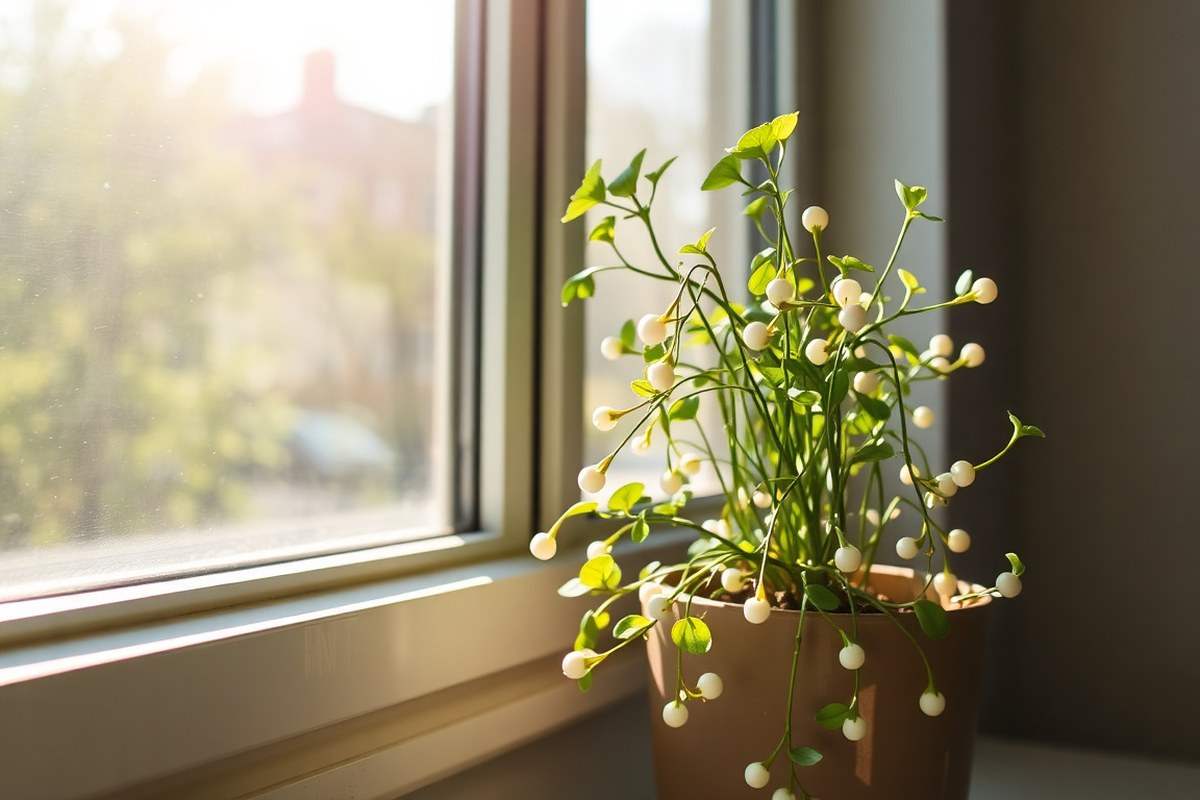
The best time to propagate String of Pearls is during spring and summer. The plant wakes up from dormancy and starts growing actively. This growth stage helps cuttings develop roots faster and healthier.
Try not to propagate in fall or winter because the plant goes semi-dormant. Cuttings taken then usually struggle to root. The cold reduces their ability to form new roots, slowing or stopping growth.
Warm temperatures between 70°F and 80°F help the cuttings thrive. Colder or hotter conditions can stress the plant and reduce your chances of success.
If you live in a mild climate, you might try propagating year-round. But spring and summer remain best.
Take cuttings when your String of Pearls shows new buds or fresh growth. This signal means the plant has energy to support new roots. Cut 3 to 4-inch stems with several pearls and place them in well-draining soil or water.
Keep the cuttings in bright, indirect light after taking them. Avoid harsh sunlight that can dry out the cuttings. A consistent warm temperature and steady moisture help roots form in 3 to 5 weeks.
Never propagate cuttings during freezing temperatures, or the roots will fail to develop.
Water vs Soil Propagation: Pros, Cons, and Timelines
Propagating String of Pearls in soil is generally faster and leads to stronger roots. Soil encourages natural root growth and helps your new plant settle in better. Water propagation shows roots clearly but often takes longer for roots to strengthen enough to plant.
Rooting in water lets you watch roots develop. However, those roots may be fragile and need careful handling when you transfer them to soil.
Soil propagation skips this step by starting the roots directly where the plant will grow. This minimizes transplant shock.
| Propagation Method | Rooting Speed | Care Needed | Risks | Best Use |
|---|---|---|---|---|
| Soil | 2 to 3 weeks | Keep soil moist but not wet; bright indirect light | Overwatering can cause rot | Long-term health and fastest root growth |
| Water | 3 to 4 weeks | Change water every few days; indirect light | Roots can rot or get weak; transplant shock risk | Watching root growth; slow starter |
Soil propagation uses a well-draining, sandy soil mix. This kind of potting mix mimics desert soil and avoids excess moisture. Let the cutting’s end dry for a day or two before placing it in soil.
Water the soil lightly and wait at least 15 minutes to let the soil absorb it. Keep the cutting in bright indirect light.
Water propagation needs clean water changes to prevent rot. Root development might look healthy but can lack strength.
After roots grow a few inches long, gently move the cutting to soil. This step requires very careful handling so roots don’t break.
Both ways work. But soil gives your new String of Pearls better roots for fast and healthy growth.
Water propagation suits gardeners who want to see roots form first. For most, starting in soil saves time and effort.
Caring for String of Pearls Cuttings During Rooting
Keep your String of Pearls cuttings in bright, indirect light. Water them just enough to keep the soil lightly damp. Maintain a consistent temperature around 55° to 60°F for the best root growth.
Watering Frequency and Moisture Tips
Water your cuttings after a few days in their new spot. The soil should stay damp but never soggy to avoid root rot. Overwatering leads to black, mushy roots and a bad smell.
Feel the soil with your finger. Check an inch below the soil, if it feels dry, water the cutting. When soil still feels moist, wait a few days before watering again.
- Water lightly every 3 to 4 days at first.
- Use well-draining soil to avoid standing water.
- Lift the pot to check weight; it gets lighter when dry.
- Make sure drainage holes let excess water escape.
- Avoid spraying leaves directly; focus on soil moisture.
Remember, String of Pearls cuttings hate sitting in wet soil. Drying out between watering helps roots grow stronger.
Light Exposure for Successful Rooting
Bright, indirect light helps your cuttings root faster. Place them near a window with filtered sunlight or behind sheer curtains. Too much direct sun can burn the delicate beads.
Low light slows root development and increases the chance of rot. A north or east-facing window is usually a safe spot. Rotate the pot every few days to keep growth even.
- Keep cuttings 2 to 3 feet from south-facing windows.
- Use grow lights if natural light is weak or inconsistent.
- Avoid fluorescent or incandescent bulbs close to the plant.
Consistent light helps roots grow stronger. It also prepares your plant for outdoor spots. Next, it gets ready for bright indoor areas.
Temperature and Humidity Considerations
String of Pearls cuttings root best between 55°F and 60°F. Too cold slows growth. Too hot can stress or dry them out. Keep temperatures steady without big swings.
Humidity should be low to moderate. Too much moisture in the air raises rot risk and invites pests. Use a fan nearby to improve airflow and reduce humidity.
- Avoid placing cuttings in drafty or stuffy rooms.
- Keep indoor thermostats stable, avoiding heaters or vents.
- When air feels very dry, mist your plant lightly once or twice a week.
- Good airflow helps prevent fungal infections and spider mites.
Pay attention to your home’s climate. Adjust water and airflow based on the season for healthy root development.
How Long Does String of Pearls Propagation Take?
String of Pearls cuttings usually start rooting within 10 to 14 days. Rooting happens faster in warm, bright places with indirect sunlight.
In soil, roots usually show up a bit faster than in water. This happens because cuttings stay stable and get steady moisture.
Root cuttings in water. You’ll see roots after about two weeks. You should see thin, white roots growing from the nodes.
After roots reach an inch or so long, you can plant the cuttings in soil. With soil, roots can sprout in 7 to 10 days. This is a bit faster than water.
New growth like tiny pearls or shoots appears in 3 to 4 weeks. This shows the rooting process is going well. Growth speed depends on factors like temperature, light, and humidity.
Cooler or darker conditions slow the process. Steady warmth around 70 to 75°F and bright light speed it up.
Plant health also affects timing. Use healthy cuttings with plump pearls for the best results.
Avoid overwatering during rooting; too much moisture causes rot. Let the soil dry lightly between watering to keep roots healthy during development.
Keep cuttings warm and bright but out of direct sun to avoid drying or burning them.
Common Propagation Mistakes and How to Fix Them
Rotting cuttings usually mean you’re giving them too much water. String of Pearls roots like to dry out between waterings, especially during propagation. Cuttings left soggy for days often fail to root and start to rot.
Light is another big factor. Your cuttings need bright, indirect light. The light needs to be bright enough.
Too little light stops rooting. Pearls may drop if they don’t get enough light. Keep cuttings near a sunny window.
Avoid direct afternoon sun on cuttings. The sun can be too strong for young plants.
Using unhealthy or too young cuttings also causes trouble. Choose healthy vines without signs of damage or disease. Cuttings taken in spring or summer root quicker.
They grow stronger than old strands. Very young strands root slower than spring or summer cuttings. Avoid single pearls, they rarely root well on their own.
- Don’t soak cuttings; let the ends dry for a day before planting.
- Place cuttings in well-draining soil or water but change water every few days.
- Keep temperatures between 65°F and 75°F for best results.
- Use bright, indirect light to encourage root growth without stressing the plant.
- Trim any rotted or soft parts immediately to stop spread.
- Don’t water again until the top inch of soil feels dry.
Pearls drop when they don’t get enough moisture or light. Dry air or sudden temperature changes stress the cuttings.
Keep the room stable and avoid drafts or cold windows during colder months. Protect your cuttings from frost; String of Pearls can’t tolerate temperatures below 30°F.
Check your watering if cuttings start rotting. Remove any rotting cuttings or fallen pearls. Poor watering can cause these problems.
Switch to a lighter watering schedule and try giving them more sunlight. Trim soft spots to save firm sections. Use new plant parts to restart the process.
This helps keep your propagation going. Small, healthy sections often bounce back faster than you expect.
Can You Root String of Pearls from Just One Pearl Bead?
Yes, you can root String of Pearls from a single pearl bead or leaf. The pearls store some water, helping them survive short dry spells. But a single pearl has fewer cells that can grow roots compared to a stem cutting.
Leaf cuttings from String of Pearls are tricky. Each bead is very small. They don’t have energy stored like stems do.
They need careful handling to avoid drying out or rotting. Place the pearl on slightly moist soil and keep it humid for a few weeks. Rooting can take longer and may fail more often than with stem cuttings.
Stems work better because they contain several nodes, the points where pearls and roots can grow. Cut a healthy 4- to 6-inch stem section just below a node. Remove the lower pearls to expose the nodes.
Let the cutting dry for 1 to 2 days to form a callus before planting it. This reduces rot and helps roots develop faster. Stem cuttings root within 2 to 4 weeks when kept slightly moist and in warm light.
Using stems also helps fix leggy or sparse plants by selecting strong, healthy growth. Single pearls often don’t have enough energy to sprout a new plant.
The stem’s nodes supply the hormones and nutrients needed for quick rooting. This is why stem propagation usually gives better, more reliable results and faster growth.
Leaf-only propagation costs less effort but requires patience and lots of tries. Stem cuttings take more initial care but save time and give a much higher success rate. Use stem cuttings to grow new plants quickly.
They also help expand healthy String of Pearls. To try something different, root single pearls. This method takes more time and grows slower.
After Rooting: How to Care for New String of Pearls Plants
After your String of Pearls cuttings have rooted, move them to a proper pot. Careful watering, bright indirect light, and regular pruning will help the new plants thrive. Protect them from harsh conditions during their first months for the best long-term health.
Timing to Repot Rooted Cuttings
Wait until the cuttings have strong roots before repotting them. You’ll know they’re ready when the roots resist gentle tugging or you see new stem growth. Moving them too soon can damage the fragile roots and slow growth.
Choose a small pot with drainage holes and use a well-draining mix. Standard potting soil holds too much moisture, which can rot roots. Mixing garden soil with coarse sand or perlite works well.
Use equal parts of both. This mix creates a good home for your succulents.
- Check roots by gently tugging on the cutting after about 3-4 weeks.
- Prepare a small pot with drainage holes and the right soil mix.
- Place the cutting in the soil, covering roots but not burying the leaves.
- Water lightly to settle the soil around the roots.
- Keep the pot in bright, indirect light.
- Avoid direct sun for at least a week after repotting.
- Monitor moisture levels, allowing soil to dry out between watering.
Handle the roots gently to avoid breakage when repotting your String of Pearls.
Watering and Light for Young Plants
Water new plants only after the soil dries out completely. Overwatering is the biggest risk and causes root rot.
Watering once every 10 to 14 days usually fits. But you might adjust based on your home’s humidity and temperature.
Place the plant in bright but indirect light. Direct sunlight can scorch the delicate pearls, especially on young plants. A spot near a north or east-facing window is usually ideal.
Keep temperatures around 60°F to 75°F, avoiding cold drafts and overheating. Cooler temperatures with less watering during winter can encourage better growth cycles.
Pruning and Shaping New Plants
Trim your String of Pearls regularly to promote fuller growth. Remove any damaged or dried stems promptly to keep the plant healthy. Start pruning once the plant has developed several inches of new growth.
Cutting back leggy stems encourages the plant to grow denser pearls along the vines. Use sharp, clean scissors to prevent disease. You can use the trimmed pieces to propagate new plants.
Remember, pruning during the growing season keeps the plant looking neat and encourages more pearls.
Step-by-Step Action Plan for Propagating String of Pearls
Follow these clear steps to start propagating your String of Pearls plant today. Each phase shows you what to do and what success looks like.
- Before you start: Choose healthy, plump pearls on a stem about 4 inches long. Look for firm, green beads without brown spots.
- Day 1: Cut the stem just below a node using clean scissors. Place the cutting in a glass of water or directly in moist soil.
- Week 1: If water propagating, change water every two to three days. In soil, keep it barely moist and avoid overwatering.
- Week 2: Check for roots about 1/2-inch long. You’ll see tiny white or clear roots forming on water cuttings or soil surface.
- Week 3-4: Transfer water-rooted cuttings into well-draining succulent soil. Gradually increase sunlight to bright but indirect light.
- After 4 weeks: Water new plants lightly once roots settle. Leaves should start looking fuller and healthy, signaling good growth.
- After 6 weeks: Observe new pearl growth along the strings. This means your propagation worked and the plant is thriving.
Frequently Asked Questions
Why Do String of Pearls Pearls Sometimes Fall Off During Propagation?
Pearls can drop if the temperature is too cold for the plant. Keep your cuttings in a warm spot above 50°F to avoid pearl loss.
Does Trimming Help String of Pearls Grow Faster Before Propagation?
Trimming encourages healthy growth which can improve rooting success. Trim damaged stems before taking your cuttings to boost propagation chances.
Can I Propagate String of Pearls Indoors Without Natural Sunlight?
Yes, but they need bright, indirect light to root well. Use a grow light if natural light is weak to help cuttings grow roots.
How Many Pearl Beads Should Be on a Cutting for Best Rooting?
Cuttings with at least 4-6 beads root more easily and quickly. This helps the plant store energy while developing roots.
Is It Necessary to Remove Pearls from the Lower Stem Before Propagating?
It’s helpful to remove pearls near the base to prevent rot. Clear space on stems before planting to keep cuttings healthy in soil or water.
Can String of Pearls Cuttings Last Long Without Water Before Rooting?
Cuttings can survive a day or two without water but not much longer. Plant them quickly, so they stay hydrated and start rooting well.
The Bottom Line
Propagating String of Pearls is simple with the right steps and timing. Start with fresh cuttings and give them the care they need. Check your progress often and enjoy watching your new plants grow.