What Does Peat Moss Do for Soil? Complete Benefits and Usage Guide
What does peat moss do for soil? It improves soil structure, holds moisture, and provides organic material that plants love.
You can use it to loosen heavy clay or help sandy soil hold water better. Peat moss also helps soil breathe by increasing air space for roots.
Mix peat moss into your soil at about 25-30% by volume for best results. Start by turning the soil to about 12 inches deep to let the moss work well. Spread a 2-3 inch layer evenly over the soil.
Mix it well with a fork or tiller. This helps blend it thoroughly into the soil.
Peat moss changes how soil holds water and nutrients, which supports plant growth. It also keeps the soil acidic, which helps acid-loving plants thrive if you add it carefully. However, peat moss forms very slowly, so use it wisely and sparingly.
Key Takeaways
- Mix peat moss into the top 12 inches of soil for better plant roots.
- Use 25-30% peat moss by volume for the best soil improvement.
- Spread a 2-3 inch layer of peat moss before mixing it in.
- Peat moss helps hold water in sandy soil and loosens clay soil.
- Add 1-2 inches of peat moss when planting acid-loving plants.
- Peat moss makes soil more acidic, improving conditions for specific plants.
How Peat Moss Improves Soil Properties
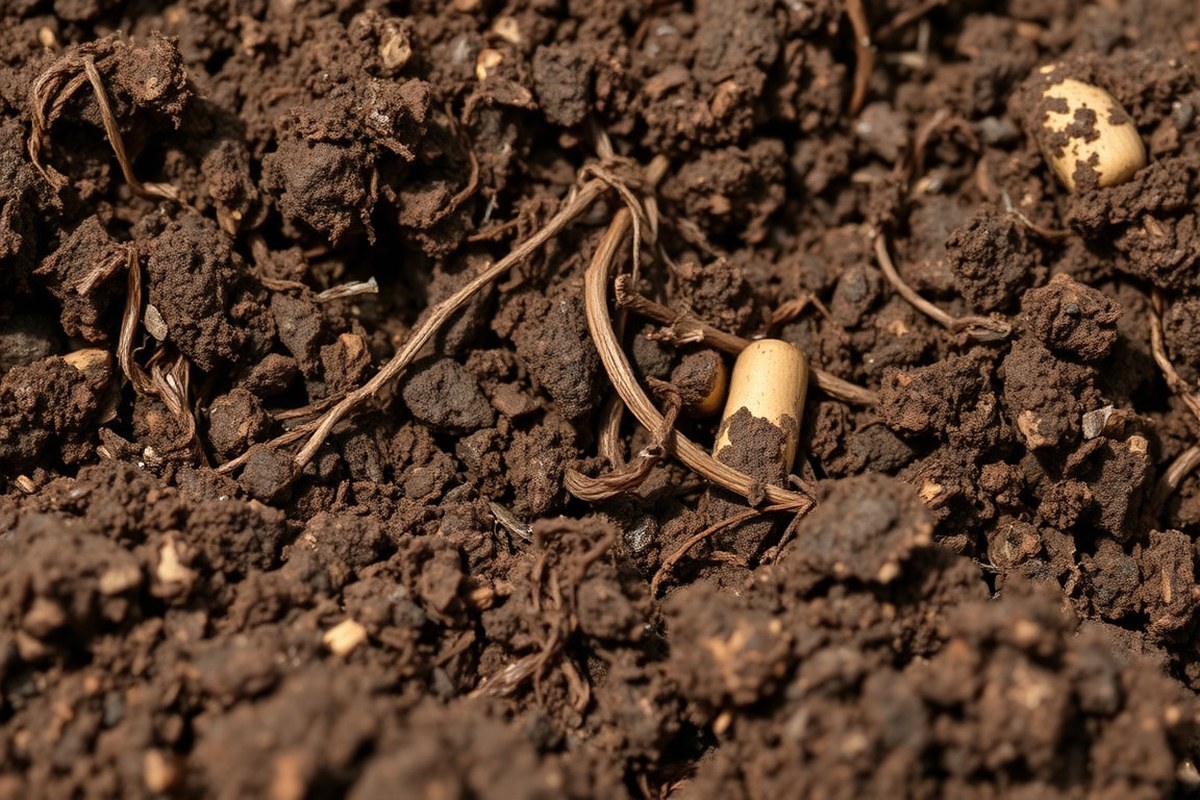
Peat moss changes soil by improving its structure and texture. Mixing one to two inches into soil makes it less compact and adds spaces. These spaces help roots grow better and keep soil loose.
It holds water well, which helps sandy or dry soils stay moist longer. Peat moss absorbs and releases water slowly so soil does not become water-logged. Adding it means your plants get steady moisture without drowning their roots.
Peat moss also improves soil aeration by increasing air pockets. Air spaces around roots let plants breathe and keep beneficial microbes alive. This works well in heavy or clay soils that usually get tight and hard.
Peat moss is naturally acidic, so it lowers soil pH. This helps if your garden soil is too alkaline for acid-loving plants like blueberries.
It does not add many nutrients. So you’ll still need fertilizer or compost for feeding plants.
Though peat moss adds organic matter, it breaks down slowly and provides little nutrients. Use it mainly to change how the soil feels and handles water. Adding compost alongside peat moss gives nutrients and feeds soil microbes better.
Proper Methods to Add Peat Moss to Garden Soil

Start by spreading about 2 to 3 inches of peat moss over your garden soil. Spread peat moss evenly over the soil surface.
Mix it in the top 8 to 12 inches using a fork or tiller. This helps improve moisture retention, aeration, and soil structure effectively.
Calculating Peat Moss Quantity
Peat moss should make up about 25% to 50% of your soil mix. A good target ratio is 2 parts soil to 1 part peat moss.
Lay a 2 to 3 inch layer of peat moss across your garden bed. Then mix it into the soil.
Measure the surface area of your garden bed. Decide how deep you want to add peat moss.
Use these to calculate how much peat moss you need. For a 100 square foot bed with a 3-inch layer, you need about 0.75 cubic yards of peat moss.
Incorporating Peat Moss by Soil Type
Mix peat moss into heavy clay soil to a depth of 12 inches. This helps to break up compacted soil.
Add about 25% peat moss to sandy soil. This keeps water in without making soil soggy.
Spread 2 inches of peat moss over the top 6 inches of soil in new planting areas. For established beds, blend the peat moss deeper, reaching 8 to 12 inches. This helps renew the soil effectively.
Preparation Tools and Techniques
Use a garden fork or rototiller to break up soil before adding peat moss. Spread peat moss evenly over the soil’s surface. Then mix it thoroughly to avoid clumps and ensure uniform soil texture.
A sturdy shovel or spade helps turn the soil when working with smaller beds. Rake the top layer smooth after mixing to prepare for planting.
When to Add Peat Moss for New vs Existing Beds
Clear weeds and till soil before adding peat moss. Add the peat moss just before planting new beds. Wait until the soil is dry enough to work, usually in early spring or fall.
For established beds, incorporate peat moss during fall renovation or spring preparation. Avoid adding it when plants are actively flowering or fruiting to prevent disturbance.
- Measure your garden bed’s area and decide peat moss depth (2, 3 inches recommended).
- Use a fork or tiller to loosen soil. Turn the soil to a depth between 8 and 12 inches.
- Spread peat moss evenly across the bed to create a uniform layer.
- Mix peat moss thoroughly into loosened soil until well blended.
- Rake the surface smooth and remove debris or clumps.
- Water the bed lightly to settle the mixture before planting.
Avoid mixing peat moss into very wet soil. It can become compacted and lose aeration benefits.
Peat Moss and Soil pH: Adjusting Acidity for Better Growth
Peat moss typically has a pH around 4.4, making it quite acidic. Adding it to garden soil lowers the overall pH, creating a more acidic environment. This change suits acid-loving plants like blueberries, rhododendrons, azaleas, and tomatoes best.
To check if peat moss impacts your soil’s acidity, start by testing your soil’s pH. Use a soil test kit from a garden center.
Or, send a soil sample to your local extension service for analysis. Measure pH before and about a month after adding peat moss to see any changes clearly.
Apply peat moss by spreading a 2- to 3-inch layer over your planting area. Mix 1 to 2 inches of peat moss into soil near roots.
Do this when planting acid-loving plants to help them thrive. This helps those plants adapt and thrive with the right acidity levels right where they grow.
Use peat moss carefully to avoid making soil too acidic. Too much peat moss can harm neutral or alkaline soil plants.
Vegetables and many perennials prefer less acidic soil, so use less peat moss. Monitor soil pH regularly, especially if you use peat moss repeatedly.
Adding peat moss gradually changes soil pH as it breaks down over time. Add about 25 to 30 percent peat moss by volume into soil.
This amount gives the best acidifying effect for your garden. This level supports the right balance for many acid-tolerant plants without over-acidifying your garden bed.
When and Why to Use Peat Moss for Different Plants
Peat moss works best for plants that like acidic soil. Blueberries, azaleas, rhododendrons, and camellias thrive with peat moss added. It lowers the soil pH just enough to help these plants absorb nutrients better.
Starting seedlings also benefits from peat moss. Its fine texture holds moisture well without becoming soggy. You can mix peat moss with perlite in seed-starting mixes.
It helps young plants get the right air and water. Vermiculite also works well for this purpose.
Succulents and cacti prefer dry, well-drained soil. Peat moss holds too much water, which can cause root rot.
For these plants, avoid using peat moss alone. Instead, opt for sandy or gritty soil mixes without peat.
Some plants do not like peat moss because of its acidity. Use peat moss sparingly for plants that like neutral or alkaline soil.
Add agricultural lime to balance soil pH when using peat moss. This helps keep moisture retention without making soil too acidic.
- Acid-loving plants: Use peat moss as a major soil amendment.
- Seedlings: Mix peat moss with perlite or vermiculite for starting seeds.
- Succulents/cacti: Avoid peat moss or use very little in soil mixes.
- Alkaline-preferring plants: Use peat moss carefully, balancing with lime if needed.
- Mix peat moss into the top several inches of soil for best results.
- Use thin layers of peat moss to cover grass seed to keep it moist.
Adjust how much peat moss to add based on your plants’ needs. For acid-loving plants, it can be up to 30% of your soil mix. For seedlings, use a balanced mix with about 40% peat moss.
Avoid using bulk peat moss in heavy clay or sandy soils without mixing. This keeps soil loose and holds water better without overwhelming the roots. Watch your plants closely and reduce peat moss if you see yellowing or poor growth.
Environmental Impact and Sustainability Concerns of Peat Moss
Peat moss originates in peat bogs that dry out before harvesting. Machines then suction 2 to 3 inches of peat moss from the surface. It can take about 500 years for nature to create just 10 inches of peat moss, highlighting its slow growth.
Because peat moss forms so slowly, harvesting it raises serious environmental concerns. Digging it up releases stored carbon, which adds to greenhouse gases. This can hurt fragile ecosystems that depend on the bogs.
Some countries have banned or restricted peat moss harvesting. These rules aim to protect peat bogs and encourage the use of sustainable soil options.
Check your local rules before buying or using peat moss. This is important for big gardens or projects.
Alternatives to peat moss include materials like sand, which also help improve clay soils. Sand helps loosen soil, improves drainage, and holds moisture somewhat like peat moss does. It doesn’t acidify soil but works well with acidic fertilizers if you want to adjust pH.
Using peat moss sustainably means buying from suppliers that harvest responsibly. Look for certifications or labels that show restoration or low-impact methods.
Use peat moss in small amounts. Mix it with other soil ingredients to cut environmental harm.
Use only small amounts of peat moss. Mix it with other stuff to protect bogs and the environment.
Comparing Peat Moss with Top Organic Alternatives
Peat moss stands out for its water retention and soil texture benefits compared to alternatives. Coconut coir, compost, and sphagnum moss all help improve soil health. They differ mainly in cost and how sustainable they are.
Each has unique benefits for your garden soil. Knowing these differences helps you pick the right amendment for your garden needs.
Peat Moss vs Coconut Coir
Peat moss can soak up water equal to 20 times its weight. It keeps soil moist very well, better than coconut coir. Coir comes from coconut husks, making it a more eco-friendly choice than peat moss.
Coconut coir tends to be lighter in acidity and has a neutral pH. Peat moss is acidic, which sometimes requires pH adjustment.
Both are good for improving soil structure. But peat moss forms a denser, spongier texture.
Compost as a Peat Alternative
Compost adds nutrients and improves fertility much more than peat moss. It doesn’t hold water as long, but it boosts soil life and organic matter. Compost breaks down faster, so you may need to reapply it each season.
Peat moss mainly improves water retention and texture. Compost is better for adding a wide range of nutrients. Using both together benefits your soil more than choosing either one alone.
Differences with Sphagnum Moss
Sphagnum moss and peat moss come from similar plants but differ in use. Sphagnum moss is the live, fresh version and holds water well. It’s often used as a mulch or liner for pots.
Peat moss is older, partially decomposed sphagnum moss harvested from bogs. It excels in retaining water and amending soil texture. Use sphagnum for moisture and erosion control, peat moss to improve soil structure.
Cost and Availability Comparison
Cost affects what you pick for your garden, especially for larger areas. Peat moss costs about $4.33 per cubic foot, making it the priciest option here. Compost and pine bark cost less than half that, around $1.74 to $1.79.
Peat moss’s higher price comes from shipping and limited sources. Compost and bark chips are often available locally and cheaper. Coconut coir usually costs between peat moss and compost but varies by region.
| Material | Cost per cubic foot | Water Retention | Sustainability | Primary Use |
|---|---|---|---|---|
| Peat moss | $4.33 | Very high (holds 20x its weight) | Low (non-renewable, bog harvesting) | Soil texture, water retention |
| Compost | $1.79 | Moderate | High (recycled organic matter) | Nutrients, soil fertility |
| Pine bark (composted) | $1.74 | Moderate | High (waste wood product) | Aeration, drainage |
| Coconut coir | Varies (usually $2-$3) | High (slightly less than peat) | High (renewable byproduct) | Soil amendment, potting mix |
| Sphagnum moss | Varies | High | Moderate (harvested carefully) | Mulch, pot liners |
This table shows the key tradeoffs in price, water retention, and use. Peat moss costs more but holds water best. Coconut coir is a sustainable choice with good retention.
Compost offers nutrients and low cost. Choose based on what your soil and budget need most.
How Long Peat Moss Lasts in Soil and When to Reapply
Peat moss breaks down very slowly compared to other organic materials. Its fibers have been underwater for centuries, making them tough to decompose. Peat moss can last up to ten years in your garden soil.
This depends on the conditions around it. Different climates and soil types affect its breakdown.
You should plan to reapply peat moss at least once a year. This keeps the soil structure healthy and ensures your plants get consistent benefits. Over time, peat moss loses its ability to hold water and improve aeration as it decomposes.
Climate plays a big role in how long peat moss lasts. In warm, moist areas, decomposition speeds up because microbes are more active. Cooler or drier climates slow the breakdown, so peat moss can last longer there.
- Soil feels compacted or hard instead of fluffy
- Plant roots show signs of poor drainage or lack of oxygen
- Water seeps through soil quickly without soaking in
- Surface peat moss layer looks thin or disappears
- Plants seem stressed from dryness or nutrient issues
When peat moss breaks down, it changes soil’s texture and water retention. At first, it improves soil aeration and keeps moisture near roots. As it fades, the soil may start to compact and lose those benefits.
To maintain soil health, remove old, thin peat moss layers before adding fresh moss. Spread about 1 to 2 inches over your garden beds each spring for best results. You’ll notice your soil stays lighter and plants grow more evenly this way.
Common Mistakes Using Peat Moss and How to Avoid Them
You can harm your soil if you use too much peat moss or mix it badly. These mistakes lead to dense soil or nutrient problems. Store and handle peat moss right to keep it fresh and easy to use.
Over-Application Risks
Adding too much peat moss can make your soil too acidic. This changes how plants take up nutrients and may hurt their growth. Overdoing it also creates overly water-retentive soil, which suffocates roots or causes rot.
Peat moss is best used as about 10% to 20% of the soil volume. That usually means spreading no more than 2 to 3 inches thick before mixing it in. This balance keeps your soil loose but not soggy or acidic.
Thick peat moss layers may cause your garden soil to compact later. This reduces air pockets and stops water from draining well, hurting root health.
Improper Mixing Problems
Peat moss isn’t magic unless it mixes well with your soil. Just laying it on top won’t fix hard clay or sandy dirt. Mixing breaks up clumps.
It spreads moss evenly. This helps plants get air and moisture.
Poor mixing also risks nutrient lockout. That happens when roots can’t reach fertilizers. Peat moss changes soil chemistry.
It can form dense patches. Stir peat moss and soil to at least 6 to 8 inches deep.
This mixing loosens clay soils. It stops moss from making a thick, mat-like layer. This promotes better water flow and root growth throughout.
Storage and Handling Tips
Peat moss is dry and light but absorbs air moisture easily. Store it somewhere dry, cool, and dark to stop mold or decay. Avoid leaving bags open or in direct sunlight for weeks.
When you handle peat moss, break up compressed bricks or blocks carefully. Wet the moss lightly to make it easier to spread and mix without airborne dust. Wearing a mask helps if you’re sensitive.
Keep peat moss sealed and off the ground to avoid contamination and moisture damage.
Good storage extends peat moss usability for up to a year. Old, soggy moss breaks down fast and won’t improve soil structure well.
Fixes for Common Issues
Your soil may get compacted or waterlogged after peat moss. Use a garden fork or tiller to loosen it.
Mix in some coarse sand or compost to restore balance. Avoid adding more peat moss until the soil tests neutral in pH.
Check soil pH with a test kit every 6 months. Too much acidity can hurt plants. Adding lime can fix this problem.
Use fertilizer lightly. Peat moss holds nutrients longer. But overusing can lock out nutrients.
- Apply peat moss thinly, no more than 3 inches before mixing
- Mix peat moss at least 6 inches deep into soil
- Store in airtight bags away from moisture
- Limit use on already acidic soils
- Soil test pH regularly to adjust treatments
- Use protective gear when handling dry peat moss
Following these steps reduces risks and keeps your soil healthy. Peat moss works well when used right. Don’t use too much in one spot.
Step-by-Step Action Plan for Using Peat Moss in Your Garden
Follow these steps to add peat moss correctly and improve your soil for healthier plants.
- Before planting: Test your soil’s pH with a simple kit. Add peat moss if soil is alkaline or drains poorly.
- Day 1: Spread 1 to 2 inches of peat moss over soil. Cover the entire surface in your garden beds. This boosts soil quality for new plants. Use a rake to mix it into the top 6 inches of soil.
- Week 2: Water the soil deeply to help peat moss soak moisture. This starts the process to improve soil texture. Keep soil moist but not soaked.
- Month 1: Check plant growth and soil moisture. Peat moss should help retain water and encourage stronger roots.
- Monthly after planting: Add a thin layer of peat moss around your plants. Do this if the soil feels dry or too hard. Lightly sprinkle, don’t pile it up.
- Every 1-2 years: Add peat moss again to keep soil soft and acidic. This is key for acid-loving plants like blueberries and azaleas. Reapply only when needed.
Frequently Asked Questions
How Much Peat Moss Should I Mix into Garden Soil?
Mix peat moss with your soil at about 25-50%, depending on soil needs. This helps improve texture and moisture retention without overpowering soil nutrients.
Can Peat Moss Be Used in Container Gardening?
Yes, you can use peat moss in container soil blends to improve water retention. Mix it with potting soil or other media for better root support.
Is Peat Moss Good for Seed Starting?
Peat moss is excellent for seed starting because it holds moisture well. Use it as part of a seed mix or on its own for gentle germination.
Can Peat Moss Help with Soil Compaction?
Peat moss loosens heavy, compacted soil by increasing aeration and drainage. Work it deeply into the soil to break up dense layers.
Does Peat Moss Provide Nutrients to Plants?
Peat moss adds little to no nutrients but improves soil water and air balance. You’ll still need to fertilize your garden for healthy growth.
How Does Peat Moss Affect Soil Drainage?
Peat moss retains moisture but also improves drainage in clay soils. It helps water pass through slowly, avoiding waterlogged roots.
Key Points to Remember
Peat moss helps soil hold water, improves texture, and adjusts acidity for better growth. Start by testing your soil and mixing in peat moss as needed. Watch your plants respond better to the improved soil conditions over time.