

How Often Do U Water Tomato Plants? A Complete Guide That Works
Water tomato plants every 2 to 3 days to keep soil moist but not soggy. This helps tomatoes grow well and prevents overwatering or underwatering. Starting with this schedule is a good baseline for healthy plants.
Young tomato plants need daily watering to help roots settle in. Aim to give about 1 to 1.5 inches of water weekly. Make sure water reaches at least 6 inches deep into the soil.
As tomatoes grow, water less often but soak deeper. Watering every 2 to 3 days works well for most plants in normal weather. This deep watering promotes strong roots and steady growth.
Change your watering depending on the weather, more in hot, dry times and less during cool, rainy days. Always water the soil around the base, not the leaves, to avoid disease. Adding mulch can keep soil moisture steady and cut down on watering frequency.
Key Takeaways
- Water tomato plants every 2 to 3 days to keep soil evenly moist.
- Apply about 1.5 to 2 inches of water weekly for plants in the ground.
- Start seedlings with daily watering, providing 1 to 1.5 inches weekly.
- Water deeply so moisture reaches 6 to 8 inches into the soil.
- Reduce watering frequency slightly once plants are 4 to 6 weeks old.
- Adjust watering more often during hot, dry weather or for container plants.
How Often Should You Water Tomato Plants?
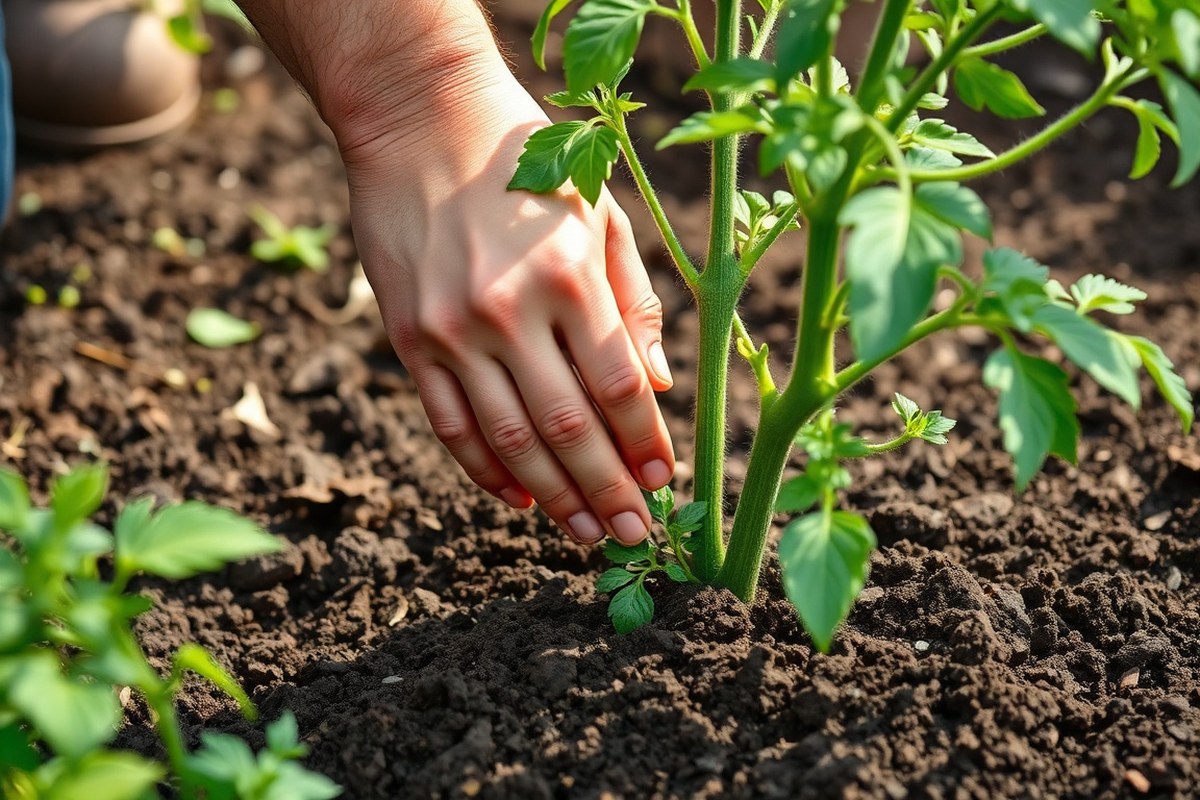
Tomato plants generally need watering every 2 to 3 days. This keeps the soil moist without drowning the roots. For plants grown directly in soil, aim for about 2 inches (5 cm) of water each week.
This amount helps keep soil moist without overwatering. You can check moisture by pressing your finger into the soil.
The water demands rise once tomato plants start fruiting. They use more water as the fruit grows.
So you might have to water more often or give deeper soaking. A young seedling won’t need as much water or frequency compared to a mature, fruit-bearing plant.
Plants in pots dry out much faster than those in the ground. You may need to water pots daily in hot weather or when fruits appear. For example, a tomato in a 20-liter pot may need about one gallon of water daily.
Container plants usually dry out faster and need more frequent watering. Adjust watering based on weather and pot size.
Check the soil before watering by feeling it a couple of inches down. Dry soil means tomato plants require watering soon. Check soil often to see if it feels dry.
Water when the top inch of soil is dry. This quick soil check helps you avoid both overwatering and underwatering.
Water the soil near the plant’s base, avoiding wetting leaves. Using a slow drip or gentle stream helps water reach roots better. This method lowers the risk of leaf diseases caused by excess moisture.
Plants in shade or soil that stays wet need water less often. Watch soil moisture before watering again to prevent overwatering. Adjust watering based on plant location and weather conditions.
Hot, dry, or windy conditions mean watering more often. Adjust based on temperature, rainfall, and plant size to keep your tomatoes healthy.
How Much Water Do Tomato Plants Need Weekly?
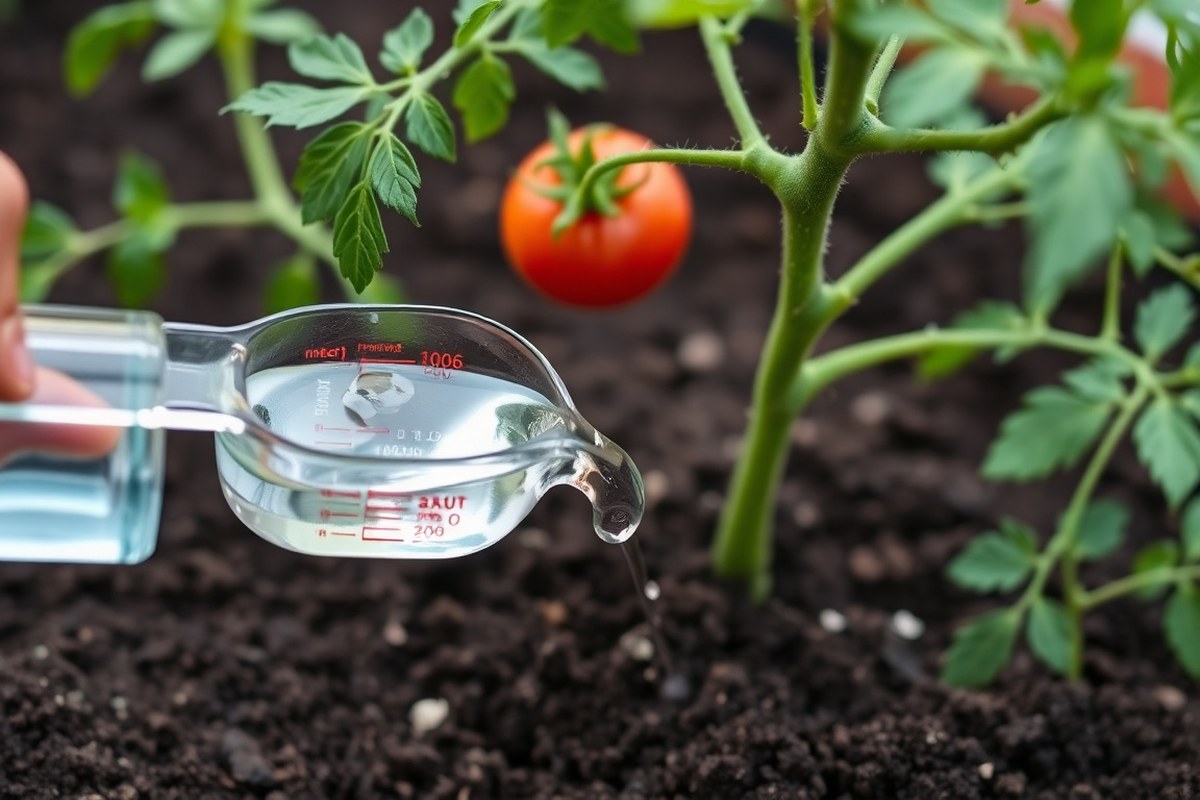
Tomato plants usually need about 1 to 1.5 inches of water each week. This applies whether they grow in the ground or in containers. But container plants often need water more often.
Their soil dries out faster, especially during hot or dry days. So check it every day.
The goal is to moisten the soil at least 6 to 8 inches deep. That depth lets water reach the main roots, encouraging them to grow down and become strong.
Watering lightly or too often keeps roots near the surface. This makes tomato plants more likely to dry out from heat.
For seedlings or new tomato plants, keep soil moist. Avoid soggy soil by watering slowly and about 1 inch per week.5 inches weekly.
Mature, established plants benefit from deeper watering once or twice a week. For example, if you water deeply twice a week, apply 0.5 to 0.75 inches each time so water soaks well into the root zone.
Check soil depth by pushing a screwdriver or small trowel. Do this right after you water your tomato plants.
If the tool slides in easily to 6 inches, watering is deep enough. If the soil feels dry below 4 inches, water more next time or water longer.
Watering deeply but less often helps roots grow stronger and saves water.
In-ground plants usually require less frequent watering than containers because soil holds moisture better. Clay soils hold water longer.
So water less often than sandy soils, which dry out quickly. Mulch also helps keep moisture steady, cutting down your weekly watering needs by reducing evaporation.
For a basic weekly watering checklist, start with 1 to 1.5 inches over seven days. Then, adjust for weather, soil, and plant size. Seedlings need nearly daily moisture.
Big plants can handle 1, 2 deep waterings weekly. Containers usually need water more often, sometimes every day in hot weather.
Adjusting Watering Based on Weather, Soil, and Season
Hot weather and high temperatures cause tomato plants to use more water through their leaves. You will need to water more often during bright, dry spells to keep soil moist. Try to water so the soil stays damp about 6 to 8 inches deep.
Avoid making the soil soggy. Keep the soil moist at that depth for healthy roots.
When it’s very hot or drought conditions hit, check soil moisture daily. Water your tomatoes early in the morning when the top 1 to 2 inches feel dry. Avoid watering in the evening to prevent fungal diseases that develop in damp, cool conditions.
Soil type also changes how often you water. Sandy soils drain water fast and need more frequent watering.
Clay soils hold moisture longer, so water less but deeper. Add mulch to slow evaporation and help keep soil evenly moist.
Adjust your watering if rain has soaked the soil already. Skip watering if the soil still feels damp from before.
Steady, even soil moisture is key for healthy tomato growth and fruit development. Watching the soil instead of only a schedule helps your plants thrive.
Watering Techniques for Tomato Plants in Different Growing Conditions
Tomato plants need different watering care based on where you grow them. Containers dry out fast and need daily watering. Raised beds and in-ground plants do better with deeper, less frequent watering.
Watering Tomatoes in Pots
Tomatoes in pots need water more often because soil dries quickly. Watering once or twice a day keeps the soil moist and prevents stress. Small pots especially need checking every morning, since heat speeds evaporation.
Use a watering can or drip system to soak the entire root ball. Avoid just wetting the surface; water must reach at least 6 inches deep. Frequent shallow watering causes weak roots and makes plants less productive.
Watering Tomatoes in Raised Beds
Raised beds warm faster and drain well. So water usually needs applying more often than in the ground.
Established plants do best with deep watering three to four times a week. Each session should last 20 to 30 minutes for best results.
Water slowly and evenly to let moisture soak 6 to 8 inches deep. This helps roots grow stronger and plants stay healthy during dry spells. Check soil moisture regularly by feeling 2 to 3 inches below the surface.
Watering In-Ground Tomato Plants
Tomatoes planted in soil often require watering less often than those in containers or raised beds. Most garden soils do well with 1 to 1.5 inches of water each week. Apply this amount over two or three waterings to keep roots damp but avoid oversaturation.
Deep watering helps roots reach farther into the soil. Let the soil dry slightly between watering to avoid root problems. Use a rain gauge or soil probe to track how much water your garden receives.
Follow these steps to water your tomato plants properly, no matter where they grow:
- Check soil moisture 2 to 3 inches deep before watering.
- Water the base of plants slowly, avoiding leaves and stems.
- Give 5 cm (about 2 inches) of water spread over sessions weekly.
- Adjust watering times and frequency based on container size and weather.
- Water new transplants daily until established, then reduce frequency.
- Use mulch to keep soil moist and reduce watering needs.
- Water in the morning to reduce evaporation losses and fungal risks.
Signs of Overwatering and Underwatering Tomato Plants
Wilting leaves and dry soil are common signs of underwatering tomato plants. You might also see stunted growth or fruit that fails to develop fully. These symptoms happen because the roots can’t gather enough moisture to support healthy growth.
Overwatering causes different problems. Look for yellowing leaves, especially at the bottom.
The soil might feel soggy or stay wet for more than two days after watering. Overwatered plants can develop root rot and could have a musty smell from the soil.
Tomato plants can recover from overwatering with care. Start by letting the soil dry out before you water again.
Make sure you water deeply but less often to encourage strong roots. Using soaker hoses can target the roots while keeping leaves dry, cutting down fungal risks.
- Check soil moisture by sticking your finger 1-2 inches deep.
- When soil feels dry, water your plant slowly and deeply.
- When soil is wet or soggy, wait 2-3 days before watering again.
- Remove any yellow leaves to reduce disease risk and improve airflow.
- Space watering sessions 3-5 days apart, adjusting for hot weather.
- Use mulch to keep moisture steady and reduce watering frequency.
- Improve the soil if drainage is poor or mix in sand for better flow.
A common mistake is watering daily with small amounts. This causes shallow roots that dry out fast and weak plants. Water thoroughly less often to develop strong roots that handle dry spells better.
Water mornings only to let foliage dry, preventing fungal diseases.
How to Water Tomato Plants Correctly for Best Growth
Water tomato plants early in the morning, aiming to soak the soil deeply at the base. Avoid wetting leaves to cut down on fungal diseases. Water slowly so the moisture reaches the roots about 3 to 4 inches deep.
Watering Deeply and Slowly
Watering deeply helps tomato roots grow strong and reach moisture further down. Pour water slowly until the soil feels wet 3 to 4 inches below the surface.
Quick, shallow watering won’t reach deep roots and can lead to weak plants. Deep watering also means you don’t need to water as often.
Watering at the Base of Plants
Pour water right around the stem’s base so roots get moisture directly. This keeps leaves dry and healthy.
Start watering with a slow trickle or a watering can with a narrow spout. This way, water won’t spray onto nearby leaves or soil areas.
You can water by hand or use drip irrigation that targets plant bases. Both options help avoid wasting water and keep plants healthy.
Avoiding Leaf Wetness to Prevent Disease
Wet leaves create perfect spots for fungi that cause blight and leaf spots. Watering in the early morning leaves time for leaves to dry during the day.
Always avoid overhead sprinklers or misting. This practice keeps leaves dry and lowers disease risks significantly. Mulching around plants also helps by holding moisture in soil and preventing water splash onto leaves.
Follow these steps to water your tomato plants correctly:
- Check soil moisture by digging 3 to 4 inches down; water if dry.
- Choose early morning for watering to let leaves dry.
- Use a slow, steady stream of water at the base of each plant.
- Keep water off leaves by aiming directly at the stem’s base.
- Water deeply so the soil feels moist several inches below.
- Stop watering once the soil reaches the right depth; don’t soak more than needed.
- Apply mulch around plants to reduce evaporation and splash.
Using Mulch and Irrigation Tools to Reduce Watering Frequency
Mulch and irrigation tools are great for lowering how often you water tomato plants. Mulch keeps soil moist longer and cools roots. Drip irrigation and soaker hoses give water right at the base, cutting waste and effort.
Benefits of Mulch for Water Retention
Mulch holds soil moisture by slowing evaporation. It also keeps soil temperature steady, which tomatoes like. A 2-3 inch layer of organic mulch, like straw or shredded leaves, works well for tomatoes.
Spread mulch around the plants but leave a few inches near the stem clear. This prevents rot or pests. Mulching helps reduce watering needs by about 30-50%, depending on conditions.
Types of Irrigation for Tomatoes
Drip irrigation and soaker hoses offer slow, steady watering at soil level. They avoid wetting leaves, which can cause disease. These systems give water directly where roots need it most.
You can buy a ready-made drip system. Or set up a DIY soaker hose along your rows. Both work well for watering tomato plants.
For a few plants, hand watering still works fine. Having many plants?
These tools save time and water for you. They make watering easier and more efficient.
| Irrigation Method | Water Delivery | Best Use | Typical Run Time |
|---|---|---|---|
| Drip Irrigation | Slow, steady at soil level | All tomato gardens, especially large | 30-60 min per session |
| Soaker Hose | Slow soaking at root zone | Medium to large gardens | 30-60 min per session |
| Hand Watering | Any, variable | Few plants, small gardens | Depends on soil dryness |
Using drip or soaker hoses means water reaches roots directly. This method lowers water loss and promotes healthier plants.
Scheduling Irrigation Frequency
Run drip or soaker hoses 2-3 times each week for best tomato growth. Each session should last about 30 to 60 minutes. This keeps soil evenly moist without overwatering.
Adjust the schedule based on weather, soil type, and plant stage. Mulch helps hold moisture, letting you stretch time between waterings. Cooler weather or heavy mulch may mean watering less often.
Adjusting Watering After Fruit Set and Near Harvest
As tomatoes begin to ripen, you should reduce how much you water them. Lower watering helps improve fruit flavor and prevents problems like cracking. Cracking happens when tomato skin swells unevenly from inconsistent water supply.
Keep watering steady but cut the amount back by about half after fruit sets. For example, if you were giving one inch of water weekly, drop to half an inch.
This avoids waterlogging while letting roots look deeper for moisture. Avoid heavy watering spikes after dry spells because sudden large amounts can cause fruit to split.
Stop watering 5 to 7 days before harvest in well-drained soil. This helps prepare tomatoes for picking. It prevents excess moisture near harvest time.
This helps concentrate sugars and improve taste. In containers or clay soil, be extra cautious because drying out too long stresses the plants.
Check soil moisture by sticking a finger an inch below surface. It should feel just moist, not wet or dry.
Watch for signs of fruit cracking as your tomatoes ripen. When you see cracks, water less but more often. Avoid soaking the soil all at once.
Mulch around your plants to keep soil moisture stable and reduce the chance of cracking. Mulching also cuts back how much watering you need overall.
In hot, dry weather, water tomatoes daily in small amounts. This keeps soil moisture even and steady. Cooler or rainy days require watering less.
Use drip irrigation or soaker hoses for steady soil moisture. These methods keep leaves dry and lower disease risk.
Water tomatoes early in the morning for best results. This gives roots time to soak up moisture before heat.
Step-by-Step Action Plan for Watering Tomato Plants
Follow these steps to water your tomato plants correctly and keep them healthy. Watch your plants closely for signs they need adjustment.
- Before planting: Prepare soil with organic matter to hold moisture. This helps reduce how often you need to water.
- Week 1: Water seedlings daily with about 1 inch of water total. Check soil stays moist but not soggy to promote growth.
- Weeks 2-4: Switch to watering every 2 to 3 days deeply. Soil should feel damp 6 inches down between watering.
- After fruit sets: Increase watering slightly to 1 to 2 inches per week. Watch plants for wilting or dry soil signs.
- During hot weather: Water early in the morning to prevent evaporation. Add mulch to keep soil cool and moist.
- Near harvest: Reduce watering gradually to improve fruit flavor and prevent splitting. Stop watering 1 week before picking.
- Monitor daily: Touch soil surface and leaves daily. Adjust water if soil is dry or leaves wilt.
- Use drip irrigation or soaker hoses: These tools help water deeply and evenly. Reduce watering frequency as soil stays moist longer.
Frequently Asked Questions
How Do You Know If Your Tomato Plants Need Watering?
Check the soil moisture by touching it. If it feels dry about an inch deep, it’s time to water your tomato plants. This simple step helps avoid both under- and overwatering problems.
Can You Water Tomato Plants Using Cold Tap Water Safely?
Yes, you can use cold tap water, but avoid very cold water. Let it sit for a bit if possible to reach room temperature. This prevents shocking the plant roots.
Does Watering Tomato Plants in the Morning Have Advantages?
Watering in the morning is best because it lets plants absorb water before heat. It also reduces the chance of mold or diseases caused by wet leaves at night.
Is It Okay to Water Tomato Plants Every Day?
Daily watering may be too much for most tomato plants unless soil dries fast. Check soil moisture first; water only if it feels dry to avoid root rot.
How Does Soil Type Affect Watering Frequency for Tomato Plants?
Sandy soil drains quickly, needing more frequent water. Clay soil holds moisture longer, so water less often. Adjust based on how fast your soil dries out.
Should You Water Tomato Plants Differently When Grown in Containers?
Yes, containers dry out faster and need more frequent watering than ground plants. Check soil moisture daily and water whenever the top inch feels dry.
Before You Go
Water tomato plants regularly but adjust to weather and growth stages. Water deeply and check soil often to avoid stress. Start with daily checks today to see what your plants need.


