Why Are Joshua Trees Protected? Essential Facts and Conservation Explained
Wondering why Joshua trees are protected? These ancient desert giants face growing threats from climate change, wildfires, and development.
Their slow growth and limited seed dispersal make recovery difficult after disturbances. Protecting them helps preserve the desert ecosystem and its wildlife.
Joshua trees live hundreds of years and create critical habitats for many desert species. Their decline affects plants and animals that depend on them, increasing seed predation on desert annuals. Early protection prevents irreversible damage and supports long-term ecosystem health.
Most Joshua trees grow on public land. But about 40% live on private property where threats multiply, such as off-road vehicle use and land clearing.
Avoid buying nursery-grown Joshua trees, as many are wild-collected and less drought-resistant. Support conservation efforts that focus on habitat and climate resilience.
Key Takeaways
- Joshua trees began growing in the Southwest about 12,000 years ago.
- They can live over 1,000 years and grow taller than 30 feet.
- Climate change could wipe out up to 80% of their habitat by 2100.
- Wildfires like the 2020 Dome Fire killed millions of Joshua trees.
- Loss of ancient megafauna stopped their long-distance seed dispersal.
- Joshua trees support desert species by lowering seed predation risks.
Why Are Joshua Trees Protected Today?

Joshua trees are protected because they face serious threats like habitat loss and climate change. Urban development destroys much of their natural range. About 40 percent of trees grow on private lands.
These areas face the most damage from building and growth. This pressures the ecosystem and makes the trees vulnerable to further decline.
Their protection also comes from their important role in the desert environment. Joshua trees provide shelter and food to many animals, helping support a complex ecosystem. They can live more than a thousand years.
Joshua trees serve as key landmarks. They also provide homes for desert wildlife.
The Western Joshua Tree Conservation Act passed in California in 2023. It limits removing trees without a permit. This helps fight threats to the trees.
It sets up a conservation fund that collects fees from landowners who remove trees. The money buys and manages protected lands.
It helps preserve critical Joshua tree habitats. This supports long-term conservation efforts.
Legal protections now require environmental reviews before development projects can affect Joshua trees. This ensures planning minimizes harm and includes actions like transplanting trees. The state wants to reduce wildfire risks.
It also enforces conservation plans. These plans focus on protecting the trees’ survival.
Researchers and groups help Joshua trees beyond laws. They plant seeds in areas likely to stay suitable as climate shifts. This boosts the trees’ chances to survive.
This helps the species move and adapt faster than natural seed dispersal allows. It needs careful site choice and ongoing care.
This method can improve chances for healthy tree populations. It supports Joshua trees facing future climate changes.
What Makes Joshua Trees Unique and important to the Desert?
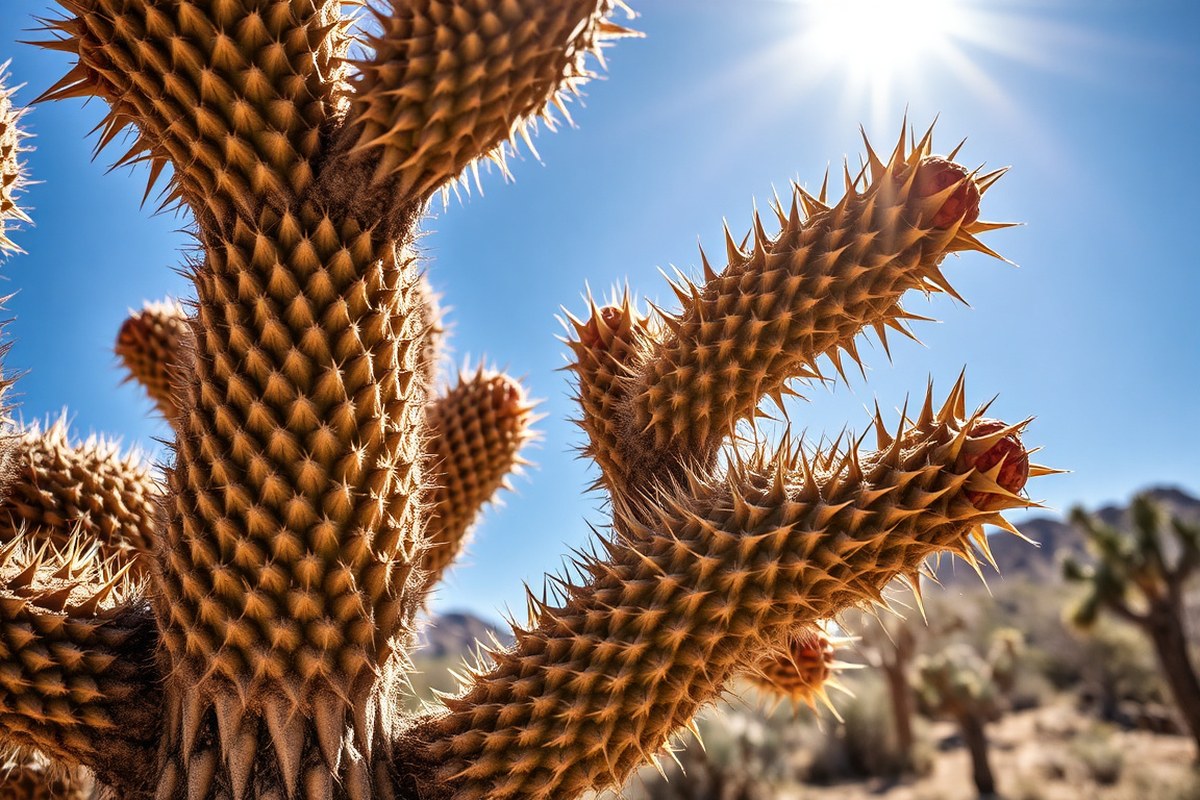
Joshua trees are unique desert plants that grow very slowly. They add just half to three inches each year. Some Joshua trees can live for hundreds of years and grow over 30 feet tall.
Joshua trees live long and grow large. They create habitats for many desert animals. These animals rely on them for shelter and food.
These trees support a variety of wildlife, including birds, lizards, and small mammals. Some animals use the tall branches for nesting. Others eat the seeds and flowers.
Joshua trees affect nearby desert plants. They cut seed-eating by 37%. This helps keep local biodiversity healthy.
Joshua trees have existed in the Mojave Desert for about 12,000 years, adapting to harsh climates. They once relied on megafauna to spread their seeds, but those animals are extinct. Now, Joshua trees reproduce and spread seeds slowly.
This makes them more vulnerable to environmental changes. Their protection needs extra attention today.
Two species of Joshua trees exist in the region, differing in branch height and range. Western Joshua trees branch 3 to 10 feet above ground. Eastern ones branch below 3 feet.
Joshua trees cover over nine million acres. They grow in California, Arizona, Nevada, Utah, and Mexico. They symbolize the high desert ecosystem.
Avoid buying nursery-grown Joshua trees, as most come from wild collections and grow less drought-tolerant.
How Does Climate Change Threaten Joshua Trees?
Rising temperatures hurt Joshua trees by slowing their photosynthesis. When leaf temperatures go above 45°C (113°F), their ability to convert sunlight drops by 68%. When the temperature hits 48°C (118°F), tiny leaf pores close.
This stops gas exchange in the leaves. This makes it hard for the trees to survive during heat waves.
Droughts add more stress by limiting water in the desert soil. Joshua trees need some moisture to grow and flower.
But long dry spells make that impossible. A decades-long megadrought has lowered water availability, hurting their health and reducing new seedlings.
Scientists predict nearly 90% of Joshua tree habitat will vanish by 2100 without strong action. A 2019 study in Ecosphere says just 0.02% of habitat in Joshua Tree National Park will stay suitable. This means the trees’ range will shrink sharply, forcing them into smaller climate refuges.
Wildfires worsen climate impacts by destroying mature trees and seedlings. Warmer, drier conditions increase wildfire frequency and intensity. Fires harm Joshua trees.
Invasive grasses make regrowth harder after fires. This stress adds to the species’ challenges.
The desert heat and habitat loss together reduce the trees’ chance to adapt over time. Joshua trees need cold nights to flower, but rising temperatures may disrupt this cycle. Without flowering, they can’t produce seeds and keep their numbers stable.
Preventing habitat loss means limiting new developments in Joshua tree areas. Protecting climate refugia helps maintain pockets where temperatures stay cooler. Some efforts plant heat-resistant trees.
These trees survive better in hot conditions. This helps fight climate impacts.
Taking steps like removing invasive grasses lowers wildfire risk and protects young Joshua trees. The trees’ survival depends on reducing combined stresses of warming, drought, and fire. Action now offers the best hope to preserve this unique desert species into the future.
How Wildfires and Invasive Species Increase Joshua Tree Risks
Wildfires used to be very rare in Joshua tree habitats. Lightning and natural causes would spark fires only every 200 to 400 years. Over the last 150 years, fire suppression changed desert fire patterns.
Climate change made fires happen more often and burn harder. These changes affected how deserts cope with fire.
Invasive grasses like red brome fuel this change. They grow quickly and spread easily between native shrubs. Invasive grasses dry out fast and catch fire quickly.
This causes fires to happen 300% more than in natural shrub areas. Native plants like creosote bush and blackbrush don’t burn like that.
The 2020 Dome Fire showed how dangerous this is. It burned over 43,000 acres in the Mojave National Preserve and killed around 1.3 million Joshua trees.
This loss equaled nearly 20% of all Joshua trees in the preserve. Fires fueled by invasive grasses spread faster and hotter than usual.
The grasses work like kindling, turning small fires into large, destructive blazes. Instead of one tree burning, the grasses carry the flames continuously across wide desert areas. This shift in fire patterns severely damages Joshua tree populations and their slow-growing habitat.
Once mature Joshua trees can take decades to recover from fires, if they survive at all. The Dome Fire destroyed many trees in some habitats. These areas will have trouble growing their trees again.
The impact on the habitat will last for years. Without active restoration, the fire damage may last for generations.
Controlling invasive grasses matters most for protecting Joshua trees from wildfire. Reducing grass spread and fuel load lowers fire risk.
Land managers often mow or spray grasses in key Joshua tree areas to slow fire spread. These efforts cost time and money but help keep fires smaller and less severe.
Joshua tree habitat is now more vulnerable than before. Climate trends show this threat growing worse.
Predictions say only 2% of habitat in Joshua Tree National Park might remain viable by 2070. This makes wildfire prevention and invasive species control urgent priorities to save these iconic desert trees.
Joshua Tree Reproduction and Seed Dispersal Challenges
Joshua trees reproduce through a close relationship with yucca moths that pollinate their flowers. Their seedlings struggle to survive due to tough desert conditions and limited seed dispersal. Long ago, animals that helped spread Joshua tree seeds went extinct, slowing the trees’ natural spread.
Pollination by Yucca Moths
Joshua trees rely on just one species of yucca moth for pollination. Each of the two Joshua tree subspecies pairs with a different moth species. The moths transfer pollen while laying eggs in the tree’s flowers, ensuring both species benefit.
Joshua trees only flower every few years and need specific environmental triggers to bloom. Without the moths’ work, seeds won’t form, halting reproduction. Trees and moths both must move if climate changes.
They need new areas to survive. This shift is necessary for their survival.
- Wait for the right environmental conditions that trigger flowering.
- Attract yucca moths through the flower’s scent and timing.
- Allow moths to collect and transfer pollen to another flower.
- Support moths laying eggs inside the flower’s ovary.
- Develop seeds from the fertilized flower after moth pollination.
- Accommodate the moth larvae feeding on some developing seeds.
- Release mature seeds once the flower dries and opens.
Taking care not to disturb blooming trees during moth activity helps reproduction.
Seedling Bottleneck Causes
Seedlings face many obstacles in desert environments. They grow slowly and need water and shade to survive harsh sun and dry soil. Even with seeds present, few seedlings make it to maturity.
Other threats include competition for space, grazing by animals, and rising temperatures. Without proper microhabitats, young Joshua trees often die before establishing. This limits natural population growth and recovery.
Historical Seed Dispersal Mechanisms
Scientists once wondered how Joshua trees spread seeds in the desert. Rolling fruits or wind don’t move seeds far. The main dispersers were large megafauna that ate fruits and spread seeds across wide areas.
Those animals went extinct thousands of years ago, leaving no effective natural seed carriers. Today, seeds mostly fall near parent trees. This slows recolonization of new areas and leaves the species vulnerable to climate shifts.
New suitable habitats may form at higher elevations. But Joshua trees’ seed dispersal is too slow to keep up. The tree faces risk without help from humans.
It needs new ways to spread seeds. Humans might help its long-term survival.
Legal Protections and Their Application for Joshua Trees
Joshua trees are protected by state laws and limited federal measures. In 2023, California listed the western Joshua tree as threatened, leading to new protections. The Western Joshua Tree Conservation Act helps regulate how trees are cut, moved, or removed.
Federal Endangered Species Act Status
The western Joshua tree is not listed under the federal Endangered Species Act. Federal officials reviewed the species in 2022 but decided against official federal protection. This lack of listing means federal protections are limited, especially for development projects on federal lands.
However, federal review acknowledged climate change as a threat to the species. The U.S. Fish and Wildlife Service published findings about the Joshua tree’s status in March 2023. Even without federal listing, damaging Joshua trees on federal property may require permits under other regulations.
California’s 2023 Western Joshua Tree Conservation Act
The Western Joshua Tree Conservation Act passed in July 2023. It protects these iconic trees across California. The law works to save their habitat and limit development harm.
The law bans removing or cutting Joshua trees without a permit. It sets up a fund to support conservation projects and requires consultation with Native American tribes. Officials will check after eight years if the tree needs endangered status.
They will change protections if necessary. This review helps keep the right rules in place.
The act supports both conservation and development needs. It lowers permit costs compared to full endangered rules. This makes permits easier to get for projects.
Developers and landowners must follow stricter rules when planning projects near Joshua trees. Violating these rules can lead to fines and legal penalties.
Permit Process and Legal Exceptions
Permits are required to move, cut, or remove Joshua trees in California. Before any work, apply through the California Department of Fish and Wildlife or local agencies involved. This process helps assess the tree’s condition and impact on local populations.
The permit application usually includes site maps, tree health assessments, and plans to minimize harm. Permit fees vary, depending on project size and type, and consultation with tribes may be necessary. You should also expect a time frame of weeks to months for approval.
Illegal removal or harm to Joshua trees without permits carries fines and possible criminal charges. Despite laws, enforcement is often weak, with few citations issued. Monitoring and reporting violations help improve protection and support conservation efforts.
Conservation Efforts: From Refugia Protection to Assisted Migration
Protecting Joshua trees means keeping their current homes safe. It also involves finding new safe spots for the trees as the climate changes. You can also help by replanting young trees and trying out assisted migration.
These steps help the species face climate change and human impact. The work takes careful planning, resources, and patience as conditions in the desert evolve.
Identifying and Protecting Refugia
Refugia are areas where Joshua trees have the best chance to survive as temperatures rise. Scientists map these spots based on climate models and soil conditions. These places often have cooler microclimates or more water availability, which slow warming effects.
Protecting refugia means setting aside land from development and limiting disturbances. Conservation plans focus on keeping these areas intact because they act as safe havens. Many refugia lie in higher elevations or shaded valleys where trees might persist the longest.
Refugia also support animal and plant species tied to Joshua trees. When these places stay healthy, entire desert ecosystems benefit. That adds another reason for careful habitat protection efforts.
Reforestation and Outplanting Methods
Restoring Joshua tree populations depends on growing seedlings in nurseries then planting them in the wild. Seedlings get started indoors to protect them from harsh conditions and predators. That boosts survival chances when outplanted.
Planting young trees happens mostly in suitable habitats, especially in refugia or degraded areas needing recovery. Workers clear competing weeds and check soil moisture to improve outcomes. It often takes years to see trees reach maturity.
This restoration requires long-term care, including watering in dry periods and protecting from animals. Results vary by location and weather. Some places support many young trees while others see higher losses due to drought or grazing.
Assisted Migration Techniques and Challenges
Assisted migration involves moving Joshua tree seedlings beyond their current range to cooler, wetter sites. This tries to match future suitable climate zones instead of waiting for slow natural seed spread. Experts call this a hopeful experiment, not proven yet.
Nursery groups currently raise about 50,000 seedlings yearly for assisted migration plantings. This number is limited by nursery space, funding, and planting crews. Scaling up will be difficult without more resources.
Challenges include finding new sites that support Joshua trees and won’t harm existing ecosystems. Also, seedlings moved to new areas face unfamiliar soils, pests, and weather threats. Some efforts show promise, but failures happen too.
How Development and Human Activities Affect Joshua Trees
Construction projects often mean clearing land where Joshua trees grow. Clearing land for solar farms has uprooted many Joshua trees. These trees often get piled up in brush heaps.
This practice harms the local environment. This harms populations by destroying individual trees and their root systems.
Developers must follow strict rules to protect surviving Joshua trees. The California Department of Fish and Wildlife needs permits. These permits are for digging or moving near the trees.
You must get one before starting work. When construction impacts Joshua trees, fees based on tree numbers apply. For example, a project owner paid $32,961.75 for 63 trees affected.
After paying fees, new projects need new permits too. They might also require extra fees before starting work. This rule protects Joshua trees over time.
This rule prevents repeated damage. Avoiding unnecessary digging close to trees reduces costs and stress on the trees.
Here’s how to work responsibly near Joshua trees: first, map all trees within your project area. Flag trees that must stay undisturbed. Second, get a permit if any tree could get harmed.
Also, get one if digging happens near these trees. This keeps the trees safe during projects. Third, prepare to pay mitigation fees covering tree removal or damage.
Don’t start digging without permits or you risk fines and delays.
Some common mistakes developers make include underestimating the number of protected trees on a site. Also, rushing construction without planning for permits can stop projects fast. Planning ahead reduces delays and avoids harming trees unnecessarily.
Projects vary depending on size and location. Large developments in Antelope Valley face scrutiny since it hosts many Joshua trees. Small projects might not require fees if they meet certain distance rules.
But confirming with the state is essential. Always check local rules before starting any work.
How You Can Help Protect Joshua Trees Today
Protecting Joshua trees starts with simple steps you can take now. Use this plan to support their survival and reduce threats around you.
- Before your next hike: Learn to recognize Joshua trees. Stay on trails to protect their roots. You’ll see less soil disruption near trees.
- Week 1: Remove invasive plants in your yard or community areas. Check for fewer invasive shrubs or grasses after a month.
- Month 1: Support local conservation groups by donating or volunteering. Notice their capacity to run more projects.
- Next six months: Advocate for local land-use policies that limit development near Joshua tree habitats. See any new protections added on city websites.
- Year-round: Spread awareness about Joshua trees on social media. Track the number of shares and comments to gauge impact.
- After wildfires: Volunteer to help with restoration efforts or plant native species nearby. Watch for fewer bare patches over time.
- Seasonal: Avoid using fire outdoors during peak dry months to reduce wildfire risk. Notice fewer fire bans or warnings after following guidelines.
- Continuous habit: Encourage and practice water conservation as drought affects Joshua tree survival. Track your water bill or use less water weekly.
Frequently Asked Questions
Why Are Joshua Trees Protected from Urban Development?
Joshua trees face habitat loss due to urban growth. Protecting them helps preserve their limited desert ecosystems.
What Government Actions Support Joshua Tree Conservation?
Federal and state laws restrict harm and development near Joshua trees. These laws help manage their growth and survival.
Why Did the Center for Biological Diversity Petition for Joshua Tree Protection?
They asked for legal protection under climate change threats. It’s the first California plant protected for this reason.
How Does Private Land Ownership Affect Joshua Tree Protection?
About 40% of Joshua trees grow on private land. These trees had less protection before recent regulations.
Why Is the Joshua Tree Considered an Ancient Species?
They appeared around 12,000 years ago after Ice Age glaciers receded. This long history connects them deeply with desert ecosystems.
What Role Do Joshua Trees Play in Desert Seed Predation?
Without Joshua trees, seed predation on other desert plants rises 37%. They indirectly protect desert biodiversity.
Final Thoughts
Joshua trees face many threats but protection is possible with action. Every small effort adds to a safer future for them. Take a step today by joining a local conservation project near you.