
How to Protect Plants Frost Damage: 9 Proven Methods That Work
Protect plants from frost by covering them before temperatures drop below 32°F. Using frost cloth can raise temperatures around plants by 4-6°F, which helps during cold snaps.
Choose frost cloth because it lets air and moisture through, lowering mold risk. Avoid heavy blankets or plastic on plants, as these can cause damage. Secure the edges with stakes or bricks to hold warmth in.
Water plants deeply two days before frost to keep soil moist and warm. Moist soil holds heat longer, protecting roots from freezing. Cover plants on clear, calm nights when frost is expected.
Place plants near walls or under trees for natural frost protection. You can also bring potted plants indoors or into a garage during cold spells. These steps help protect tender plants like tomatoes.
Key Takeaways
- Use frost cloth to maintain temperatures 4-6°F higher around plants.
- Water plants thoroughly at least 48 hours before frost occurs.
- Cover plants at 32°F or below, especially on calm, clear nights.
- Tender plants need protection before temperatures dip to 30°F.
- Hardier plants survive till 28°F but still benefit from covering.
- Use burlap over frost cloth for extra protection on sensitive plants.
1. How to Protect Plants from Frost: 9 Practical Methods

Brought inside, plants dodge frost damage easily. Moving tender containers indoors during frost warnings costs nothing but effort. Arrange a spot near a bright window to keep them comfortable overnight.
For hard-to-move pots, wrap them in burlap or frost cloth. Pull it tight down to the soil to keep warmth inside.
This will help protect the roots during cold snaps. Avoid heavy plastic alone; it can trap moisture and rot leaves.
Cloche use ranks high for protecting vegetable crops. These small, clear, dome-like covers trap heat and shield from frost. You can buy plastic or glass versions or make DIY ones from cut plastic bottles.
Put covers on plants late afternoon before the frost hits. Take them off when the sun comes out.
This stops the plants from getting too hot. This method suits vegetables like lettuce and tomatoes well.
Mulch acts like a warm blanket for soil. Apply 2 to 4 inches of straw, shredded leaves, or wood chips around the base. Mulching slows heat loss and keeps roots safe overnight.
Avoid covering the plant stem directly, which can cause rot. This is a low-cost method anyone can do that works for perennials and shrubs.
Watering plants thoroughly in the afternoon before frost helps protect them. Wet soil holds heat longer than dry ground and releases it slowly at night.
The temperature around the plant stays slightly higher, lowering frost risk. Avoid watering at night to prevent ice forming on leaves.
Some may wonder if plastic sheeting works alone to prevent frost. Yes, it can shield tender plants but requires careful setup. Secure it away from touching leaves by propping with stakes.
Remove at sunrise to avoid overheating. For longer periods or colder zones, combine with insulation underneath.
- Bring container plants indoors or into a garage
- Use cloches or homemade plastic bottle covers on outdoor veggies
- Apply 2, 4 inches of mulch around plant bases
- Water plants well in the afternoon pre-frost
- Cover tender plants loosely with plastic sheeting supported by stakes
- Use frost cloths, bed sheets, or blankets at night
- Group plants close together to share warmth
Grouping plants tightly creates a mini microclimate. Close spacing reduces wind chill and shares ground heat among them. This works well for patio containers or small garden beds.
Layering frost cloths or old bed sheets over vulnerable plants also traps heat. Remove them once daytime temps rise above freezing or plants look hot.
2. What Causes Frost and How Does It Damage Plants?
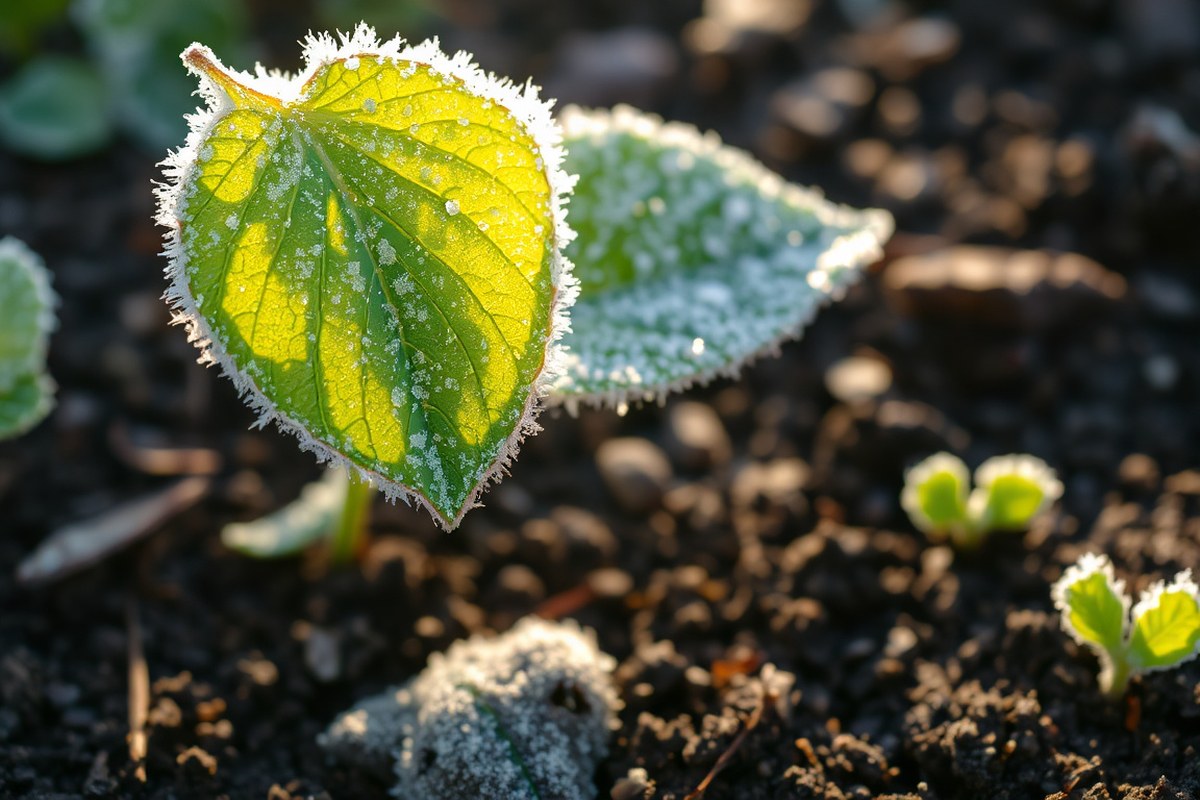
Frost forms when air temperatures drop to 32°F (0°C) or below. This cold causes water vapor to freeze, creating ice crystals on plant surfaces.
These ice crystals can also form inside plant cells. When temperatures fall, water inside cells freezes and expands, breaking cell walls.
Broken cells cause leaves and stems to turn brown, wilt, or die back. The damage often shows within a day or two after frost.
Not all plants suffer frost damage the same way. Tender annuals like tomatoes and basil are most vulnerable to freezing.
Delicate perennials such as dahlias and tropical plants like hibiscus also get hurt easily. Young seedlings are at high risk since their tissues are soft.
The reason some plants resist frost better than others comes down to hardiness and tissue structure. Hardy plants have tougher cells and sometimes protective coatings on leaves.
Watering plants before a frost can hurt more than help. Ice forms on the wet foliage, rupturing the cells and increasing damage.
Protecting plants with breathable covers helps trap heat and keeps temperatures 4 to 6 degrees higher. This small warmth prevents ice from forming inside cells.
Never let plastic sheets touch plant leaves during frost. Trapped moisture freezes and worsens damage.
Wind and wet conditions make frost damage worse by chilling plants faster. Covering plants can reduce wind chill and shield them.
3. Which Plants Need Frost Protection the Most?
Some plants handle frost hanging around better than others. Cold hardy types survive down to 0-10°F and even enjoy light frost. Frost tender plants, though, suffer damage below 40-50°F and need more care.
Vegetables vary a lot in frost tolerance. For example, kale stays tough and even tastes better after frost hits. But tomatoes and squash get hurt by just a light chill.
Age and size matter too. Young or small plants face higher risk. They have less stored energy.
Their protective layers are fewer too. Flowering plants with thin petals also get frost damaged quickly.
Knowing each plant’s hardiness helps you decide when and how to protect them. Here is a handy table. It lists common garden vegetables and flowers.
The table sorts them by frost tolerance. It shows how cold each type typically handles and what to expect if the temperature drops.
| Plant Type | Frost Tolerance | Typical Hardiness Range (°F) |
|---|---|---|
| Kale, Cabbage, Carrots | Cold Hardy | 0 to 10°F |
| Beans, Peas, Beets | Frost Tolerant | 20 to 32°F |
| Tomatoes, Squash, Cucumbers | Frost Tender | 40 to 50°F |
| Annual Flowering Plants (e.g., Impatiens, Petunias) | Frost Tender | Above 40°F |
| Perennials and Conifers | Cold Hardy | 0 to 10°F |
Plants tagged frost tender need covering before temperatures near 40°F fall. Use old blankets, frost cloths, or special covers to protect these during cold nights.
Always create a little space between the covering and the leaves to avoid freezing contact. Older, larger plants tolerate cold better, but young seedlings need more frost protection.
For flowering plants, watch for thin, soft petals. New buds show they need more care. Buds and new leaves die quickly in frost, which stops flowers from blooming.
Watch the local weather when colder weather is predicted. Ready covers and work quickly to shield vulnerable plants before frost arrives.
4. How to Use Covers Effectively for Frost Protection
Use frost covers made of frost cloth, burlap, or old sheets to protect plants. Avoid plastic as a primary cover since it can harm plants if it touches leaves. Remove covers gradually once frost risk ends to prevent shock.
Types of Frost Covers
Frost cloths, also called floating row covers, work best for vegetables and delicate flowers. These cloths are reusable for five or more seasons and let air and moisture through.
Burlap is sturdy and eco-friendly. It suits shrubs or small trees and lasts for two to three seasons. It also helps keep deer away from plants like evergreen shrubs when wrapped properly.
Old bed sheets and blankets offer quick, temporary cover for one frost night. Cardboard boxes can shield seedlings in a pinch but only work once. Plastic sheets last long but should only go above cloth covers, never directly on leaves.
Installing Covers for Maximum Protection
Lay covers loosely over plants to trap heat without crushing foliage. Secure edges with soil, rocks, or stakes to keep wind from blowing covers away. Make sure the cover does not touch leaves especially when using plastic.
Allow some airflow to avoid moisture buildup and fungal problems. Poke a few holes in plastic coverings if you must use it. Combining frost cloth under burlap adds extra warmth and durability.
Bubble wrap works well wrapped around container plants’ pots to protect roots. Place a 2-inch mulch layer on soil before covering foliage in colder areas. Do this shortly before sunset when temperatures start dropping.
- Choose the right cover based on plant type and frost severity.
- Lay a frost cloth or sheet over plants loosely, covering foliage completely.
- Secure all edges with soil, rocks, or garden staples to prevent wind lift.
- Keep plastic covers above cloth if using plastic, not touching plants.
- Add a mulch layer around plants for extra root protection.
- Wrap container pots with bubble wrap or burlap for root insulation.
- Check covers occasionally to adjust edges and ensure no damage.
Timing Cover Removal
Remove covers after sunrise once temperatures reach above 40°F (4°C). Leaving covers on during the day can cause overheating and suffocate plants. Open covers gradually over several mornings if frost threats persist.
Take off covers fully when frost risk ends to allow plants to get air and sunlight. Carry mulch protection through the day if frost warnings return overnight. Cover again before sunset if cold snaps continue.
Keep an eye on weather forecasts to time protection and removal correctly. Rapid changes in temperature need quicker cover action to prevent damage or stress.
5. Mulching and Watering Techniques to Shield Plants
Water the soil in late afternoon 24 to 48 hours before frost. This helps the soil stay 2 to 3 degrees Fahrenheit warmer. It gives plants extra frost protection.
Add a 3- to 4-inch layer of mulch on the soil surface. Mulch acts like insulation for plant roots.
It also slows down heat loss. Using both methods together reduces frost damage and prevents frost heaving.
Selecting and Applying Mulch
Dry organic mulches like straw, pine needles, or wood chips work best as insulators. They trap warm air and block cold wind around plant roots. Mulch should cover only the root zone to avoid trapping moisture against stems.
Spread a 3- to 4-inch thick mulch evenly around each plant base. This thickness helps protect roots from cold temperatures. Make sure it covers the soil fully.
Avoid piling mulch against stems or crowns, which can cause rot. Rake mulch away on warm fall days to expose soil.
This lets the soil soak up heat from the sun. Doing this helps warm the ground.
- Choose dry organic mulch such as straw or wood chips.
- Clear weeds and excess debris from around your plants.
- Spread mulch evenly to a depth of 3 to 4 inches.
- Keep mulch 1 to 2 inches away from plant stems or crowns.
- Rake mulch back on during chilly evenings before frost.
- Remove mulch on sunny days to warm soil, if frost risk lessens.
Keep mulch slightly away from plant stems during cold months. This prevents problems like rot and pest infestations. Plants stay healthier without wet mulch touching stems.
Watering Timing and Methods
Watering soil in the late afternoon is best because soil temperatures are highest then. Moist soil retains heat longer than dry soil and releases it slowly during cold nights. This helps protect roots and nearby stems from freezing.
Focus on watering the ground, not leaves, to avoid frost damage on foliage. Use a soil moisture meter if you want to check soil dampness before watering. Overwatering can cause root problems, so aim for deep but infrequent watering before frost.
Special Considerations by Plant Type
Trees need mulch only around their root zones, extending 2 to 3 feet from trunks. Avoid mulch balls right at tree bases. In vegetable gardens, apply mulch after the soil cools down.
Still allow sunlight to warm soil during daytime hours. This avoids keeping soil too cold under mulch.
Container plants dry out quicker than garden soil. Water them just before frost to keep moisture up. Wrap pots lightly with mulch to help protect roots.
Remove or lift mulch during warm afternoons if soil feels soggy. This helps the soil warm back up.
It stops mulch from trapping too much moisture. Adjust mulch depth based on how hardy the plant is.
6. How to Protect Container Plants and Indoor Transfers
Before the first frost hits, move tender container plants indoors or to a sheltered spot. Good spots include an unheated garage, a porch, or against a south-facing wall. These places stay slightly warmer than the open garden, protecting roots and leaves.
Wrap pots to prevent root freeze by using materials like bubble wrap, burlap, or old blankets. Avoid plastic covers, they don’t allow air circulation and trap moisture. Wrap pots all around with a protective cover.
Then put them on bricks or wooden pallets. This stops cold from reaching the ground and pots.
- Move plants inside before temperatures drop below 32°F (0°C).
- Put pots on raised surfaces to reduce root chilling.
- Water plants lightly before moving; dry pots freeze faster.
- Close doors or windows to keep cold drafts away when inside.
- Open the area during the day to reduce humidity build-up.
- Bring tropical or slow-growing plants indoors 10, 12 weeks before last frost.
- Check the forecast regularly to time your moves right.
To overwinter container plants outdoors, tuck them into a sheltered corner or basement wall. Surround pots with straw, dry leaves, or mulch for extra insulation. Drape frost cloth loosely over big pots.
It blocks cold air but lets air pass through. This keeps plants safer without trapping moisture.
Don’t rush moving plants inside at the first sign of cold. Some hardier shrubs and herbs tolerate light frosts if protected with mulch and proper pot wrapping. The key is knowing each plant’s frost tolerance and acting before temperatures drop too low.
7. Using Cold Frames, Windbreaks, and Garden Placement
Cold frames, windbreaks, and your garden’s location can greatly lower frost damage. Cold frames keep warmth close to your plants. Windbreaks stop cold winds from hitting them.
Picking the right location also lowers frost risk. Each method involves simple setups that work well with other frost protection steps.
Building Effective Cold Frames
Cold frames are low boxes with clear tops that hold heat from sunlight. Placing them over plants keeps air temperature above freezing during cold nights. They trap radiant heat from the ground, reducing frost on leaves and stems.
Use scrap wood or old window frames to build walls 12 to 18 inches tall. Position the cold frame so its transparent top angles about 15 degrees, facing true south. This setup captures maximum sunlight during winter days.
For easy access, make the top hinged or removable. Vent the frame on warm days to avoid overheating and humidity buildup.
- Gather wood or window frames and clear plastic or glass for the top.
- Construct walls 12 to 18 inches tall, making a rectangular box.
- Attach the clear top at a 15-degree angle facing true south.
- Place the cold frame over your plants before the first frost.
- Open the top on sunny days for ventilation.
- Close it again before nightfall to trap heat.
Creating and Placing Windbreaks
Windbreaks block cold winds, which worsen frost damage by chilling plants faster. They also protect the warm air that settles near the ground. Good windbreaks cut wind speed by 50% to 75% up to 10 times their height downwind.
Use dense shrubs like boxwood or evergreens such as arborvitae for natural barriers. Alternatively, set up fences or temporary walls made of wood or plastic sheets. Make them tall enough (at least 3 to 6 feet) to shield sensitive plants.
Place windbreaks to block prevailing winds, typically from the north or northwest in many regions. Maintain enough space between plants and windbreaks for airflow to prevent dampness.
Choosing Garden Location Wisely
Your garden’s spot influences frost risk by affecting temperature and air movement. Sunny locations that receive direct light most of the day warm plants and soil. Avoid low-lying areas where cold air and frost settle like in valleys or depressions.
Improve container plants or place them near south-facing walls. Walls absorb and radiate heat, raising local temperatures by a few degrees. This small difference can prevent frost on sensitive plants.
Don’t plant where cold winds blow directly. Avoid spots shaded by trees in winter.
Plants need sunlight to handle frost better. Good siting reduces how often you’ll need extra frost protection.
8. Hardening Off Plants and Timing Frost Protection
Hardening off prepares your plants for frost by slowly exposing them to outdoor conditions. This step helps seedlings adjust to cooler temperatures and stronger winds. Without this, plants often get shocked, leading to poor growth or death.
Start hardening off about one to two weeks before the first expected frost. Move seedlings outside for a few hours each day at first. Increase their time outdoors slowly over 7 to 10 days.
This helps them adjust without shock. Aim for cool, dry days if possible. Bring them indoors at night during this period to avoid freezing damage.
Knowing when to start frost protection is key. Begin on nights when temperatures drop near 36°F to 32°F (2°C to 0°C).
Stop protecting when daily lows consistently stay above 40°F (4°C). Keep an eye on local weather forecasts for frost alerts during this critical window.
Follow these steps to harden off your plants and time frost protection:
- Place seedlings outside in a sheltered spot for 1, 2 hours the first day.
- Increase outdoor exposure by 1, 2 hours each day, up to 8 hours.
- Keep plants out during the warm part of the day and bring them in at night.
- Reduce water slightly to prevent soggy soil but keep the plants hydrated.
- Check weather forecasts starting two weeks ahead of frost dates.
- Start covering or moving plants indoors when nighttime temps reach 36°F or lower.
- Keep frost protection measures until danger passes and nights warm above 40°F.
Don’t skip hardening off even if frost seems far off, plants need time to adapt gradually.
9. Common Mistakes in Frost Protection and How to Avoid Them
One common mistake is using covers that touch the plants. Covers that cling to leaves let moisture settle, which freezes and damages foliage. To prevent this, use stakes or frames to keep fabric off the plants.
Simple frost covers usually cost between $10 and $30. They work well when lifted slightly away from plants.
Watering plants right before a frost can backfire. Wet soil and leaves freeze faster and hurt your plants.
It’s best to water only early in the day and wait for the frost to pass. Doing this helps plants stay hydrated without ice buildup.
Another error is removing covers too early in the morning. Frost can still form until the temperature rises above 32°F (0°C).
Leave the covers on until sunlight warms the air and ground. Checking a local weather app will help you decide the safe time to uncover.
- Don’t let covers touch leaves or stems, use supports.
- Avoid watering your plants when frost is expected.
- Keep covers on until after frost danger ends in morning.
- Choose breathable covers to stop moisture buildup.
- Watch pests before frost; damaged plants weaken faster.
- Cover container plants with extra insulation like bubble wrap.
- For unexpected frost damage, prune dead tissue after warming.
Frost damage might still happen despite your best efforts. Wait until the plants thaw before checking them closely.
Dead leaves often turn brown or black and feel dry or mushy. Cut away damaged parts carefully to stop disease and help new growth.
Keep pest control in mind, too. Insects stressed by cold may harm plants more.
Treating pests before frost reduces further damage. Healthy, pest-free plants have a stronger chance of bouncing back after frost.
Step-by-Step Action Plan to Protect Your Plants from Frost
Follow these steps to keep your plants safe during frost season. Check progress as you go to see what’s working.
- Before Frost Season: Identify which plants are most at risk. Mark them for extra care and protection.
- Two Weeks Before Expected Frost: Start hardening off seedlings if you plan to move them outside. Healthy, tougher plants handle cold better.
- Day of Predicted Frost: Water plants late afternoon. Moist soil holds heat and helps keep roots warm.
- Evening of Frost Night: Cover plants with cloth, old sheets, or frost blankets. Ensure covers reach the ground to trap heat.
- Morning After Frost: Remove covers once temperatures rise above 40°F. Leave covers on longer only if frost continues.
- Regularly During Frost Period: Check container plants often. Move them indoors or to sheltered spots where possible.
- During Strong Winds or Extended Cold: Use windbreaks or cold frames around sensitive plants. Check that structures stay secure.
Frequently Asked Questions
How Do I Know When to Start Protecting My Plants from Frost?
Watch local weather forecasts for frost warnings. Start protection the night before frost is predicted. Being early helps prevent damage before it happens.
Can I Use Plastic Sheets to Cover Plants Against Frost?
Plastic can trap cold and damage plants if touching leaves. Use breathable materials like bed sheets or frost cloths instead. Keep covers from directly touching plants for best results.
Is It Better to Water Plants Before or After a Frost Event?
Water plants in the afternoon before frost hits. Moist soil holds heat longer than dry soil, protecting roots. Avoid watering after frost to prevent ice damage.
How Do I Protect Large Shrubs or Trees from Frost?
Wrap the trunk and lower branches with burlap or frost cloth. Focus on tender areas where new growth emerges. Don’t cover the whole tree; air circulation matters.
Can Frost Damage Affect Plants’ Winter Growth or Flowering Next Year?
Yes, frost can kill buds and weaken plants for next season. Protecting plants avoids loss of flowers and fruit later. Early frost protection helps preserve spring blooms.
What Indoor Spots Are Best for Overwintering Frost-Sensitive Plants?
Choose a bright, cool room away from drafts for indoor plants. Avoid hot rooms that cause stress or mold. A basement with indirect sun often works well.
Wrapping Up
Protecting your plants from frost takes some planning but pays off with healthier growth. Check the weather daily and act fast on frost warnings. Start today by choosing covers and materials you’ll use this season.