

Is It Ok to Drink Hose Water? Complete Safety Guide and Tips
Drinking directly from a standard garden hose is usually not safe. Most hoses contain chemicals that can leach into the water, especially if heated or left standing.
These chemicals may make the water unsafe to drink. Even with clean tap water, the hose can add harmful substances.
Certified drinking water hoses, marked NSF/ANSI 61 or 372, meet safety standards. They don’t release harmful chemicals or lead into the water, making them safer for drinking. Use these hoses only when you need to drink from a hose.
Flush the hose for at least 30 seconds before drinking. This removes water that’s been sitting inside. Avoid drinking water from hoses left in heat or sunlight, as these conditions promote bacteria and chemical buildup.
Key Takeaways
- Use only NSF/ANSI 61 or NSF/ANSI 372 certified hoses for drinking water.
- Flush your garden hose for at least 30 seconds before drinking from it.
- Avoid drinking water from hoses that have been sitting in the sun or heat.
- Chemicals and plasticizers can leach into water from most standard garden hoses.
- Running water briefly does not remove all harmful chemicals from the hose.
- Stagnant water in hoses exposed to temperatures over 70°F promotes bacterial growth.
Is It Safe to Drink Water from a Garden Hose?
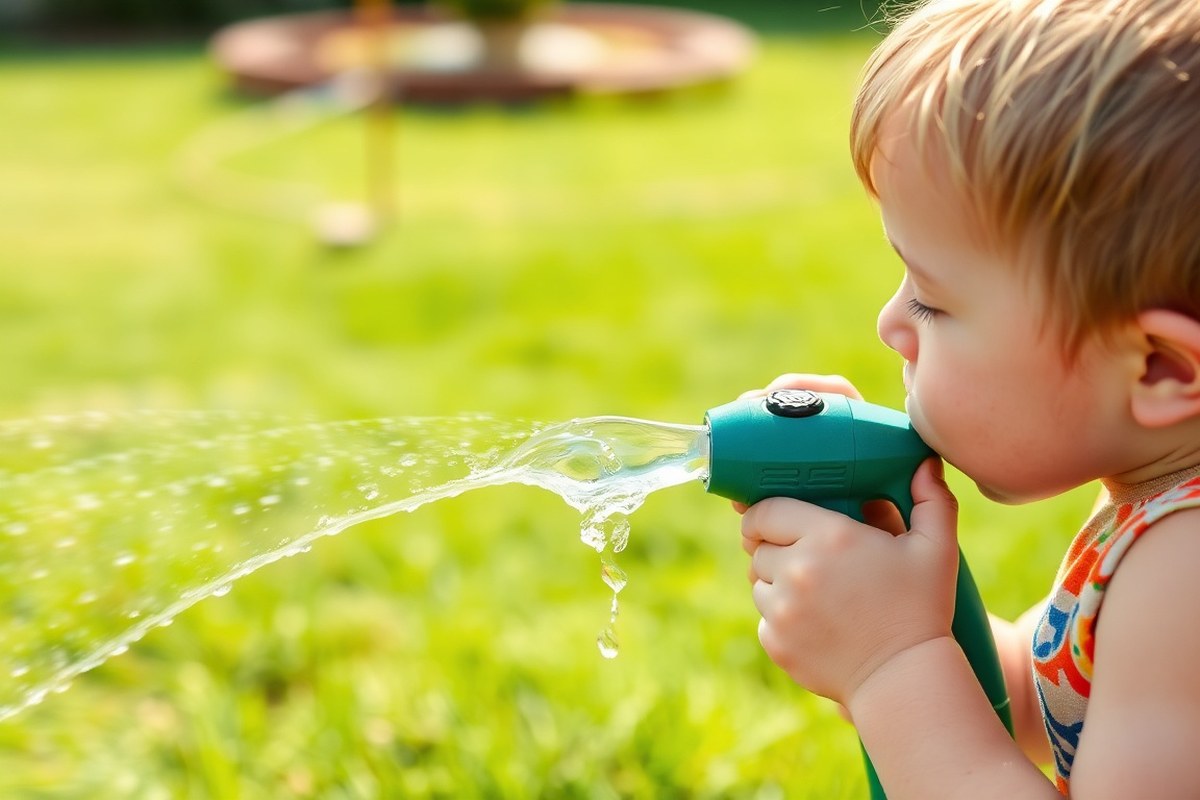
Drinking water from a regular garden hose is usually not safe. Most garden hoses are made with materials that can leach harmful chemicals into the water. These include lead, BPA, and phthalates.
They can harm health if swallowed. Kids and pets are especially at risk.
Hose material matters because most hoses are for plants only. They don’t make water safe to drink. Use the right hose for drinking water.
Plastic and rubber parts in typical hoses break down when exposed to sunlight and heat. This releases toxins, making the water unsafe even after a few minutes in the hose.
Check for labels like NSF/ANSI 61 or NSF/ANSI 372 to know if a hose is safe. These certifications show it is safe for drinking water. These certifications mean the hose meets standards for safe drinking water.
Drinking water, safe hoses usually cost more, typically $50 to $80 for a 50-foot hose. But they are made without harmful chemicals and won’t contaminate the water.
Even safe drinking hoses have water that sits inside. Let it run for a few seconds before drinking. This clears out any old water.
Water left in the hose can collect dust, dirt, or bacteria inside. This makes the water unsafe to drink without flushing first. Running water pushes out stale water from the hose.
Fresh water tastes better and is safer to drink. This is why you should flush hoses.
A good rule is to avoid drinking directly from hoses not labeled safe. Use a clean container to fill from the tap instead of the hose.
Or drink directly from a faucet made for drinking water. This way you reduce the chance of swallowing chemicals or germs picked up inside the hose.
What Chemicals and Contaminants Can Leach into Hose Water?

Many garden hoses contain chemicals such as lead, phthalates, and BPA. These substances come from hose materials like PVC, rubber, or vinyl. When water sits inside or flows through the hose, these chemicals can leach into the water.
Lead in hose components poses a real risk. The Ecology Center tested hoses for lead. Some had levels above the Safe Drinking Water Act limits.
That means the lead was too high for safe water. Lead mainly comes from metal fittings or flexible hose parts. Even small amounts of lead can harm your health, especially for children.
Phthalates and BPA are plastic additives used to make hoses flexible or durable. Exposure to heat or sunlight increases the chance these chemicals will leach into water. BPA can disrupt hormones, and phthalates link to health issues like developmental problems.
Metal fittings on hoses may also add contaminants. Some connectors include lead or other metals that can dissolve into the water. Even if you run water before drinking, the metal might still affect the water quality.
Hose materials impact water safety a lot. Hoses not labeled “drinking water safe” usually contain harmful chemicals.
These hoses can give the water a rubbery or plastic taste, which means chemicals are present. Drinking water safe hoses cost more but reduce these risks.
Sitting water increases chemical leaching and bacterial growth. Warmer water pulls out more toxins.
So storing hoses in shade or draining them helps. Regularly flushing out hoses before use lowers contaminant levels but doesn’t completely remove them.
Avoid drinking from hoses not certified safe. Let water run to flush contaminants before any use.
How Do Heat and Stagnant Water Increase Health Risks?
Heat and stagnant water inside hoses create a risky environment. Warm, still water helps bacteria grow. Chemicals can also leach from the hose.
This makes the water less safe to use. This combination raises health concerns, especially if you drink directly from the hose.
How Heat Accelerates Chemical Leaching
When a hose sits in the sun, the water inside heats up quickly. Temperatures over 70°F (21°C) boost the rate at which plastics and metals dissolve into the water. This process is called chemical leaching and can introduce harmful compounds like plasticizers and BPA.
The hose’s flexible materials weaken as heat rises, releasing more additives. Water left stagnant for hours inside a warm hose has a higher chemical concentration. That water can taste off and may pose health risks if consumed often.
Bacterial Growth in Warm, Stagnant Water
Bacteria thrive in warm, still water inside hoses. Stagnant water creates an ideal spot for microbes, including Legionella, to multiply. These bacteria can cause illness, especially if ingested through drinking or filling pet bowls.
Biofilm is a slimy layer of bacteria and fungi. It can build up inside hoses left unused for hours. This makes the hose dirty and risks water safety.
This buildup worsens if the hose stays hot in direct sunlight. It’s safest to avoid drinking or using water that has been sitting in such conditions.
Safe Time Limits for Water in Hoses
Water should not remain in a hose for more than a few hours, especially in heat. After about two hours in warm conditions, bacteria and chemical levels increase notably. Flushing the hose with fresh water before use flushes out contaminants that developed during inactivity.
Even with a hose rated safe for drinking, water sitting overnight is a risk. Always drain or run water through the hose when you return outside. That simple habit helps reduce exposure to bacteria and chemicals from stagnant water.
Which Hoses Are Certified Safe for Drinking Water?
Choose hoses marked safe for drinking water with NSF/ANSI 61 certification. This certification shows the hose won’t release harmful materials. Use only these hoses for drinking straight from the hose.
Understanding NSF/ANSI 61 and 372 Certifications
NSF/ANSI 61 is a key certification showing a hose meets safety standards. The test checks if materials release harmful chemicals into water. It focuses on parts that touch drinking water directly.
Only safe materials pass the certification. Hoses with this certification contain no lead or phthalates, common harmful substances.
Another important certification is NSF/ANSI 372. This applies to parts like hose fittings.
It guarantees that those parts have less than 0.25% lead by weight. Both certifications together mean the whole hose is safe to carry drinking water without adding toxins.
Reading Hose Labels for Safe Water Use
Look closely at the hose and its packaging for safety labels. Check if it says “drinking water safe” or has the NSF logo. These marks show the hose meets safety rules.
The label should specifically name NSF/ANSI 61 or 372 certification. These labels confirm the hose meets strict health standards for outdoor use.
Some hoses list “food-grade materials” or “potable water safe” on their tags or package. These are good signs that the hose uses liners and fittings approved for safe water. Don’t buy a hose without these labels if you plan to drink the water.
- Look for NSF/ANSI 61 or 372 certification labels on hose and box
- Confirm the hose says “drinking water safe” or “potable water safe”
- Avoid hoses that only say “garden hose” or have no safety label
- Check for lead-free fittings, often noted by NSF certification
- Choose hoses with food-grade or safe liner materials listed
Following these label checks cuts the risk of swallowing harmful chemicals. Certified hoses are used by RV and marine users who drink directly from the hose. So these labels matter a lot.
Common Misconceptions About Rubber Hoses
Not all rubber or plastic hoses are safe for drinking water. Many garden hoses contain lead or other toxic chemicals. Rubber hoses might feel safe, but they often lack certification for potable water.
Always rely on certification, not just material type. Some rubber hoses are safe if they have the proper NSF/ANSI 61 label. If a hose lacks certification, treat it as unsafe for drinking water.
The hose might look clean or new but can still be harmful. Always choose certified hoses for drinking.
How to Safely Drink Water from a Garden Hose When Necessary
Flushing your garden hose before drinking can lower some risks but never fully removes contaminants. Drinking hose water is safer when you flush it and pick the right hose. Using filters helps somewhat but doesn’t guarantee pure water.
Proper Hose Flushing Techniques
Flushing clears out stagnant water, which may hold bacteria or chemicals. Letting water run until it feels cold removes the sitting water inside the hose. This step is important since stagnant water temperature and age affect contamination levels.
Start by attaching the hose to a tap and fully opening the faucet. Flush the water for at least 30 seconds.
Keep flushing until the water feels like normal outdoor tap temperature. This reduces exposure to higher-risk water sitting in the hose during warm weather.
- Attach the hose to your outdoor spigot firmly.
- Turn on the faucet fully; let water run for 30 seconds or more.
- Check that water flows cold before collecting any for drinking.
- Use the flush water to water plants or rinse tools first.
- After flushing, fill a clean container with fresh water.
Flushing helps but only if the hose hasn’t been sitting in the sun for hours.
Using Water Filters and Their Limitations
Portable filters can catch dirt, some bacteria, and particles from hose water. But most garden hose contaminants like chemicals and metals require special filtration. Regular carbon filters for hiking or camping give partial protection, not full safety.
Filters add a layer of protection, but never treat hose water as fully safe. Use filters rated for drinking water and clean or replace them per manufacturer advice. This reduces risks but does not replace using a drinking-certified hose or tap water.
Choosing Safe Water Sources Outdoors
Pick safe water supplies before you drink outdoors, like garden taps connected to home water systems. Avoid troughs, rain barrels, or stagnant water pools as these often contain germs or pollutants. Your garden hose water quality depends on where it connects and the hose material itself.
Use a hose labelled as “drinking water safe” if you must drink from it. These hoses cost $10 to $50 more but have fittings and linings that limit chemical leaching.
Refill your water bottle from the indoor tap instead. Use the hose just for gardening tasks only.
Health Risks from Drinking Contaminated Hose Water
Garden hoses can leach chemicals that harm your health when you drink from them. Certain plastics and metals in hoses release substances like lead, phthalates, bromine, and antimony. A 2016 study found 75% of tested PVC hoses had phthalates.
Some contained lead over 100 ppm. These chemicals can build up in your body and increase risks of long-term illness.
Bacteria and fungi often grow inside garden hoses. Stagnant water inside warm hoses creates a breeding ground for these microbes.
Drinking contaminated hose water can cause stomach pain, nausea, vomiting, or diarrhea. Kids, older adults, or people with weaker immune systems are most vulnerable to these infections.
Using hoses not certified for drinking water raises your health risks. Products certified under NSF/ANSI 61 pass tests to ensure they don’t leach harmful chemicals.
They cost more but reduce the chance of chemical exposure. Non-certified hoses, especially made before 2014, are more likely to release toxins and harbor bacteria.
Avoid drinking water left standing in hoses to reduce health risks. Run water for a few minutes to flush out any buildup first.
Use hoses designed for drinking water, but don’t make this your main source. These steps cut down your risk of sickness and chemical contact.
Kids, Pets, and Outdoor Water Use Safety Considerations
Kids and pets often drink water from garden hoses without you knowing. The problem is most hoses contain harmful chemicals that mix into the water. Lead, phthalates, and other toxins can cause health issues if ingested regularly.
Sprinkler water usually spreads across the yard and doesn’t get swallowed much. Kids playing near sprinklers face low risk if they don’t drink the water. Still, avoid letting them put their mouths directly under the spray to keep risks low.
You can protect your family by using hoses labeled “drinking water safe.” These are made from materials that don’t leach harmful chemicals. Look carefully for proof they meet safety regulations, since some hose labels are misleading.
If you can’t find a safe hose, fill a clean water jug with tap water for drinking outside. This keeps kids and pets safe and avoids health problems linked to hose water. It costs little and takes just a minute to fill and carry.
To lower risks further, store hoses out of direct sunlight. Heat increases chemical leaching and causes bacteria growth in stagnant hose water. Keeping the hose shaded or draining it after use helps keep water safer for play.
Also, change hoses every few years. Older hoses with cracking or discoloration likely leach more chemicals. Replacing them with new, certified safe hoses protects health and reduces worries about toxins.
Remember, even if your home water is treated, outdoor hoses can introduce contaminants. Lead limits don’t always apply to garden hose materials and fittings. Using trusted “lead-free” and “drinking water safe” hoses lowers exposure to dangerous metals.
Choosing and Maintaining a Safe Drinking Water Hose
To keep water safe, start by choosing a hose made for drinking. Use only hoses labeled safe for drinking water. Avoid hoses not designed for drinking use.
Look for labels like “drinking water safe” or “potable water approved.” These hoses cost about $20 to $50, depending on length and brand. Avoid standard garden hoses, they aren’t built for drinking and can leach chemicals.
Cleaning and storing the hose properly also matters. After each use, drain all water. This prevents harmful germs and chemicals from building up inside.
Store the hose out of the sun to keep heat from breaking down the materials. Heat speeds chemical leaching and promotes bacteria growth.
- Check hose labeling before purchase for drinking water approval.
- Flush the hose with fresh water before using it to drink.
- Drain the hose fully after use to stop water from standing.
- Store the hose in a cool, shaded place to avoid heat damage.
- Replace anytime the hose shows cracks, leaks, or a bad smell.
Hoses can wear out in about 1 to 3 years with frequent use. Cracks and leaks not only waste water but raise the risk of contamination. A strong plastic or rubbery smell is a sign to replace the hose.
Old or damaged hoses can leak chemicals and germs. Using them can ruin safety even if the hose is safe. Always check hoses for cracks or wear before use.
Never drink water from a hose left in hot sun or not drained after use.
Also, flush a hose with fresh water before filling a cup to drink. Water that stays in the hose overnight can grow bacteria. Even safe hoses can have harmful lead or bacteria then.
Empty hoses after use to keep water safe. Regular maintenance and timely replacement help keep water clean outdoors. It’s safer for you, your kids, and your pets using that water.
Step-by-Step Action Plan for Safe Hose Water Use
Follow these steps to minimize risks and safely use water from your garden hose. This plan helps you make better choices quickly.
- Before you use: Buy a hose labeled “drinking water safe” to avoid harmful chemicals. Check product details for certifications.
- Day 1: Flush new hose with water for 5 minutes outdoors. Clear any leftover manufacturing residues.
- Weekly: Store your hose in a cool, shaded spot to avoid heat buildup. This keeps water cleaner longer.
- After each use: Drain the hose fully to prevent stagnant water buildup. This lowers bacteria risk.
- Monthly: Inspect hose for cracks or damages that can let in contaminants. Replace if you see wear.
- When thirsty outdoors: Use a portable water filter or bring bottled water. Avoid drinking straight from the hose.
- Seasonally: Clean hose and nozzle with a mild soap solution. Rinse well to maintain hygiene.
- Yearly: Replace your drinking water hose if it shows heavy wear or discoloration. It keeps your water safer.
Frequently Asked Questions
Is It Safe to Drink Hose Water in an Emergency?
Drinking hose water in an emergency might be okay briefly. Make sure the hose is labeled safe for drinking water before relying on it.
Can Drinking Hose Water Cause Stomach Problems?
Yes, drinking hose water can cause stomach issues due to bacteria or chemicals. Avoid hose water unless it’s confirmed safe and fresh.
Does Using a Hose Filter Make the Water Safe to Drink?
Most hose filters do not remove harmful chemicals or bacteria. Choose hoses certified for drinking water instead of relying on filters.
Can Pets Safely Drink Water from a Garden Hose?
Pets might tolerate garden hose water better but still risk exposure to toxins. Use fresh water from a clean bowl when possible.
Why Does Hot Sun Make Hose Water Unsafe to Drink?
Heat causes chemicals from the hose to leach into the water. Let the water run cold before any contact, especially on hot days.
Is It Safe to Fill Water Balloons or Play Pools with Hose Water?
Using hose water for play is usually fine, but don’t let kids drink it. Avoid using water that has been sitting in the hose too long.
Key Points to Remember
Drinking water from a garden hose is risky unless you use the right hose and care. Your best step is to switch to a certified safe hose before you drink from it. Keep up with maintenance and storage to keep risks low.


