Where Do Hornworms Come from: A Complete Guide for Gardeners
Hornworms start as small green eggs laid on the undersides of leaves. Tomato and tobacco plants often get targeted by the female moths. The eggs hatch within a week, releasing hungry hornworms that feed heavily on these plants.
These caterpillars grow quickly, reaching up to 4 inches long in just a few weeks. They spend 2 to 3 weeks as caterpillars before turning into moths. The adult moths then lay more eggs, producing several generations throughout the growing season.
Hornworms come from pupae that develop in the soil or as flying adult moths that search for plants. Tilling the soil after harvest can destroy these pupae and reduce hornworm populations. Doing this in early spring helps lower infestations and protects your plants during the warm months.
Key Takeaways
- Check undersides of leaves for small green eggs regularly in warm months.
- Expect hornworm caterpillars to grow quickly, doubling size every day.
- Tilling soil after harvest and before planting kills overwintering pupae.
- Hornworms usually come from pupae buried in your garden soil.
- Adult moths can fly in and lay new eggs on your plants.
- Multiple hornworm generations can appear during a single growing season.
Where Hornworms Originate and How They Enter Gardens
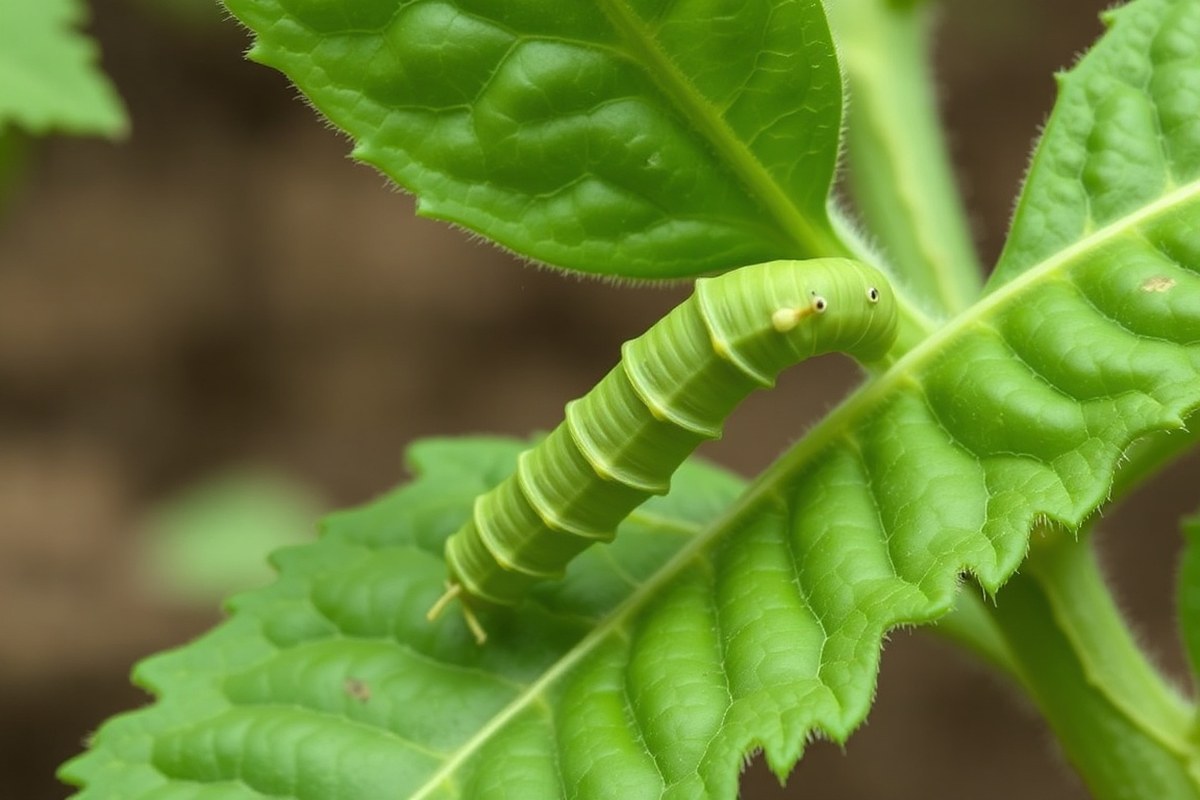
Hornworms mainly come from North and Central America. They live in wild plants and open fields. These insects often start in areas with weeds.
They feed on plants before reaching your garden. You usually find hornworms when moths migrate nearby. They lay eggs on your vegetable plants.
The common pests are tomato hornworms and tobacco hornworms. Both can appear in your garden. These large caterpillars hatch from eggs laid on leaves by adult hawk moths.
Moths fly well and are active at dusk and dawn. This helps them move from fields to gardens. Protecting garden edges with wild plants invites moths to lay eggs there, making your garden vulnerable.
Eggs hatch in 2 to 5 days. Larvae then feed on leaves of tomatoes and peppers. Hornworms get moisture only from their food.
They are about 85% water themselves. Female moths lay eggs as they fly over yards, fields, and gardens. They choose good spots.
Avoid large patches of wild weeds near your garden. This lowers hornworms settling near vegetables.
The Hornworm Life Cycle: From Egg to Moth
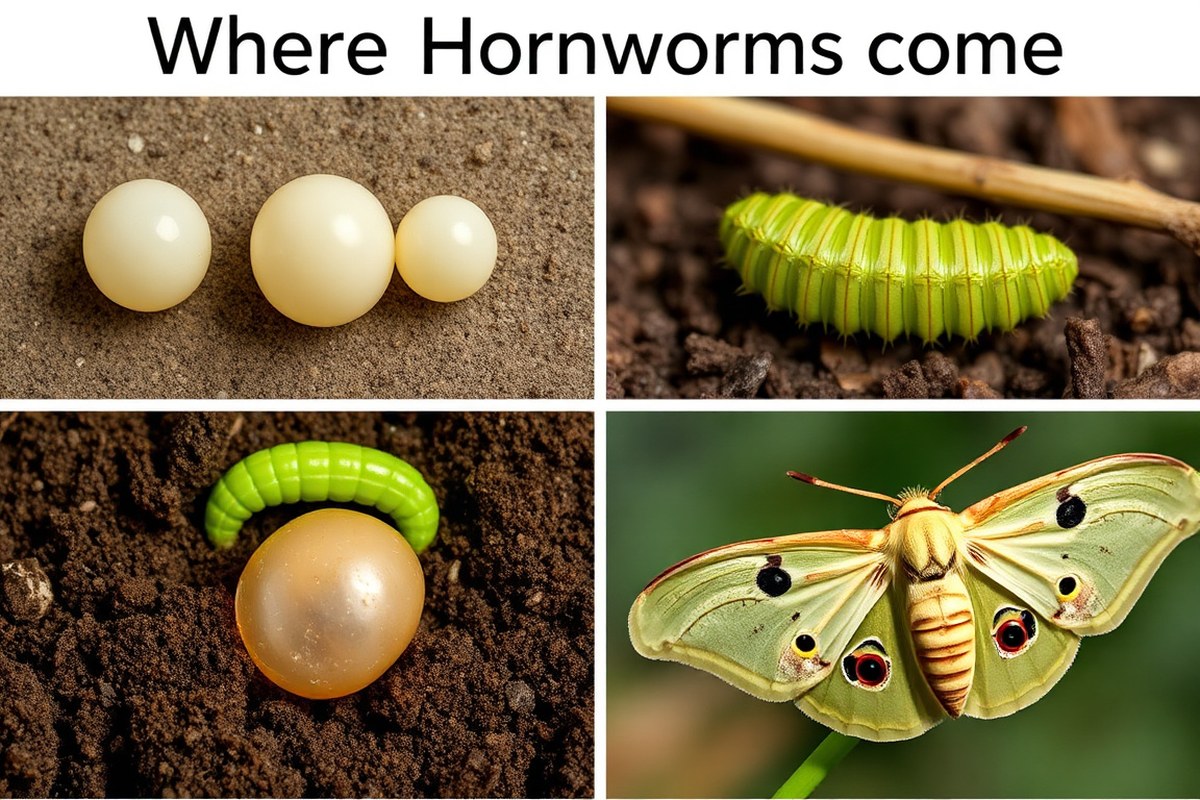
Hornworms go through four main stages to become moths. The full development takes about one to two months. It includes egg, larva, pupa, and adult moth stages.
This happens in several clear steps. Understanding this cycle helps you manage hornworms in your garden better.
Egg Laying and Hatching Timeline
Adult moths lay eggs mostly on the undersides of leaves. These eggs hatch into tiny larvae in about three to five days. The eggs are small and round, often hard to spot unless you look closely.
The timing matters because eggs hatch faster in warm weather. Cooler temperatures slow the process and may extend the egg stage beyond a week.
Caterpillar Growth and Feeding Stages
After hatching, the larvae, known as hornworms, feed heavily for 3 to 4 weeks. They grow fast from tiny worms to large caterpillars. These caterpillars can reach up to 4 inches long.
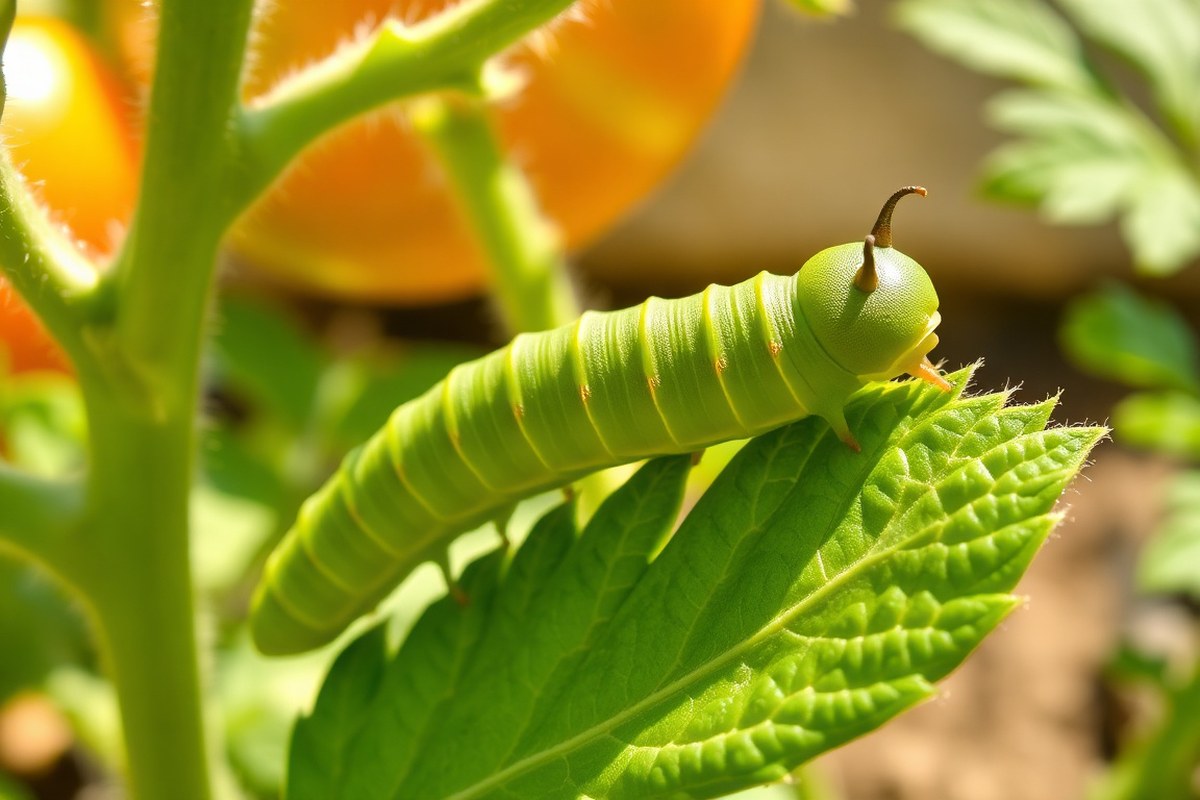
This growth occurs during the larva stage. They have a distinct horn on their rear end and bright green bodies with white marks.
Hornworms eat mostly tomato or tobacco plants. Their quick feeding makes them damaging pests if left unchecked. They then burrow 3 to 4 inches into the soil to begin pupation.
Pupation and Adult Moth Emergence
The hornworm turns into a pupa in the soil. This resting stage lasts about two to three weeks. After that, the adult moth emerges.
The pupa stays underground in loose soil or compost where it develops into an adult moth. Room temperature speeds this process up; it generally takes around 18 days.
Adult moths, called sphinx or hawk moths, have wingspans up to 5 inches. These moths emerge to mate and lay eggs, restarting the cycle. They’re important pollinators at night.
Follow these steps to understand hornworm development:
- Identify where adult moths lay eggs, usually on leaf undersides.
- Check eggs daily around warm-weather plantings to catch hatching soon.
- Watch caterpillars grow over 3 to 4 weeks as they feed heavily.
- Note when caterpillars burrow into soil for pupation.
- Keep soil loose and moist to observe pupation easily.
- Wait about 18 days for adult moths to emerge at room temperature.
- Recognize adult moths to understand the cycle completion.
Keep pupating hornworms in a container with loose soil to monitor moth emergence.
Preferred Host Plants and Feeding Habits of Hornworms
Hornworms prefer plants in the nightshade family, especially tomatoes, tobacco, peppers, and potatoes. Tomato and tobacco hornworms target these species since the plants’ chemistry signals a good food source. The moths lay eggs on leaf undersides.
The larvae hatch in about a week. They start feeding right after they hatch.
The feeding damage is clearly visible. Hornworms eat large leaf sections and strip stems, exposing fruit to sunscald.
They also chew on the developing tomatoes, leaving deep bite marks. This damage invites rot and reduces your harvest’s quality and quantity.
You can spot hornworm presence by their large green or black droppings near the plants. Adult moths pick egg spots by host plant chemicals. Worms eat plants they evolved to eat.
This helps them survive better. Tomatoes suffer most because they closely resemble the wild plants hornworms originally fed on.
How Agriculture and Garden Practices Affect Hornworm Presence
Tilling your garden after harvest and again in early spring cuts down hornworm numbers sharply. This breaks up the soil, exposing hornworm pupae that overwinter underground. Destroying them before they hatch cuts pests by about 90%.
It makes your garden less inviting to future hornworms. Practice this early for best results.
How you plant also affects hornworm presence. They love tomatoes, peppers, and eggplant. Planting these in clusters invites hornworms to settle.
Using companion plants like basil, marigold, or dill nearby helps repel them. These plants produce scents or chemicals hornworms dislike, lowering your garden’s attractiveness.
Soil management makes a big difference. Hornworms drop to the ground to pupate, burrowing into loose soil. Compact, undisturbed soil can protect pupae, letting more survive.
By contrast, regular light tilling or raking disrupts this stage. It also encourages beneficial insects that prey on hornworms, promoting natural pest control.
Different regions see varying hornworm populations. In parts of the U.S., weather and local plants create hotspots. Gardens in both rural and urban areas face risks if they grow favored crops.
Turning soil late in fall can expose pupae to cold. This happens before winter fully sets in. It reduces hornworm populations for next season.
Successful gardening against hornworms combines these methods. Tilling slows population growth by killing pupae. Planting deterrent companions breaks their food chain.
Maintaining soil structure supports natural predators. Spend a few hours twice a year on these tasks. This will save many hours fixing pest damage later.
A little work now keeps pests down. Failing to till or using just one method lets hornworms rebound quickly each year.
How Hornworms Survive Winter and Seasonal Changes
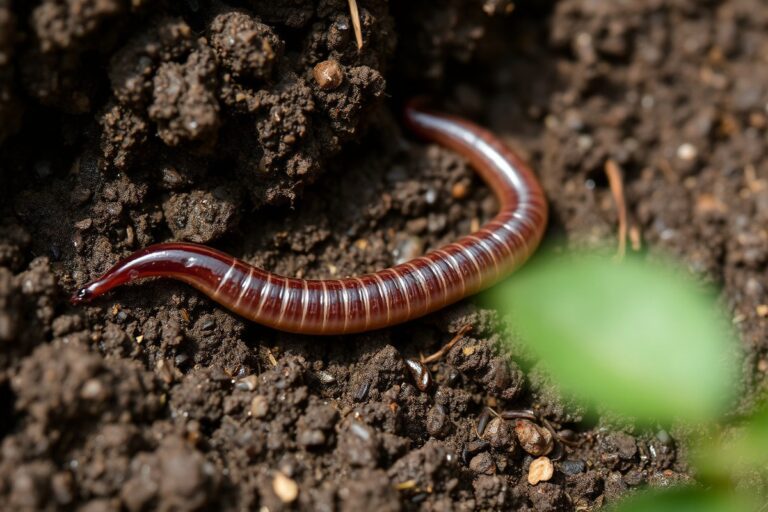
Hornworms survive winter primarily by pupating underground. They dig three to six inches into the soil. There, they turn into pupae.
They stay inactive through the cold months. This underground shelter shields them from frost and cold air.
The soil temperature matters a lot for their survival. The soil freezing deeply and for long kills most pupae. Hornworms do well in warmer states.
The soil stays warm there. It protects the pupae during winter.
In cold places like northern states or Canada, many pupae die. Winters are too harsh for them.
Those areas get new hornworms only when moths migrate from warmer places in spring. This winter kill limits large hornworm populations up north.
Spring temperatures trigger the pupae to mature and emerge as adult moths. When soil warms in spring, adults break free. This usually happens after a few mild weeks.
They lay eggs on garden plants. This timing aligns with the growing season for their preferred crops.
Fall garden tasks can impact hornworm survival in your soil. Michigan State University Extension says fall tilling can kill up to 90% of pupae. This happens because tillage disturbs their underground pupation sites, exposing them to cold and predators.
Hornworms can turn from pupae to moths in about three weeks. Warm weather speeds this process.
This fast emergence means they can quickly repopulate your garden once the weather allows. You could see new hornworms by late spring or early summer depending on your climate.
Tilling your garden soil three to six inches deep in fall helps kill most pupae before winter.
Differences Between Tomato and Tobacco Hornworms
The tomato hornworm and tobacco hornworm look alike but have key differences. Tomato hornworms have a black horn and white lines.
Tobacco hornworms have a red horn with diagonal white dashes. These colors help you spot which caterpillar is chewing on your plants.
Both belong to the same moth genus, Manduca, and feed mostly on tomatoes and tobacco. They can eat related plants like eggplants and peppers, which means they threaten many garden favorites. Their green colour camouflages well against leaves, so look closely for damage and droppings.
| Feature | Tomato Hornworm | Tobacco Hornworm |
|---|---|---|
| Horn Color | Black | Red |
| Body Markings | White lines | White diagonal dashes |
| Preferred Regions | More common in Northern US and Australia | More common in Southern US and Colorado gardens |
| Host Plants | Tomatoes, tobacco, eggplants, peppers, potatoes | Same as tomato hornworm but tends toward tobacco and veggies |
| Life Cycle Length | 30-50 days with multiple generations per season | Similar 30-50 days with multiple generations |
| Toxicity | No significant toxin storage | Stores tobacco toxins, caution if feeding reptiles |
Their life cycles overlap but are short, about 30 to 50 days. They can produce two or more generations each growing season.
The tobacco hornworm often dominates gardens in warmer southern states. Tomato hornworms show up more in cooler northern areas.
Knowing these traits helps you identify which hornworm is in your garden and choose control steps. Physical removal works well to control tomato hornworms. Handle tobacco hornworms carefully because they store toxins.
Be cautious while removing them to avoid irritation. Shine a UV light on tomato plants at night to spot glowing hornworms before they hide.
Early Signs and Detection Methods for Hornworms
Spotting hornworm eggs and larvae early helps you stop damage fast. Eggs are tiny, round, and pale green or white. Finding them lets you treat before caterpillars grow big and hard to kill.
Detecting Eggs and Small Larvae
Hornworm eggs measure about 1.5 mm wide, about 1/20 inch. They cluster on the undersides of leaves, so check those carefully. The pale green or white eggs blend into the background but look for tiny, round dots.
After eggs hatch, small larvae start feeding on leaves. At this stage, they barely damage plants but are easier to control. Early in the day, look closely on leaves for tiny green caterpillars.
Use a hand lens to help you spot them better. These caterpillars are small but visible if you pay attention.
Recognizing Early Feeding Damage
Young hornworms make small, irregular holes in leaves as they feed. Look for leaves with edges or surfaces that seem eaten away. This damage appears before large defoliation happens and can be hard to spot without close inspection.
Early feeding also causes leaf wilting or discoloration near the damage. Check the leaves of preferred plants like tomatoes and peppers first. Spotting this damage early lets you spray Bacillus thuringiensis (Bt) or handpick caterpillars easily.
- Inspect underside of leaves frequently
- Use a magnifying glass to find tiny eggs
- Look for small leaf holes or irregular edges
- Check plants early in the morning or evening
- Notice yellow or wilting spots on leaves
- Handpick or treat before larvae grow large
Using UV Light for Night-Time Scouting
Hornworm larvae are easier to find at night when they feed most. Using a blacklight flashlight makes them glow under ultraviolet light. This glow highlights larvae hiding in dense foliage or lower leaves.
A UV light costs about $15 to $30 and runs on AA batteries. Shine it carefully over leaves after dark for 10 to 15 minutes. You’ll catch caterpillars that hide in the day, giving you a head start on control.
Prevention and Control Strategies to Keep Hornworms Away
To stop hornworms, work with helpful insects in your garden. Use smart habits to keep them from taking over. This way, you protect your plants naturally.
Rely on natural predators to control hornworms on your plants. Use organic methods along with careful chemical options if needed.
This keeps your garden safer and healthier. Avoid harsh sprays early in the season to protect beneficial bugs that fight hornworms for you.
Cultural and Physical Prevention Methods
Keeping your garden tidy helps stop hornworms. You want to remove weeds and plant debris where hornworm eggs and larvae hide. Crop rotation avoids letting hornworms settle in one place season after season.
Here are practical steps you can follow to reduce hornworm risks naturally:
- Till the soil after harvest to disrupt hornworm pupae underground.
- Rotate crops yearly to prevent hornworms from finding favorite plants.
- Pull out weeds and clear plant debris regularly.
- Plant flowering herbs nearby to attract beneficial insects.
- Create bug hotels or leave areas of wildflowers to support natural predators.
Removing plant debris in late fall cuts down hornworm eggs and pupae in your garden soil.
Biological and Organic Controls
Keep beneficial insects like braconid wasps working for you by avoiding disruptive pesticides. These wasps paralyze hornworms and lay eggs inside them, naturally lowering their numbers. Birds, especially chickens, also eat hornworms eagerly while foraging.
Planting wildflowers near your vegetables creates a habitat that sustains these helpful insects. Biological controls like these last season-long and do not harm your garden ecosystem. They’re a natural way to keep hornworm populations down without chemicals.
Safe Use of Chemical Treatments
Sometimes, chemical sprays are needed if hornworms reach high numbers quickly. Choose products that won’t kill beneficial insects, like Bacillus thuringiensis (Bt). Bt targets hornworms only and breaks down fast, so it’s safer for your garden.
Only use chemical controls if other methods don’t work. Apply chemicals carefully early in the morning or late evening. This helps protect beneficial insects and your plants.
Avoid spraying during flowering to protect pollinators nearby. Always follow label directions to keep yourself and your plants safe.
Step-by-Step Action Plan to Manage Hornworms in Your Garden
Follow these steps to spot and handle hornworms before they damage your plants. This plan helps you act quickly and check your garden’s health often.
- Before planting: Clear old tomato and tobacco plants from last season to remove eggs and larvae. You’ll reduce hornworm numbers before they start.
- Week 1: Inspect new plants carefully every three days. Find small holes or green droppings on leaves. This means hornworms might be feeding.
- Week 2: Use handpicking to remove any hornworms you see. Use gloves and drop worms into a bucket of soapy water. Check your plants twice weekly for new ones.
- Week 3: Introduce beneficial insects like parasitic wasps if you notice many hornworms. These insects naturally reduce hornworm numbers. Look for tiny white cocoons on worms to know they work.
- Week 4: Apply Bacillus thuringiensis (Bt) spray if hornworms persist. Spray early morning on leaves and repeat after one week. Look for droopy or dead worms as a sign it helped.
- Mid-season: Rotate plant locations and use row covers to protect tomato plants. This helps stop new hornworms from settling. Remove covers once plants flower to allow pollination.
- Late season: Remove all crop debris and destroy infected plants. This stops hornworms from hiding and reduces next year’s eggs.
Frequently Asked Questions
Where Do Hornworms Come from Originally?
Hornworms come from eggs laid by large moths in your garden. Females mostly lay eggs at night on host plants like tomatoes and tobacco.
Do Hornworms Travel Far Before Settling on Plants?
Hornworm larvae usually stay close to where they hatched. They don’t roam far because the plants supply all their food and moisture.
Can Hornworms Come from Nearby Wild Plants?
Yes, hornworms can come from wild plants near your garden. Moths lay eggs on various plants, then caterpillars move to veggies for feeding.
Are Hornworms Brought in by the Wind?
Hornworms do not fly or get blown by the wind. Only adult moths can fly to lay eggs, starting the cycle in your garden.
Can Hornworms Lay Eggs Indoors or in Greenhouses?
Adult moths rarely enter greenhouses to lay eggs. They prefer outdoor plants but can sometimes get inside and cause infestations.
Do Hornworms Come from Other Animals or Pets?
Hornworms don’t come from pets or animals. They hatch only from moth eggs laid directly on plants your pets don’t carry them in.
Final Thoughts
Hornworms start in eggs laid on your plants and grow fast while eating leaves. Catching them early stops big damage to your tomatoes and tobacco. Check your garden often and act right away when you spot signs of these pests.