How Big Does a Money Tree Plant Get? A Complete Indoor and Outdoor Size Guide
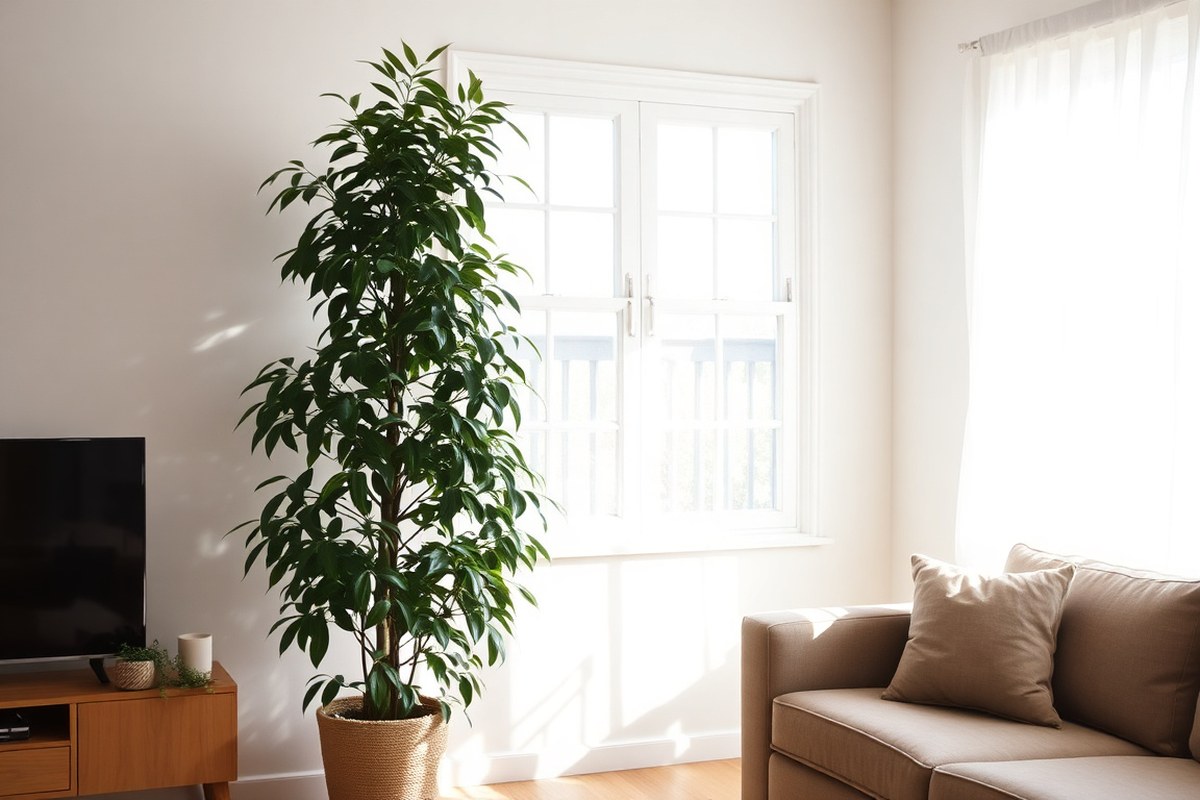
The size of a money tree depends greatly on its environment. Indoors, with adequate light, warmth, water, and space, it typically grows 6 to 8 feet tall. In tropical outdoor settings, it can grow up to 60 feet tall, far exceeding indoor limits.
You can manage your money tree’s size by pruning it once a year and selecting the right pot size. Smaller pots restrict root space, which keeps the plant more compact. Larger pots encourage taller growth but require careful watering to avoid root rot from trapped water.
Money trees grow at various rates based on care and conditions. Keeping the plant warm between 65 and 80 °F aids steady growth and helps it fill out over several years. Using an appropriately sized pot from the start gives you better control over its eventual height.
Key Takeaways
- Indoor money trees typically grow 6 to 8 feet tall under good conditions.
- Outdoor money trees can reach up to 60 feet in tropical climates.
- Using a pot that grows slowly limits your money tree’s size effectively.
- Yearly pruning keeps your money tree compact between 3 and 6 feet tall.
- Only water your money tree after the top 1 to 2 inches of soil feel dry to touch.
- Drain excess water after watering to prevent root rot.
How Big Do Money Trees Get Indoors and Outdoors?

Money tree plants usually reach about 6 to 8 feet tall indoors. They also spread 3 to 5 feet wide over time. Growing conditions indoors affect how fast they grow in height.
Light and pot size slow their growth to 6 to 12 inches yearly. This keeps their growth steady but slower than outdoors.
Outdoors, money trees can grow much taller in tropical climates. They often reach up to 8 feet when planted in the ground. In perfect tropical settings, these trees can grow as tall as 60 feet over many years.
The difference in size depends mainly on space and climate. Indoor plants are limited by pot size and indoor light levels. Outdoors, money trees have more room and natural warmth to reach their full height potential.
What Factors Influence a Money Tree’s Size?
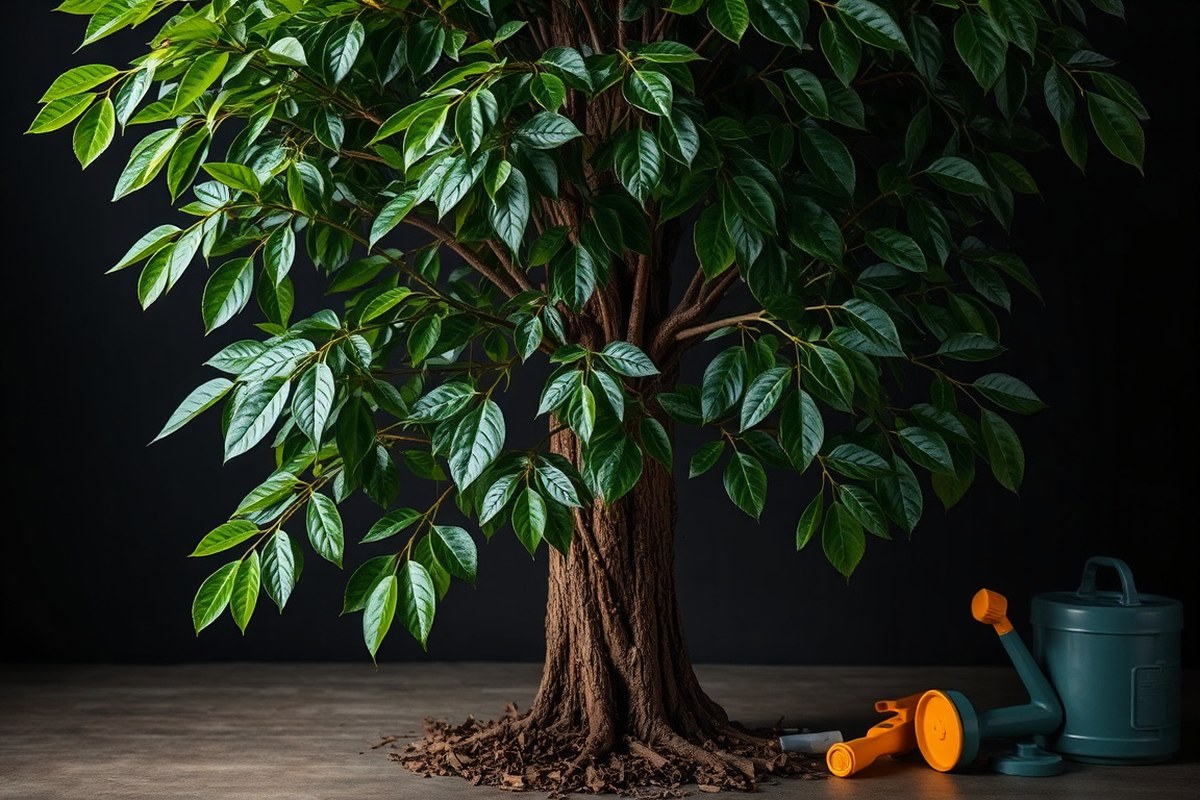
Light Levels and Growth Potential
Money trees need bright, indirect light to grow well indoors. Too little light slows growth and keeps the plant smaller.
To help your money tree grow 6 to 8 feet, put it near a bright window. Avoid direct sunlight because it can burn the leaves.
Regularly rotate your money tree every time you water it. This helps the plant grow evenly instead of leaning toward the light. A healthy light routine encourages both height and leaf fullness.
Watering and Humidity Effects
Water your money tree when the top 1 to 2 inches of soil feel dry. Overwatering causes root rot, which stunts growth. Underwatering makes leaves curl and drop, also limiting size.
High humidity helps money trees grow taller and fuller. Use a humidifier to keep humidity around 60%.
You can also set the plant on a tray with water and pebbles. This supports healthy leaf and stem development.
Temperature Range and Comfort Zone
Money trees prefer temperatures between 65°F and 80°F. Cooler temperatures slow growth and may cause leaf drop. Avoid placing the plant near drafts, heaters, or air conditioners to keep growth steady.
Consistent warmth supports smooth growth toward the money tree’s full height range. Rapid temperature changes cause stress and stunt the plant’s development.
Pot Size Influence on Growth
The size of your money tree’s pot directly affects its root space and eventual height. The plant stays smaller when roots have little room to grow. A 14-inch pot suits a typical indoor money tree up to 6-8 feet tall.
Repotting into a larger pot encourages new root growth. This boost allows the top growth to get larger, too. Crowded or compacted soil hampers growth and needs refreshing every 2 to 3 years.
Impact of Braiding and Pruning
The braided trunk of a money tree is only decorative. It does not restrict the plant’s height or health. An unpruned money tree can still grow 9 feet tall in many years.
Pruning controls height and encourages bushier growth. Trim stems every year to keep your money tree between 3 and 6 feet.
This works well if space is limited. Root trimming with pruning keeps your tree compact and healthy.
Water only when the top soil is dry. Always empty the drainage tray afterward to avoid root rot.
Typical Growth Timeline of a Money Tree Indoors
A money tree grows steadily indoors, usually about 6 to 10 inches each year. It develops the most during spring and summer, especially with seasonal fertilizing. Seedlings start slow but speed up as they grow young.
They reach 1 to 3 feet tall in two years. Growth gets faster after the early stage.
The tree matures between three and six years old. At this stage, it shows a full canopy. It also grows a strong, sturdy trunk.
It often reaches between 3 and 6 feet tall in this time frame. After six years, the tree is fully mature.
Indoors, it can reach 6 to 8 feet tall. This depends on good light and pot size.
Pay attention to room temperature, keeping it between 60º and 75º Fahrenheit. Repotting the plant every 2 to 3 years helps avoid root crowding which slows growth. Without enough space, your money tree may stop reaching its full potential height and spread.
How Pot Size Controls Money Tree Growth
The pot size directly affects how tall and wide your money tree will grow. Small pots restrict root space, which limits both height and spread. Increasing the pot size gives roots room to grow.
This helps plants get bigger. It also makes their canopies fuller.
You can keep your money tree small by using a modest pot size and pruning regularly. Letting the roots get a little crowded in a smaller pot helps keep the plant compact. Move up pot size by 2 inches every one or two years.
Doing this helps the plant grow steady. It works well if you want a larger plant.
| Form | Typical Height | Spread | Pot Size |
|---|---|---|---|
| Bonsai | 6 to 18 inches | 6 to 12 inches | Shallow, 6 to 10 inches |
| Tabletop braid | 1 to 2 feet | 1 foot | 4 to 6 inches |
| Pruned floor plant | 3 to 6 feet | 2 to 4 feet | 8 to 12 inches |
| Unpruned floor plant | 6 to 8+ feet | 3 to 5 feet | 12 to 14 inches |
| In-ground, zones 10 to 12 | 30 to 60 feet | 25+ feet | In the ground |
Choose a pot that suits how big you want your money tree to get. Tight pots keep the tree smaller, avoiding fast growth but needing more care. Bigger pots support faster, taller growth but can make your space crowded.
Switch pots during growing season to avoid stressing the roots. Your plant may be root-bound. Move it to a pot about 2 inches bigger.
This helps the plant grow better. Using pots that match these recommendations helps you manage your money tree’s size easily.
Keeping Your Money Tree Compact: Pruning and Root Trimming
To keep your money tree small indoors, prune its branches and trim roots regularly. Pruning encourages a fuller canopy and controls height. Root trimming slows growth and helps maintain a compact size.
Pruning for Height Control
Cut back long stems to keep the plant’s height in check. Pruning also encourages new growth, which makes the tree look bushier. You want to trim just above a leaf node to help your money tree grow fuller.
Use clean, sharp scissors or pruning shears. Remove any dead or yellowing leaves to stop the plant from wasting energy on dying parts. Doing this every few months helps shape the plant and keeps it healthy.
Here are steps to prune your money tree for size control:
- Inspect the plant for long or leggy stems and unhealthy leaves.
- Choose a stem to shorten and locate a node just above a leaf.
- Cut just above the node at a 45-degree angle.
- Snip off any dead or yellow leaves entirely.
- Trim a few stems at a time to avoid stressing the plant.
- Dispose of cuttings and clean your tools after pruning.
Stay gentle when you prune; cutting too much at once shocks the plant.
Root Trimming Procedure
Trimming roots can limit your money tree’s height growth without harming overall health. It reduces the root ball size, so the plant won’t grow as tall. Root trimming also keeps your plant stable in smaller pots.
Water the plant a day before trimming to soften the soil. Gently remove it from its pot and remove any dead or mushy roots first. Trim about 10 to 20 percent of the root mass to avoid over-stressing your money tree.
Follow these steps for safe root trimming:
- Water the plant well 24 hours before starting.
- Gently loosen and remove the plant from its pot.
- Brush off loose soil from the roots carefully.
- Use clean scissors to cut away dead or overly long roots.
- Trim up to one-fifth of the root system only.
- Repot the plant in fresh soil and a slightly smaller pot if desired.
- Water thoroughly after repotting to settle the soil.
Don’t trim too many roots or your money tree may suffer stress and slow growth.
Best Times of Year to Prune
Late spring and early summer is the best time to prune your money tree. The plant actively grows during these months, so it recovers faster. Avoid heavy pruning in winter when growth slows down.
Prune lightly in fall if needed to remove dead leaves or tidy branches. Trim roots every one to two years. Do this in early spring.
Do it before new growth starts. This timing helps your money tree heal quickly and stay healthy.
Expected Size Differences Indoors Versus Outdoors
Money trees grow very differently indoors and outdoors due to climate and space. Outdoors, in places like Florida or Hawaii, they can reach up to 60 feet tall. Indoors, money trees usually grow up to 6 to 8 feet tall.
Limited space and pot size keep their height in this range. They rarely get taller inside homes.
Outdoor money trees grow taller and wider in warmer climates. They get more room and better conditions there. This helps them reach bigger sizes.
They can produce 1 to 2 feet of new growth yearly when young. Indoor money trees grow slower than outdoor ones.
Pots limit root growth and stop them from getting taller. This slows vertical growth indoors.
| Growth Aspect | Indoor Money Tree | Outdoor Money Tree |
|---|---|---|
| Average Height | 6 to 8 feet | 30 to 60 feet |
| Growth Rate (Young Plant) | 1 to 2 feet per year | 1 to 2 feet per year |
| Width of Canopy | Variable, often limited by indoor space | Can be broad and dense |
| Humidity Requirements | Needs sufficient humidity for growth | Generally meets natural humidity levels |
| Climate Suitability | Anywhere, indoors | Warm southern states only |
You need enough humidity for indoor money trees to thrive. Choosing the right pot size helps balance growth and space. This care supports healthy plants.
Outdoor money trees have few growth limits but need warm climates. Cold weather harms their survival and proper growth.
Warmth is key for them. Growth can slow indoors if the environment is dry or the pot is too small.
Outdoors, money trees can spread their canopy wide. This makes them good for gardens but hard to contain indoors. You need space for their branches.
Expect slower growth inside due to space limits and lower natural humidity. Pruning can help you keep its size manageable no matter where you grow it.
Recognizing Growth Problems and How They Affect Size
Overwatering is a common problem that can stunt your money tree’s growth. The soil should dry out slightly between waterings. Keep soil from staying wet to stop root rot and nutrient loss.
Bad drainage also causes root rot and slows growth. Check your pot for drainage holes. No drainage holes?
Move your money tree to a pot with some. Use a potting mix that lets water pass through easily.
Pests like spider mites and scale feed on leaves and stress the plant. Look for discolored or sticky spots on leaves and stems. Treat infestations quickly with insecticidal soap or neem oil to protect your plant’s health.
Signs your money tree isn’t growing well include yellowing leaves, dropping leaves, and limp stems. New healthy leaves should show up often during growth.
You can expect your tree to grow about 12 to 24 inches yearly. Slow or no new growth may signal a problem.
To check your money tree’s health, follow these steps. First, poke your finger into the soil about an inch deep. The soil feels soggy?
Wait a bit before you water again. Next, inspect the roots when repotting. Healthy roots are white or light tan and firm.
Look under leaves and along branches for pests or webbing. Also, note leaf color and texture.
Bright green, firm leaves show good health. Yellow, brown, or drooping leaves indicate stress or disease.
Every few years, root-prune your money tree to keep size manageable and boost health. Remove the plant from its pot and trim ½ to 1 inch of outer roots.
Put it back in the same pot with fresh soil. Root pruning helps stop size stagnation caused by crowded roots.
Choosing the Right Size Money Tree for Your Space
Picking the right size money tree depends on your space. Think about where you want to use the plant. Choose based on both factors.
Small money trees fit well on desks or shelves. Larger ones suit floors or outdoor spots. Match the tree’s size to your available space to keep it healthy and looking good.
Tabletop and Bonsai Size Options
Money trees can grow very small as bonsai. They stay under 12 inches tall. This size fits well on desks or shelves.
For a tabletop look, keep your tree trimmed around 1 to 2 feet tall. Regular trimming keeps the tree neat and sized just right for small indoor spaces.
Choosing a smaller pot helps control growth and keeps the tree manageable. Prune your money tree every few months. This keeps it from growing too tall or wide.
It helps keep it desk-friendly. Smaller money trees need less light and space but still enjoy bright, indirect sunlight.
Try pruning when new leaves appear; it promotes fuller growth at a smaller size.
Floor Plant Size Considerations
Indoor floor-standing money trees usually stay under 8 feet tall. Light limits and pot size keep them smaller. They rarely grow taller inside.
Choose a container that fits your floor space but still allows root growth. A pot between 10 and 15 inches works well.
It keeps the tree stable and healthy. It also prevents the tree from getting too big.
Place it near windows with bright light but no direct sun. Room size matters when placing your tree. Choose a spot where it won’t block walkways.
Also, avoid crowding nearby furniture. Rotate the tree occasionally so all sides get light and grow evenly.
Outdoor Space Planning
Outdoor money trees can grow much larger than indoor ones. They need rich soil and frost protection to thrive outside.
Plan where it has enough room to spread, ideally several feet from structures or other plants. Good drainage and sunlight help the tree reach its bigger outdoor size safely.
Keep in mind that money trees can become tall and wide outside, so space them accordingly. This helps avoid crowding and lets the tree develop its natural full shape over time. Mulching and watering regularly support healthy outdoor growth.
Step-by-Step Action Plan to Manage Your Money Tree’s Size
This plan helps you control your money tree’s growth to fit your space. Follow these steps to keep your plant healthy and the right size.
- Before you start: Pick a pot size that fits your space. A smaller pot helps keep the tree compact.
- Week 1: Place your money tree in bright, indirect light. Check if leaves stay bright and firm.
- Week 4: Begin pruning the tips of branches. Look for new growth below the cuts within two weeks.
- Month 3: Trim roots if the plant slows growth or looks crowded in its pot. You should see fresh root tips after a month.
- Every 6 months: Rotate your plant slightly to keep growth even. Check if branches grow straight and balanced.
- When watering: Water only when the top inch of soil is dry. Watch for leaves that stay green and avoid soggy soil.
- Yearly: Repot into a slightly larger container if growth stalls and roots fill the pot. Look for new shoots and healthy roots.
Frequently Asked Questions
How Tall Can a Money Tree Plant Grow at Home?
A money tree can grow up to 6 to 8 feet indoors. Keep its light, water, and temperature conditions good for healthy growth.
Does the Way You Braid a Money Tree Affect Its Size?
No, braiding money tree trunks is just decorative. It doesn’t change the plant’s health or final size.
How Often Should You Repot a Money Tree to Encourage Growth?
Repotting every 2 to 3 years helps refresh soil and boost growth. Choose a pot that suits the size you want.
Can a Money Tree Survive in Low Light Without Shrinking?
It can survive but grows very slowly and may get leggy. Bright indirect light is best for size and health.
What Is the Typical Price Range for Money Tree Plants by Size?
Small plants usually cost around $15, while large ones can be several hundred dollars. Pricing varies by size and seller.
Why Does My Money Tree Stop Growing Even with Good Care?
Growth can stall if roots are cramped or pruning is neglected. Repot and prune regularly to keep growth steady.
Key Points to Remember
Money trees usually reach 2 to 6 feet indoors depending on care and pot size. You can keep them smaller with pruning and root trimming. Start with the right pot and light to enjoy a healthy, well-sized plant.