How Often to Change Lawn Mower Oil: A Complete Guide for Every Mower Owner
Change lawn mower oil every 50 hours of use or once per mowing season. This keeps the engine running smoothly and prevents early wear. Regular oil changes stop buildup that can damage the engine over time.
For a new mower, change the oil after 5 to 10 hours of use. This removes leftover manufacturing residue. After that, follow the 50-hour or seasonal rule to protect engine parts.
In colder months or with light use, changing oil once a year still protects the engine well. Fresh oil cuts moisture and stops rust inside the engine during storage.
Start the engine and run it 3 to 5 minutes to warm the oil. Warm oil flows easier and cleans the engine better. Always drain oil on a flat surface using a proper container.
Key Takeaways
- Change oil every 50 hours or at least once per mowing season.
- New lawn mowers need an oil change after the first 5-10 hours.
- Run the engine for 3-5 minutes before draining old oil.
- Change oil more frequently if mowing in hot, dusty, or rough conditions.
- Riding mowers can often go up to 100 hours before an oil change.
- Always check the oil level and quality before deciding to change it.
How Often Should You Change Lawn Mower Oil?
Change your lawn mower’s oil every 50 hours or once each season. Most four-stroke engines need this routine for best performance. Regular oil changes keep your engine smooth and lasting longer.
Push mowers generally need an oil change after about 25 to 30 hours of use. Riding mowers can go longer, from 50 to 100 hours between oil changes. Brands like Kohler and Kawasaki have a special oil change rule.
Change oil after 8 to 10 hours of first use. After that, go back to the normal schedule for your mower.
Using hours of operation is the best way to decide when to change oil. You should change the oil once each year, especially if you mow little. Spring or fall is a good time for this task.
This keeps the engine from getting sticky or clogged. Run your mower for a few minutes before changing the oil.
The warm oil drains easier and removes more dirt. This makes your oil change more sure and cleaner.
Key Factors That Influence Oil Change Frequency

Oil change frequency depends on your mower’s workload and environment. Mowing often or cutting thick, tall grass makes the engine work harder.
You might need to change oil sooner than 50 hours. Change it once per season at least.
Hot, humid weather and dusty or rough terrain wear out engine oil faster. Wet grass can also cause more dirt and debris to mix in with the oil.
After mowing in tough conditions, check oil quality more often. Change oil before 50 hours if needed.
Manufacturer guidelines are a good starting place for oil changes. Your owner’s manual often suggests intervals based on normal use.
Adjust oil change times if you mow on hills or pull equipment. Using low-quality oil also needs more frequent changes.
Warm up the engine for about 15 minutes before checking oil. Warm oil flows easier and shows dirt more clearly when checking the dipstick.
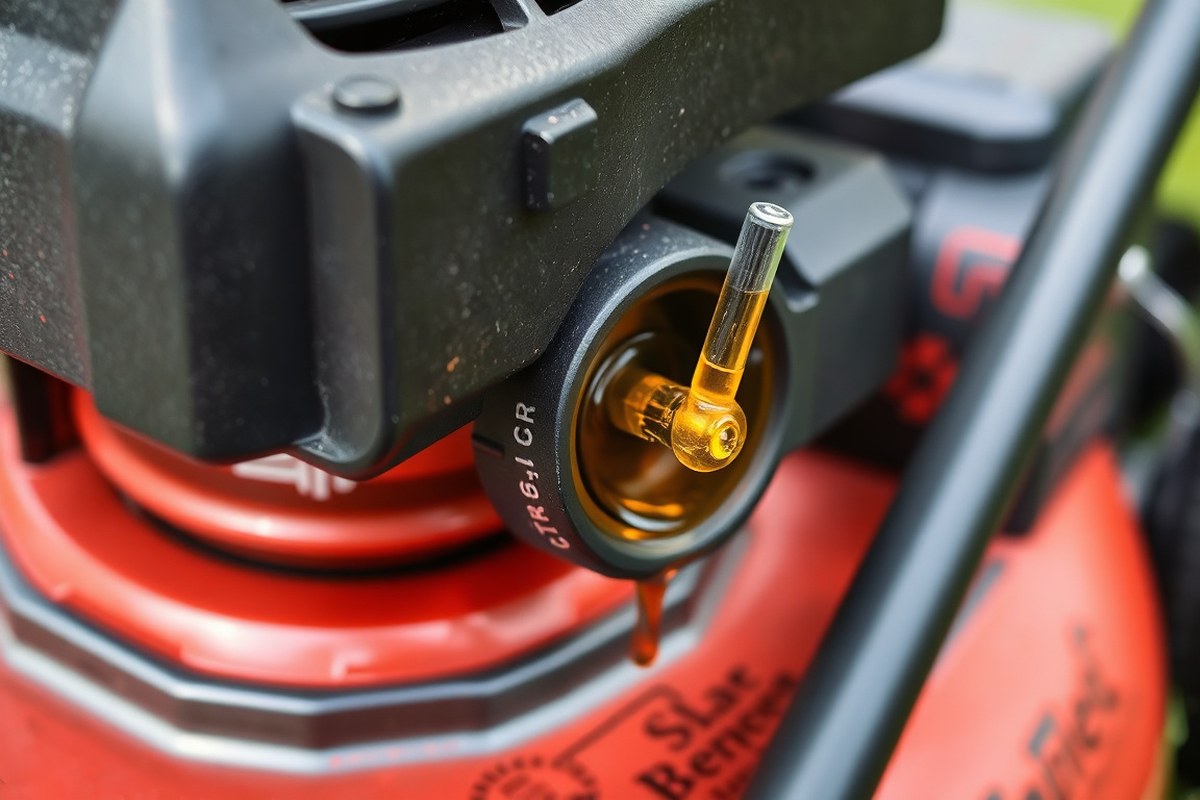
Regularly check the oil color and level to judge oil health. Amber and at proper levels means good oil and no urgent need to change. Dark, thick, or gritty oil signals immediate oil replacement is needed.
Think about your mowing habits. Running your mower only a few times per month means oil changes once a season. Mowing weekly in tough conditions means changing oil every 25 to 30 hours.
Types of Oil and Their Impact on Maintenance Schedule
The type of oil you use affects how often you change it. Different oils protect your mower engine differently based on temperature and usage. Choosing the right oil helps keep your mower running longer and on schedule for oil changes.
Common Oil Types for Lawn Mowers
For most lawn mowers with four-stroke engines, SAE 30 is the standard oil type. It works well for general use under normal operating temperatures. Some mowers need special break-in oil for the first 8 hours.
This oil helps protect the engine during the break-in. Use it only during these first hours of use.
Using the recommended oil ensures the engine parts get the right lubrication and reduces wear. Stick with oil labeled for small engines or lawn mowers to avoid rubbish additives.
Over time, the oil collects dirt and loses its ability to lubricate. So regular changes keep performance steady.
Synthetic vs Conventional Oils
Synthetic oil lasts longer and withstands a wider range of temperatures than conventional oil. Using the right oil cuts down how often you must change it. Sometimes oil changes can be more than 50 hours apart.
This saves time and money on maintenance. However, synthetic oil costs more upfront.
Most mower makers allow synthetic oil for better protection in harder conditions. Always check your mower’s oil level often. This is key if you run it hard or for a long time.
Keeping a good oil level protects the engine from damage. Switching to synthetic can be a cost-saving move if you want fewer maintenance stops.
Oil Recommendations by Temperature
Use SAE 30 oil for temperatures above 40°F. It provides good protection in warm weather and standard operating conditions. Oils marked 5W-30 or 10W-30 work better in cold weather.
They flow easier when you start the mower. This helps the engine get quick protection.
Changing oil according to season helps avoid engine damage from thick or thin oil. In cold areas, use multigrade oils for your mower. These oils help with easier starts and smooth running.
They also reduce extra engine wear during cold weather. Always follow the engine manufacturer’s temperature recommendations on your mower’s manual.
| Oil Type | Usage | Change Interval | Temperature Range |
|---|---|---|---|
| Break-in oil | First 8 hours of use | Change after 8 hours | Standard |
| SAE 30 Conventional | General use | Every 50 hours or once per season | Above 40°F |
| 5W-30 or 10W-30 Multigrade | Cold weather | Follow normal 50 hour interval | Below 40°F |
| Synthetic oil | Extended protection | Sometimes more than 50 hours | Wide temperature range |
Matching oil to the season and type improves engine protection. Synthetic oils help reduce wear during frequent use or extreme temperatures. Conventional oils remain fine for moderate climates and regular maintenance intervals.
How to Check Lawn Mower Oil Level and Quality Before Changing
Check your lawn mower oil before each use to catch low or dirty oil. Use the dipstick when the engine is cold and the mower stands on flat ground. This helps you see the real oil level and condition.
Locating and Removing the Dipstick
Find the dipstick on the engine, it usually looks like a small rod with a handle. It screws into or pulls out of the oil filler tube. Remove it carefully to avoid spilling oil or dirt.
Before you pull the dipstick, make sure the engine has cooled down. Place the mower on a level surface so you get an accurate reading.
Checking Oil Level and Color
Wipe the dipstick clean with a rag before dipping it back into the oil tube. Push it all the way down, then pull it out again to check the oil level. Proper oil level sits between the minimum and maximum marks on the stick.
Look at the oil’s color. Fresh oil is light amber and clear. Dark or black oil may mean it needs changing soon.
Assessing Oil Smell and Consistency
Give the oil on the dipstick a sniff. Normal oil has little to no smell, while burnt oil smells rancid or sharp. Check the oil feel by rubbing it between your fingers, it should be smooth, not gritty.
If the oil smells bad or feels gritty, don’t just top it off. Plan to drain it and replace it to protect your engine. Topping off old or dirty oil can harm your mower over time.
Follow these steps to check your mower oil:
- Park your mower on a flat surface and let the engine cool completely.
- Locate the oil dipstick, often near the engine top or side.
- Unscrew or pull out the dipstick and wipe it clean with a rag.
- Reinsert the dipstick fully, then remove it to note the oil level.
- Compare the oil level to the marked range on the dipstick.
- Inspect the color and clarity of the oil on the dipstick.
- Smell and feel the oil to check for burnt odor and grit.
- Add oil only if the level is low and the oil looks clean.
Step-by-Step Guide to Changing Lawn Mower Oil Safely
Changing lawn mower oil safely needs the right steps and care. You remove old oil, add new oil, and handle used oil properly. Protect yourself and the environment during the process.
Gathering Tools and Materials
You’ll need a few key things before you start. Get fresh oil that matches your mower’s manual recommendations. A drain pan, oil funnel, and clean rags also help.
Tools to disconnect the spark plug wire and an oil siphon may be needed. Use gloves to keep your hands clean and safe from oil. Everything should be ready nearby for an efficient job.
Draining Old Oil and Removing Filters
Start by unplugging the spark plug wire to stop the mower from starting. Set a pan underneath the oil plug or lowest spot on the mower. Take off the oil fill cap or dipstick so air can flow and oil drains faster.
Now unscrew the drain plug to let the oil flow out. Your mower might lack a drain plug.
In that case, tip it so oil drains out. You can also use an oil siphon to remove oil through the dipstick hole.
Loose or clogged filters may also need replacing during this step. Check your mower manual for specific filter removal instructions.
Adding New Oil and Testing
Once drained, screw the drain plug back in tightly. Pour the right type and amount of fresh oil using a funnel to avoid spills. Check the oil level with the dipstick to ensure it’s correct.
Start the mower briefly to circulate the new oil. Turn it off and re-check the oil level. Add oil if needed to reach the recommended mark, avoiding overfilling.
Safe Disposal of Used Oil
Collect the old oil in a sealed container to prevent leaks or spills. Never pour old oil down drains, on soil, or in trash bins. Used oil harms the environment and local water sources.
Take the sealed container to a local recycling facility or hazardous waste center. Many auto shops and municipal centers accept used engine oil free of charge. Proper disposal keeps your yard and neighborhood safe.
- Disconnect the spark plug wire to avoid accidental starting.
- Position a drain pan below the oil drain plug or tip the mower oil-side down.
- Unscrew the oil drain plug or use siphon if no plug exists.
- Allow old oil to drain fully and remove old filters if required.
- Replace drain plug securely and add fresh oil with a funnel.
- Check oil level with a dipstick and start the mower briefly.
- Recheck oil level and add more oil if necessary.
- Pour used oil into a sealed container for proper recycling.
Always disconnect the spark plug wire first to prevent accidental starts. This small step avoids serious injury or mower damage.
When and How to Change Oil on a New Lawn Mower Engine
New lawn mower engines need an oil change sooner than usual. After 5 to 10 hours of running the engine, you should do the first oil change. This removes tiny metal pieces and debris that gather during the engine’s break-in period.
The break-in period is when the engine parts settle and wear in lightly. The first oil captures this break-in metal dust and stops it from damaging parts. Skipping this early change can cause poor engine performance or shorten its life.
To change the oil, start by warming the engine. Warm oil drains faster and carries more debris out. Turn off the mower.
Open or tip the drain plug. Let the oil flow into a container.
Use fresh SAE 30 oil after the drain. This oil type suits most lawn mower engines well.
Fill the crankcase with the amount your mower’s manual says, usually one quart or less. Check the oil level with the dipstick to avoid overfilling.
The first oil change takes about 15 to 20 minutes. This includes cleaning up. You also need to dispose of the old oil properly.
You can recycle used oil at many auto shops or hazardous waste centers. The cost mainly comes from the oil, about $5 to $10 per quart.
Your mower needs more oil checks after break-in. This is true if you mow a big yard weekly. Heavy use builds more heat and grime, so that oil changes might come sooner.
For light use, change oil after 5 to 10 hours first. Then follow the regular schedule from there.
Signs Your Lawn Mower Oil Needs Changing Immediately
Dark, dirty oil that looks gritty or sludgy means your lawn mower oil needs changing. You should check the oil color with a clean dipstick on a flat surface.
Fresh oil is typically clear amber. Old oil turns dark brown or black quickly.
Another sign is a burnt smell coming from the oil or engine. That burnt odor shows the oil is breaking down and can’t protect metal parts anymore. Check the oil level regularly, especially if your mower runs hot.
Smell the oil too, especially in dusty conditions. This helps spot problems early.
Loud engine noises or knocking sounds during mowing usually mean the oil isn’t lubricating well. When oil quality drops, internal parts grind and produce rough noises. These sounds signal you’re close to engine damage if you don’t change the oil now.
Besides sounds and appearance, watch for performance drops. Your mower might use more fuel or run slower. Bad oil can cause extra friction and poor combustion.
Check and change the oil to fix this. Don’t ignore rising fuel use as it often links to old, ineffective oil.
- Oil looks thick, gritty, or changes to black fast
- Oil smells burnt or like chemicals
- The engine makes knocking or rattling sounds
- Engine runs hotter than usual
- Fuel consumption increases noticeably
- The mower loses power or stalls
Failing to change oil can cause sludge buildup that clogs engine parts. This buildup leads to overheating and cuts metal surfaces, wearing out the engine. Repairs from neglecting oil often cost hundreds of dollars.
An oil change usually costs between $5 and $10. Changing oil saves you money.
Check oil every 5 to 10 hours of mower use. Change the oil at least once each mowing season. This keeps your mower running well.
Clean oil keeps your engine cool and running smoothly. Ignore signs and you risk permanent damage and a mower that won’t start next season.
How Riding Mower Oil Changes Differ from Push Mowers
Riding mowers use a different oil change schedule from push mowers. Change the oil in your riding mower after every 100 hours of use or once a season. Push mowers need more frequent oil changes, generally every 25 hours or once a season if used less.
Riding mowers often have oil filters that need replacing with every oil change. Push mowers usually don’t have oil filters, making their oil change process simpler and cheaper.
Changing a riding mower’s oil filter costs about $10 to $20 for parts. Push mower oil changes need only oil and a drain plug check.
| Feature | Riding Mower | Push Mower |
|---|---|---|
| Oil Change Interval | 100 hours of use or once per season | 25 hours of use or once per season |
| Oil Filter Present | Yes, replace with every oil change | No filter on most models |
| Oil Type | Typically use SAE 30 or multi-viscosity 10W-30 | Often SAE 30 or synthetic 5W-30 |
| Maintenance Cost | Higher due to filter and oil volume | Lower, only oil replacement needed |
Oil types can differ a bit between mower types. Riding mowers often use heavier oils like SAE 30 or 10W-30 to protect stronger engines.
Push mowers may use lighter synthetic oils like 5W-30 for easier starts in cold weather. Check your mower’s manual for exact recommendations.
To change riding mower oil, warm the engine, and place a pan under the drain plug. Remove the plug and drain oil fully. Replace the oil filter, then add fresh oil to the fill line.
Push mowers skip the filter step and hold less oil. So draining and refilling takes just a few minutes.
Never run your mower without changing the oil filter on a riding mower. It traps dirt and prevents engine damage.
Step-by-Step Action Plan for Changing Lawn Mower Oil
Follow these simple steps to keep your lawn mower oil fresh and your engine running well.
- Before the first use: Check the oil level and type in a new mower. Fill or top off as needed so the engine runs smoothly from day one.
- After the first 5 hours: Change the oil on a new mower according to the manufacturer. This removes any break-in debris and protects the engine.
- Every 25 hours or annually: Drain and replace the oil in your push mower. Fresh oil stops the engine from wearing out too fast.
- Before each mowing season: Inspect the oil quality by checking its color and thickness. Change it if it looks dark or gritty to prevent damage.
- Mid-season: Check the oil level and quality. Add oil if low or plan a change if the oil seems dirty or smells burnt.
- After heavy use or long mowing sessions: Look for signs like smoke or engine noise. Change the oil promptly if you notice these symptoms.
- End of season: Change the oil again before storing the mower. Clean oil helps protect the engine during long off months.
Frequently Asked Questions
How Long Does Lawn Mower Engine Oil Last?
Lawn mower engine oil usually lasts about 25 to 50 hours of use. Check the owner’s manual for specific recommendations based on your model and oil type.
How Do I Know When My Lawn Mower Needs an Oil Change?
Change the oil when it looks dark and dirty. Also, do it if the engine runs rough.
Regular oil changes help keep your mower working well. Also, follow the hourly guidelines or change it every mowing season for safety.
Do I Need to Change Lawn Mower Oil Every Year?
Changing oil at least once per year is a good rule for occasional use. More frequent changes are needed if you use it often or in tough conditions.
What Happens If You Don’t Change Lawn Mower Oil?
Not changing the oil can cause engine wear and poor performance. It can lead to overheating and ultimately engine failure if neglected.
Can I Use Car Oil in My Lawn Mower?
You can use certain car oils, but check your mower’s manual first. Some synthetic oils designed for small engines work better.
How Much Oil Does a Lawn Mower Typically Hold?
Most push mowers take about 20 ounces of oil. Check your mower’s oil fill label or manual for the exact amount.
Key Points to Remember
Changing your lawn mower oil regularly keeps its engine safe and efficient. Start by checking your oil today, so you know its condition. Staying on top of oil care saves you repair costs and frustration later.