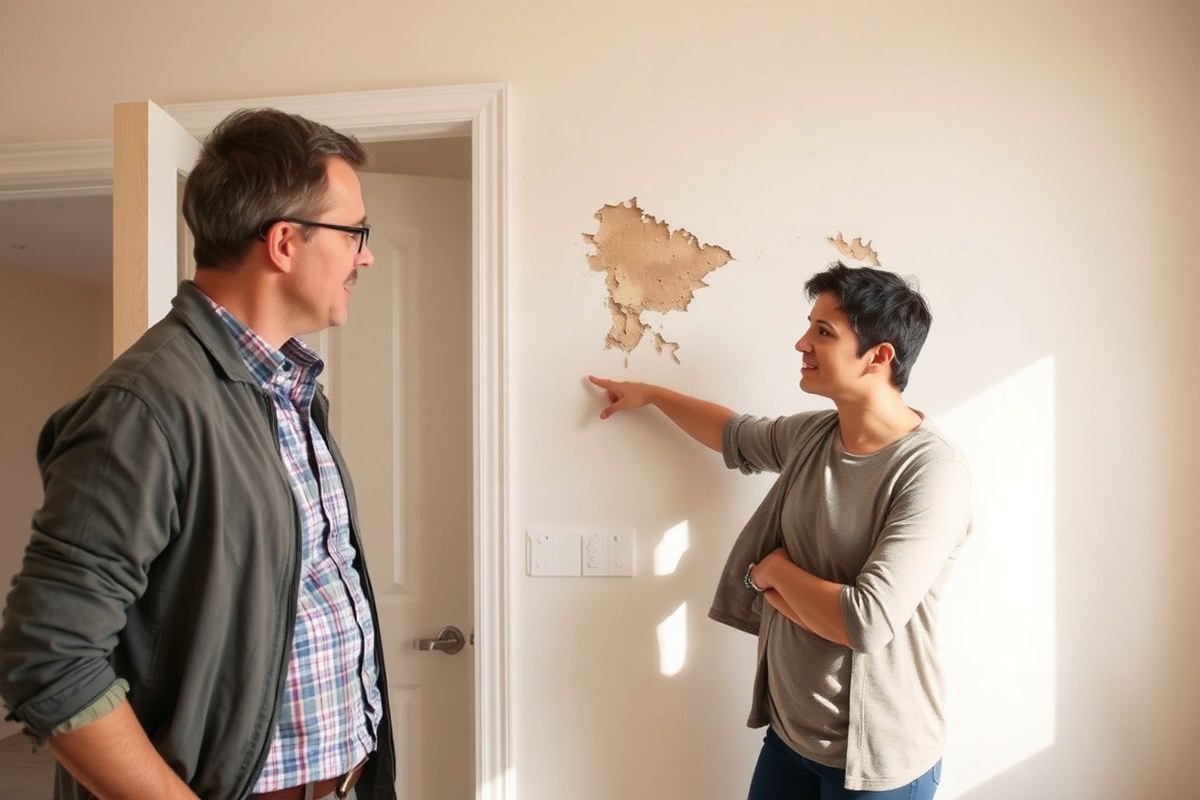
What Happens If You Damage a Rental Property: Clear Answers & Practical Steps
What happens if you damage a rental property is a common worry. You’ll likely need to pay for repairs or fix the issue yourself. Tenants must repair any damage they or their guests cause, even if it’s accidental.
Some damages, like normal wear and tear, usually aren’t your responsibility. But things like broken windows, holes in walls, or stains on carpets often are.
Your security deposit might cover some costs. But you could owe more if repairs are expensive.
It’s smart to report damage to your landlord right away. This can help avoid bigger problems later or misunderstandings about responsibility. Always check your lease for specific rules about damage repairs and notification requirements.
Landlords don’t have the right to enter your rental without notice. Usually, they must tell you at least 24 hours before showing up. This rule helps you keep control over your home and manage any damage correctly.
Key Takeaways
- Tenants must repair or pay for damage caused by themselves or guests.
- Normal wear and tear is the landlord’s responsibility, not yours.
- Report any damage to your landlord as soon as possible.
- Check your lease for specific rules about damage and repairs.
- Landlords usually must give 24 hours’ notice before entering your unit.
- Keep photos and records of the damage and your repair efforts.
What Happens If You Damage a Rental Property?

You’re usually responsible for fixing or paying for rental property damage. This applies to damage caused by you, your guests, or your pets. The landlord can charge you for damages that go beyond normal wear and tear.
Accidental damage still counts as damage. For example, a broken window or a large hole in the wall needs to be repaired.
You’re expected to cover the cost, even if damage isn’t on purpose. Most leases and laws say this.
Once damage happens, the landlord will likely document it and get repair estimates. They might notify you in writing and ask for payment or direct repairs. Renters insurance may cover some accidental damages.
Check your policy to be sure. But it doesn’t always cover damage inside the rental unit itself.
Talking to your landlord soon after damage occurs helps set things right. You might work out a repayment plan if this is your first accident and your rental history is good. Avoiding a fight over deposits or eviction depends on quick and honest communication.
Legal rules say tenants must pay for damage caused by themselves or their visitors. Intentional damage can lead to eviction or legal action from your landlord.
Security deposits often cover repair costs. But landlords have to follow proper steps like sending notices and showing repair bills.
Many tenants don’t know common incidents like pet scratches or carpet stains are damage. These count as repairs you must cover. Repair costs vary: fixing a hole in a wall might run $150 to $300.
Replacing a broken window is more expensive. Knowing your responsibility keeps your deposit safe and prevents bigger problems.
How to Distinguish Between Normal Wear and Tear vs Damage

Damage in a rental property means effects that go past normal wear and tear. Normal wear happens naturally over time from living in a place. Damage usually comes from accidents, misuse, or carelessness.
Definition of Normal Wear and Tear
Normal wear and tear is the minor decline a property shows just by being lived in. It includes small scuffs, faded paint, or worn carpet over several years. This kind of wear happens gradually and can’t be avoided entirely.
Examples of normal wear are slight wall marks and loose cabinet handles. Minor scratches on wooden floors also count as normal wear.
These don’t affect the property’s basic use or safety. Your landlord expects these and usually won’t charge you for fixing them.
Common Signs of Actual Damage
Actual damage means harm caused by an accident, misuse, or neglect beyond natural wear. This can break or ruin parts of the rental property. Damage can make the property unsafe or unusable until fixed.
Damage signs include large holes in walls and broken windows. Water stains from leaks you caused and pet holes in floors are damage too.
Landlords can deduct repair costs from your security deposit when they find this kind of damage. Damage often needs quick repair to avoid making the rental unsuitable for new tenants.
Examples Comparing Wear and Tear vs Damage
Here’s a table with examples to show normal wear from damage. It helps you see the difference clearly. This will help you know what you’re responsible for fixing or paying for.
| Issue | Normal Wear and Tear | Damage |
|---|---|---|
| Wall Condition | Minor scuffs or faint marks | Large holes or deep scratches |
| Flooring | Worn carpet or faded wood finish | Burn marks, stains, or ripped carpet |
| Plumbing | Small drips from old pipes | Clogged or broken pipes from misuse |
| Doors and Windows | Loose knobs or stuck doors from age | Broken glass or damaged frames |
| Pets | Minor fur or small nail marks | Punched holes or urine stains on carpet |
Use this table as a guide before reporting issues to your landlord. Sometimes it’s unclear, so mention any problems early. That helps landlords inspect and decide if repairs are needed.
Tell your landlord right away if you think you caused damage, even if unsure. Waiting makes repairs harder and might increase your costs.
Who Is Responsible for Rental Property Damage?
Tenants usually pay for accidental damage they cause in a rental property. This includes damage done by the tenant, household members, guests, or pets. You are responsible if your dog scratches floors or guests break windows.
Landlords expect tenants to follow lease terms about property care and damage. Leases usually explain who pays for what kind of damage. Read your lease carefully.
It tells if you cover repair costs. Check if extra charges go beyond the security deposit.
Lease clauses often say landlords can deduct repair costs from your security deposit. The landlord may send a written notice for serious damage or unpaid costs. This notice details the damage, cites lease rules, and demands payment or repair.
Damage caused by normal wear and tear is the landlord’s responsibility. But accidents or neglect fall on tenants to fix or pay for.
You should tell your landlord about any damage as soon as it happens. Reporting quickly can stop damage from getting worse and keep costs down.
Guests and pets are treated like tenants when it comes to damage. You’re responsible for any harm they cause to the property.
For example, your landlord can charge you if a guest stains carpet. Also, if your pet tears a screen, you pay for repairs.
Landlords invest time and money to maintain their rentals. They have the right to hold you financially liable for damages beyond normal use. Refusing repairs can lead your landlord to legal action or eviction.
Working with your landlord can help avoid bigger problems later. Communicate openly and agree on how to fix and pay for the damage. This keeps your rental history good and prevents costly legal steps.
Steps to Take Immediately After Causing Damage
Right after damaging a rental property, act fast to reduce problems. First, record the damage carefully.
Then, tell your landlord quickly. Lastly, try to keep the damage from getting worse.
Documenting the Damage Thoroughly
Write down what got damaged as soon as you notice it. Use your phone or camera to take clear photos from different angles. This proof helps you and your landlord understand the problem better.
Note the time and how it happened, including any tools or equipment involved. Keep these records safe, as they make repair decisions and cost sharing more fair. Without documentation, your case becomes harder to explain.
Contacting Your Landlord Promptly
Call or email your landlord right away to report the damage. Don’t wait more than 24 hours; quick notice can protect you from extra charges. Sharing details honestly shows that you want to fix the issue responsibly.
Use a simple message like: “Hello, I found some damage in the kitchen sink area. I’ve taken photos and want to work on repairs. Please advise what to do next.”
Keep your messages polite and clear. Your landlord might send a repair person or offer instructions.
Preventing Further Damage While Waiting
Try to stop more damage from happening. But don’t do anything that could make it worse.
For example, if water is leaking, turn off the main valve to stop water flow. Avoid using broken appliances or fixtures until a professional checks them.
Keep kids and pets away from the damaged area for safety. Don’t fix electrical or structural damage yourself.
That could be unsafe and cause bigger problems. Waiting calmly and following your landlord’s advice helps keep costs down and avoids delays.
Follow these exact steps right after damaging your rental:
- Stop using damaged items to prevent worsening the situation.
- Take clear, well-lit photos showing all the damage.
- Describe how and when the damage happened in writing.
- Save the photos and notes securely on your phone or computer.
- Contact your landlord via phone or email within 24 hours.
- Send your photos and description to your landlord.
- Follow any advice or repair instructions they provide promptly.
- Avoid any risky repairs or attempts beyond your skill and safety.
How Landlords Assess and Handle Damage Claims
Landlords check if damage goes beyond normal wear and tear by comparing move-in and move-out conditions. They estimate repair costs and deduct from your security deposit to cover damage repairs. The landlord must notify you of any deductions within the timeline required by state law.
Inspecting the Property After Damage Reports
Landlords start by inspecting the rental after you report damage or when you move out. They compare the current condition to the move-in checklist and photos to spot new damage. Damage over normal wear, like burn marks or cracked tiles, triggers a deeper review.
Most landlords do this inspection within a few days of move-out to avoid unnecessary delays. They note any issues visible and take photos as evidence. This step ensures damage claims rest on clear proof, not guesswork.
Estimating Repair Costs and Timeline
Next, landlords gather repair estimates from contractors or do-it-yourself costs to fix the damage. They focus on reasonable fees needed to return the property to a comparable condition. Some repairs, like replacing broken tiles, might cost hundreds of dollars.
They keep repair timing fair, quick enough to ready the unit but realistic given contractor schedules. Damages may be more than your security deposit.
The landlord could ask you to pay more. They document all estimates and receipts carefully.
- Document damage with photos and detailed notes.
- Contact relevant repair professionals for quotes.
- Review estimates and check for reasonable pricing.
- Calculate total repair costs and compare to deposit size.
- Decide if additional charges beyond the deposit are needed.
- Schedule repairs soon to keep the property habitable.
- Keep all documentation organized for tenant notification.
Landlords should avoid unnecessary repairs or delays that hurt habitability, even if tenants caused the damage.
Notifying Tenants of Deposit Deductions
State laws usually say landlords must tell tenants about deposit deductions. They must do this within 14 to 30 days. Tenants should check their state rules too.
The landlord must give a list of damages. They must also show exact repair costs.
This info comes from the deposit amount. This helps tenants confirm if charges are fair.
The landlord must notify you on time. If not, they could lose the right to keep deposit money.
Tenants can dispute unreasonable charges or even demand the full deposit back. Clear communication protects both sides and avoids confusion.
Legal Rights and Consequences of Rental Property Damage
Landlords have the legal right to recover costs for damage beyond normal wear and tear. They can deduct these costs from your security deposit. When damage costs more than the deposit, they could sue you in small claims court.
Eviction can happen if the damage is severe or intentional. Landlords may start eviction proceedings for serious property damage. Courts sometimes approve eviction to protect the property and future tenants.
When damage claims face court, landlords must have solid evidence and documentation. They should show documents and photos of the property condition before and after your tenancy. Estimates for repair costs also serve as key evidence during the case.
Damage from intentional acts could lead to criminal charges like criminal mischief. Law enforcement might not pursue minor damage.
But serious cases can bring fines or jail time. Courts can also issue civil injunctions stopping further damage and penalize violations.
To avoid surprises, check if your renter’s insurance covers damage liability. This insurance helps pay for accidental damage caused by fire, smoke, or water. It can prevent you from paying large repair bills out of pocket.
Landlords should keep detailed records of your rental condition for legal protection. This includes move-in checklists and photos. These documents help settle disputes about damage fairly and quickly if issues arise.
When you dispute damage fees, request a detailed list and all related receipts. Resolving disputes before court saves time and money for both sides. When court is necessary, small claims cases are usually simple and cheaper than others.
How Renters Insurance Covers or Does Not Cover Damage
Renters insurance may cover some accidental damage you cause to the rental property. Usually, it helps reduce out-of-pocket costs for damage to fittings or fixtures you accidentally break. However, damage from neglect or intentional acts typically isn’t covered.
Claims on renters insurance cover damage like broken windows. They also cover water damage from accidental leaks. Fire damage you cause may also be included.
Still, the insurance often has limits that won’t fully cover large repairs. You will likely need to pay a deductible before coverage starts.
Landlord insurance mostly covers the building and damage from big events like fires or storms. It usually does not pay to fix tenant-caused minor damages. That’s why it’s smart to have renters insurance as a backup.
Here’s a simple table explaining common damage types and how renters insurance handles them:
| Damage Type | Typical Renters Insurance Coverage | Common Exclusions or Limits |
|---|---|---|
| Accidental water leaks (like a burst pipe) | Often covered to fix damage inside unit | Damage from maintenance neglect usually excluded |
| Broken windows or mirrors | Usually covered if accidental | Intentional or repeated damage not covered |
| Fire damage caused by tenant | Covered within policy limits | Limited by policy deductible and max payout |
| Wear and tear or gradual damage | Not covered | Costs are tenant or landlord responsibility |
| Intentional damage or vandalism | Not covered | Can lead to lease violations and eviction |
To file a renters insurance claim, first document the damage with photos and notes. Contact your insurance company quickly and explain what happened. They will guide you through filling out claims forms and scheduling any needed inspections.
Keep receipts for any emergency repairs you pay for, as some policies reimburse these costs. Claims can take a few weeks.
You may have to cover your deductible upfront. Knowing the details helps you avoid surprises during the process.
Tips to Avoid and Minimize Rental Property Damage
Protecting rental property starts with daily habits that cut down on damage risks. Avoid dragging heavy furniture across floors by using felt pads or moving items carefully.
Stop leaks early by checking under sinks and around appliances regularly for moisture or drips. Catching problems fast saves repair costs and keeps your landlord happy.
Good communication with your landlord helps prevent misunderstandings about property care. Tell your landlord right away if you see something broken. For example, a cracked window or faulty wiring.
Quick reporting helps fix issues fast. This shows you care and helps get repairs done quickly. Most landlords like honesty and quick action.
This helps small problems stay small. It often prevents bigger issues later.
- Use doormats and take shoes off to protect flooring
- Clean up spills quickly to avoid stains and mold
- Avoid putting nails or screws in walls without permission
- Do small maintenance like changing light bulbs yourself when allowed
- Keep vents and filters clear to prevent system damage
- Move furniture carefully to avoid dents or scratches
- Report damage or hazards to your landlord promptly
Entrusting guests or roommates with your space can raise damage risks. Teach visitors basic care rules. Tell them not to smoke inside.
Show them how to use appliances safely. That helps protect your security deposit from accidental damage caused by others.
Report any accidental damage as soon as you notice it. This includes damage you didn’t cause. Reporting early helps avoid bigger problems later.
Some damages happen despite care, but many can be avoided with simple steps. Spending a few minutes each week inspecting and cleaning the rental pays off. Reporting issues on time lowers accident chances.
It keeps your rental looking good. This makes landlords happy and protects your deposit.
Step-by-Step Action Plan for Handling Rental Property Damage
Follow these steps quickly to handle rental damage and protect yourself. Each step shows what to do and how to know you handled it right.
- Right after you notice damage: Take clear photos or videos of all affected areas. You know it’s done right when you have good light and close-ups without blurriness.
- Within 24 hours: Notify your landlord in writing. Include what happened and share the photos. Confirm you sent it and keep a copy for yourself.
- Within 2 days: Check your renter’s insurance policy for coverage on the damage. Know it’s done well when you understand what is covered and what is not.
- Within 1 week: Get a repair estimate from a licensed contractor. Or, agree to the landlord’s repair plan. You’ll have success if you have a written estimate or repair agreement.
- After repair estimate: Discuss who pays for the damage with your landlord. Make sure you get their response in writing. You know it’s done right if you have clear payment terms.
- During repairs: Allow access for repair workers as scheduled. Successful cooperation means no complaints from workers or landlord.
- After repairs: Inspect the work to confirm it matches the estimate and all damage is fixed. You’ll know it’s done when the property looks like it did before the damage.
- Right before moving out: Check carefully for new damage. Report anything found to your landlord right away. Success means you leave the property in good shape with no last-minute surprises.
Frequently Asked Questions
Can I Get Evicted for Damaging a Rental Property?
You can face eviction if damage is severe and intentional. Minor accidental damage usually leads to repair costs instead of eviction.
How Is the Security Deposit Used for Rental Damage?
Landlords often use deposits to cover damage repairs beyond normal wear. You may lose part or all if the damage costs exceed the deposit.
What If My Pet Causes Damage to the Rental Property?
You are responsible for pet damage under most leases. Make sure your lease allows pets and consider pet insurance to help cover costs.
Can I Repair Rental Damage Myself to Save Money?
You can, but only with landlord approval to avoid disputes. DIY repairs may not meet landlord standards or lease terms.
Do I Need to Report Every Minor Damage to My Landlord?
It’s best to report all damages promptly to avoid bigger problems. Being upfront maintains trust and can reduce further repair costs.
Can Damage to Common Areas Affect My Liability as a Tenant?
You might be responsible if you or guests cause damage in common areas. Check your lease for specific rules on shared spaces.
Key Points to Remember
Damaging a rental property triggers specific steps for you to fix things and avoid bigger trouble. Staying prompt and clear helps protect your security deposit and rental record. Start by snapping photos of any damage the next time it happens.