Do Ants Swim? A Complete Guide to How Ants Move and Survive in Water
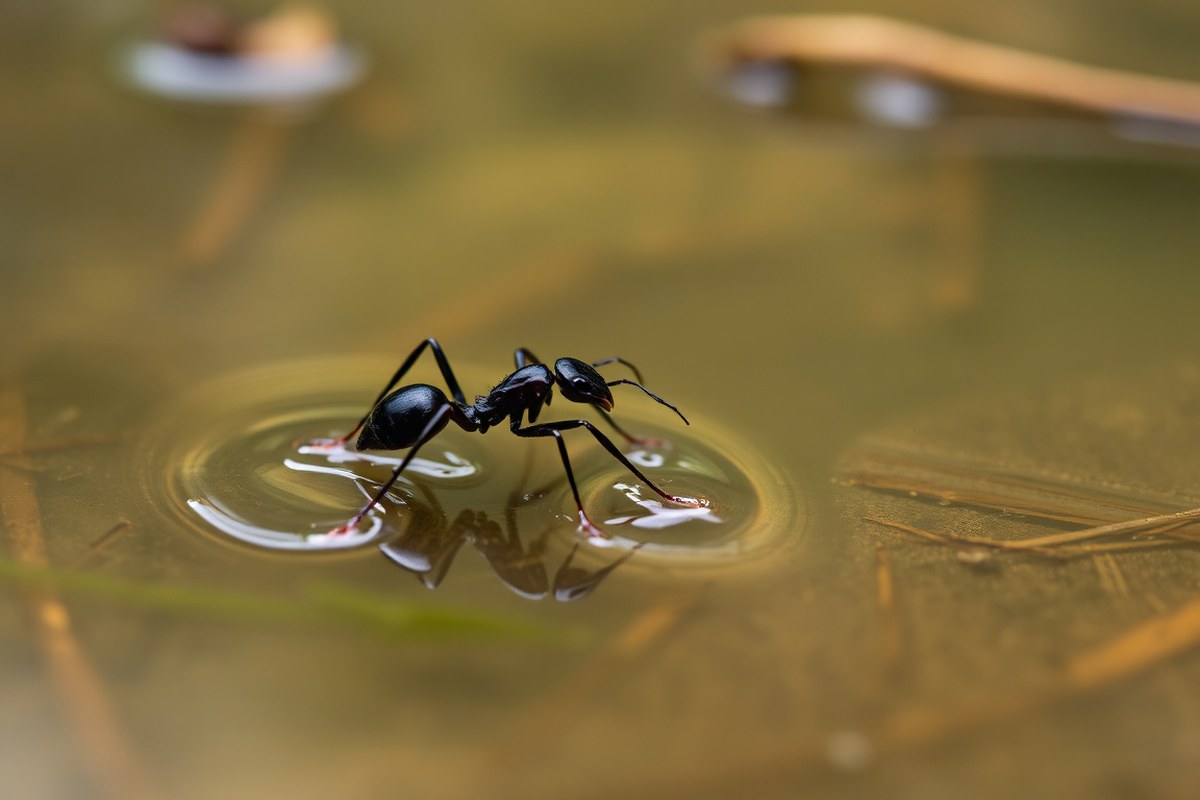
Yes, many ants can swim, but not like humans do. They use their legs to paddle and float on water surfaces. Their light bodies let them take advantage of water’s surface tension.
Some ants swim underwater to move or escape danger. Others mostly float to avoid sinking. They rely on quick leg movements to push water or keep balance.
When ants face water, they usually float or paddle near the surface. Watching their legs shows how they stay afloat or swim. Some ants trap air bubbles to breathe underwater.
Not all ants swim well, and many avoid water to prevent drowning. They have different ways to cross puddles or streams safely. Swimming skills vary by species and habitat.
Key Takeaways
- Most ants can float on water using surface tension, not just swim underwater.
- Certain species, like fire ants and carpenter ants, can swim and stay underwater for hours.
- Ants use their legs to paddle, pushing against water to propel themselves forward.
- Surface tension helps ants stay on top of water without sinking easily.
- Some ants close their spiracles to survive longer underwater by stopping water entry.
- Water temperature affects how long ants can survive submerged. Colder water helps them last longer.
Can Ants Swim or Do They Just Float on Water?
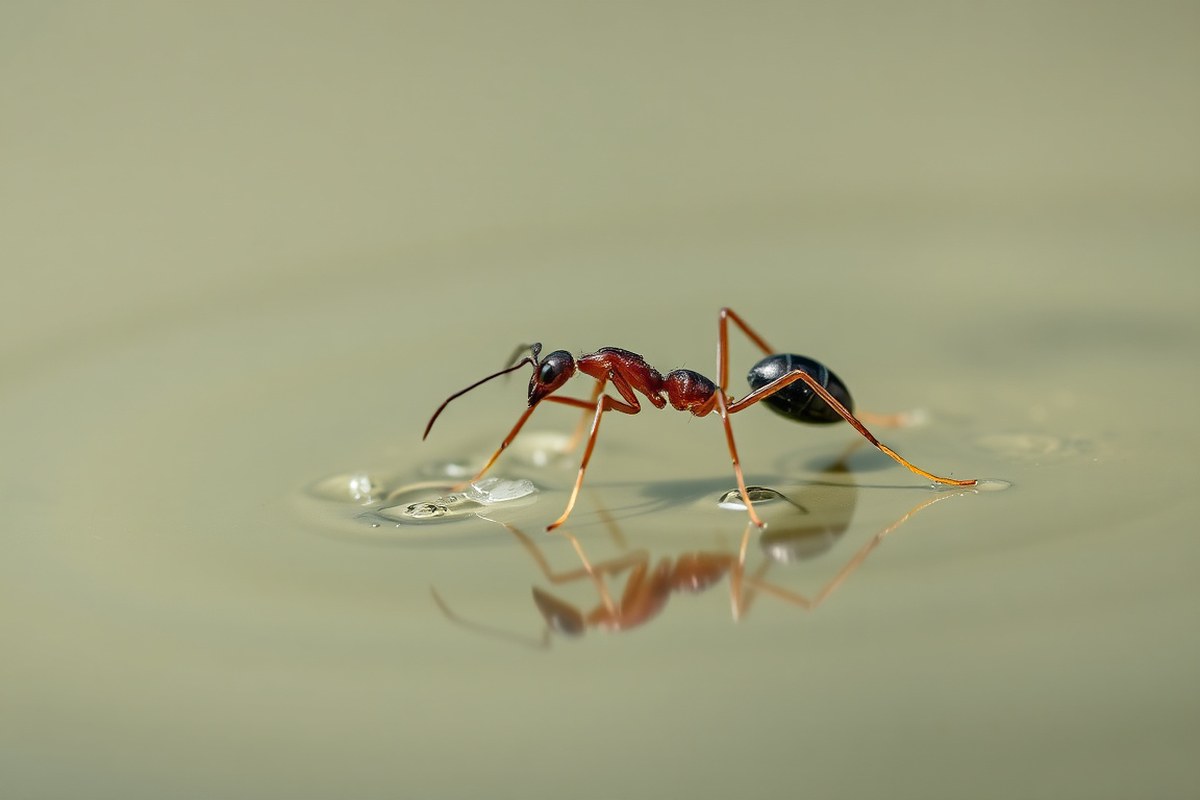
Some ants truly swim by actively paddling with their legs to move through water. Others only float, relying on their light weight and water surface tension to stay on top. A few ants do neither well and end up sinking and drowning quickly when submerged.
Swimming ants show deliberate, controlled movements with their legs, propelling toward shore or an exit point. Species like carpenter ants and diving ants are good swimmers. They change their leg strokes like they do on land.
Floating ants from common species stay still in water. They use trapped air and buoyancy to float. They don’t make swimming motions.
To tell if an ant is swimming or floating, watch its behavior closely. Swimming ants have active, directed leg motions and change direction. Floating ants sit still or drift with the water’s flow, legs motionless or just gently paddling.
When ants cling tightly together, they’re rafting, which is a survival trick. It’s not the same as swimming.
The key difference lies in control and movement: swimming means purposeful leg strokes to go somewhere. Floating means staying buoyant without purposeful movement, letting water and surface tension do the work.
This matters because only swimming ants can reach land on their own. Floating ants depend on circumstances or help from the colony.
Most ants you see on water surfaces simply float. They don’t swim actively but survive this way short-term. Arboreal ants in trees may glide or swim to cross gaps.
They move their legs actively in water. This shows more active water movement. Arid species usually lack stamina to swim well and rely on drifting to avoid exhaustion.
Floating costs less energy but limits control and escape options. Swimming requires effort but helps ants reach safety quicker. You see ants using clear leg strokes in water.
That means they are really swimming. When ants just bob or drift on water, they are floating, not swimming. Some ants can switch between both behaviors depending on the situation.
Which Ant Species Are Capable Swimmers?

Some ants excel at swimming, while others only float or survive brief water exposure. Tropical and aquatic environments shape which species swim regularly.
Notably, carpenter ants swim quickly on the surface. Diving ants swim underwater by choice.
Trap-Jaw Ants
Trap-jaw ants are among the best swimmers in the ant world. They use rapid leg movements to paddle across water surfaces efficiently. Their ability helps them escape predators or cross water gaps in their habitats.
These ants often live in tropical forests where streams or rain puddles are common. Swimming lets them forage or relocate when their nests flood. While not underwater swimmers, they excel at staying afloat and moving across water quickly.
Diving Ants
Diving ants, such as Colobopsis schmitzi, are unique swimmers. They deliberately swim underwater to catch prey or navigate their habitat’s water features. These ants can hold their breath and use their legs to propel through submerged environments.
This species is found living in mangroves and phytotelmata (water-filled tree holes). Such habitats demand real aquatic skills to survive and hunt. Their swimming ability evolved independently from other ants that only swim on the surface.
Black Carpenter Ants
Black carpenter ants (Camponotus pennsylvanicus) are fast, powerful surface swimmers. They use longer, stronger forelegs for better swimming strokes. These ants don’t swim every day.
They cross water hazards or escape threats by swimming. They use this method only when needed.
They can stay submerged up to 24 hours if needed. This skill is helpful during floods or when crossing streams. The black carpenter ant is better adapted to aquatic challenges than many urban or dry-land species.
Fire Ants and Rafting Species
Fire ants can swim but usually just float or form rafts. Their unique spiracle breathing helps them hold breath underwater for up to 48 hours. Rafting allows them to survive severe floods by clinging together and floating to safety.
Other ants with rafting behavior include army ants. They form living bridges and rafts to cross water obstacles.
Neither fire ants nor army ants are strong swimmers underwater. But their survival strategy is excellent for flood conditions.
- Trap-jaw ants paddle with rapid leg movements over water.
- Diving ants swim underwater, hunting prey in mangroves and phytotelmata.
- Black carpenter ants swim powerfully with longer forelegs on the surface.
- Fire ants float and form rafts, holding breath underwater for days.
- Rafting helps army ants survive floods by linking together.
- Tropical canopy ants independently evolved swimming to handle water.
- Urban and dry-climate ants rarely develop swimming skills.
Never disturb ant rafts in flood zones. This protects the ants and your home. It helps keep both safe and sound.
How Do Ants Swim? The Mechanics and Movements Explained
Ants swim by using their legs in special movements that differ from walking. They often paddle with their front and middle legs while using their back legs to steer. Different species adjust these movements based on their body shape and environment.
Leg Movements in Swimming Ants
Swimming ants move their front and middle legs in a paddle-like motion. These legs push against the water to provide the main thrust forward. The back legs stay more stable, helping ants stay afloat.
Some ants actively adjust their leg movements depending on water resistance. This lets them move more efficiently toward land or solid surfaces. Their antennae also help by stabilizing their position in the water.
Steering Mechanisms Underwater
Ants steer themselves in water by moving their back legs like rudders. Careful leg placement lets them shift their swim path. This skill guides them toward safety or food.
The ability to steer is key for survival, especially when water currents are involved. Ants sense changes in their surroundings and respond by adjusting their leg motions. This fine control keeps them from drifting away.
Differences from Walking on Land
On land, ants move their legs in stepping patterns for walking and climbing. In water, these patterns change to paddling motions that generate thrust. Their legs push harder and more rhythmically to overcome water resistance.
Ants’ short legs limit swimming speed compared to insects with flat bodies. Unlike walking, swimming requires more energy because water is denser than air. Despite this, some species manage to swim underwater to retrieve food or escape danger.
How Long Can Ants Survive Submerged Under Water?
Ants can survive underwater for varying lengths of time depending on species and conditions. Some worker ants have lasted underwater as long as seven days.
They close tiny breathing holes called spiracles on their bodies. This lets them hold their breath and use less oxygen.
This breath-holding ability is possible because ants take in air through spiracles. When submerged, many ants seal these openings to keep water out and slow their metabolism.
This lets them survive underwater without breathing for hours or days. They stay underwater until they find air again.
Environmental factors like water temperature and oxygen impact how long ants last underwater. Warmer water tends to speed up metabolism, reducing survival time. Oxygen-poor or polluted water can also shorten how long ants endure below the surface.
Some ants, like fire ants, survive floods by linking together. They form floating rafts instead of staying underwater long.
In these rafts, they rotate from wet bottom positions to dry top spots. This rotation prevents any one ant from staying submerged too long, spreading out the exposure evenly.
Ants also have a waxy coating on their exoskeleton that repels moisture. This helps keep water from soaking through their bodies when submerged.
The waxy layer and closed spiracles help ants stay underwater longer. This stops them from drowning quickly.
Swimming ants usually try to paddle toward the shore quickly to escape water. Their underwater survival methods are emergency tactics, not regular behavior. Each species’ survival time underwater varies widely based on their adaptations, water quality, and temperature.
Why Don’t Ants Sink? The Role of Surface Tension and Body Adaptations
Ants don’t sink in water mainly because of surface tension and their body design. Surface tension works like a thin skin on water. It holds ants up because they weigh very little.
Ants are small and light. Water molecules hold together strongly enough to keep them afloat.
Ant bodies repel water. They have tiny hairs and a waxy, water-repellent coating. The coating traps a thin layer of air on their bodies.
It helps them float and keeps water out. Without this air layer, ants would get wet and sink much faster.
Bigger ants or those without coating sink more easily. They trap less air and are heavier for their size. Smaller insects stay afloat easier due to greater surface area compared to their volume.
But ants still fare well because their exoskeleton holds air in place. Fire ants float by linking into rafts. These rafts trap air together and stay on top of water.
Most ants rest on water surfaces. Their water-repellent bodies and trapped air stop them from sinking. Some ants move their legs like paddles without breaking the water’s skin.
This helps them control their spot on water. The breathing holes on ants can expel water, which further aids survival in wet conditions.
Soap or chlorinated water destroys surface tension. It also removes the air layer ants use to float.
When this happens, ants can’t stay on top and sink quickly. This proves surface tension and ant body features both help ants stay afloat on water.
Wet ant bodies lose their water-repellent air layer in soapy water, causing them to sink rapidly.
What Happens When Ants Encounter Soapy, Salt, or Chlorinated Water?
Soapy, salt, and chlorinated water affect ants differently. But all pose risks to their survival. Soapy and chlorinated waters kill the air layer ants use.
This air layer helps ants float on water. Without it, they drown quickly. Saltwater kills ants by dehydrating them, often leading to death within minutes.
Effects of Soapy Water on Ants
Soapy water breaks the surface tension around ants instantly. That protective air layer keeps ants afloat, but soap dissolves it quickly. As a result, most ants drown within seconds after falling into soapy water.
Soap acts as a surfactant, reducing water’s ability to support the ant’s weight. Even ants that can swim struggle in soapy water because they lose this natural buoyancy. For home use, soapy water kills ants quickly and is often recommended as a simple method.
Impact of Saltwater Exposure
Saltwater kills ants mainly through dehydration. Salt draws moisture out of their bodies, which disrupts their internal balance. This dehydration process takes several minutes to an hour.
The exact time depends on how salty the water is. Higher salt means faster dehydration.
Ants exposed briefly may survive but prolonged contact with saltwater almost always ends in death. Unlike soapy water, saltwater doesn’t immediately destroy the surface tension or air layer. This means some ants might initially float but eventually drown due to moisture loss.
Consequences of Chlorinated Water
Chlorinated water, like pool water, kills ants quickly similar to soapy water. Chlorine and chemicals destroy the air bubble ants have. The bubble lets ants stay afloat on water.
When it breaks down, ants sink. Most ants drown within seconds in chlorinated water because of this chemical damage.
Swimming ants face severe challenges in chlorinated pools or treated water bodies. Even the best swimmers can’t survive long because the water chemistry disrupts their natural defenses. Chlorinated water is especially harmful for ants that don’t live near water naturally.
How Do Ants Survive Floods and Water Challenges in Nature?
Ants survive floods and heavy rain by using several clever behaviors. They either avoid water or use special methods to keep the colony alive.
Some ants can hold their breath and trap air around their bodies. This helps them stay underwater a short time without drowning.
Fire ants are well known for their rafting behavior. They link their legs and mandibles to create a living raft. This raft traps air, which keeps them floating and dry.
The queen and brood stay safe inside the center of the raft. This teamwork lets a whole colony survive floods together, even if individuals cannot swim.
Not all ants raft, though. Small ants and young colonies can get trapped by just a drop of water. Most ants try to avoid water where they can.
When caught out, they rely on holding their breath and using trapped air. Their survival depends on quick coordination and strong links between individuals.
- Link legs and mandibles tightly into a cluster
- Trap air bubbles by overlapping body parts
- Position brood and queen inside the raft’s center for safety
- Float on water’s surface by keeping the raft waterproof
- Drift to higher ground or stable surfaces
- Reassemble quickly after reaching dry land
The cost of rafting is high energy use and vulnerability to predators. Still, rafting increases colony survival versus drowning alone.
Fire ants can survive for days on a raft if needed. They wait out floods by drifting on water while preserving the queen and young.
A rough example is a fire ant colony caught in sudden floodwater. The ants link up within minutes. They form a raft about a few inches wide, trapping air under their bodies.
They float until the water subsides or reaches safe shore. Colonies survive even though many ants might drown if isolated.
Practical Tips for Dealing with Ants Near Water in Your Home
Ants near water inside your home often signal a moisture problem. You should worry if they appear near damp spots or rotten wood. These moisture ants thrive in wet conditions and can damage wood structures.
To control ants drawn by water, focus on fixing what attracts them. Remove standing water and humidity sources first.
Seal cracks and gaps where ants enter your home. This approach stops more ants than trying to drown them one by one.
Water alone can drown some ants but is not a reliable control method. Flooding small groups may work temporarily, but new ants will keep coming. Instead, use water carefully: clean spills promptly and avoid leaving containers open with water.
- Dry out damp areas and fix leaks promptly
- Seal entry points with caulk or weather stripping
- Store food in airtight containers
- Use anti-moisture products like dehumidifiers or fans
- Wipe counters and floors regularly to remove food residues
- Avoid leaving pet water bowls out overnight
- Clean away ant trails with soap and water
When ants fall into water indoors, rescue them fast with a dry tissue. They can survive briefly but will drown if trapped too long. Collect them gently and place them outside if you want to save them.
Avoid drowning ants with soapy or chlorinated water. These chemicals are harmful if you misuse them indoors.
Don’t rely on water drenching as a main ant control. It only works on a few at a time and doesn’t stop infestations.
Step-by-Step Action Plan for Observing and Managing Ants and Water
This plan helps you understand ant behavior near water and handle them safely at home.
- Day 1: Watch ants near water sources outside to see if they swim or float. Note which species appear and their movements.
- Day 3: Test ants’ swimming by placing a few in a shallow cup of plain water. Observe how they paddle or float to recognize true swimming.
- Week 1: Test with soapy water next. See how ants float or sink. Try salty water too and watch their survival.
- Week 2: Check your home for ant trails near sinks, faucets, or leaky pipes. Note patterns and possible entry points.
- Week 3: Set safe ant barriers around watery areas using natural substances like cinnamon or vinegar. Watch for reduced ant presence over days.
- Week 4: If you find persistent ants near water, call a pest professional. Reliable control often avoids risky chemicals near water sources.
Frequently Asked Questions
Why Do Some Ants Form Rafts During Floods?
Fire ants and other flood-adapted species link together into living rafts that float on water. This teamwork helps protect the colony and keeps the ants safe until they reach dry land.
Are All Ants Bad Swimmers?
Not all ants swim. Some, like carpenter and diving ants, swim well.
Most ants just float on water using surface tension. How good they are varies by species and environment.
Can Ants Survive in Chlorinated Pool Water?
Ants struggle in chlorinated water because it breaks the water’s surface tension and harms their breathing. They tend to drown quickly if trapped in pools or cleaning solutions.
How Do Ants Find Water Sources in Your Home?
Ants sense moisture and are attracted to leaks or damp places inside your house. This is why you often see them swarming near sinks or pet water bowls.
Why Don’t Ants Drown Immediately When Water Touches Them?
Many ants wear a thin air layer around their bodies. This layer stops their breathing holes from filling with water. It helps ants float or stay alive underwater briefly.
How Long Can Ants Hold Their Breath Underwater?
Different species and water temperatures affect how long ants survive underwater. Some ants live a few minutes underwater.
Others can last up to about 24 hours. Smaller ants usually last less time than bigger ones.
Final Thoughts
Ants can swim but often rely on floating and surface tension to survive water. They use simple paddling motions to move across water. Watch ants in your yard during rain or near ponds.
See how they behave in water. Note their movements and safety.