What Plants Can Be Planted in Fall: A Complete Guide for Successful Gardens
Wondering what plants can be planted in fall to boost your garden? Many cool-season vegetables like beets, turnips, lettuce, and radishes thrive when planted in fall. These plants do well because they tolerate cooler temperatures and shorter daylight hours.
For the best success, plant seeds eight to 10 weeks before frost. You can also start seedlings indoors and move them outside once days are under 80 degrees. This helps your plants get a healthy beginning.
Picking the right plants means you get a longer harvest and healthier roots before winter. Keep an eye on frost dates to protect your plants.
Use mulch to keep the soil warm. This helps your fall garden survive and grow in spring.
Key Takeaways
- Sow cool-season vegetable seeds 8 to 10 weeks before your first frost date.
- Beets and turnips are excellent root crops for fall gardens and mature quickly.
- Lettuce grows best when sown as looseleaf varieties. These mature in 30 to 45 days.
- Radishes can be harvested in as little as three weeks after planting.
- Wait until daytime temps are under 80°F to plant nursery-grown bedding plants outdoors.
- Use a 3-inch-thick mulch layer to protect plants from frost heaving.
What Plants Thrive When Planted in Fall

Fall is one of the best seasons to plant for both late harvest and spring blooms. Vegetables like beets, lettuce, and spinach grow well in fall. Plant them eight to ten weeks before your first frost date.
Onion sets and garlic cloves also do best then. These vegetables like cooler soil and milder temperatures in fall.
The season lets you get fresh produce till late fall or winter. It helps extend your garden’s harvest time.
Perennials planted in September or October have time to establish their roots before winter. They do not focus on new top growth during this time. But laying down strong roots helps them bloom brilliantly in spring.
Fall favorites for planting are hellebores, lupines, and heuchera. Hellebores add early color to your garden.
Lupines bring tall vertical interest. Heuchera needs little care.
- Crocus bulbs for early spring flowers
- Daffodils, tulips, hyacinths, and lilies planted when soil cools
- Dogwood trees to build root systems before spring buds
- Deer-resistant perennials for seasonal blooms and low care
- Onions and garlic for harvest the following year
Plant shrubs and trees like dogwood in fall for best results. They build strong roots without summer heat stress. This gives them a better chance to thrive.
They give your landscape a head start on growth next spring. Plant bulbs when soil is between 40 and 50 degrees Fahrenheit. This usually happens in late September through October.
Cooler soil helps bulbs establish roots before winter. Proper soil temperature helps bulbs settle and prepare for spring growth.
Strong root systems reduce transplant shock and improve survival through winter. Plants that struggle to bloom or grow usually don’t have enough time to root before frost. Water new fall plantings thoroughly and mulch to keep soil temperatures steady.
This mix helps your plants grow healthy and strong. It leads to more color and bigger harvests next year. Start right in fall for better results.
Timing Your Fall Planting for Frost and Root Development

Plant fall seeds about 8 to 12 weeks before your area’s first frost. Transplants need 4 to 6 weeks to root well before frost hits. Cooler days slow growth but help plants focus on strong roots.
Calculating Safe Planting Dates
Find your first frost date for your USDA zone using a frost date calculator. Sow seeds 8 to 10 weeks before that frost date for a good chance at maturity. For transplants, start seeds 12 to 14 weeks before frost so seedlings can grow indoors first.
For example, if your first frost is October 15, sow seeds by early August. Move transplants outdoors about 4 to 6 weeks later, around mid-September. Space plants 12 to 18 inches apart for root room.
Adjusting for Shorter Fall Daylight
Shorter days in fall slow top growth but boost root development in warm soil. Plants use cooler air and warm earth to put energy into roots, not leaves. This means they need a longer root growth period before frost.
Add 1 to 2 extra weeks to your planting schedule to allow for slower growth. Starting too close to frost won’t give roots enough time to develop. This delay can leave plants vulnerable to cold and stunt next season’s growth.
Supplementing Late Plantings
Planting in late fall when frost is close means less time for roots to settle. Choose hardy plants that tolerate frost or use frost blankets and mulch for protection. Mulch 3 inches deep to prevent frost heaving and keep roots warm.
You can also plant bulbs or perennials at least 6 weeks before frost. These plants establish better with that extra time. If frost is near, transplant carefully and water lightly to avoid shock.
Check the frost date before planting seeds or transplants. A mistake here can cost you the whole fall crop.
Best Cool-Season Vegetables for Fall Gardens
Cool-weather vegetables thrive in fall’s lower temperatures and shorter sunlight hours. They perform best when soil temperatures stay below 70°F for planting. These plants grow quickly enough to be ready for harvest before frost arrives.
Spinach, leaf lettuce, arugula, mustard greens, and mâche mature fast. A light frost often improve their taste.
Root vegetables that work well in fall include turnips, beets, carrots, and onions. Turnips are especially hardy, maturing in about two months and tolerating cold climates. Beets and carrots grow in about 70 to 90 days.
They survive light frost. Frost often makes their roots taste sweeter.
Space cool-season crops properly to prevent crowding and ensure good airflow. Most leafy greens need 6 to 12 inches between plants. Plant root vegetables 3 to 4 inches apart.
Space rows about 12 to 18 inches. This gives roots room to grow strong and healthy. Well-draining soil rich in organic matter keeps roots healthy and prevents rot.
| Vegetable | Maturity Time | Spacing Between Plants | Soil Needs |
|---|---|---|---|
| Spinach | 30 to 45 days | 6 to 12 inches | Well-drained, fertile |
| Leaf Lettuce | 40 to 60 days | 6 to 12 inches | Well-drained, fertile |
| Turnip | About 60 days | 4 inches | Well-drained, not soggy |
| Beet | 50 to 70 days | 3 to 4 inches | Well-drained, fertile |
| Carrot | 70 to 90 days | 3 to 4 inches | Loose, sandy, well-drained |
Sow seeds early in fall for best results. Give them 30 to 60 days to grow. This depends on the type of vegetable.
Using row covers or cold frames adds protection and extends growing time. Water consistently to keep soil moist but not waterlogged. Dry soil can stunt growth and reduce yields.
Planting in raised beds helps cool-season vegetables by improving drainage and soil warmth. Avoid heavy, wet soils that cause root rot and poor growth.
In mild winter areas, some crops grow slowly in fall and winter. Use good mulch to keep them warm and moist.
Fall Planting of Perennials: Types and Benefits
Planting perennials in fall helps them develop strong roots before winter. This gives the plants a better chance to come back healthy every year. Hardy perennials planted now usually return stronger and bloom earlier next spring.
Types of Fall-Plantable Perennials
Some perennials do better when planted in fall. Hellebores bloom in winter and early spring, making them great for fall planting. Goldenrod and autumn joy sedum grow well when planted in fall.
They come back every year. Both are good choices for your garden.
Perennials like rhododendrons benefit from fall planting because it lets roots establish through winter. People often plant chrysanthemums in spring. Fall is a good time to add asters.
Try hardy purple or gold asters for color. These plants fit well in USDA Hardiness Zones where winters are cold.
Steps for Planting and Mulching Perennials
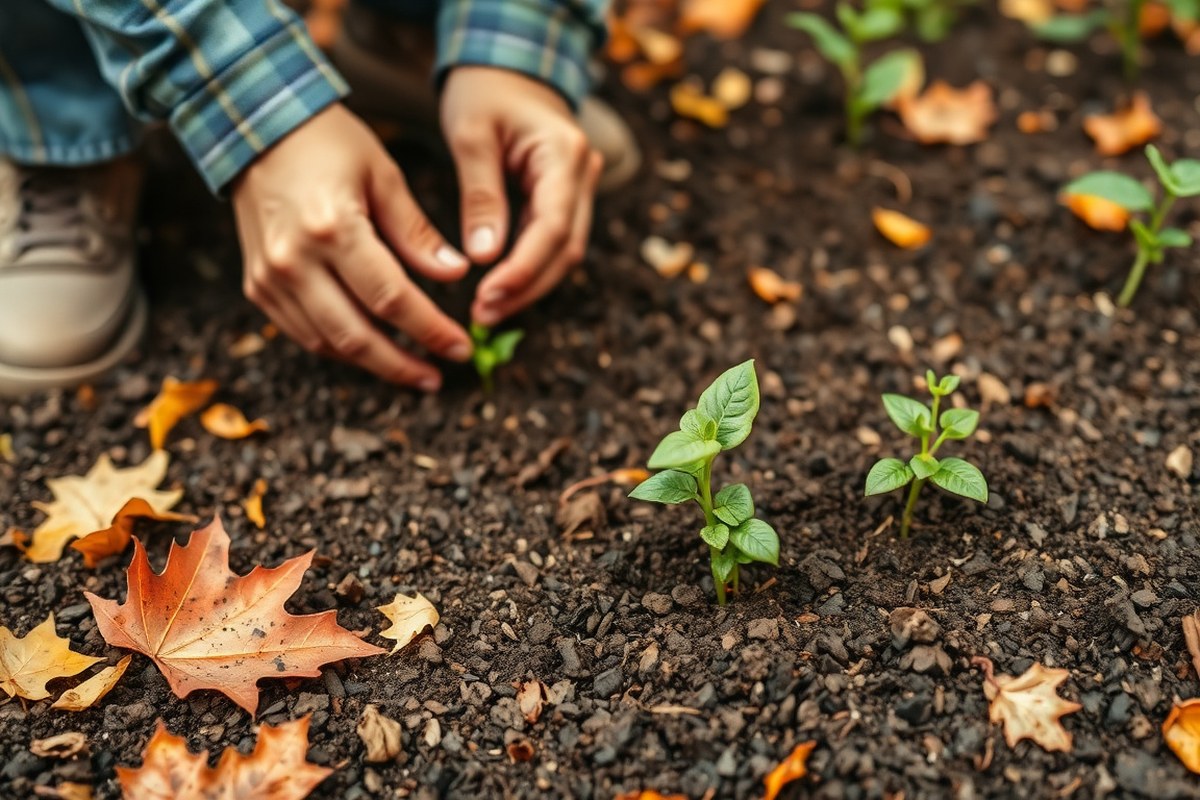
Start by digging a hole twice as wide as the root ball but just as deep. Set the plant in to the same soil level it grew in the pot. Fill in gently with soil so roots have good contact without air pockets.
After planting, water thoroughly to settle the soil. Then apply 2 to 3 inches of mulch around the base.
Mulch protects roots from cold and keeps moisture in better. Avoid piling mulch against stems to prevent rot.
Cut back dead foliage to ground level either in fall or early spring. This cleanup helps reduce disease during winter. For container plants, water more often since pots dry out faster than garden beds.
Perennials Versus Spring Planting Benefits
Fall planting gives perennials a head start on root growth while the soil is still warm. This allows plants to survive winter stress better than spring-planted ones. When spring arrives, these perennials use established roots to sprout earlier flowers.
Not all perennials will come back after fall planting, especially less hardy varieties. Check that your chosen plants suit your local climate and USDA zone. Cold-hardy types typically survive best without extra winter protection.
Plants put in fall can bloom twice. They often flower in fall or late winter. Then they bloom again in spring.
This means more color with less effort, extending the beauty of your garden. While spring planting works, fall sets perennials up for stronger, longer-lasting growth.
Planting Trees and Shrubs in Fall for Strong Roots
Fall is a great time to plant both trees and shrubs. Look for varieties like red twig dogwood, chokeberry, and sweetspire if you want colorful fall foliage.
Large trees like maples, oaks, and lindens do well when planted after summer. Plant them when the soil is still warm, but the heat has faded.
Soil preparation sets these plants up for success. Clear away old grass or weeds in a wide area, about 18 to 30 inches across.
Loosen soil to a depth of 12 to 18 inches to help roots spread out easily. Mix in some compost or aged manure to improve nutrition and drainage.
Roots grow best in warm, moist soil. The natural rains in fall help keep the soil wet without drown your plants. Water new trees and shrubs regularly until the ground freezes.
Try to give about 1 inch of water weekly during dry times. Mulching with 2 to 3 inches of shredded bark or straw keeps moisture in. It also protects roots from frost during cold weather.
Planting in fall gives the roots time to settle before winter dormancy. These roots start growing right after planting, making plants stronger come spring.
Avoid planting very late in the year, like November or December. Root growth slows then, raising the chance of poor establishment.
Don’t skip mulching after planting. It conserves moisture and protects roots during freezing weather.
Protecting Fall-Planted Gardens from Frost and Cold
Protecting your fall-planted garden from frost means careful watering, mulching, and covering. These steps stop frost heaving and cold damage to young plants and perennials. You can use mulch to protect your plants during cold nights.
Frost cloths also help shield plants from frost damage. Keep a regular watering schedule to support plant health in cold weather.
Mulching Techniques for Root Protection
Mulch acts like a blanket for soil and roots during cold weather. It holds moisture and stops temperature swings that shift the soil and hurt roots. Natural options like straw, shredded leaves, or wood chips work well for fall gardens.
Apply mulch soon after planting to stop frost heaving. Frost heaving happens when soil freezes, expands, and pushes plants up. Mulch keeps the ground temperature steady and soil settled, protecting roots from exposure.
- Clear weeds and debris around the plants first.
- Spread 2 to 4 inches of mulch around each plant, leaving a small gap near stems.
- Use organic mulch like shredded leaves, straw, or wood chips to keep moisture and warmth.
- Add an extra layer if very cold weather is expected.
- Check mulch periodically to make sure it isn’t piling against stems, which can cause rot.
Using Frost Cloths and Covers
Frost blankets and cloths trap ground heat and block cold wind around plants. Use lightweight frost covers that let light and water through but protect plants from freezing damage. You can safely remove them during the day to prevent overheating.
Cover tender seedlings, transplants, or sensitive perennials before frost nights. Drape the cloth so it reaches the ground or use stakes to keep it off leaves.
Avoid plastic sheets directly on plants. They can cause freezing where wet and cold meet.
Watering Strategies Before Frost
Watering helps plants stay hydrated and hold heat before a frost. Moist soil stores more heat than dry soil, buffering roots from cold shocks. Keep watering regularly until the ground freezes, especially after dry spells.
Water deeply in the morning to avoid soggy conditions at night. Too much wet soil overnight can encourage fungal growth. Soil stays warmer on cool nights if moisture is steady but not excessive.
Common Mistakes When Planting in Fall and How to Avoid Them
Planting too late in fall can stunt root growth before frost arrives. Your plants won’t have enough time to establish deep roots. This leaves them weak and more likely to die over winter.
Plant bulbs like daffodils or tulips in late September or October. Do this when evening temperatures drop to 40-50°F. It helps bulbs establish roots before winter. This timing gives roots a chance to develop without risking frost damage.
Poor soil preparation limits water and nutrient access for your fall plants. Tough, compacted soil slows root growth and absorbs water unevenly. Loosen soil by digging or tilling at least 6 to 8 inches deep.
This preparation helps roots grow better. It lets the soil drain and warm evenly.
Adding compost improves texture and feeds plants. This prep costs little but greatly boosts plant strength and flower quality the next spring.
Inadequate watering harms fall plants by stressing roots during important growth. Both drought and waterlogged ground can cause root damage or death. Water newly planted bulbs or vegetables deeply right after planting.
Keep soil moist but not soaked as roots spread out. Water about 1 inch weekly from rain or irrigation.
Keep watering until the ground freezes. This helps bulbs stay healthy during fall.
You can spot frost damage by wilted or blackened foliage. Drought stress by dry, brittle leaves. Pull back mulch to inspect roots if you see these signs.
Fix frost injury by covering plants on cold nights with fleece or burlap. Address drought by watering slowly and deeply early in the day.
So roots soak up moisture before evening cold. Avoid late-day or night watering to reduce risks of frost damage.
- Plant bulbs in late September or early October for root growth before frost
- Gather soil with compost and dig 6-8 inches deep for better root health
- Water new plants deeply once a week, adjusting for rainfall and soil moisture
- Check plants for blackened leaves or wilting as frost damage signs
- Use frost cloths or burlap to protect sensitive plants overnight
- Water in the morning to help plants absorb moisture safely
Skipping these steps wastes your time and money. Your fall garden needs good soil, proper watering, and timely planting. Avoid common mistakes to help your plants grow strong roots.
Good care leads to better blooms in spring. Healthy roots make your plants thrive.
Deciding Between Seeds and Transplants for Fall Planting
Sowing seeds directly in the fall can save money and provide plants better root systems. Seeds let crops like sunflowers take about 60 days to flower. You need a warm season that lasts into October for them.
Direct sowing works best in zones with long warm spells. Southern states plant seeds mid-August for fall blooms.
Transplants give a head start when frost dates are close or warm weather is short. Seedlings are easier when you want quicker results or to avoid losing plants to cold. They need careful watering and protection for two weeks after planting to avoid stress and shock.
Zones affect your timing choice. Southern areas with mild falls let you sow seeds directly without risk. In colder zones, transplants do better when planted earlier.
Plant them 4 to 6 weeks before the first frost. Using the Farmers’ Almanac Planting Calendar helps identify the exact dates based on your ZIP code.
The table shows planting timing tips for fall crops by region. This helps you pick methods that match frost dates and zone warmth.
| Region | Preferred Method | Planting Time | Notes |
|---|---|---|---|
| Southern States (Zones 7-9) | Direct sow seeds | Mid-August to Early September | Longer warm season allows seed growth |
| Mid-Latitude Zones (Zones 4-6) | Use transplants | 4-6 weeks before frost | Protect seedlings during cooler ends |
| Cold Zones (Zones 3-4) | Mostly transplants | Late August to Early September | Short growing season requires earlier start |
For seedlings, plant in well-drained soil and water immediately. Cover plants if frost threatens in the first two weeks. Direct seed care mostly means keeping soil moist and thinning seedlings to avoid crowding.
Handle transplants gently and water them right away to reduce transplant shock.
Your Step-by-Step Fall Planting Action Plan
Follow these steps to plant your fall garden with strong, healthy growth. Check each step’s sign that it went well.
- Two weeks before first frost: Choose plants suited for fall like kale, onions, and mums. Healthy seedlings and firm seeds show you picked well.
- One week before planting: Prepare soil by removing weeds and adding compost. The soil should feel loose and crumbly by planting day.
- Planting day: Sow seeds or transplant seedlings on mild, dry weather days. Look for firm roots on transplants and moist soil after planting.
- First week after planting: Water deeply in the morning to help roots settle. Check soil stays damp but not soggy.
- Two weeks after planting: Mulch your plants with straw or leaves. This helps keep the soil warm and moist. Mulch should not touch stems directly.
- Ongoing care through fall: Watch for early frost damage like wilting or blackened leaves. Use row covers or bring pots indoors when frost threatens.
- Late fall: Remove dead plant parts and add organic matter to soil. Healthy soil gets ready for spring planting.
Frequently Asked Questions
What Are the Best Flowers to Plant in Fall for Color Next Spring?
Plant spring-blooming bulbs like tulips, daffodils, and crocuses in fall. They establish roots underground during cool weather and bloom vibrantly when spring arrives. Early planting helps avoid bulb rot and ensures strong blooms.
Can You Plant Herbs Outdoors in Fall?
Yes, some herbs like thyme, oregano, and chives tolerate fall planting well. They can survive cooler temperatures and establish roots before winter. Avoid tender herbs like basil, which need warmer weather.
Is Fall a Good Time to Plant Grass Seed?
Fall is ideal for planting cool-season grasses such as fescue or ryegrass. They grow roots quickly when soil is warm but air cools. This timing reduces weed competition and helps lawn recovery.
Are Succulents Suitable for Fall Planting?
Most succulents prefer warm conditions but can be planted in early fall in mild climates. Provide well-draining soil and avoid frost exposure. Protect them from heavy rains during establishment.
Should I Fertilize Plants When Planting in Fall?
Light fertilizing helps fall-planted plants develop roots, but avoid over-fertilizing. Use a balanced, slow-release fertilizer to support root growth without encouraging top growth. This prepares plants for winter survival.
How Do I Know If My Local Climate Supports Fall Planting?
Check your area’s first frost date from local extension services or garden centers. Plant fall crops 8 to 10 weeks before that date for best results. Soil temperature above 50°F also supports root growth.
Key Points to Remember
Fall planting sets up your garden for strong roots and fresh harvests. Start today by picking the right cool-season plants. You’ll enjoy a thriving garden as the weather cools down.