

Is Miracle Grow a Good Potting Soil? What Actually Works for Healthy Plants
Is Miracle Grow a good potting soil? Yes, it is a solid choice for many indoor and outdoor plants.
It provides steady nutrition with its continuous-release fertilizer for up to six months. This helps reduce the need for extra feeding during the growing season.
Miracle Grow potting soil holds up to 50% more water than basic mixes. It contains natural fibers and expanding coir that keep soil moist yet well-drained. You want to watch your watering habits to avoid soggy roots, especially indoors.
Because the soil is slightly alkaline, with a pH between 6.5 and 7.5, it suits many common plants. Starting with fresh soil and proper drainage improves your success. Mixing in native soil or perlite can help plants that need lighter, airier soil.
Key Takeaways
- Miracle Grow potting soil feeds plants continuously for up to six months.
- The soil mix holds 50% more water due to coir and natural fibers.
- Water thoroughly but let the top 1-2 inches dry to prevent root rot.
- Its pH of 6.5 to 7.5 fits many plants, but check picky species first.
- Mix Miracle Grow with native soil or perlite to improve drainage.
- Use fresh soil each season to reduce disease risks.
Is Miracle-Gro Potting Soil a Good Choice for Plants?
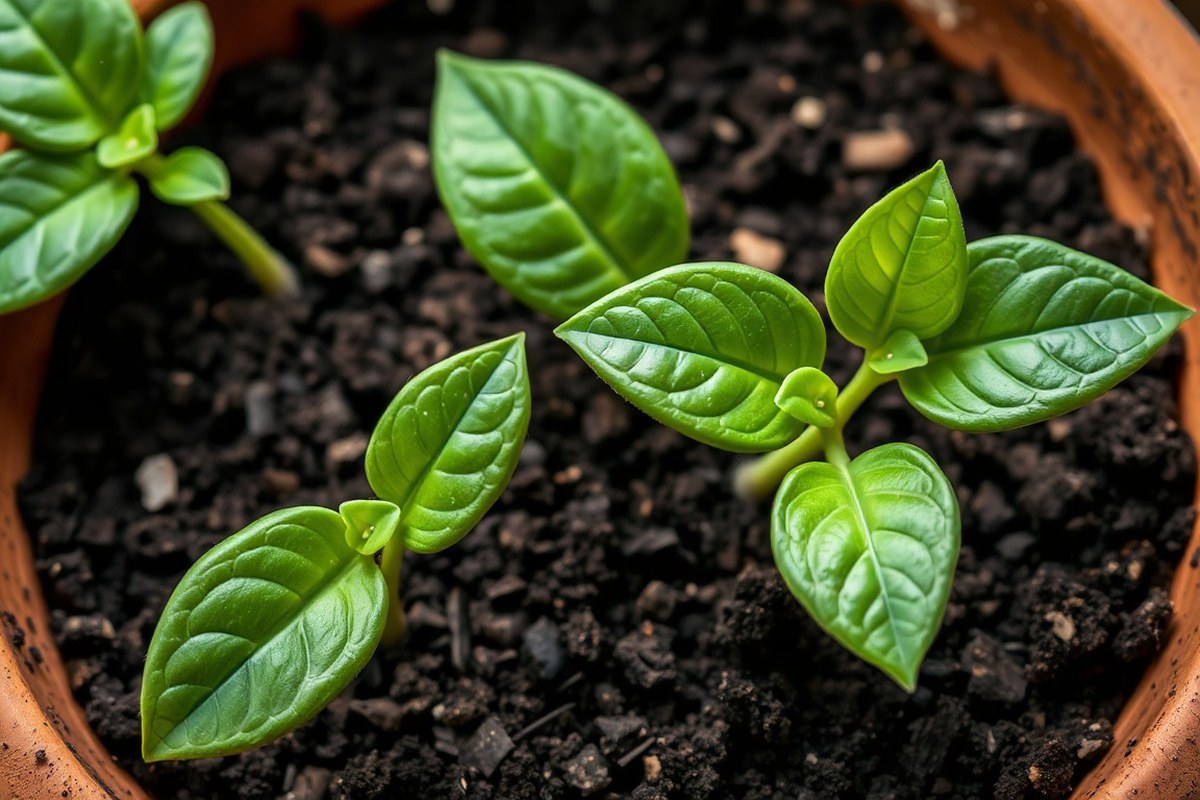
Miracle-Gro potting soil can promote healthy plant growth for many common garden and indoor plants. It supplies essential nutrients and supports root development, helping plants grow bigger and stronger. The soil mix also improves drainage, which matters for container plants to avoid root rot.
This potting soil works well for herbs and vegetables. It is good for tomatoes and peppers. Medium-feeding houseplants like spider plants also do fine.
It’s great for beginners since it is pre-mixed. The mix has a slow-release fertilizer. It feeds plants up to three months.
Usually, you don’t need extra fertilizer during these months. Only add more if your plants look sick. Watch for signs they need nutrients.
However, Miracle-Gro can be too rich for low-nutrient plants like cacti and succulents. Using it full strength on these plants might cause nutrient burn. Mix one part Miracle-Gro with two or three parts grit.
Use sand or grit for succulents and cacti. This helps with drainage and root health. For seedlings and cuttings, mix it 1:1 with sterile seed-starting mix to avoid overwhelming young roots.
Adjust how much Miracle-Gro soil you use by considering plant type and watering habits. High-nutrient, frequently watered plants like tomatoes benefit from full label rates.
Medium-demand plants like pothos do better with half the recommended amount. Plants that prefer drier roots need lighter soil mixes or no Miracle-Gro soil to avoid damage.
Miracle-Gro potting soil works well in containers with less drainage. It also does fine in humid indoor spots. Keep this in mind for your setup.
It retains moisture well but drains excess water to prevent sogginess. A 2-cubic-foot bag costs about $10 to $20.
It can fill several pots, depending on their size. This makes it a good value for many gardeners.
Choose Miracle-Gro potting soil for an easy, nutrient-rich mix. It works well for most common plants you grow. This saves time and effort.
Modify your use for sensitive plants or seedlings by diluting with other soil or grit. This way, you get strong growth without the risk of overfeeding or root burn.
What Makes Up Miracle-Gro Potting Soil?

Miracle-Gro potting soil blends organic and synthetic ingredients to support plant growth. Its base mainly contains peat moss, aged bark, and perlite. These ingredients help keep the soil light and airy for good drainage and root health.
The soil also includes a synthetic, slow-release fertilizer with a 21-7-14 nutrient ratio. This mix feeds plants nitrogen, phosphorus, and potassium for up to six months. The fertilizer charge helps reduce how often you need to add extra plant food.
The soil pH in Miracle-Gro potting mix usually stays around 5.5 to 6.5. This slightly acidic range suits many common garden and indoor plants. The peat moss and fertilizer together keep the pH steady, preventing nutrient lockout.
| Feature | Miracle-Gro Potting Mix | Organic Soil |
|---|---|---|
| Main Ingredients | Peat moss, aged bark, perlite | Peat moss, coconut coir, vermiculite, natural compost |
| Fertilizer Type | Synthetic slow-release (21-7-14) | Natural compost nutrients |
| Soil pH | 5.5 – 6.5 | Varies, typically near neutral |
| Drainage | Moderate to fast | Excellent and airy |
| Best Use | Seed starting, houseplants, transplants | Vegetables, herbs, organic gardens |
Peat moss in Miracle-Gro soil isn’t sustainable. Consider mixing in coconut coir for a greener mix.
How Does Miracle-Gro Fertilizer Feed Plants?
Miracle-Gro potting soil contains slow-release fertilizer that feeds plants over several months. It steadily supplies nutrients, so you don’t need to fertilize often. After about six months, adding fertilizer helps keep plants healthy and avoids nutrient buildup.
Slow-Release Fertilizer Ingredients
The slow-release fertilizer in Miracle-Gro soil usually contains nitrogen, phosphorus, and potassium. These elements feed plants gradually through small nutrient capsules that break down over time. This method keeps nutrients available without overwhelming plant roots.
Besides the main nutrients, the formula may include micronutrients essential for growth. These nutrients help plants even when light is low. They support indoor or shaded plants well.
Your plants get what they need this way. The slow-release system fits container gardening where regular feeding is harder.
Feeding Duration and Timeline
The fertilizer in Miracle-Gro potting soil typically lasts up to six months. During this time, the nutrients release slowly, supporting steady plant growth. Because nutrients release gradually, you won’t see sudden boosts or drops in plant health.
Thirty days after you plant, feeding with a balanced fertilizer can boost growth if needed. This matches the slow nutrient release and prevents any early deficiencies. After six months, start applying water-soluble fertilizer every 2 to 4 weeks for ongoing nutrition.
Supplemental Fertilizing Tips
Use water-soluble fertilizer after six months to avoid salt buildup from slow-release nutrients. Salt buildup in pots can harm roots and stunt growth. Flushing pots with water before fertilizing helps reduce excess salt.
Plants sensitive to fertilizer might show leaf burn. Cut back on how often you feed them. Use a weaker mix for a safer approach.
Heavy feeding or sensitive species may need blends with less nutrient concentration. For best results, match feeding to your plant type and container size.
Which Plants Thrive or Struggle in Miracle-Gro Soil?
Plants that enjoy steady moisture and moderate nutrients do well in Miracle-Gro soil. Many herbs like basil, parsley, and mint love balanced water and nutrients. Miracle-Gro’s mix helps keep soil just right for these plants.
It holds moisture and feeds them well. This soil has a slightly alkaline pH, between 6.5 and 7.5, which fits most garden herbs and houseplants.
Succulents, orchids, and other specialty plants need drier, more aerated soils. Miracle-Gro potting soil keeps more water than regular mixes. Too much water can cause root rot in certain plants.
Be careful with moisture-loving plants. Mix Miracle-Gro soil with half coarse sand or perlite for succulents.
This blend lets water drain faster and prevents soggy roots. Use it diluted to protect your succulents.
Adjust soil use depending on how much water and nutrients your plants need. For heavy feeders, use Miracle-Gro soil full strength.
For plants preferring less moisture, mix it with native soil or sand. Test your mixture by watering, then feeling if it drains quickly but still holds moisture.
| Plant Type | Miracle-Gro Use | Recommendation |
|---|---|---|
| Herbs (basil, parsley, mint) | Full strength | Suitable due to moderate water and nutrients |
| Succulents | Mixed 50/50 with sand or perlite | Improves drainage, prevents root rot |
| Orchids | Avoid or use specialty mix | Needs highly aerated, fast-draining soil |
| Houseplants with moderate water needs | Full strength or diluted | Test drainage; adjust mix as needed |
| Plants preferring drier soil | Diluted with native soil or sand | Reduces water retention, prevents overwatering |
Watch your plants’ leaves and growth to check soil choice. Yellowing leaves or soggy soil mean the mix holds too much water. Add more sand or perlite to improve drainage in Miracle-Gro soil.
This helps plants that dislike wet and soggy roots. Adjust the mix based on your plant’s needs.
Using Miracle-Gro soil full strength suits fast-growing, water-loving plants. You save time on extra feeding since it feeds plants for weeks. Watch for signs of poor drainage or watering issues in your plants.
Cut back soil water retention with amendments as needed. Tailor your soil mix to fit each plant’s needs.
Common Mistakes Using Miracle-Gro Potting Soil and How to Fix Them
Using Miracle-Gro potting soil works well. Watch out for overwatering and salt buildup. Also, keep an eye on pests.
These issues can hurt your plants but fixing them is usually simple. Here are key mistakes and how to handle them.
Overwatering and Drainage Problems
Miracle-Gro potting soil holds moisture due to its peat moss base. So excess watering can drown roots.
This can lead to root rot, seen in about 29% of cases over six months. Proper drainage is important to keep plant roots healthy.
Add perlite or vermiculite to boost drainage, especially for container plants. These additives increase air pockets and water flow, lowering rot risk. Check pots have drainage holes to let excess water escape freely.
- Water only when the top inch of soil feels dry.
- Use pots with multiple drainage holes.
- Mix one part perlite with three parts Miracle-Gro soil for better aeration.
- Lift pots after watering; if heavy, wait another day before watering.
- Remove any standing water from trays under pots.
Too much water seals oxygen out from roots and invites fungal disease.
Drainage issues happen quickly indoors because pots trap water. Watch plant leaves for yellowing or wilting, signs roots may be suffocating. Act fast by cutting back watering and improving soil mix.
Handling Salt and Fertilizer Buildup
Miracle-Gro soil contains fertilizer that slowly releases nutrients. But salts can build up over time.
Salt accumulation can dry roots out and cause leaf burn. Regular flushing flushes salts away and keeps plants happy.
Flush by pouring water through the soil until it runs clear from drainage holes. Doing this every 2 to 3 months prevents salt from reaching harmful levels. Lights leafy plants like pothos or philodendrons may need flushing more often.
- Water with 2 to 3 times the pot volume to flush salts.
- Use room temperature water to avoid shocking the plant.
- Let pots fully drain after flushing to avoid waterlogging.
- Check leaf tips for browning as a salt buildup sign.
- Consider repotting every 1 to 2 years to refresh soil.
Salt buildup can silently stress roots even if plants look okay at first.
You can reduce salt by cutting back on extra fertilizer. Miracle-Gro soil already supplies nutrients. So only add more if plants show clear signs of deficiency.
Preventing Fungus Gnats in Container Plants
Fungus gnats often appear when soil stays soggy and organic matter is rich. Miracle-Gro’s peat and compost mix can attract these pests if soil remains wet. Adults lay eggs in damp soil and larvae feed on roots.
Stopping fungus gnats means keeping the soil surface dry most of the time. Let the top layer dry between waterings and improve air flow around pots. Sticky traps also catch adults to stop breeding cycles.
- Allow soil to dry 1 to 2 inches deep before watering again.
- Use a fan or open windows to improve air circulation.
- Place yellow sticky traps near affected plants.
- Top dress soil with a thin layer of sand to dry the surface.
- Avoid over-fertilizing to discourage gnats.
Waterlogged soil is fungus gnats’ favorite nursery for their larvae.
For severe infestations, repot plants in fresh Miracle-Gro soil after rinsing roots carefully. This removes larvae hidden in the old soil and helps plants recover quickly.
How to Mix Miracle-Gro Soil with Native or Other Soils for Best Results
Mixing Miracle-Gro soil with your native soil or other amendments can boost your plants’ growth. It improves drainage, nutrient content, and root development. Follow simple ratios and steps to get the best mix for your garden beds or containers.
Mixing Ratios for Garden Beds
A good starting point is mixing 70% native soil with 30% Miracle-Gro soil. This blend improve your soil’s texture and fertility without overwhelming it. Use this ratio for general flower beds, vegetable gardens, or outdoor planting areas.
Mixing more Miracle-Gro than 30% can raise nutrient levels too high for some plants. Over-fertilized soil may cause root burn or weak root systems. Stick close to the 70/30 rule unless you test your soil and adjust accordingly.
Dilution for Sensitive Plants and Seedlings
Seedlings struggle with high nutrients, so dilute Miracle-Gro soil when starting them. Use half Miracle-Gro and half a milder seed-starting mix or plain peat moss. This protects young roots without cutting off nutrients as they mature.
Once seedlings grow several true leaves, transplant them into Miracle-Gro soil or amend your garden soil. This gradual approach helps avoid nutrient shocks and lets plants build stronger roots. Always monitor moisture carefully with diluted mixes.
Amending Clay or Sandy Native Soil
Clay soil holds water but can suffocate roots if too dense. Sandy soil drains too fast and loses nutrients. Miracle-Gro soil loosens clay and improves water retention in sandy soils.
For clay soil, add 25% to 30% Miracle-Gro soil to loosen texture. For sandy soil, mix 30% to 40% Miracle-Gro soil to boost nutrients and moisture retention. Avoid layering different textures directly to prevent waterlogged spots.
Follow these steps to mix Miracle-Gro effectively with native soil or other amendments:
- Clear the area by removing debris and weeds from your garden bed or container.
- Measure your native soil and Miracle-Gro soil by volume using buckets or a wheelbarrow.
- Mix the soils thoroughly until the Miracle-Gro soil is evenly distributed within the native soil.
- For seedling mixes, blend Miracle-Gro soil with seed-starting mix or peat moss in equal parts.
- Fill containers or beds with the mix, leaving a few inches for watering.
- Lightly water the soil to settle it and check for drainage and texture.
- Add more Miracle-Gro if the mix feels too loose.
- Plant your seeds, seedlings, or plants following recommended depths and spacing for your species.
Comparing Miracle-Gro Potting Mix to Other Popular Soils
Miracle-Gro potting mixes offer a balanced blend for container plants. They usually cost around $10 to $15 for a 1.5 cubic foot bag, depending on the type. You get easy-to-use mixes like the classic or moisture control.
Each suits different watering needs. Choose based on how often you water your plants.
Organic potting soils cost more. Expect $12 to $20 per bag. They offer natural nutrients but at a higher price.
They avoid synthetic fertilizers and may contain natural compost and peat moss. These choices fit gardeners who want to avoid chemicals and build soil health slowly. Popular brands vary in price and ingredients.
They add perks like perlite, vermiculite, or nutrients. This gives you more choices to match your plant needs.
| Potting Mix | Approx. Cost (1.5 cu ft) | Main Ingredients | Pros | Cons |
|---|---|---|---|---|
| Miracle-Gro Classic Potting Mix | $10, $15 | Peat moss, perlite, bark, synthetic fertilizer | Good nutrient balance, easy to find, fast plant growth | Contains synthetic fertilizers, not organic |
| Miracle-Gro Moisture Control Mix | $12, $16 | Peat moss, perlite, bark, polymers, synthetic fertilizer | Helps retain water, good for inconsistent watering | Same synthetic fertilizers, polymers may affect drainage |
| Organic Potting Soil (varies by brand) | $12, $20 | Compost, peat moss, coconut coir, natural fertilizers | Organic, chemical-free, supports soil life | Can be pricier, slower nutrient release |
| Generic Potting Soils | $8, $14 | Varies: peat, bark, perlite, sometimes fertilizers | Usually cheaper, some with added nutrients | Quality and consistency vary, may lack fertilizers |
Miracle-Gro soils support healthy herbs and veggies with steady nutrient release. You see strong growth from this soil. It breaks down faster, so repot sooner.
Your plants will need fresh soil more often. Mixing Miracle-Gro with native soil at 50/50 helps aeration.
It also improves moisture retention. This blend supports healthier plant roots.
Choose organic soils if you want to avoid synthetic chemicals and focus on long-term soil health. However, you might need to add fertilizer separately since organic mixes release nutrients slower. Miracle-Gro offers fast results and convenience.
It’s ready to use and helps plants grow quickly. This makes it a good choice for busy gardeners.
When and How to Use Miracle-Gro Potting Soil Safely Indoors
Miracle-Gro Potting Soil is safe for indoor plants, including herbs and houseplants. It holds moisture well and supplies moderate nutrients that plants need to grow. Use it in containers where drainage holes let excess water escape to prevent soggy roots.
Water indoor plants with Miracle-Gro thoroughly. Wait until the top 1 to 2 inches dry out. Check soil dryness before watering again.
This keeps roots healthy and stops rot caused by overwatering. Check soil moisture by sticking your finger in. The soil near the surface should feel dry to water.
Fertilizing isn’t always necessary right away because the soil mixes in nutrients for about a month. Feed plants every two weeks with diluted liquid fertilizer.
This prevents overfeeding. Follow instructions carefully, especially for indoor herbs where too much fertilizer can burn roots.
Salt buildup is a common problem when watering indoor pots frequently. You might see white crusts on the soil or pot rims. Flush the soil with plain water every few months.
It helps wash out extra salts. This keeps roots healthy.
To avoid pests, don’t let water sit in trays or saucers under pots. Damp areas attract gnats and mold. Also, keep your indoor garden area clean by removing dead leaves and debris regularly.
Check pots for drainage holes before planting; standing water can quickly harm roots.
For smaller herb containers, water lightly but often enough to keep the soil moist without drenching. Larger pots need deeper watering less frequently.
Indoor plants in sunny spots will dry out faster than those in low light. So adjust watering to your space.
Miracle-Gro Potting Soil costs about $5 to $10 per 2-cubic-foot bag. One bag lasts for many pots.
It’s a ready-to-use solution that saves time mixing or sourcing multiple ingredients. Using it well means plants get steady moisture and nutrients without extra hassle.
Step-by-Step Action Plan for Using Miracle-Gro Potting Soil
Use these easy steps to get the best from Miracle-Gro potting soil. Apply it properly for your garden and indoor plants. This helps your plants grow strong and healthy.
- Before You Plant: Choose plants that like nutrient-rich, well-draining soil. Check the plant’s tag to confirm.
- Day 1: Fill pots with fresh Miracle-Gro potting soil, mixing in 10-20% native soil if needed. Look for crumbly texture.
- Week 1: Water plants thoroughly to activate the soil nutrients. Soil should stay moist but not soggy.
- After 2 Weeks: Watch new growth. Your plant’s leaves show if the soil feeds plants well. Healthy, bright leaves mean nutrients are good. Watch leaf color as a health sign.
- Month 1: Fertilize lightly with balanced fertilizer if growth slows, even with Miracle-Gro soil.
- Ongoing: Avoid overwatering or compacting soil; keep it loose and aerated. Check soil moisture before watering.
- Every 3 Months: Refresh top layer or repot to prevent salt buildup and maintain soil quality.
Frequently Asked Questions
Is Miracle-Gro a Good Potting Soil for Beginners?
Yes, it’s simple and helps plants grow quickly, making it great for beginners. Just follow watering and feeding guidelines to avoid overfertilizing your plants.
Can Miracle-Gro Potting Soil Be Used for Starting Seeds?
It can be too strong for seedlings. So blend it 50/50 with sterile seed-starting mix. This dilutes nutrients for safer seed germination.
Does Miracle-Gro Potting Soil Need Extra Fertilizer for Heavy Feeders?
Usually no, it feeds plants for up to six months, including heavy feeders like tomatoes. Monitor salt buildup and flush soil occasionally if needed.
Is Miracle-Gro Potting Soil Good for Succulents and Cacti?
Not by itself; it’s too nutrient-rich for succulents. Mix one part Miracle-Gro with two to three parts gritty, inert material to improve drainage.
Can I Mix Miracle-Gro Potting Soil with Native Garden Soil?
Yes, mixing 50/50 with native soil helps structure and nutrients. Test drainage before using it to avoid soggy roots.
How Does Miracle-Gro Potting Soil Handle Water Retention?
It holds water well thanks to high peat moss content, helping plants stay hydrated longer. Check drainage regularly to prevent root rot.
Key Points to Remember
Miracle-Gro potting soil works well for many home plants if you choose the right ones. It delivers nutrients fast but needs careful watering. Try it on a small batch of plants and watch them grow strong before scaling up.




One Comment