What Is a Weed Clone? A Complete Guide with Steps, Benefits & Tips
What is a weed clone? It is a cutting taken from a healthy cannabis plant. This cutting grows roots and becomes a new plant that is exactly like the original.
Cloning uses mitosis, a simple type of cell division. It keeps the new plant’s genes exactly the same as the mother’s. That means the clone will grow just like its parent plant.
Clones grow faster than seeds because they skip the germination stage. This means you can get a mature plant sooner with consistent qualities. Pick healthy branches about 6, 10 inches long to increase cloning success.
Keep the cutting in a humid environment until roots grow. Usually, roots appear within 7 to 14 days. When the roots reach about 3 inches long, the clone is ready.
You can then move it into soil to keep growing. The new soil will help the plant establish stronger roots.
Key Takeaways
- A weed clone is a cutting genetically identical to its mother plant.
- Cloning skips germination, speeding up growth compared to seeds.
- Choose healthy growth nodes and 6, 10 inch cuttings for best results.
- Keep clones in high humidity (75-90%) to encourage root growth.
- Roots usually appear within 7 to 14 days after taking the clone.
- Transplant clones when roots are about 3 inches long and healthy.
What Is a Weed Clone and How It Works
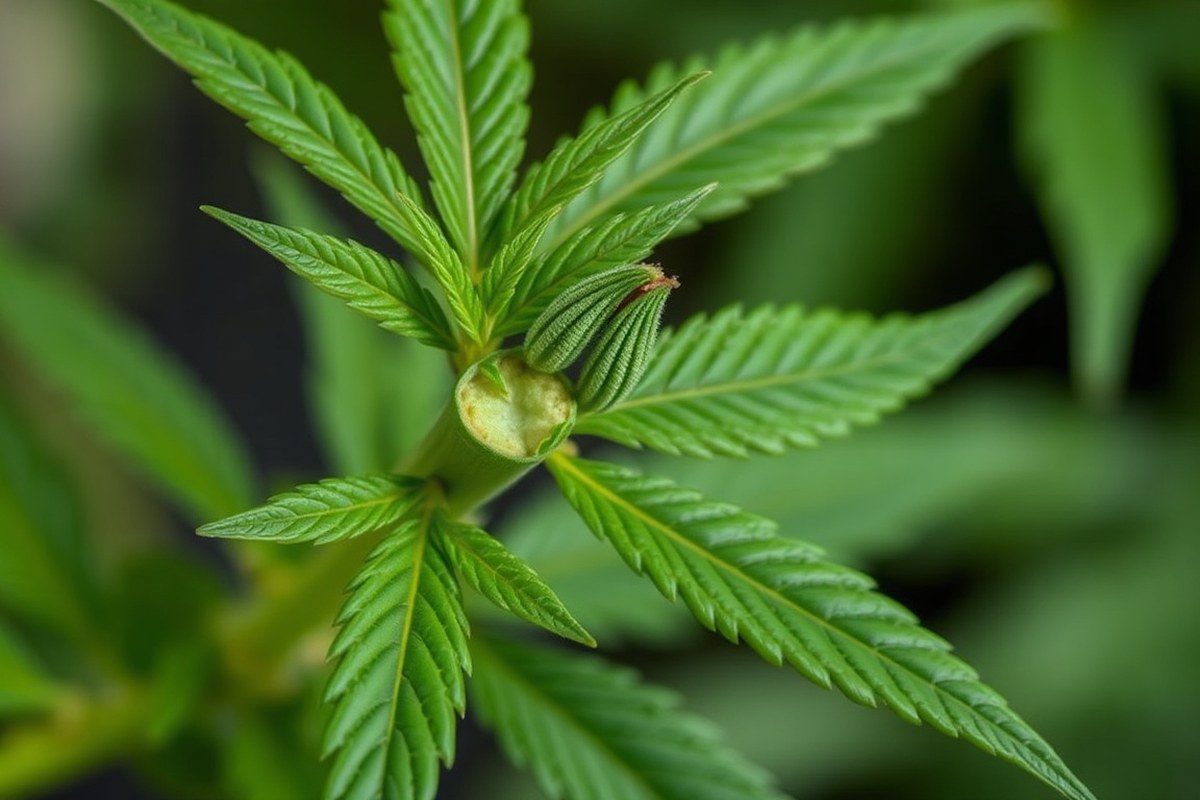
A weed clone is a cutting from a mature cannabis plant. The mature plant is called the mother plant. This cutting grows roots and becomes a new cannabis plant.
It is genetically identical to the mother plant. It carries all the exact traits of the mother, including strain, potency, flavor, and even sex.
The cloning process works through mitosis, which is simple cell division. Cells in the cutting split to form new tissues and roots.
The clone copies the full genetic code of the mother plant. This happens through natural cell growth.
The clone comes from one plant’s cells. It avoids genetic mixing seen with seeds.
This asexual reproduction ensures the new plant is an exact genetic replica. The clone will show the same growth patterns, cannabinoid profile, and flowering times as the mother.
To get a clone, cut a healthy branch from a stable mother plant. The mother plant stays in the vegetative state. Keep the cutting warm at 70 to 75 degrees Fahrenheit.
It also needs enough humidity for roots to grow. After 7 to 14 days, the cutting grows roots. Then it can become a healthy cannabis plant.
Mistakes often happen if the mother plant isn’t well established or if the cutting dries out. Without strong cells and consistent conditions, clones can fail due to shock or stunted growth. Keeping clones in a steady environment helps them root faster and survive the vulnerable phase.
Why Growers Choose Clones over Seeds

Growing cannabis from clones lets you skip the guesswork of seeds. Clones come from a known mother plant. So you get the exact same female genetics every time.
This means no surprise males or weak plants that don’t perform well. Clones also start faster since they bypass seed germination and early seedling stages.
The downside is clones can carry hidden pests or diseases from the mother plant. They don’t have a strong taproot. This makes them more sensitive.
They also take longer to settle into soil. Clones usually produce smaller yields compared to plants grown from seeds. Also, finding good-quality clones locally can be tough and sometimes illegal where you live.
| Factor | Clones | Seeds |
|---|---|---|
| Genetics | Exact copy of the mother plant | Each seed is unique |
| Plant sex | Always female if the mother is | Can be male unless feminized |
| Roots | No taproot (fibrous roots) | Taproot for more support |
| Speed to harvest | Faster: skips germination and seedling stage | Slower: must germinate first |
| Yield | Smaller | Higher |
| Pests and disease | Inherits the mother’s problems | No inherited pests or disease |
| Easy to get and keep | Difficult; must be used quickly | Easy to store and find |
Picking a clone means trusting your mother plant’s health and traits. Clones give fast and certain results. They grow quickly and reliably.
Seeds offer more variety, better root strength, and bigger yields if you don’t mind waiting. Clones keep all the qualities you like and repeat them. But you must watch for inherited problems.
Only take clones from healthy mother plants to avoid passing diseases.
Pick clones to get female plants that grow the same each time. Avoid clones if you need a stronger root system or want the genetic diversity seeds offer. Using clones saves time but needs careful handling to keep them healthy until transplant.
How to Select and Prepare the Mother Plant
Choose a healthy mother plant in its vegetative stage for cloning. Look for plants about two months old with no diseases or pests. Select strong branches with several nodes to take cuttings from.
Ideal Age and Health of Mother Plant
A mother plant should be at least two months old before taking cuttings. Younger plants may not have enough growth to support healthy clones. The plant needs to be in the vegetative stage, not flowering.
Health is key. Avoid plants with pests, mold, or yellowing leaves.
Pick plants with strong stems, vibrant green leaves, and plenty of new shoots. A healthy mother means your clones have a better chance to root and thrive.
Keep the mother plant in a separate space with an 18-hour light cycle. This helps maintain its vegetative state for months without flowering. A stable environment reduces stress that could harm clone quality.
Choosing the Right Branches and Nodes
Select branches that are 6 to 10 inches long with at least four nodes. Nodes are spots where leaves and new growth appear. These areas have the best chance to develop roots.
Try to find branches that look healthy and sturdy without any damage. Avoid very thin or weak branches since they often produce weak clones. Choose parts that have plenty of leaves to support energy for rooting.
- Branches 6, 10 inches (15, 25 cm) long
- At least four nodes per branch
- Firm, healthy stems
- Free of pests and diseases
- Lots of leaves on the cutting
- New growth visible but not flowering
Check that your cutting includes nodes from both sides if possible. These influence how well roots develop.
Clones typically develop one branch per node. So more nodes help grow a stronger clone.
Special Cases: Cloning Autos and Flowering Plants
Cloning autoflowering plants is not usually worth it. Since autos start flowering based on age, clones from them flower immediately. This leads to tiny plants with low harvests.
Taking cuttings from flowering plants slows down the process. Flowering clones may take weeks or months longer to revert back to growth. You also risk harming the mother plant’s health by cutting flowers.
Stick to cloning mothers in the vegetative stage. If you must clone from a flowering plant, expect longer root times. Flowering clones often stay smaller and produce less bud than vegetative clones.
Step-by-Step Process to Take a Cannabis Clone
Taking a cannabis clone means cutting a healthy branch first. Then treat it properly. Place it in a moist medium to grow roots.
Follow the right steps for better root success. This process helps you quickly get new plants identical to the mother.
Required Supplies and Prep
Get everything ready before you start cutting your clones. Keep rooting cubes, rooting hormone, a sharp razor or scissors, and a humidity dome close by. This saves time and stops you from touching your cuttings too much.
The right tools keep your clones safe from germs and damage. Sharp blades give clean cuts, which is key to healthy rooting. Humidity domes hold moisture, helping new clones take root quicker.
Taking a Clean Cut at a 45-Degree Angle
Choose a healthy branch with at least two nodes before cutting. Cut a 4 to 8 inch piece just below a node using a clean, sharp blade. Make the cut at a 45-degree angle to encourage strong root growth.
Remove all growth below the top two nodes to keep clones focused on rooting. Take clones from a flowering plant.
Pinch off any buds before cutting. This step keeps the clone healthy and focused.
- Wash your hands and sterilize your blade or scissors.
- Pick a branch with two or more nodes in the vegetative stage, if possible.
- Cut 4 to 8 inches below the bottom node at a 45-degree angle.
- Strip off leaves and growth below the top two nodes.
- Dip the cut end in rooting hormone to boost root growth.
- Handle the cutting gently to avoid bruising or damage.
- Place the cutting immediately into a moist rooting cube or medium.
Placing Cuttings into Humidity Domes
Put your cuttings into high humidity to keep them from drying out. Use a humidity dome or bag to hold moisture around new clones. Keep humidity between 75% and 90% for best results.
Mist the leaves gently once or twice a day for the first week. This simulates a wet environment and helps clones absorb moisture before roots develop. Keep your clones in a clean, warm spot away from direct light.
Caring for Your Cannabis Clones Until Transplant
Caring for Your Cannabis Clones Until Transplant
Keep your cannabis clones in warm, humid conditions with gentle lighting. Water lightly to keep their rooting medium moist but not wet. Watch for tiny root tips to know when it’s time to transplant.
Maintaining Ideal Humidity and Temperature
Clones need very high humidity at first to prevent leaves from drying out. Aim for 90 to 100 percent humidity during the first two days. Then, lower humidity slowly to 80 to 85 percent over a week.
This helps harden off your plants gently. Be patient as they adjust to the new conditions.
Temperature plays a big role in root development. Keep the air temperature between 68 and 77°F (20, 25°C) consistently. Avoid chilly or hot spikes because that can stress the clones and slow rooting.
Light Exposure Recommendations for Clones
Use low-intensity fluorescent lights or similar for about 18 to 24 hours daily. Too much light stresses clones and can cause them to stretch too fast. Less intense light helps keep the clones calm while their roots develop.
After you see roots starting, increase light gradually to prevent shock. This helps the clones adapt and grow strong once transplanted. Keep the light cycle steady, avoiding sudden changes.
Monitoring Root Growth and Signs of Trouble
Roots usually start forming around day 6 to 7. But it can take up to 2 weeks. You can check roots gently by looking through clear cubes.
Or, lift the growing medium slightly without hurting the plant. Do this carefully to avoid disturbing it. Roots about 3 inches long mean it’s time to transplant.
Signs clones aren’t doing well include drooping leaves, slow growth, or yellowing. Overwatering can cause mold or root rot, while underwatering has leaves curling or drying. Adjust watering to keep the medium moist, not soggy.
Don’t overwater clones; soggy conditions invite mold and slow rooting.
When and How to Transplant Rooted Cannabis Clones
Clones are ready to move when roots peek out of the container’s holes. This usually takes about 10 to 14 days but depends on strain and conditions. You’ll notice root lengths between ½ to 1 inch outside the bottom.
Transplanting too early risks tearing fragile roots. Let roots spread a bit but avoid waiting too long, which can cause root binding. Good signals include healthy leaves, slight upward growth, and visible roots through holes.
Carefully moving clones helps them adjust without shock. Use a larger pot or soil with drainage holes.
Soft soil keeps roots moist but not soggy. You want to keep humidity high for the first few days after transplant.
Follow these steps when transplanting rooted cannabis clones:
- Water the new container’s soil lightly to moisten but not soak it.
- Gently squeeze or tap the rooting cube to loosen the clone.
- Hold the clone by the stem near soil, avoiding roots directly.
- Place clone into the new container, covering roots with soil carefully.
- Press soil lightly around roots to remove air pockets but don’t pack tight.
- Water the transplanted clone slowly to settle soil without flooding.
- Keep humidity above 70% and temperatures around 70, 75°F during recovery.
- Place clones under indirect light for 3, 5 days before stronger light exposure.
Using rooting hormone helps roots grow faster, often within 7 to 10 days. Just water-based cloning might add a couple of days to root development. Soil preparation matters too.
Tough strains need extra care before cloning. Leach soil with 2 gallons of water per gallon of soil each day. Continue this for a full week.
Incorrect timing or rough handling can break roots, leading to slow growth or failure. Avoid letting roots dry out during transfer. Keeping clones in a gentle environment with stable humidity ensures the best start after transplanting.
Storing Cannabis Clones Long Term Safely
You can store cannabis clones safely for up to 2 to 3 months in a refrigerator. Keep clones in a cool, humid space around 40 to 50°F to slow growth. This temperature helps preserve them without freezing or drying out the stem and leaves.
Wrap clones loosely in damp paper towels. Keep them in a sealed plastic bag. This helps maintain humidity around the clones.
Aim for relative humidity near 80%, which keeps cuttings from drying. Avoid too much moisture, or clones risk rotting.
Store clones in a low-light area or inside the fridge’s vegetable drawer to reduce stress. Some growers skip light for the first 1 or 2 days. They let clones settle before giving them light again.
After that, they return clones to their grow lights. This helps clones use stored energy more efficiently.
When ready to plant, gently remove clones from storage. Let them warm up gradually at room temperature for a few hours to reduce shock. Then, unroll the damp towel or bag and check for any signs of decay or dryness.
Look for fresh green leaves and firm stems as signs the clone is alive. Leaves looking dry means clones need a light misting of water. Spray them lightly to help revive the leaves.
A limp clone needs rehydration. Soak its bottom in water for 10 to 15 minutes.
Once revived, place clones in a well-aerated, humid rooting setup with misting or humidity dome. Use a mild light source at first, increasing intensity as new roots develop. Keep temperature between 70°F and 75°F, which encourages strong root growth.
Check clones daily during revival and keep humidity high but not dripping wet. Rooting usually takes 1 to 2 weeks in this stable environment. Once you see good roots, transplant clones into soil or hydroponics and start normal feeding routines.
Storage and revival take patience, but keeping clones cool and moist pays off. You save time by not needing fresh cuttings immediately. Just avoid freezing temps or dry air to prevent losing your clones before they root.
Common Cloning Mistakes and How to Fix Them
Clones often fail because they dry out or get infected before roots grow. Keeping cuttings warm and humid helps prevent wilting. Temperatures near 70 to 75°F help roots grow fast.
Humidity higher than 70% supports growth too. Roots usually appear within 10 to 14 days.
Using a dirty blade causes bacterial infections that kill clones fast. Always sterilize your cutting tool with rubbing alcohol before snipping. A fresh, clean cut helps clones absorb water and nutrients better.
- Keep clones in a humidity dome or near a humidifier
- Use rooting hormone to speed up root formation
- Check and adjust pH to 5.5-6.6 for best root health
- Place clones in bright but indirect light to avoid burning
- Water clones lightly to avoid excess moisture and rot
- Remove damaged or wilted leaves to reduce stress
- Plant extra clones to replace any that fail
Check conditions when roots don’t show by two weeks. Lack of roots could mean your clone dried out or suffered mold damage.
You can try placing it back into high humidity and warm conditions. Sometimes cutting new clones from the same mother is easier than salvaging a failed one.
Mold or pests can ruin clones fast, so keep the environment clean. Avoid overcrowding clones to improve air circulation.
Check them daily for white mold spots or tiny bugs. Using fresh, sterile potting media also cuts down risks.
Never reuse rooting water or soil without sterilizing it to prevent disease spread.
Your First Steps: A Quick-Start Plan for Growing Cannabis Clones
Follow this plan to grow healthy cannabis clones from start to transplant. Each step shows what to do and how to tell if it worked well.
- Before you start: Choose a strong, healthy mother plant with no signs of disease. Check new growth for vibrant green color and no spots.
- Day 1: Take cuttings about 4-6 inches long with a clean, sharp blade. Look for fresh cuts and quick sap leak to show freshness.
- Day 2: Dip the cut end in rooting hormone powder or gel. This helps roots develop faster and gives each cutting a root bud.
- Days 3-7: Place cuttings in a humidity dome with misting twice daily to keep leaves moist. Leaves staying perky show your plants have good water levels.
- Week 2: Check for new root growth by gently tugging on cuttings. A slight resistance means roots are forming.
- Week 3: Once roots reach 1-2 inches, transplant clones into small pots with light soil. Plants standing upright without help means they are ready.
- Weeks 4-5: Gradually reduce humidity and increase light intensity to prepare clones for full grow cycles. Watch for steady leaf growth and no drooping.
- After 5 weeks: Move clones to their final growing space and follow your usual care routine.
Frequently Asked Questions
What Is a Weed Clone in Cannabis Cultivation?
A weed clone comes from a cutting of the mother plant. It grows into a cannabis plant identical in every way. This happens because cloning copies the mother’s genes exactly.
Can You Clone a Cannabis Plant Before Knowing Its Gender?
Yes, you can take clones before identifying the plant’s gender. Clones taken early don’t show their sex right away.
Cloning two cuttings helps you test gender faster. This way, you avoid waiting for flowers to bloom.
How Do Cannabis Clones Develop Roots Before Transplanting?
Clones form roots through cell growth until the roots reach about 3 inches long. When roots grow to that size, move the clone to a bigger pot.
Use good soil for transplanting. Water the plant well to help it settle in.
Why Do Some Cannabis Strains Clone Poorly?
Some strains resist cloning due to soil or plant stress. Water the soil heavily for several days before cloning.
This flushes out extra nutrients. It helps roots grow healthy and makes cloning easier.
What Light Schedule Helps Cannabis Clones Stay in Vegetative Growth?
Use an 18/6 light cycle, that’s 18 hours light and 6 hours darkness. Keep clones in veg stage until roots form.
This stops flowering from starting too soon. It also helps build strong stems and leaves.
How Should You Keep Clone Leaves After Taking Cuttings?
Keep clone leaves gently misted to keep humidity high. Clones need moist air, especially during their first week.
Moisture stops leaves from drying out. It also helps roots grow faster.
Key Points to Remember
A weed clone helps you grow cannabis with known traits. Clones give your plants a faster head start. You get a reliable way to start growing.
Taking care of clones carefully leads to strong, healthy plants. Begin by picking a good mother plant and follow through with steady care for best results.