Will LED Lights Grow Plants? A Complete Guide for Indoor Gardening Success
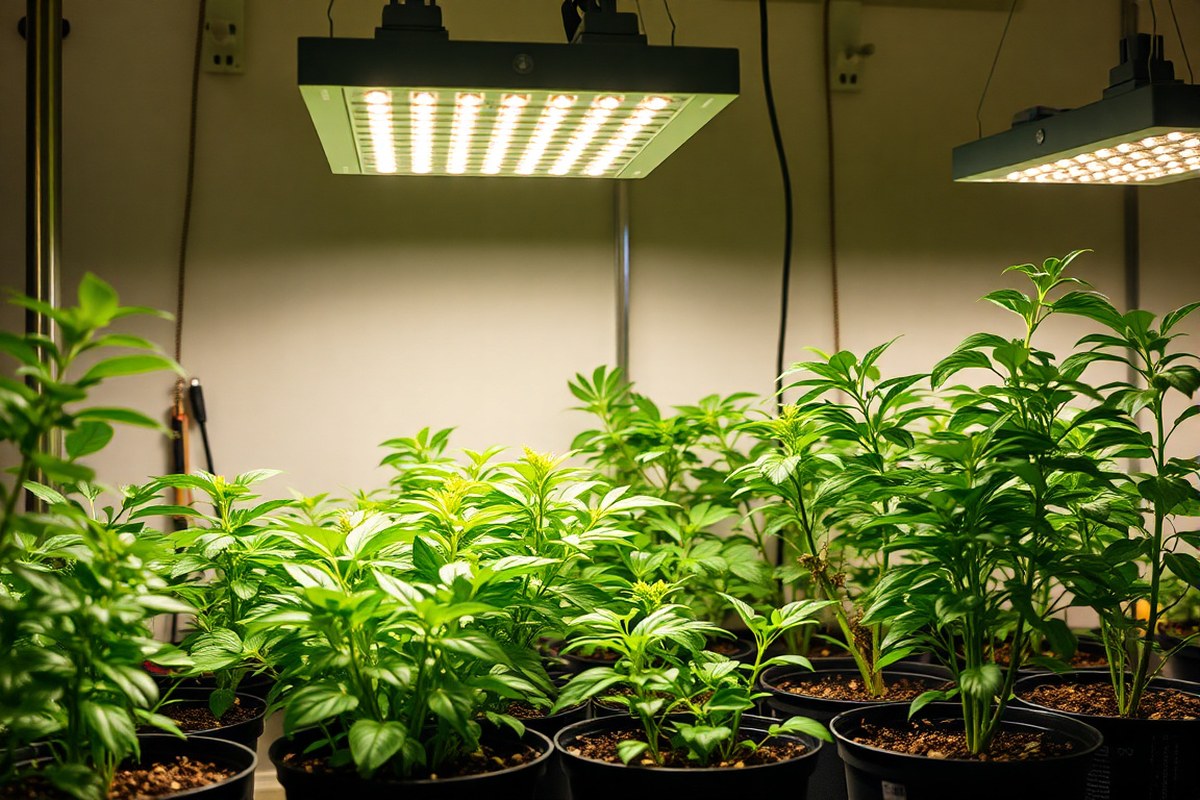
Will LED lights grow plants? Yes, they can grow plants very well indoors.
LED grow lights deliver the right light spectrum plants need to thrive. You just have to pick the right type and use them properly.
Plants mainly use blue and red light to grow. LEDs can provide these easily.
Position your LED lights about 12 to 20 inches above your plants for the best results. You should also run your lights around 12 to 14 hours daily to mimic natural conditions.
Regular LED bulbs won’t work as well because they don’t emit the right colors. Specialized LED grow lights also save energy and last much longer than other bulbs. Getting a timer helps you give plants consistent lighting without any hassle.
Key Takeaways
- Use LED grow lights that emit blue (400-500 nm) and red (600-700 nm) spectrum.
- Keep LED lights 12 to 20 inches above your plant canopy for optimal growth.
- Run your LED grow lights 12 to 14 hours every day to support plant health.
- Avoid regular LEDs; buy specialized LED grow lights for better plant growth.
- Choose LED grow lights with timers to maintain consistent daily light cycles.
- LED grow lights last around 50,000 hours, greatly outlasting traditional bulbs.
Can LED Lights Actually Grow Plants Effectively?
LED grow lights will grow plants effectively when you use the right kind. These lights emit specific red and blue wavelengths that plants need for photosynthesis.
Photosynthesis turns light energy into food. So the right light helps plants grow strong and healthy.
Natural sunlight covers all the light colors plants use for growth. LED grow lights copy sunlight by giving full spectrum light. They include key red and blue colors that plants need.
They use less energy and make less heat than sunlight. This saves on electricity and reduces plant stress.
Regular household LED lights mainly emit white light and lack the specific wavelengths plants require. They can give some extra light. But usually won’t boost growth like grow lights will.
Regular LEDs may help with small light boosts or to add light. They work if your plants get some natural light already.
LED grow lights use less power than fluorescent bulbs. They still provide the right light for plants to grow. You’ll see better results when LED lights have high-intensity output in the red and blue spectrum.
This light goes deeper into leaves and stems. It helps plants grow better than normal LEDs or fluorescents.
Sunlight intensity and light quality are tough to replace completely with LEDs. Sunlight covers a broad spectrum and shifts throughout the day, which plants naturally respond to.
LED grow lights stay constant and controlled. So adjusting their distance and duration is key to prevent overexposure and heat buildup.
Grow lights can cost between $30 and $150 or more, depending on size and features. You’ll need to run them about 12 to 16 hours daily for serious indoor growing.
LED grow lights stay cooler when running. This lowers the risk of burning plants compared to old light bulbs.
LED grow lights work best when you know photosynthesis basics. You need to match light colors to what plants want. Regular LED bulbs don’t work well for plant growth.
They don’t have enough red and blue light needed. So, choose full-spectrum LED grow lights for effective indoor plant growth instead of standard LEDs.
Which Light Spectrum and Colors Do Plants Need from LEDs?
Which LED Wavelengths Plants Need Most
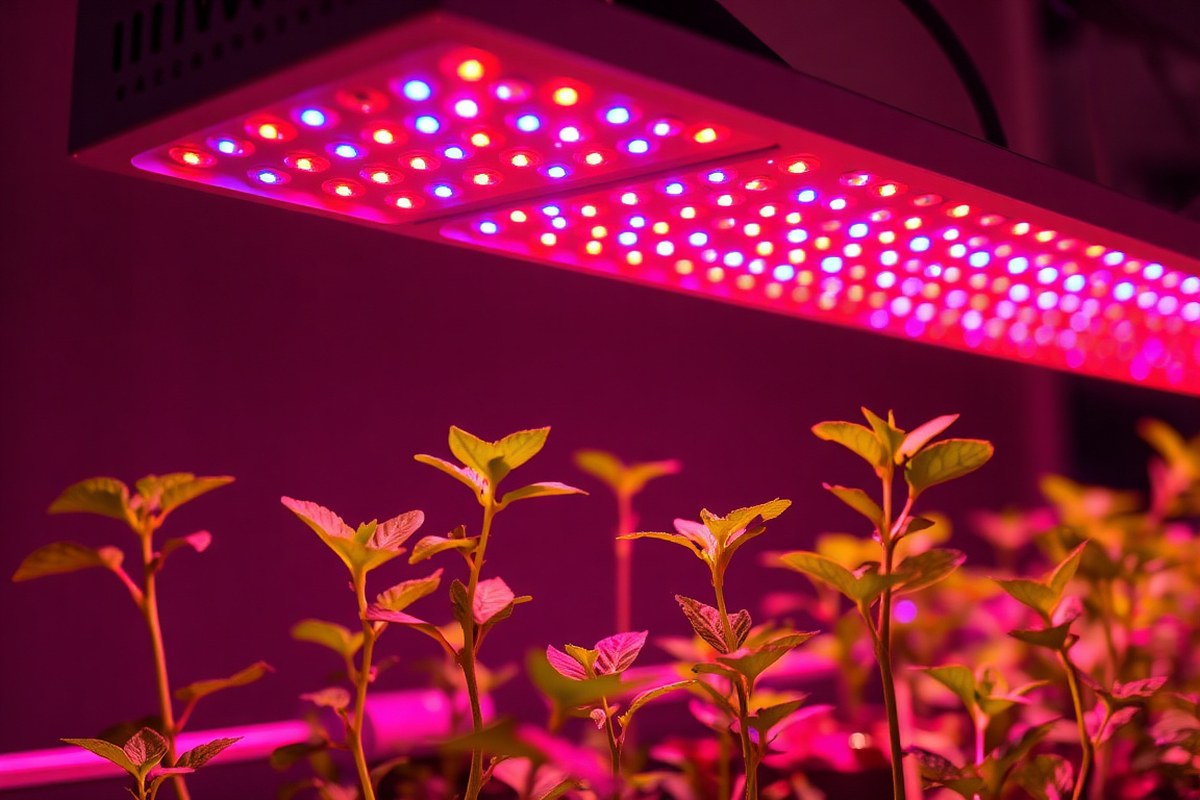
Plants mainly need light in the blue and red parts of the spectrum. Blue light falls between 400 and 500 nanometers (nm). Red light is around 600 to 700 nm.
These wavelengths are important because they drive photosynthesis. Blue light supports leaf and root growth, while red light encourages flowering and fruiting.
How Blue and Red Light Affect Growth Stages
Blue light works best when plants grow leaves and roots. It is important during the vegetative stage.
Plants need strong growth in this time. It helps keep plants compact and healthy.
Red light becomes more important in the flowering stage. It signals plants to bloom and produce fruit. Too much red light too early can cause leggy growth.
Are Full-Spectrum LEDs Always Needed?
Full-spectrum LEDs combine blue, red, white, and sometimes green light. They work for all growth stages by mimicking natural sunlight.
You don’t always need full-spectrum lights, especially for specific stages. Using a red-blue LED panel is cheaper and effective when you focus on one growth phase.
Selecting the Right Color Ratios for Growth
For seedlings and leaves, pick LED lights with 20-30% blue. They should also have 30-40% red light.
This mix supports healthy early growth. This balance supports strong vegetative growth.
During flowering, increase red light to 50-70% and reduce blue light to 10-20%. Adjusting this ratio helps plants focus energy on flowers or fruit.
How to Use LED Spectrums for Indoor Gardening
Look for adjustable LED grow lights if you want to switch color ratios for different stages. Some have separate switches for blue and red light.
Set your light schedule to change colors after a few weeks, matching your plant’s growth phase. Use a timer and read the light’s instructions to avoid overexposure.
Pick LED lights that show blue and red light percentages. Match these to your plant’s growth stage. This helps plants grow well under the right light.
How Close and How Long Should LED Grow Lights Be Used?
Place LED grow lights 12 to 36 inches above your plants. The exact height depends on the plant size and growth stage. Run the lights about 12 to 14 hours daily for best growth without damage.
Plant Size and Growth Stage Effects
Seedlings need lights farther away, around 24 to 36 inches. Taller plants in fruiting stages grow best with lights 12 to 18 inches above. Adjust the light height as plants grow to avoid burns or weak growth.
Check your plants every few days for signs of stress. Young plants often get leggy if lights are too far. Older plants show leaf curling or bleaching if lights are too close.
- Seedlings: 24, 36 inches above canopy
- Vegetative stage: 18, 24 inches above canopy
- Flowering stage: 12, 18 inches above canopy
- Fruiting stage: 12, 18 inches above canopy
- Raise lights if leaves curl or bleach
- Lower lights gradually as plants grow bigger
These adjustments keep light intensity in balance with plant needs. Using a light meter can help measure Photosynthetic Active Radiation (PAR) for accuracy.
Light Duration Recommendations by Plant Type
Most plants do well with 12 to 14 hours of LED light each day. Leafy greens and herbs like lettuce and basil prefer about 12 to 16 hours. Too little light slows growth, while too much causes stress.
Flowering and fruiting plants often need longer daily light, close to 14 hours. Use timers to automate the on/off cycle and maintain consistency. Shorten light hours when plants enter dormancy or rest periods.
- Seedlings: 12, 16 hours daily
- Leafy greens and herbs: 12, 16 hours daily
- Flowering plants: 14 hours daily
- Fruiting plants: 14 hours daily
- Use timers for steady schedules
- Reduce hours if plant growth slows or leaf edges brown
Remember, plants need some dark time for respiration and proper development. Avoid running lights 24/7 to prevent stress.
Recognizing and Preventing Excessive LED Light Exposure
Signs of too much LED light include leaf burn, browning edges, or faded leaf color. Leaves may curl up or develop white spots. Plants can also grow slower if they are stressed by light.
Move lights farther away or reduce daily hours if these signs appear. Monitoring your plants’ reactions helps you fine-tune light distance and timing. Using LED grow lights with built-in sensors and timers helps avoid overexposure automatically.
- Browning or yellowing leaf edges
- Leaf curling or wilting
- White or bleached spots on leaves
- Slow or stunted growth despite enough water and nutrients
- Lower light intensity or increase distance
- Cut daily light hours by 1, 2 hours if needed
Regular check-ins and adjustments prevent light stress. Following plant responses keeps your indoor garden healthy and thriving.
Can Regular LED Lights Replace Specialized Grow Lights?
Regular LED bulbs and LED grow lights differ mainly in the light spectra they offer. Grow lights focus on red and blue light ranges that plants use best. Regular household LEDs mostly provide white light with a spectrum less suited for plant growth.
You can use regular LEDs to keep plants alive. But they won’t thrive as well. Regular LEDs are cheaper and easy to find.
So they’re fine for small experiments or low-light plants. Still, for serious growing, purpose-built LED grow lights offer better results.
| Feature | Regular LED Bulbs | LED Grow Lights |
|---|---|---|
| Light Spectrum | Mostly white light, broad but not optimal plant spectrum | Red and blue peaks targeted for photosynthesis |
| Wattage Range | Lower wattages, usually 5 to 15 watts per bulb | Wider range, often 20 watts to over 100 watts |
| Cost | $2 to $10 per bulb | Ranges from $20 to $100+ depending on size and features |
| Optimal Distance Above Plants | Usually not designed for plant proximity, 12-24 inches advised | Designed for hanging 12-24 inches above plants |
| Light Cycle Control | No control, stays on/off with room lighting | Often includes timers or adjustable cycles |
Regular LEDs cost less and can keep plants alive in low-light corners. Use them if you want to test plant response or save money initially. They work best for plants needing low light or for basic greenery.
Choose LED grow lights to boost growth speed and health. They deliver light tailored to photosynthesis and come with options like timers. These lights are a better investment for flowering or fruiting plants indoors.
Set your light distance correctly. Keep any LED bulbs 12 to 24 inches from leaves to avoid weak light or burns. For grow lights, follow the manufacturer’s recommended distances for best results.
Non-grow LEDs won’t support full plant cycles well. They lack the spectrum and sometimes the brightness needed for strong roots and flowers. If you want vibrant plants with larger blooms and faster growth, spend more on grow lights.
What Plants Grow Best Under LED Lights and How to Optimize Results?
Some plants do better under LED grow lights than others. Herbs like basil, mint, and parsley do well with 12 to 16 hours of light. They need moderate brightness at 100 to 200 µmol/m²/s of PAR.
This level supports healthy growth without stress. Leafy vegetables like lettuce and spinach need similar light levels.
They do best with slightly longer light, about 14 to 18 hours each day. This helps keep them growing fast.
Flowering plants or fruiting vegetables ask more from your LEDs. Tomatoes, peppers, and orchids require high light intensity indoors. They need about 200 to 400 µmol/m²/s for blooming and fruiting.
Without this, they won’t grow well. Full-spectrum LED lights help because they cover 400 to 700 nm of PAR. This matches the light plants need for each growth stage.
It helps your plants grow strong. Set your lights about 12 to 18 inches above plants.
This distance hits the right light intensity without burning leaves. Keeping this space avoids damage and supports growth.
- Basil & parsley: 100-200 µmol/m²/s, 12-16 hours
- Lettuce & spinach: 100-200 µmol/m²/s, 14-18 hours
- Tomatoes & peppers: 200-400 µmol/m²/s, 14-18 hours
- Orchids and flowering houseplants: full spectrum, 12-16 hours
- Succulents: moderate light, 10-12 hours, avoid overexposure
- Low-light houseplants like snake plants: 15-25 µmol/m²/s, 10-12 hours
Adjust your LED setup according to each plant’s needs. Lower light, shorter times help succulents and low-light plants avoid stress.
Aim stronger, longer light for herbs and vegetables you want to harvest. Managing timing with a simple digital timer saves you guesswork and keeps plants healthy.
Keep LED lights at recommended heights to prevent leaf burn or poor growth.
Also, full-spectrum lights help most plants. But some prefer more red or blue depending on growth. Red encourages flowering, while blue boosts leafy growth.
Experiment carefully with distance and duration. Watch your plants closely, they’ll show stress by dropping leaves or stretching too tall. Watch your plants’ signals to adjust light levels.
Changing the light lets you fine-tune your setup. This improves your indoor garden’s overall yield and health.
How to Choose the Best LED Grow Light for Your Indoor Plants
Choosing the right LED grow light depends on your plants’ needs. Also consider your indoor garden’s size and your budget.
Wattage and light spectrum are key factors to consider. You can find options that fit both beginners and experienced growers without overspending.
Assessing Your Indoor Garden Size and Plant Types
Measure the area where you want to grow your plants. Different plants have different light needs.
So match the light size to your plant types. Seedlings and leafy greens need less intense light than fruiting plants like tomatoes.
Smaller setups can use compact lights that focus on just a few plants. Larger areas need bigger LED panels or multiple lights to cover the space evenly. Spreading light too thin often causes weak or leggy growth.
Understanding Wattage and Spectrum Features
Look for LED grow lights that show their wattage and PAR output. Aim for 30 to 50 watts per square foot for fruiting or flowering plants.
Leafy greens and seedlings need about 20 to 30 watts per square foot. They can thrive with this amount of light.
Choose full-spectrum LEDs that cover blue and red wavelengths, essential for photosynthesis. Adjustable spectrum lights let you change settings as plants grow. Avoid cheap lights claiming perfect spectra without clear specs.
Budget-Friendly LED Grow Lights for Beginners
Start with smaller lights around 100 to 150 watts for about $40 to $70. Budget brands can do well for seedlings and houseplants.
Check out popular models like the LBW Full Spectrum 150W. GE’s Grow LED Bulb fits simple setups well.
Use LED grow lights with good airflow and IP65 or higher waterproof ratings for durability. Combo kits with stands or timers often save money and make setup easier. Avoid the cheapest bulbs if you want flowers and fruit.
Follow these steps to pick your LED grow light:
- Measure your grow space to understand coverage needs.
- Identify your plants’ light intensity and spectrum requirements.
- Check LED wattage and PAR output to match plant needs.
- Choose full-spectrum LED lights for versatile plant growth.
- Compare prices and features within your budget, starting small.
- Look for durable features like waterproof ratings and quality chips.
- Start with user-friendly lights that have easy setup options.
| Product | Ease of Use | Effectiveness | Durability | Value |
|---|---|---|---|---|
| Hytekgro LED Grow Light Panel | 4.5 | 5 | 5 | 5 |
| GE Grow LED Light Bulb | 5 | 4.5 | 4 | 5 |
| AeroGarden Tabletop Grow Light | 5 | 5 | 5 | 4 |
| Phlizon 600W Full Spectrum | 4 | 4 | 4 | 4 |
| LBW Full Spectrum 150W | 5 | 4 | 4 | 5 |
Common LED Lighting Mistakes and How to Fix Them
Common LED Lighting Mistakes and How to Fix Them
Placing LED grow lights too close can cause leaf damage known as light burn. This shows up as yellow or brown edges and sometimes spots on leaves. Keep your LED light about 12 inches above the plant canopy to avoid this problem.
Another mistake is not providing enough light. Plants need a steady amount of light every day, or they may become leggy and weak. Make sure your light runs for 12 to 16 hours daily, matching the plant’s needs.
Using a light with the wrong spectrum can slow growth. Most modern LED grow lights include red and blue wavelengths. These colors help plants absorb light efficiently and grow well indoors.
- Light too close causes leaf burn; raise light to 12 inches.
- Light too far or too short daily; set timer for 12-16 hours.
- Wrong spectrum wastes energy; choose LEDs with red and blue peaks.
- Failing to watch plant changes; inspect leaves weekly for new symptoms.
- Not adjusting light as plants grow; raise light as canopy grows taller.
If plants look pale or stretched, the light may be too weak or far away. Try lowering the light by a few inches but not below 12 inches. Adding supplemental light can help in darker rooms.
Yellowing not caused by light burn might mean overwatering or poor nutrients, so check those too. Plants that don’t enjoy their light environment will show slow growth or odd leaf shapes. Give the light setup a few days after changes to see real progress.
Energy Use, Costs, and Lifespan of LED Grow Lights Explained
LED grow lights are much more energy efficient than other types. They convert about 80% of energy into light. Incandescent bulbs waste 80% as heat.
LED lights use less electricity to give your plants the same light. That means your electric bill can be lower using LEDs for indoor gardening. You get equal brightness with less power.
To see what running costs look like, consider a 100-watt LED grow light. Running the light 13 hours a day costs about $4 monthly.68 monthly. This cost assumes electricity costs about 12 cents per kilowatt-hour.
That rate matches many U.S. States’ average power prices.S. States. Using a timer on your LED limits how long it runs each day. This saves energy by matching light time to your plants’ needs.
LED grow lights usually last 50,000 hours or more. LED lights last much longer than fluorescent or incandescent bulbs.
Fluorescents last 8,000 to 15,000 hours; incandescents last only 1,000 to 2,000 hours. The long life means you replace LEDs far less often, balancing out their higher upfront cost.
Typical Lifespan and Running Costs Comparison:
| Light Type | Lifespan (Hours) | Monthly Energy Cost* |
|---|---|---|
| LED Grow Light | 50,000+ | $4.68 (100W, 13 hrs/day) |
| Fluorescent | 8,000, 15,000 | $6, $10 (100W, 13 hrs/day estimate) |
| Incandescent | 1,000, 2,000 | $13+ (100W equivalent, 13 hrs/day estimate) |
Many LED grow lights include timers and dimmer switches you can use. These tools help keep your energy use in check. Running your LED 8 hours instead of 13 cuts your monthly cost 40%.
That saves you money while still giving plants enough light. You can also adjust brightness based on plant stage or needs, cutting extra energy use.
Choose quality LED grow lights to avoid cheap models that waste energy and die early.
Step-by-Step Action Plan for Growing Plants with LED Lights
Follow these clear steps to get your indoor garden thriving with LED lights.
- Before you start: Choose a full-spectrum LED grow light designed for plants. Check the product specs to make sure it includes blue and red light.
- Day 1: Set up your light 12 to 18 inches above seedlings. Adjust height weekly based on plant size to avoid leaf burn.
- Week 1: Run lights 14 to 16 hours daily to mimic natural daylight. Use a timer for consistent light periods.
- Week 2: Monitor plant growth and leaf color. Healthy green leaves mean your light intensity and spectrum work well.
- Week 3: Change the light height if plants look too tall and weak. If leaves burn, move the light farther away. Aim for balanced growth.
- After 4 weeks: Reduce light to 12 hours daily. This helps with flowering or fruiting stages.
- Monthly: Clean LED surfaces to keep brightness high. Replace bulbs or panels as recommended by the manufacturer.
- Every plant cycle: Keep humidity, temperature, and watering steady. LED lights work best with good overall care.
Frequently Asked Questions
Can LED Lights Help Seedlings Grow Strong Indoors?
Yes, LED grow lights provide the right spectrum and intensity for seedlings. Keep the light about 12 to 20 inches above your plants. This height avoids burning and helps steady growth.
Do LED Grow Lights Affect the Taste of Herbs and Vegetables?
LED grow lights can improve flavor by supporting healthy plant growth. Plants grown under proper light tend to develop better oils and sugars, which can improve taste.
How Do LED Grow Lights Impact Plant Flowering Time?
LED grow lights can speed up flowering if they emit the right red and blue spectrum. Adjusting light duration and intensity helps manage growth cycles for blooms.
Can LED Lights Prevent Plant Diseases Indoors?
LED lights don’t directly prevent diseases but promote strong growth. Healthy plants resist pests better, so good lighting indirectly supports disease resistance.
Are All LED Grow Lights Waterproof and Safe for Humid Areas?
Not all LED grow lights are waterproof or moisture-resistant. Look at the product specs to find the IP rating. Use this if your lights will be in wet or humid spots.
Do LED Grow Lights Work Better with Reflective Surfaces Around Plants?
Yes, reflective surfaces bounce extra light onto plants, improving efficiency. Using white walls or reflective materials can boost light exposure and growth.
Final Thoughts
LED lights can grow plants effectively when set up and used properly. Start with the right light and timing to see healthy growth. Check your plants regularly and tweak light distance and duration based on their needs.