How Many Square Feet per Yard of Concrete: A Complete Guide with Coverage & Calculation
The slab thickness determines how many square feet one yard covers. A 4-inch thick slab usually covers 81 square feet per cubic yard. Many home concrete slabs use this common thickness.
A 3-inch thick slab lets one yard cover about 108 square feet. Thinner slabs spread concrete over more surface area.
For thicker slabs, like 6 inches, you get only about 54 square feet per yard. Knowing this helps you order the right amount without wasting material.
Start by measuring your slab’s length, width, and depth to calculate volume in cubic yards. Thickness changes impact yard coverage directly. Even small differences can change coverage.
Always check slab depth carefully before ordering. Accurate measurements save you from running short or having leftovers.
Key Takeaways
- One cubic yard covers 81 square feet at 4 inches thickness.
- Thicker slabs mean less coverage per cubic yard. At 5 inches, one yard covers 65 square feet. For 6-inch slabs, coverage drops to 54 square feet.
- Thinner slabs cover more area: 108 sq ft at 3 inches thick.
- Always measure your slab’s exact thickness before ordering concrete.
- Calculate volume first as length × width × thickness (in feet) to get cubic feet.
- Convert cubic feet to cubic yards by dividing by 27.
How Many Square Feet Does One Cubic Yard Cover?
One cubic yard of concrete covers different amounts of square feet depending on slab thickness. At 3 inches thick, one yard covers about 108 square feet. For the standard 4-inch slab thickness, coverage drops to 81 square feet per yard.
Increasing slab thickness decreases the area one yard covers. At 5 inches, coverage falls to around 65 square feet. When the slab is 6 inches thick, one cubic yard covers 54 square feet.
This happens because the volume stays constant at 27 cubic feet per yard. So thicker slabs cover less ground.
For quick reference, 3 inches thick covers 108 square feet. Four inches covers 81. Five inches covers 65.
Six inches covers 54. Thicker slabs cover less area per cubic yard.
You’ll need more concrete. This applies when slabs get thicker but cover the same space.
To calculate this yourself, divide 324 by the slab thickness in inches. For example, 324 ÷ 4 inches equals 81 square feet per yard.
This formula works because one cubic yard equals 27 cubic feet. 324 comes from multiplying 27 by 12 to convert inches to feet.
This matters because choosing the right slab thickness affects your concrete order size and cost. Thinner slabs save money but may not support heavy loads.
Thicker slabs take more concrete and cost more but handle weight better. Pick slab thickness based on your project’s durability needs and budget.
How Slab Thickness Impacts Concrete Coverage
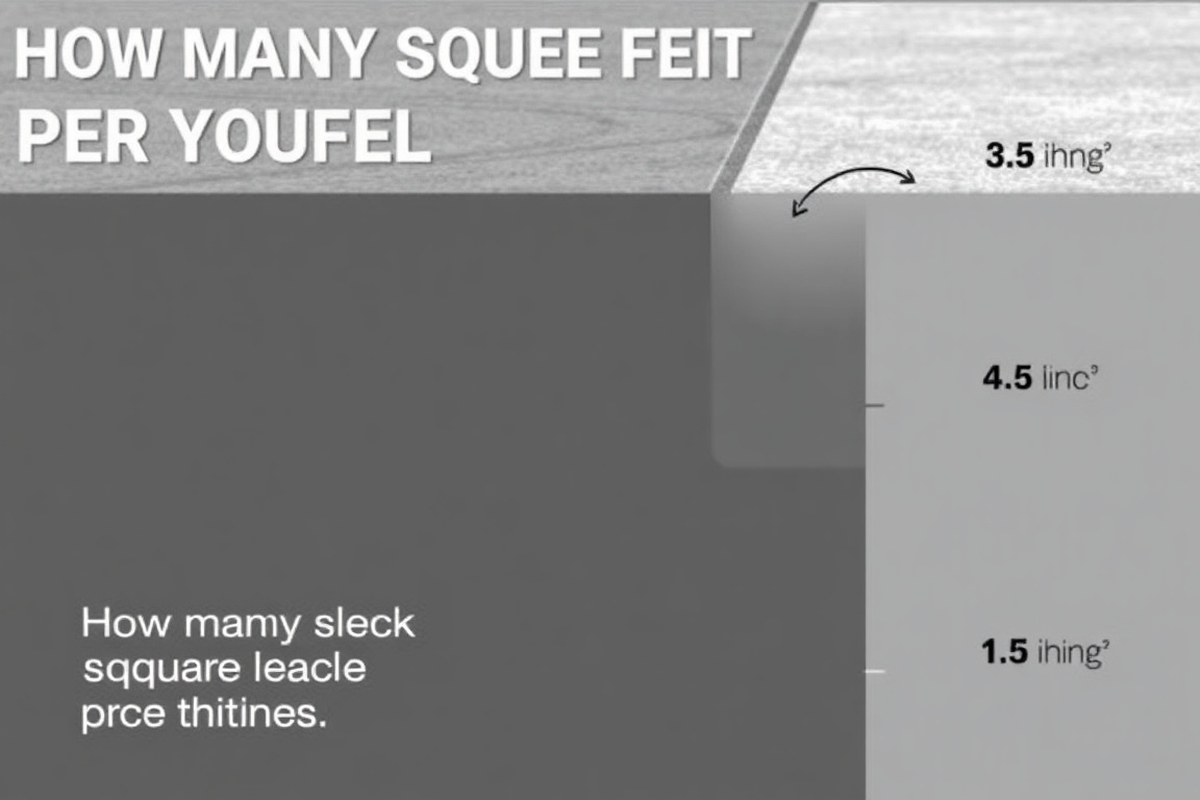
The thickness of your concrete slab directly affects how much area one cubic yard can cover. When thickness doubles, coverage roughly halves. The same volume spreads over less area.
So, thicker slabs cover smaller surfaces. Knowing correct slab thickness helps you order enough concrete.
You’ll avoid buying too much or too little. This applies to patios, driveways, or other jobs.
Why Coverage Drops as Slab Thickness Goes Up
One cubic yard of concrete always equals 27 cubic feet. You can pour it thin to cover a large area or thick to cover less area. So, doubling the thickness means the same volume covers half the square feet.
For example, a 4-inch slab covers about 81 square feet per cubic yard. Increasing slab thickness to 8 inches means it covers only 40 square feet. The math is simple: coverage equals volume divided by slab depth.
Common Slab Thicknesses for Patios and Driveways
Typically, patios and walkways use a 4-inch slab. This thickness works for foot traffic and light use. Driveways get thicker, often 5 or 6 inches, to hold heavier vehicles and prevent cracking.
Here’s a quick list of typical slab thickness and uses:
- 2 inches: Thin overlays or toppings, not structural slabs
- 3.5 to 4 inches: Patios, walkways, garage floors
- 5 inches: Driveways with occasional heavy vehicles
- 6 inches: Driveways, shop floors for regular heavy loads
Choosing the right thickness depends on load, soil type, and local building codes.
Selecting the Slab Thickness for Your Concrete Project
Start by considering what the slab must support. Light foot traffic needs less thickness than vehicles. Check local codes since they often set minimum slab requirements.
Divide 27 by slab depth in feet to estimate coverage. This formula uses 27 cubic feet per yard. It helps you figure out concrete needs.
For example, 4 inches is 0.33 feet. So 27 ÷ 0.33 equals about 81 square feet covered per cubic yard.
This helps you order the right amount of concrete and avoid waste or shortages. Always allow extra concrete to cover over-excavation and spillage.
Don’t double slab thickness without adjusting concrete quantity, it cuts coverage in half.
How to Calculate Square Feet per Yard of Concrete
To convert cubic yards of concrete into square feet coverage, you need the slab thickness. You first change thickness from inches to feet. Then use the formula to find coverage based on your project’s dimensions.
Converting Slab Thickness to Feet
Thickness is often measured in inches but the formula requires feet. Divide your slab thickness by 12 to convert inches to feet. This step lets you work with consistent units for the rest of the calculation.
For example, a 4-inch thick slab becomes 0.33 feet. Having thickness in feet makes volume and area calculations simple and accurate.
Applying the Coverage Formula
Use this formula:
Square feet covered = (27 cubic feet per yard) ÷ slab thickness in feet. This shows how many square feet one cubic yard covers at your slab’s thickness. You divide the 27 cubic feet in a yard by the thickness in feet.
To find slab volume, first measure length and width in feet. Multiply this by the slab thickness in feet.
Then divide the result by 27 to get cubic yards. This gives your volume in cubic yards.
Worked Example Calculation
Imagine a slab that measures 10 feet by 10 feet and is 4 inches thick.
- Convert thickness to feet: 4 inches ÷ 12 = 0.33 feet.
- Calculate slab area: 10 feet × 10 feet = 100 square feet.
- Find cubic feet volume: 100 square feet × 0.33 feet = 33 cubic feet.
- Convert to cubic yards: 33 cubic feet ÷ 27 = 1.23 cubic yards.
- Find square feet coverage per yard: 27 ÷ 0.33 = approx. 81 square feet per cubic yard.
You need about 1.23 cubic yards of concrete to cover 100 square feet at 4 inches thick. One yard covers roughly 81 square feet at this thickness.
Converting Between Cubic Yards, Square Yards, and Square Feet
You need to know the difference between square feet and square yards. Cubic yards measure volume, which is different than area. Understanding these helps when working with concrete.
A square yard is 9 square feet. It measures an area that is 3 feet by 3 feet.
This conversion matters because concrete suppliers often quote volume in cubic yards. Your plans use square feet for area.
A cubic yard measures volume, not area. One cubic yard equals 27 cubic feet. It is a cube 3 feet long, wide, and deep.
This volume tells you how much concrete you need. You must convert the area and slab thickness to the same unit. This helps you calculate the volume correctly.
When ordering concrete, you convert your square feet to square yards by dividing by 9. Then, use the slab thickness in feet to turn square yards into cubic yards.
For example, a 100 square foot area is 11.11 square yards. If the slab is 0.33 feet thick (4 inches), multiply 11.11 by 0.33, giving about 3.66 cubic yards of concrete needed.
Here is a simple conversion table to help you plan:
1 square yard = 9 square feet
1 cubic yard = 27 cubic feet
1 cubic yard covers about 81 square feet at 4 inches thick
Failing to divide square feet by 9 leads to ordering errors. You might buy too much concrete and waste money, or not enough and face delays.
Concrete costs around $135 to $150 per cubic yard. So small miscalculations add up quickly.
Knowing these conversions helps you communicate clearly with suppliers and avoid mistakes. Always measure your slab thickness and area carefully, then convert each step as shown. This takes only a few minutes but saves money and frustration on site.
How Much Extra Concrete Should You Order?
You should order 5% to 10% extra concrete to cover waste and spillage. This extra amount helps avoid running short during the pour. Short loads cause delays and can lead to cold joints if you resume later.
Use 5% extra for simple, small projects like sidewalks or patios. For bigger jobs or uneven ground, add 10% extra. Add about 15% more concrete for tricky sites or large pours.
This helps cover unexpected needs during the job. It prevents running short in complex projects. Calculating extra based on your project size is key.
- Add 5% for small, straightforward pours
- Add 10% for larger pours or rough terrain
- Add 15% for complicated shapes or tough ground
- Carefully measure your area and thickness
- Convert total volume to cubic yards including waste
- Order all in one go to avoid cold joints
- Talk to your supplier about delivery timing
Concrete waste occurs from overestimation, spillage, and surface settling. For example, a quarter inch low on a 1,000-square-foot slab costs about 0.75 cubic yards that you did not plan for. This shows why adding an allowance matters so much.
Don’t risk costly delays and overtime by ordering exact amounts only.
Ordering too little concrete may force a second delivery. This raises costs and risks cold joints that weaken the slab. Adding the right extra amount saves time later.
It helps you finish the pour without stopping. This keeps your schedule on track.
Estimating Concrete for Irregular Shapes and Multiple Slabs
Start by breaking your irregular shapes into smaller parts. Calculate the area for each part separately. This makes measuring easier and more accurate.
You measure each section’s length, width, and thickness separately. Then, calculate the volume for every part and add these numbers to get total cubic yards.
Measuring Complex Slab Areas
Draw your slab shape on graph paper. You can also use a digital measuring tool. This helps get your layout planned right.
This helps to see how many simpler shapes like rectangles or triangles fit inside. Use a tape measure for simple edges.
For better accuracy on curves or odd shapes, use a laser distance meter. This ensures precise measurements.
Walk around the slab carefully to mark where its shape changes. Note these key points to measure curves correctly. This helps capture the exact size.
Connect these points with straight lines to create smaller sections. Breaking down a curved slab into sections makes math easier and reduces material waste.
Calculating Volume for Multiple Slabs
Find the volume by multiplying the slab area by its thickness in feet. Convert thickness into feet by dividing inches by 12 (for example, 4 inches ÷ 12 = 0.333 feet). Then multiply thickness in feet by the slab’s square feet for the volume in cubic feet.
Add the cubic feet volumes for all your slabs. Divide the total cubic feet by 27 to get cubic yards. This is the amount of concrete to order.
- Divide the project into simple shapes: rectangles, triangles, or circles.
- Measure each shape’s length and width in feet.
- Calculate the area of each shape separately.
- Measure slab thickness in inches and convert to feet.
- Multiply area by thickness to get volume in cubic feet.
- Add all volumes together for total cubic feet.
- Divide total cubic feet by 27 to get cubic yards.
Adjusting for Thickness Variations
Different slabs might have varying thicknesses, so measure each one carefully. For example, a driveway might be 6 inches thick.
But a sidewalk only 4 inches. This difference directly impacts how much concrete you order.
Calculate volume for slabs with different thicknesses separately, using the thickness in feet. Then add those volumes before converting to yards. This method avoids under or ordering too much material.
Common Mistakes When Estimating Concrete Coverage
Misjudging concrete quantity usually comes from skipping key conversions. Many people miss converting slab thickness from inches to feet. This mistake leads to wrong cubic yard calculations.
Always double-check units before calculating volume. This mistake alone causes ordering less concrete than the project needs.
People often forget that one cubic yard covers different square footage based on slab thickness. For example, a 4-inch slab requires about 81 square feet per cubic yard.
A 6-inch slab covers around 54 square feet. Not adjusting for this leads to big order errors.
Another common error is mixing up square feet and square yards. Three feet equal one yard. One square yard equals 9 square feet.
Remember this when measuring for concrete. Skipping this step inflates or deflates your concrete needs incorrectly.
- Convert slab thickness from inches to feet before calculating volume.
- Always double-check area units; square feet must convert to square yards correctly.
- Include about 10% extra concrete to cover waste and uneven subgrade.
- Use a calculator or online tool to ensure volume and area match in units.
- Measure project area precisely, avoiding assumptions or rough estimates.
- Break irregular shapes into rectangles for accurate area measurements.
- Consult product labels or supplier info for concrete coverage rates per yard.
Underestimating waste can make the difference between a smooth project and costly delays. Rough ground, spillage, and changes in form all add to concrete needs. Adding a 10% buffer is a safe bet for typical DIY pours and small contractor jobs.
Using a checklist for measurements and conversions avoids common pitfalls and stops you from running short. Failing to convert units or include waste can mean ordering 20% less than required. This causes extra trips, delays, and sometimes higher delivery fees.
How Concrete Shrinkage and Subgrade Affect Ordering
Concrete shrinks naturally as it cures, but its volume doesn’t actually decrease much. Drying causes small surface cracks and shrinkage. These affect only the surface.
The total volume you ordered stays mostly the same. So, you don’t need to order extra concrete just because of shrinkage alone.
Uneven subgrade plays a bigger role in changing how much concrete you need. When the ground isn’t level, concrete fills low spots, which adds to the volume required.
You might pour a 5-inch slab. But dips in the subgrade mean some areas need thicker filling, which uses more material overall.
You will lose some concrete from spills or leaking forms. This loss is unavoidable. That’s why adding extra concrete is a good idea.
Typically, ordering 5 to 10 percent more covers these issues safely. For a 5-inch thick garage slab, expect about 65 square feet covered per cubic yard. But this coverage goes down as the slab thickens or the subgrade becomes rougher.
Adding that 5, 10% buffer helps avoid stopping mid-pour to order more concrete. It is easier to remove or smooth excess concrete than to rush getting more delivery. Check the slope of the subgrade if it’s uneven.
Estimate where you need extra depth. Do this before you place your order. This reduces surprises while pouring.
Always add 5% extra concrete to your order. This covers shrinkage and spillage losses. It also accounts for uneven subgrades that waste volume.
Step-by-Step Action Plan
Follow these clear steps to estimate concrete coverage properly for your project.
- Before you start: Measure the length and width of your slab area in feet.
- Calculate your slab thickness: Determine the depth you want, usually in inches. Convert it to feet by dividing by 12.
- Calculate cubic feet needed: Multiply length × width × thickness (in feet). This gives you cubic feet required.
- Convert cubic feet to cubic yards: Divide cubic feet by 27. One cubic yard equals 27 cubic feet.
- Add extra concrete: Increase your cubic yards by 5% to 10% to cover waste and shrinkage.
- Order the concrete: Use your adjusted cubic yard number to place your order with the supplier.
- Prepare the site: Ensure the subgrade is level and compacted to avoid settling after pouring.
- Check the pour: Verify the volume delivered matches your order before starting to pour.
Frequently Asked Questions
How Do Weather Conditions Affect Concrete Coverage?
Weather affects concrete setting and may require more mix. Hot or cold temps can impact how much you need.
Can You Use Recycled Concrete to Estimate Yardage?
No, recycled concrete varies in density and coverage. It is better to measure the new mix directly.
Does Adding Reinforcement Change Concrete Coverage per Yard?
Adding rebar does not change coverage but may affect volume. Order enough concrete to fully encase the reinforcement.
How Does the Base Material Under Concrete Affect Coverage?
The base won’t change concrete volume but impacts slab stability. Preparing a solid base helps avoid cracks and rework.
Is There a Difference in Coverage for Colored or Stamped Concrete?
Coverage stays the same for colored or stamped concrete. The finish method doesn’t change the amount needed per yard.
Can You Mix Different Concrete Thicknesses in One Pour?
You can, but calculate yards separately by thickness area. Mixing thicknesses requires careful volume planning per section.
The Bottom Line
One cubic yard covers more square feet at thinner slab thicknesses. Knowing slab thickness and slab area helps you order the right amount of concrete. Measure carefully and add some extra to avoid running short.