
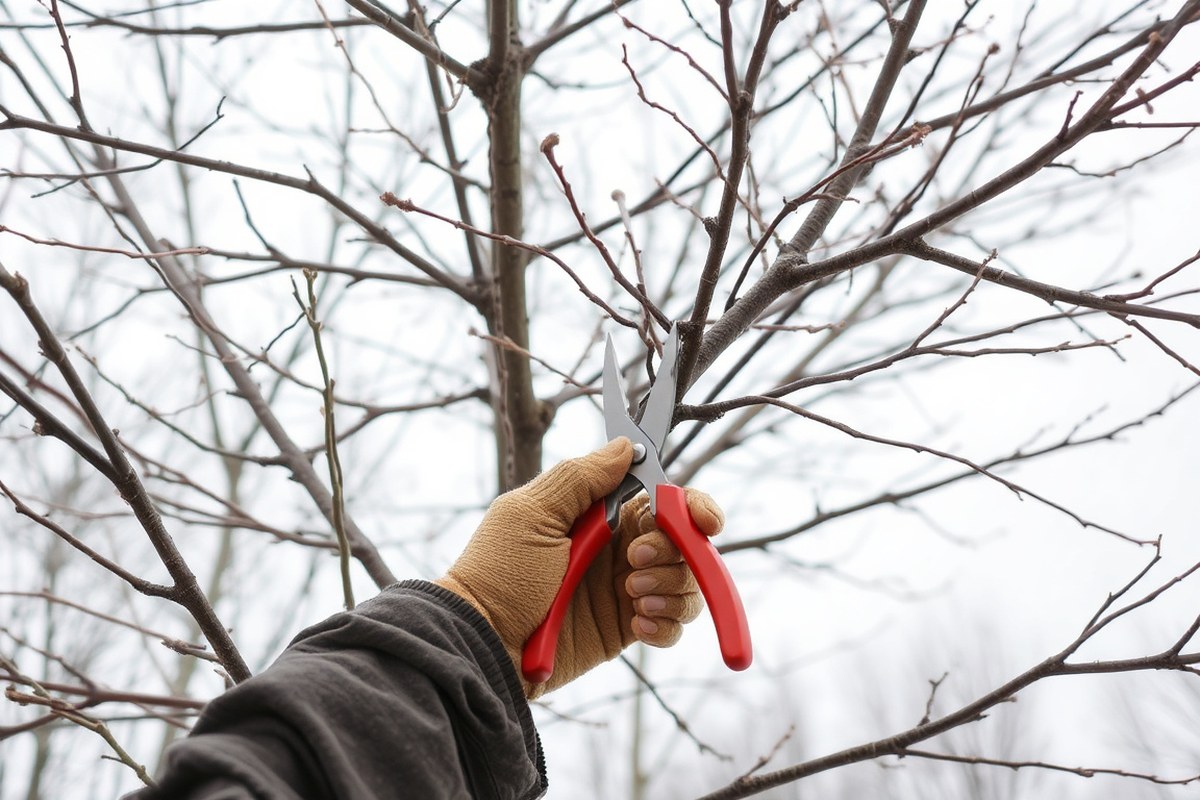
Can You Prune Trees in Winter? Expert Tips for Healthy Growth
Can you prune trees in winter? Yes, you can safely prune many trees during late winter.
This is the best time, about 4 to 6 weeks before spring starts thawing the ground. Pruning then helps trees heal quickly and grow strong in spring.
Cutting branches when trees are fully dormant reduces stress from pruning. Avoid pruning in extreme cold below 20°F (-6°C) because it can damage the tree’s exposed parts. Start by removing dead or damaged branches to keep your tree healthy.
Pruning in late winter also helps you see your tree’s structure clearly. Without leaves, you spot problem areas and shape the tree better. Just remember to not cut more than 20% of the live canopy.
Cutting more could hurt your tree. Keep your pruning light to protect its health.
Key Takeaways
- Prune trees in late winter before buds begin to swell for best results.
- Never cut more than 20% of the live canopy to protect tree health.
- Avoid pruning when temperatures drop below 20°F to prevent tissue damage.
- Start by cutting away dead or damaged branches during winter pruning.
- Make cuts above outward-facing buds to encourage proper branch growth.
- Prune gradually over years when shaping or stabilizing young or stressed trees.
Can You Safely Prune Trees in Winter?
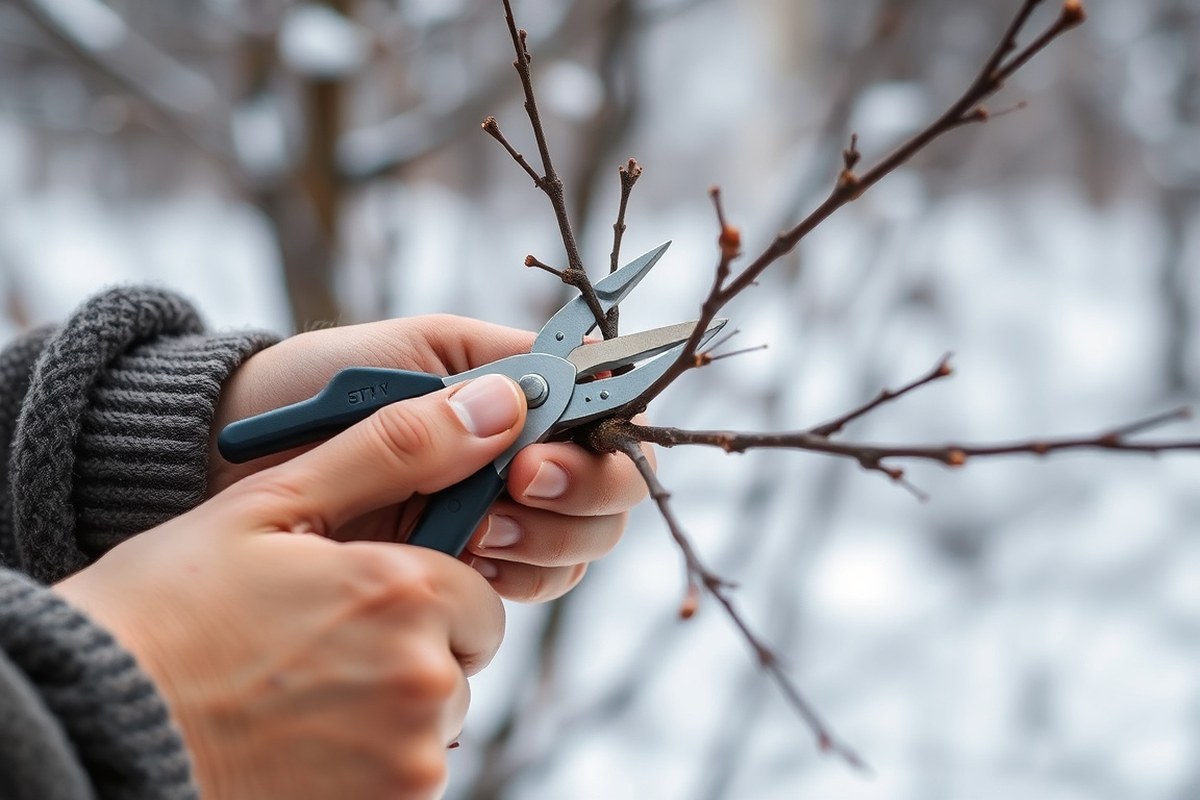
You can safely prune many trees in winter, especially deciduous ones. The best time is late winter, usually mid-February to early March.
Trees are fully dormant now but will soon wake up. This helps wounds heal fast in spring.
Winter pruning works well because trees have dropped their leaves. This makes it easier to see the branch structure clearly. You can spot which branches to trim without foliage blocking your view, reducing mistake cuts.
Pruning during dormancy also lowers the chance of spreading diseases. Many harmful insects and fungi are inactive in cold weather. Open wounds heal faster once warm weather returns, improving tree health.
Choose dry days above freezing to prune branches. Wet or freezing conditions can slow healing or increase damage risk. Avoid pruning during extreme cold or icy weather because cuts heal slower and bark may crack.
Trees like maples, oaks, and fruit trees benefit from winter pruning. Pruning them before buds swell encourages strong growth and helps shape the tree’s structure. However, avoid pruning oaks and elms from April to October to prevent disease spread.
Some flowering trees bloom on old wood, so don’t prune them in winter. Pruning these at the wrong time would cut flower buds and reduce blooms. Winter pruning fits best when you want structural work or to remove dead wood.
Winter pruning isn’t free from challenges. Cold weather can make working outside uncomfortable.
Pruning fresh cuts late in fall can cause freeze damage. It may also invite fungus infections in winter.
Proper pruning tools with sharp blades are essential. Use saws or pruners sized for branch thickness to make clean cuts.
Clean cuts heal faster and limit damage. After pruning, check trees for signs of stress or disease in spring.
Which Trees Should You Prune in Winter?
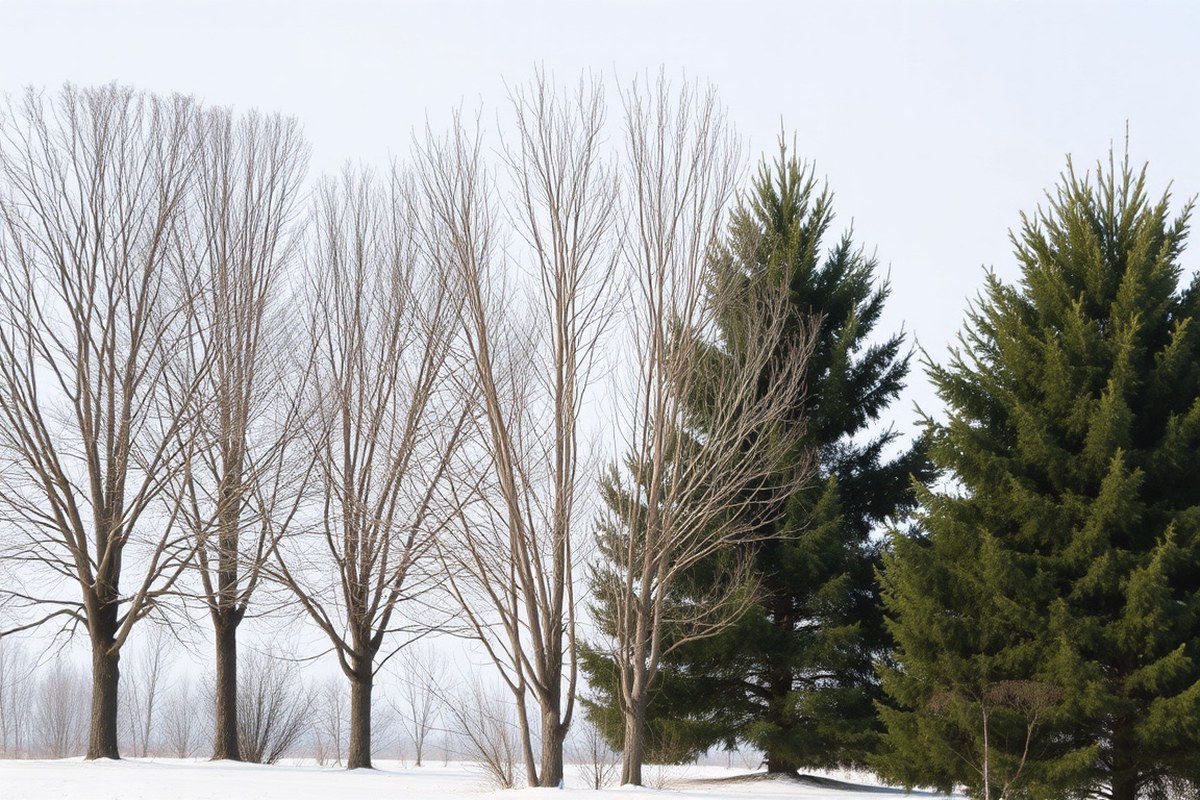
Most deciduous trees benefit from winter pruning, especially in late winter from February to early March. Trees like apples and pears grow better after winter pruning.
This helps their shape and boosts strong spring growth. It is best to prune these trees before buds swell to reduce sap bleeding and stress.
Fruit trees such as peaches and plums also need pruning in late winter or early spring. This timing helps avoid cutting off new flower buds, encouraging good fruit production. However, some deciduous trees must avoid winter pruning due to sap bleeding or growth issues.
Birch and flowering cherry trees need pruning in late summer or early fall. Pruning them in winter causes sap loss. Maple and elm trees also lose sap and should avoid pruning in late winter or early spring.
| Tree Type | Best Pruning Time | Reason | Notes |
|---|---|---|---|
| Apple, Pear (Deciduous fruit trees) | Late winter to early spring | Encourages productive, balanced growth | Prune before buds swell to minimize sap bleeding |
| Peach, Plum | Late winter to early spring | Avoid cutting new flower buds | Time pruning before flowering begins |
| Most Deciduous Trees | Late winter (Feb to early March) | Reduces wound exposure, promotes spring growth | Prune before buds start swelling |
| Birch, Elm, Maple | Late summer or early fall | Avoids heavy sap bleeding | Not recommended for winter pruning |
| Flowering Cherry | Late summer or early fall | Preserves flower buds and reduces sap bleeding | Prune before leaves drop, not in winter |
Evergreens usually do not need heavy pruning in winter. Light trimming to remove damaged branches can be done.
But major shaping fits better with other seasons. Winter pruning mainly targets leafless deciduous trees, letting you see the branches clearly for better cuts.
Only prune trees that are fully dormant to reduce stress and avoid sap flow problems.
Pruning deciduous trees while dormant stops extra growth that weakens structure. It helps you see branch shape without leaves blocking your view. Choosing the right tree and time affects how well your pruning helps with health and looks.
When Is the Best Time in Winter to Prune Trees?
Late winter, just before trees start to bud, is the best time to prune most trees. This timing keeps trees dormant, reducing stress and helping wounds heal faster. Exact timing depends on your local climate and tree species biology.
Late Winter vs Early Winter Benefits
Pruning in early winter can leave fresh cuts exposed to freezing temperatures and drying winds. These conditions increase the risk of freeze damage and fungal infections on the wounds. Waiting until late winter gives your tree a better chance to heal quickly.
Late winter pruning means cuts are made when the tree’s sap flow is minimal. This reduces sap loss and helps the tree recover without losing important resources. Also, late winter pruning encourages strong new growth as the tree heads into the growing season.
Pruning Schedules by Zone
Your local growing zone guides the right pruning time. In colder zones, late winter is usually February to early March. Warmer climates might see this window move earlier or later depending on when bud break occurs.
Here’s a handy table showing pruning times for trees. It’s based on common climate zones and typical species patterns. Use this to pick the right timing for your trees.
| Climate Zone | Typical Late Winter Pruning Window | Tree Species Notes |
|---|---|---|
| Cold Zones (3-5) | Late February to early March | Most deciduous, evergreen, and summer-flowering trees |
| Moderate Zones (6-7) | Mid-February to late March | Avoid pruning early spring bloomers if buds are visible |
| Warm Zones (8-9) | Late January to March | Prune before flowering in summer and fall bloomers |
| Subtropical (10+) | Late January to February | Adjust pruning around local rainfall and temperature patterns |
This schedule helps ensure you prune before sap starts flowing and buds break. Following this plan helps trees recover swiftly and reduces damage risk.
Signs a Tree Is Ready for Pruning
Dormant trees have no visible leaf buds or swelling branches. Pruning before buds swell controls where new growth happens in spring. Watch for bark that is firm and unbroken to confirm dormancy.
Another sign is the absence of active sap flow when you make a test cut. The wood beneath the bark should be dry without wet sap oozing. This confirms the tree is still in its resting phase and ready for pruning cuts.
How to Prune Trees Correctly During Winter
Winter pruning needs careful cuts to keep trees healthy. Use the right tools and follow a clear technique. Large branches require a special three-cut method to avoid damage.
Choosing and Preparing the Right Tools
Sharp, clean tools make smooth cuts that heal faster. Dull blades tear bark and slow recovery. Use hand pruners for small branches and a pruning saw for larger limbs.
Disinfect tools before and after pruning to avoid spreading disease. Rubbing alcohol or a bleach solution works well. Check your tools for rust and loose handles to make sure they work safely.
Step-by-Step 3-Cut Technique for Large Branches
Removing big branches needs the three-cut method to stop bark from tearing. Incorrect cuts can harm your tree and create a mess. Follow these steps carefully for a clean removal.
- Cut under the branch 6 to 12 inches away from the trunk. This cut should create a small notch.
- Make a second cut from the top, a few inches past the notch. This helps remove the branch’s weight.
- Finish with a collar cut close to the trunk. But never cut into the swollen area called the branch collar.
Cut Placement to Protect Tree Health
Make cuts just above an outward-facing bud or branch. This helps the tree grow away from the wound and opens space. Angle cuts slightly away from the bud for water drainage.
Avoid cutting flush with the trunk or leaving stubs. Both slow healing and invite pests. The branch collar area should stay intact because it holds tissues that seal wounds quickly.
How Much Branch to Remove Responsibly
Take off no more than one-third of the canopy at once during winter pruning. Removing too much stresses the tree and may reduce winter hardiness. Smaller, gradual pruning sessions are safer.
Focus on dead, damaged, or crowded branches first. Trees with good health and structure can handle more pruning but still need caution. Avoid pruning when temperatures fall below 20°F to prevent tissue damage.
Identifying and Removing Diseased or Damaged Branches
You can spot diseased or damaged branches by looking for dead wood, cracks, or unusual spots. Removing these branches in winter helps stop disease from spreading and keeps your tree healthy. Use clean, sharp tools and disinfect them between cuts to prevent spreading infections.
How to Identify Diseased or Damaged Branches
Look for branches that are dead, dry, or have peeling bark. Discolored or spotted areas on bark or wood often signal disease. Damaged branches might have cracks or broken limbs from storms or animals.
Check for branches that no longer grow or are brittle when you bend them. Sometimes, fungal growth like mushrooms or cankers appear near problem areas. Winter’s bare branches make it easier to spot these issues clearly.
Proper Tools and Disinfection Methods
Use sharp hand pruners for small branches up to ½ inch. Loppers work well for branches from ½ to 1½ inches. For thicker branches, a pruning saw or pole saw is necessary.
Between each tree or branch, wipe your tools with a sterilizing solution. A common mix is one part bleach to nine parts water, or rubbing alcohol. This stops fungi or bacteria from moving from one part of a tree to another.
Steps for Safely Removing Diseased Branches
Cut the branch at its base, where it meets a healthy limb or trunk. Leave no stub that can trap moisture and invite decay. Clean your tools after every cut to keep diseases from spreading.
Make cuts at a slight angle to help water run off quickly. Remove all dead or diseased branches completely. Dispose of removed material far from healthy trees or burn if allowed in your area.
Situations That Need Special Care
If you find oak branches with sudden wilting, prune with extra caution to avoid oak wilt. For evergreens, light pruning is okay year-round but focus on damage only in winter. Avoid heavy pruning during wet, humid months like summer to reduce fungal risks.
Some fruit trees need late winter pruning to encourage fruit quality. This lets sunlight and air reach the branches to reduce disease chances. Tailor your approach depending on your tree type and local weather.
Checklist for Winter Tree Pruning
- Inspect branches for dead, cracked, or spotted wood
- Use sharp, clean hand pruners, loppers, or saws
- Disinfect tools with bleach or alcohol between cuts
- Make angled cuts at healthy wood joints
- Remove all diseased and dead branches completely
- Dispose of pruned material properly
- Avoid heavy pruning during humid or wet seasons
Following this routine helps your trees stay healthy and limits the spread of diseases. You’ll see healthier growth and fewer problems in the spring. Pruning carefully means your garden looks better too.
Keep a disinfecting spray bottle handy to clean tools often during pruning.
Care and Aftercare After Winter Pruning
After winter pruning, your tree needs gentle care to heal well. Avoid fertilizing immediately; wait until new growth starts in spring. Keep the soil around the base moist but not soggy to prevent stress.
Pruning wounds usually start to heal quickly once warm weather hits. Trees produce callus tissue to cover cuts when growth hormones activate in spring.
Most wounds close partially within a few weeks. But larger cuts might take a full growing season.
Not sealing the wounds is generally fine. Trees naturally form callus to protect themselves.
Using wound dressings or paint can trap moisture and cause decay. So it’s best to leave cuts open.
Winter pruning removes older wood and focuses energy on healthy buds. This encourages a strong burst of growth when temperatures rise. That means your tree will grow back fuller and healthier in spring.
Watch pruned areas during early growth. If you see any signs of disease or pests, address them quickly to prevent further damage. Proper aftercare helps your tree build a solid framework for the coming seasons.
Common Winter Pruning Mistakes and How to Avoid Them
One common winter pruning mistake is cutting too much at once. Removing heavy branches or many limbs weakens the tree and can stress it during cold months. Prune no more than 25% of a tree’s canopy in one session.
This helps keep the tree healthy. Avoid heavy pruning all at once.
Pruning at the wrong time also causes problems. Cutting too early in winter might expose fresh wounds to freezing damage.
Prune late in winter when it’s above 30°F. Do this before new buds start to swell. Avoid pruning too early or too late.
Another frequent error is using dull or dirty tools. This can tear bark and introduce disease. Keep your pruning shears sharp and clean.
Sterilize them with rubbing alcohol before and after use. This helps make clean cuts.
- Cut branches just outside the branch collar for natural healing
- Avoid topping trees, which harms structure and growth
- Don’t prune flowering trees that bloom on old wood in winter
- Do not leave large stubs that invite pests and decay
- Use proper ladder safety and protective gear each time
Failing to remove diseased or damaged branches carefully can spread infection. Look for discolored or cracked bark and prune back to healthy wood. Proper pruning encourages the tree’s energy to focus on healing and new growth.
Finally, forget to clean up debris after pruning invites pests and disease. Collect fallen branches and leaves promptly, then dispose of them away from your yard. This lowers the risk of spreading fungus or insects during winter.
When to Call a Professional Arborist for Winter Pruning
Cutting large trees can be risky. So call a professional if yours needs big pruning. You should hire a licensed tree trimmer for ladders or heavy gear.
These experts can reach high branches safely. They handle heavy limbs well. They protect the tree and keep you safe.
Don’t prune more than 25% of live branches in winter. Too much pruning stresses the tree. It risks health problems.
Professionals know how much to cut back to avoid hurting the tree’s growth. They don’t top trees or cut big limbs to stubs.
Topping causes weak regrowth. Weak branches often break in storms.
Your tree showing disease or decay needs an arborist. They can diagnose and treat it right.
They can remove infected parts safely and suggest treatments that protect the rest of your tree. This matters because wrong cuts or missed infections might let diseases spread further.
Don’t try pruning large or risky branches alone. Call a certified arborist to keep you and your tree safe.
Step-by-Step Action Plan for Winter Tree Pruning
Follow these steps to prune your trees safely and effectively this winter. Check your work after each step to ensure the tree stays healthy.
- Before winter starts: Identify trees that need pruning and mark damaged or dead branches. This helps plan your cuts early.
- Mid-winter: Choose a dry, mild day for pruning. Wet or freezing weather can harm the tree and make cuts heal slower.
- During pruning: Use clean, sharp tools for cutting. Cut branches just outside the branch collar. This helps the tree heal better. You’ll see a smooth cut, not torn bark.
- Immediately after pruning: Remove all cut branches and clean tools with rubbing alcohol. This prevents disease spread between trees.
- After pruning: Watch your tree carefully. Look for new growth and any disease signs. Do this for several weeks. Healthy buds and no ooze mean you pruned well.
- End of winter: Add organic mulch around your tree’s base. Keep the mulch a few inches away from the trunk. This helps retain moisture without inviting pests.
- Early spring: Check the tree again before buds break. Light pruning can continue if needed, following the same cutting rules.
Frequently Asked Questions
Can You Prune Evergreens in Winter?
Yes, you can prune evergreens lightly in winter. Avoid heavy cuts since they retain leaves year-round and don’t go fully dormant like deciduous trees.
Will Pruning in Winter Harm Tree Health?
Pruning in winter usually does not harm tree health. Trees are dormant, so cuts heal faster and risk of disease is lower. Just avoid freezing temperatures when sap flow starts.
Is It Okay to Prune Flowering Trees in Winter?
No, avoid pruning trees that flower in early spring during winter. Pruning can remove flower buds, leading to fewer blooms. Wait until after they bloom instead.
How Does Winter Pruning Improve Tree Growth?
Winter pruning helps trees focus energy on strong new growth in spring. Cutting away dead branches in dormancy redirects nutrients to healthy parts.
Can You Prune Fruit Trees in Winter?
Yes, winter is perfect for pruning most fruit trees. It removes dead wood, controls size and shapes trees before buds start swelling.
Does Weather Affect Winter Pruning Success?
Yes, avoid pruning during severe cold or icy conditions. Cold can damage fresh cuts and slow healing. Pick dry, mild days for best results.
Before You Go
Pruning trees in winter can be safe and beneficial if you follow the right steps. Start by identifying which branches to cut and use the right tools. Take action on a dry winter day to keep your trees healthy and strong.


