When to Grow Flowers from Seed: A Complete Guide for Best Timing and Results
Wondering when to grow flowers from seed? The best time depends on the flower type and your local climate.
Start slow-growers indoors about 8 to 10 weeks before the last frost date. Fast-growing flowers can go indoors 4 to 5 weeks before transplanting.
Outdoor sowing usually happens right after the last frost in your area. Tender flowers need temperatures above 40 °F (4 °C) to survive. Pick a sunny spot that gets at least 6 to 8 hours of direct sunlight daily for the best growth.
Seed freshness greatly affects how well seeds sprout. Fresh seeds tend to germinate more quickly and uniformly than older ones. Plant new seeds each season for reliable results and keep the soil temperature 5 to 10 degrees warmer than the flower’s normal growth zone to speed up sprouting.
Key Takeaways
- Start slow-growing flower seeds indoors 8-10 weeks before last frost.
- Sow fast growers indoors 4-5 weeks before transplanting outdoors.
- Only plant tender flowers outdoors when temperatures stay above 40 °F.
- Choose garden spots with at least 6-8 hours of direct sunlight daily.
- Use fresh seeds for better germination rates and stronger seedlings.
- Keep soil temperature 5-10 degrees warmer than growth temp for best sprouting.
When Is the Best Time to Start Flower Seeds Indoors and Outdoors?
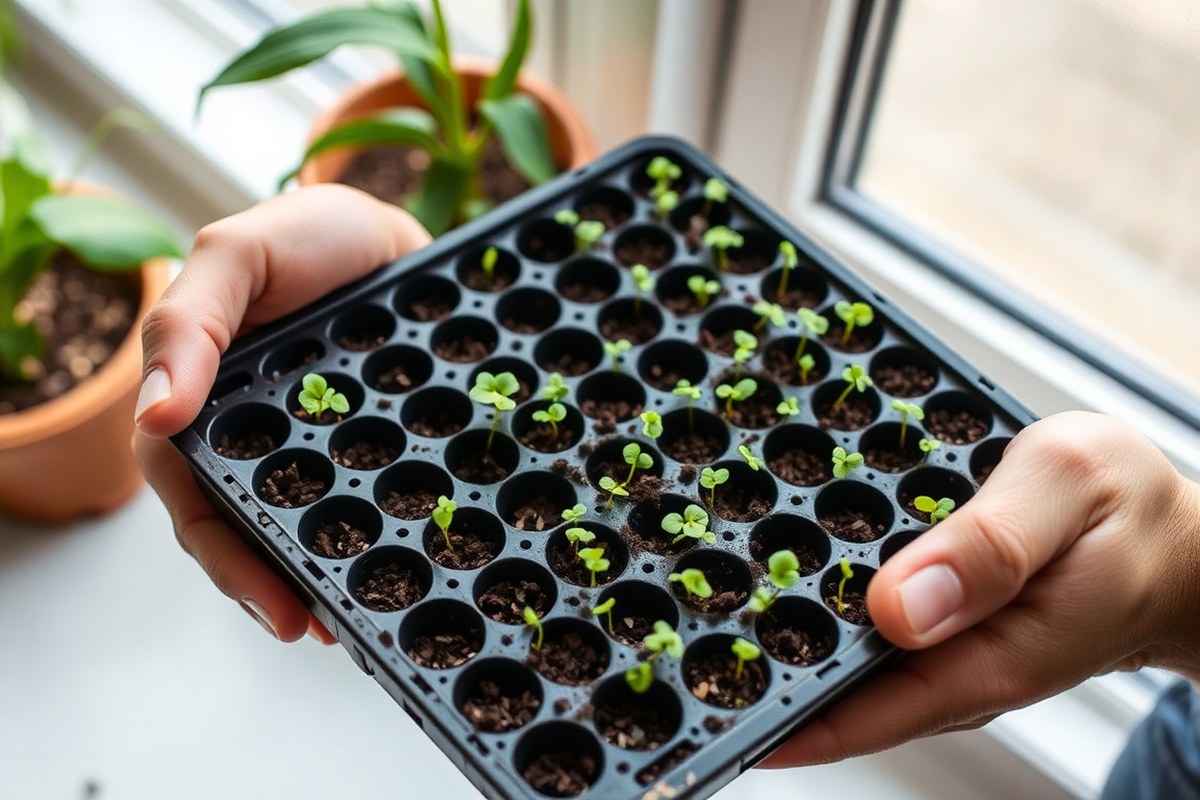
Start slow-growing flower seeds indoors 8 to 10 weeks before your last spring frost. Fast growers like zinnias and cosmos can start 4 to 5 weeks before transplanting outdoors.
Use grow lights or heat mats to keep soil warm. Aim for 65°F to 75°F. Follow the seed packet for exact temperature instructions.
Direct sow most annual flowers outdoors after the last frost date. For many, this happens from March to May, depending on your climate zone. Flowers like sunflowers, cosmos, and pot marigold grow well outdoors.
Plant them after the soil warms up. They need warm soil to thrive.
Timing depends heavily on your location’s last frost date. You can find this date from local extension services or gardening calendars.
Starting seeds too early indoors leads to legginess. Sowing outside too soon risks frost damage.
Some seeds need light to germinate. Press tiny seeds gently onto moist soil without burying them deeply. This rule applies when starting seeds indoors or sowing directly outdoors.
Succession sowing helps keep your flower beds blooming longer. Sow a few seeds every two or three weeks for steady growth. This way, you avoid having all flowers bloom and fade simultaneously.
Use this table to plan your seed starting timeline. Check flower type and frost dates. Choose the right sowing method from the table.
| Flower Type | Start Indoors Before Last Frost | Direct Sow Outdoors | Notes |
|---|---|---|---|
| Snapdragons | 8-10 weeks | After last frost | Slow growing; start early indoors |
| Zinnias & Cosmos | 4-5 weeks | After last frost | Fast growers, transplant quickly |
| Sunflowers | March indoors (optional) | After last frost | Easy direct sow |
| Pot Marigold | March indoors (optional) | After last frost | Good for both methods |
| Poppies | After last frost | Direct sow outdoors | Cold hardy, no indoor start |
Use seed packets for temperature ranges suitable to each flower. Some seeds hate cold and must stay indoors until warmth stabilizes.
For soil, pick a potting mix with peat moss, vermiculite, and perlite. This mix holds moisture well without waterlogging seeds.
Starting seeds indoors gives flowers a strong boost compared to outdoor sowing. You get plants ready to transplant as soon as weather allows.
Watch for overcrowding in trays. Thin seedlings so each has space to grow strong roots.
Which Flowers Are Easiest and Fastest to Grow from Seeds?
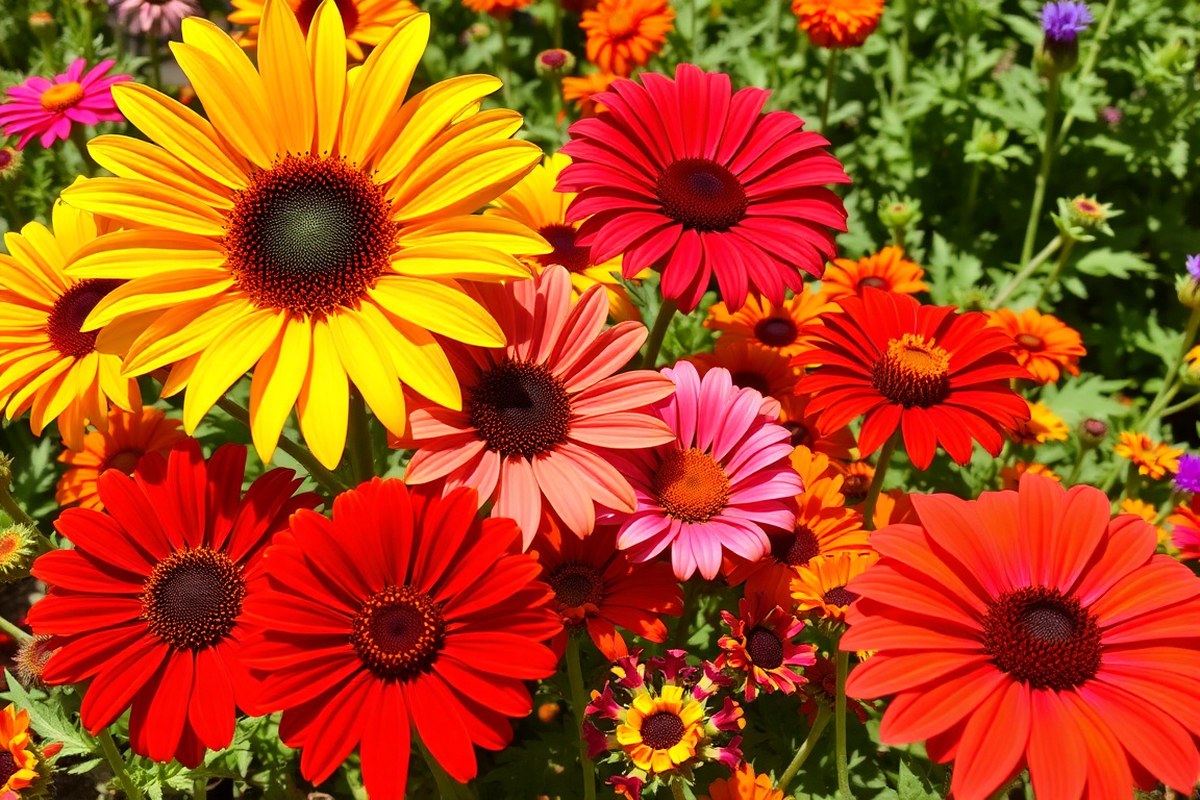
Some flowers sprout quickly and are easier for beginners to grow from seed. Marigolds, Morning Glory, Nasturtium, and Poppies are great choices. These flowers bloom quickly.
They can handle uneven watering and slight delays. Beginners will find them forgiving.
Compact flower varieties work well in pots or containers on patios or balconies. They flower all summer with the right care.
You’ll want a seed-starting mix that drains well and keeps the surface moist. So sprouts can break through easily.
Choosing seeds that grow fast means you’ll see blooms sooner, which is encouraging. For containers, select compact varieties and give them full sun for about 6-8 hours daily. Adjust water so the soil feels damp but not soggy, watering from the base if possible.
| Flower | Days to Sprout | Bloom Time | Best Conditions |
|---|---|---|---|
| Marigold | 5-7 | About 8 weeks | Full sun, well-drained soil |
| Morning Glory | 7-14 | 10-12 weeks | Full sun, moist soil |
| Nasturtium | 7-10 | 8-10 weeks | Full sun, poor soil tolerated |
| Poppy | 7-14 | 9-12 weeks | Full sun, well-drained soil |
Plant seeds according to packet instructions, but scattering lightly works well too. Use about ¼ inch of seed starting mix on top. This keeps moisture in.
It also helps to prevent seed rot. Seeds might not sprout well. Try planting again.
Check if the soil is too dry or wet. Drying out is a common cause of failure.
Moisten seed starting mix before planting, and never let it dry until sprouts appear.
Seeds like Nasturtium forgive late planting better than others and can grow in poorer soils. Marigolds and Morning Glory need more consistent moisture but reward you with bright flowers quickly. Choose these flowers for low-effort containers.
They grow fast. They like lots of sun.
How to Prepare and Sow Flower Seeds for Best Germination
Getting flower seeds to sprout well needs the right soil mix. Plant them at the correct depth and leave enough space. Water and light also matter for good growth.
Using a seed starting mix keeps seeds moist without drowning them. Some seeds need light, so leave them on the surface.
Others need to be covered lightly with soil. Keep the soil warm and moist all the time.
Choosing the Right Seed Starting Mix
Pick a seed starting mix that’s light, sterile, and drains well. Avoid regular garden soil because it can hold too much water and carry pests.
Seed starting mixes usually cost about $10 to $15 for 2 quarts. A 2-quart bag lasts for a full growing season.
Always moisten the mix before planting seeds. It should feel damp but not soggy to help seeds absorb water right away. Using sterile mix reduces risks of damping-off disease that kills seedlings early.
Correct Sowing Depth and Spacing
Many flower seeds need light to sprout, so don’t bury them too deep. The seed packet often tells you exact depths, like zinnias at about ¼-inch deep. Press seeds gently on top of the soil if they need light.
Space seeds one or two per cell or pot to avoid crowding seedlings. Give each seedling room to grow by thinning out weaker ones once they sprout. Overcrowding makes roots tangle and spreads disease.
Watering and Light Requirements
Water seeds lightly with a mister on the soil surface. You can also place the containers in shallow water to soak soil.
Bottom watering lets the seed mix soak up moisture without washing seeds away. Keep soil moist but not wet to prevent mold.
Place seed trays in bright spots with indirect sunlight. Seedlings need about 14 to 16 hours of light daily.
Use a grow light 6 inches above seedlings when natural light is low. This prevents the seedlings from growing too tall and weak.
Follow these steps to prepare and sow flower seeds for strong germination:
- Clean seed trays or pots with a 1:9 bleach solution to kill germs.
- Fill containers with moistened seed starting mix; leave room at the top.
- Check seed packet for sowing depth, then place 1 or 2 seeds per pot.
- Cover light-sensitive seeds with dry vermiculite or a thin layer of mix.
- Gently mist soil surface or place containers in water trays to moisten.
- Cover trays loosely with plastic wrap or clear lids to keep moisture in.
- Set containers in a warm place, about 65 to 75°F for most flower seeds.
- Provide at least 14 hours of light daily, using artificial lights if needed.
How Long Does It Take for Flower Seeds to Germinate and Grow?
Flower seeds usually sprout within seven to fourteen days. Some varieties take up to three weeks, so watch your seeds closely. Maintaining a warm, stable temperature around 65-75°F helps speed up germination.
At first, you’ll see seed leaves, called cotyledons, pop out. These are not true leaves but baby leaves holding stored food. True leaves are your plant’s real leaves.
They show real growth. They appear after one to two weeks.
Check seedlings daily under 12 to 16 hours of bright light to keep stems strong. Seedlings stretching tall and spindly lack enough light. Healthy seedlings have firm, green stems with true leaves forming steadily.
Seeds not sprouting in three weeks need checking. Check watering and temperature. Too much water can rot seeds, while too little slows growth.
Cover trays with plastic or a mini greenhouse. Keep humidity high. Ventilate to avoid mold.
Some flower seeds need special care, like soaking or light to trigger sprouting. Follow the seed packet instructions for best results. Once true leaves appear, start feeding with a mild fertilizer to support strong growth.
After two to three weeks, your seedlings should be ready for transplant or further growth indoors. Carefully pull seedlings with soil around roots to avoid damage. Look for slow or no growth signs.
These include yellow leaves or wilting. Change care if needed.
When and How to Transplant Seedlings Outdoors Successfully
Seedlings should be sturdy and about 3 to 6 inches tall before transplanting outdoors. Harden them off over 7 to 10 days to prepare for outdoor conditions. Use gentle transplant methods to keep roots safe and avoid shock.
Signs Seedlings Are Ready to Transplant
A seedling is ready when it looks too big for its starter tray or pot. You may see roots growing out of drainage holes or circling inside the container. Seedlings usually reach 3 to 6 inches tall with several true leaves before moving outdoors.
Strong stems that don’t bend easily show seedlings can handle wind and handling. Also, make sure outdoor temperatures stay above 45°F (7°C) and the threat of frost has passed. Tender flowers need temperatures above 40°F (4°C) to survive transplanting.
Hardening Off Procedure over 7-10 Days
Hardening off means exposing seedlings to outdoor light, wind, and temperature slowly. This process toughens leaves and stems so seedlings don’t get shocked once planted outside. Start in a shady spot with calm weather and increase exposure gradually.
- Place seedlings outside in a shaded, sheltered spot for 2 hours the first day.
- Each day, add 1 hour of outdoor time and increase sun exposure slowly.
- Bring seedlings indoors at night to avoid cold temperatures below 45°F (7°C).
- By day 7 to 10, seedlings should spend most daylight hours outside in full sun.
- Check for wilting or stress and adjust time if seedlings look weak.
Never skip hardening off. Seedlings shocked by sudden outdoor conditions may wilt or die.
Safe Transplanting Techniques
Handle seedlings by their leaves, not stems, to prevent damage. Gently remove the seedling with soil intact around the roots. Disturbing roots can stunt growth or cause transplant shock.
Dig a hole slightly larger than the seedling’s root ball. Place the seedling in and firm soil around it to hold it upright. Water well immediately after transplanting to settle the soil and provide moisture.
- Water seedlings a few hours before transplanting to ease soil removal.
- Loosen soil gently and use a small trowel or finger to lift each seedling.
- Make holes in the prepared garden bed or container, bigger than roots.
- Set seedlings in holes and cover roots with soil, firming gently but firmly.
- Water each transplant thoroughly to eliminate air pockets and start root contact.
- Keep new transplants shaded or sheltered from wind for a few days after.
Don’t bury seedlings too deep or leave roots exposed. Both can cause failure.
Choosing Between Starting Seeds Indoors or Direct Sowing Outdoors
Starting seeds indoors gives you control over warmth and light. This step helps delicate flowers grow strong. They get ready before you plant them outside.
You get earlier blooms and a longer season in cooler climates. Indoor starts also protect seedlings from insects and bad weather, lowering risk of disease.
On the downside, indoor seed-starting needs equipment like seed trays, grow lights, or a warm spot. It also demands regular watering and attention, which can take up time. Some flowers don’t transplant well and can get stressed, hurting their growth.
Direct sowing skips the indoor steps. You plant seeds straight into bare soil, usually in early spring.
This method suits easy, hardy flowers like nasturtiums that don’t mind cooler soil or getting wet. It saves effort, equipment costs, and lessens transplant shock.
Choose indoors when your climate has a short growing season or the flower is tender. Start seeds six to eight weeks before the last frost. Direct sow when flowers like to grow in place.
Or wait until soil warms by March or April. This suits certain flower types better. Local garden stores can advise what works best in your area.
| Starting Seeds Indoors | Direct Sowing Outdoors |
|---|---|
| Leads to earlier blooms | Produces blooms on natural schedule |
| Needs trays, pots, and warmth | No special equipment required |
| Protects seedlings from pests and weather | Exposes seeds to natural soil conditions |
| Requires daily watering and care | Less hands-on after planting |
| Good for delicate or slow-germinating seeds | Best for hardy, fast-germinating seeds |
| Allows earlier start in cool climates | Depends on soil temperature, usually March, April |
For best results, check seed packets for germination needs. Start indoors if the flowers need 70°F soil or more to sprout.
Sow directly outdoors if the seeds germinate in 50°F soil or less. After planting indoors, harden off seedlings for 7 to 10 days before transplanting outside.
Watch weather forecasts closely. Avoid direct sowing if late frosts are likely.
Indoor starts give you a backup; bad weather outside won’t ruin your whole batch. Tailor your choice to flower type and your garden’s climate for the best blooms.
Common Mistakes When Growing Flowers from Seed and How to Fix Them
Seeds often fail to sprout because they get buried too deep or are overwatered. Planting seeds too deep stops them from reaching the surface.
Overwatering drowns seeds, causing them to rot before they sprout. Use a light touch with water and follow seed packet directions for depth.
Weak, leggy seedlings mean the plants stretch too much looking for light. This happens when light comes from only one side or is too far away.
Move seedlings closer to a bright window or use adjustable grow lights. Rotate seedlings daily if they lean toward one source.
Cold shock slows growth and can cause seedling stems to become floppy. Pests like aphids stress seedlings by sucking sap from leaves.
Protect young plants by keeping them at 65 to 75°F and checking for bugs daily. Use gentle insect soap sprays if pests appear.
- Water only when soil surface feels dry
- Sow seeds 2 to 3 times as deep as their size
- Provide 12 to 16 hours of bright, even light daily
- Keep seedlings 2 to 3 inches from lights if using grow lights
- Maintain consistent temperature between 65 and 75°F
- Rotate seed trays daily to prevent leaning
- Inspect seedlings for pests every day
Overwatering often occurs because soil feels dry at the surface but stays wet underneath. Use a spray bottle to moisten soil gently. Place seed trays on a heat mat when it gets cold.
This keeps the soil warm. Avoid soaking the soil while doing this.
Leggy seedlings grow tall and thin because of weak light or heat blasts from heaters. Lower the temperature slightly and move lights closer. Seedlings should stand upright with firm stems, showing healthy green leaves that don’t droop.
Move seedlings to a warmer spot when they look pale. This helps if cold slows their growth. Avoid drafts and sudden temperature changes.
Spot pests early to stop damage to seedlings. This control won’t harm your young plants. It helps flowers start growing strong.
How to Grow Flowers from Seed in Pots and Containers
Plant flower seeds in pots when outdoor temperatures stay steady, usually spring. Use containers with drainage holes to avoid waterlogging. Proper soil and careful watering help seeds sprout strong roots in pots.
Selecting Suitable Pots and Soil Mix
Choose pots with drainage holes to stop excess water from drowning roots. Plastic or clay pots work well. Smaller pots suit indoor seed starting; bigger ones help seedlings grow before transplant.
Use a seed-starting mix instead of garden soil. It’s lighter and drains better, helping seeds get oxygen. Avoid heavy or clay-rich soil because it holds too much water.
Sowing and Watering Seeds in Containers
Plant one or two seeds per pot or tray cell. If using a tray without cells, space seeds 1 to 2 inches apart. Drop seeds gently and cover lightly with seed-starting mix.
Water carefully using a spray bottle or gentle pour so soil is moist but not soaked. Keep the soil temperature around 65 to 75 °F for most flower seeds. Place pots where they get bright, indirect light.
- Fill your container with seed-starting mix, leaving ½ inch at top.
- Plant seeds according to size and packet instructions.
- Cover seeds with a thin layer of soil mix, usually 1 to 2 times seed depth.
- Water gently to moisten soil evenly but avoid puddles.
- Set containers in a warm spot with good light, like a south-facing window.
- Check soil daily; keep it damp but not wet.
- Thin seedlings once they sprout, keeping only the stronger one or two per pot.
Make sure containers have drainage holes; standing water slows or kills seeds.
Caring for Container Seedlings
Keep seedlings in bright light to prevent legginess, thin, weak stems that stretch too tall.
Water when soil feels dry about ½ inch down. Overwatering causes root rot, so less is better than soggy. Feed seedlings with a diluted, balanced fertilizer after they develop a few sets of leaves.
Step-by-Step Action Plan for Growing Flowers from Seed
Follow this plan to start growing flowers from seed and see success quickly. It keeps things simple and clear for you.
- Before you start: Choose easy flower seeds like nasturtiums or zinnias. Check the packet for indoor or outdoor sowing info.
- Week 1: Prepare your soil or seed trays. Use loose, well-draining soil and moisten it evenly before planting.
- Day 1: Sow seeds at the depth the packet says. Lightly cover them with soil and mist to keep moist.
- Days 7 to 14: Keep seeds warm (65-75°F) and moist for germination. Look for sprouts; they show success.
- Week 3: Seedlings need two sets of leaves before feeding. Use a mild fertilizer once a week to help growth.
- Week 4 or when ready: Start hardening off seedlings by moving them outside. Do this for a few hours each day over a week.
- After hardening off: Transplant seedlings to the garden or larger pots. Plant on a cloudy day or evening.
- Ongoing care: Water seedlings regularly and watch for pests. Enjoy your growing flowers!
Frequently Asked Questions
What’s the Best Month to Plant Flower Seeds?
The best month depends on your frost dates. Plant most seeds indoors 6 to 8 weeks before the last spring frost.
For direct sowing, wait until after that frost to avoid seed damage. Check local frost dates to time planting well.
What Is the Easiest Flower to Grow from Seeds?
Sunflowers, cosmos, and poppies are some easiest flowers from seed. Marigolds and nasturtiums also sprout quickly and grow with little care. Choose these for a simple, colorful garden start.
Can I Just Sprinkle Flower Seeds on the Ground?
You can sprinkle seeds, but results vary by flower type. Some seeds need soil contact or light to germinate well. For better success, prepare soil and follow package directions for depth and spacing.
Is It Too Late to Start Flowers from Seeds?
It depends on your climate and flower type. Many quick-growing flowers can still start in mid-summer for fall blooms. For slower plants, starting late may not give enough time before frost.
How Deep Should I Plant Flower Seeds in Soil?
Plant seeds at a depth twice their size, usually 1/4 to 1/2 inch. Planting too deep delays germination or prevents sprouting. Light seeds often need just a gentle press on soil surface.
Can I Save Seeds from My Flowers to Plant Next Year?
Yes, but seed quality drops after one year. Collect seeds when flowers dry on the plant, then store in a cool, dry place. Use fresh seeds for better germination and healthy plants.
Before You Go
Starting flowers from seed at the right time makes all the difference. Try planting easy seeds indoors first to build your confidence. See how your flowers grow and enjoy the process.