
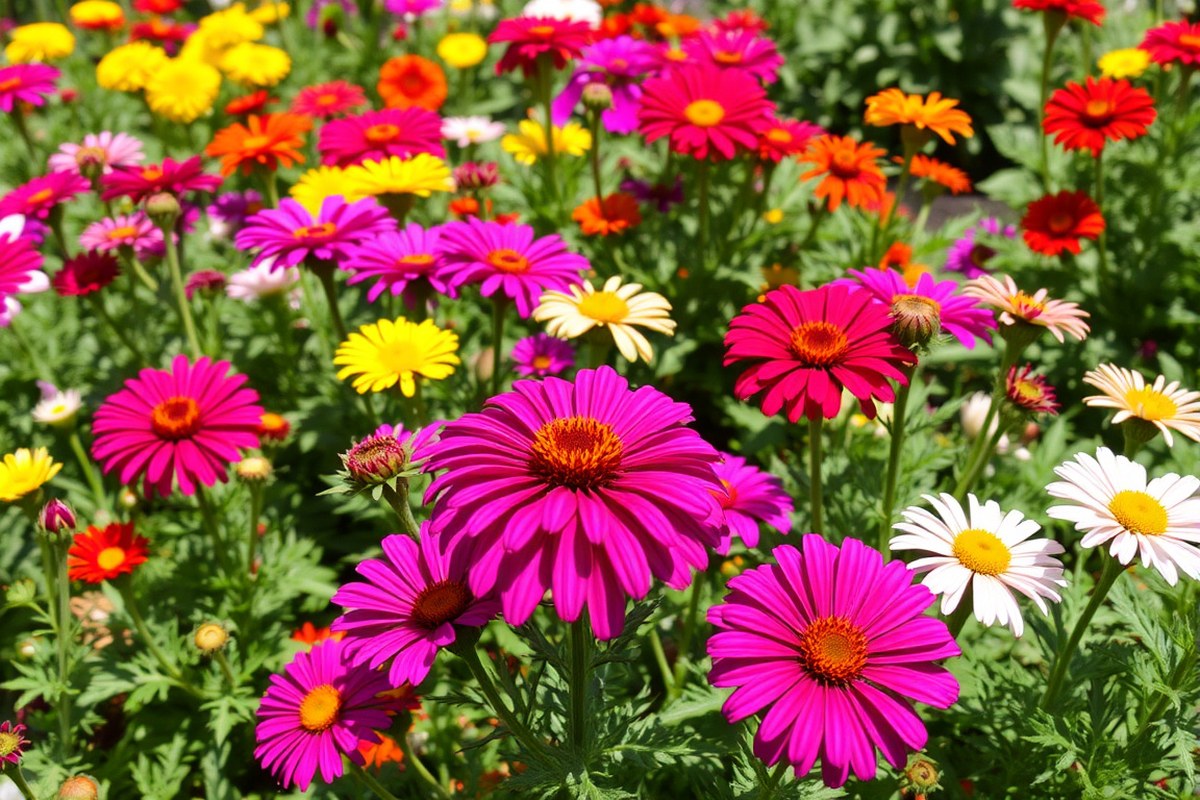
Do Annuals Bloom Every Year? What Actually Happens and How to Make It Work
Do annuals bloom every year? Not exactly. Annuals live for a single growing season and then die.
They don’t naturally come back each year like perennials do. You can only enjoy their blooms again if they self-seed or if you plant fresh seeds each season.
Some annuals drop plenty of seeds before they die. These seeds can sprout in the garden the following spring without any work from you.
Pay attention to whether your plants scatter seeds and if your soil conditions support seed growth. This helps you predict if your annuals might return naturally.
Keep in mind that some annuals handle light frost and can survive mild cold snaps. Others die as soon as temperatures reach around 40°F (4°C).
This is important if you live in areas with chilly. But not freezing, winters where some annuals might last longer or even reseed themselves.
Key Takeaways
- Annuals finish their life cycle in one growing season and don’t bloom again naturally.
- Self-seeding annuals can appear year after year without replanting.
- Watch for seed drop and spring soil temperature above 55°F for seed sprouting.
- Some annuals can handle light frost; others stop blooming below 40°F (4°C).
- Replant annuals each year to get blooms if self-seeding fails.
- Starting seeds indoors 6, 8 weeks before transplant helps extend blooming periods.
Do Annuals Naturally Bloom Every Year?

Most annuals finish their life cycle in one growing season. They don’t bloom every year on their own. They start from seed, grow, bloom, and then make seeds.
Usually, they die when the first frost arrives. The original plant won’t return because its roots and stems die. They completely die off after the season.
Annuals put all their energy into fast growth and blooming. They do this to reproduce before the season ends. After blooming and setting seed, the plant finishes its job and then naturally fades away.
The cycle begins again only if seeds fall into the soil. Those seeds must sprout the next season.
You won’t see blooms from the same plant each year. Only if you replant or the plant self-seeds. Some gardeners save seeds or take cuttings.
But true annuals won’t survive winter in most climates. To get annual flowers next year, plant new seeds or young plants. Plant them in spring, after frost dates pass.
How Self-Seeding Allows Annuals to Appear Year After Year

Annual plants usually bloom only for one growing season. Still, some annuals can come back year after year thanks to self-seeding. They drop seeds that survive winter and sprout the next spring, creating new flowers without replanting.
Examples of Common Self-Seeding Annuals
Some annuals are known for dropping viable seeds that grow next year. Cosmos, marigolds, and nasturtiums often self-seed reliably. These plants make many seeds during their blooming season.
Zinnia elegans and Helianthus annuus (sunflowers) produce large amounts of seed. They spend their energy on growth and seed production quickly. You may see young plants pop up new blooms in your garden without extra work.
How to Encourage Self-Seeding Success
Let the seed heads mature and dry on the plant before removing them. Avoid disturbing the soil where seeds have dropped because this helps germination. You can also collect seeds and sow them in fall or early spring.
Here’s a simple checklist for promoting self-seeding in your garden:
- Allow flowers to fully develop seed heads before deadheading
- Leave some plants standing after bloom to drop seeds naturally
- Keep soil moist but not waterlogged to support seed germination
- Avoid heavy tilling that destroys the seed bank in the soil
- Space seedlings thinly to reduce competition among new growth
- Consider sowing saved seeds indoors for earlier starts
Remember, hybrids like F1 Hybrid ‘Profusion’ zinnia may drop seeds. But they’ll likely produce weaker plants next year. True-to-type seed varieties hold up best for self-seeding.
Never remove seed heads too early if you want new plants to grow next year.
Environmental Factors Affecting Seed Germination
Seed viability depends on how fresh and healthy the seeds are. Seeds need the right soil temperature, usually above 55 °F, to germinate well. Too cold or very dry soil stops seedlings from sprouting.
Mild winters help more seeds survive in the soil until spring. If the soil stays undisturbed and moist, seeds can lie dormant then sprout when the conditions improve. Light, soil pH, and moisture all influence the success of new seedlings.
Differences Between Annuals, Biennials, and Perennials
Annuals, biennials, and perennials differ in how long they live and bloom. Annuals live and bloom for one growing season, then die.
Biennials need two years to complete their life cycle, blooming in the second year. Perennials live for several years, often blooming each season after maturity.
Climate zones affect how plants behave in your garden. Some plants labeled annuals in cold zones act as perennials in mild ones. Impatiens may die in harsh winters.
They can live as perennials in zones 8 to 10. You may see them return if winters are mild. Knowing your USDA zone helps you pick plants that fit your climate.
Gardeners can confuse biennials or tender perennials with annuals. Plants may act like annuals if harsh weather kills their roots or tops. In warmer zones, many annuals can come back next year.
Protect their roots or stems during cold. This helps them survive for another season.
| Plant Type | Life Cycle | Typical Bloom Time | Climate Impact |
|---|---|---|---|
| Annuals | One season | Summer to frost | Generally die after frost |
| Biennials | Two years | Second year only | Cold kills roots in winter |
| Perennials | Multiple years | Seasonally recurrent | Survive winters in warm zones |
| Tender Perennials | Multiple years | Seasonally recurrent | Often need indoor protection |
Knowing these differences helps with plant care and garden design. Perennials may need root division every few years to stay healthy.
Annuals grow quickly and need regular feeding for full blooms. Biennials can surprise gardeners since they bloom only in the second year.
Climate zone determines if a plant should be treated as an annual or a perennial. To decide, check your local USDA zone and the plant’s origin. Coleus is perennial in warm zones.
In colder spots, it grows as an annual. This is because frost kills it.
Overwintering Annuals: Can You Keep Them Alive Till Next Year?
You can keep some annuals alive this winter by moving them inside. Protect them during mild frost to help them survive. Container annuals need specific care like proper light and watering to survive colder months.
Certain hardy annuals, like snapdragons and dusty miller, tolerate light frost. But tender types die if temperatures drop below 40°F (4°C).
Preparing Annuals for Indoor Winter Care
Start by selecting healthy plants without pests or diseases. Avoid overwintering annuals that show stress or damage from heat or pests. Before bringing them inside, lightly prune the plants to reduce their size and slow growth.
Next, clean the containers and repot plants if roots feel crowded. Refresh the soil with a mix that drains well but retains moisture. Move the plants to a cooler indoor spot, ideally between 50°F and 60°F, to mimic dormancy.
Follow these steps to ready your annuals for indoor winter care:
- Choose healthy plants free of pests and damage.
- Prune back long or leggy stems to slow growth.
- Remove weeds and dead growth from the pots.
- Repot with fresh soil that drains but keeps moisture.
- Find a cool room or basement with 50°F, 60°F temperature.
- Place plants away from heating vents or drafts.
Maintaining Light and Temperature Requirements
Annuals need bright light to survive indoors through winter. Place plants near a south-facing window for at least six hours of sunlight daily. Use a fluorescent grow light for 10 to 12 hours daily when natural light is low.
Keep indoor temperatures steady between 50°F and 65°F. Avoid locations where temperatures drop below 40°F or rise above 70°F. These extremes stress the plants and shorten their lifespan during overwintering.
Monitoring Watering and Pest Control Indoors
Water annually planted pots only when the top inch of soil is dry. Overwatering causes root rot, especially in cooler temperatures. Water less frequently than during growing season but never let the soil dry out completely.
Check plants regularly for pests like aphids, spider mites, or whiteflies indoors. Wipe leaves with a damp cloth and use insecticidal soap if you spot insects. Inspect monthly to catch infestations early and keep plants healthy until spring.
How Gardening Practices Affect Annual Bloom Frequency
Deadheading is one of the most effective ways to make annuals bloom again. It means cutting off faded or dead flowers before they turn into seeds. This stops the plant from using energy on seeds.
It helps the plant grow new blooms instead. That way, you get more flowers. Deadhead your plants every week to keep flowers coming.
Remove faded blooms as soon as they wilt. This helps your plants flower nonstop.
Watering is another key part of bloom frequency. Annuals usually need about one inch of water each week. Water your plants daily in hot weather over 85°F (29°C).
This is especially true if your plants are in containers. Hot temperatures dry out soil fast. Overwatering or underwatering can stress plants, causing fewer blooms or wilted leaves.
Fertilizing feeds plants the nutrients they need for strong blooms. Use a balanced, water-soluble fertilizer every two to three weeks during the growing season. Follow package directions closely.
Too much fertilizer can harm roots or reduce flower production. So don’t guess, measure carefully.
- Prune annually to remove overgrown stems and improve air flow.
- Mulch around plants to retain moisture and reduce weeds.
- Plan staggered planting by sowing seeds or transplanting every 2 to 3 weeks.
- Choose annual varieties known for long bloom periods in your climate.
- Keeps soil evenly moist but not soaked for steady growth.
- Use slow-release fertilizers if you prefer less frequent feeding.
- Watch for signs of stress like yellow leaves or drooping flowers.
Staggered planting prevents all flowers from blooming at once. You can sow seeds or set out new plants every two to three weeks.
This method gives steady color and flowers to cut throughout the growing season. It also reduces load on your watering and fertilizing schedule.
Keep deadheading weekly. Skipping this lets annuals set seed and stops new blooms.
Myths About Annuals Returning to Bloom Year After Year
Cutting back annuals doesn’t make them come back next year. They complete their life cycle in one growing season and die after frost hits. Pruning can help flowers bloom longer in that season.
It won’t make an annual plant come back next year. You still need to plant new ones each season.
Not all annuals are low maintenance. Some need regular watering, feeding, and deadheading to keep blooming well. Some plants, especially hybrids, need good soil to grow well.
They also need regular care, which can take time and money. Without this, they may not do well.
Most annuals don’t survive frost because they lack protective structures. Unlike perennials, they can’t tolerate freezing temperatures and will die back when frost arrives.
Protecting annuals from frost requires moving potted plants indoors or covering garden beds. But many gardeners simply replant each spring.
Top Annual Plants That Bloom Repeatedly or Self-Seed Well
Some annual flowers bloom nonstop all summer, giving your garden color for months. These plants stay lively if you deadhead them regularly. Deadheading means cutting off faded flowers.
This helps new buds grow. You get more blooms and avoid the plant wasting energy on seed production.
Self-seeding annuals save time and offer blooms year after year without replanting. They drop seeds that grow into new plants the next season. Let some seed heads mature on the plant.
Avoid disturbing the soil near them. This helps with self-seeding. These annuals are great for natural-looking gardens and easy maintenance.
- Zinnias: Bright colors that bloom well from late spring to frost.
- Marigolds: Long blooming and easy to deadhead for endless flowers.
- Cosmos: Self-seeds readily, with airy foliage and lots of delicate blooms.
- Snapdragons: Bloom in spring and fall, and some types will self-seed.
- Petunias: Known for long blooming, especially if deadheaded frequently.
- Nasturtiums: Edible flowers that self-seed and brighten beds or containers.
- Calendula: Blooms almost all season and often self-seeds in mild zones.
For continuous color, pick a mix of these annuals with different heights and shapes. Plant those needing full sun in the brightest spots. Deadhead your flowers every one to two weeks.
Set a schedule to keep blooms coming. This keeps the plants healthy.
Buying seeds or seedlings of reblooming types costs about $3 to $6. This price is per packet or plant. Prices vary by source.
Choosing self-seeding varieties cuts your planting work next spring. Avoid heavy soil digging near these plants in the fall.
This protects seeds and roots. It improves natural regrowth chances.
Preparing Soil and Garden Beds for Successful Annual Planting
Preparing soil well helps your annual plants grow strong and healthy. Planting them at the right time helps them bloom regularly. This sets you up for a great garden display.
Soil should be loose, fertile, and warm enough for seeds or transplants. Proper watering and feeding also keep flowers healthy through the season.
Soil Testing and Amendment Tips
Start by testing your garden soil to check pH and nutrient levels. Most annuals like slightly acidic to neutral soil, about pH 6.0 to 7.0. You can buy a simple soil test kit for $10 to $20.
These kits are at garden centers near you. You can also send soil samples to extension services.
After testing, work in organic matter like compost or peat moss to improve texture and fertility. Add balanced fertilizer if needed, using something like 10-10-10 NPK before planting. This feeds plants for strong roots and blooms.
- Loosen soil to about 6 to 12 inches deep before planting
- Remove debris, rocks, and weeds to reduce competition
- Add 2 to 3 inches of compost for better moisture and nutrients
- Use soil amendments based on test results, such as lime or sulfur
- In poor soil, include slow-release fertilizer or organic options
- Rake the soil smooth for even planting bed
Don’t plant annuals in cold, wet soil; roots can rot and growth stalls.
Ideal Planting Timelines
Choose your planting time based on last frost dates and soil temperature. Seeds usually germinate well when soil warms to 55°F to 65°F. Planting earlier risks frost killing young plants, which slows or stops blooming.
For warmer climates, plant after danger of frost has passed in spring. Cooler areas might wait until late spring or even early summer. Pay attention to seed packet instructions and local weather forecasts.
Starting seeds indoors about 6 to 8 weeks before outdoor planting helps get a head start. Harden off seedlings by gradually exposing them to outdoor conditions for 7 to 10 days.
Watering and Fertilization Guidelines
Keep soil moist but not soggy during seed germination and early growth. Water plants thoroughly once or twice a week depending on rainfall and temperature. Avoid overhead watering to reduce disease risk.
Fertilize every 2 to 3 weeks with a balanced, water-soluble fertilizer once your plants have established. This frequent feeding supports continuous flowering and healthy leaves. Stop fertilizing once plants begin to set seed or frost hits.
Step-by-Step Action Plan to Keep Annuals Blooming Year After Year
Follow these steps to enjoy annual blooms again and again. This plan helps you manage annuals for repeat blooms or new plants from self-seeding.
- Spring, Before Planting: Prepare the garden bed by loosening soil and adding compost. Healthy soil boosts blooms and growth.
- Early Growing Season: Plant annuals chosen for repeat blooming or self-seeding traits. Check seed packets for those notes.
- Throughout Growing Season: Deadhead faded flowers regularly to encourage new blooms. This keeps plants producing longer.
- Late Season: Collect seeds from self-seeding annuals or let some plants drop seeds naturally. Label seed types for easy sowing next year.
- After First Frost: Remove old plant debris and mulch garden beds deeply. Mulch helps protect soil and seeds over winter.
- Winter: Consider saving hardy annuals indoors with proper light and water. Most annuals don’t survive outdoors in cold climates.
- Early Next Spring: Sow collected seeds or plant hardy annuals you kept inside. Watch for sprouts to ensure success.
- Ongoing: Adjust watering and fertilizing based on plant health. Keep an eye on pests to protect blooms.
Frequently Asked Questions
Can Annuals Bloom Again in a Different Season If Replanted?
Yes, annuals can bloom again if you replant them in the right season. Timing with your local climate is key to giving them the best chance to flower.
Do Some Annuals Behave Like Biennials or Perennials Unexpectedly?
Some annuals grow new plants from seed. Others survive mild winters.
These act like biennials or short-lived perennials. This can make it seem as if they bloom every year.
Can Fertilizing Affect Whether Annuals Bloom Yearly?
Proper fertilizing improves annuals’ chances of blooming well every year. Avoid too much nitrogen, which encourages leaves over flowers.
How Do Weather and Frost Dates Impact Annual Blooms Annually?
Frost dates control when to plant annuals. Planting too early or too late can spoil the blooms. They might fail or die before flowering.
Can Planting Density Influence Annuals’ Ability to Bloom Again Next Year?
Crowded annuals may produce fewer flowers and less seed for self-seeding. Space them properly to encourage healthy blooms and reseeding.
Do Annuals’ Soil Moisture Levels Affect Their Bloom Cycle Each Year?
Yes, consistent soil moisture helps annual blooms survive longer. Too much water causes root rot, while too little stress stops flowering.
Final Thoughts
Annuals naturally bloom once. But you can enjoy their flowers year after year by managing seeds and plant care.
Start collecting seeds from your favorite plants this season. Your garden will thank you with fresh blooms every year.





One Comment