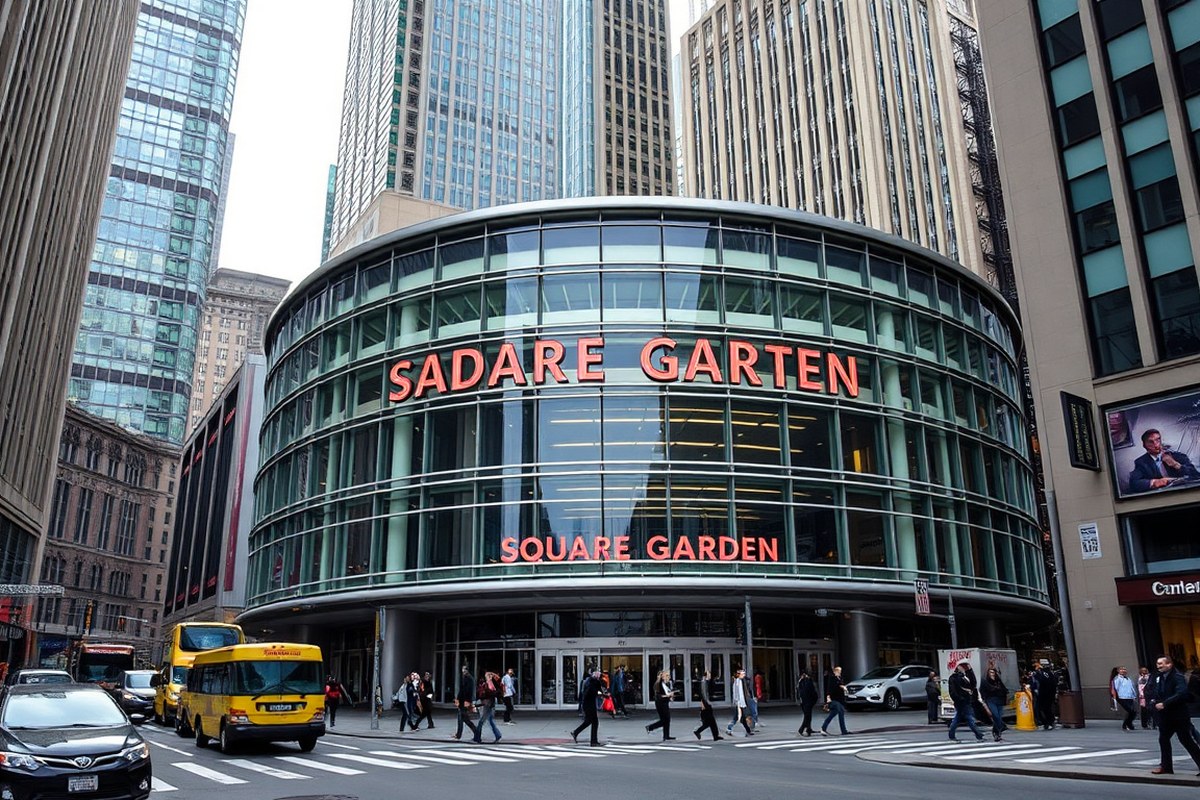
How Big Madison Square Garden Really Is: Capacity and Venue Details
Madison Square Garden holds about 20,789 people at full capacity. It is one of the largest indoor arenas in New York City. For concerts, it fits nearly 20,000 fans, and around 19,800 for Knicks basketball games.
This arena is indoors and sits above Penn Station in Midtown Manhattan. Its location affects its size and accessibility. The arena covers about 820,000 square feet across multiple levels.
The size varies with event setups like concerts, basketball, hockey, and boxing. Seating arrangements change to fit stages or playing surfaces. This affects the total capacity for each event.
For hockey games, capacity drops to about 18,006 seats. Madison Square Garden offers flexible seating for different sports and entertainment events. This makes it a popular venue for many types of shows.
Key Takeaways
- Madison Square Garden’s maximum capacity is around 20,789 people.
- NBA games at MSG usually seat about 19,812 fans.
- Concert capacity varies, from 18,000 to just over 20,000 seats.
- MSG is an indoor arena built above Penn Station in Manhattan.
- Its Midtown location makes it very convenient for public transit users.
- Different sports and event setups change how many can attend.
How Many People Can Madison Square Garden Hold?
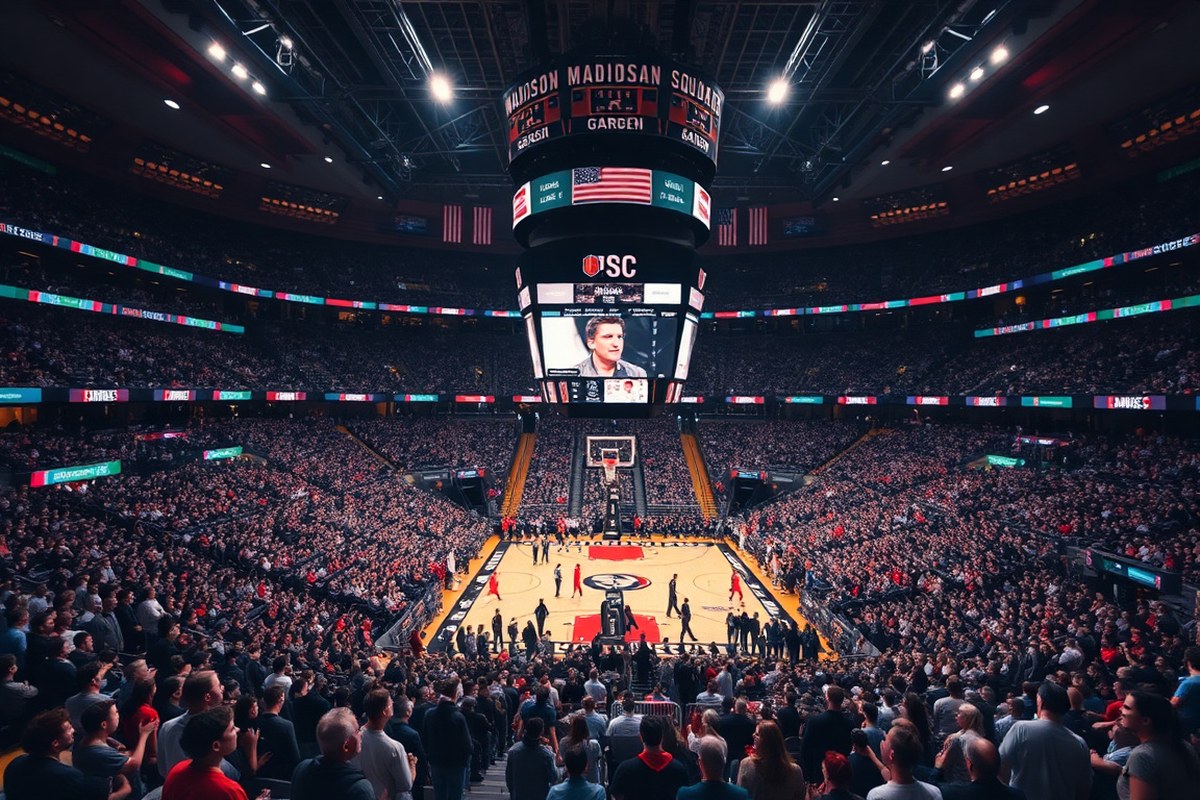
Madison Square Garden holds a different number of people depending on the event. The arena seats up to 20,789 fans during boxing and MMA matches, its largest capacity.
Basketball games for the New York Knicks seat about 19,812 spectators. Rangers hockey games accommodate around 18,006 fans.
The size differences matter because each event needs space for equipment or stages. Concerts typically hold roughly 20,000 people.
But the exact number depends on the stage setup and production needs. Knowing these numbers helps you plan your visit or event with accurate expectations for crowd size.
| Event Type | Seating Capacity |
|---|---|
| Boxing and MMA | 20,789 |
| Concerts | ~20,000 (varies by stage) |
| New York Knicks Basketball | 19,812 |
| New York Rangers Hockey | 18,006 |
These capacities depend on the arena’s setup for each event. They don’t just count total seats. Event needs change how many seats are used.
For example, basketball courts need more space than concert stages. The biggest crowds happen during boxing or MMA, since the floor area fits extra seating.
When you go to a Knicks or Rangers game, expect fewer seats. Concerts or fight nights use slightly more seats. The setup affects seat availability.
Concert attendance varies based on the event’s stage layout. Check the Madison Square Garden seating chart for your event.
It shows the exact number of seats available. This helps you pick the best ticket options.
Why Does Madison Square Garden’s Capacity Vary by Event?
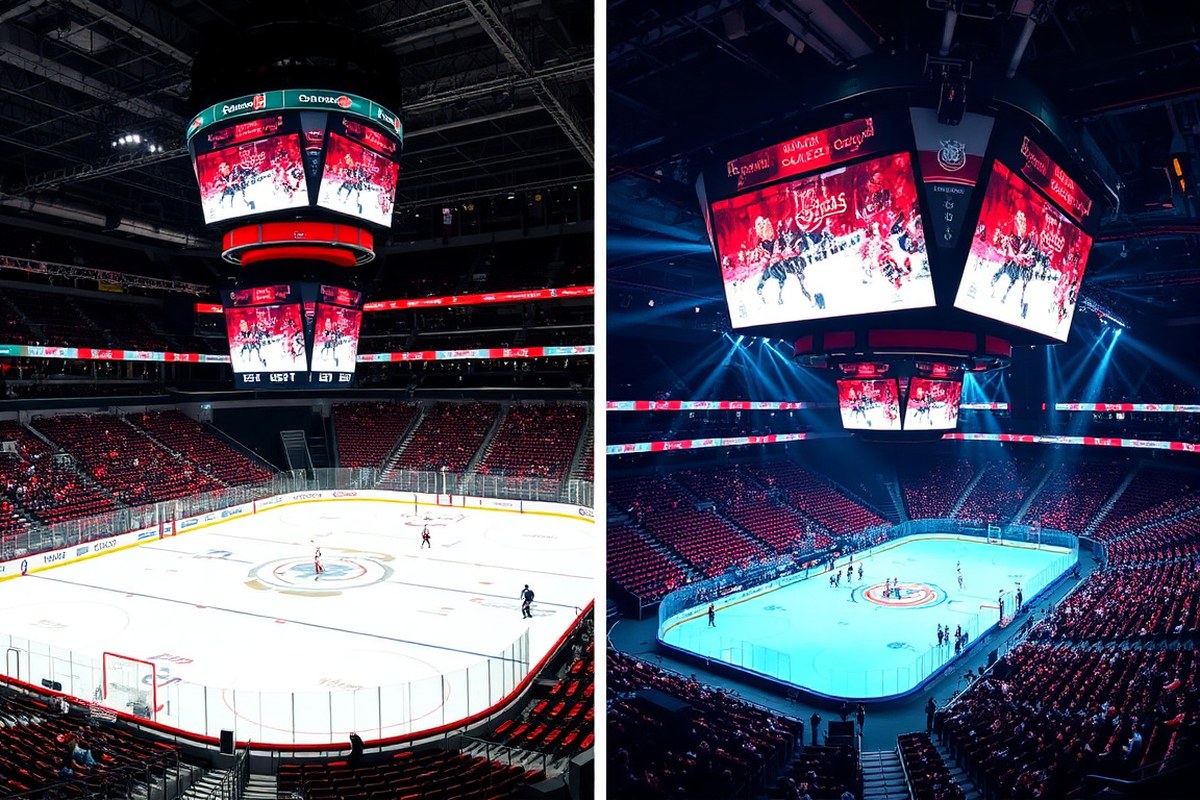
Madison Square Garden’s capacity changes because different events need different setups. The size of the playing area or stage often affects how many seats fit. Boxing matches usually seat more people than basketball or hockey games.
This is because boxing needs less floor space. Less space means more seats can fit around the ring.
Event-Specific Layout Differences
Boxing rings take up less space than basketball courts or hockey rinks. This smaller footprint means more rows of seating can surround the ring. As a result, boxing events at Madison Square Garden can hold roughly 20,789 fans.
Basketball and hockey require larger playing surfaces, which reduce floor seating. The seats have to be set further back to keep clear views. That drops capacity closer to 18,000 to 19,000 for Knicks or Rangers games.
Mixed martial arts and other combat sports follow a similar setup to boxing. They also prioritize tight seating around the ring to maximize attendance. Madison Square Garden has a long history with boxing.
This tradition goes back to its earliest days. Boxing remains important to the venue’s identity today.
Floor and Lower Bowl Seating Adjustments
The arena floor and lower bowl sections often get rearranged between events. For sports, the floor is mainly reserved for the playing surface. For concerts or boxing, additional chairs fill these areas.
This flexibility means the number and arrangement of seats can change nightly. Seats near the floor may move or be removed to fit a stage or ring. Lower bowl features like premium seating might also shift to match the event type.
- Removing some floor seats allows room for larger stages or production equipment
- Adding ring-side seats for boxing or MMA events increases capacity
- Lower bowl rows adjust to improve sightlines depending on event layout
- Premium boxes may change access points and configuration between shows
- Temporary seating or standing room can boost concert totals
Pay attention to event-specific seating charts, as floor plans shift often.
Stage and Production Impact on Capacity
Concert stages come in many shapes and sizes. A center stage lets audiences sit all around, maximizing numbers. End-stage setups block seating behind the stage, reducing attendance potential.
Large production equipment needs space, so floor and lower bowl areas take a hit. Elaborate lighting rigs, video screens, and sound gear can remove seats. For example, a typical concert capacity ranges from 18,000 to 20,700, based on these factors.
Stage design can also add standing floor sections, which boosts totals but changes the experience. Each promoter decides stage plans that balance visibility, acoustics, and audience size. The variations explain why concert capacities at Madison Square Garden never stay fixed.
Where Is Madison Square Garden Located and How Does That Affect Its Size?
Madison Square Garden sits at 4 Pennsylvania Plaza in Midtown Manhattan. It’s built directly above Penn Station, a major rail and subway hub. This location limits the arena’s footprint but offers unbeatable transit access.
Midtown Manhattan Location Overview
Madison Square Garden lies in Midtown Manhattan, bordered by 7th and 8th Avenues and between 31st and 33rd Streets. This spot makes it one of New York City’s busiest hubs. You’ll recognize it by its round shape made of glass and steel.
This central site shaped MSG’s size. The venue had to fit tightly into an existing block rather than sprawling out. So the arena is designed vertically, stacking facilities on top of the station below.
Integration with Penn Station Transit Hub
MSG is located right above Penn Station, a top train station in North America. You can easily reach the Long Island Rail Road, New Jersey Transit, and Amtrak here. From any platform, you can enter the arena without stepping outside.
The connection with Penn Station influences MSG’s footprint because it shares the complex’s space. The arena’s structure had to be built carefully around existing train tracks and tunnels. This limits expansions and creates ongoing debates about upgrading Penn Station while keeping MSG.
Nearby Bus and Subway Routes
The area around MSG includes many public transit options. You can get there using several subway lines, buses, or taxis. These options help move large crowds before and after events efficiently.
- Subway lines: 1, 2, 3, A, C, E trains serve Penn Station
- Long Island Rail Road and New Jersey Transit trains
- Bus routes around the area are M5, M7, M11, M20, M34-SBS, M34A-SBS, M55, and Q32.
- Taxis and ride-shares drop off nearby on 7th Avenue
- Pedestrians can reach MSG through connected underground concourses
These transit options keep crowds manageable during popular shows and games. You don’t need a car to get to MSG, which reduces street congestion. Using the subway or train often saves you time and money when visiting.
What Are Madison Square Garden’s Seating Options and Premium Areas?
Madison Square Garden offers a variety of seating options, from general admission to luxury suites. Each type provides different views and experiences tailored to your needs. Knowing the differences helps you pick seats that fit your budget and expectations.
General admission seats fill most of the arena and are usually the most affordable. Club seats offer extra comfort and access to private lounges. Luxury suites provide exclusive space with personal service and upscale dining options.
Courtside and floor seats put you close to the action. You’re right by the basketball court or ice rink. These spots give you a clear, exciting view.
| Seating Type | Description | Benefits |
|---|---|---|
| General Admission | Main arena seating | Affordable, variety of views |
| Club Seats | Located in premium sections near center court or ice | Private lounges, in-seat service, upscale dining options |
| Luxury Suites | Private enclosed boxes with seating for groups | Personalized service, private space, catering, exclusive amenities |
| Courtside Seats | Right next to the basketball court | Unobstructed, close-up views, interact with players |
| Floor Seating (Ice-Level) | Seats on the ice rink level for hockey or concerts | Close to performers, unique perspective, immersive experience |
The key difference between club seats and luxury suites lies in space and privacy. Club seats let you mingle in lounges with other guests. Suites give a private room for your group.
Suites usually cost thousands of dollars per event. Club seats can be hundreds, depending on the event. Booking suites often requires advance reservations through Madison Square Garden’s premium sales team.
Courtside seats are a popular choice for fans wanting the closest view at basketball games. You can see players’ faces and hear the on-court sounds clearly. Ice-level seats put you near the hockey game or concert.
You get a rare chance to feel part of the event. These seats really bring you into the action. These premium spots sell fast and come with a higher price tag than general seats.
When buying tickets, check Madison Square Garden’s official site or trusted resellers. Look for seating charts to compare views and prices.
Some tickets include access to exclusive areas or services. So confirm details before you buy.
How Have Renovations Changed Madison Square Garden’s Capacity over Time?
Madison Square Garden’s capacity has changed mostly due to major renovations over time. The most notable update happened during the 2011 to 2013 renovation project.
This upgrade improved seating, technology, and overall fan experience. Keeping the arena’s original charm.
Early Madison Square Garden Locations
The first Madison Square Garden opened in 1879 near Madison Square Park. It was a smaller venue hosting boxing and other events. Over the decades, new buildings replaced the old ones, each boosting capacity and modernizing facilities.
Early venues reflected their era’s style and needs. They laid the groundwork for a larger, more versatile arena that would come later. These versions were much smaller compared to today’s MSG.
1968 Building Opening and Original Capacity
The current Madison Square Garden opened on February 11, 1968. This fourth iteration sits above Pennsylvania Station in Manhattan. It originally held roughly 18,000 people for sports and concerts.
This building quickly became the busiest major sports facility in the New York area. It hosted hockey, basketball, boxing, and other high-profile events for decades. The seating and layout then matched the demands of the late 1960s.
2011-2013 Renovation Impact
Between 2011 and 2013, MSG underwent a $1 billion renovation. They modernized nearly every part of the arena without closing permanently. This project included new seats, wider concourses, and upgraded technology.
The renovation sharpened sight-lines and made seating more comfortable. While the overall capacity stayed close to 18,000, the fan experience improved greatly. Improved amenities and clearer views made events feel more enjoyable.
Plan extra time for seating changes during renovations; it can disrupt tickets and arrivals.
How to Use the Madison Square Garden Seating Chart for Your Event
The Madison Square Garden seating chart helps you pick the right spot for your event. It breaks down the arena into sections for sports, concerts, and other shows. Knowing how to read it makes your experience better and helps you avoid surprises.
Different areas on the chart show where you’ll sit during basketball games, concerts, or special events. For basketball, lower-level seats near the court offer the best views.
Concert seating varies with stage setup, so check if it’s end-stage, center-stage, or in-the-round. Accessible seating and premium areas like suites or club seats are also marked clearly.
Use these steps to handle the MSG seating chart and find your best seats:
- Open the official Madison Square Garden website and locate the seating chart for your event. Each event type has its own layout. So make sure to pick the right one.
- Identify the section categories. Look for labels like “Lower Bowl,” “Upper Bowl,” and “Suites.” Lower Bowl seats are close to the action. Upper Bowl is higher up and possibly cheaper.
- Check the stage or court position. For concerts, see if the stage is at one end or in the center. Seats behind the stage often don’t have a view. For basketball, all sides face the court. But sideline seats give better angles than behind the basket.
- Spot accessible seating. These areas are marked with wheelchair symbols. They include companion seats. Choose them if you need easy entry and extra space.
- Find premium seating areas if you want upgrades. This includes suites, club seats, or sections like the Delta Sky360 Club. These seats come at higher prices but offer perks like better views and upscale amenities.
- Compare seat numbers within your chosen section. Rows closer to the action have lower numbers. Look for middle-row and centrally located seats for balanced views.
- Look for seat prices and availability. Prices usually go up for courtside or premium sections. You might see dynamic pricing depending on the event’s popularity.
- Reserve or buy the seats once you’re happy with the choice. Print the seating map or take a screenshot to help find your spot on event day.
Skipping these steps might get you seats with bad views. You could also end up with seats that don’t suit your needs. Avoid this by following the tips carefully.
Premium seats sell fast, so checking early is key. To get the best basketball seats, pick the Lower Bowl near mid-court. For concerts, check the stage location first to avoid blocked views.
How Does Madison Square Garden Compare to Other NYC Venues by Size?
Madison Square Garden holds fewer people than New York’s large stadiums. It is an arena, designed mainly for indoor sports and entertainment. This limits how many seats it has compared to outdoor stadiums.
The key difference is that a stadium is much bigger in both area and seating. Yankee Stadium, for example, has a much larger footprint and can seat tens of thousands more. MSG fits in the middle among New York’s main indoor arenas.
Here’s a quick look at how MSG compares to other huge NYC venues. We’ll check size and how many people each place can hold. You’ll see the differences clearly.
| Venue | Type | Seating Capacity (Approx.) | Primary Use |
|---|---|---|---|
| Madison Square Garden | Arena | 18,000 (sports & concerts) | Basketball, hockey, concerts |
| Yankee Stadium | Stadium | 47,000 | Baseball |
| Barclays Center | Arena | 19,000 | Basketball, concerts |
| Radio City Music Hall | Theater | 6,000 | Shows and concerts |
| MetLife Stadium (NJ) | Stadium | 82,500 | Football, concerts |
Madison Square Garden is not the biggest arena in New York City. But it is one of the most famous.
It is smaller than arenas like Barclays Center but offers a unique, central Manhattan location. Stadiums like Yankee and MetLife are much larger and mainly for outdoor sports.
Arena capacities tend to max out around 20,000 seats, which fits indoor events. Stadiums can often hold over double that but are less flexible for different types of shows. Choosing between venues depends on the size and type of event you want.
What Venue Policies Affect Capacity and Visitor Experience at MSG?
Bags brought inside Madison Square Garden must meet strict size rules. Only clear bags up to 12 by 6 by 12 inches are allowed. Non-clear bags are limited to small clutch bags only.
These have no straps or handles. Their size is about the same as a wallet.
These rules help speed up entry and keep everyone safe. Checking bags quickly means less crowding at gates.
Bags that are too large won’t be allowed inside. So plan ahead to avoid delays.
- Clear bags no bigger than 12 x 6 x 12 inches
- Small clutch bags without straps are permitted
- Backpacks and large purses are not allowed
- Coats and jackets must fit in clear bags or be carried separately
- Prohibited items include weapons, outside food, and large umbrellas
- Arrive early to allow time for security checks
- Smoking is banned throughout the venue
Pets are generally not allowed inside except for service animals that assist guests with disabilities. This rule helps avoid distractions and keeps the environment safe and clean for everyone.
Security staff enforce detailed safety protocols during events. These include metal detectors, bag searches, and clear signage directing fans to seats. These measures control the flow of visitors and help keep the crowd orderly.
Bring only the approved bag to the event. You can also bring no bag. This helps avoid being turned away at entry.
The safety protocols mean fans walk through checkpoints quickly but must follow instructions closely. Ushers assist in seating to minimize congestion and maintain emergency exit access.
Tickets specify assigned seats. So standing in aisles or switching seats can disrupt flow and violate rules.
Your Quick-Start Plan to Understanding Madison Square Garden’s Size and Capacity
Here’s a quick plan to learn about Madison Square Garden’s size. You’ll also know about its event capacities fast. This will help you understand the venue better.
- Day 1: Check the event type you’re interested in. Knowing whether it’s a concert or sports game helps you spot the right capacity.
- Day 2: Look at the Madison Square Garden seating chart online. Use it to find your seat options and premium areas for your event.
- Week 1: Check MSG’s official site for event policies. Look for rules that affect attendance and visiting. Also visit trusted ticket sellers for updated info.
- Week 1, later: Compare MSG’s size and capacity to other NYC venues. This helps set your crowd size expectations. It also gives you an idea of the experience.
- Week 2: Look over recent renovations to MSG. Learn about any seating or capacity changes. These affect how your visit might go.
- Week 3: If visiting soon, plan your travel well. Consider MSG’s Midtown location and city traffic. This helps save time getting there.
- Ongoing: Keep checking event news for capacity changes. Look at MSG announcements before your visit. This keeps you informed on any updates.
Frequently Asked Questions
How Tall Is Madison Square Garden from Ground Level?
Madison Square Garden is about 150 feet tall from ground level. The arena has a unique circular shape.
It stands tall above Penn Station. It is a key sight in Midtown Manhattan.
How Much Floor Space Does Madison Square Garden Cover?
Madison Square Garden covers roughly 820,000 square feet of floor space. This area includes seating, concourses, and event floors inside the arena.
What Is the Total Number of Suites at Madison Square Garden?
Madison Square Garden has around 89 luxury suites available for events. These suites offer premium views and private amenities for guests.
How Many Concession Stands Are Inside Madison Square Garden?
There are over 150 concession stands throughout Madison Square Garden. These stands serve food, drinks, and merchandise during events.
What Public Transit Options Serve Madison Square Garden?
Multiple subway lines and bus routes stop near Madison Square Garden. It’s directly above Penn Station, making access convenient via M5, M7, M11, M20, and others.
How Many Levels Does Madison Square Garden Have?
Madison Square Garden has five main seating levels. These range from the floor level up to the highest tiers with extended views.
Final Thoughts
Madison Square Garden’s size and capacity shift with event type and setup. Knowing these details lets you pick the right seats and plan your visit better. Start by checking the seating chart today to find your perfect spot.